
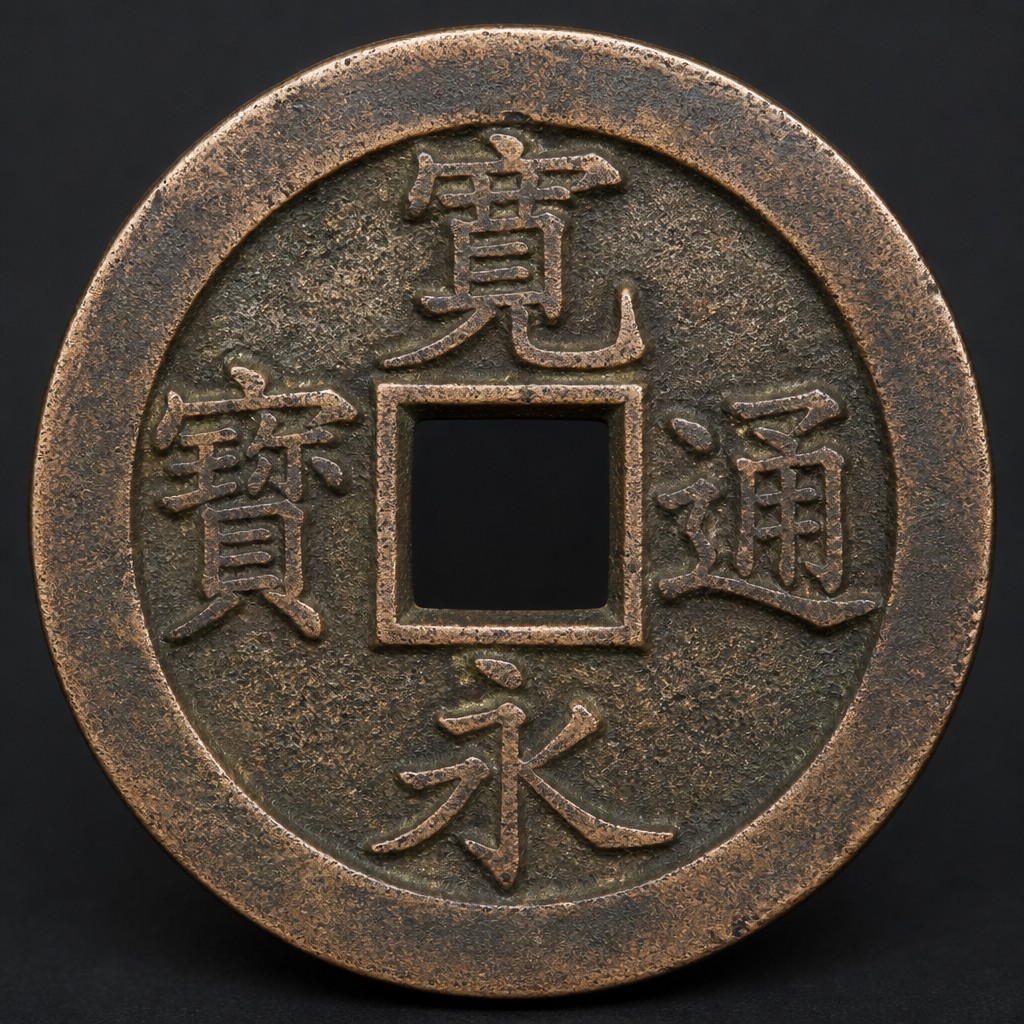
Japanese Mon (Kan'ei Tsuho cash coin)
Long-running cast copper or iron cash coin of Edo-period Japan, inscribed 'Kan'ei Tsuho' and produced continuously for well over two centuries.
- Country
- Japan
- Denomination
- 1 Mon (also 4 Mon variety)
- Metal
- Copper/Bronze (also iron)
Got a coin like this?
Identify any coin from a photo, free.
Overview
The Kan'ei Tsuho is Japan's most enduring cash coin, a small round coin with a square central hole modeled on the East Asian cash-coin tradition, first issued in 1636 and produced with only minor interruptions for more than two centuries through the Edo period. It served as the primary everyday small-denomination currency of Japan for generations.
Collectors appreciate Kan'ei Tsuho coins for their affordability, the wide array of mint and casting varieties reflecting Japan's decentralized minting practices, and their role as tangible artifacts of everyday life in Edo-period Japan.
History & Background
Introduced in the Kan'ei era (1624-1644) under the Tokugawa shogunate, the Kan'ei Tsuho standardized Japan's small-denomination cash coinage, largely replacing a patchwork of older Japanese coins and imported Chinese cash that had circulated previously. Its production continued, with periodic reissues and design tweaks, well into the 19th century, making it one of history's longest-produced coin types.
Various mints across Japan, both official and licensed domain mints, cast the coin over the centuries, leading to substantial variation in calligraphy style, metal composition (mostly copper alloy, though iron versions were also cast, especially in later or provincial issues), and minor design details. A four-mon denomination with a distinctive reverse motif was introduced later in the series as inflation and metal costs evolved.
How to Identify
Obverse: the four characters "Kan Ei Tsu Ho" arranged around the square central hole in the traditional top-bottom-right-left reading order, cast in relief.
Reverse: often plain on early, common one-mon issues, though certain varieties, including later four-mon pieces, show additional marks such as wave patterns, dots, or small characters indicating mint, casting batch, or denomination.
The coin is small and round, similar in general size to Chinese cash coins, with a square center hole, typically cast in copper or bronze alloy, though iron examples exist and are generally more heavily corroded due to the metal's poor corrosion resistance. Distinguishing the many recognized Kan'ei Tsuho varieties generally requires close study of calligraphy style and reverse marks; casual collectors typically identify the type simply by the four-character inscription itself.
Value & Collectibility
Common one-mon Kan'ei Tsuho cash coins are extremely affordable and widely available, often selling for very modest sums given the coin's centuries-long, large-scale production. Certain rare casting varieties, the scarcer four-mon denomination in top condition, or coins with unusual reverse marks can be notably more valuable to specialists.
Because this is a deep, highly variety-focused series, most of the value differentiation among Kan'ei Tsuho coins comes from advanced variety attribution rather than basic type rarity, which specialist reference catalogs address in detail.
Frequently asked questions
How long was this coin produced?
From 1636 into the 19th century, making it one of the longest-running coin types in history.
What does "mon" mean?
The basic small-denomination unit of traditional Japanese currency, similar in concept to the Chinese "cash" or wen.
What metals was it made from?
Mostly copper alloy, though iron versions were also cast, particularly later or in certain provinces.
Are these coins valuable?
Most common examples are quite inexpensive; value mainly comes from rare casting varieties or the four-mon denomination.
How do I read the coin?
The four characters around the square hole are read top, bottom, right, then left, spelling "Kan-ei Tsu-ho."
Other coins you may enjoy
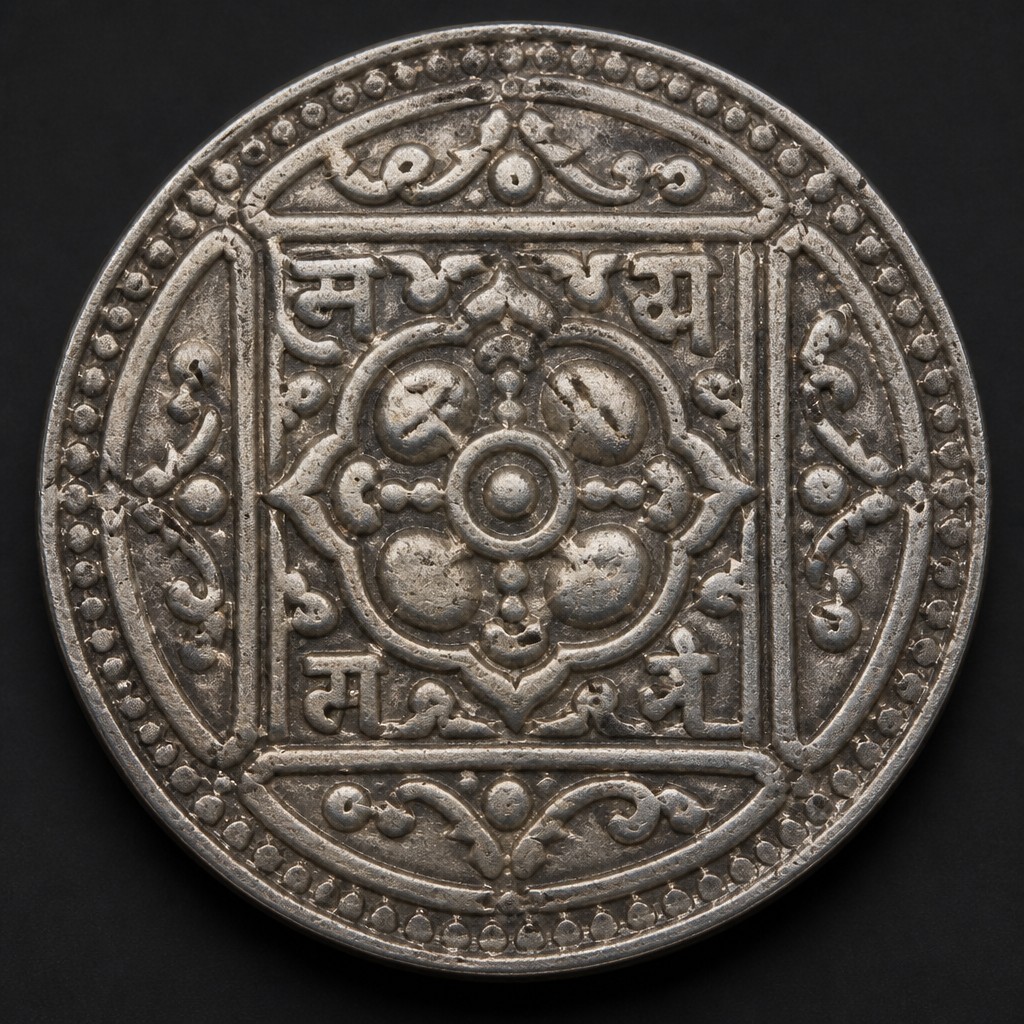
Nepal Silver Mohar
c. 16th–19th century
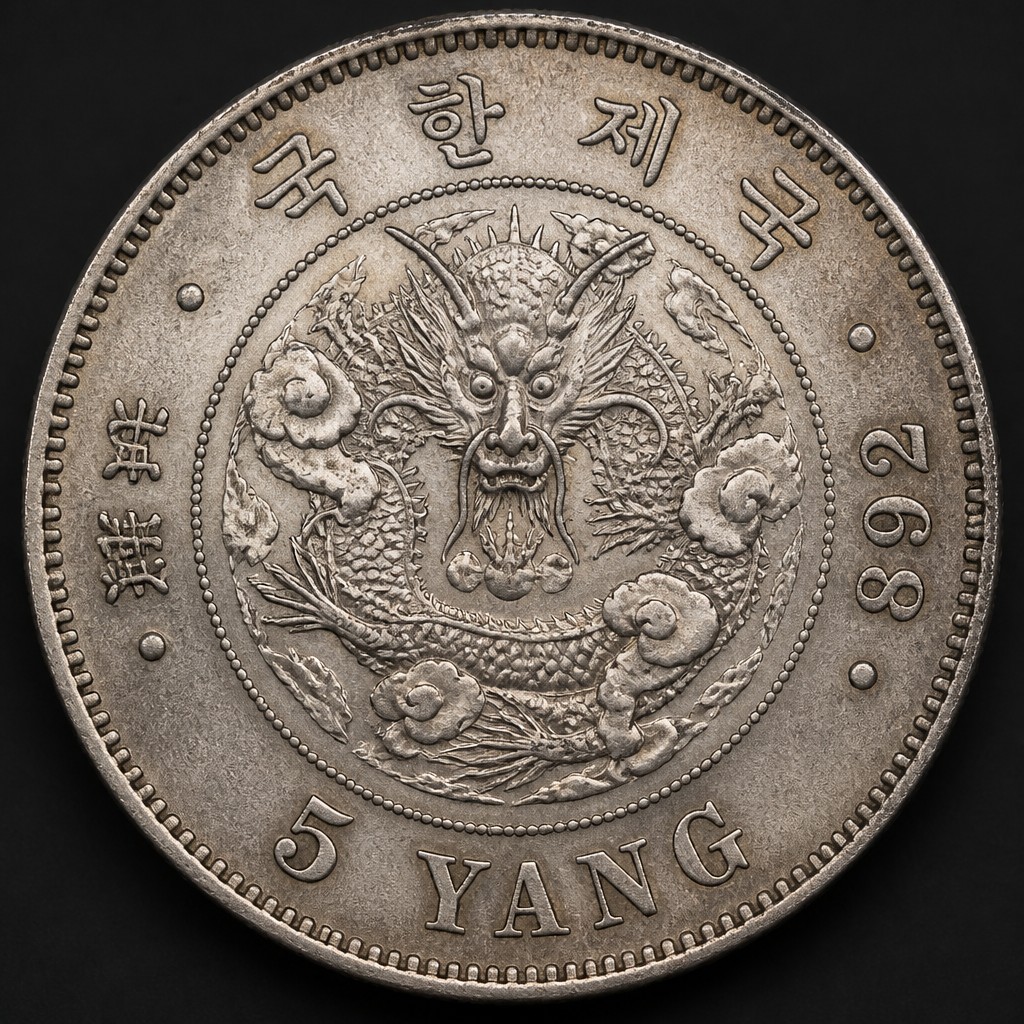
Korean 5 Yang Silver Dollar (1892)
1892
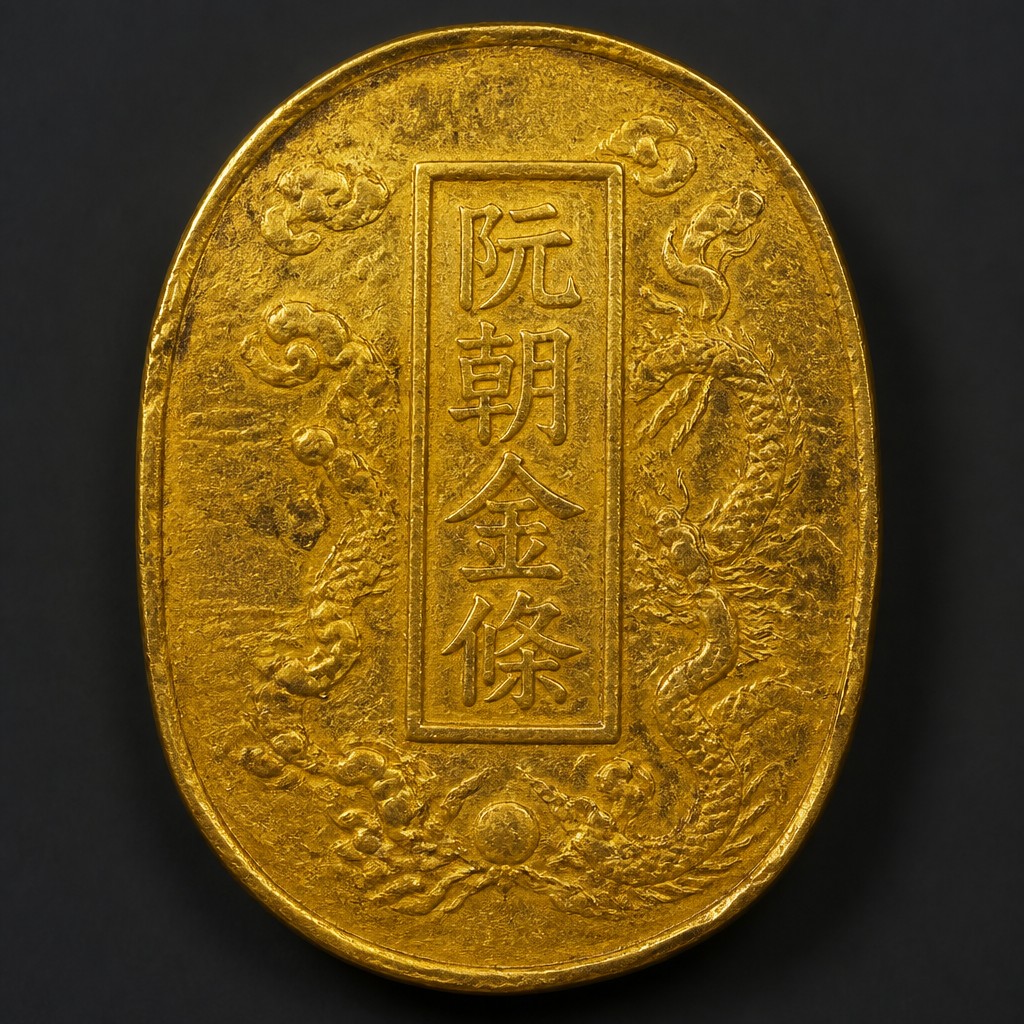
Nguyen Dynasty Gold Bar (Vietnam)
19th century
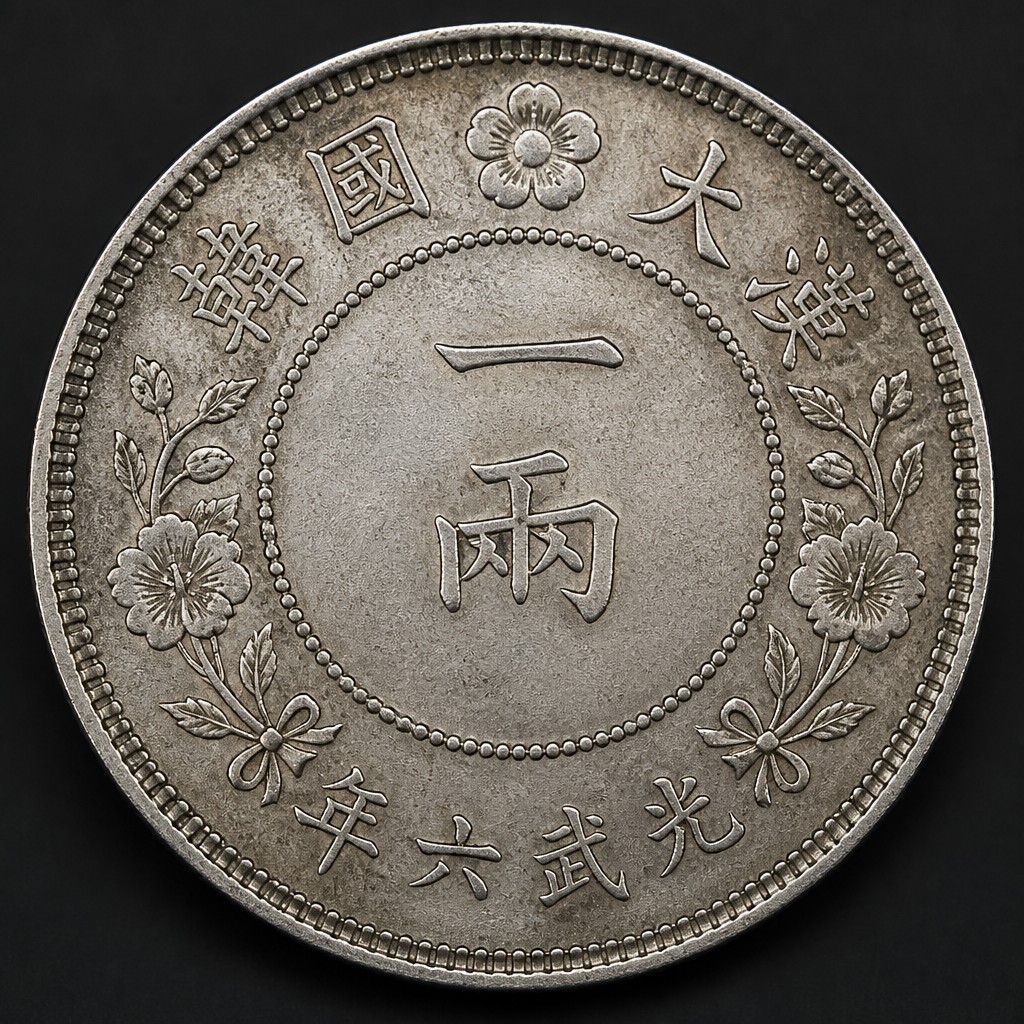
Korean 1 Yang Silver (Joseon/Great Han Empire)
1892–1902
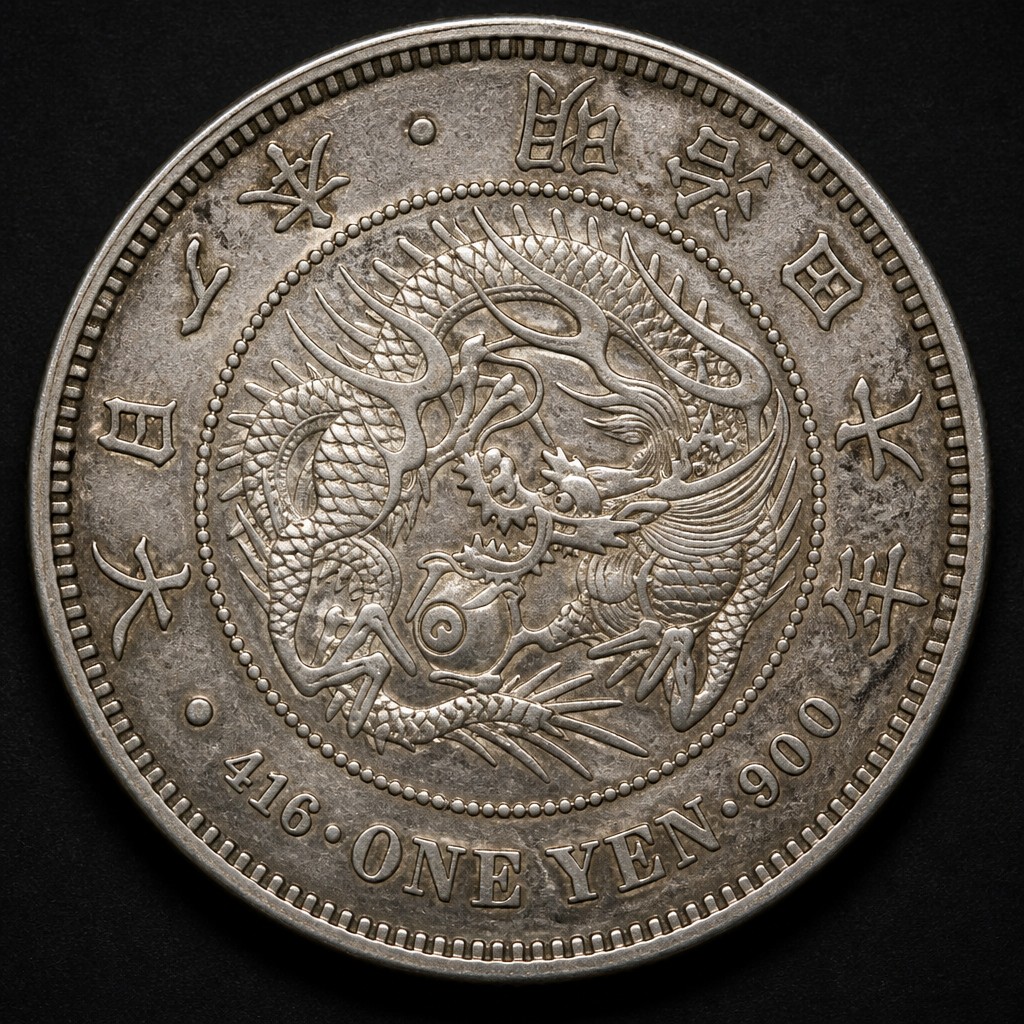
Japanese 1 Yen Silver 'Dragon' Trade Dollar
1870–1914 (trade dollar variant 1875–1877)
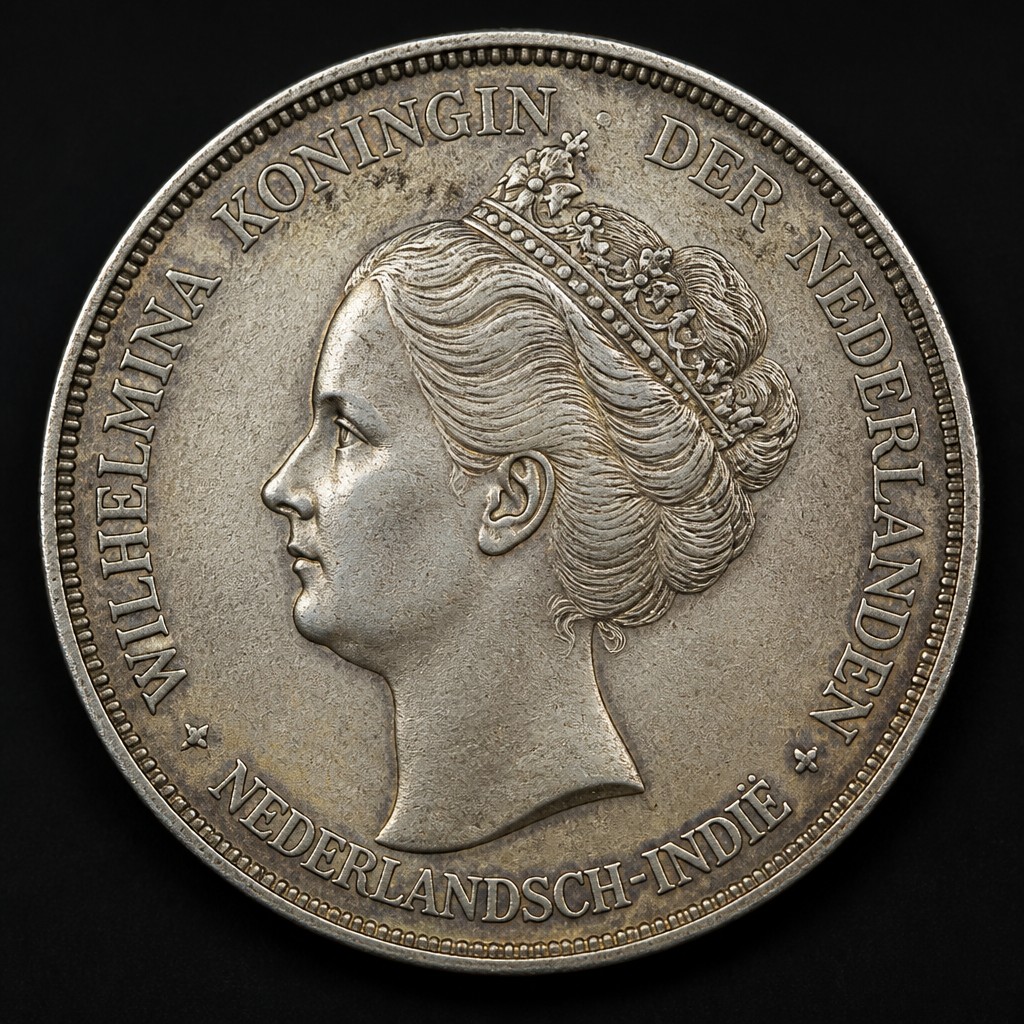
Netherlands East Indies Gulden (Wilhelmina)
1897–1945
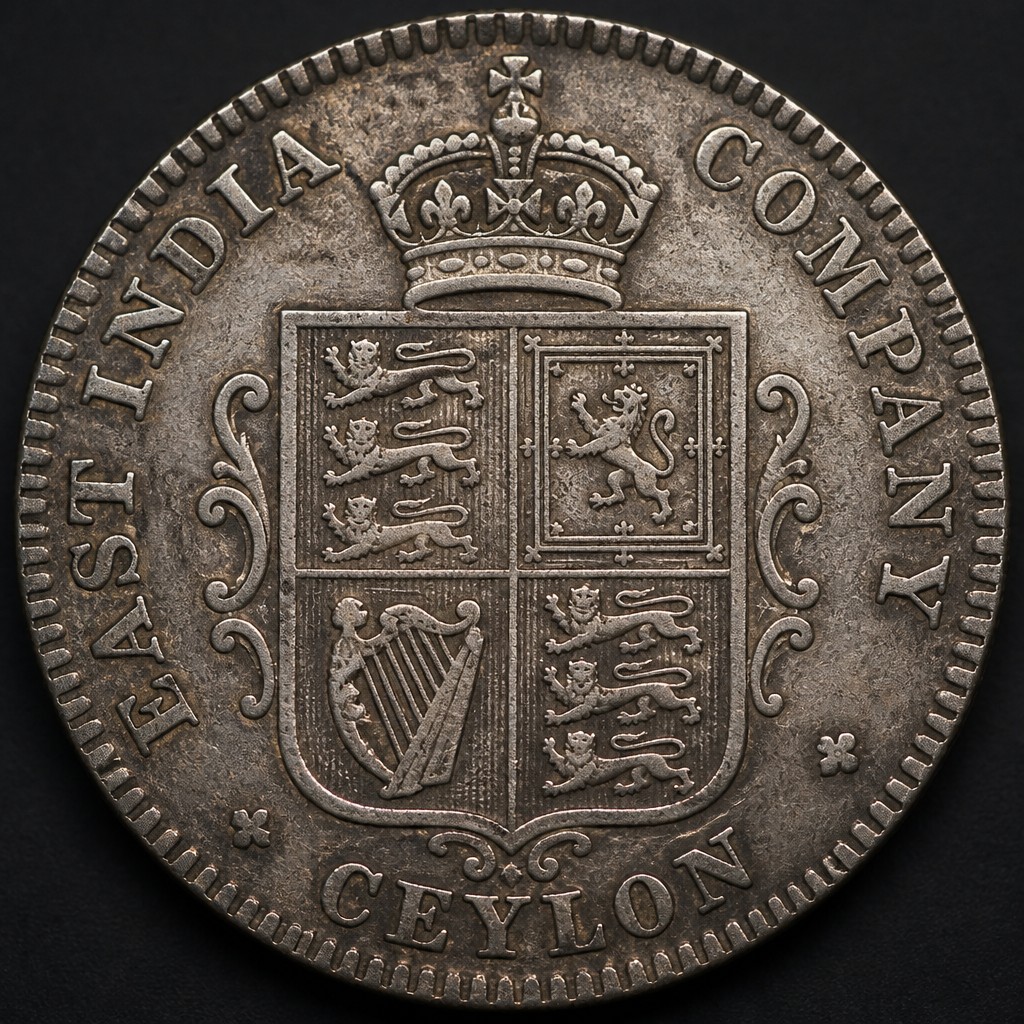
Ceylon (Sri Lanka) EIC Rixdollar
c. 1802–1821
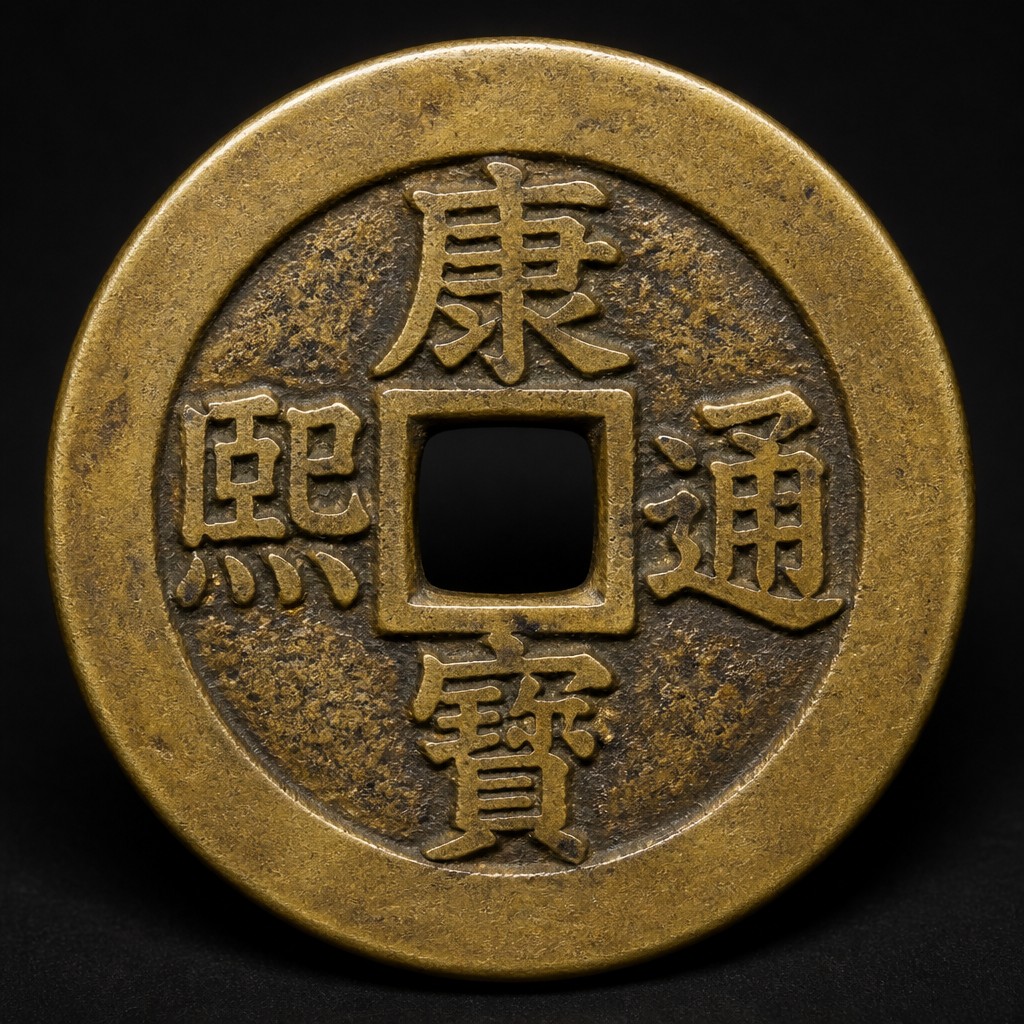
Chinese Cash Coin (Qing Dynasty 'Kangxi Tongbao')
1662–1722
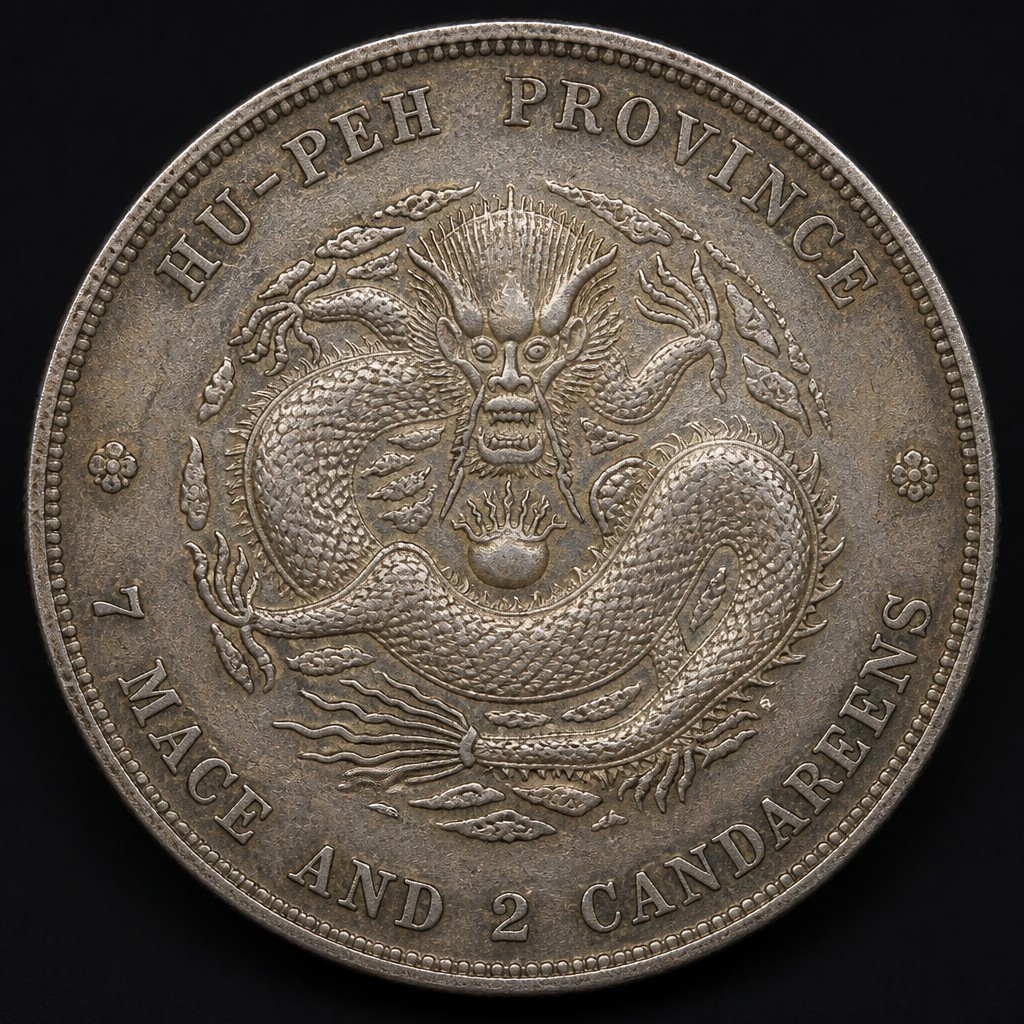
Chinese Hupeh Province Dragon Dollar
c. 1895–1909
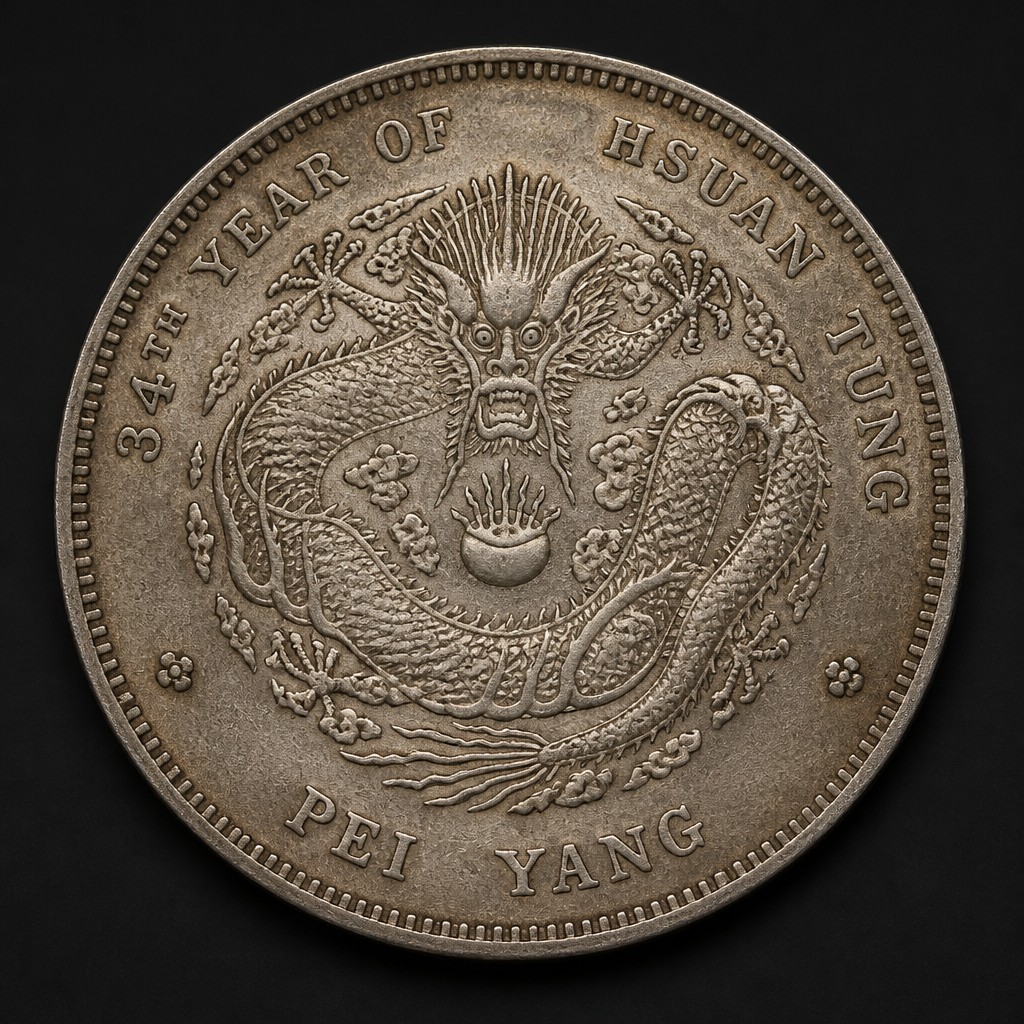
Chinese Empire Silver Dollar (Hsuan Tung Dragon)
1909–1911
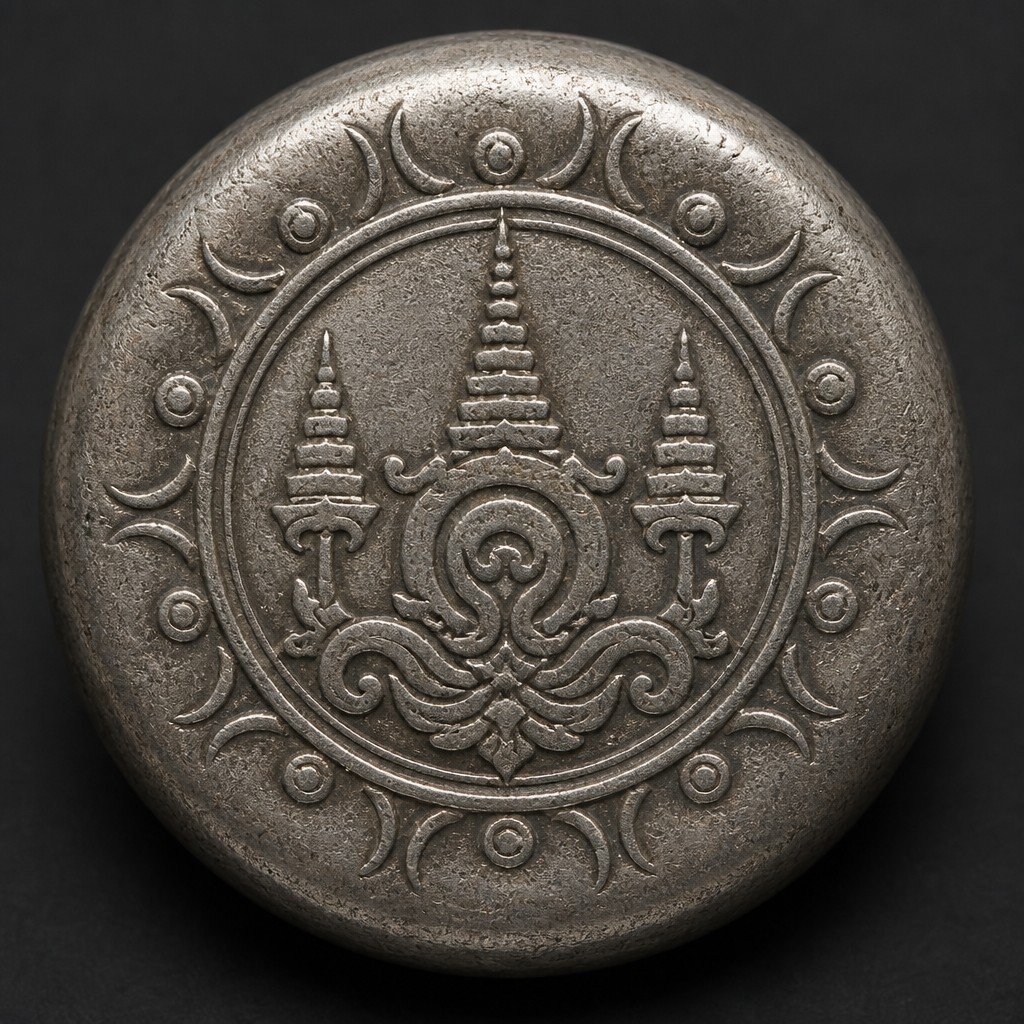
Thailand (Siam) Silver Baht 'Bullet Money' (Pod Duang)
c. 13th century – late 19th century
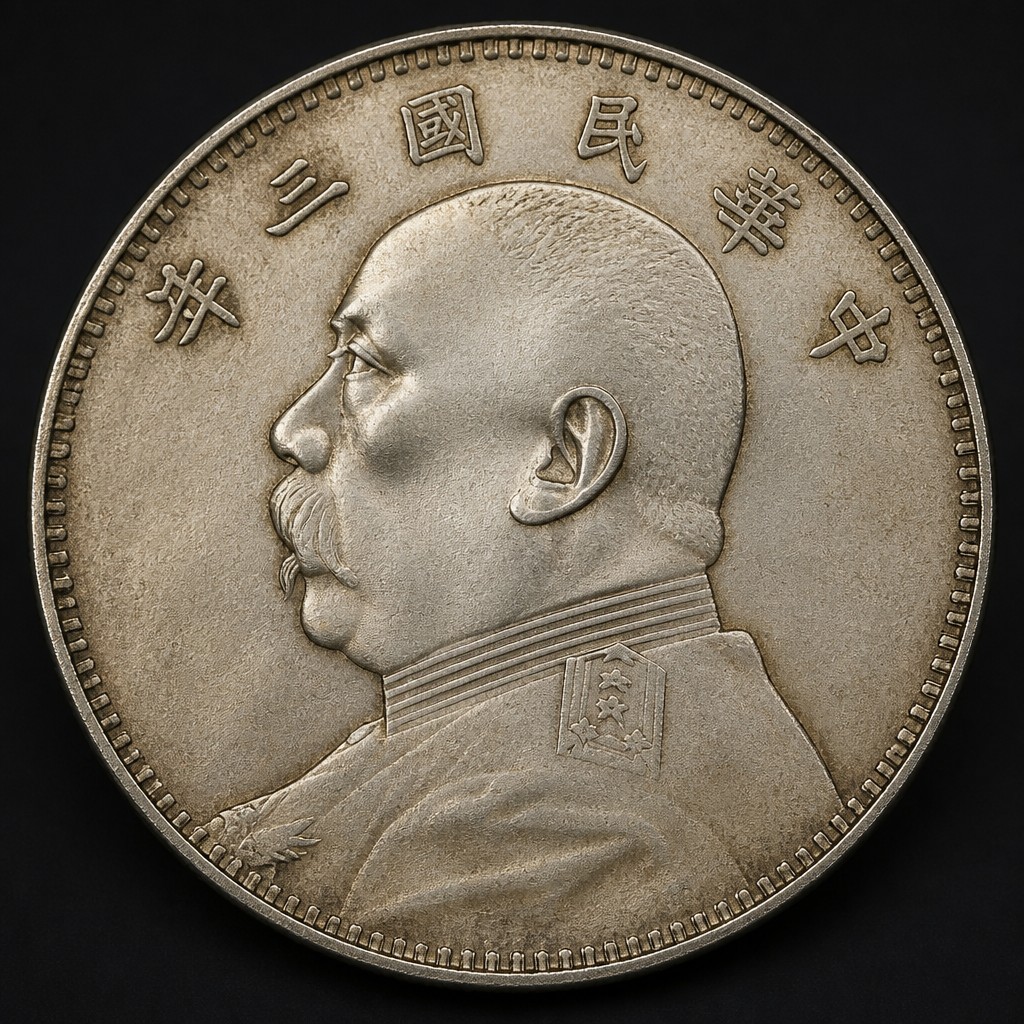
Yuan Shikai 'Fatman' Dollar (1914)
Dated 1914, struck into the early 1920s