
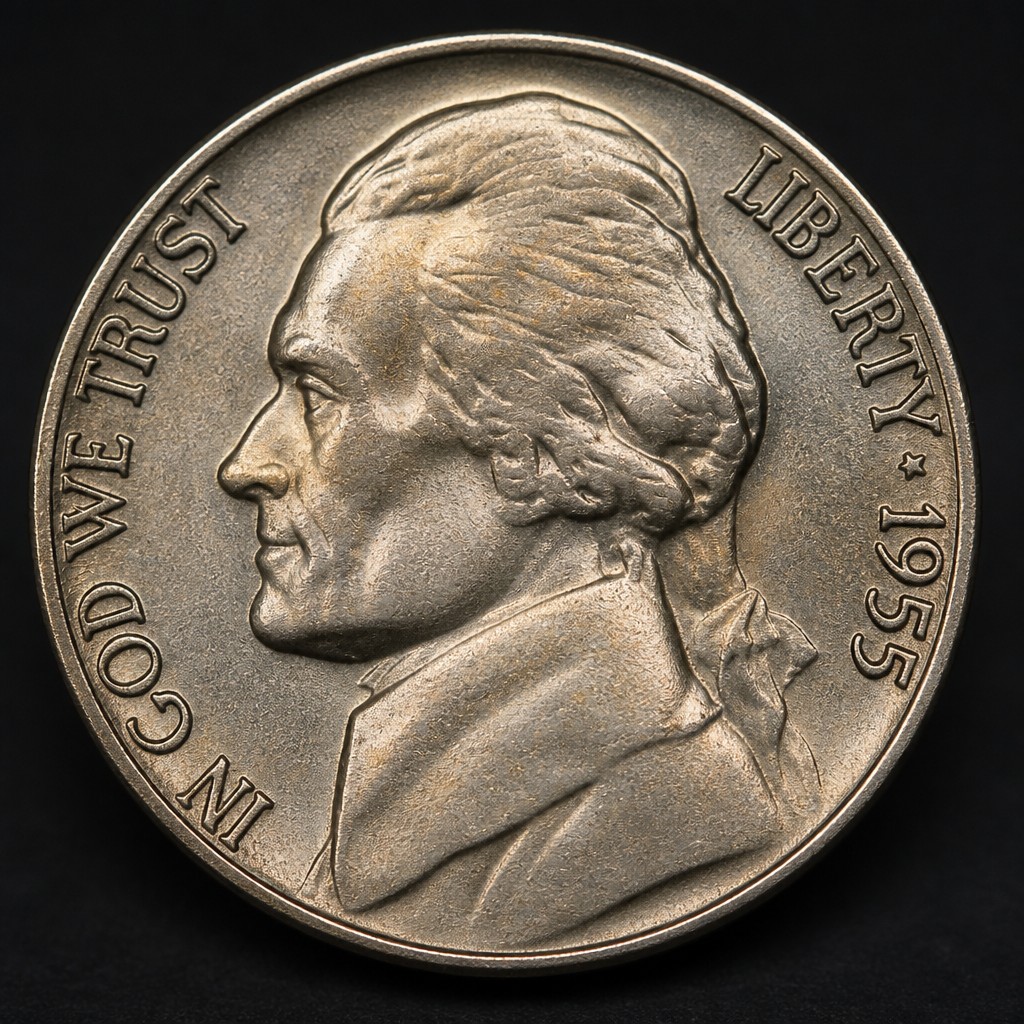
1955 Jefferson Nickel Poor Man's Doubled Die
A minor doubled-die variety on the 1955 Jefferson Nickel's date, nicknamed the 'Poor Man's Doubled Die' as a more affordable alternative to the famous 1955 doubled-die Lincoln Cent.
- Country
- United States
- Denomination
- Five Cents
- Metal
- Copper-Nickel (75% Copper, 25% Nickel)
Got a coin like this?
Identify any coin from a photo, free.
Overview
The 1955 Jefferson Nickel Poor Man's Doubled Die is a recognized variety showing doubling in the date, most visibly in the numeral 5s. Its nickname arises from its relationship to the much more famous and expensive 1955 Doubled Die Obverse Lincoln Cent, a legendary variety from the same year that shows dramatic doubling across the entire obverse legend and date.
While the Jefferson Nickel variety is far more modest in appearance, it appeals to variety collectors and to those who want a piece of 1955 doubled-die history at a much more accessible price point. It has become a staple entry in variety references for the Jefferson Nickel series.
As with most doubled dies, the effect is a product of the hubbing process used to create working dies, in which the die face is impressed more than once and a slight shift between impressions leaves visible doubling on raised design elements.
History & Background
During 1955, hubbing practices at the Philadelphia Mint produced a range of doubled-die varieties across different denominations, the most famous being the dramatic doubling on the Lincoln Cent's obverse. Around the same time, a Jefferson Nickel working die exhibited a milder doubling effect concentrated in the date.
Because the doubling was far less pronounced than on the famous cent, the nickel variety did not attract significant attention until specialized variety collectors and researchers cataloged it years later, giving it the informal nickname "Poor Man's Doubled Die" to reflect both its visual similarity in concept and its much lower cost relative to the legendary cent.
The variety has since become a well-established entry in guides devoted to Jefferson Nickel doubled dies and other minor die varieties from the mid-1950s.
How to Identify
The obverse of the 1955 nickel shows the standard Jefferson portrait facing left, LIBERTY and a star to the left, IN GOD WE TRUST above, and the date at the bottom. On the Poor Man's Doubled Die variety, magnified examination of the date reveals doubling, most often described as visible in the numerals, particularly around the 5s, giving them a thickened or slightly split appearance.
The reverse is unchanged from the standard type, showing Monticello with the usual legends and mintmark placement (Philadelphia coins from this era carry no mintmark). Because the doubling is subtle, a loupe or strong magnification is generally required to confirm the variety, and collectors often compare suspect coins against published reference images to distinguish true doubling from mechanical damage or strike doubling, which is not considered a genuine mint error variety.
Grading and value for this variety follow standard Jefferson Nickel wear patterns, focused on Jefferson's cheek and hair and the steps and pillars of Monticello.
Value & Collectibility
The Poor Man's Doubled Die trades at a modest premium over an ordinary 1955 Jefferson Nickel, reflecting its status as a legitimate but minor variety rather than a dramatic, easily visible doubled die. Prices remain accessible for most collectors, making it a popular entry-level doubled-die coin.
As with other varieties, well-preserved, higher-grade examples with clear doubling bring more than heavily worn or ambiguous specimens, and certification by a major grading service that specifically attributes the doubled die adds confidence and can support a stronger premium.
Frequently asked questions
Why is it called the 'Poor Man's Doubled Die'?
It references the far more famous and expensive 1955 Doubled Die Lincoln Cent, offering a similarly themed but much more affordable variety from the same year.
Where is the doubling located on this nickel?
The doubling is concentrated in the date on the obverse, most noticeably around the numeral 5s.
Do I need magnification to see the doubling?
Yes, a loupe or strong magnification is typically needed since the doubling is far more subtle than on the famous 1955 doubled-die cent.
Is this the same as strike doubling or machine doubling?
No, true doubled dies result from the die-hubbing process, while strike doubling is a separate mechanical effect not considered a genuine mint variety.
Other coins you may enjoy
2000-P Sacagawea Cheerios Dollar
2000
1972 Eisenhower Dollar (Type 2)
1972
1974 Aluminum Cent
1974
1965 Silver Washington Quarter (Transitional Error)
1965
1982 Copper/Zinc Transition Lincoln Cent
1982
1936 Doubled Die Lincoln Cent
1936
1942/1 Mercury Dime Overdate
1942
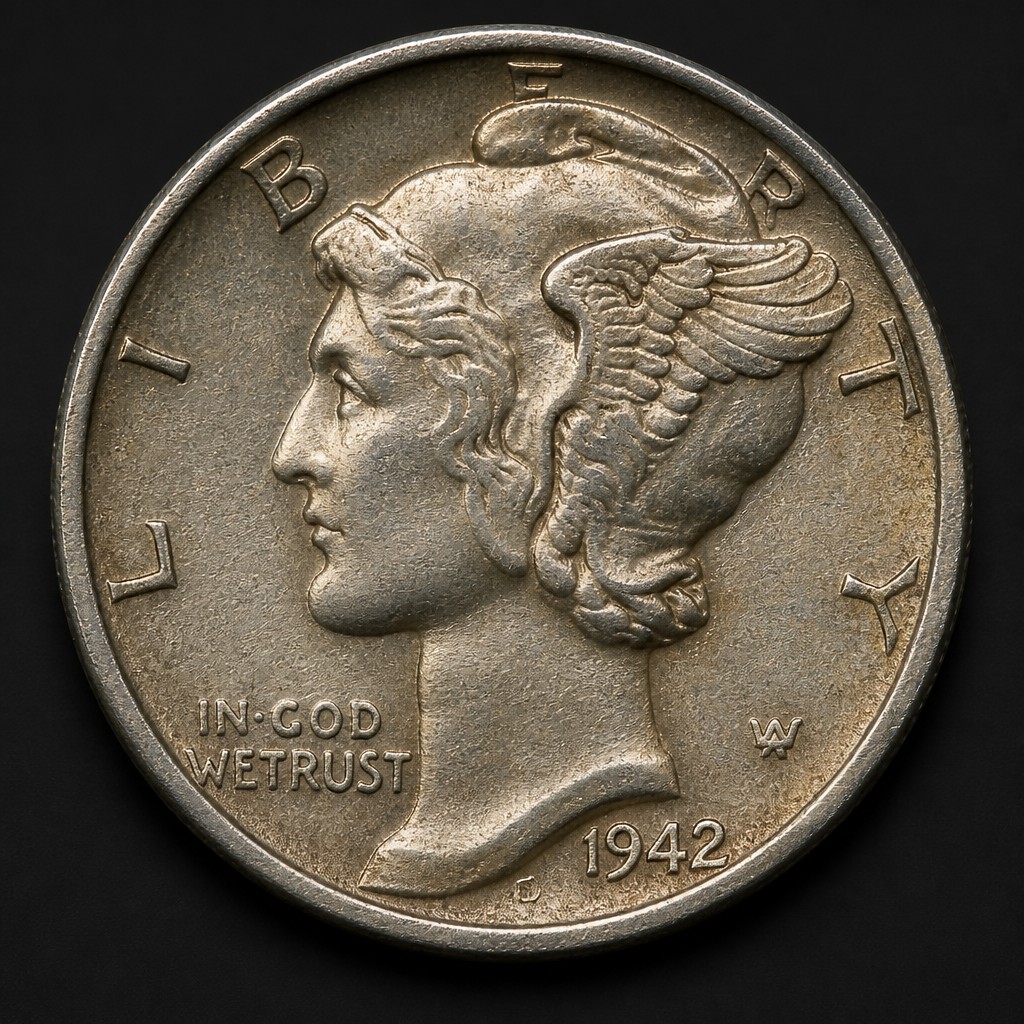
1942/1-D Mercury Dime Overdate
1942
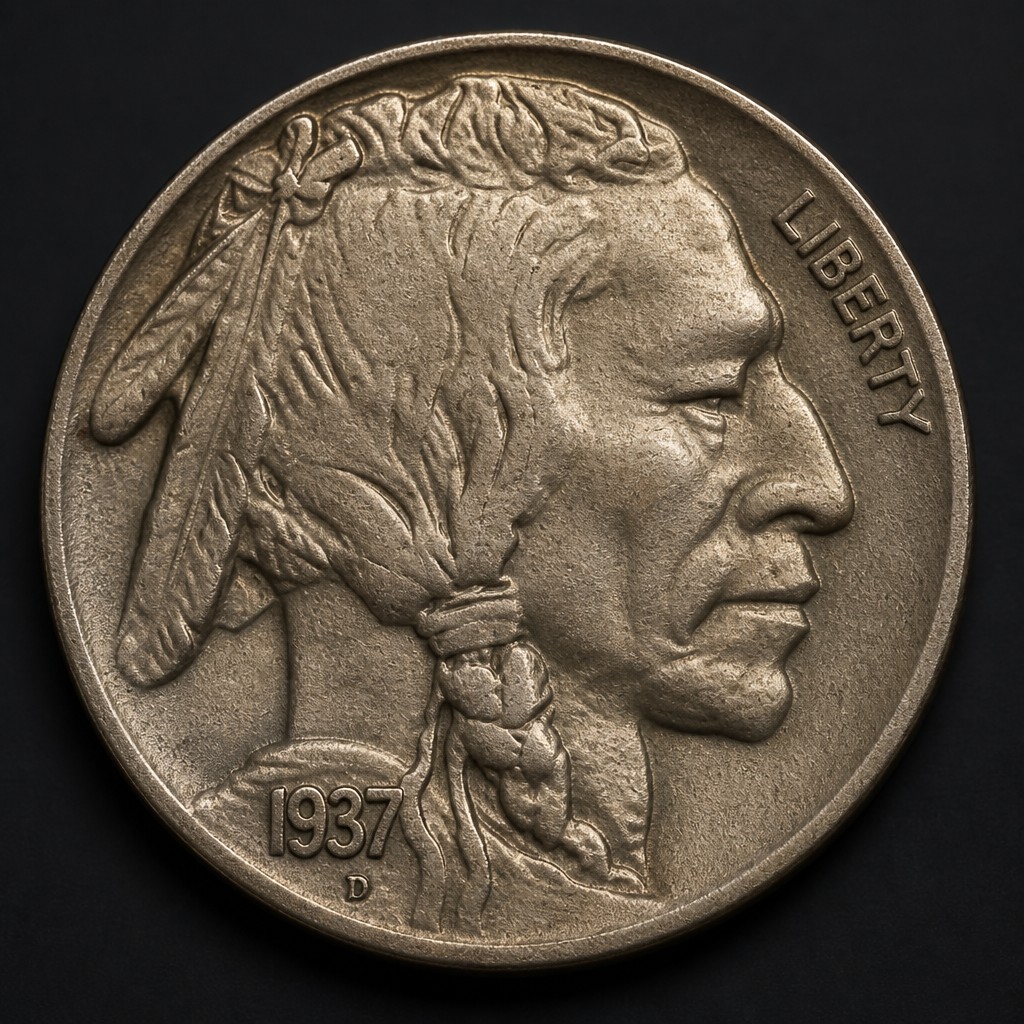
1937-D Three-Legged Buffalo Nickel
1937
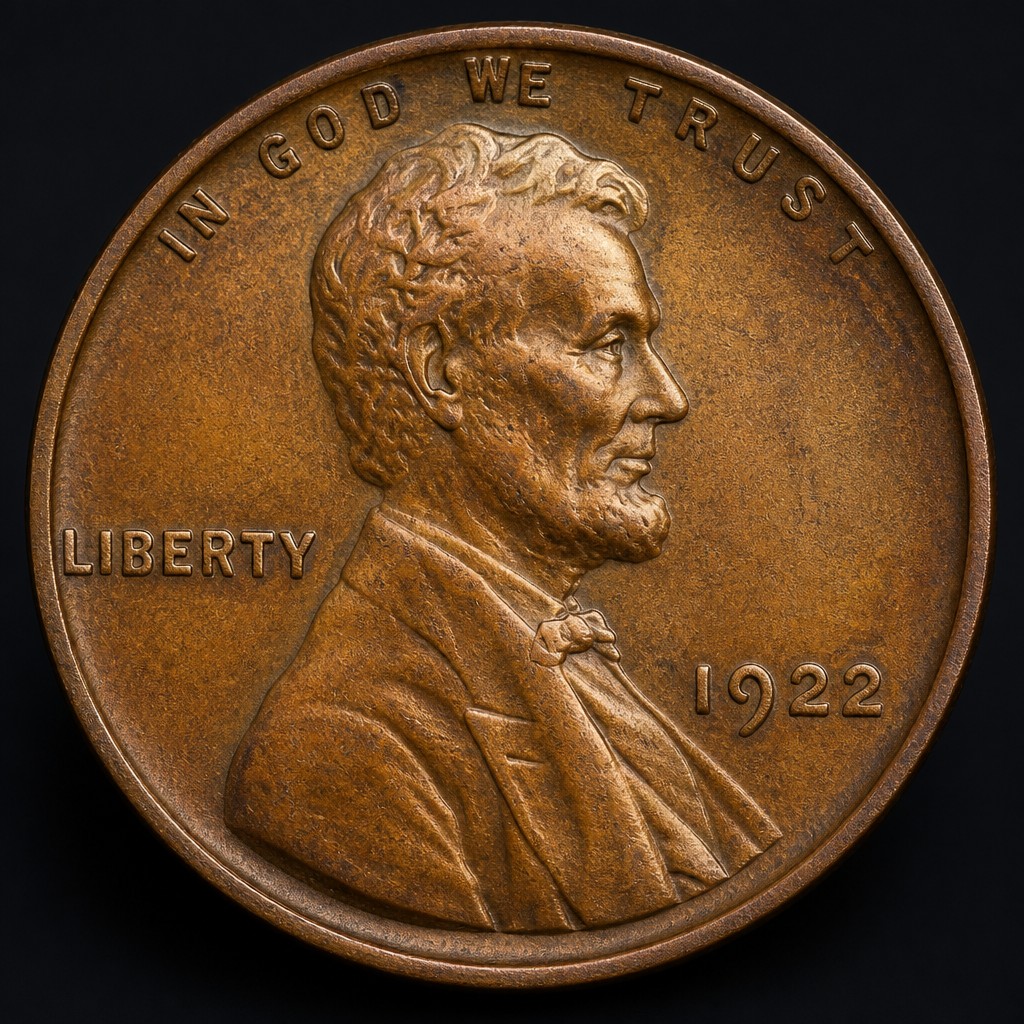
1922 No D Lincoln Cent
1922
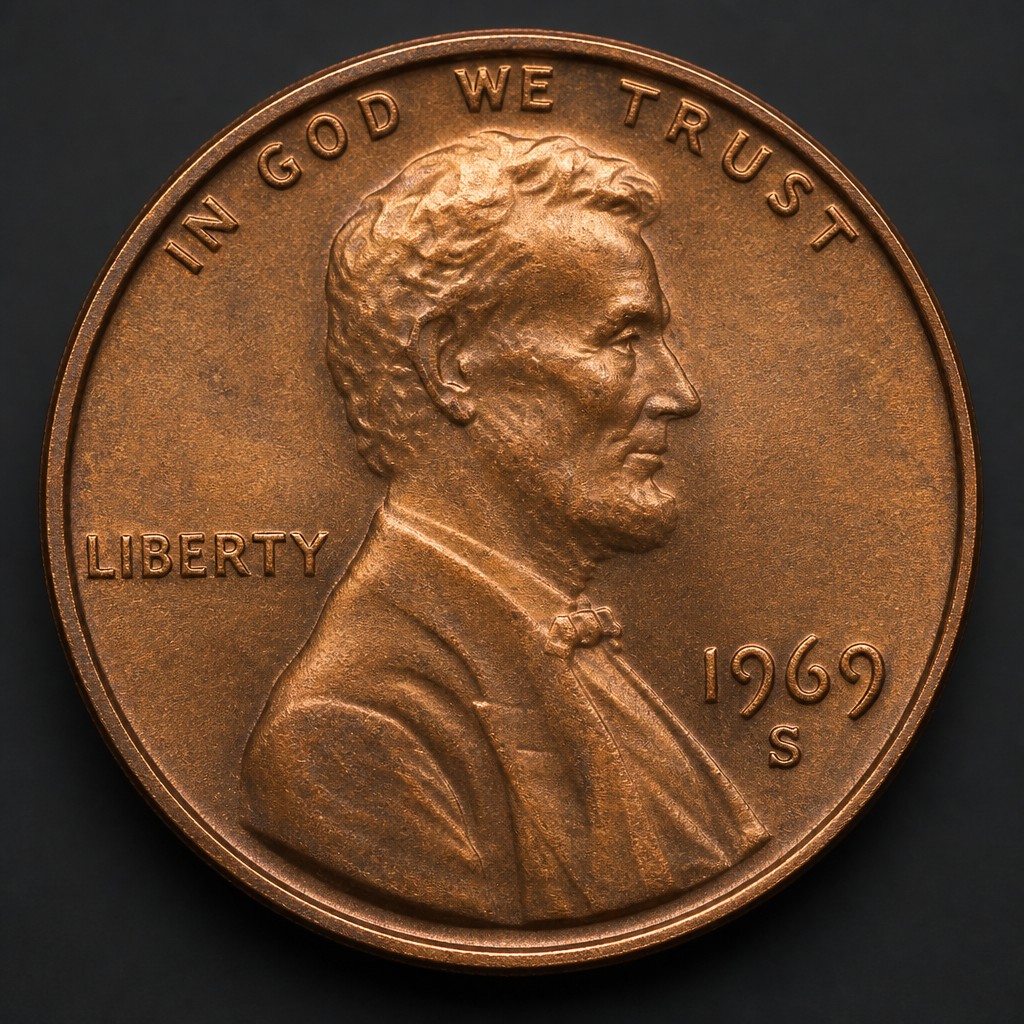
1969-S Doubled Die Lincoln Cent
1969
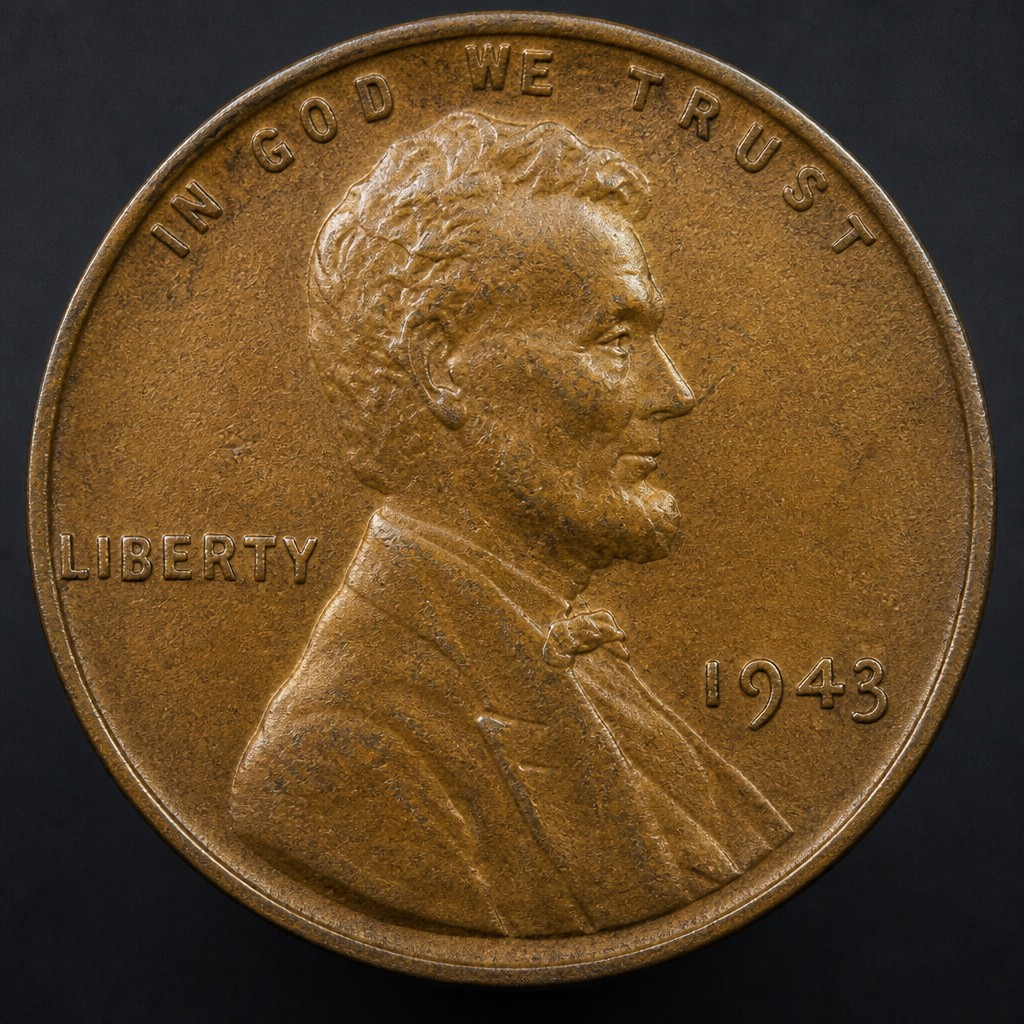
1943 Bronze Lincoln Cent
1943