
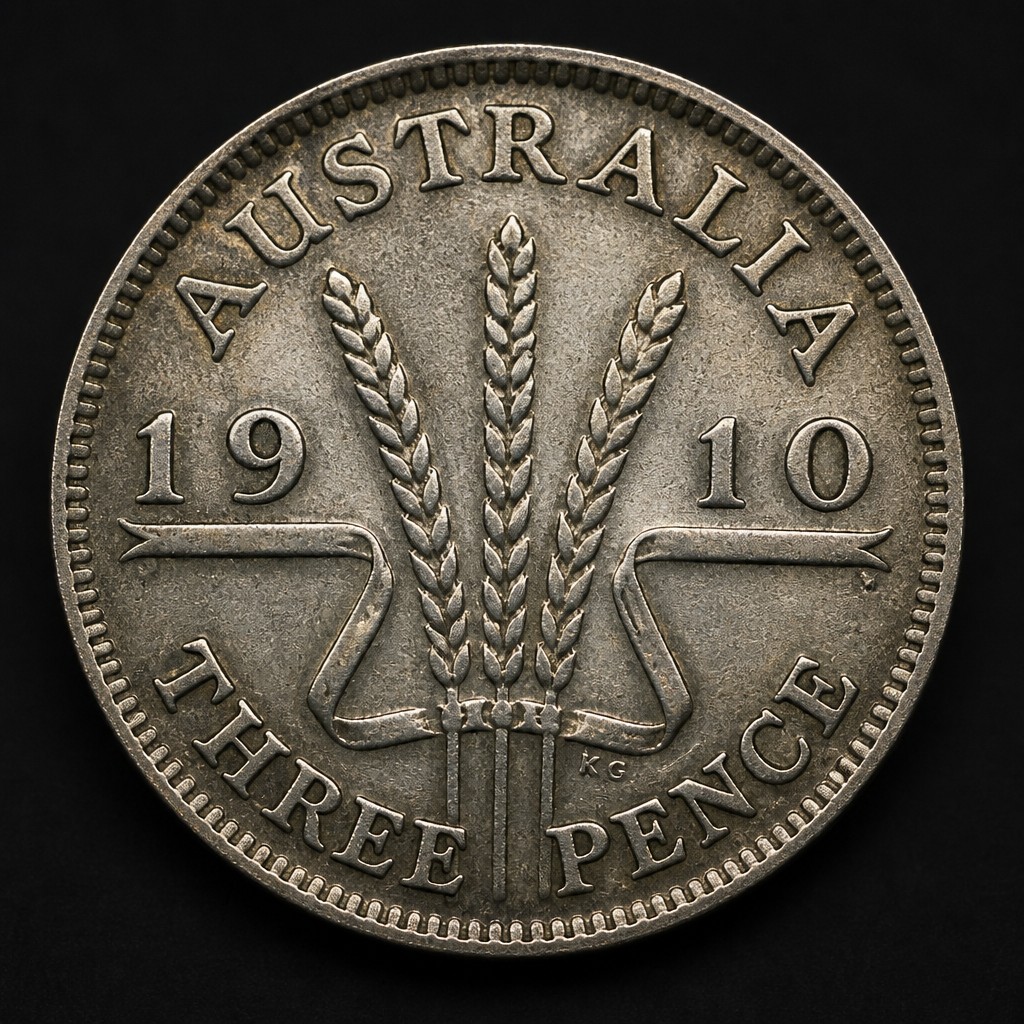
Australian Threepence (pre-decimal)
Small pre-decimal Australian silver coin worth three pence, popularly recognized for its bundled wheat-ear reverse design used across most of the 20th century.
- Country
- Australia
- Denomination
- Threepence
- Metal
- 92.5% silver (pre-1946); 50% silver (1946-1964)
Got a coin like this?
Identify any coin from a photo, free.
Overview
The threepence, often nicknamed the 'trey,' was Australia's smallest regular silver denomination before decimalization, minted from 1910 through 1964. It was widely used in everyday transactions and became a common gift hidden inside Christmas puddings in Australian tradition.
The most recognizable reverse design, in use for most of the coin's run, features three stalks of wheat bound together, symbolizing Australian agriculture; earlier issues carried different reverse artwork before this design was standardized.
Like other Australian silver coins, the threepence's silver content dropped from 92.5% to 50% starting in 1946, and the denomination was discontinued when decimal currency replaced it in 1966.
History & Background
Australia introduced its own threepence coin in 1910 alongside the sixpence, shilling, and florin as the newly federated Commonwealth moved away from using plain British coinage. Early threepence reverses used a design distinct from the later wheat-sheaf motif, which was introduced as part of a broader 1938 redesign of Australian coinage.
The wheat-ear reverse, closely associated with George Kruger Gray's coinage work for several British Commonwealth nations, became the enduring image for the denomination and remained until the coin's retirement.
Because the coin was small and light, it became a popular token to bake into Christmas puddings as a good-luck charm, a tradition that has kept the threepence culturally memorable in Australia long after its withdrawal from circulation.
How to Identify
Obverse: the reigning monarch's portrait (George V, George VI, or Elizabeth II depending on date) with standard titles. Reverse: on most dates, three bound stalks of wheat with the denomination and COMMONWEALTH OF AUSTRALIA legend; earlier pre-1938 issues carry different reverse artwork.
The coin is quite small, about 16mm in diameter, making it one of the tiniest denominations in the pre-decimal series. Silver content is 92.5% before 1946 and 50% from 1946 onward, a distinction collectors note when assessing bullion value.
Because of its small size and light weight, the threepence is sometimes confused with foreign coins of similar dimensions; the kangaroo-and-emu coat of arms or wheat-ear reverse combined with COMMONWEALTH OF AUSTRALIA text confirms its identity.
Value & Collectibility
Most threepences are common in circulated grades and trade near their small silver content, but certain dates with lower mintages command real collector premiums, particularly in higher uncirculated grades. As with other pre-decimal Australian silver, grade sensitivity is significant since decades of circulation left many surviving examples heavily worn.
Key dates within the series, along with proof or specimen strikes from certain years, are more valuable and are best confirmed against a current numismatic reference before buying or selling.
Because the coin is small and silver content modest, overall dollar values tend to be lower than for larger denominations like the florin or half crown, though scarce dates in top condition can still be notable collectibles.
Frequently asked questions
Why was the threepence associated with Christmas?
Its small size made it a popular coin to bake into Christmas puddings as a good-luck token, an enduring Australian tradition.
What does the reverse typically show?
Most dates show three bound stalks of wheat, symbolizing Australian agriculture, though early pre-1938 issues used a different design.
How big is the coin?
It is quite small, about 16mm across, one of the smallest coins in the Australian pre-decimal series.
When did the threepence stop being minted?
Production ended around 1964, and the denomination was retired entirely with decimalization in 1966.
Other coins you may enjoy
Egyptian Qirsh (Muhammad Ali Era)
Early-to-mid 19th century (c. 1805–1848)
Moroccan Rial (Alawi Dynasty Coinage)
18th–19th century (pre-protectorate era)
South African Sixpence (Union)
1923-1960
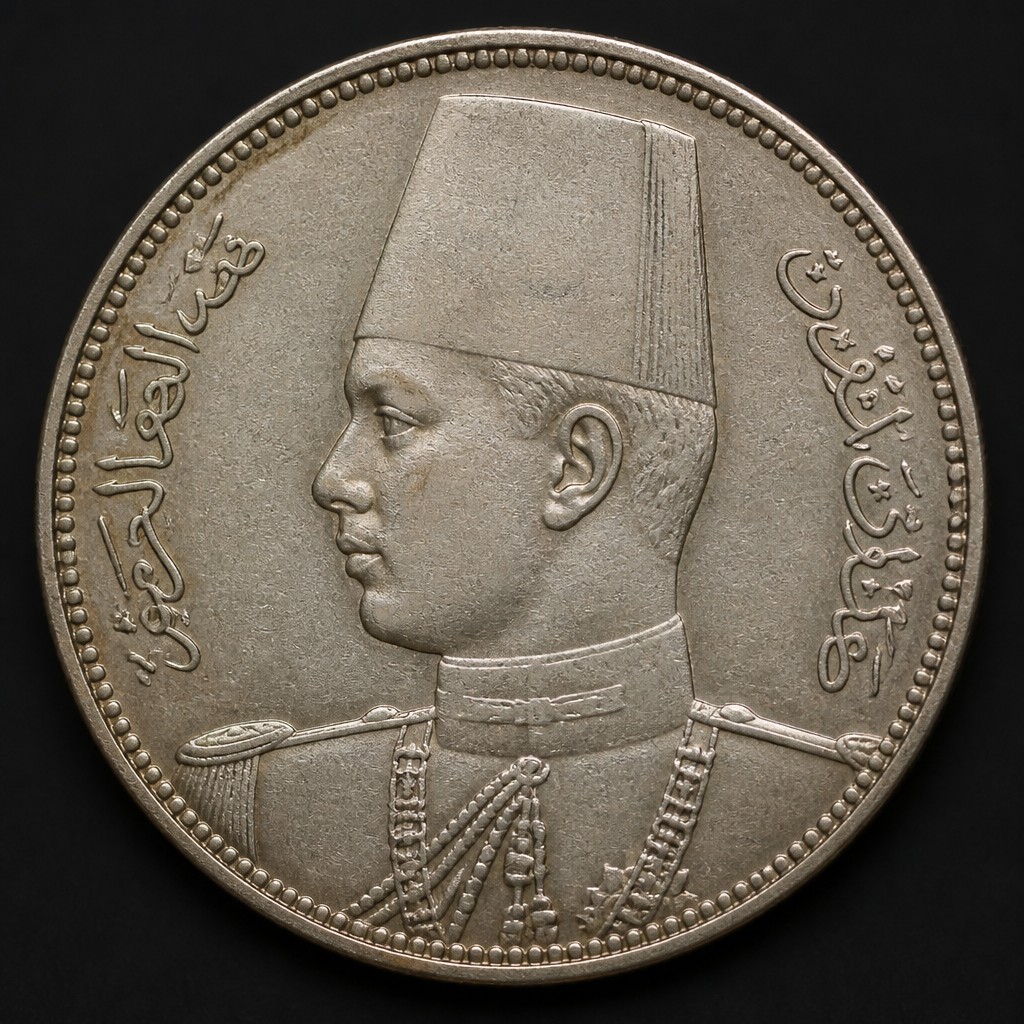
Egyptian Farouk 5 Piastres
1937-1952
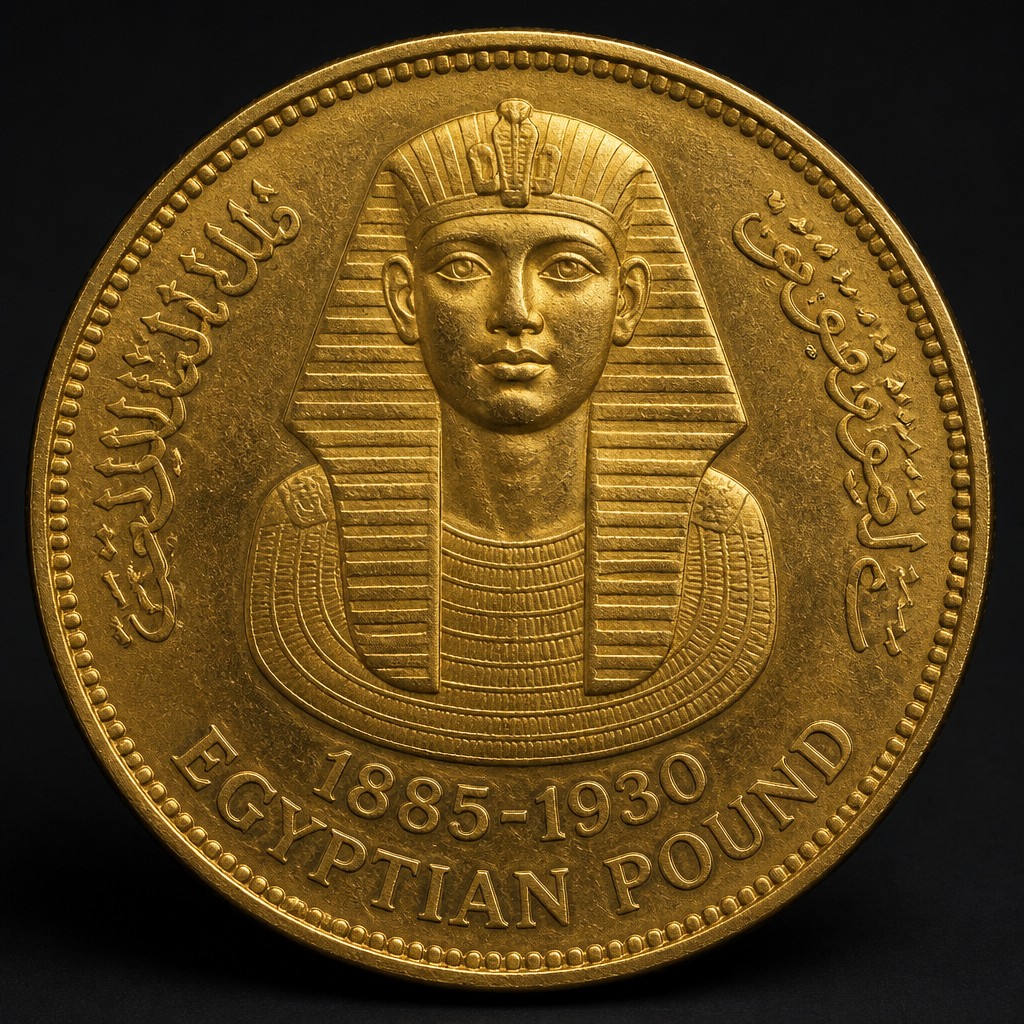
Egyptian Pound (gold)
1885–1930
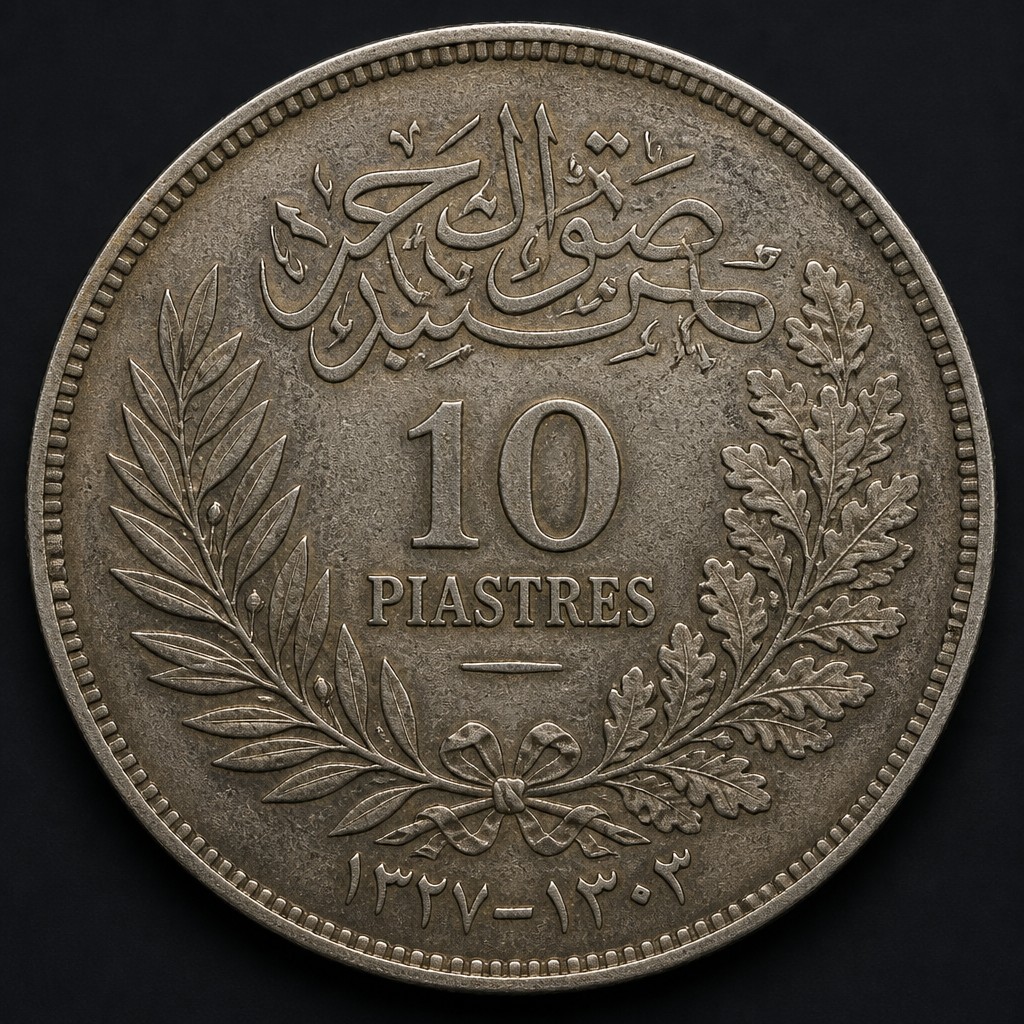
Egyptian 10 Piastres (silver)
1885–1939
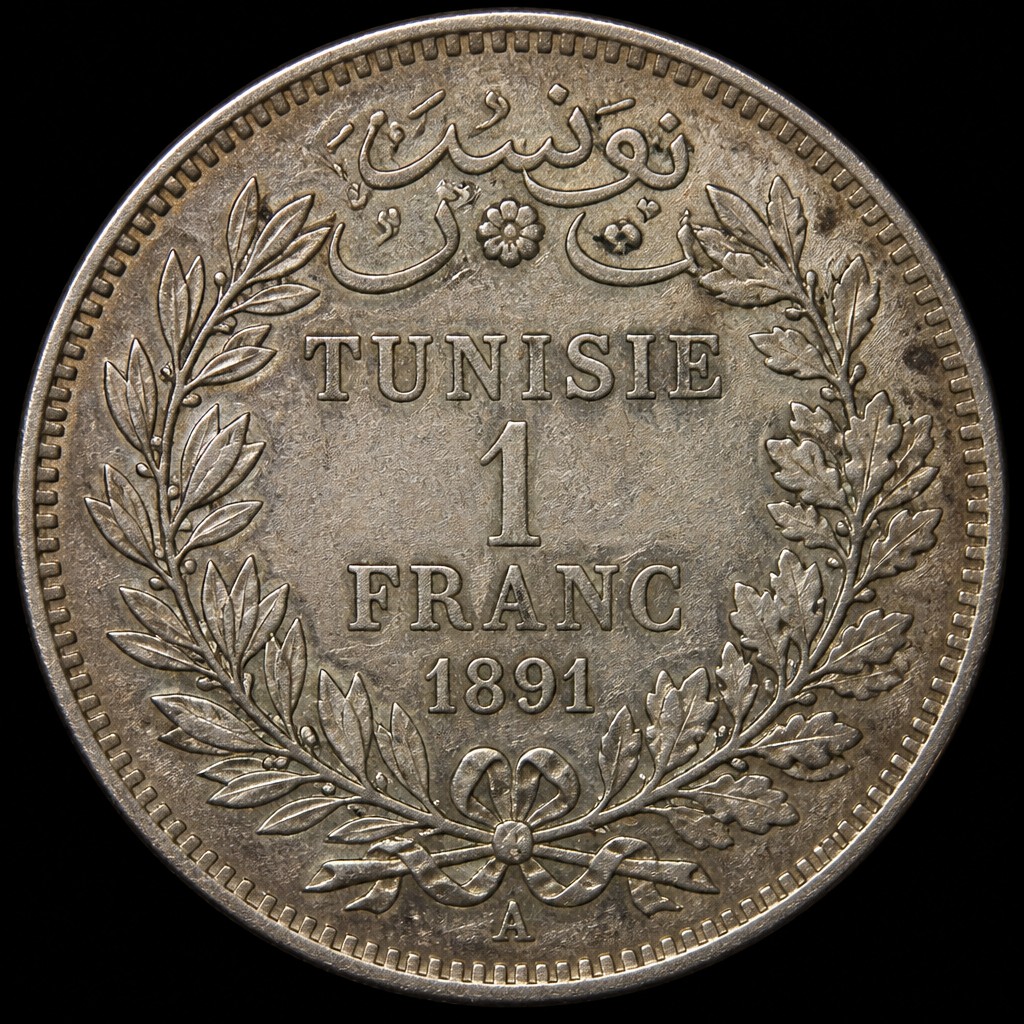
Tunisian Franc (Beylik Era)
Late 19th–early 20th century (c. 1891–1957 transition)
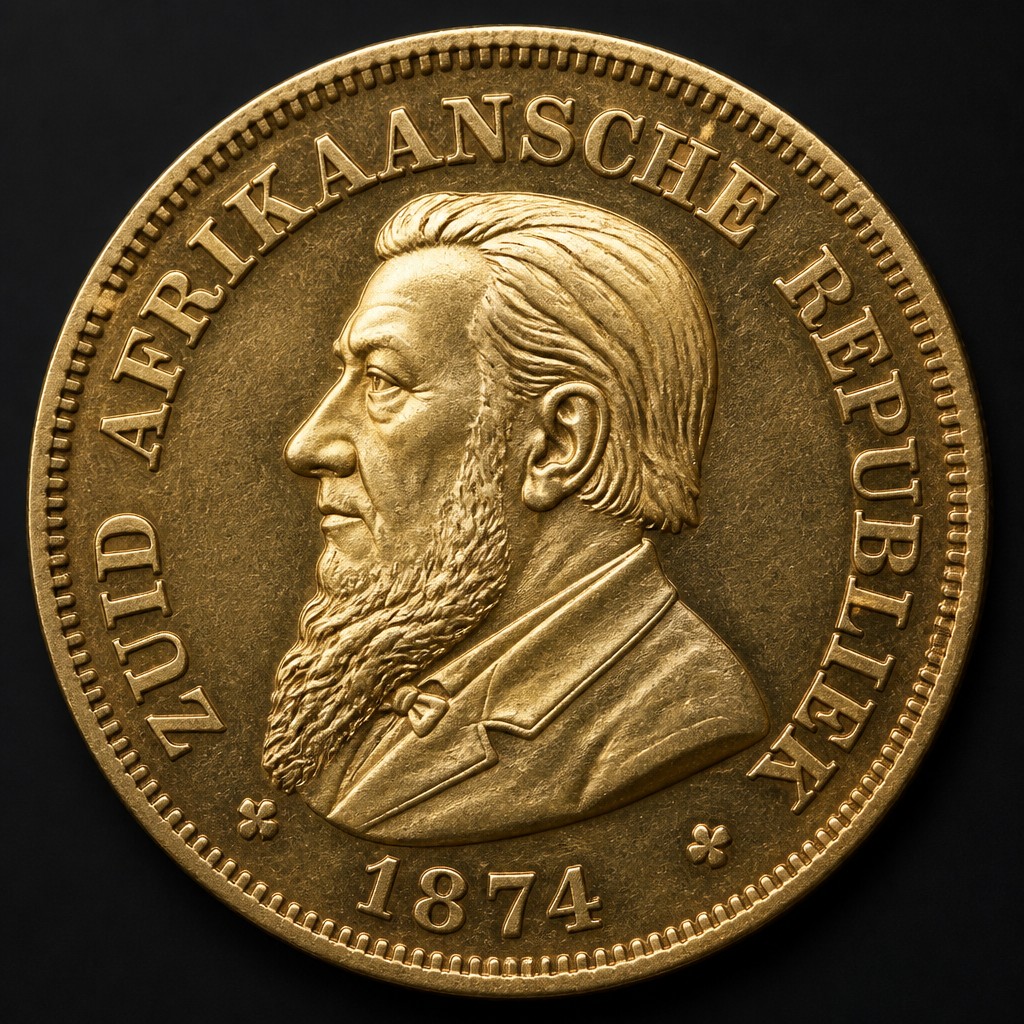
South African Republic Burgers Pond
1874
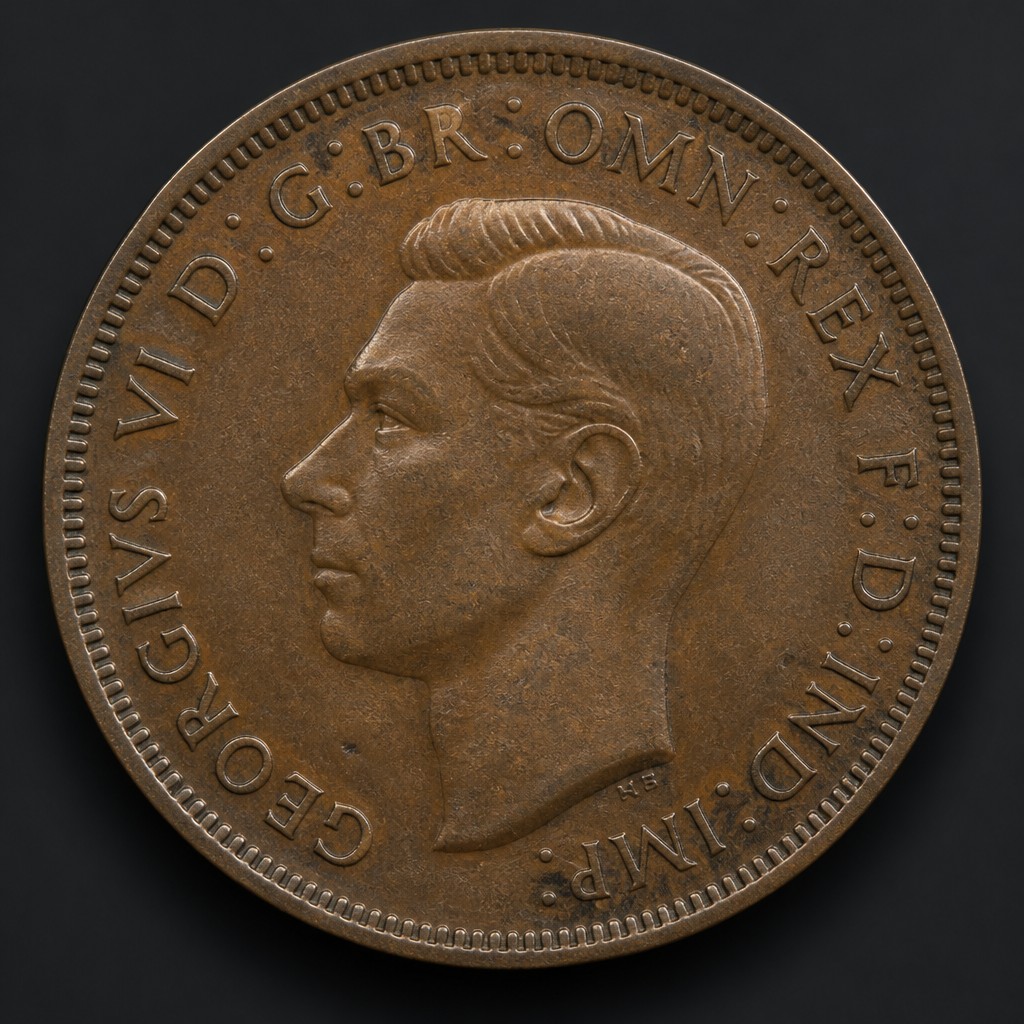
New Zealand Penny (KGVI)
1937-1952
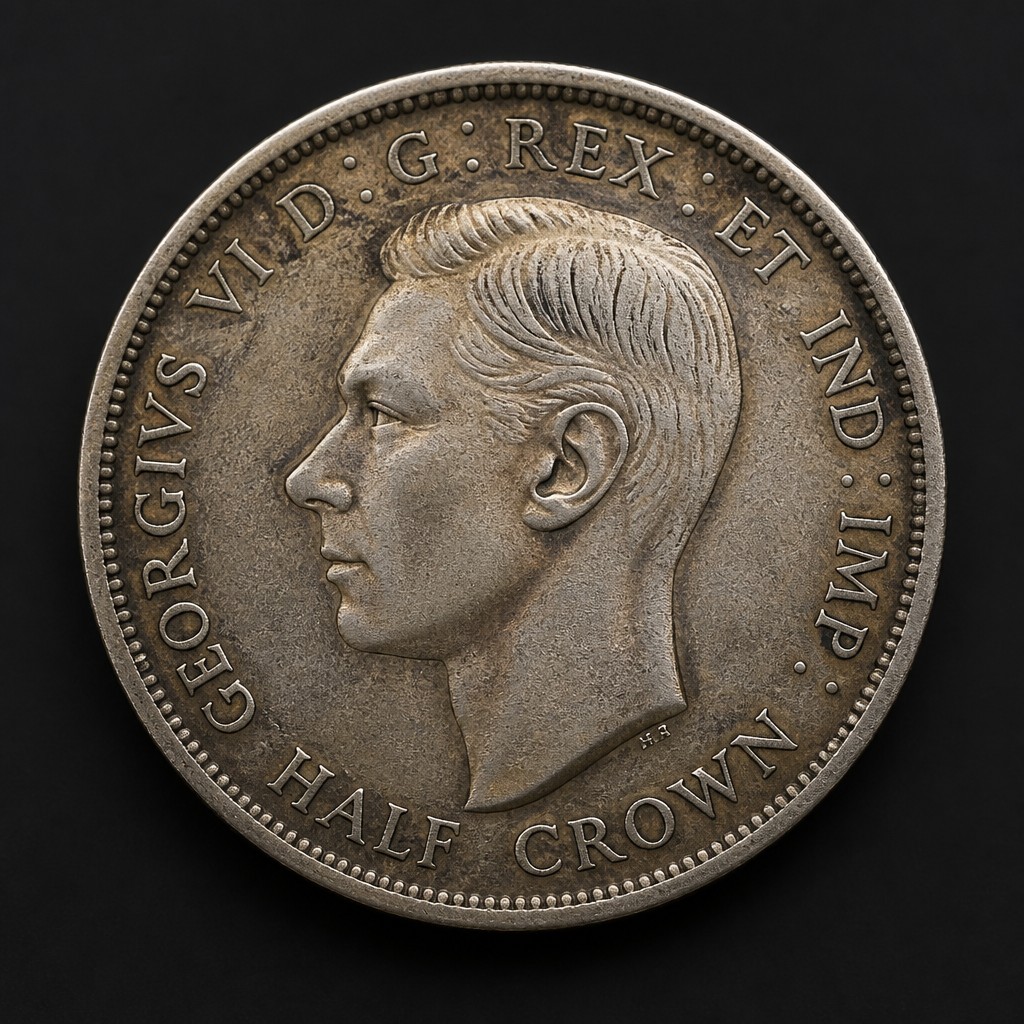
New Zealand Half Crown (pre-decimal)
1933-1965
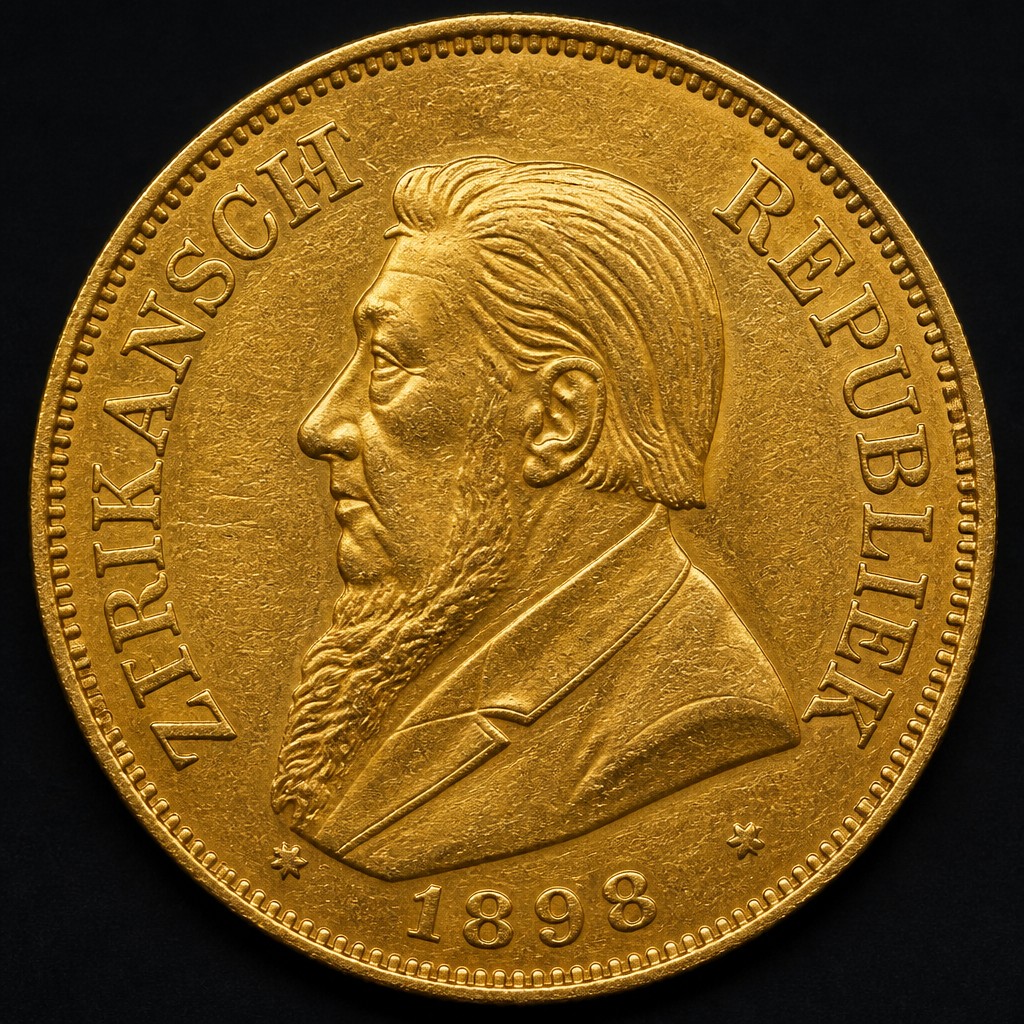
South African ZAR Kruger Pond
1892-1900
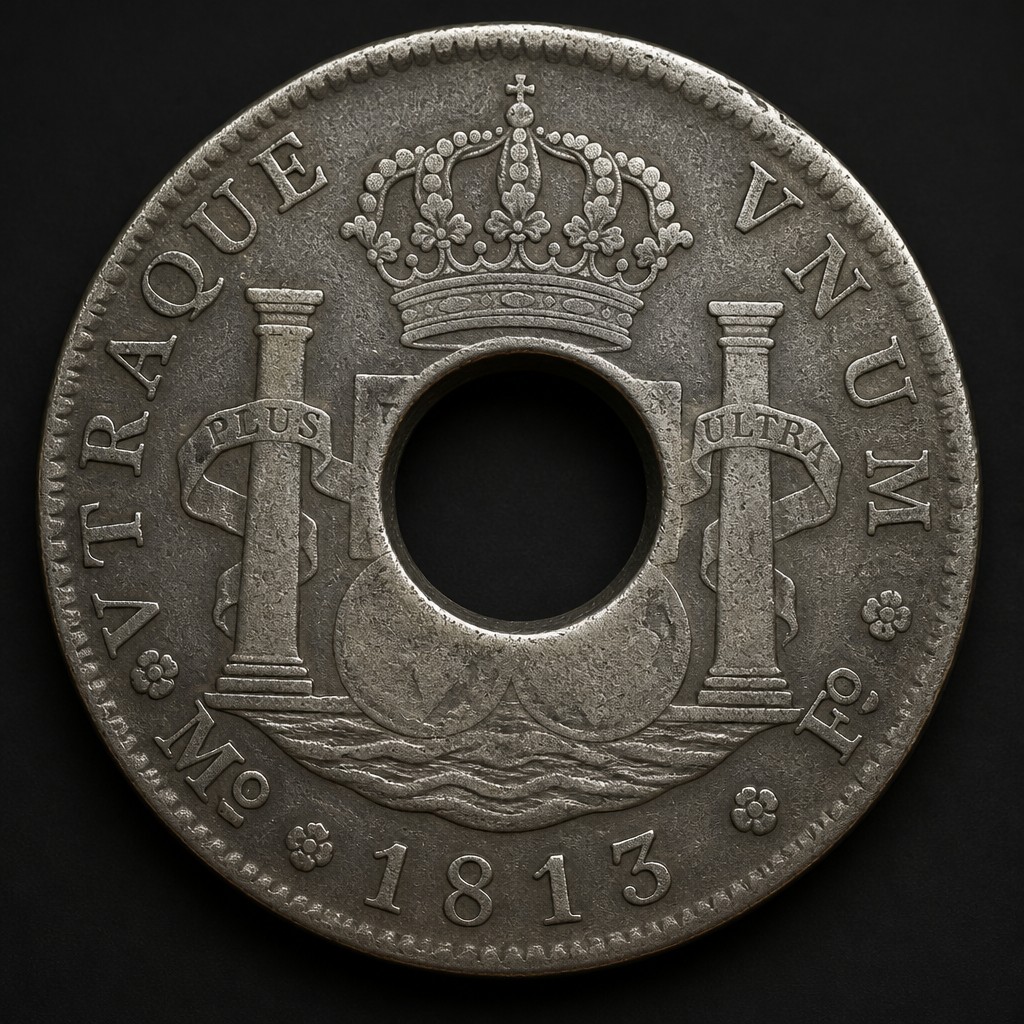
Australian Holey Dollar and Dump
1813