
Coin Encyclopedia
Search and identify coins from around the world — with country, denomination, metal, mint, history, and how to tell them apart.
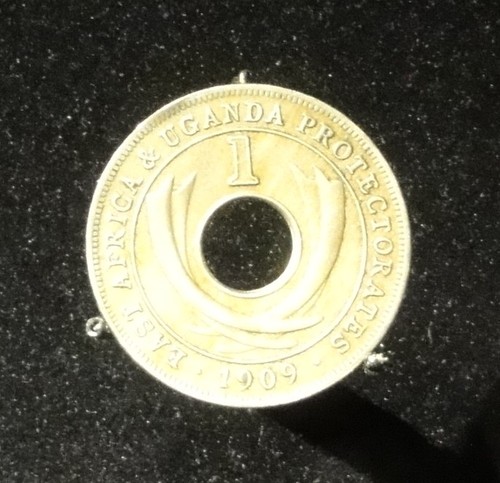
East Africa Protectorate 1 Cent
A small holed one-cent coin of the British East Africa Protectorate, struck in base metal with a crowned, portrait-free design around a central hole.
World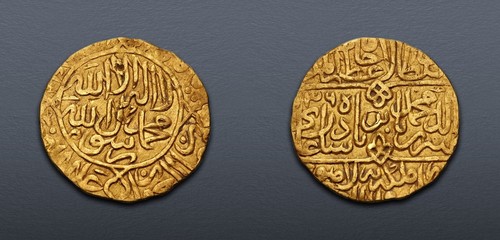
Mithqal (Tilla) of Babur
A hand-struck gold mithqal (tilla) of Babur, founder of the Mughal Empire, carrying his ruler titles in Persian and the mint-and-date on the reverse.
Mughal India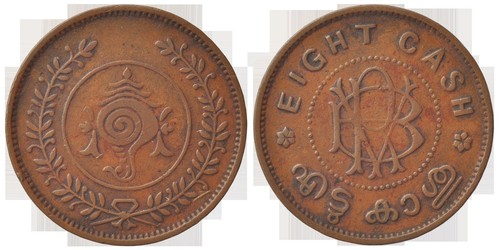
Travancore Eight Cash
Small copper 8 Cash of Travancore State, southern India, showing the princely conch-shell emblem within a floral wreath and a denomination in local script.
Princely & Presidency States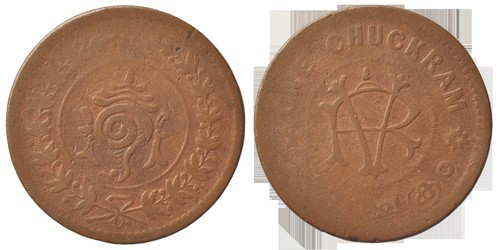
Travancore One Chuckram
Small copper one-chuckram coin of the princely state of Travancore, with the royal conch-shell emblem and a local-script denomination reverse.
Princely & Presidency States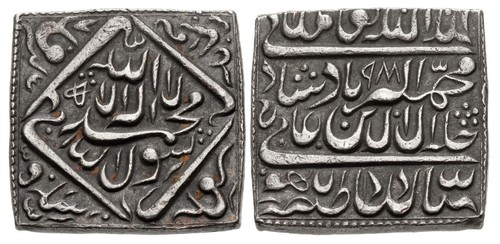
Mughal Square Rupee Token
A square silver-colored token copying a Mughal square rupee, with Persian and Islamic inscriptions and an AH 988 date, produced as a later reproduction.
Token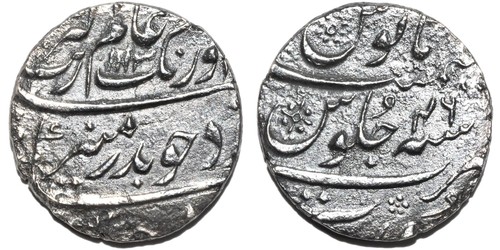
Mughal Rupee (Akbar)
A hand-struck Mughal silver rupee of Emperor Akbar dated AH 1003 (AD 1594), covered on both faces with flowing Persian calligraphy and ornamental borders.
Historic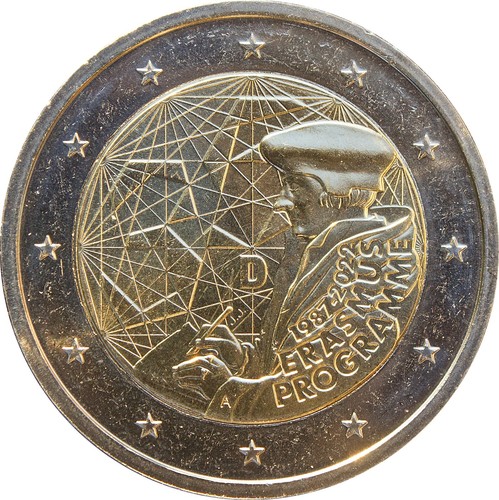
Germany 2 Euro Erasmus Programme Commemorative
A German 2 Euro commemorative dated 2022 marking the Erasmus Programme, its obverse showing a student figure with a globe and the reverse the ring of European stars.
Commemorative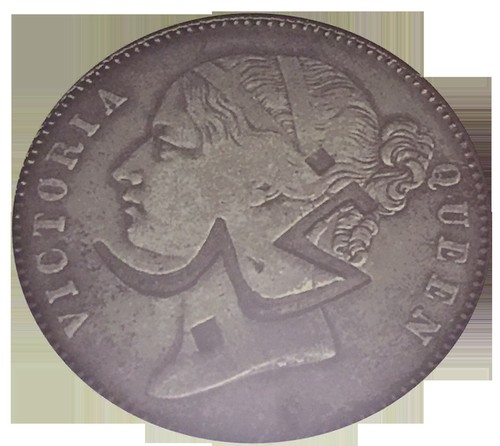
Najd Silver Coin
Silver trade coin catalogued to Najd, central Arabia, bearing a left-facing Victoria Queen bust and an 1862 date in the British India rupee style.
Arabia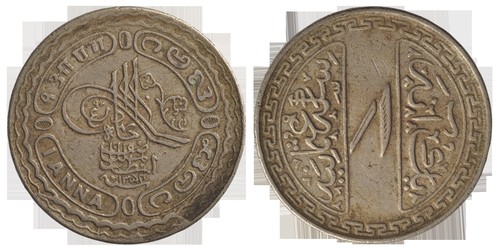
Hyderabad One Anna
A copper-nickel 1-anna coin of Hyderabad State under Nizam Osman Ali Khan, with Urdu inscriptions and floral borders, dated AH 1354 (c. 1935).
Princely & Presidency States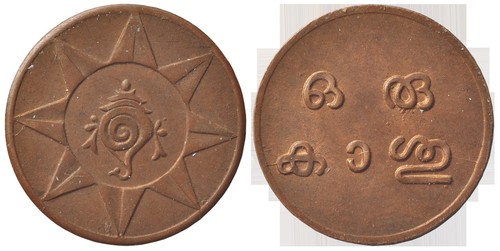
Travancore One Cash
A tiny copper coin of the princely state of Travancore, carrying the state's conch-shell emblem on one side and its cash value in local script on the other.
Princely & Presidency States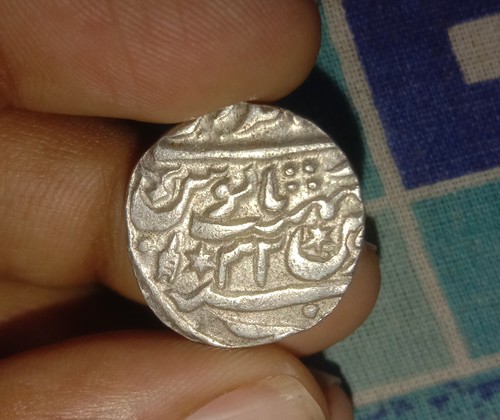
Silver Rupee of Bharatpur State
Silver rupee of the Jat princely state of Bharatpur, struck at the Mahe Indrapur mint in the name of the Mughal emperor Akbar II.
Asian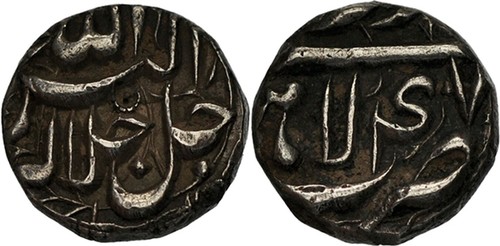
Mughal Quarter-Rupee
A small hammered Mughal silver quarter-rupee inscribed in Persian, struck at the Lahore mint and dated Ilahi 47 (AD 1602-1603).
Historic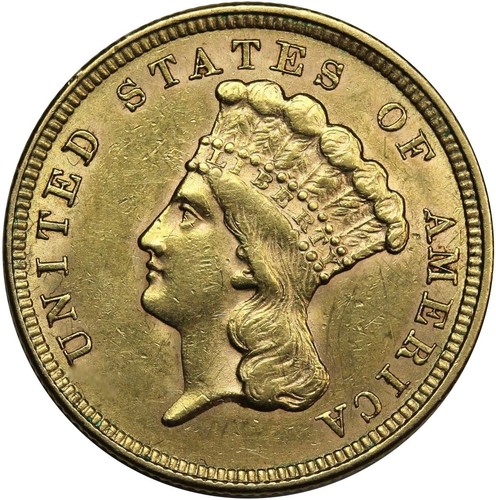
Three-Dollar Gold Piece
An unusual U.S. gold coin of the $3 denomination struck 1854–1889, showing a Liberty head in a feathered Indian-style headdress. The photo shows the 1854 first year.
Gold Type Coin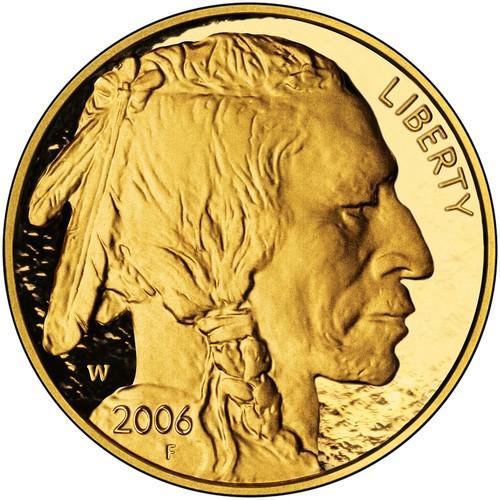
Buffalo Nickel
Iconic U.S. five-cent coin struck 1913–1938, with a Native American profile on the obverse and a standing American buffalo on the reverse.
Nickel Five Cent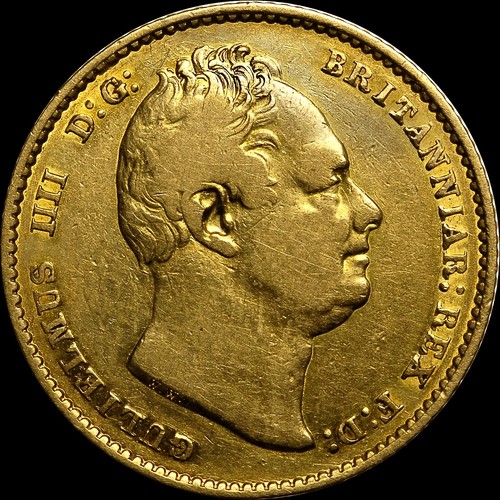
Sovereign of William IV
A 22-carat gold sovereign of William IV, with the king's bare head facing right and a crowned royal shield of arms on the reverse.
Milled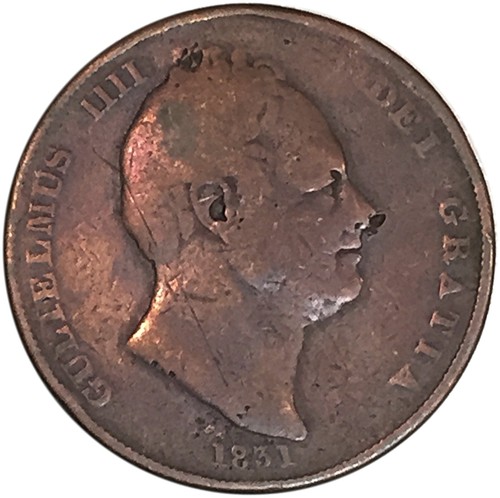
Penny of William IV
A large copper penny of King William IV, struck in the 1830s, with the king's right-facing head and the Latin legend GULIELMUS IIII D:G.
Milled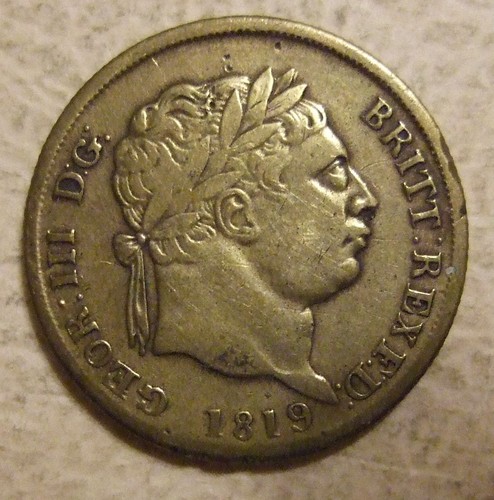
Shilling of George III
A milled silver shilling of George III from the Great Recoinage, with his laureate bust facing right and a crowned quartered royal shield within the Garter.
Milled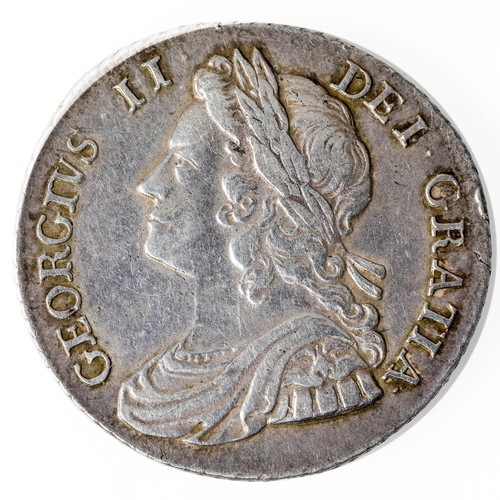
Shilling of George II
A milled silver shilling of George II, with a left-facing bust reading GEORGIVS II DEI GRATIA and a crowned cruciform-shields reverse; this one is a 1736 roses and plumes issue.
Milled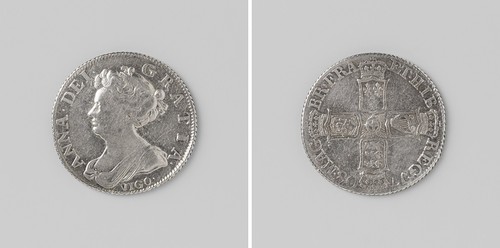
Shilling of Anne
A machine-struck silver shilling of Queen Anne, with her draped bust facing right and a reverse of crowned shields bearing the royal arms in a cross.
Milled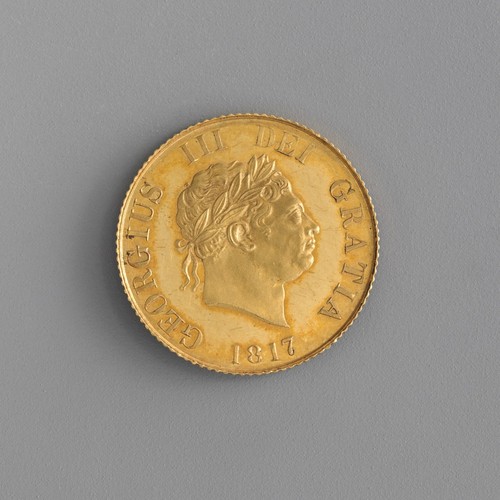
Half Sovereign of George III
British 22-carat gold half sovereign of George III, introduced in 1817 with a laureate bust and a crowned shield of arms; face value ten shillings.
Milled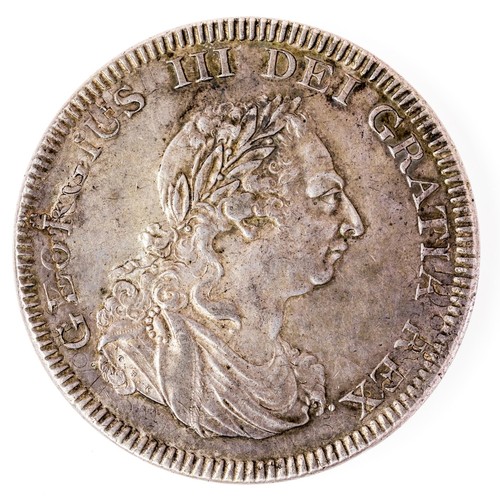
Bank of England Dollar
A George III silver dollar issued by the Bank of England in 1804, struck over Spanish eight-reales coins, with a laureate bust and a crowned shield reverse.
Milled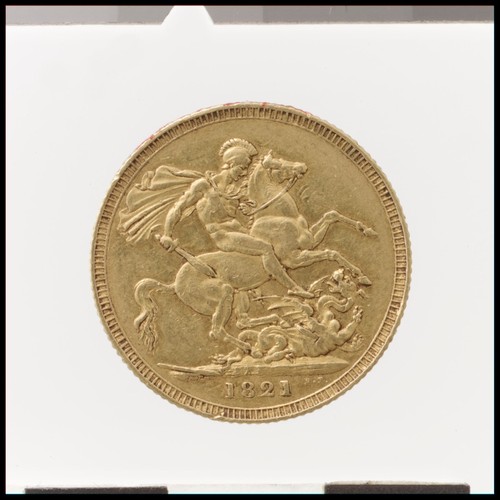
Sovereign of George IV
A milled gold sovereign of Great Britain struck under George IV, with the king's laureate head and Pistrucci's St George slaying the dragon reverse, dated 1821.
Milled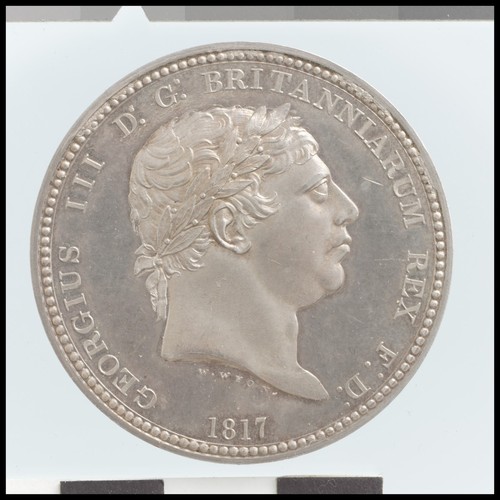
Three Graces Pattern Crown
A celebrated 1817 silver pattern crown of George III, engraved by William Wyon and never issued for circulation — a prized masterpiece of British coinage.
Pattern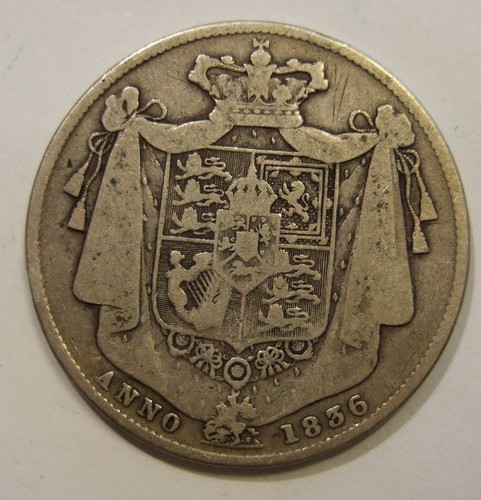
Half Crown of William IV
A milled British silver half crown of King William IV, with the king's bare head facing right and a crowned royal shield of arms on the reverse.
Milled