
Coin Encyclopedia
Search and identify coins from around the world — with country, denomination, metal, mint, history, and how to tell them apart.
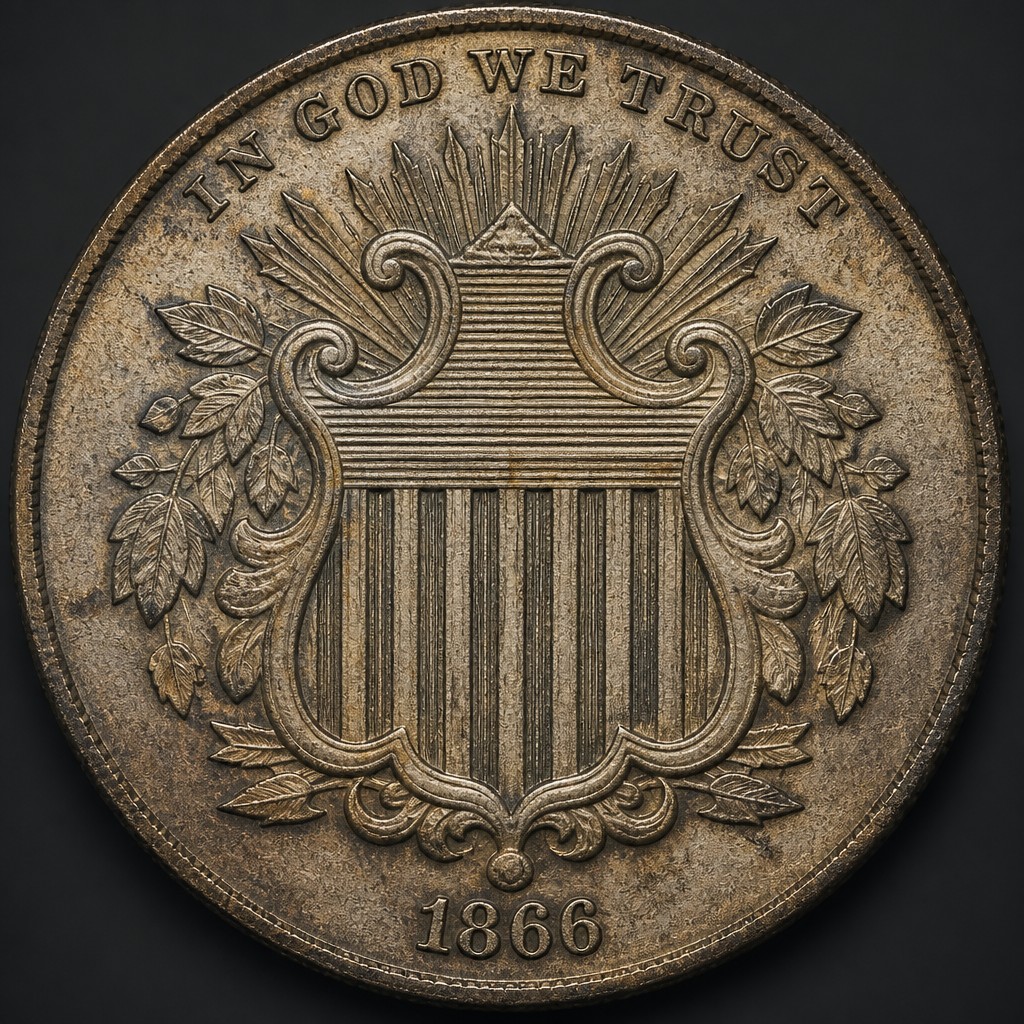
1866 Shield Nickel With Rays
The first-year Shield Nickel design featuring thirteen rays between the reverse stars, marking the debut of the United States' first copper-nickel five-cent coin.
United States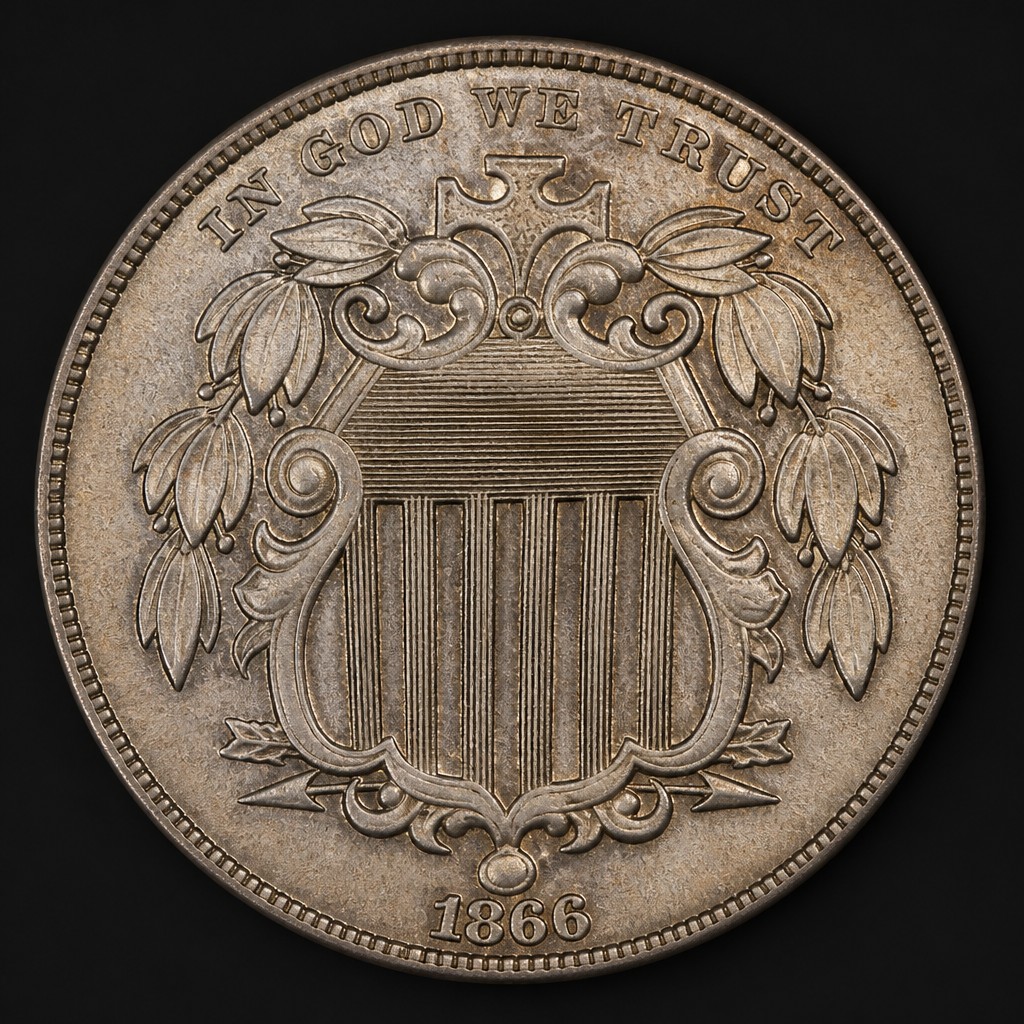
Shield Nickel
The first copper-nickel five-cent coin, the Shield Nickel features a national shield on the obverse and was issued from 1866 to 1883, including rare rays and proof-only dates.
United States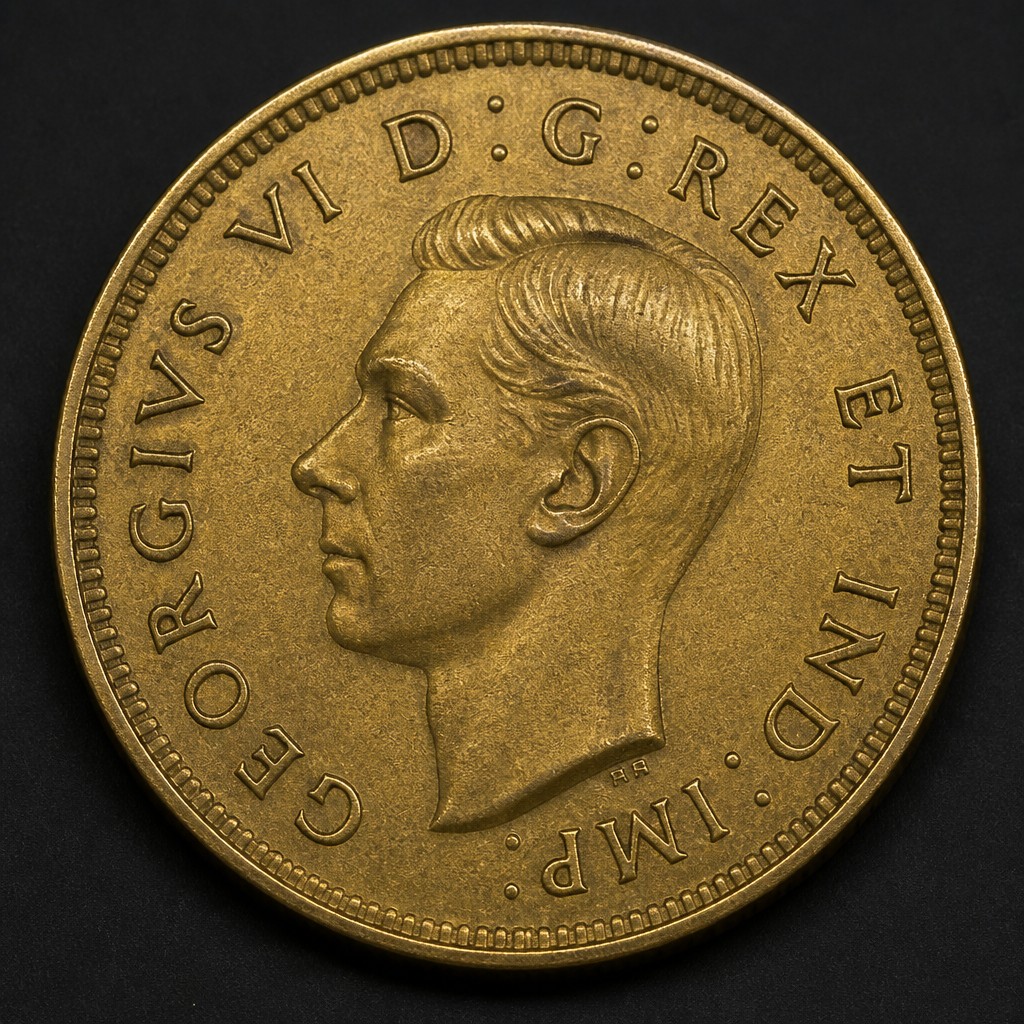
1943 'V' Victory Nickel (tombac)
A wartime Canadian five-cent coin struck in golden tombac with a bold V for Victory and a Morse code message around its edge, issued when nickel metal was diverted to the war effort.
Canadian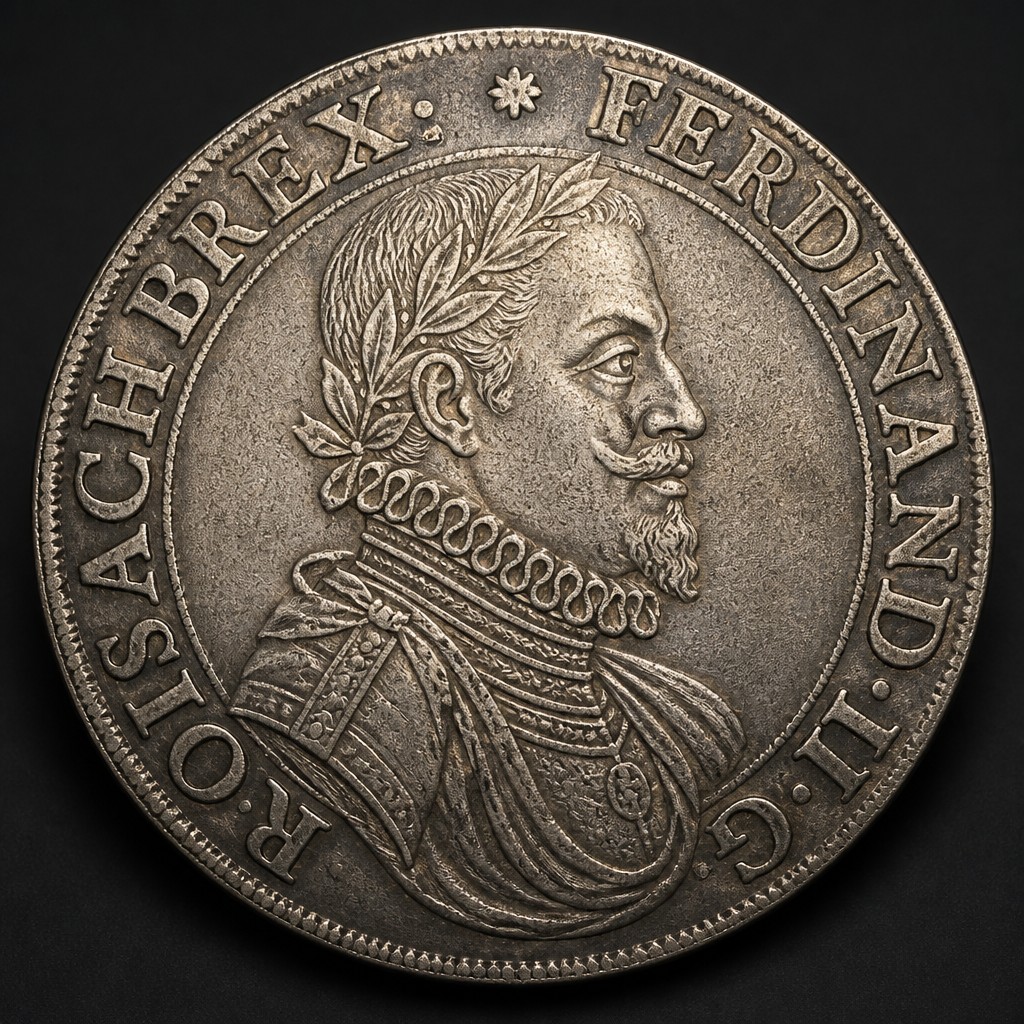
German States Thaler
A large silver coin struck by the many independent states of the German-speaking world for over three centuries, and the direct linguistic ancestor of the word 'dollar.'
European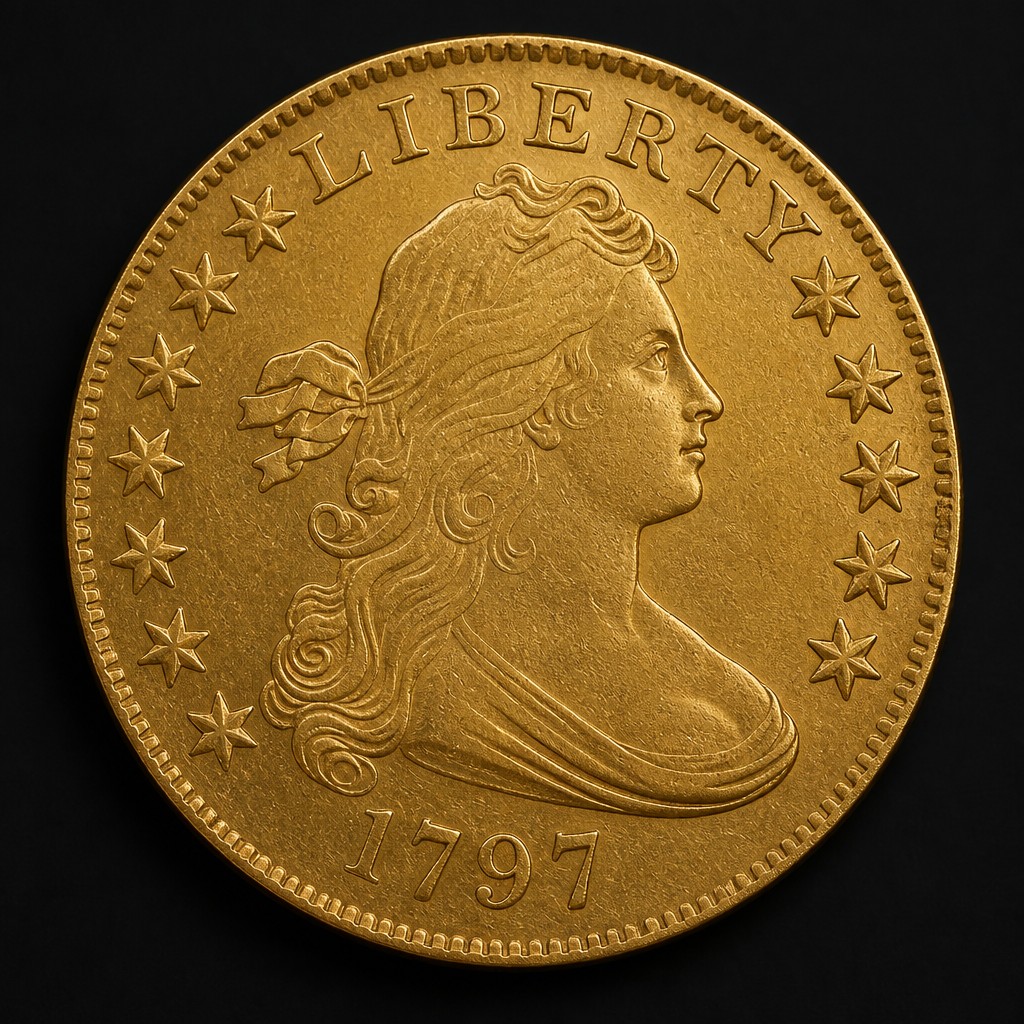
Draped Bust Eagle
The formal catalog name for the first U.S. ten-dollar gold coin once it adopted a bold heraldic eagle reverse in 1797, the same coin popularly nicknamed the 'Turban Head' eagle.
United States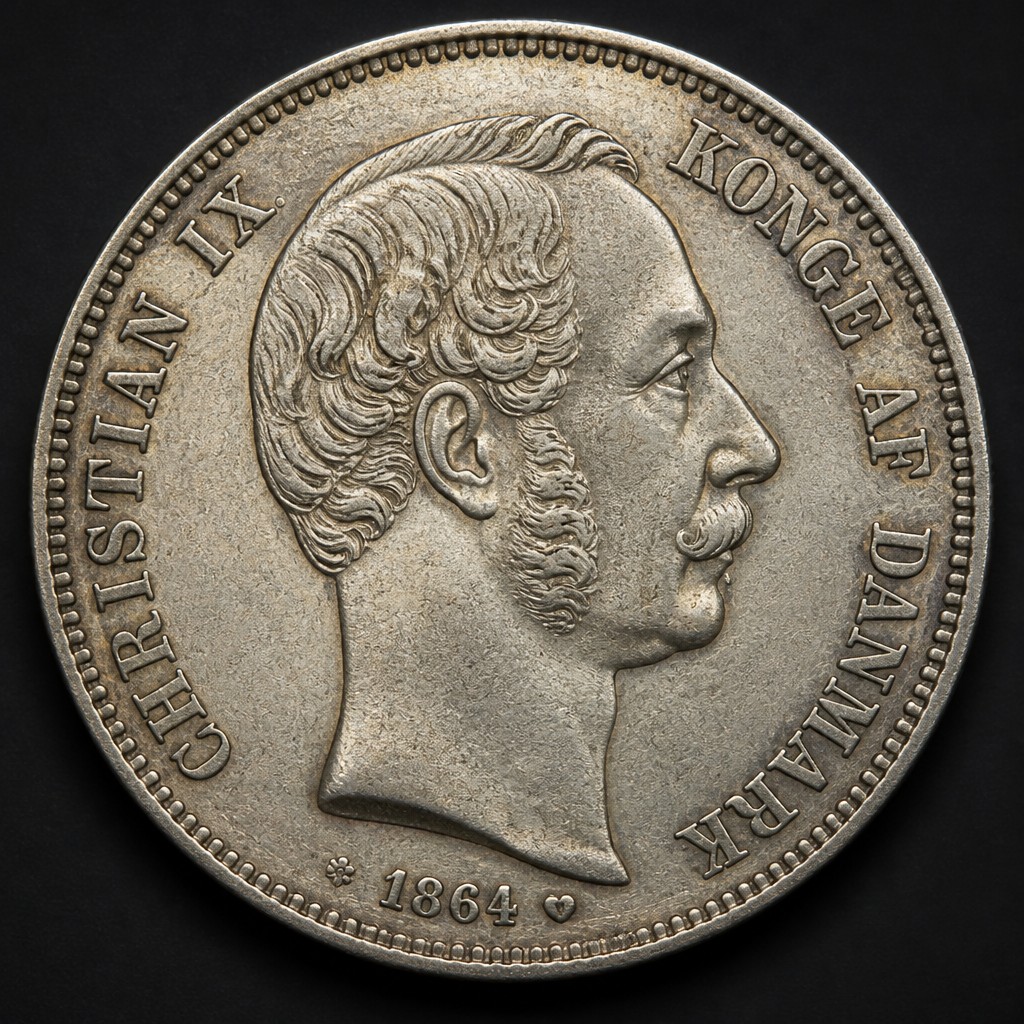
Danish Speciedaler
Denmark's large silver 'species dollar,' the principal high-value coin of the Danish monetary system before the krone replaced it in 1873–75.
European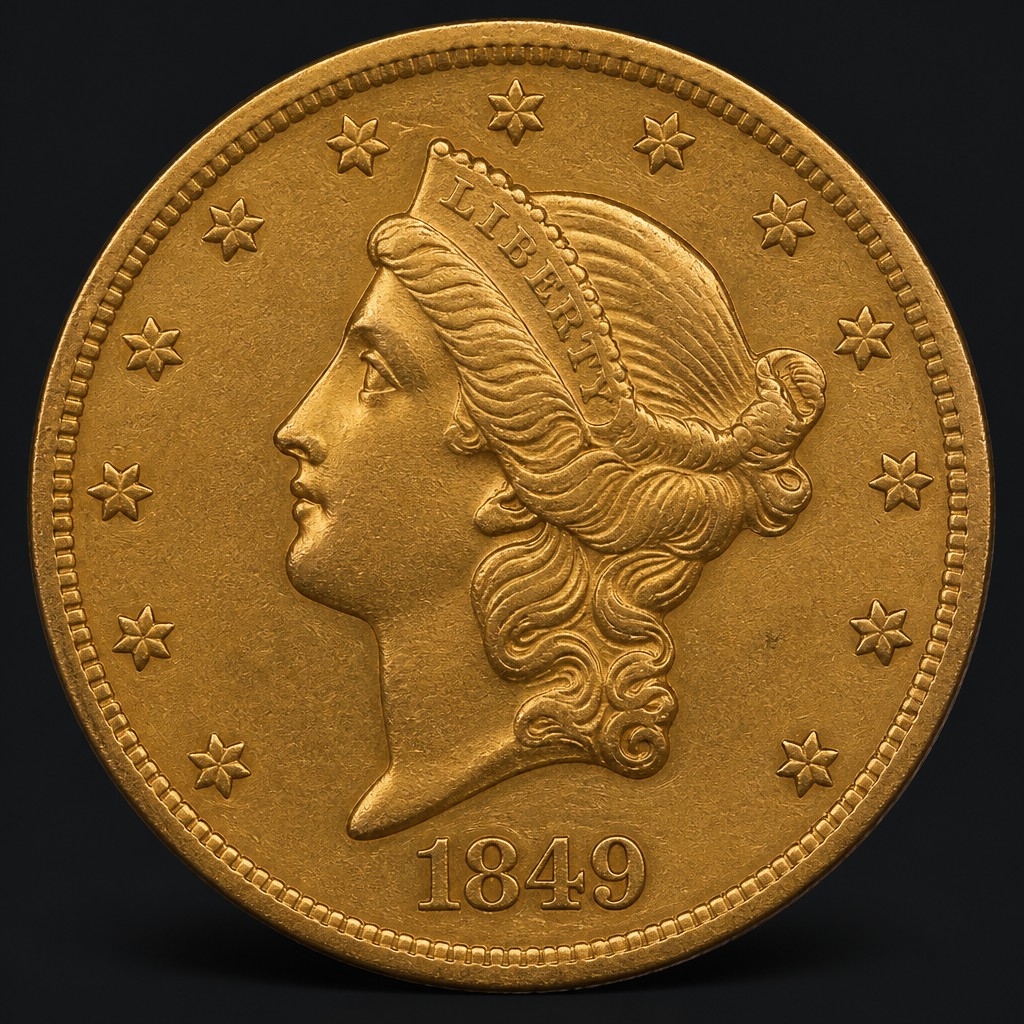
Liberty Head Double Eagle
A large gold twenty-dollar coin featuring Liberty's coronet-crowned head, struck for decades amid the California Gold Rush and westward mint expansion.
United States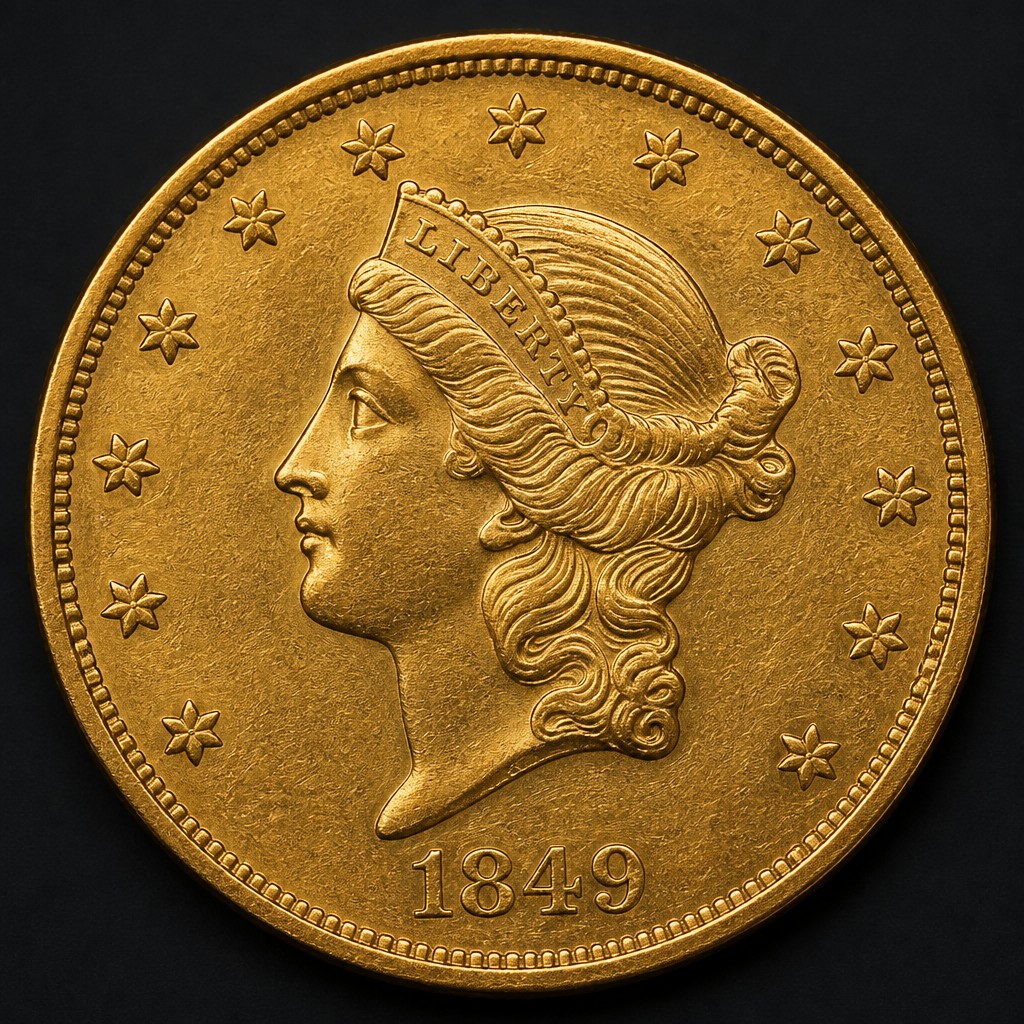
1849 Double Eagle
A unique pattern coin, the very first double eagle ever struck by the U.S. Mint, made to test the newly authorized twenty-dollar denomination; the sole surviving example is held by the Smithsonian.
United States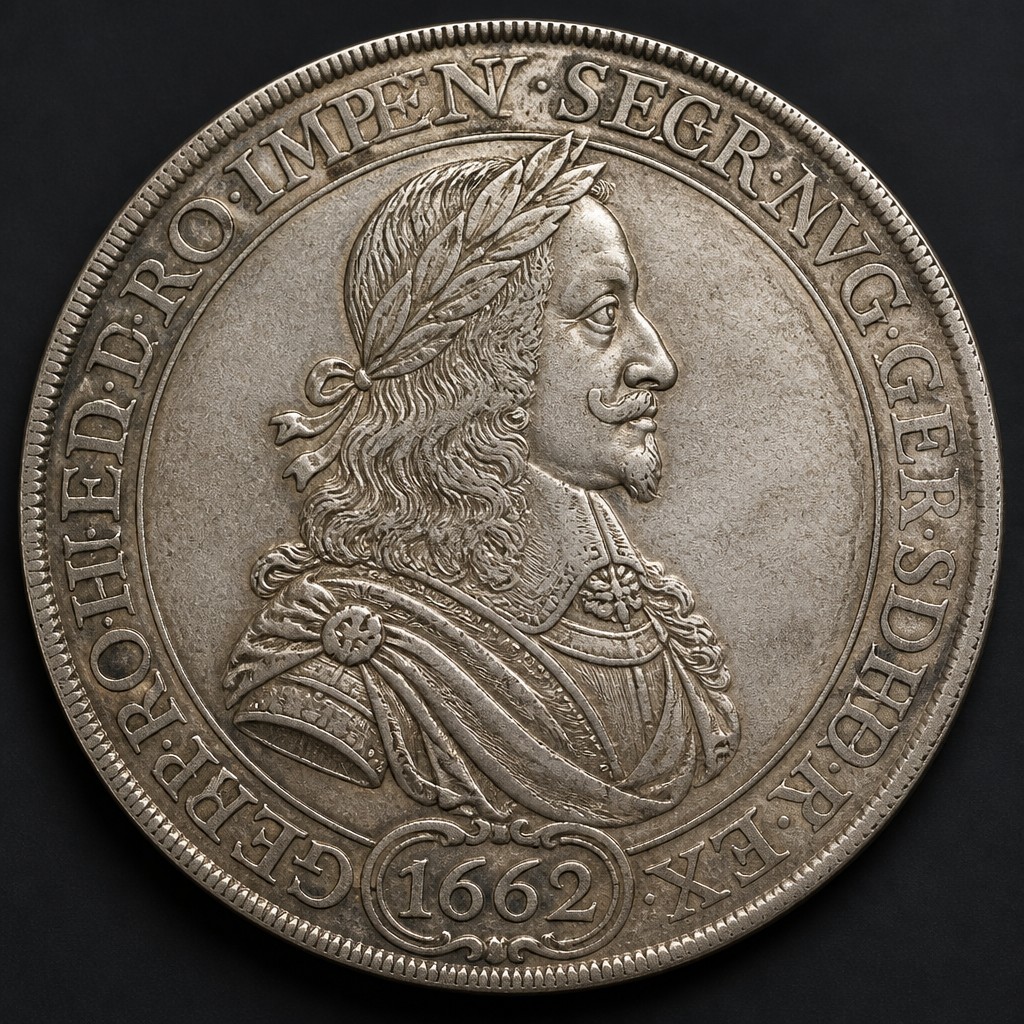
Reichsthaler
The standard large silver coin of the Holy Roman Empire and its constituent German states from the 16th century onward, whose name is the direct linguistic ancestor of the word 'dollar.'
European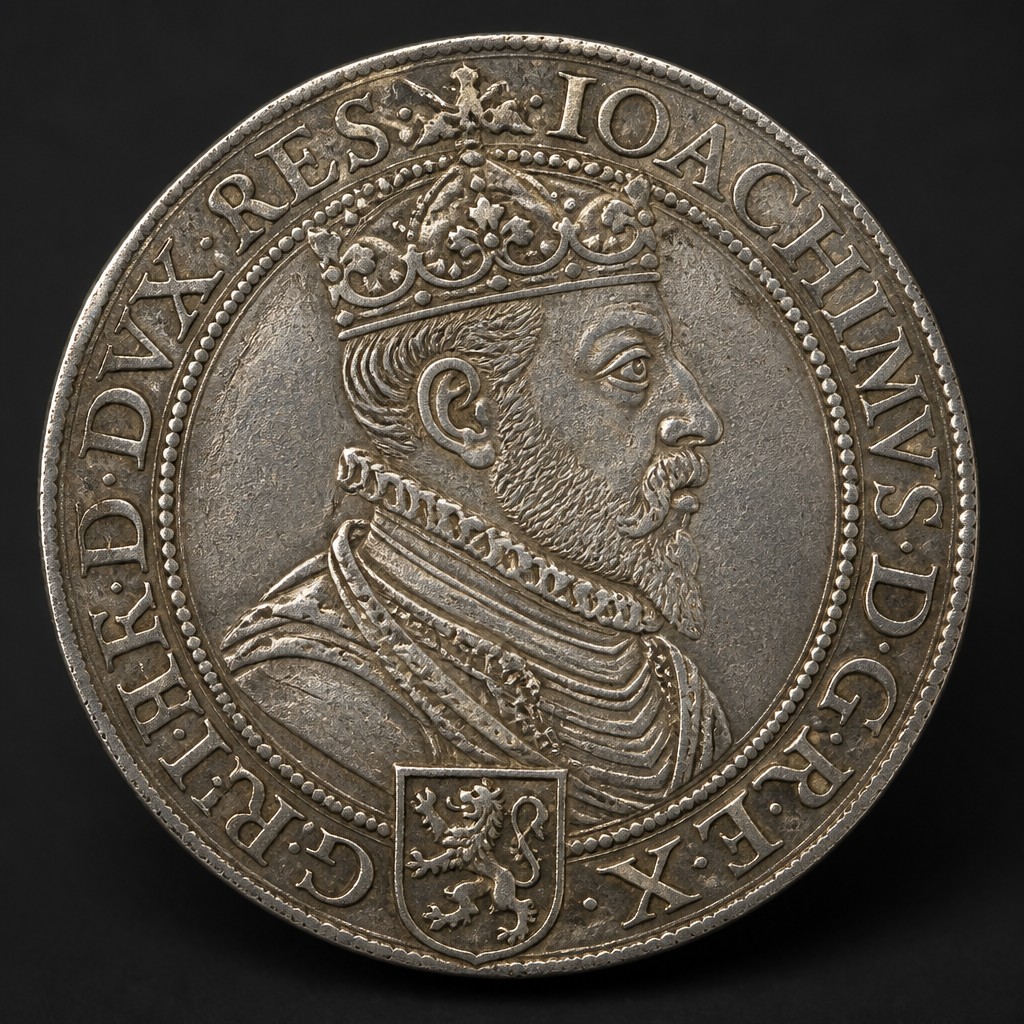
Joachimsthaler
Struck beginning in 1520 in the Bohemian silver-mining town of Joachimsthal, this large silver coin gave its name, shortened to 'thaler' and later 'dollar,' to countless currencies around the world.
European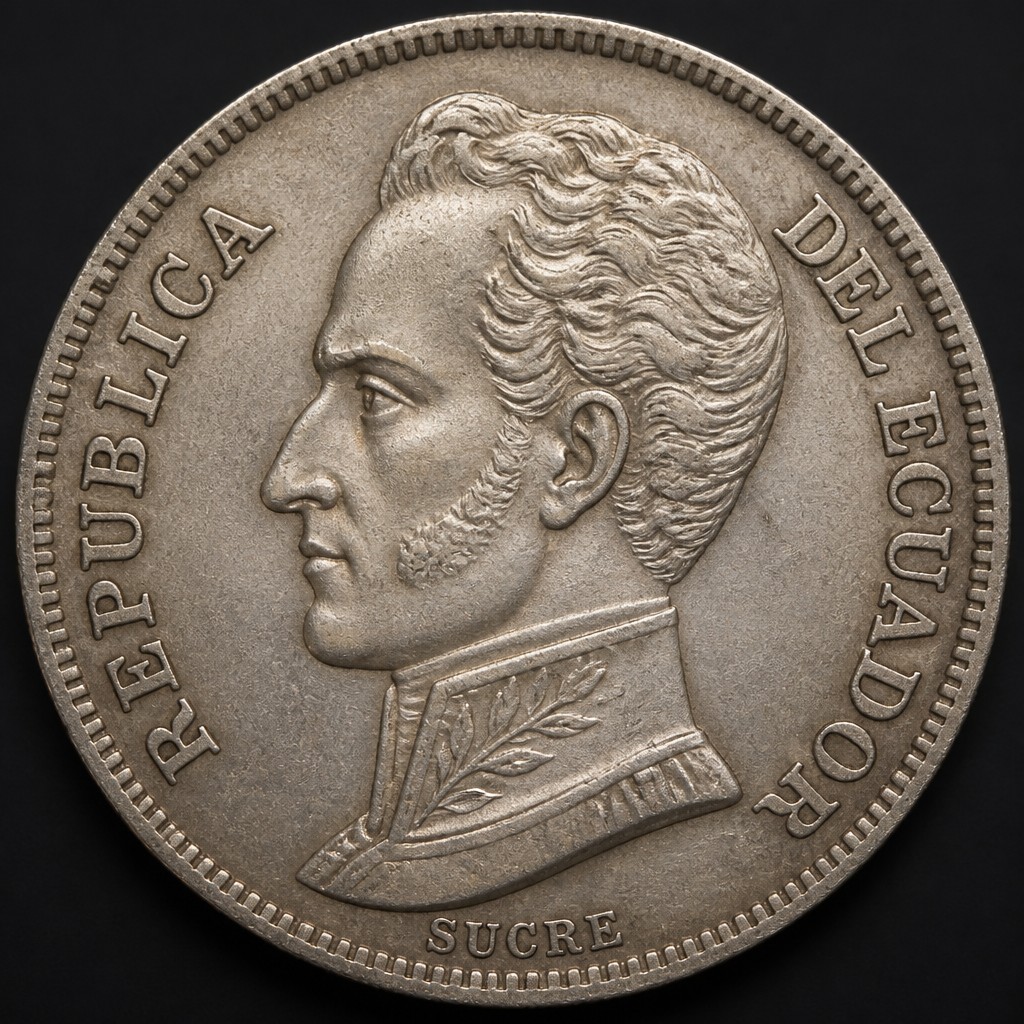
Ecuador Sucre Silver
Ecuador's historic silver one-sucre coin, named after independence hero Antonio Jose de Sucre, circulated for decades before Ecuador's currency was eventually replaced by the US dollar.
Latin American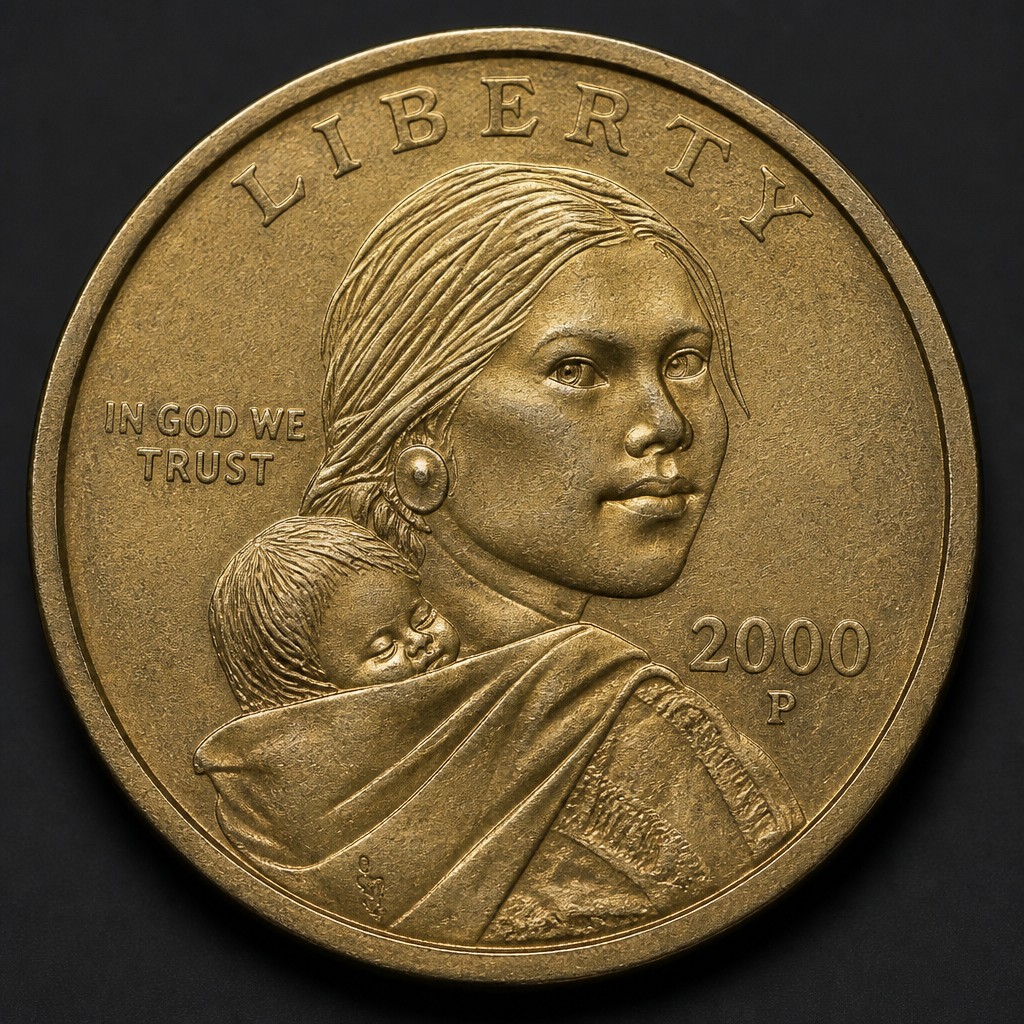
2000-P Sacagawea/Washington Quarter Mule
An extraordinarily rare mint error pairing the golden Sacagawea dollar obverse with a Washington quarter reverse die, one of the most famous modern mule errors in U.S. coinage.
Errors & Varieties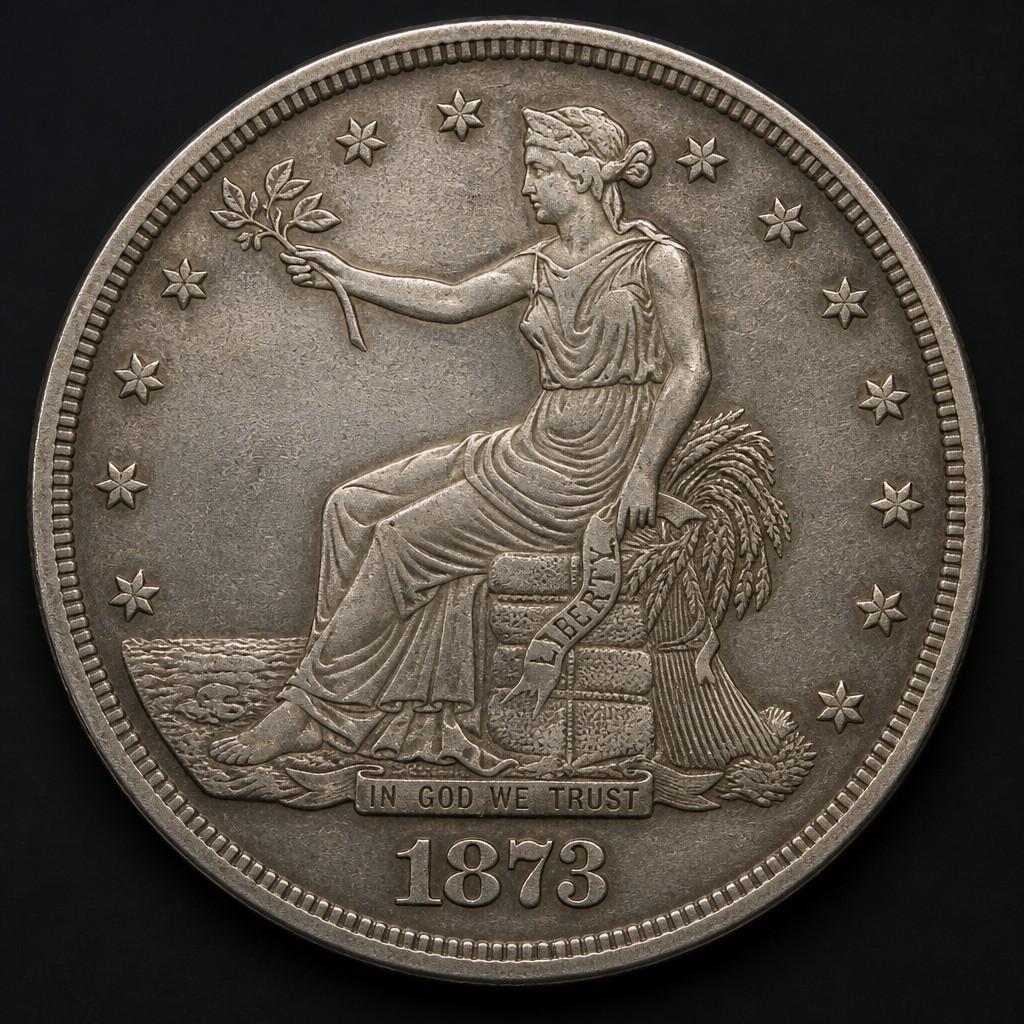
Trade Dollar
A heavier U.S. silver dollar struck specifically for trade with China and East Asia, later demonetized domestically and known for its distinctive weight-and-fineness inscription.
United States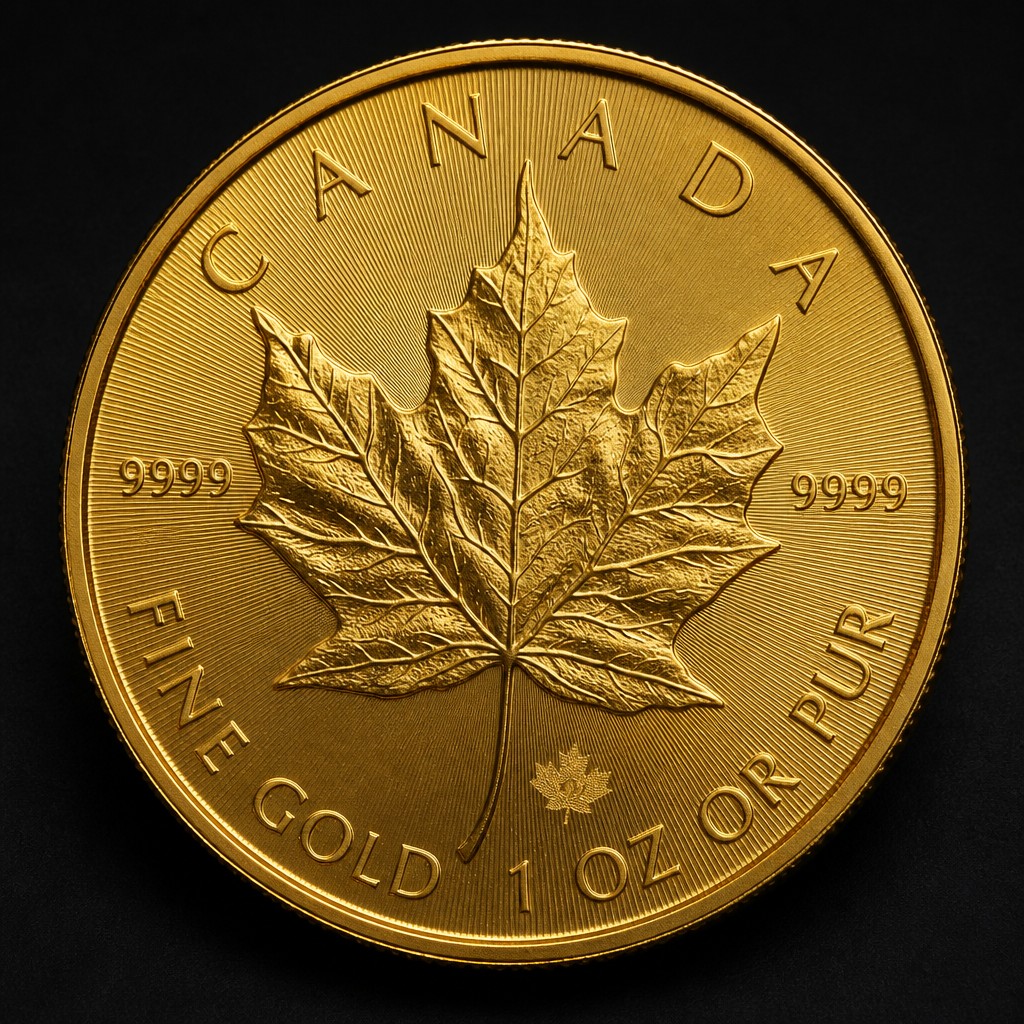
Canadian Gold Maple Leaf (1 oz)
Canada's flagship gold bullion coin, struck in .9999 fine gold by the Royal Canadian Mint since 1979, among the purest gold coins ever issued.
Bullion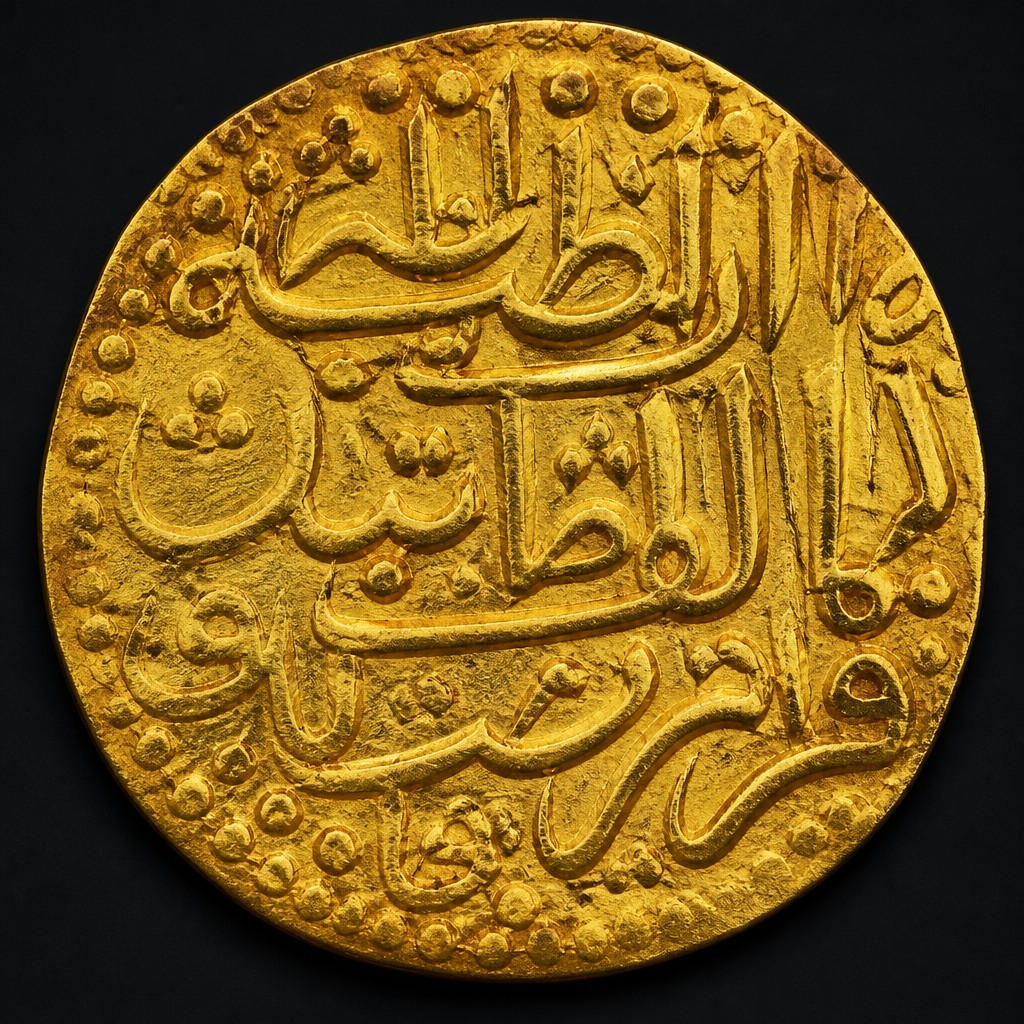
Ottoman Gold Sultani
The principal gold trade coin of the early Ottoman Empire, struck to match the weight and fineness of the Venetian ducat so it could compete in Mediterranean commerce.
World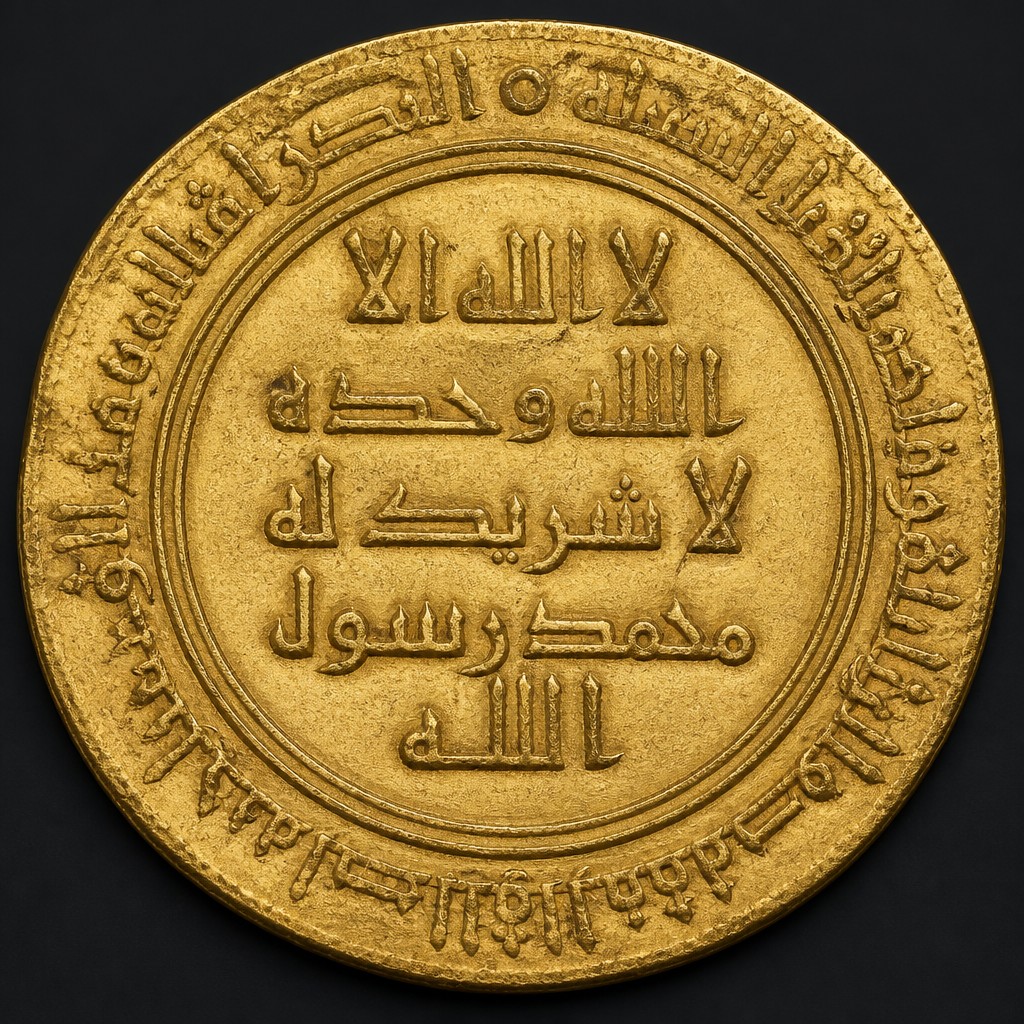
Fatimid Gold Dinar
A high-purity gold coin of the Ismaili Shia Fatimid Caliphate, historically prized for its consistent fineness and widely trusted in medieval Mediterranean trade.
World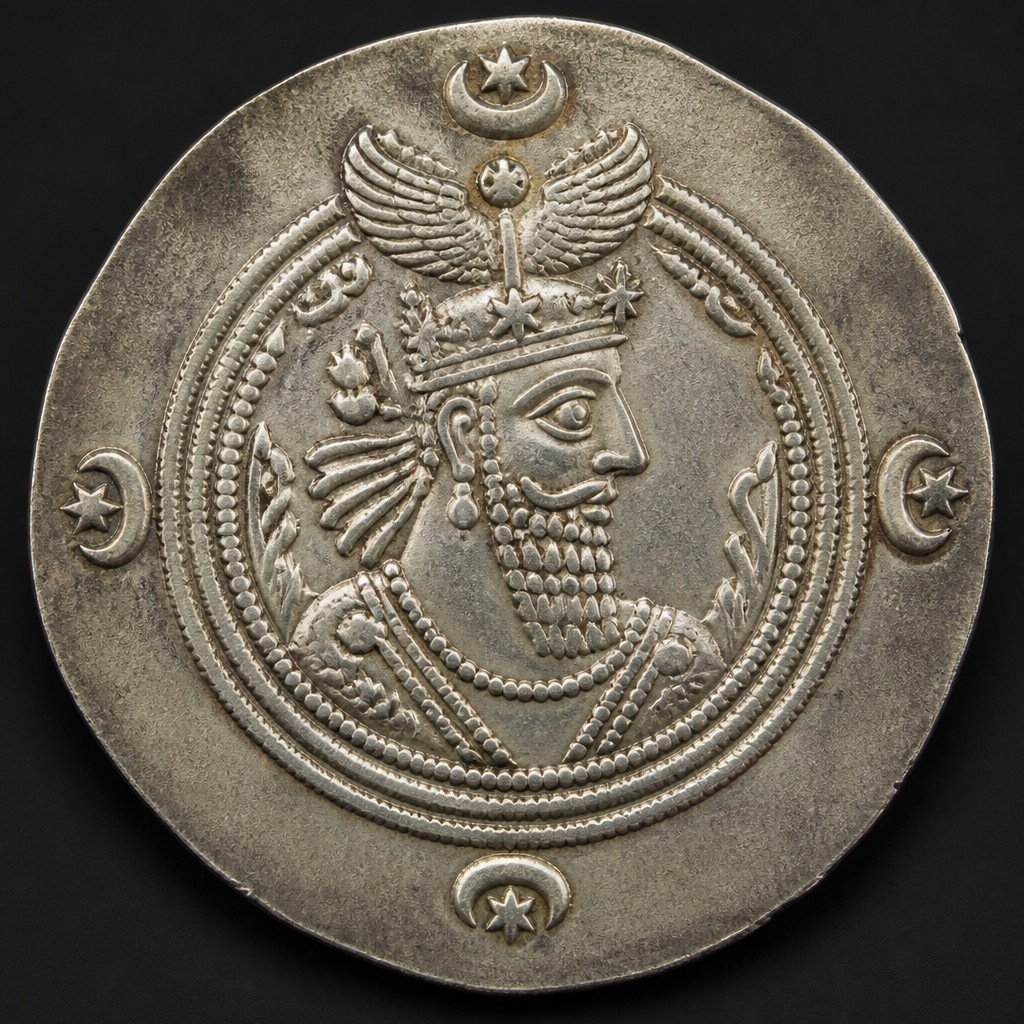
Persian Sassanid Silver Drachm
The standard silver coin of the Sasanian Persian Empire, showing an elaborately crowned royal bust and a Zoroastrian fire altar with attendants, struck for over four centuries.
Ancient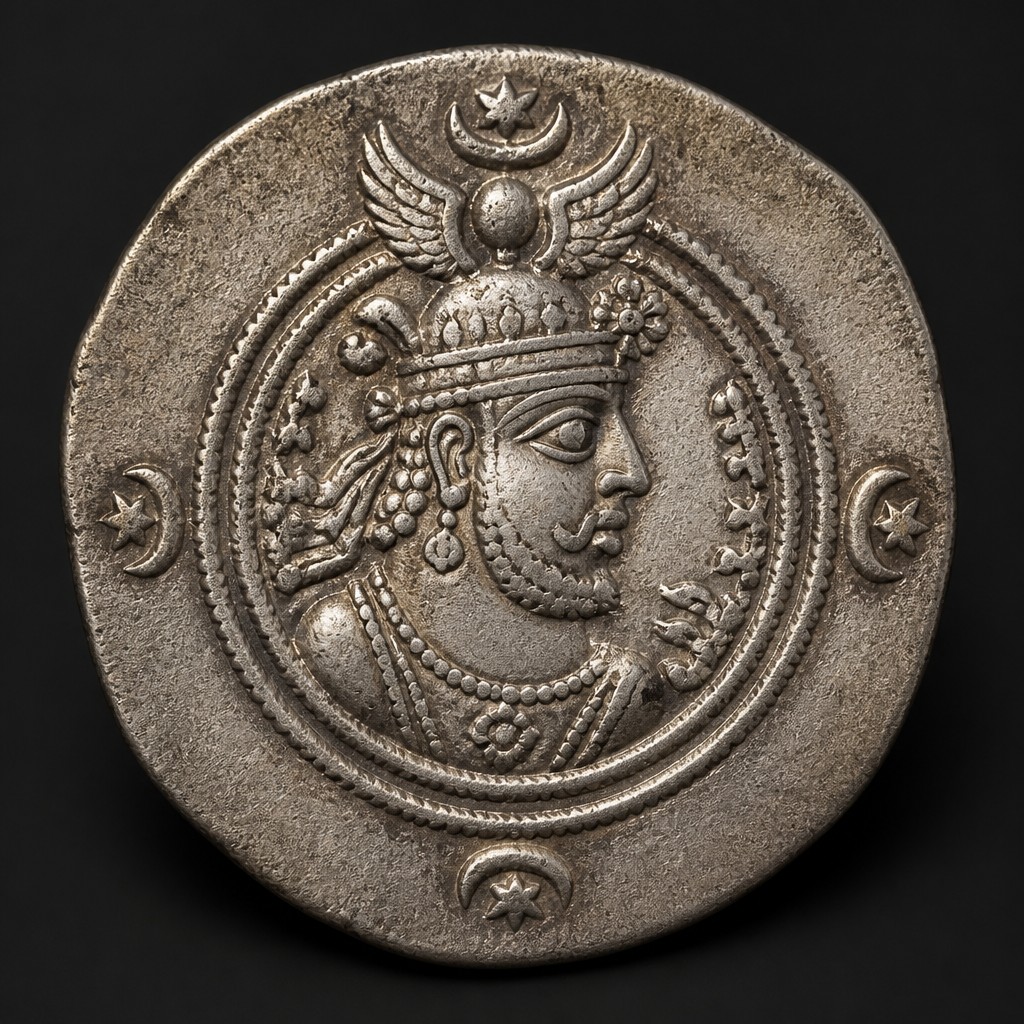
Sassanian Drachm of Khusro II
A silver coin of the long-reigning Sasanian king Khusro II, among the most commonly found ancient Persian coins, showing his ornate crowned bust and a Zoroastrian fire altar.
Ancient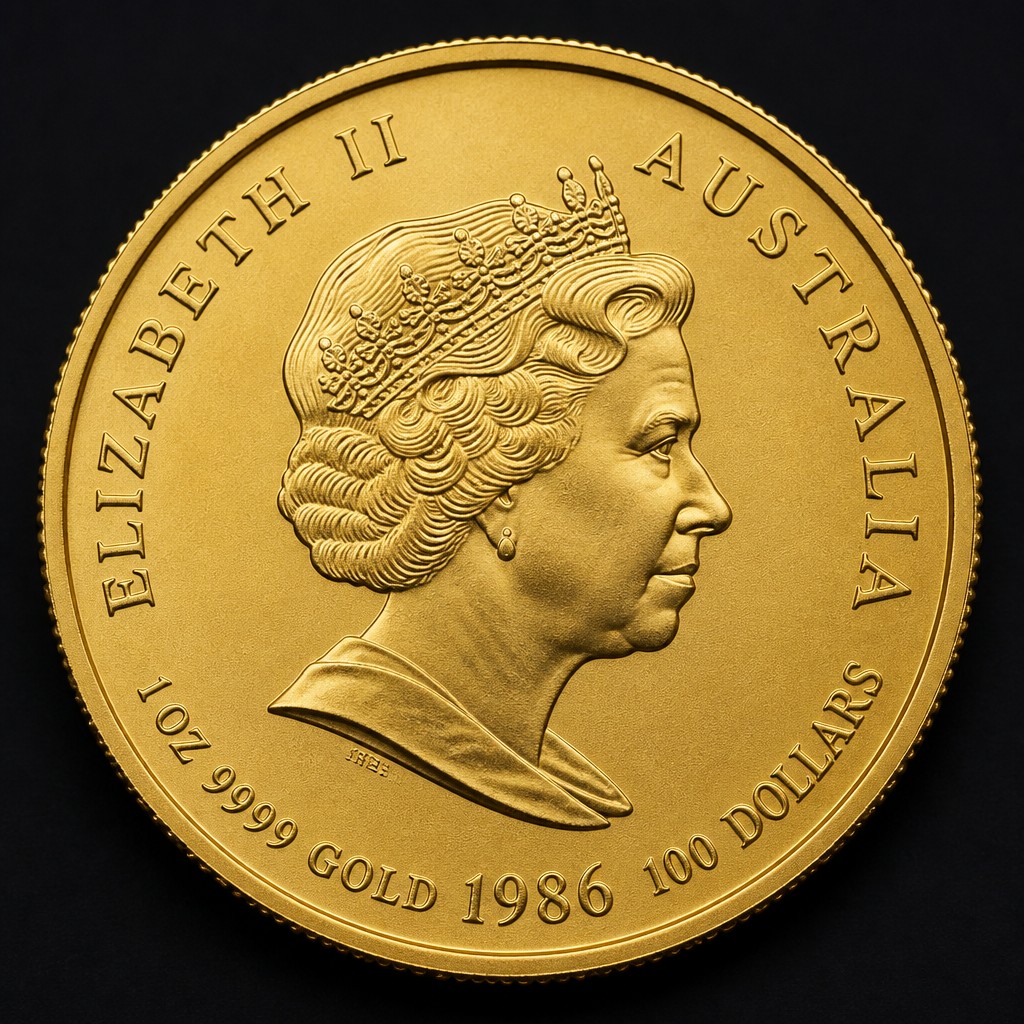
Australian Gold Nugget (Kangaroo)
Australia's premier gold bullion coin, originally depicting real gold nuggets before switching to an annually changing kangaroo design, struck in .9999 fine gold.
Bullion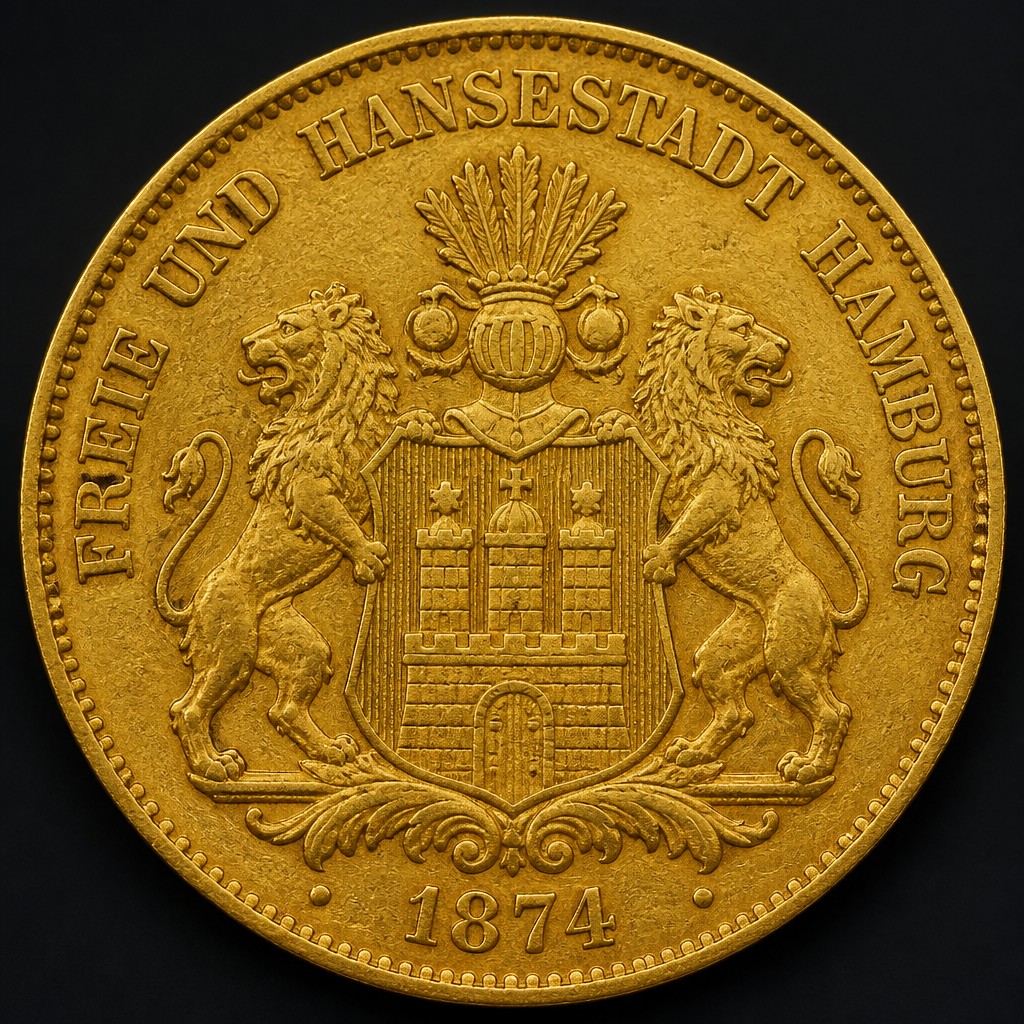
German Hamburg Ducat
A small, exceptionally high-purity gold trade coin struck for centuries by the free city of Hamburg, prized for its consistent fineness and long production history.
European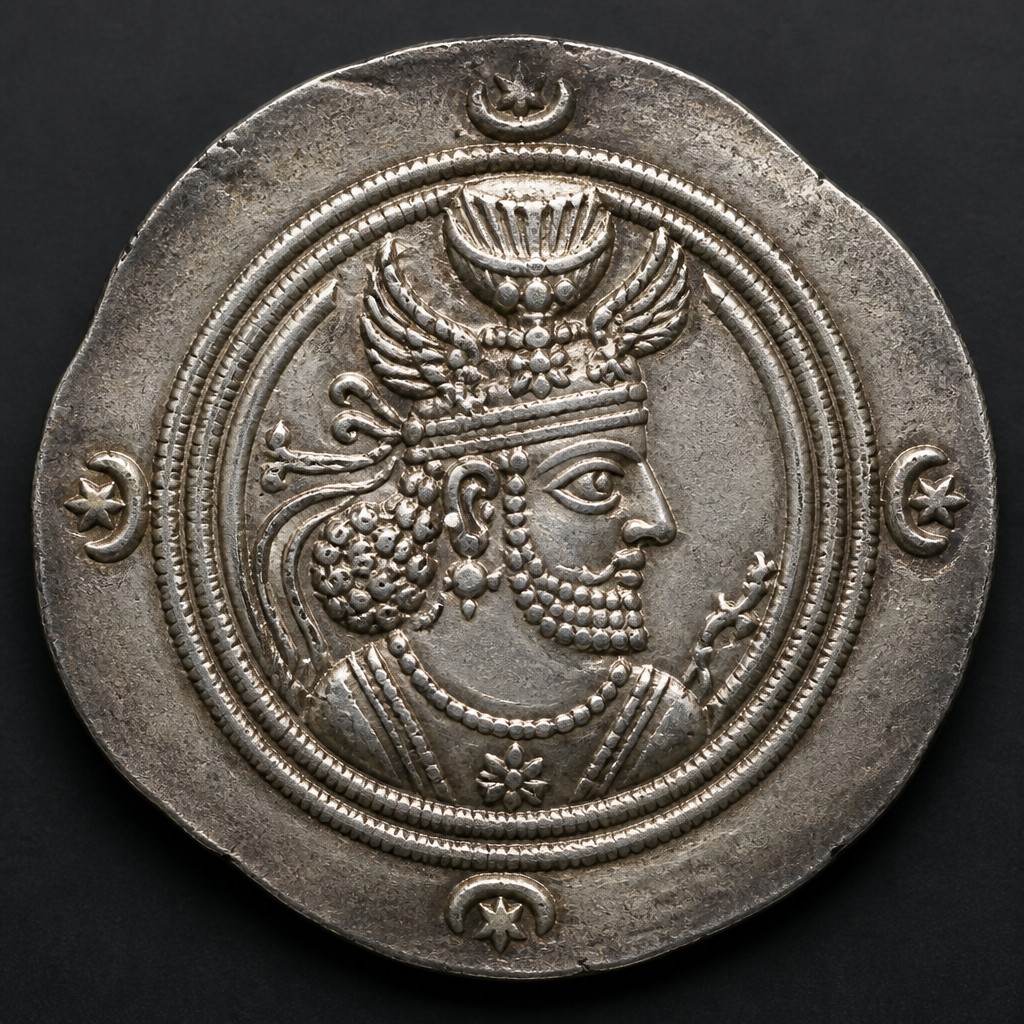
Sassanian Silver Drachm
The standard silver coin of the Sasanian Persian Empire, featuring an elaborately crowned king's portrait and a Zoroastrian fire altar with attendants, struck for over four centuries.
Ancient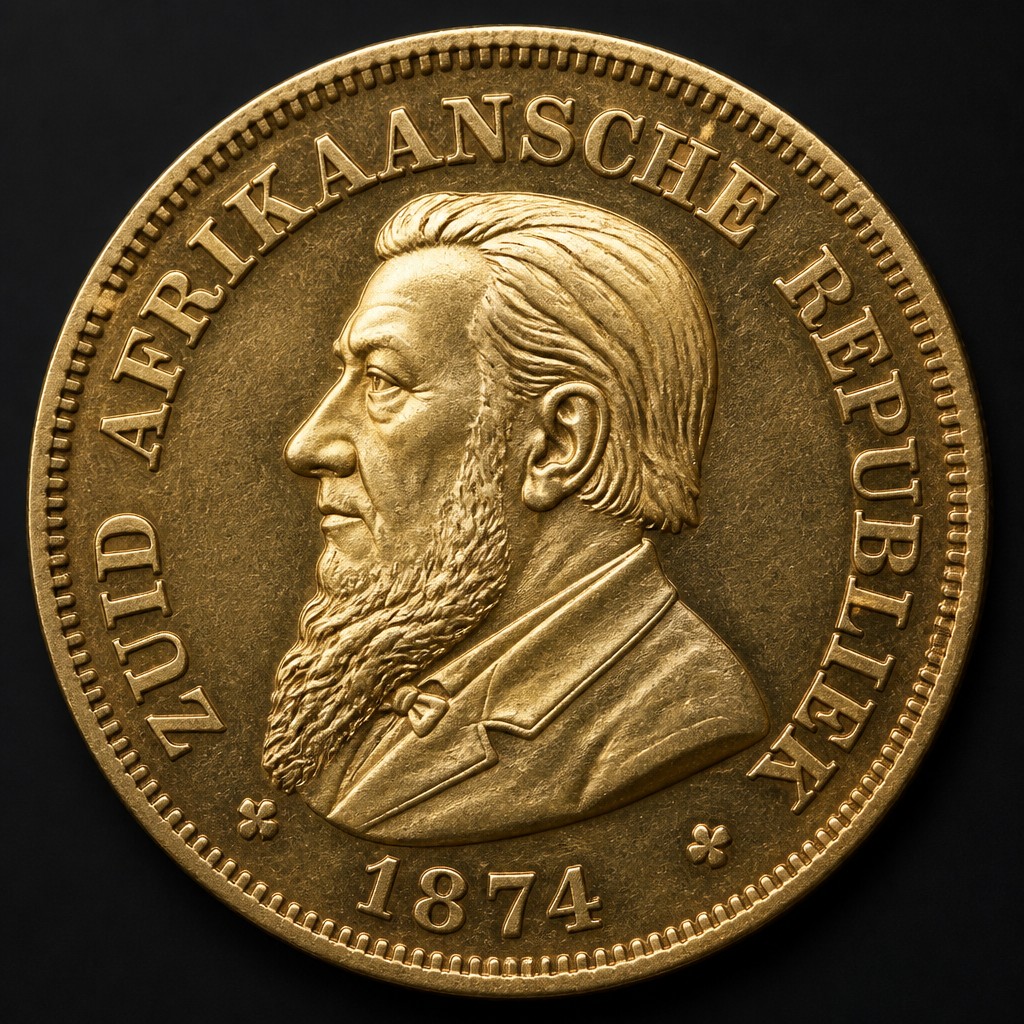
South African Republic Burgers Pond
The first coin struck for an independent South African state, issued in 1874 under President Thomas Burgers of the Transvaal, famous for its 'coarse beard' and 'fine beard' portrait varieties.
Africa & Oceania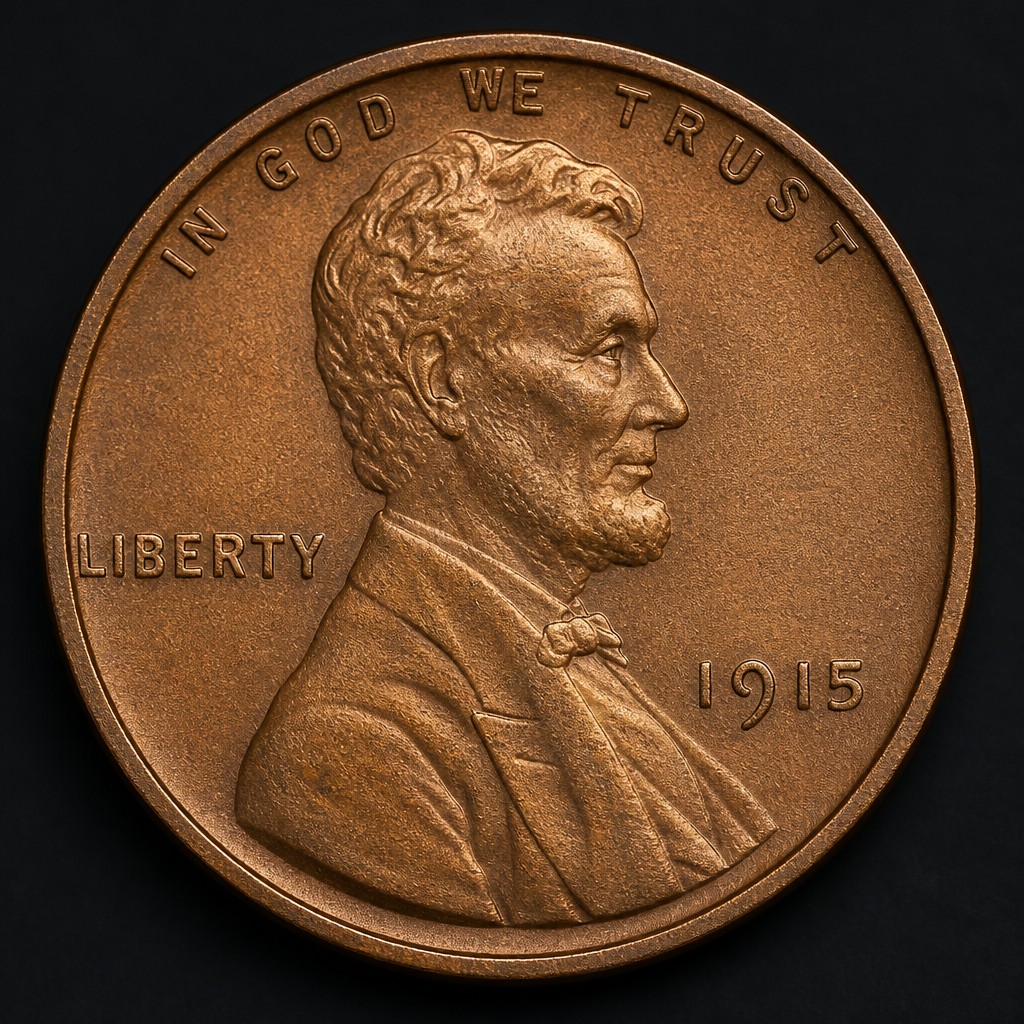
Matte Proof Lincoln Cent
A special proof finish used on Lincoln cents from 1909 to 1916, featuring a fine, sandy, non-reflective surface instead of the mirror-like brilliance of earlier proof coins.
United States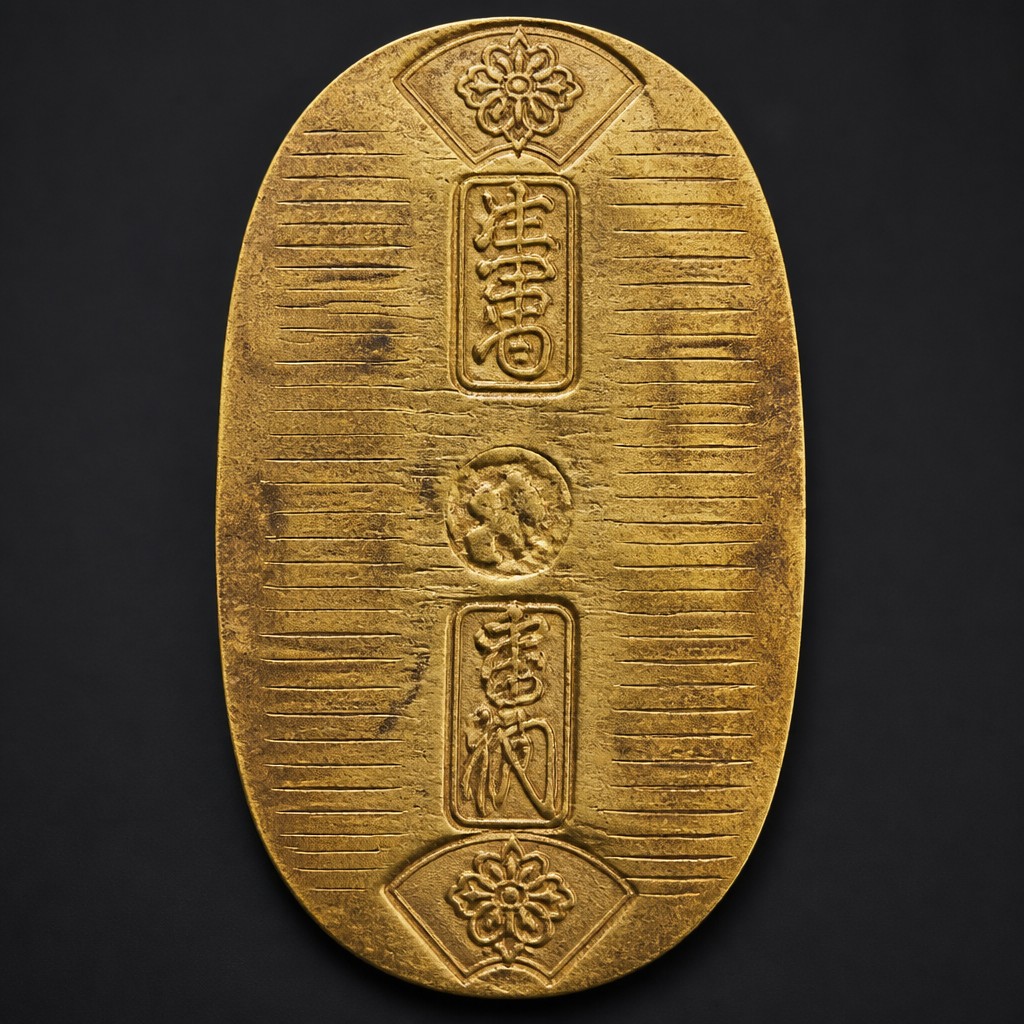
Japanese Koban
A hand-hammered oval gold coin used in feudal Japan under the Tokugawa shogunate, valued at one ryo and stamped with ink calligraphy certifying its weight and fineness.
Asian