
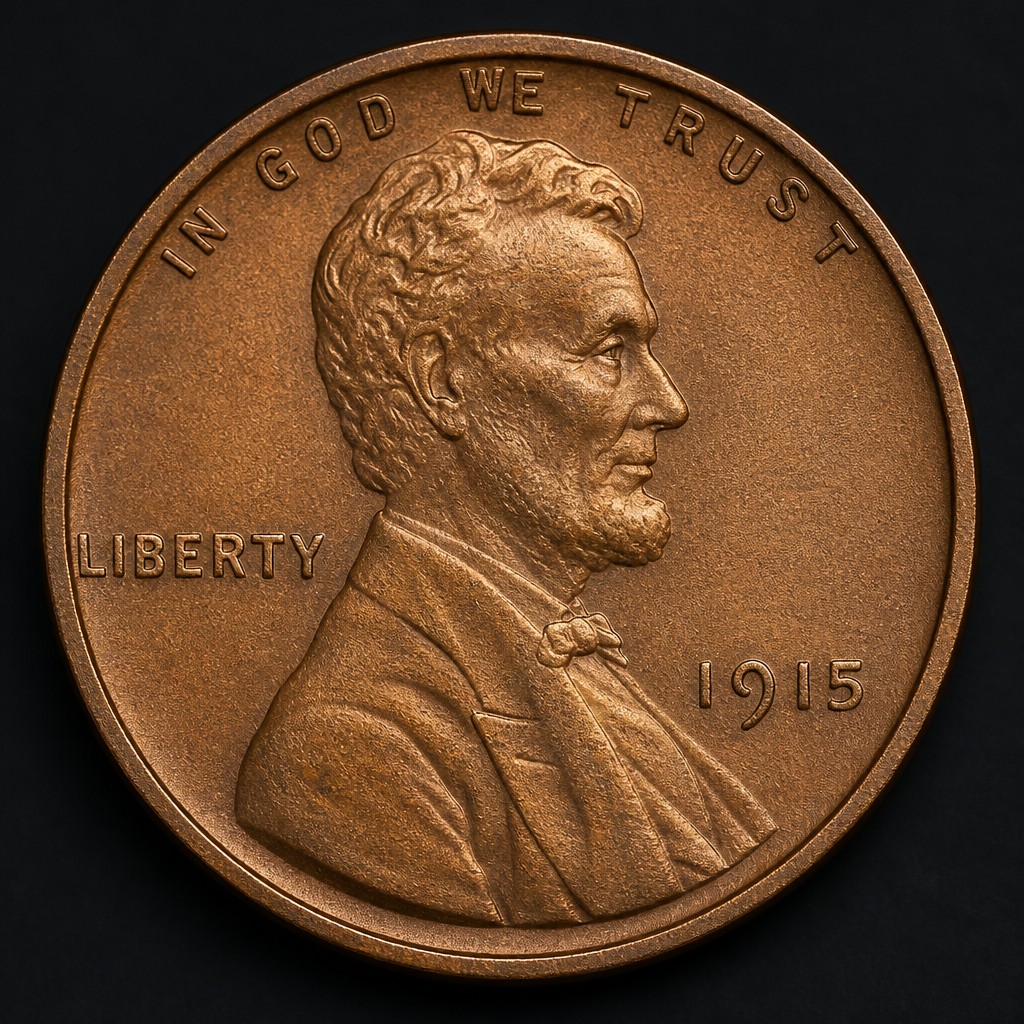
Matte Proof Lincoln Cent
A special proof finish used on Lincoln cents from 1909 to 1916, featuring a fine, sandy, non-reflective surface instead of the mirror-like brilliance of earlier proof coins.
- Country
- United States
- Denomination
- One Cent
- Metal
- Bronze (95% Copper, 5% Tin and Zinc)
Got a coin like this?
Identify any coin from a photo, free.
Overview
The Matte Proof Lincoln Cent refers to specially prepared proof coins struck for collectors between 1909 and 1916 using a distinctive matte finishing process rather than the older brilliant, mirror-like proof method. The result is a coin with a fine-grained, almost sandpaper-like surface texture that gives sharp design details a subdued, satiny look rather than a flashy shine.
This finish was applied to the entire Lincoln cent proof output during these early years of the design, including the historic first-year 1909 issues (both with and without designer Victor David Brenner's initials). Matte proofs are prized by specialists for their unusual appearance and for representing a brief, somewhat unpopular experiment in US Mint proof coinage.
History & Background
The Mint adopted the matte proof finish for several denominations, including the cent, in the first decade of the twentieth century, influenced by European minting practices that favored a subdued, artistic finish over the flashy brilliant proofs used previously. Special dies were sandblasted or otherwise treated to create a granular texture that would transfer to the coin's surface during striking.
American collectors, however, largely disliked the muted look compared to older mirror-finish proofs, and demand for matte proof coinage remained modest throughout the finish's use. The Mint abandoned the matte proof format after 1916 in favor of returning to brilliant proof finishes decades later.
Because 1909 was also the first year of the Lincoln cent itself, replacing the long-running Indian Head design, matte proofs from that year carry extra historical interest, including for the briefly issued 1909 V.D.B. proof before the designer's initials were removed from the design later that year.
How to Identify
Matte proof Lincoln cents show the standard Lincoln portrait obverse and wheat-stalk reverse of the era, but the surfaces have a distinctive fine, granular texture rather than the deep mirror reflection of brilliant proofs or the more random luster of business-strike coins. Under a light, the coin appears to have a dull, uniform sheen rather than distinct flash or cartwheel luster.
Genuine matte proofs also typically show sharp, squared rims and complete, crisp design details, since proof dies were specially prepared and struck with extra pressure. Because the finish can resemble a heavily toned or environmentally damaged business strike to an inexperienced eye, distinguishing true matte proofs from circulation strikes with unusual surfaces can be difficult, and certification by a major grading service is commonly relied upon for confirmation.
Value & Collectibility
Matte proof Lincoln cents are considerably scarcer than business-strike cents of the same years, since proof mintages were tiny compared to circulating coinage, and they command meaningfully higher prices even in modest grades. The 1909 issues, including the V.D.B. proof, carry extra demand due to their first-year status.
Because the unusual finish makes grading and authentication more specialized, and because condition problems like cleaning or spotting are common on century-old copper proofs, working with reputable, certified examples is especially important for this series. Values range from several hundred dollars for common dates in modest grades to well into the thousands or more for choice, well-preserved specimens of scarcer years.
Frequently asked questions
What does 'matte' mean on a proof coin?
It refers to a granular, non-reflective surface texture created by treating the dies before striking, as opposed to the deep mirror shine of a brilliant proof.
Why did the Mint stop making matte proofs?
American collectors generally preferred the older brilliant, mirror-finish proofs, and demand for the matte finish remained weak, leading the Mint to discontinue it after 1916.
Are 1909 matte proofs different from 1909 business strikes?
Yes, matte proofs were specially struck for collectors in far smaller numbers and show the distinctive granular finish, unlike ordinary circulation-strike cents.
How can I be sure a coin is a genuine matte proof?
Because the finish can be mistaken for toning or surface damage, certification by an established third-party grading service is the most reliable way to confirm authenticity.
Other coins you may enjoy
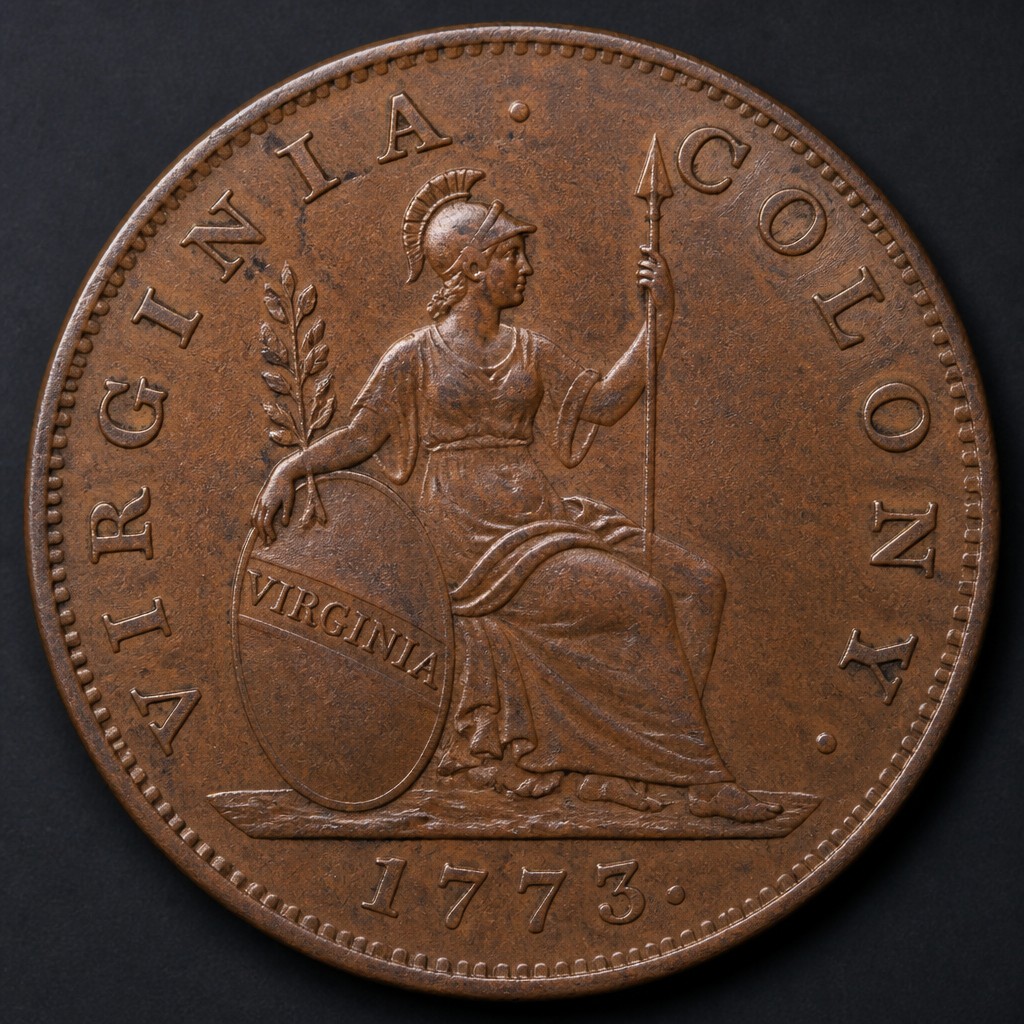
Virginia Halfpenny
1773
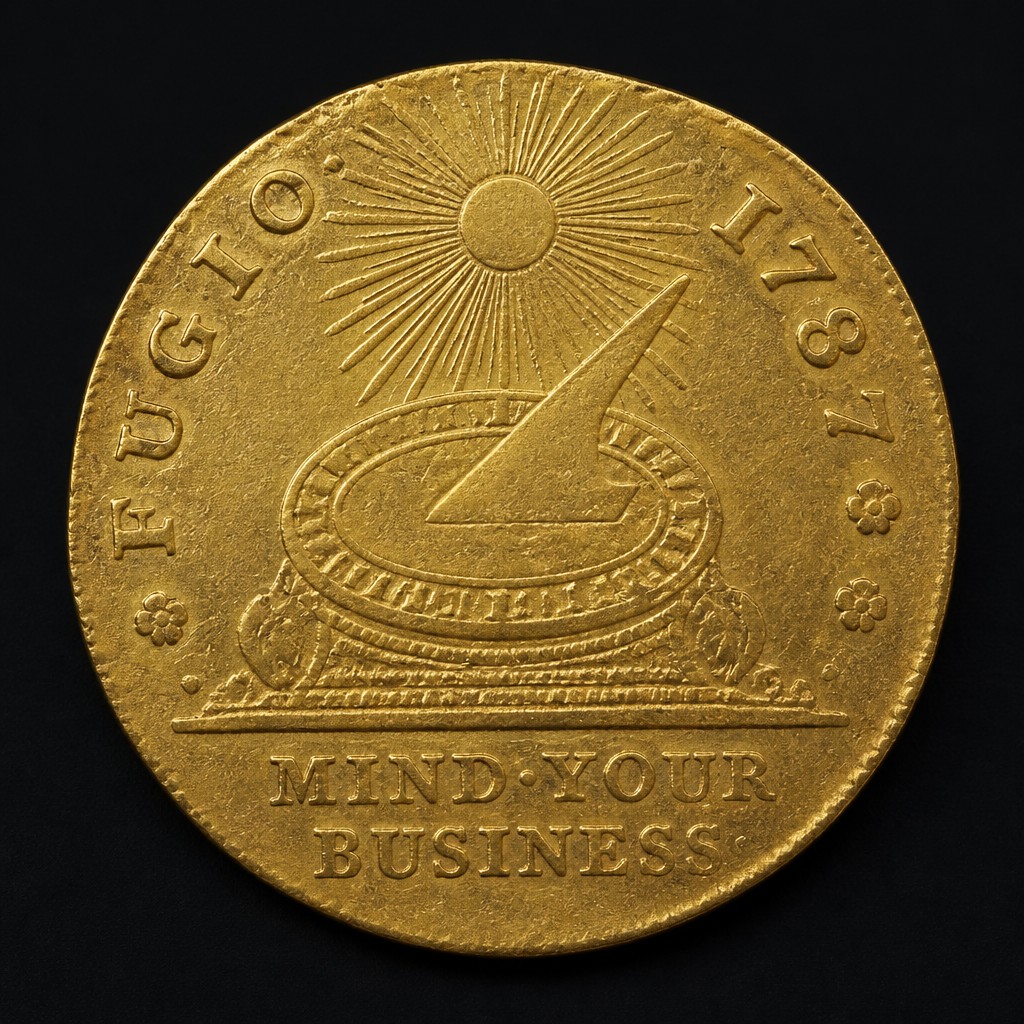
Brasher Doubloon
1787
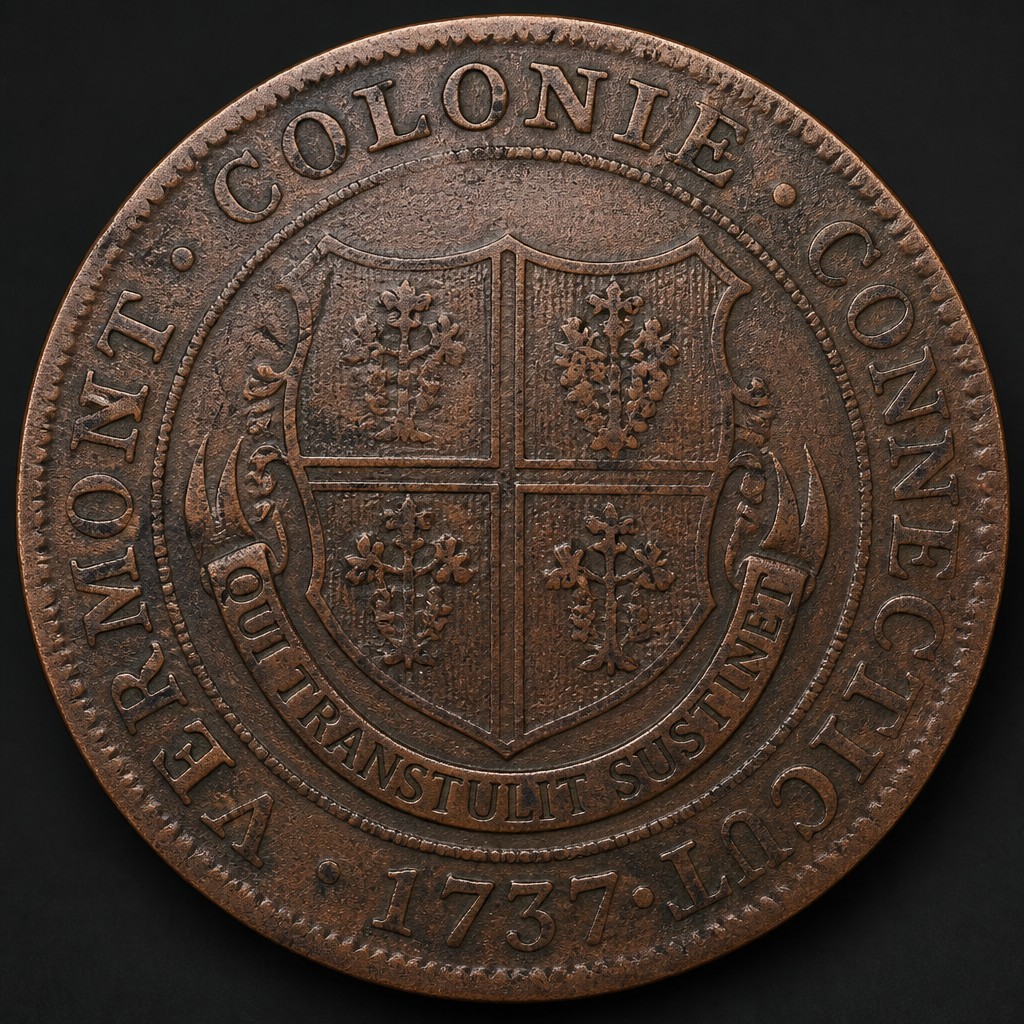
Higley Copper
1737–1739
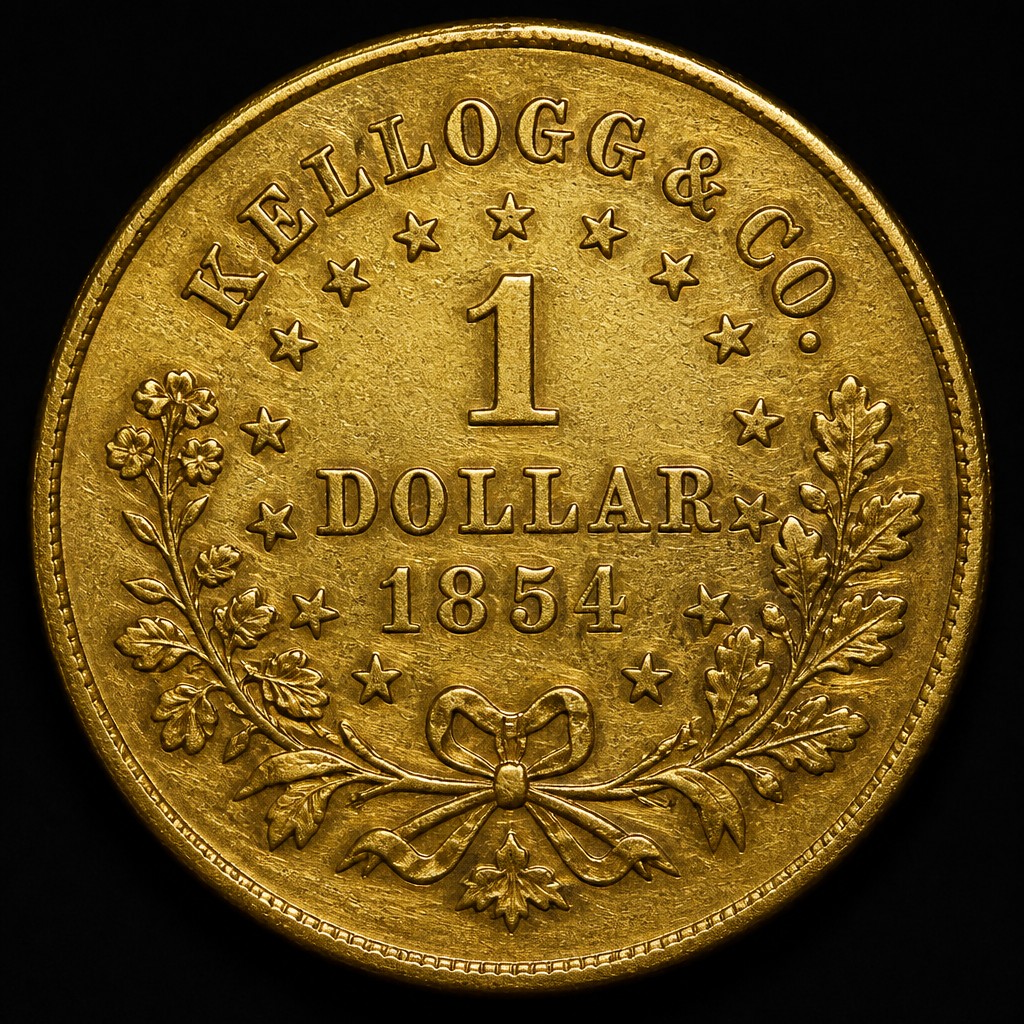
Kellogg & Co. Gold Piece
1854–1855
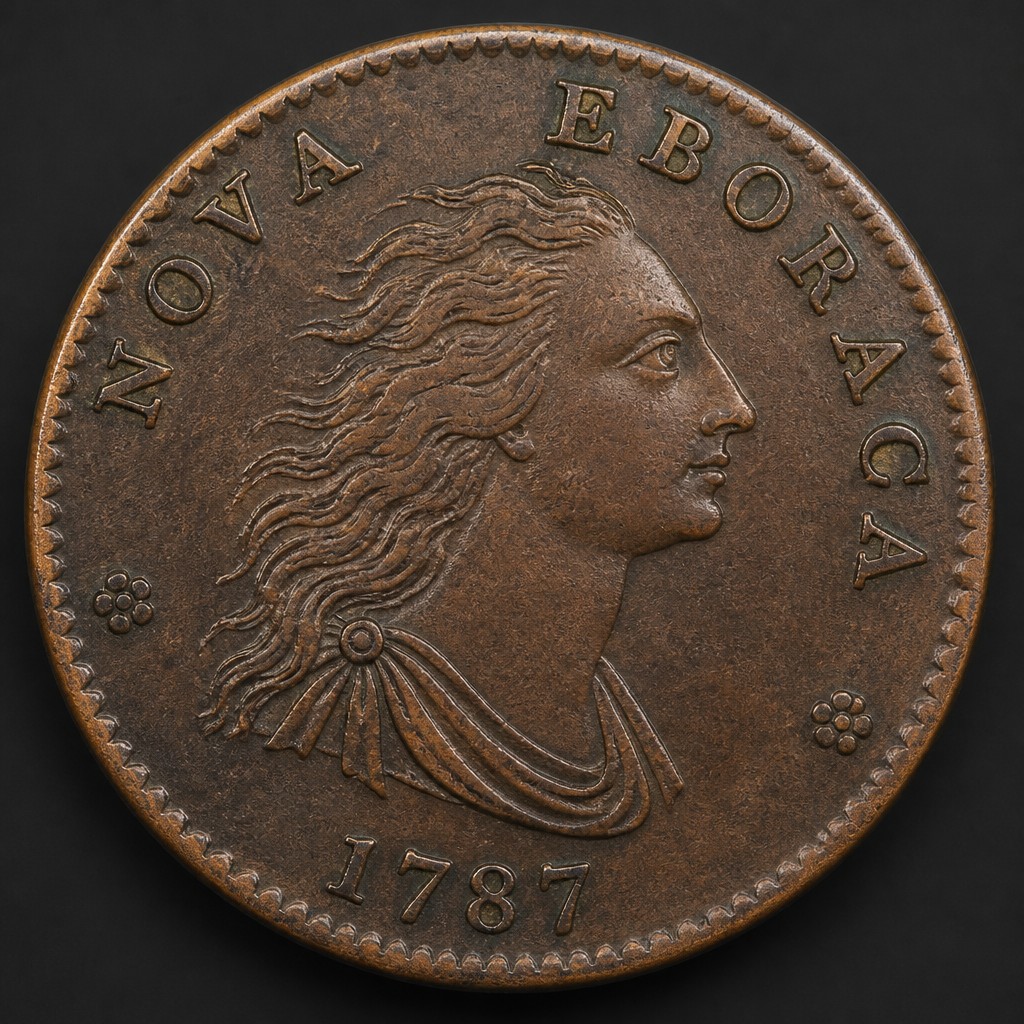
Nova Eborac Copper
1787
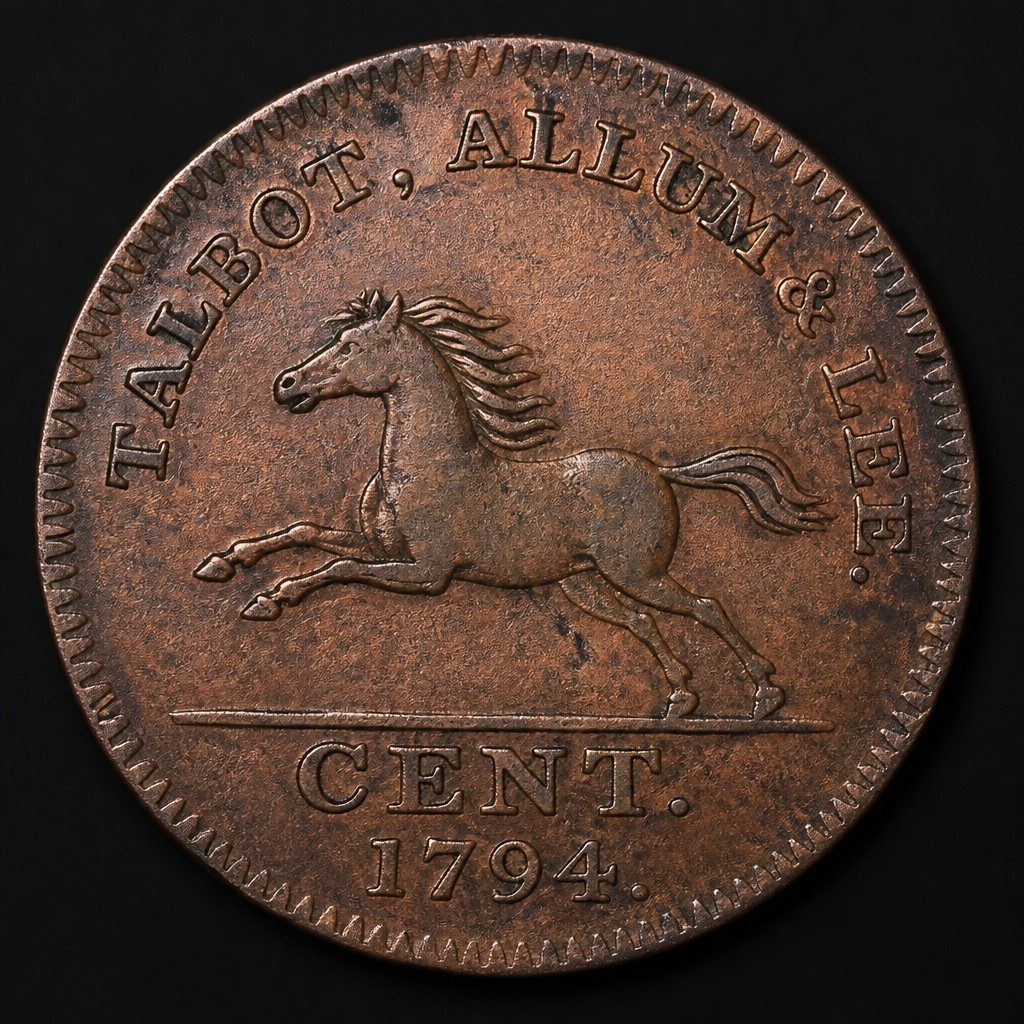
Talbot, Allum & Lee Cent
1794–1795
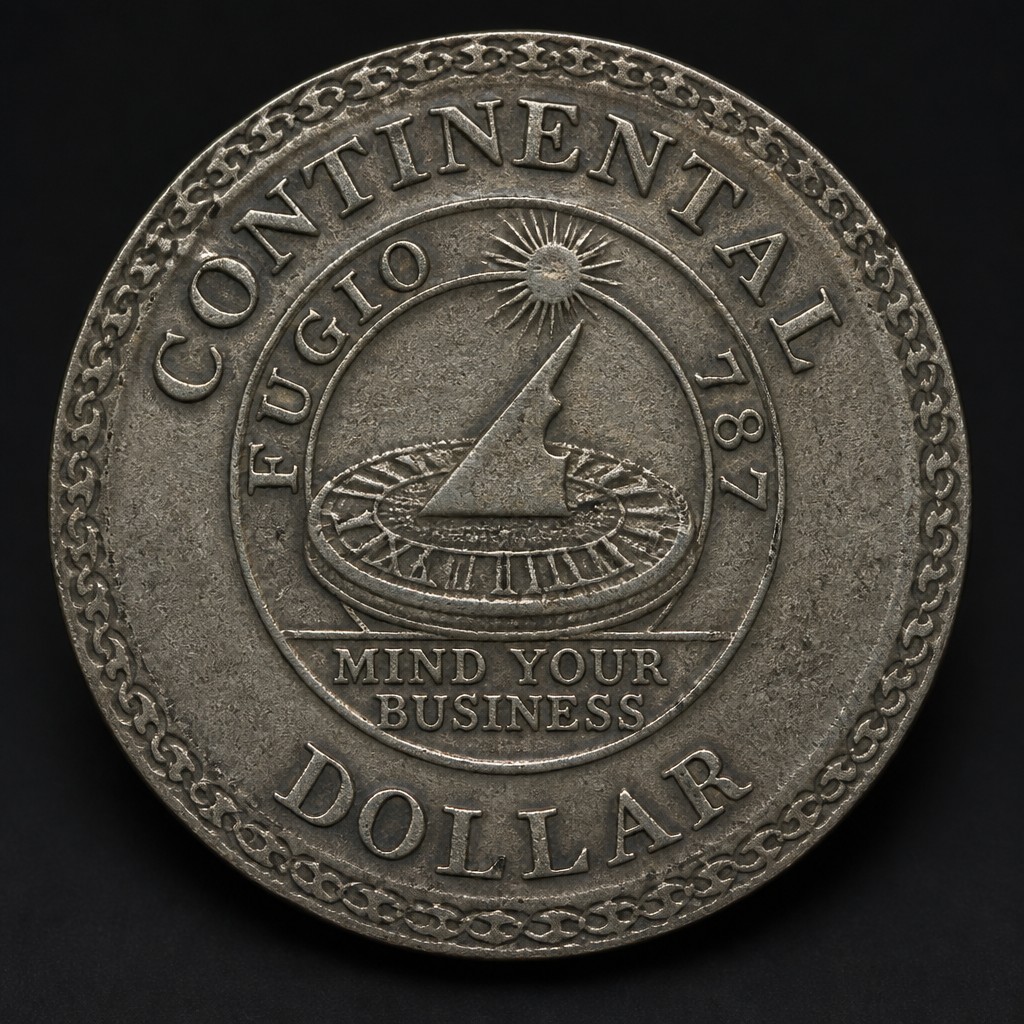
Continental Dollar
1776
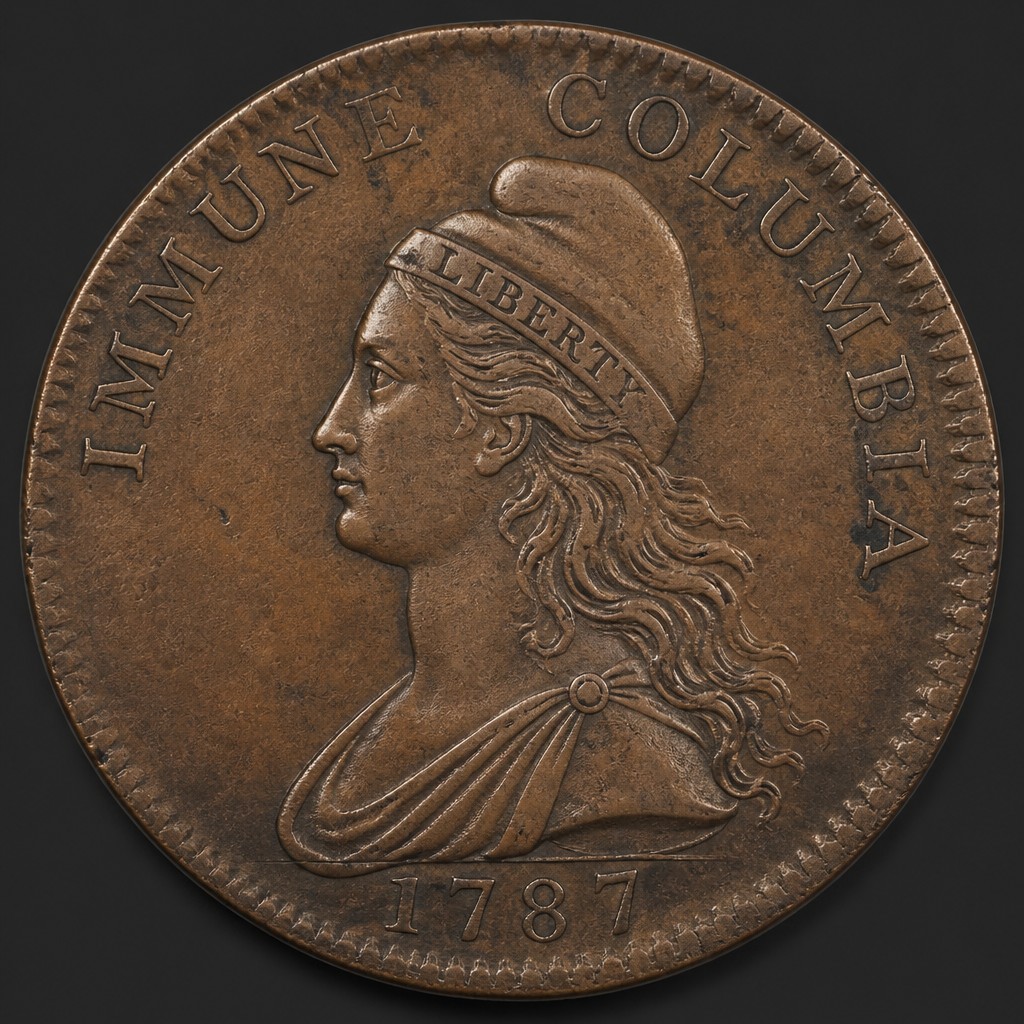
Immune Columbia Copper
circa 1785–1787
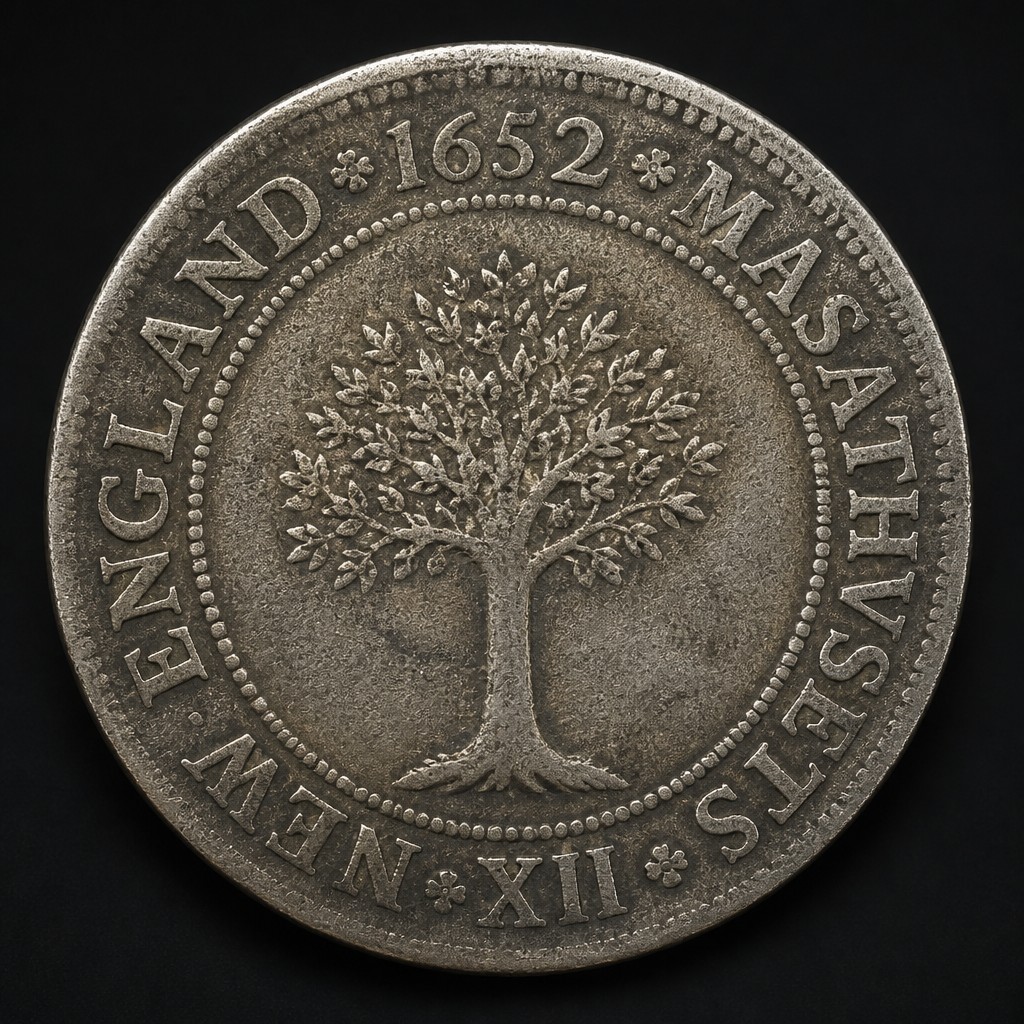
Massachusetts Oak Tree Shilling
Dated 1652, struck circa 1660–1667
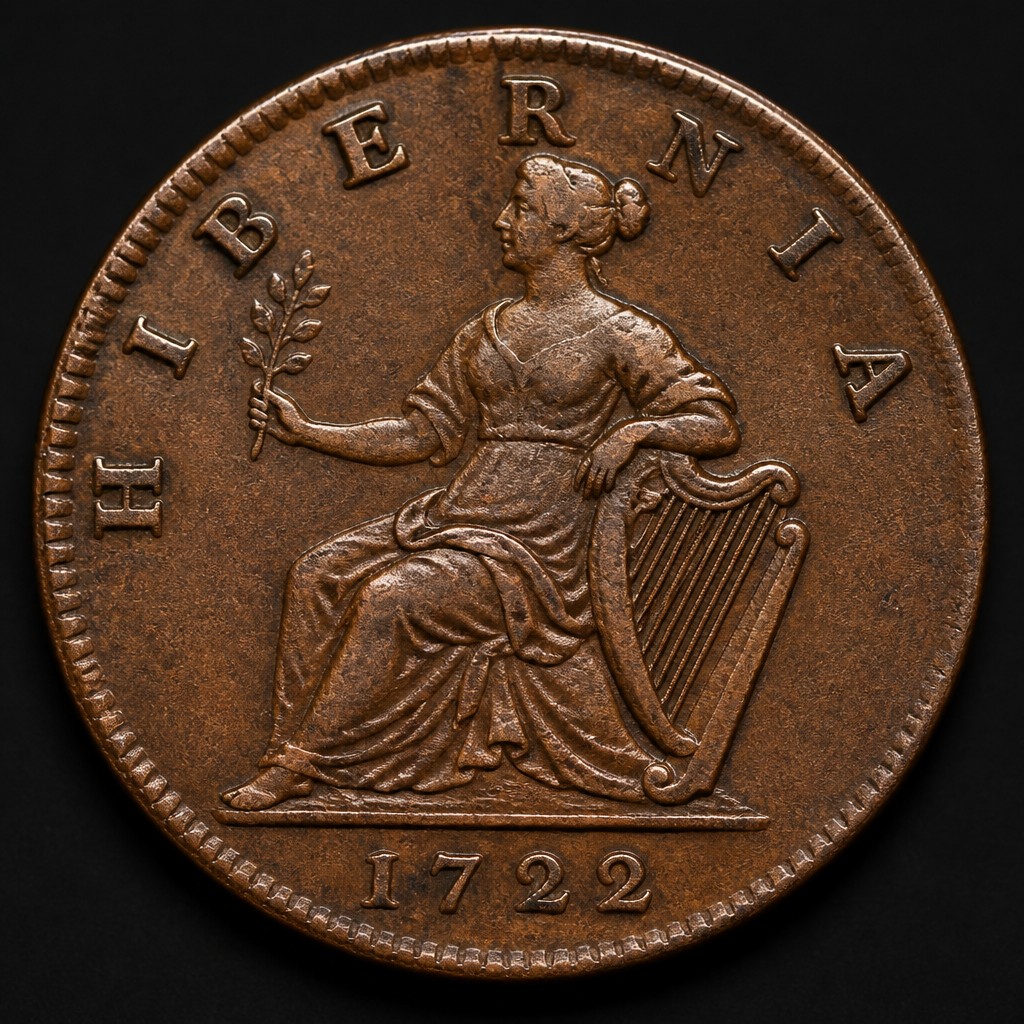
Wood's Hibernia Halfpenny
1722–1724
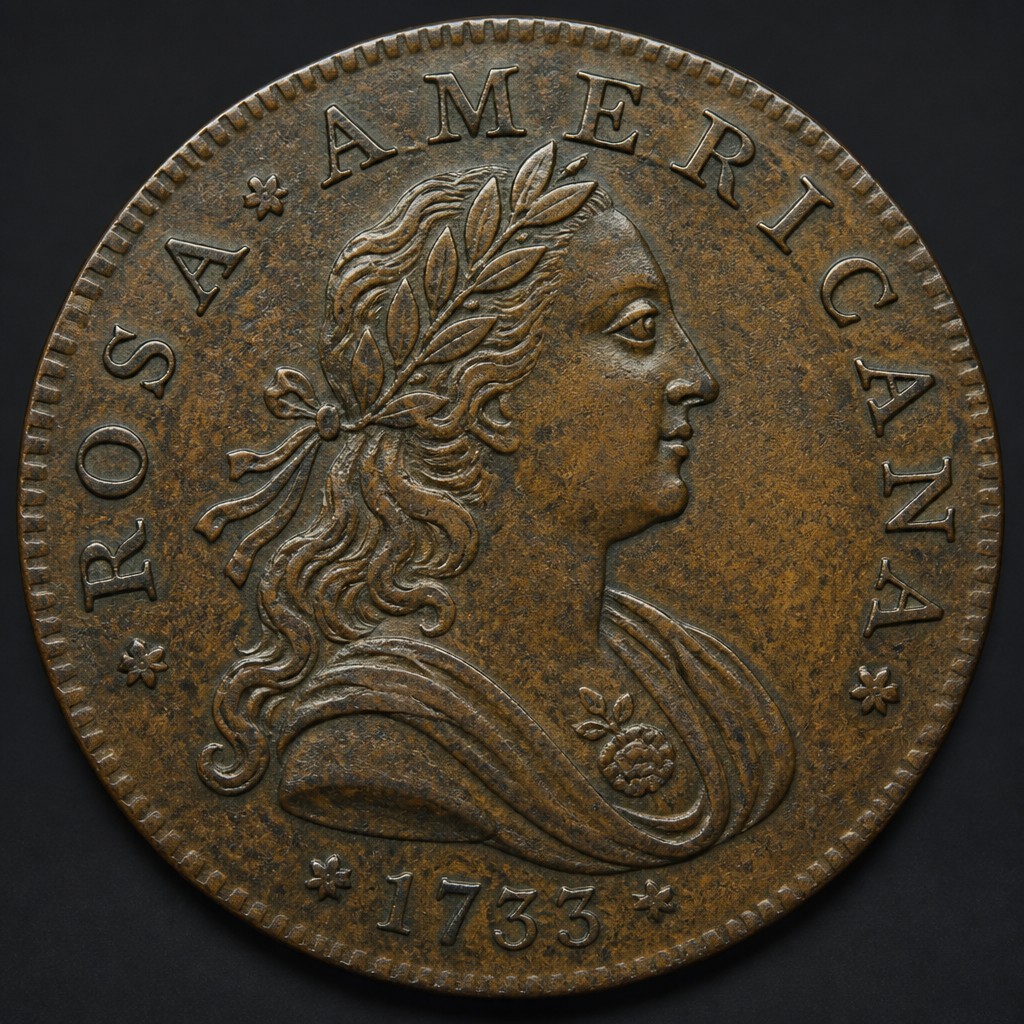
Rosa Americana Coinage
1722–1724 (with pattern issues dated 1733)
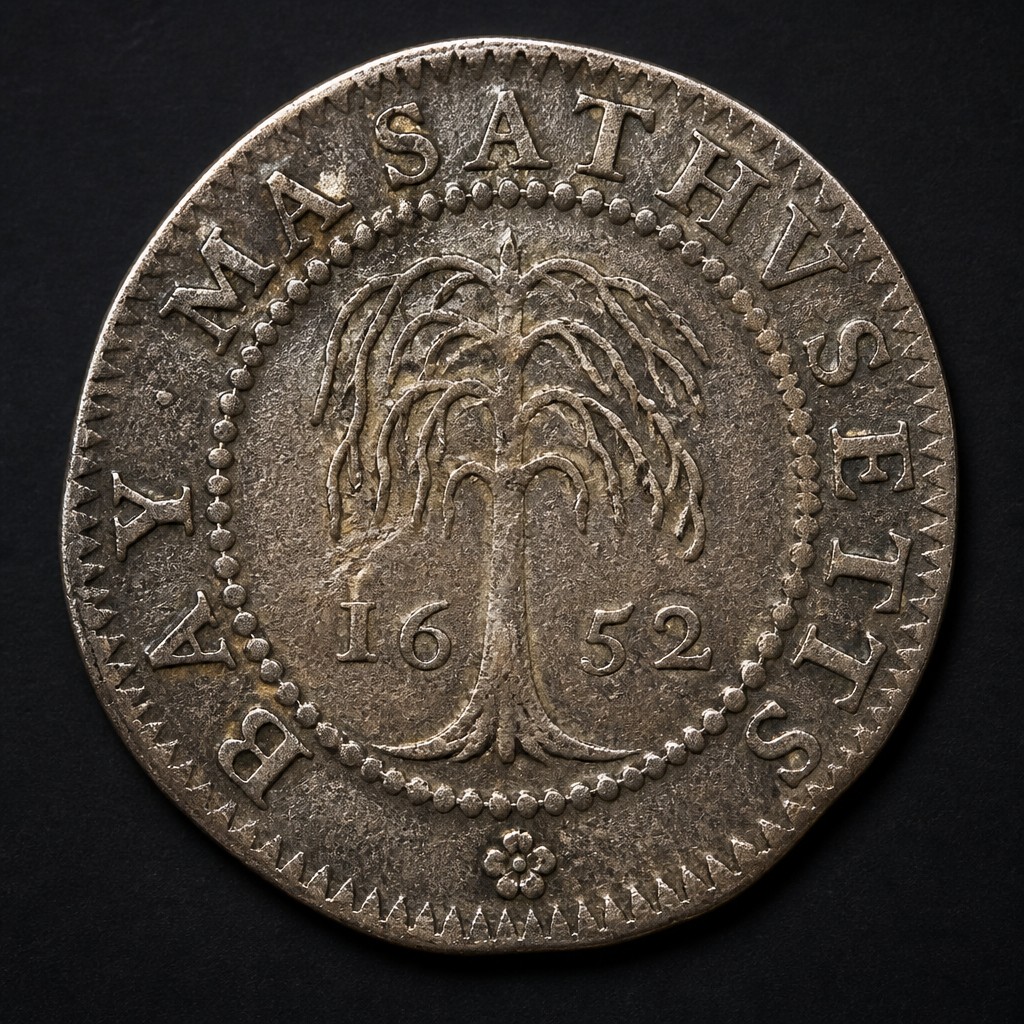
Massachusetts Willow Tree Shilling
Dated 1652, struck circa 1653–1660