
Coin Encyclopedia
Search and identify coins from around the world — with country, denomination, metal, mint, history, and how to tell them apart.
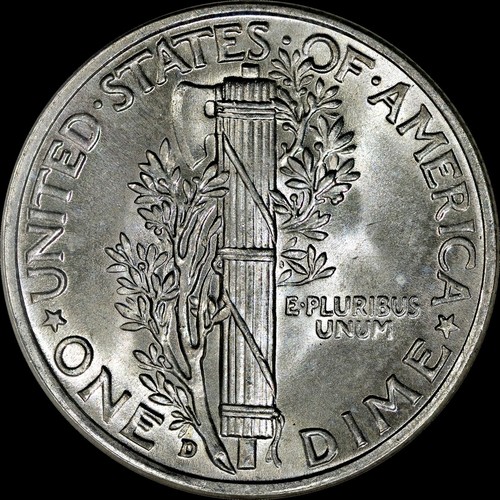
Mercury Dime
U.S. silver ten-cent coin struck 1916–1945, showing a winged-cap Liberty head on the obverse and a fasces with an olive branch on the reverse.
Dime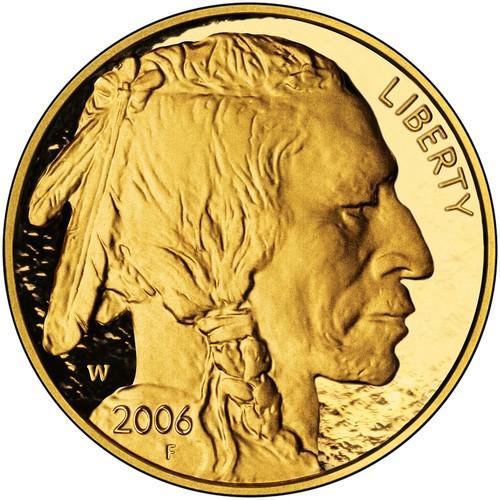
Buffalo Nickel
Iconic U.S. five-cent coin struck 1913–1938, with a Native American profile on the obverse and a standing American buffalo on the reverse.
Nickel Five Cent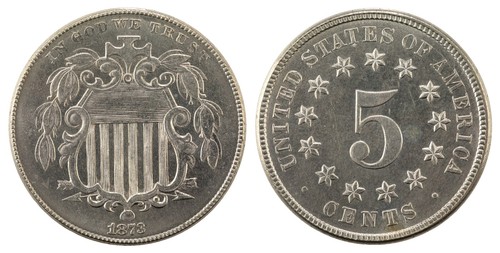
Shield Nickel
The first U.S. five-cent piece struck in copper-nickel, showing a Union shield on the obverse and a large numeral 5 on the reverse, made 1866–1883.
Nickel Five Cent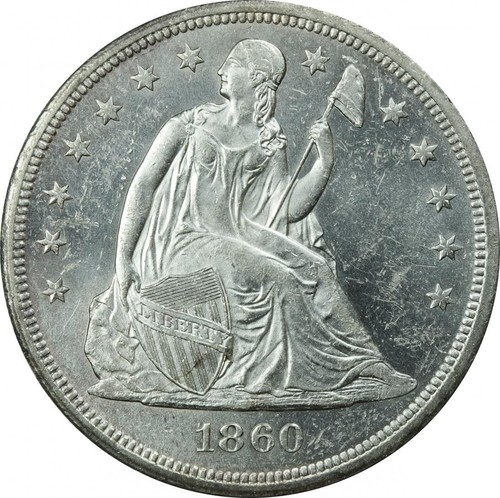
Seated Liberty Dollar
U.S. silver dollar (1840-1873) with Liberty seated holding a shield and a liberty-cap pole, ringed by stars. The pictured coin is dated 1860.
Dollar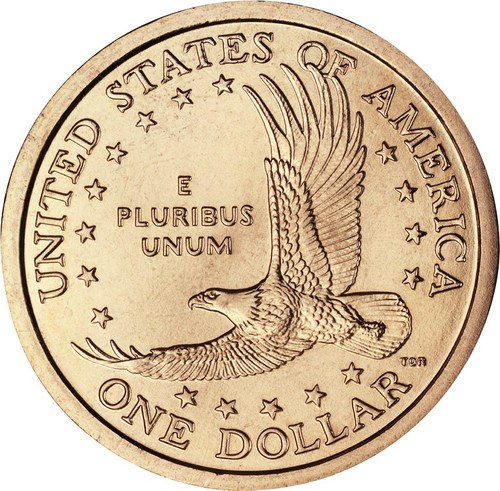
Sacagawea Dollar
U.S. golden-colored dollar coin showing Sacagawea and her infant son on the obverse and a soaring eagle on the reverse, struck 2000–2008.
Dollar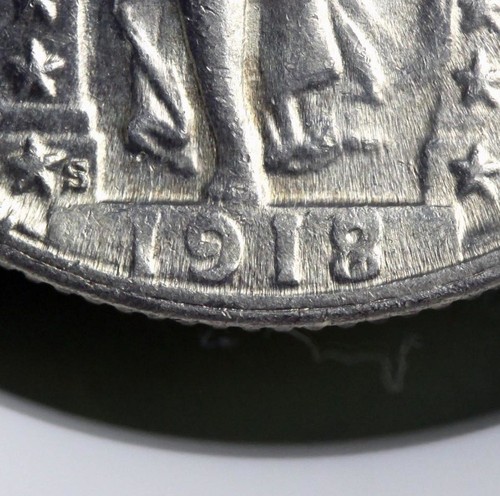
Standing Liberty Quarter
U.S. 90% silver quarter struck 1916–1930, showing a standing Liberty with shield on the obverse and an eagle in flight on the reverse.
Quarter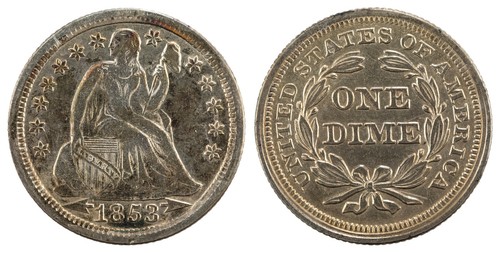
Seated Liberty Dime with Arrows
A silver Seated Liberty dime with small arrows flanking the date, marking the 1853 weight reduction; struck 1853–1855, with the pictured coin dated 1853.
Dime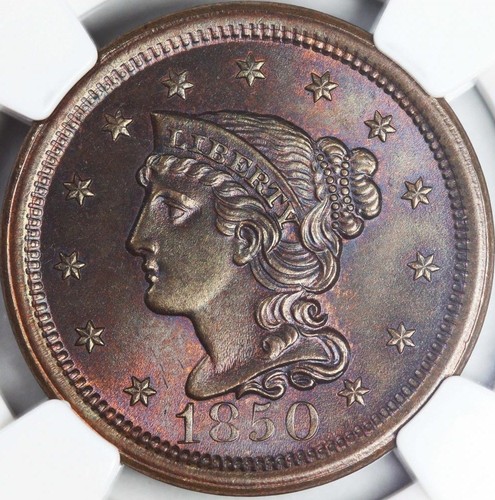
Braided Hair Large Cent
The last U.S. large copper cent: Liberty in a beaded coronet with braided hair, ringed by stars, over a laurel-wreath ONE CENT reverse.
Large Cent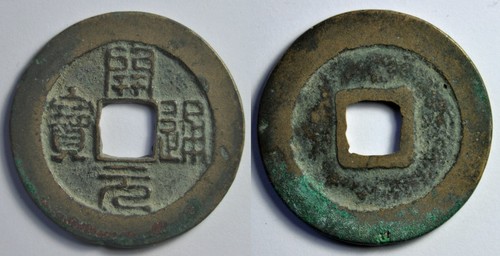
Kai Yuan Tong Bao
A Tang-dynasty Chinese bronze cash coin with the four seal-script characters Kai Yuan Tong Bao around a central square hole.
Cash Coin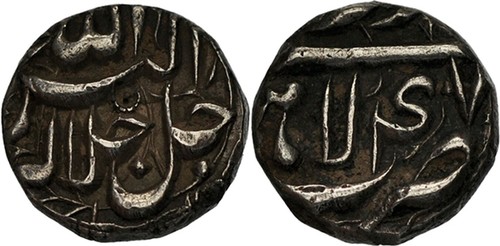
Mughal Quarter-Rupee
A small hammered Mughal silver quarter-rupee inscribed in Persian, struck at the Lahore mint and dated Ilahi 47 (AD 1602-1603).
Historic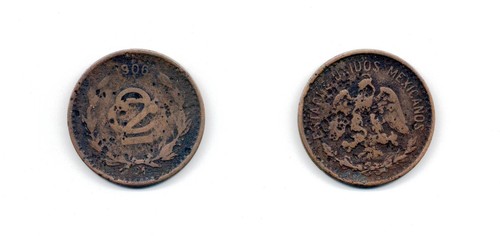
2 Centavos
A copper Mexican 2 centavos with a large numeral 2 framed by a laurel wreath on one side and the national eagle with spread wings on the other.
Circulation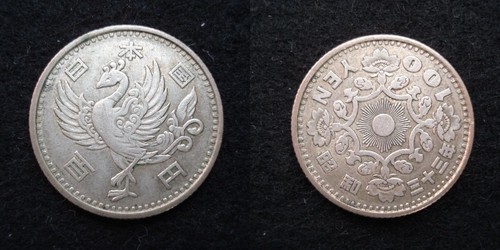
100 Yen (Showa Silver)
Japan's first 100 Yen coin, in silver: a phoenix in flight on the obverse and a bold radiating 100 on the reverse. Dated Showa 33 (1958).
Circulation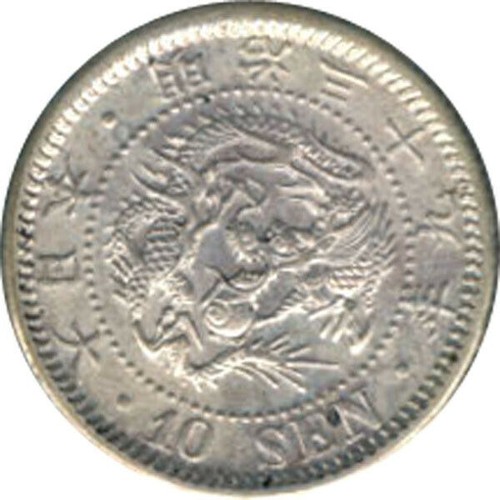
10 Sen
A small Meiji-era Japanese silver 10 Sen: a coiled dragon and characters on one face, a rayed sunburst framed by branches on the other.
Circulation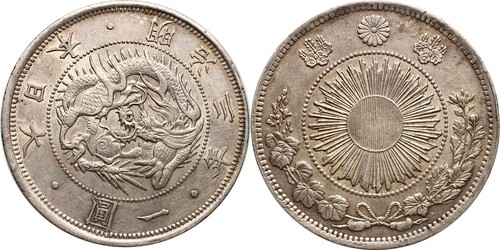
1 Yen (Silver)
An early Meiji silver 1 Yen struck in Meiji 3 (1870), showing a coiled dragon with a radiant sun on one side and a wreathed imperial crest on the other.
Circulation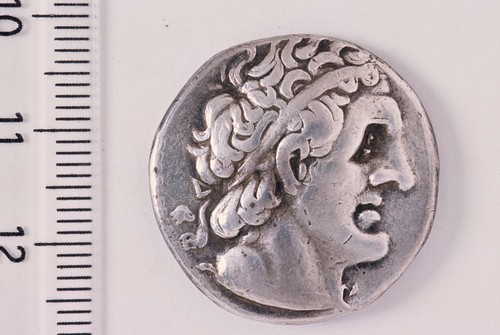
Ancient Hellenistic Tetradrachm
A large Hellenistic silver tetradrachm with a bearded, curly-haired head on the obverse and an eagle standing on a thunderbolt on the reverse.
Ancient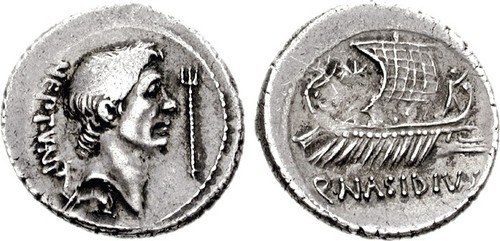
Nasidius Denarius
Roman Republican silver denarius struck for Sextus Pompey's admiral Q. Nasidius, showing Pompey the Great's head and a galley marked NASIDIVS.
Ancient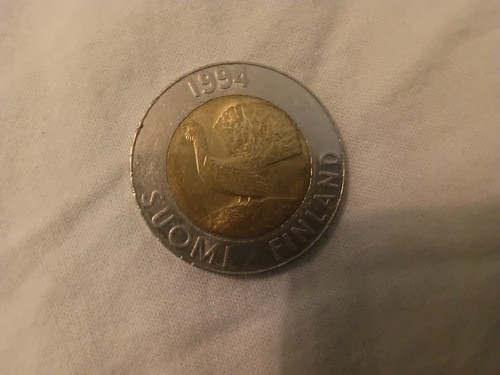
10 Markka
Finland's largest circulating markka coin: a bimetallic 10 markkaa with a capercaillie bird on the obverse, struck 1993–2001 until the euro.
World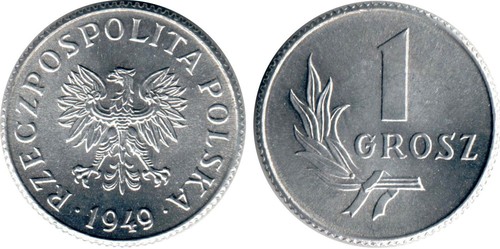
1 Grosz
A small 1949 Polish one-grosz coin bearing the crownless national eagle and RZECZPOSPOLITA POLSKA, with the value 1 GROSZ framed by grain on the reverse.
Modern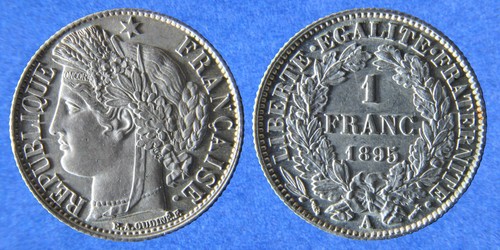
French Cérès 1 Franc
A .835 silver French 1 Franc showing the goddess Cérès in a liberty cap; this example is an 1895 Third Republic issue with a wreath-and-value reverse.
Circulation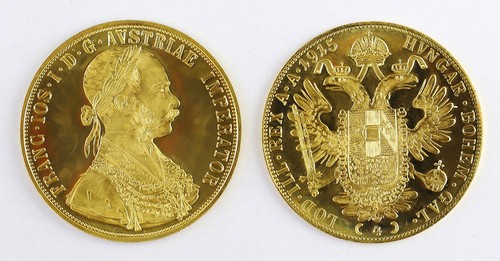
Austrian 4-fold Ducat
A large Austrian gold 4 Ducat dated 1915, showing Emperor Franz Joseph I in uniform and the crowned double-headed imperial eagle.
Bullion/gold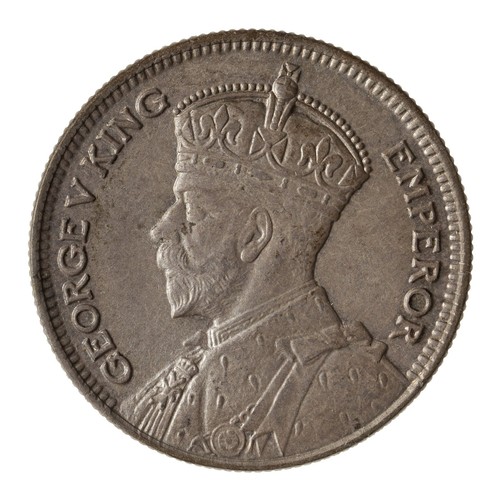
New Zealand Sixpence
New Zealand's small silver sixpence, famed for its native-bird reverse. This 1934 example shows King George V and the bird design with NEW ZEALAND SIXPENCE.
New Zealand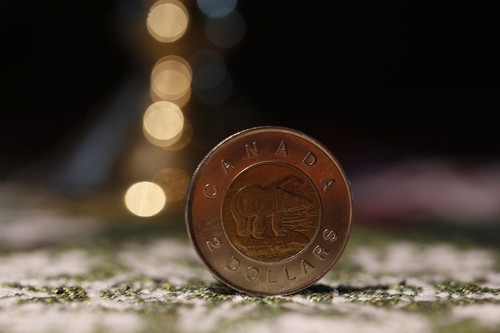
Canadian Two Dollar (Toonie)
Canada's bimetallic $2 coin, introduced in 1996 with a polar bear design; universally nicknamed the 'toonie' after the loonie dollar.
Canadian & Provincial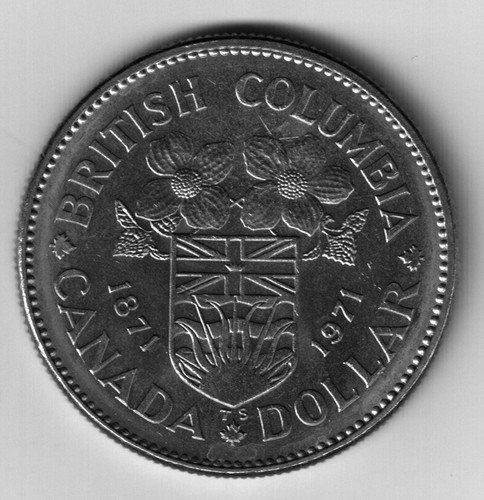
British Columbia Centennial Dollar
A 1958 Canadian silver dollar marking British Columbia's centennial, showing a Pacific Northwest totem pole and the dates 1858–1958.
Canadian & Provincial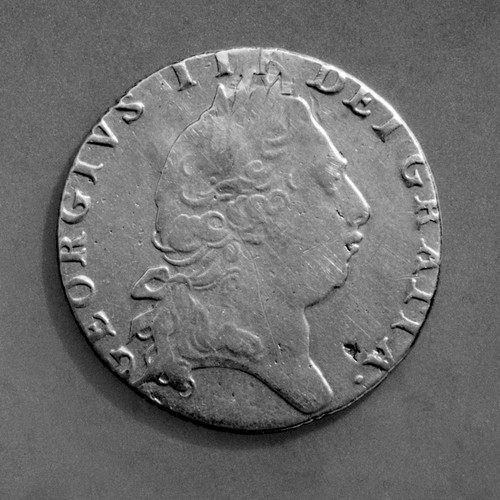
Spade Guinea
A late George III gold guinea named for the distinctive spade-shaped shield on its reverse, struck in England from 1787 into the early 1800s.
Milled