
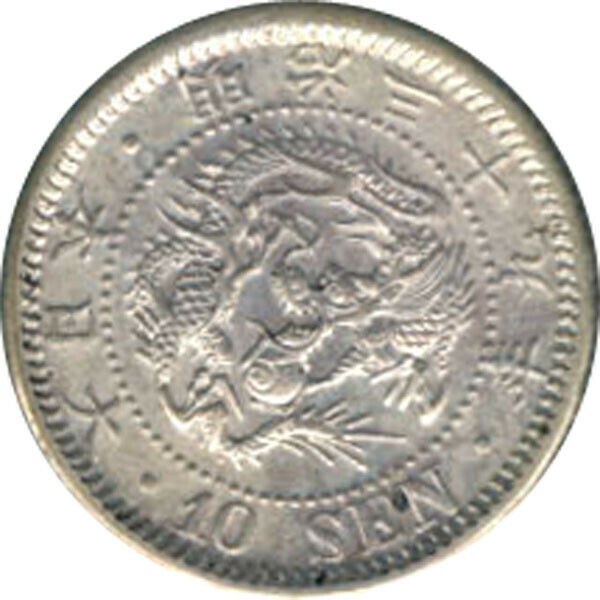
10 Sen
A small Meiji-era Japanese silver 10 Sen: a coiled dragon and characters on one face, a rayed sunburst framed by branches on the other.
- Country
- Japan
- Denomination
- 10 Sen
- Metal
- Silver
Got a coin like this?
Identify any coin from a photo, free.
Overview
The coin pictured is a 10 Sen piece from Imperial Japan, struck during the Meiji era and dated Meiji 39 (1906). It is a small silver circulation coin, one-tenth of a yen (100 sen made one yen), belonging to the well-known dragon type that Japan produced on Western-style presses after modernizing its coinage in the early 1870s.
One face shows a coiled dragon surrounded by Japanese characters and an ornamental border; the legend names the country and gives the reign era and year. The other face carries a central sunburst of radiating lines encircled by decorative floral branches (a wreath), with the value and a chrysanthemum-style crest completing the design. The two motifs together — dragon and rayed emblem — are the signature of Meiji silver minor coinage.
As a tenth-yen piece, the 10 Sen was everyday small change in early modern Japan. The dragon type was struck in large numbers over many years, so the coin is widely collected and generally attainable, with condition and specific date driving desirability.
History & Background
After the Meiji Restoration of 1868, Japan replaced its older feudal-era money with a decimal yen system and built a modern mint at Osaka equipped with Western coining machinery. The sen became the fractional unit, with 100 sen to the yen, and silver minor coins such as the 10 Sen were introduced from the early 1870s.
The dragon design — a powerful traditional East Asian symbol of imperial authority — became the hallmark of Japanese silver and some copper coins of this period. Coins are dated by reign era and year rather than by the Western calendar: the legend reads Meiji followed by the year of the emperor's reign, so Meiji 39 equals 1906. The era-year characters are read alongside the country name, 大日本 (Great Japan).
The silver dragon 10 Sen was produced across much of the Meiji reign, into the first decade of the twentieth century, before the design was retired and the denomination continued under later, non-dragon types. Rising silver costs and changing coinage policy eventually reduced and then ended the small silver sen coins, leaving the Meiji dragon pieces as abundant survivors of Japan's industrial-age currency reform.
How to Identify
Confirm the coin as a small, round, machine-struck silver piece with a reeded edge, noticeably smaller and lighter than a modern coin (the silver dragon 10 Sen is a compact minor of roughly 17–18 mm and about 2 grams of .800 fine silver). The bright white metal, sharp pressed relief, and raised rim mark it as a modern Meiji striking rather than an older cast coin.
Identify the dragon face: a coiled dragon fills the center, ringed by Japanese characters and an ornamental border. The characters give 大日本 (Great Japan), the reign era 明治 (Meiji) with the year, and the value, and many issues also show ‘10 SEN’ in Roman letters. Reading the era and year here dates the coin — the pictured example is Meiji 39 (1906).
The opposite face shows a central sunburst of radiating lines enclosed by paired ornamental branches forming a wreath, with a chrysanthemum-style crest and the denomination. Use the value characters 十錢 (ten sen), the coin's small diameter and silver weight, and the era-year legend as the key diagnostics, then match them against a Japanese Meiji coinage catalog to pin down the exact date and any variety.
Value & Collectibility
Most Meiji silver 10 Sen dragon coins are common and modestly priced, since the type was struck over many years in large quantities. Well-circulated examples typically trade a little above their small silver content, in an affordable entry-level range, and they turn up frequently in mixed lots of Japanese coins.
Value climbs with grade, strike, and date. Coins with sharp dragon scales, clean original surfaces, and attractive toning bring clear premiums, and certain scarcer Meiji years or varieties are sought after by specialists. Cleaning, scratches, and heavy wear reduce desirability, as does any sign of mounting or damage on these thin silver pieces.
Because the label “10 Sen” covers many dates spanning decades, prices span a wide band. For an accurate figure, read the exact reign year, confirm the metal and size, and compare against recent sales of the matching date; professional grading is worthwhile only for high-grade or scarce examples.
Frequently asked questions
What does the year 'Meiji 39' mean?
Japanese coins of this era are dated by the emperor's reign year, not the Western calendar. Meiji 39 is the 39th year of the Meiji reign, which corresponds to 1906. The era and year are read from the Japanese characters on the dragon face.
Is my 10 Sen coin real silver?
The Meiji dragon 10 Sen was struck in silver, typically an .800 fine alloy, in a small thin format. It has a reeded (grooved) edge and a bright white metal look. Weighing and measuring it and comparing to catalog specifications confirms the silver content.
How much is it worth?
Most are common and inexpensive, trading a bit above their small silver value. Price depends on the exact date, strike, and condition, with sharp, attractive, or scarcer-date examples worth more than heavily worn ones.
What is a 'sen'?
The sen was a fractional unit of the Japanese yen, with 100 sen making one yen. A 10 Sen coin was therefore one-tenth of a yen and served as everyday small change in early modern Japan.
Why is there a dragon on it?
The dragon was a traditional symbol of imperial power and became the signature motif of Japan's Meiji-era silver and some copper coins. It appears with the country name and reign-year legend on this denomination.
10 Sen guides
In-depth guides for identifying, valuing, and collecting 10 Sen.
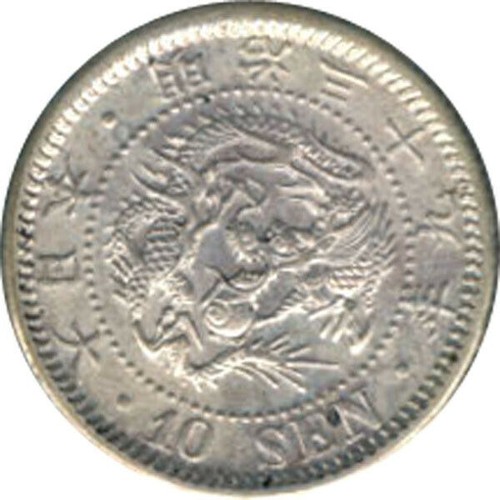
10 Sen identified by the community
Real coins identified with Coin Identifier.
Other coins you may enjoy
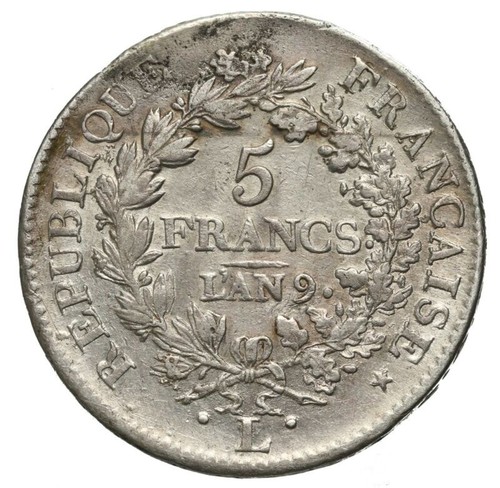
5 Francs (First Republic)
L'an 9 (1800–1801)
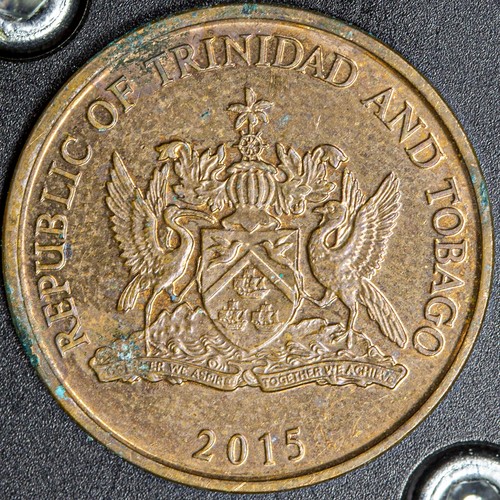
Trinidad and Tobago Dollar
2015
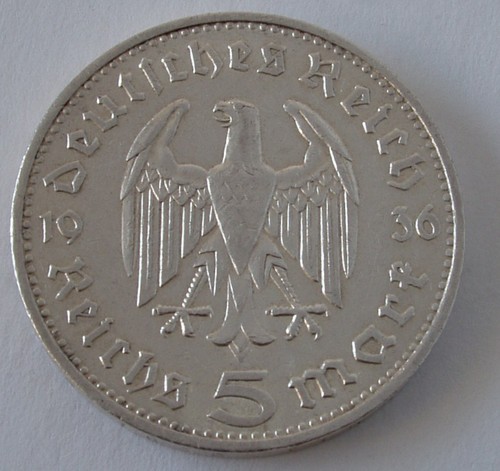
German 5 Reichsmark (Hindenburg)
1935–1936 (Hindenburg type with swastika)
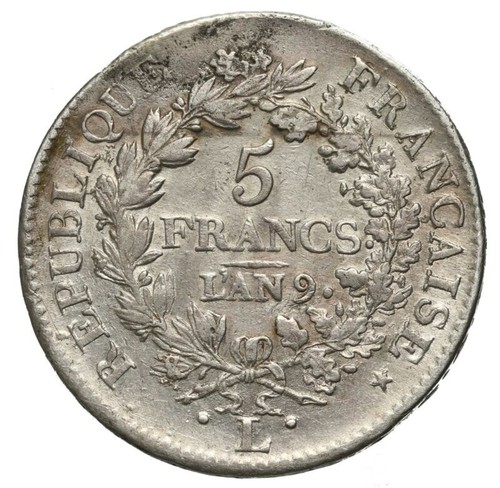
5 Francs Semeuse
1960–1969
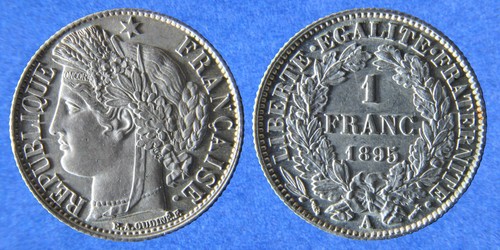
French Cérès 1 Franc
1849–1895
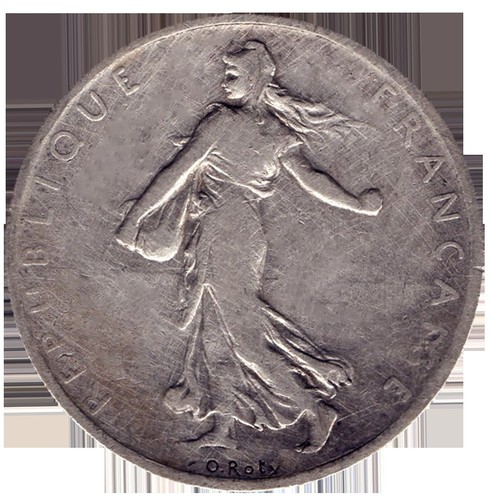
French Semeuse 2 Francs
1898–1920 (silver issues; pictured example dated 1899)
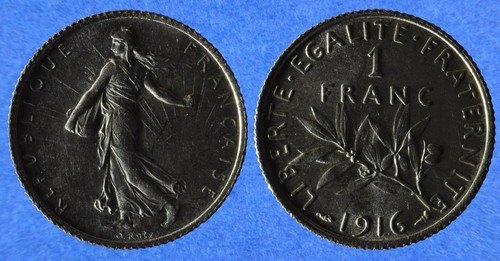
French Semeuse 1 Franc
1898–1920 (silver Semeuse 1 franc type)
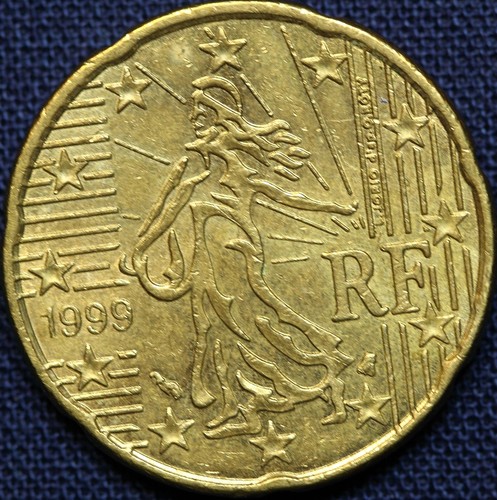
France 50 Cent Euro
1999–present
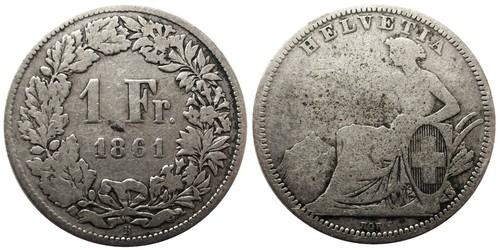
Swiss 1 Franc
1861
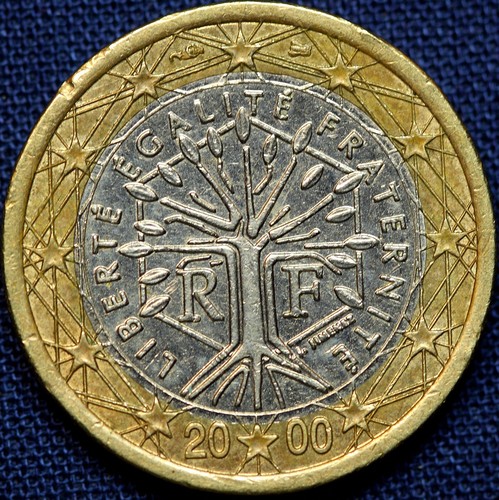
France 20 Centimes
1962–2001 (Fifth Republic, Marianne / Lagriffoul type)
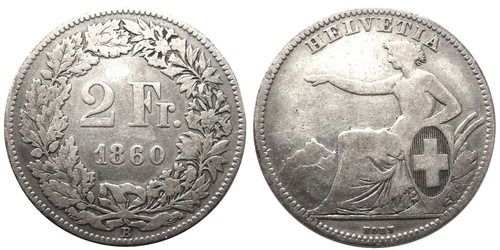
Swiss 2 Francs
1860
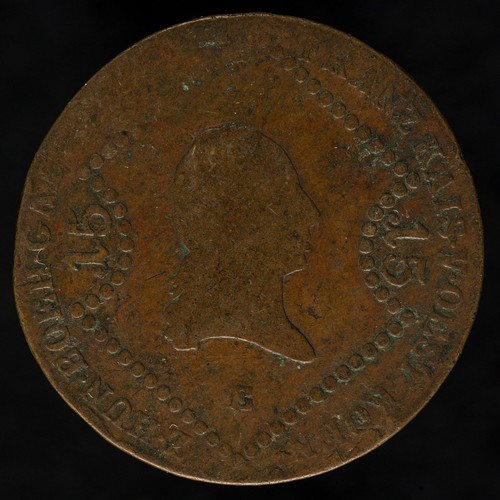
Austria-Hungary 15 Kreuzer
1807