
1 Yen (Silver)
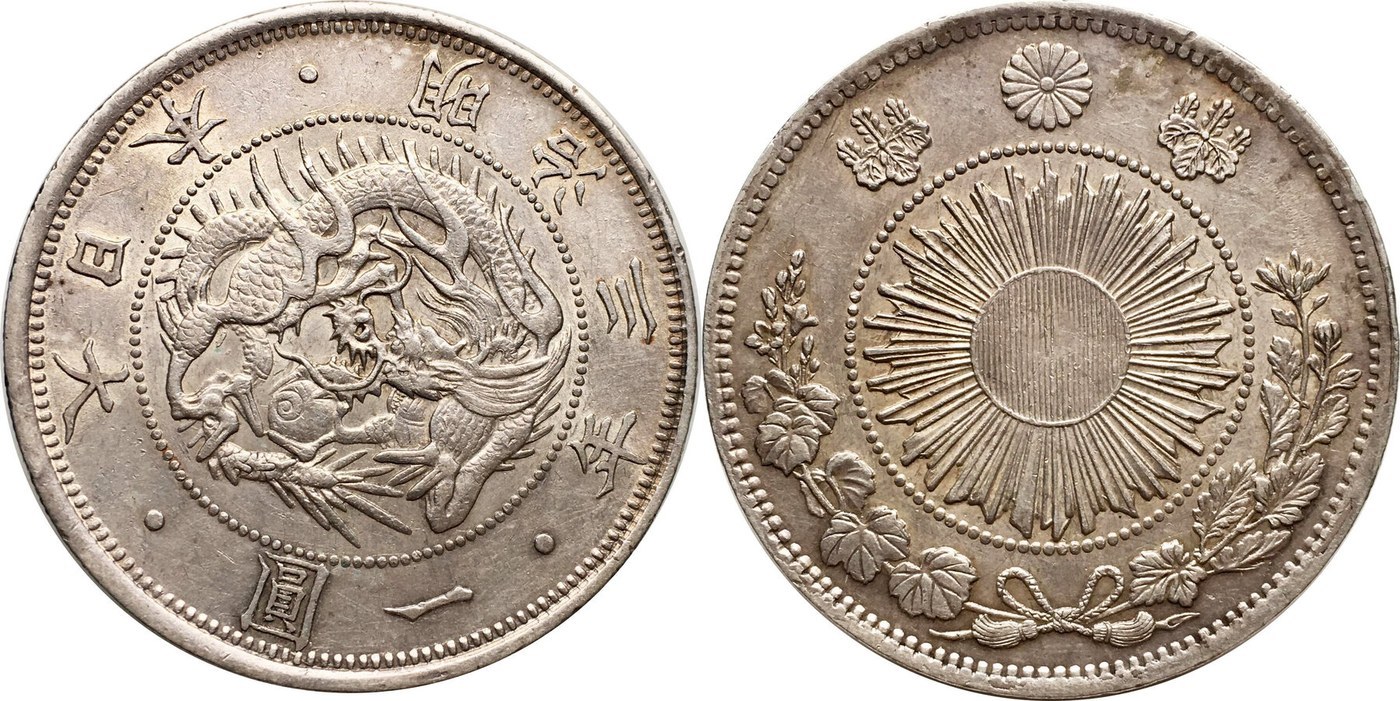
An early Meiji silver 1 Yen struck in Meiji 3 (1870), showing a coiled dragon with a radiant sun on one side and a wreathed imperial crest on the other.
- Country
- Japan
- Denomination
- 1 Yen
- Metal
- Silver
Got a coin like this?
Identify any coin from a photo, free.
Overview
The coin pictured is a Japanese silver 1 Yen dated Meiji 3 (1870), one of the first modern silver dollars struck after Japan adopted the yen. One face carries a coiled dragon encircled by a beaded border and radiating rays, while the other bears an elaborate wreath framing the imperial chrysanthemum crest with paulownia and floral elements. Japanese and English legends and the fineness marking accompany the designs.
This is a large, heavy crown-sized silver piece rather than a small change coin. It was produced as Japan modernized its money along Western lines, and the dragon motif made it competitive with the silver trade dollars circulating across East Asia at the time.
As an early-Meiji silver yen with recognizable bullion content and strong historical appeal, the type is widely collected today. The Meiji 3 date marks the very beginning of the series, which continued in various forms through the Meiji era.
History & Background
Japan's modern currency was reorganized under the New Currency Act, and the yen was established as the national unit in the early 1870s. The silver 1 Yen, dated from Meiji 3 (1870), was among the first large silver coins of this new system, struck at the newly built Imperial Mint at Osaka using Western minting machinery and expertise.
The coin was conceived partly as a trade coin for commerce in East Asia, where Mexican and other silver dollars dominated port trade. Its dragon design, standardized weight, and stated fineness were meant to give the yen credibility alongside those established silver pieces. Over the following decades the silver yen was minted in large quantities and circulated both at home and abroad, with some later examples countermarked with a gin (silver) character for regional use.
Because Meiji 3 stands at the start of the series, its coins reflect the earliest designs and standards of the modern Japanese silver yen. Precise mintage and variety details for the first years vary by reference and should be checked against specialized Japanese coin catalogs.
How to Identify
Identify the type by its two principal designs. One side shows a coiled dragon amid clouds with a radiating, sun-like field and a decorative beaded border; surrounding legends give the denomination in Japanese characters together with the value and fineness in Western form. The opposite side displays an ornate wreath enclosing the imperial chrysanthemum crest, with paulownia and floral devices completing the design.
Confirm the date by reading the Japanese era legend, here Meiji 3 (1870), expressed in kanji era characters rather than Western numerals. The coin is a crown-sized silver piece, substantially larger and heavier than the smaller yen fractions, and it carries a stated silver fineness as part of the dragon-side inscription.
Because the silver yen was struck across many years and shows several sub-types and die varieties, the exact year and design details should be read directly from the coin and matched against a specialized reference. The Meiji 3 date is an early type and should be verified carefully, as dates and varieties on this series are frequently confused or altered.
Value & Collectibility
The silver 1 Yen carries meaningful bullion value from its silver content, which sets a baseline price, while numismatic worth depends on date, variety, and condition. Common well-circulated silver yen trade at modest premiums over melt, whereas scarce early dates, distinct varieties, and high-grade examples can command substantially more.
As an early Meiji 3 (1870) date at the start of the series, this issue draws additional collector interest, but values swing widely with grade and authenticity. Worn, cleaned, or damaged pieces sit near the lower end, while sharply struck, original-surface examples reach the upper collectible range.
Because this is a frequently counterfeited and heavily varied series, treat any single price with caution and compare against recent auction results for the same date and variety. Professional grading and authentication add significant confidence, especially for early dates and higher-value pieces.
Frequently asked questions
What is the dragon on this coin?
The coiled dragon is the central motif of Japan's early silver yen, set amid clouds with a radiating field and a beaded border. It signaled the coin's status as a modern silver dollar meant to compete with other trade dollars in East Asia.
What does 'Meiji 3' mean?
It is a Japanese era date. Meiji 3 corresponds to 1870, the third year of the Meiji emperor's reign. The date appears in kanji era characters on the coin rather than as a Western year.
Is it made of real silver?
Yes. The 1 Yen of this type is a large silver coin struck to a stated fineness marked on the dragon side. Its silver content gives it a bullion value beneath any collector premium.
What is on the other side?
The reverse shows an elaborate wreath enclosing the imperial chrysanthemum crest, along with paulownia and floral elements. This side identifies the coin's Japanese imperial authority.
Are these coins often counterfeited?
The silver yen is a widely faked and heavily varied series, and early dates like Meiji 3 are especially prone to fakes and altered dates. Authentication against a specialized reference or by a professional service is recommended before relying on a value.
1 Yen (Silver) guides
In-depth guides for identifying, valuing, and collecting 1 Yen (Silver).
Other coins you may enjoy
5 Francs (First Republic)
L'an 9 (1800–1801)
Trinidad and Tobago Dollar
2015
German 5 Reichsmark (Hindenburg)
1935–1936 (Hindenburg type with swastika)
5 Francs Semeuse
1960–1969
French Cérès 1 Franc
1849–1895
French Semeuse 2 Francs
1898–1920 (silver issues; pictured example dated 1899)
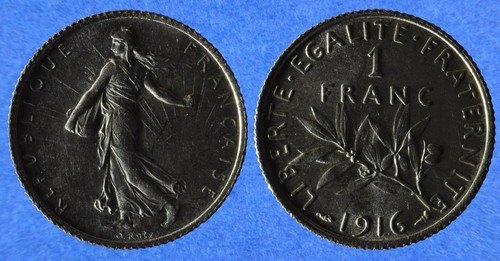
French Semeuse 1 Franc
1898–1920 (silver Semeuse 1 franc type)
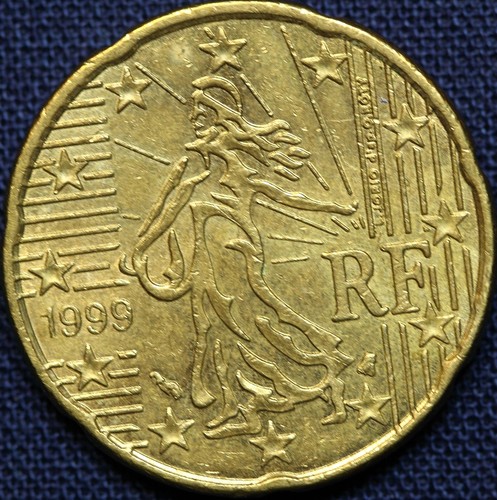
France 50 Cent Euro
1999–present
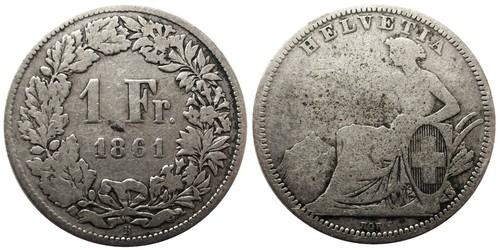
Swiss 1 Franc
1861
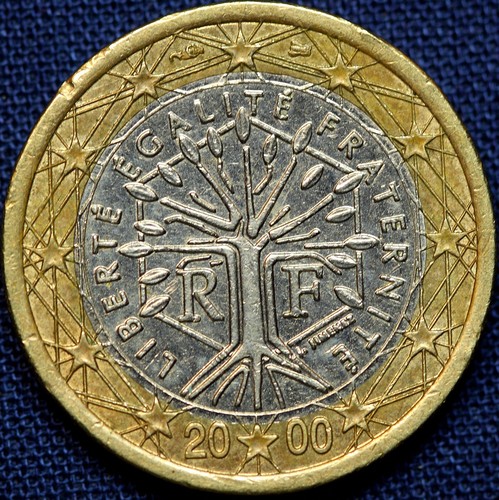
France 20 Centimes
1962–2001 (Fifth Republic, Marianne / Lagriffoul type)
Swiss 2 Francs
1860
Austria-Hungary 15 Kreuzer
1807