
Coin Encyclopedia
Search and identify coins from around the world — with country, denomination, metal, mint, history, and how to tell them apart.
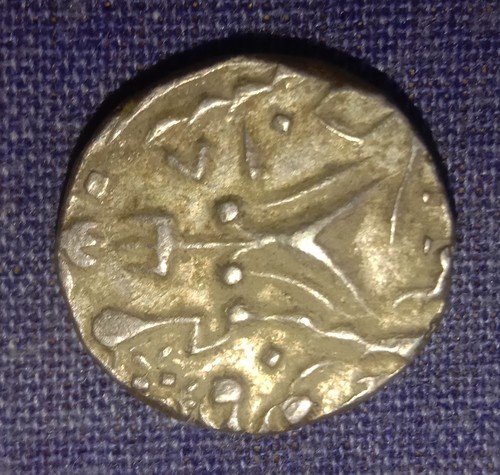
Silver Rupee of Bhopal State
Silver rupee of the princely state of Bhopal, struck at the Daulatgarh mint in the name of Mughal emperor Muhammad Akbar II, marked by a trident symbol.
Princely & Presidency States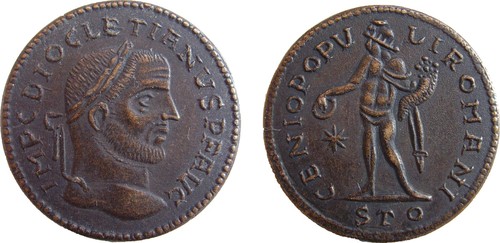
Follis of Diocletian
A large silver-washed bronze coin of the Tetrarchy, introduced by Diocletian's currency reform around AD 294 with a stern laureate portrait.
Ancient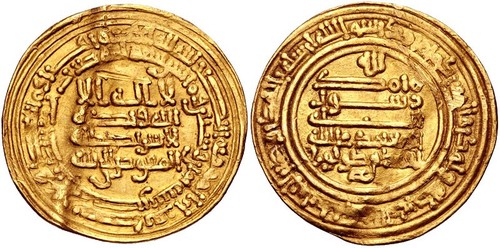
Gold Dinar of Ahmad ibn Tulun
A late-9th-century Islamic gold dinar of the Tulunid ruler Ahmad ibn Tulun, its faces filled with concentric Arabic inscriptions and dated AH 268 (881–882 CE).
Islamic (Medieval)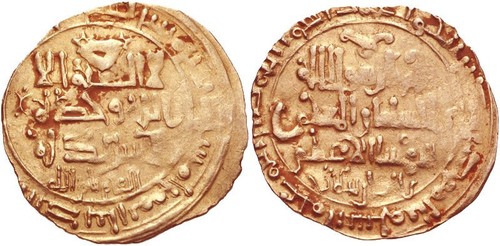
Gold Dinar of Alp Arslan
A hand-struck Islamic gold coin of the Great Seljuk sultan Alp Arslan, covered in concentric Arabic inscriptions naming the ruler and caliph, AH 455–465.
Islamic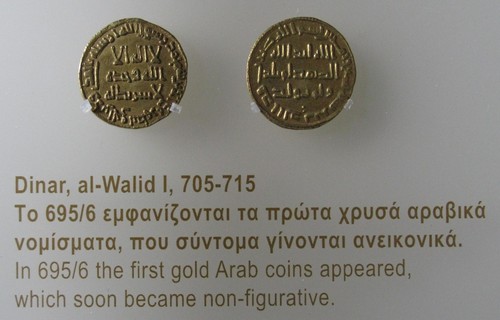
Gold Dinar of Al-Walid I
An early Islamic gold dinar struck under the Umayyad caliph al-Walid I (705-715 CE), bearing only Arabic Kufic inscriptions and no images on either face.
Islamic (Medieval)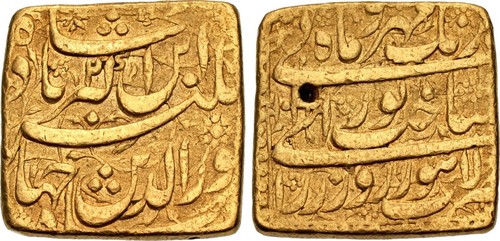
Gold Square Mohur of Jahangir
A square gold mohur of the Mughal emperor Jahangir, bearing Persian calligraphy, the Lahore mint, and regnal-year dating.
Mughal India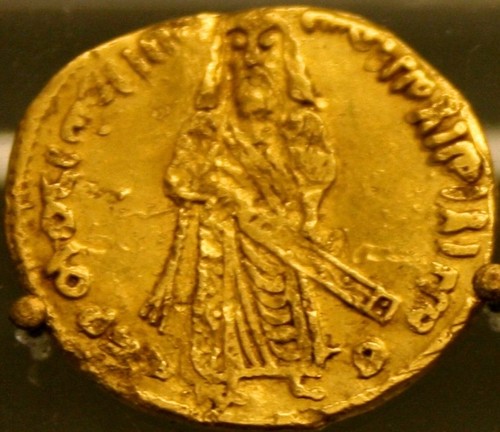
Gold Dinar of Abd al-Malik
An early Umayyad gold dinar of Caliph Abd al-Malik, the 'Standing Caliph' type, bearing a robed standing figure and Arabic religious inscriptions.
Islamic (Medieval)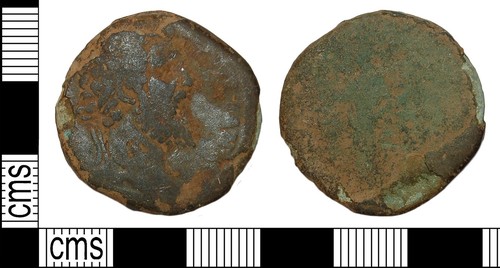
Sestertius of Didius Julianus
A large bronze/orichalcum sestertius of Didius Julianus, the emperor who reigned only weeks in 193 AD — rare, historically charged, and much sought after.
Ancient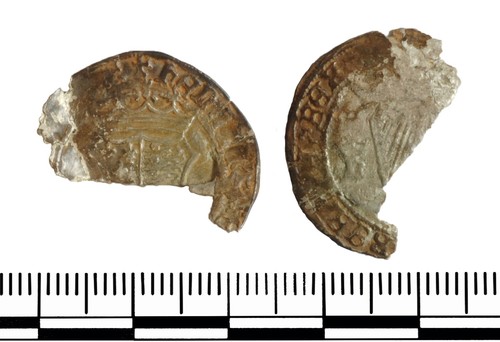
Irish Groat of Henry VIII
A hand-hammered silver fourpence struck for Ireland under Henry VIII, famed for introducing the crowned harp to Irish coinage.
Hammered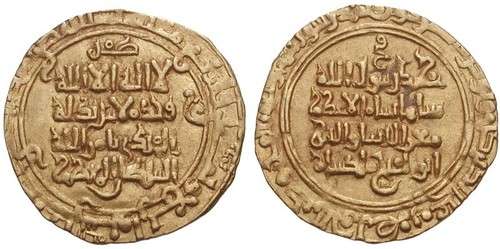
Gold Dinar of Malik Shah I
A hand-struck Seljuk gold dinar naming Malik Shah I (r. 1072–1092), covered in Arabic inscriptions with the ruler's titles and genealogy and an ornamental cartouche.
Islamic (Medieval)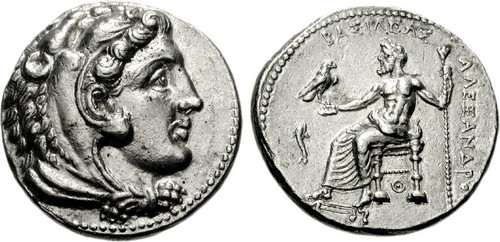
Alexander the Great Tetradrachm
Silver tetradrachm of Alexander III of Macedon with the head of Heracles in a lion skin and an enthroned deity holding an eagle on the reverse.
Ancient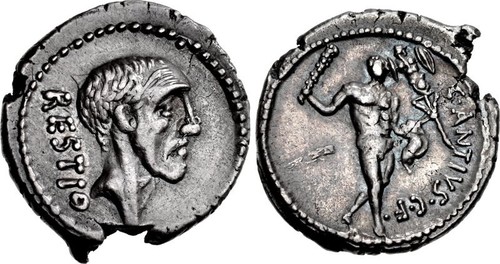
Denarius of C. Antius Restio
Silver Roman Republican denarius struck at Rome in 47 BC by the moneyer C. Antius Restio, pairing an ancestor's portrait with a striding figure and trophy.
Ancient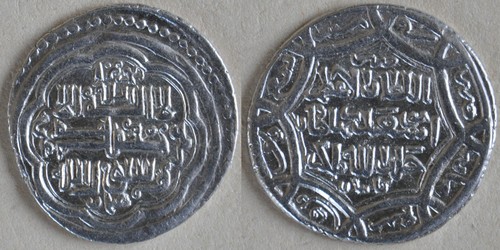
Ilkhanid Dirham of Abu Said
A hand-struck Mongol Ilkhanate silver dirham of Abu Sa'id Bahadur Khan, with the ruler's titles set in a cartouche and religious inscriptions in concentric bands.
Islamic (Medieval)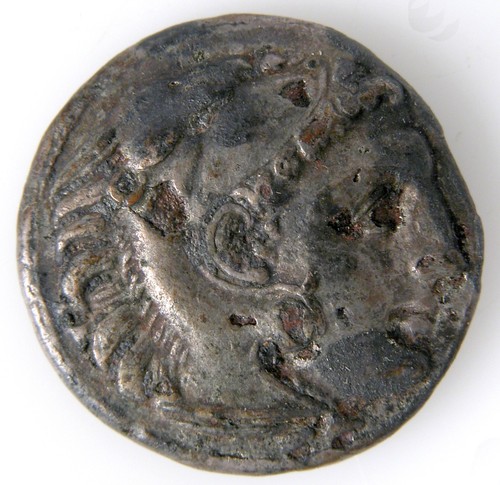
Alexander the Great Silver Drachm
Silver drachm in the name of Alexander the Great, with the head of young Herakles in a lion skin and Zeus enthroned on the reverse.
Ancient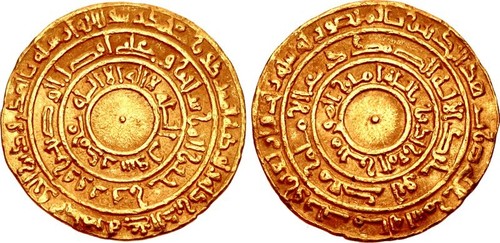
Gold Dinar of al-Mu'izz li-Din Allah
A gold dinar of the Fatimid caliph al-Mu'izz li-Din Allah dated AH 343, struck as concentric Arabic inscriptions with no image on either face.
Islamic (Medieval)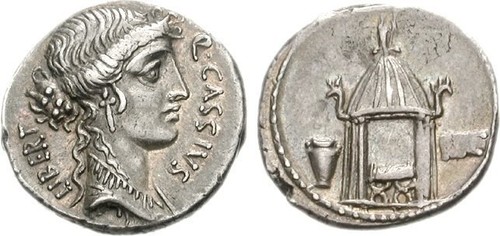
Denarius of Cassius Longinus
Silver denarius struck in 42 BC by Gaius Cassius Longinus, one of Caesar's assassins, to pay his legions before the Battle of Philippi.
Ancient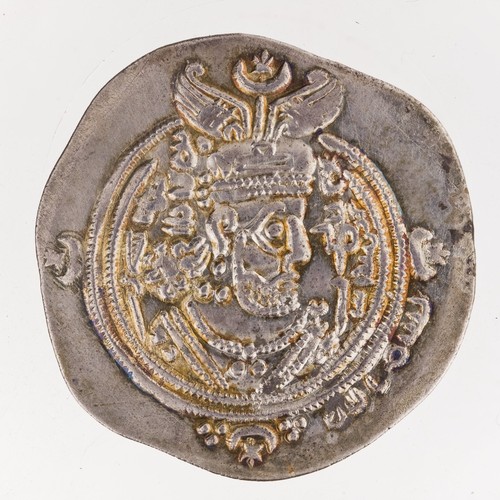
Silver Dirham of Salm ibn Ziyad
An Arab-Sasanian silver dirham struck for the Umayyad governor Salm ibn Ziyad, with a Sasanian-style bust and fire-altar reverse plus Arabic marginal inscriptions.
Islamic (Medieval)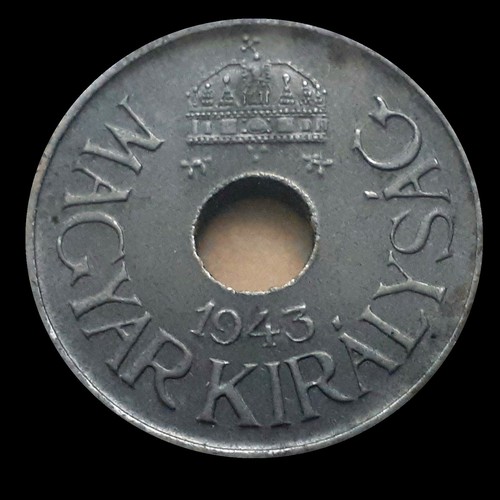
20 Fillér
An early 20th-century Hungarian 20 fillér, a small base-metal coin showing the crowned Hungarian coat of arms and the FILLÉR minor denomination.
Modern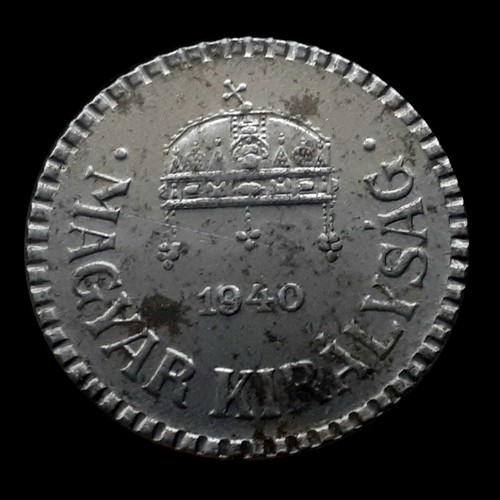
2 Fillér
A small early-20th-century Hungarian 2 fillér in copper-based bronze, showing the crowned Hungarian coat of arms on the obverse and the value with date on the reverse.
Modern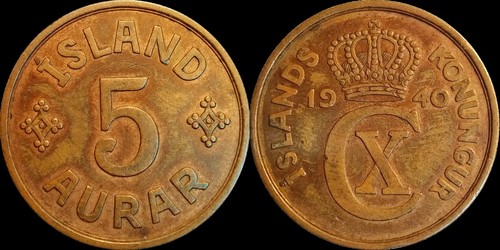
5 Aurar
Icelandic bronze 5 aurar of the Kingdom era, marked ÍSLAND with a crowned KONUNGDÓMUR ÍSLANDS reverse, struck 1926-1942.
World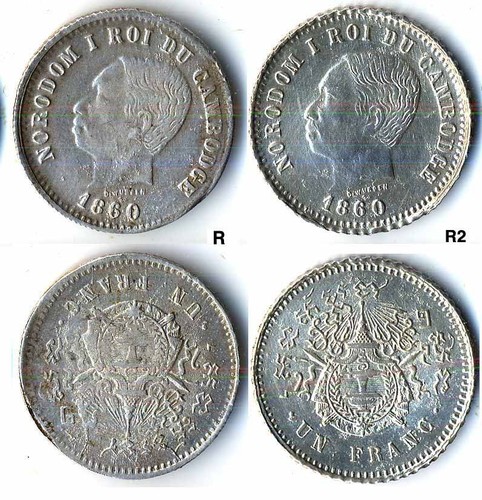
Cambodia One Franc
A mid-20th-century one-franc coin of the Kingdom of Cambodia, its obverse bearing a royal Norodom profile and its reverse a heraldic coat of arms.
Southeast Asia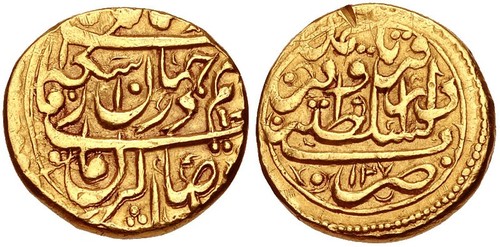
Gold Toman of Agha Mohammad Khan Qajar
A gold toman of Agha Mohammad Khan, founder of the Qajar dynasty, struck at Qazvin in AH 1206–1207 (1792–1793), covered in Persian calligraphy with no portrait.
Persia / Iran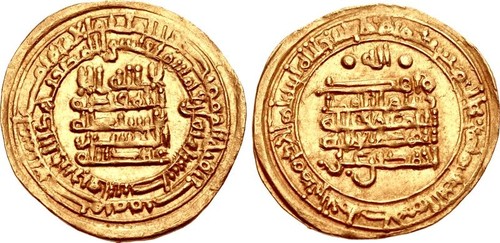
Gold Dinar of Abu'l-Fawaris Ahmad (Buyid)
A hand-struck gold dinar of the Iranian Buyid dynasty, naming the emir Abu'l-Fawaris Ahmad and dated AH 358, covered entirely in Kufic Arabic with no imagery.
Islamic (Medieval)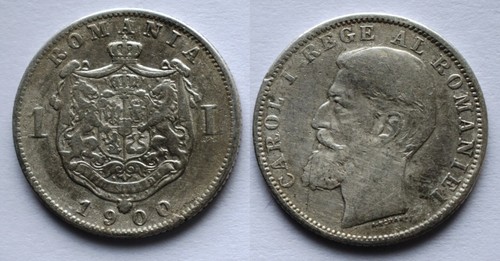
1 Leu (Carol I)
Silver 1 Leu of the Kingdom of Romania under King Carol I, with his left-facing portrait and the crowned national arms, dated 1900.
Modern