
Coin Encyclopedia
Search and identify coins from around the world — with country, denomination, metal, mint, history, and how to tell them apart.
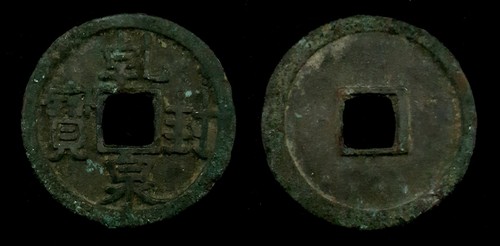
Qian Feng Quan Bao
A round bronze Tang cash coin with a square center hole, cast under Emperor Gaozong in the short-lived Qianfeng era and worth ten ordinary cash.
Cash Coin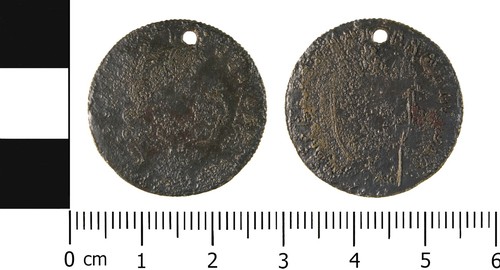
Imitation Guinea Gaming Piece
A brass or bronze token imitating a George III spade guinea, made for card games and gaming tables rather than as legal-tender money.
British Isles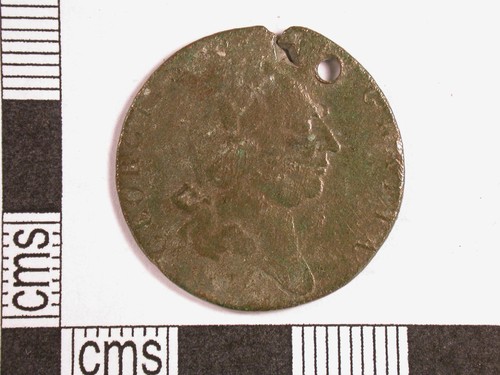
Guinea Counter (Imitation)
A brass or bronze gaming counter made to imitate a George III guinea, showing a faint male profile and a shield reverse; a token, not money.
Token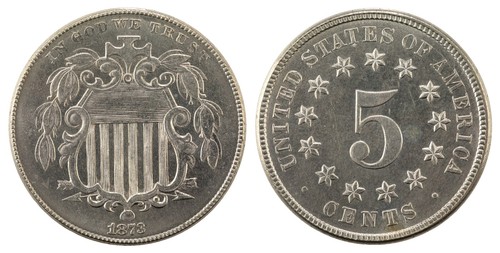
Shield Nickel
The first U.S. five-cent piece struck in copper-nickel, showing a Union shield on the obverse and a large numeral 5 on the reverse, made 1866–1883.
Nickel Five Cent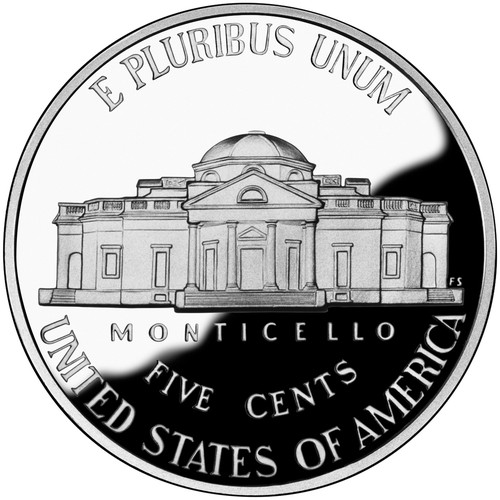
Jefferson Nickel
U.S. five-cent piece introduced in 1938, showing Thomas Jefferson on the obverse and his Monticello home on the reverse. 1942–1945 issues are 35% silver.
Nickel Five Cent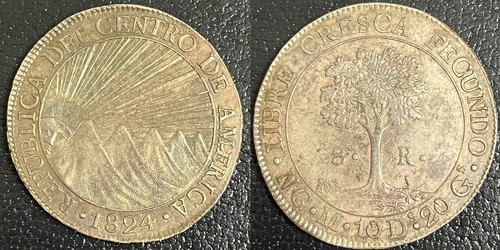
Central American Republic 8 Reales
A silver 8 reales of the Central American Republic, showing a rayed sun rising over mountains on one side and a tree on the other, dated 1824.
Circulation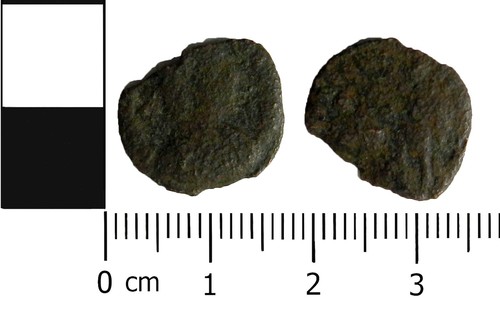
Roman Centenionalis
A small fourth-century Roman bronze coin, part of the reformed low-value currency struck across the empire's mints during a period of frequent monetary change.
Ancient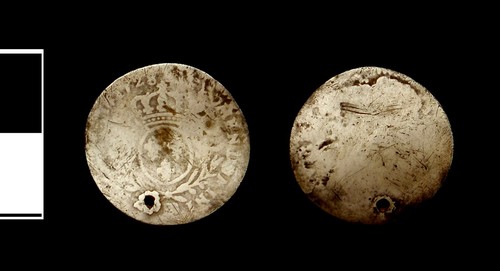
Unidentified Silver Coin (Louis XV era)
An 18th-century French royal silver coin of the Louis XV era, showing a right-facing bust and a crowned fleur-de-lis shield; the exact denomination is not confirmed.
Royal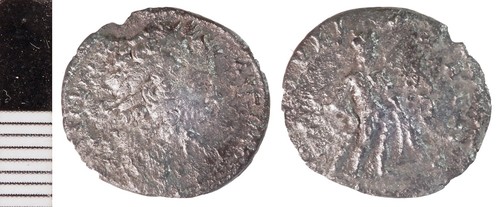
Roman Imperial Denarius (Unidentified)
A silver denarius of the Roman Empire, 2nd century AD, showing an emperor's right-facing curly-haired portrait and a standing imperial reverse type.
Ancient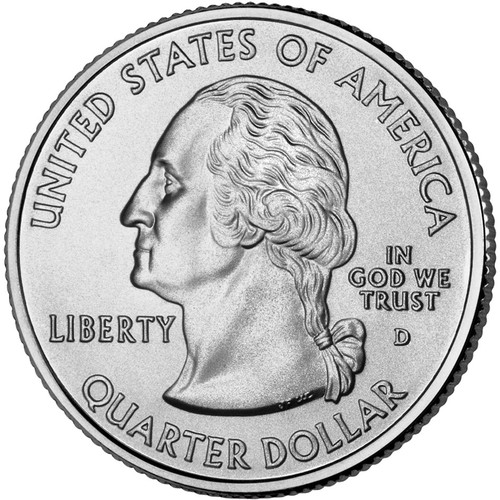
Washington Quarter
U.S. twenty-five-cent coin introduced in 1932, showing George Washington's profile and an eagle reverse; early issues struck in 90% silver.
Quarter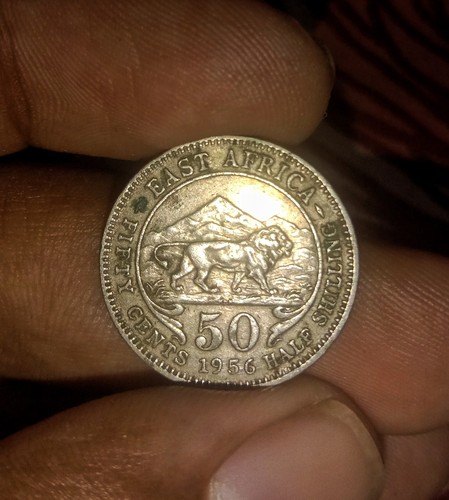
British East Africa Half Shilling
A small low-fineness silver coin of British East Africa bearing King George VI; the half shilling equalled fifty cents in the East African system.
World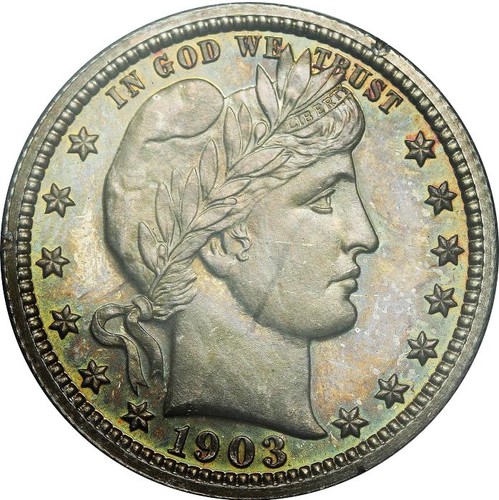
Barber Quarter
U.S. twenty-five-cent silver coin struck 1892–1916, with a left-facing Liberty head and a heraldic shield-eagle reverse.
Quarter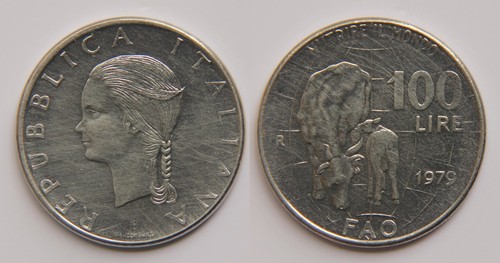
100 Lire
Italy's 1979 100 Lire, a nickel-hued FAO commemorative with a woman's profile on the obverse and an allegorical figure beside the value on the reverse.
Modern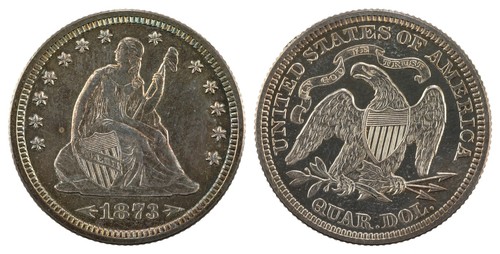
Seated Liberty Quarter
U.S. twenty-five-cent silver coin struck 1838–1891, showing Liberty seated with shield and staff on the obverse and a shield-breasted eagle on the reverse.
Quarter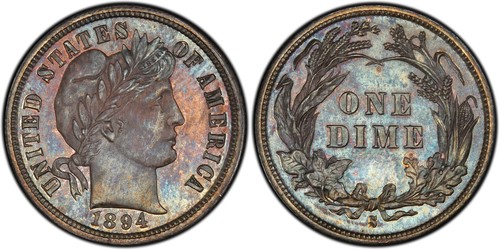
Barber Dime
U.S. ten-cent silver coin struck 1892–1916, showing a right-facing Liberty head and a wreath enclosing "ONE DIME" on the reverse.
Dime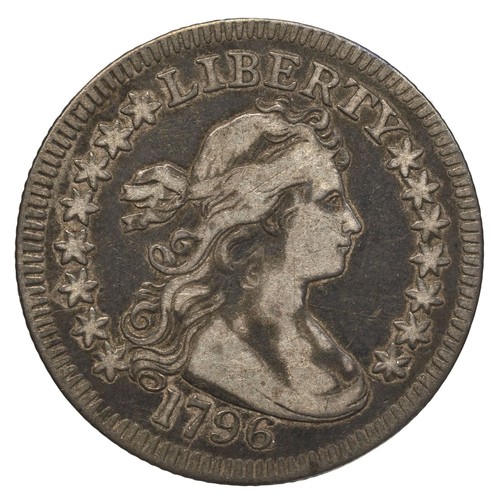
Draped Bust Quarter
The first United States quarter dollar, struck in silver with a draped Liberty and border stars on the obverse and an eagle reverse; the type began in 1796.
Quarter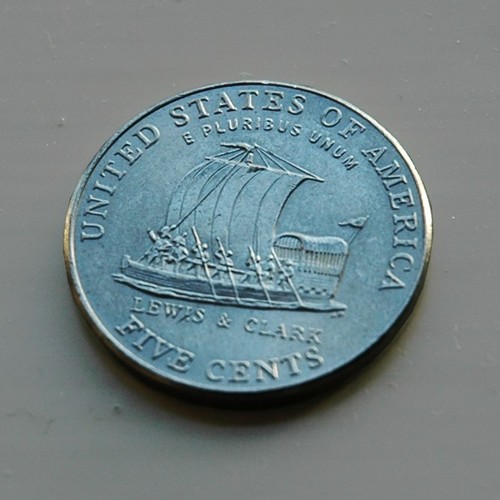
Westward Journey Nickel - Lewis and Clark Keelboat
A 2004 Jefferson five-cent piece from the Westward Journey series, its reverse showing the keelboat that carried the Lewis and Clark expedition upriver.
Nickel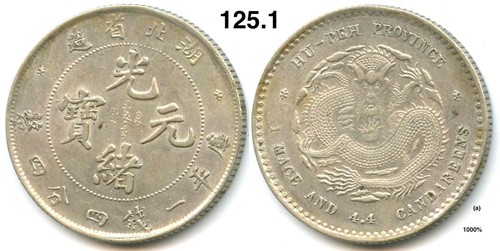
Guangxu Yuanbao 1 Mace 4.4 Candareens
A small silver dragon coin of Qing China from the Guangxu era, its face reading 1 Mace 4.4 Candareens and its back showing a coiled Chinese dragon.
Circulation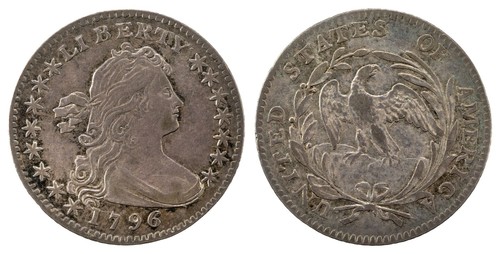
Draped Bust Half Dime
An early U.S. silver five-cent piece showing a draped bust of Liberty ringed by stars; the tiny half dime was struck 1796–1805.
Half Dime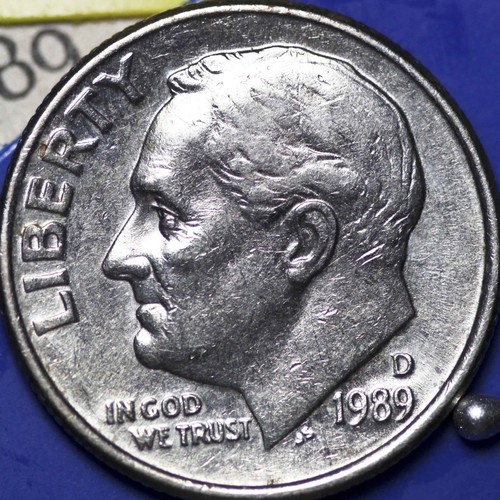
Roosevelt Dime
The circulating U.S. ten-cent coin honoring Franklin D. Roosevelt, shown here as a 1965 copper-nickel clad issue with a torch, olive, and oak reverse.
Dime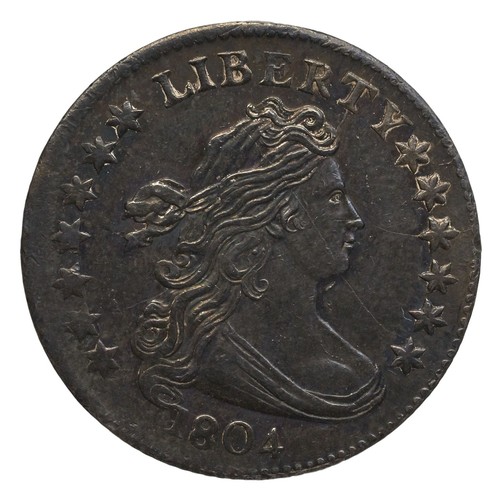
Draped Bust Dime
The first United States dime, struck in silver 1796–1807, with a draped Liberty and border stars on the obverse and an eagle on the reverse.
United States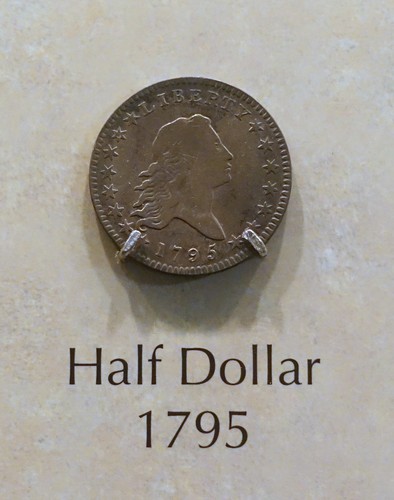
Flowing Hair Half Dollar
The first U.S. half dollar, struck 1794–1795 in silver, with a flowing-hair Liberty facing right and a small eagle within a wreath on the reverse.
Half Dollar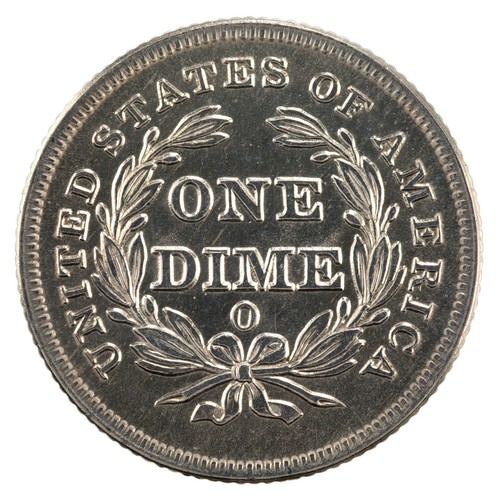
Seated Liberty Dime
A U.S. silver ten-cent coin showing Liberty seated with a pole and shield; the early No Stars type has a plain obverse and a laurel-wreath ONE DIME reverse.
Dime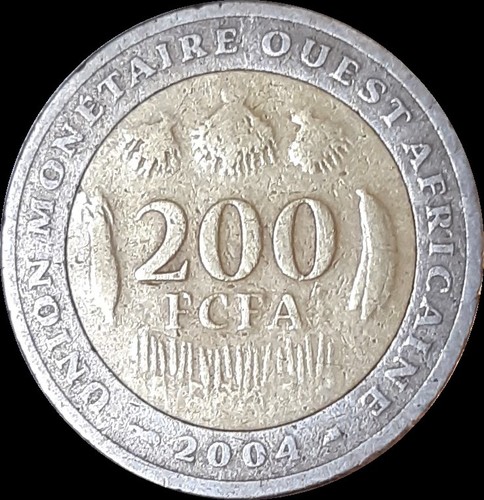
200 CFA Francs
A modern West African CFA coin worth 200 francs, showing a bold '200 FCFA' with decorative border on one face and a crossed emblem on the other.
World