
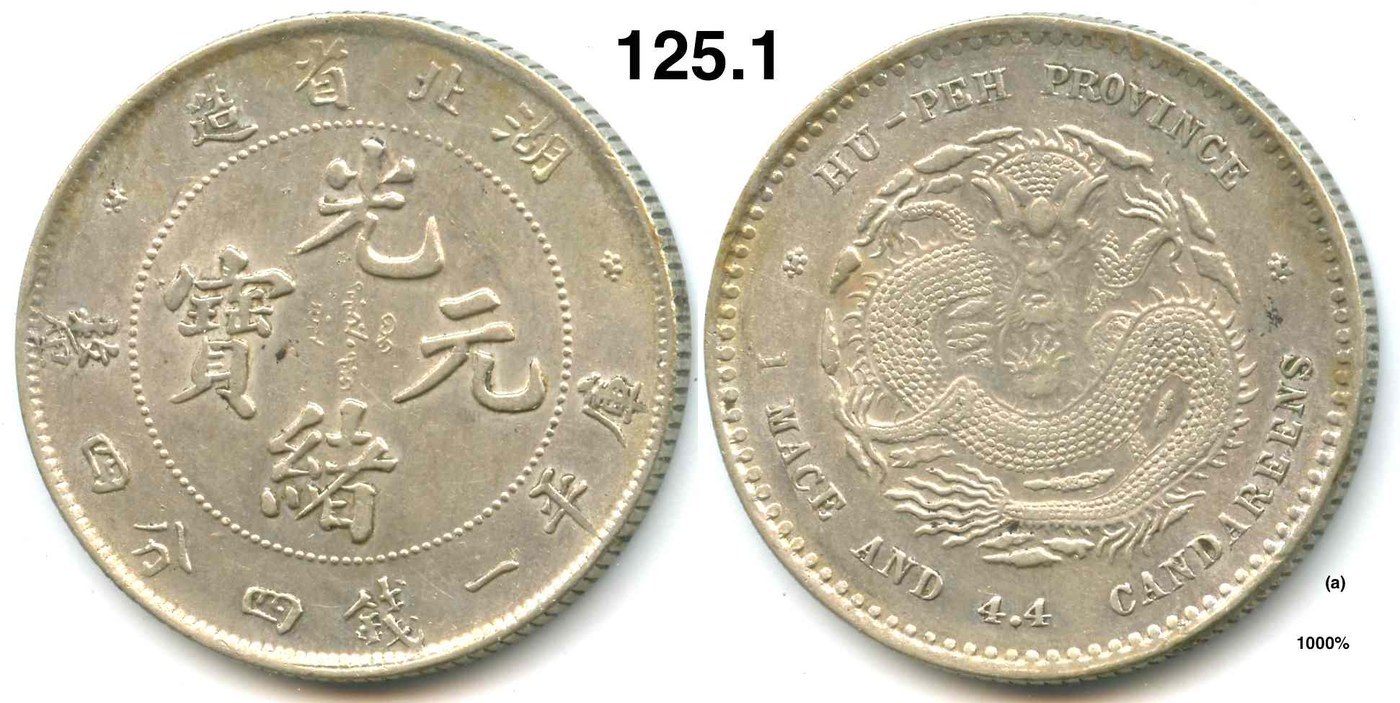
Guangxu Yuanbao 1 Mace 4.4 Candareens
A small silver dragon coin of Qing China from the Guangxu era, its face reading 1 Mace 4.4 Candareens and its back showing a coiled Chinese dragon.
- Country
- China
- Denomination
- 1 Mace 4.4 Candareens
- Metal
- Silver
Got a coin like this?
Identify any coin from a photo, free.
Overview
The Guangxu Yuanbao 1 Mace 4.4 Candareens is a small silver coin struck in Qing-dynasty China during the reign of the Guangxu Emperor (1875–1908). Yuanbao (元寽) means "treasure" or "currency," and the coins bearing the name Guangxu Yuanbao were the machine-struck silver pieces of that era. This particular value carries the weight-based denomination "1 Mace 4.4 Candareens" — in Chinese, 1 qian 4 fen 4 li — which corresponds to the subsidiary 20-cent silver piece within the traditional tael/mace/candareen system.
The obverse (pictured) is filled with Chinese characters: the reign title Guangxu Yuanbao, the issuing authority, and the weight denomination stating how much fine silver the coin contains. The reverse shows a Chinese dragon rendered in an ornate, coiling style amid clouds or scrollwork — the emblem of imperial authority that gives these pieces their popular name of "dragon dollars" and "dragon coins."
Because China's silver coinage of this period was produced by many individual provincial mints rather than a single national one, the type exists in numerous varieties that share the same denomination and dragon theme while differing in calligraphy, dragon style, and surrounding legends.
History & Background
During the late 19th century the Qing government modernized its money by adopting Western-style steam-powered minting, producing round, milled silver coins to replace hand-cast cash and irregular silver ingots. Struck under the Guangxu Emperor, whose reign title appears on the coin, these silver pieces were denominated by weight in the tael system: a full "dollar" was 7 mace 2 candareens, and smaller values such as 1 mace 4.4 candareens (the 20-cent piece) were the subsidiary coinage used in everyday commerce.
Authority to strike these coins was delegated to provincial mints, so pieces of this denomination were issued in several provinces over the 1890s and 1900s, each engraving its own name and legends. This decentralized production is why the Guangxu Yuanbao silver series is so varied, and why examples of the same stated denomination can look noticeably different from one another.
The series was made obsolete after the fall of the Qing dynasty in 1911–1912, when the new Republic of China introduced its own coinage. Today the Guangxu dragon coins are collected worldwide as tangible relics of imperial China's transition to modern minted money.
How to Identify
Identify the type first by its two faces. The obverse is dominated by Chinese characters: the four large central characters read Guangxu Yuanbao, and the surrounding text names the issuing authority and states the denomination — here the weight "1 Mace 4.4 Candareens" (一錢四分四釐). The reverse displays a Chinese dragon coiled in an ornamental design, typically encircled by a legend; many provincial issues add an English inscription naming the province and the value.
The "1 Mace 4.4 Candareens" weight is the key to the denomination. In the tael system 1 mace equals ten candareens, so this coin holds 1.44 mace of standard silver — exactly one-fifth of the 7 mace 2 candareen dollar, i.e. a 20-cent piece. It is therefore a small, subsidiary-size silver coin, not a large crown, and is noticeably smaller and lighter than the full dragon dollar.
Because dozens of provincial and dated varieties share this design, the province name, the dragon's style, and any English legend distinguish one variety from another. Confirm the type by the combination of the Guangxu Yuanbao characters, the 1 mace 4.4 candareen weight statement, and the ornamental dragon reverse, then look to the specific legends to pin down the issuing province.
Value & Collectibility
Value depends heavily on the issuing province, the specific variety, and condition, so this type is best assessed as a range rather than a fixed price. As a small subsidiary silver coin, common provincial 20-cent pieces in worn grades are modestly priced and trade largely on their silver content plus collector interest, while scarce provinces, rare varieties, and high-grade lustrous examples can command substantial premiums.
Grade matters greatly. The dragon's scales, claws, and the fine strokes of the Chinese characters are the first areas to wear, so sharply struck coins retaining original detail and surfaces are the most desirable. Cleaned, holed, or heavily circulated pieces bring less.
Chinese silver dragon coins are also among the most widely counterfeited world coins, which affects the market: authenticated, professionally graded examples generally realize the strongest and most reliable prices. Because values shift with the coin market and vary by variety, confirm any figure against recent sales of comparable, genuine examples.
Frequently asked questions
What denomination is "1 Mace 4.4 Candareens"?
It is a weight-based value in China's tael system, equal to 1.44 mace of silver. That is one-fifth of the 7 mace 2 candareen dollar, which makes this coin the subsidiary 20-cent silver piece.
What does Guangxu Yuanbao mean?
Guangxu is the reign title of the emperor who ruled China from 1875 to 1908, and Yuanbao means "treasure" or "currency." Together the characters mark the coin as silver currency of the Guangxu era.
Why do these coins show a dragon?
The dragon was the emblem of the Chinese emperor and imperial authority. Its prominent place on the reverse is why these Qing silver pieces are popularly called dragon coins or dragon dollars.
Are all Guangxu Yuanbao coins of this value the same?
No. They were struck by several provincial mints, so examples share the denomination and dragon theme but differ in calligraphy, dragon style, and legends. The province name identifies which variety you have.
Is the coin made of silver?
Yes. It is a small silver subsidiary coin whose denomination is stated as a weight of silver. As with all popular silver dragon coins, though, convincing counterfeits exist, so authentication is worthwhile.
Guangxu Yuanbao 1 Mace 4.4 Candareens guides
In-depth guides for identifying, valuing, and collecting Guangxu Yuanbao 1 Mace 4.4 Candareens.
Other coins you may enjoy
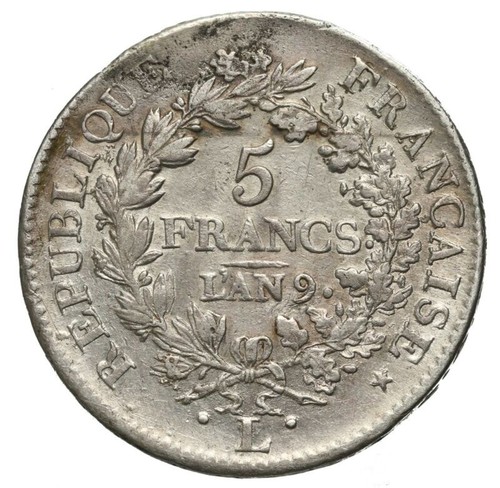
5 Francs (First Republic)
L'an 9 (1800–1801)
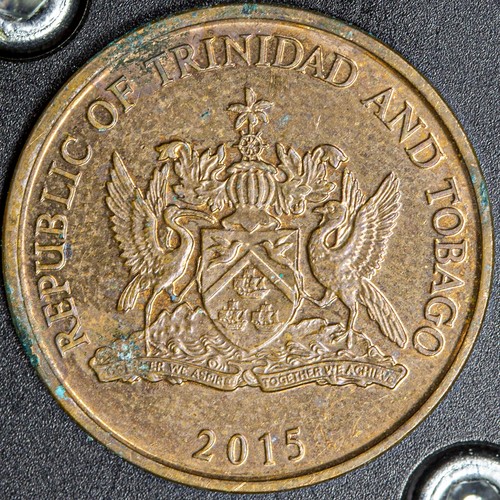
Trinidad and Tobago Dollar
2015
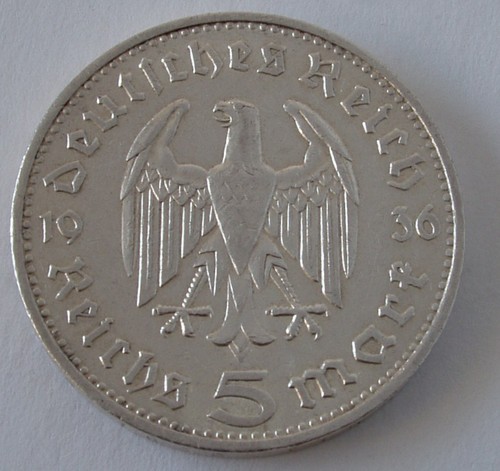
German 5 Reichsmark (Hindenburg)
1935–1936 (Hindenburg type with swastika)
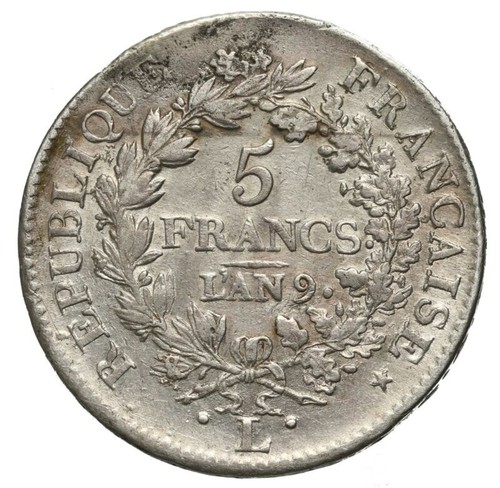
5 Francs Semeuse
1960–1969
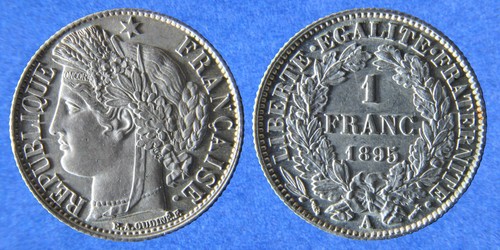
French Cérès 1 Franc
1849–1895
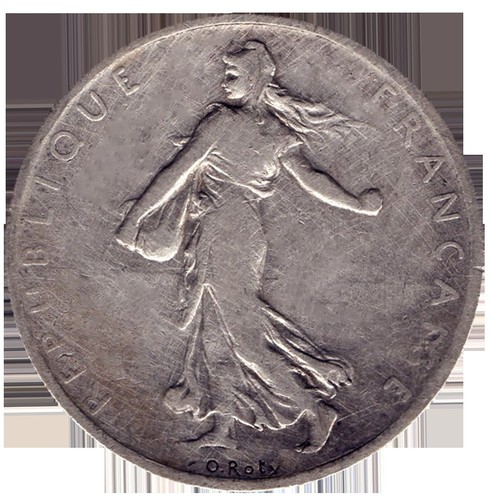
French Semeuse 2 Francs
1898–1920 (silver issues; pictured example dated 1899)
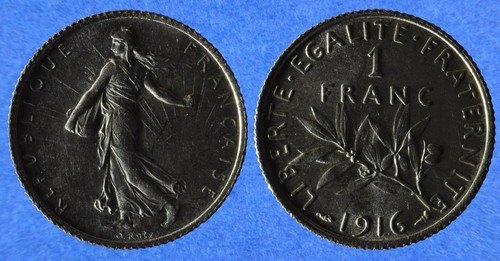
French Semeuse 1 Franc
1898–1920 (silver Semeuse 1 franc type)
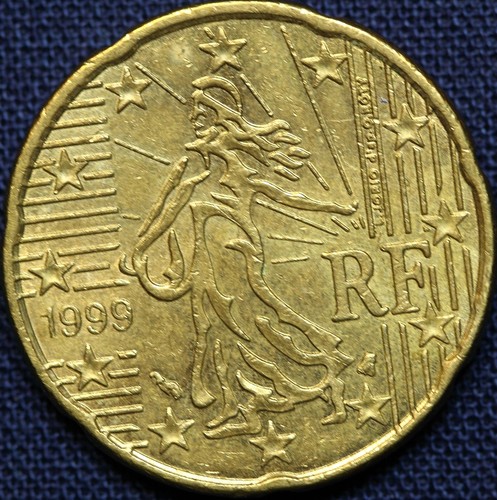
France 50 Cent Euro
1999–present
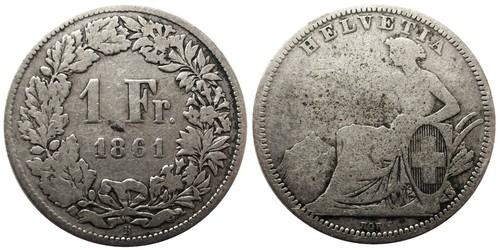
Swiss 1 Franc
1861
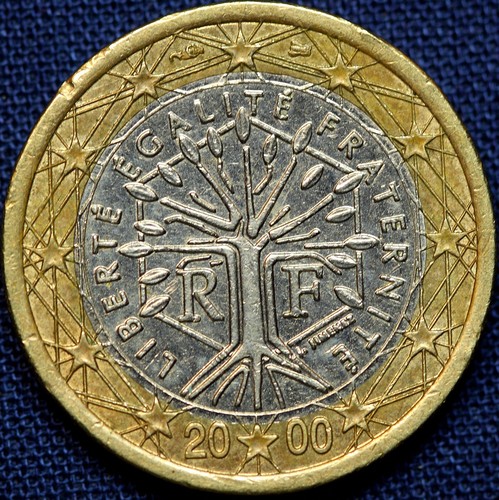
France 20 Centimes
1962–2001 (Fifth Republic, Marianne / Lagriffoul type)
Swiss 2 Francs
1860
Austria-Hungary 15 Kreuzer
1807