
Coin Encyclopedia
Search and identify coins from around the world — with country, denomination, metal, mint, history, and how to tell them apart.
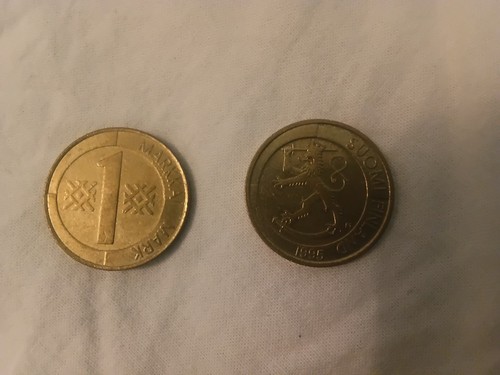
1 Markka
Finland's bimetallic one-markka coin (1993–2001), with a crowned heraldic lion on one face and a large numeral 1 on the other.
World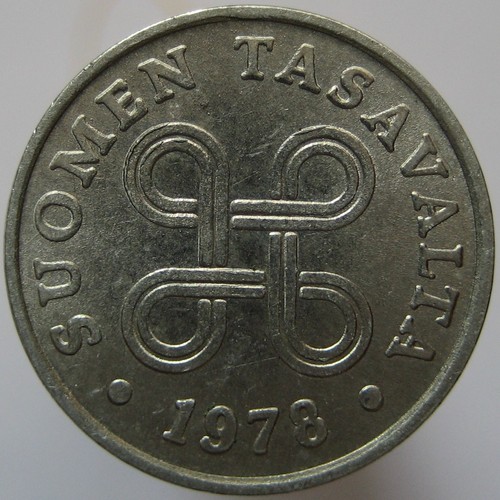
1 Penni
Finland's smallest post-1963 coin: a tiny light base-metal piece with a bold numeral 1 and SUOMI on the front and a geometric line pattern on the back.
World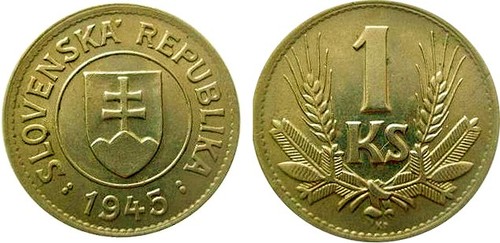
1 Koruna
A lightweight aluminum 1 Koruna of the wartime Slovak state, showing the double-cross national shield on one side and the value 1 Ks flanked by wheat ears.
Modern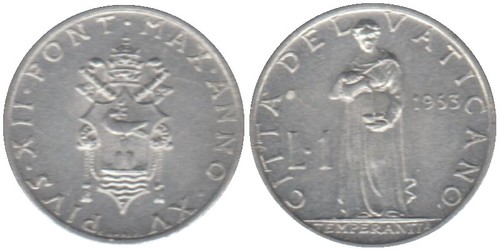
1 Lira
A tiny, lightweight Vatican City lira of the 1950s under Pius XII, with the tiara-and-keys arms on the obverse and a standing figure of Charity on the reverse.
Modern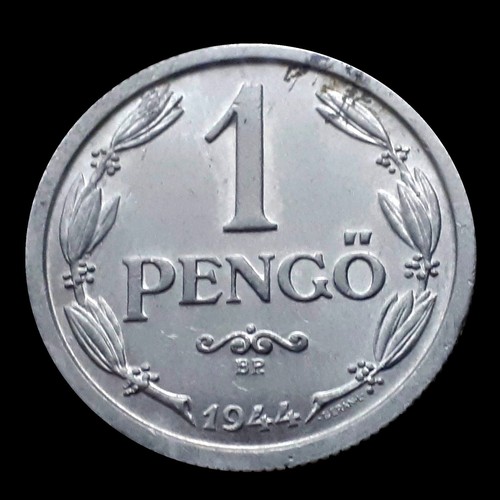
1 Pengő
Wartime Hungarian one pengő struck in lightweight aluminum, with an ornamental laurel-wreath design on one side and the value with the 1944 date on the other.
Modern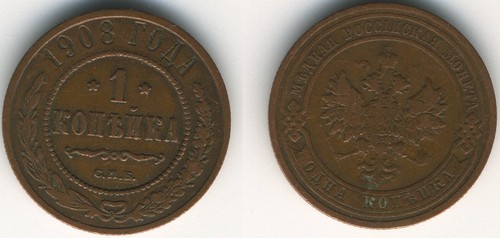
1 Kopeck
Small copper 1 Kopeck of Imperial Russia dated 1908, with the value in a wreath on one side and the crowned double-headed eagle on the other.
Modern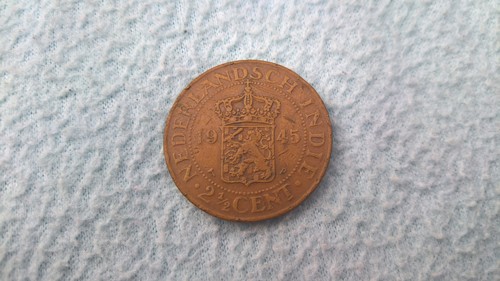
Netherlands East Indies 2 Cent
A wartime 1945 bronze 2-cent coin of the Dutch colony of the Netherlands East Indies, showing the crowned Netherlands shield and an ornate colonial reverse.
Southeast Asia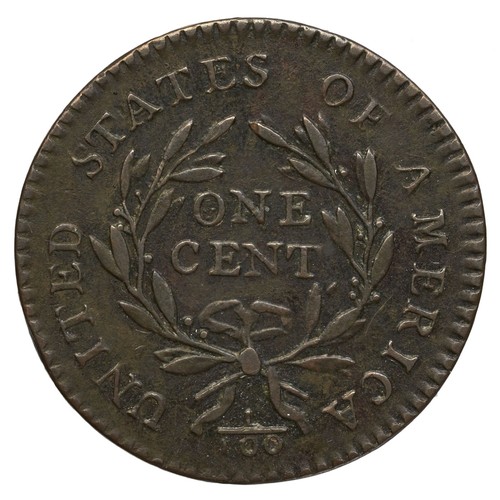
Liberty Cap Large Cent
An early U.S. copper cent (1793-1796) showing Liberty with a cap on a pole, flowing hair, and a wreath reverse.
Large Cent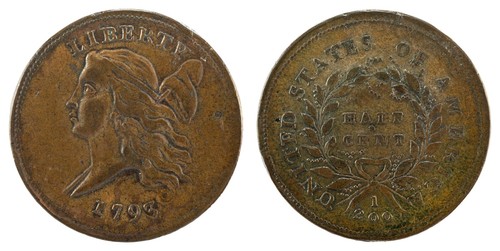
Liberty Cap Half Cent
The first U.S. half cent, struck only in 1793, showing Liberty in a cap facing left with a wreath reverse. A famous one-year copper key date.
Half Cent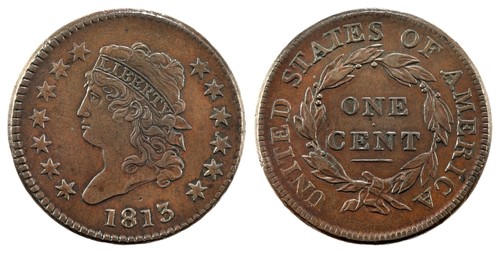
Classic Head Large Cent
A pure-copper U.S. large cent struck 1808–1814, showing John Reich's classical left-facing Liberty ringed by stars over a wreath reverse.
Large Cent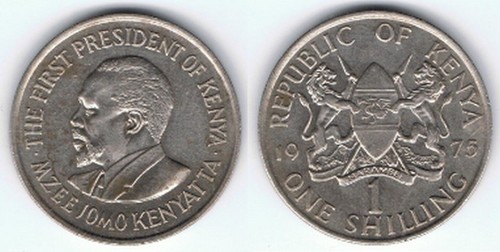
Kenya 1 Shilling
A circulating one-shilling coin of the Republic of Kenya bearing President Jomo Kenyatta on the obverse and the Kenyan coat of arms on the reverse.
World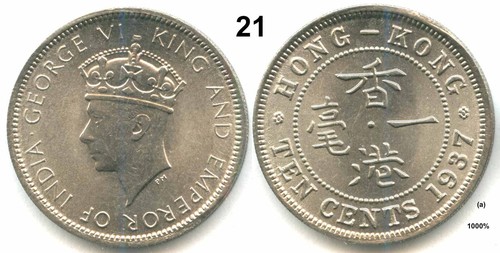
Hong Kong 10 Cents
A small silver 10-cent coin of British Hong Kong showing the crowned profile of King Edward VII, with 'HONG-KONG TEN CENTS' and Chinese characters on the reverse.
Circulation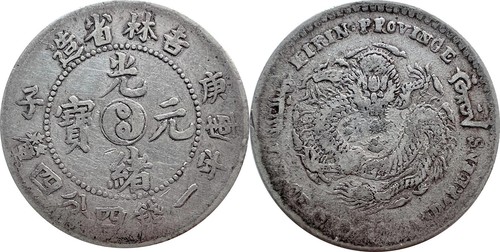
Guangxu Yuanbao 20 Cents
A machine-struck Qing silver 20 cents of the Guangxu era, with a coiled dragon on one face and a yin-yang (taiji) symbol on the other.
Circulation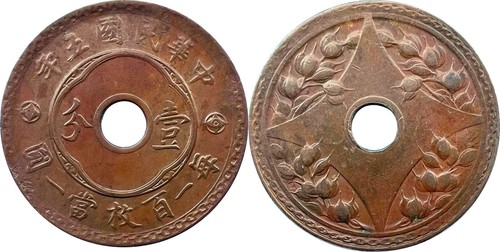
Republic 1 Fen
A holed copper 1 fen of Republican China, showing a numeral 1 with Chinese characters on one side and flowering plum blossoms on the other, around a central square-ish hole.
Circulation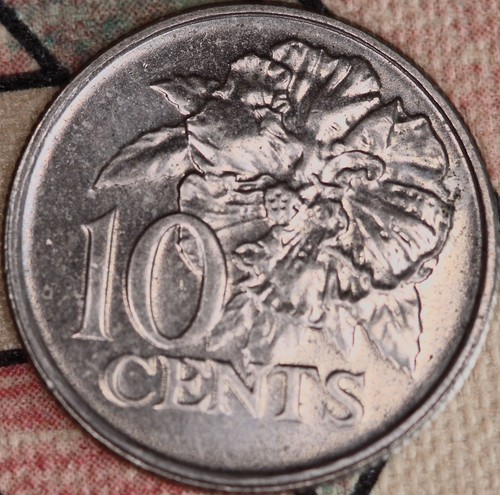
Trinidad and Tobago 10 Cents
A copper-nickel 10-cent coin of Trinidad and Tobago: the national coat of arms on the obverse and the denomination on the reverse.
Circulation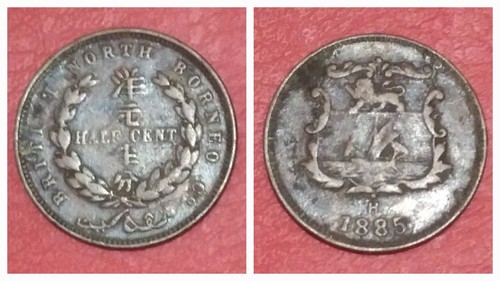
British North Borneo Half Cent
An 1885 copper half cent of British North Borneo: a bust in a laurel wreath on the obverse and the company arms with a heraldic supporter on the reverse.
Colonial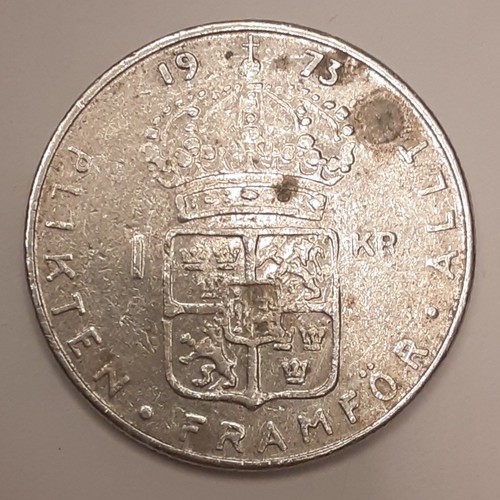
1 Krona (Gold)
A gold 1 krona of Sweden dated 1906, bearing the left-facing portrait of King Oscar II and the Swedish royal coat of arms with lions and three crowns.
Modern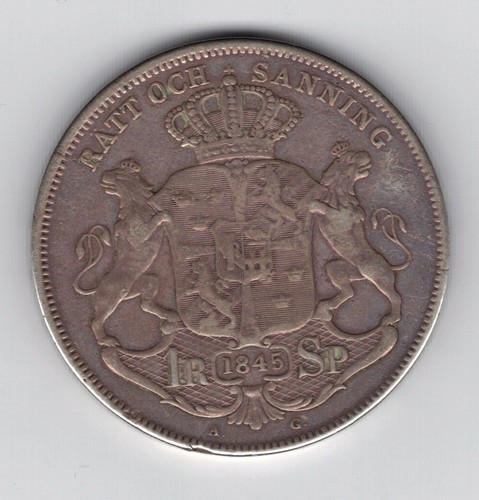
1 Riksdaler Specie
Large silver Riksdaler Specie of Sweden under King Oscar I, dated 1845, bearing his right-facing portrait, royal motto, and the Swedish coat of arms.
Modern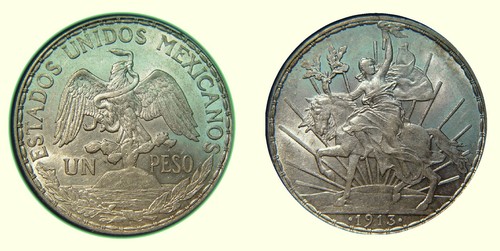
Mexican 1 Peso
Large silver Mexican peso, the famed "Caballito" type, with a winged Victory on horseback and the eagle-and-snake coat of arms.
World Coins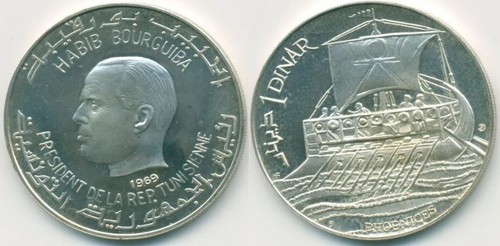
Tunisia 1 Dinar
A 1969 Tunisian silver 1 dinar showing President Habib Bourguiba on the obverse and a traditional sailing ship on the reverse.
World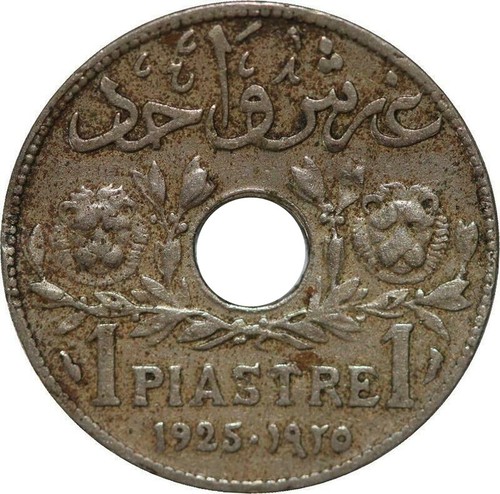
Lebanese 1 Piastre
A small holed bronze 1 Piastre of Greater Lebanon dated 1925, struck under the French Mandate, with bilingual legends and an ornamental wreath framing the value.
World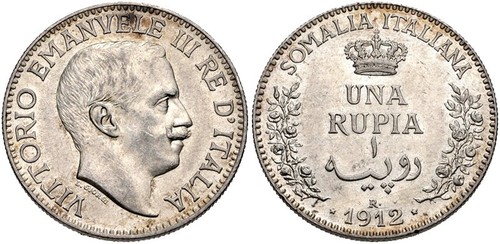
Somalia 1 Rupia
Silver 1 Rupia of Italian Somaliland, showing King Victor Emmanuel III facing right and a crowned heraldic reverse within a wreath.
World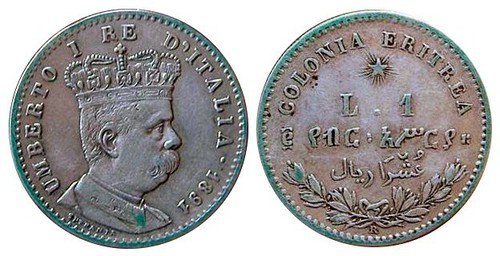
Eritrea 1 Lira
Silver 1 lira struck for Italy's colony of Eritrea, dated 1918, with a crowned heraldic emblem and the legend COLONIA ERITREA L.1.
World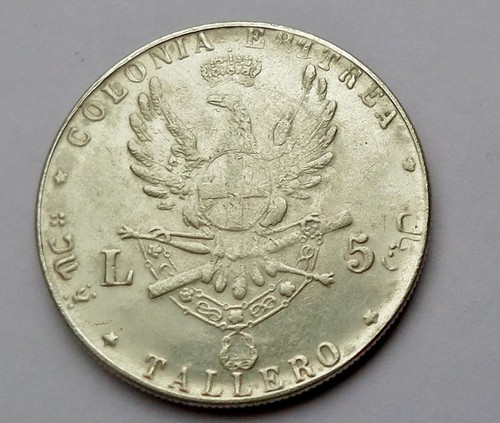
Eritrea 1 Tallero
A large silver trade dollar struck for Italian Eritrea under King Umberto I, carrying crowned heraldic arms and a Savoy eagle, dated 1891.
World