
Coin Encyclopedia
Search and identify coins from around the world — with country, denomination, metal, mint, history, and how to tell them apart.
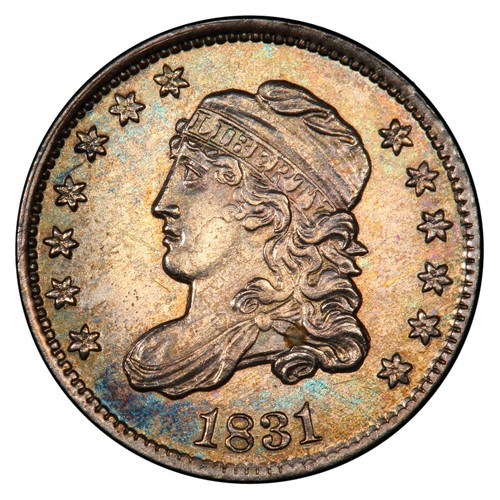
Capped Bust Half Dime
A small early U.S. silver five-cent piece showing Liberty in a Phrygian cap and a shielded eagle reverse, struck at Philadelphia from 1829 to 1837.
Half Dime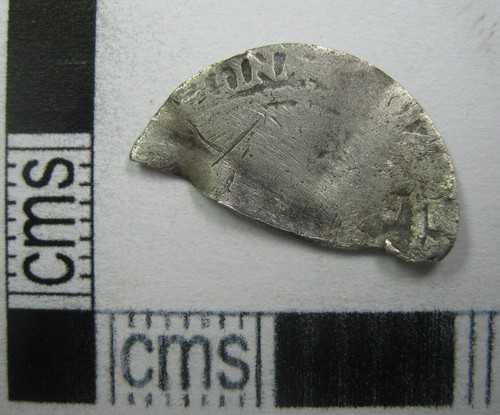
Threepence of Elizabeth I
A hammered silver threepence of Elizabeth I, showing her crowned profile with a rose behind and a dated shield reverse, struck across her long reign.
Hammered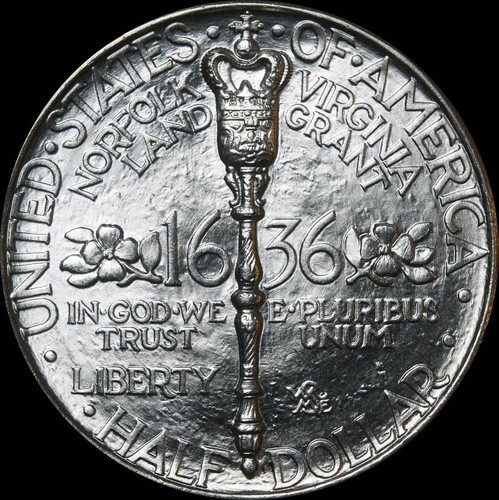
Norfolk Bicentennial Half Dollar
A 1936 U.S. silver half dollar honoring Norfolk, Virginia, with the city's Royal Mace on the reverse and dates 1636-1936; a low-mintage classic commemorative.
Classic Commemorative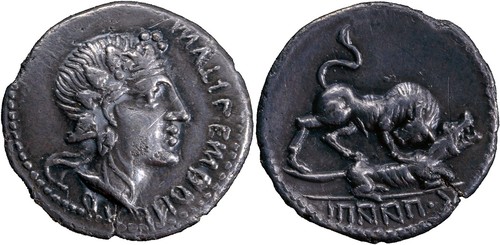
Denarius of C. Papius Mutilus
Silver denarius bearing the name C PAPIUS MUTILUS, a Social War-era Italic type of c. 90 BC with a portrait bust and a horseman or chariot reverse.
Ancient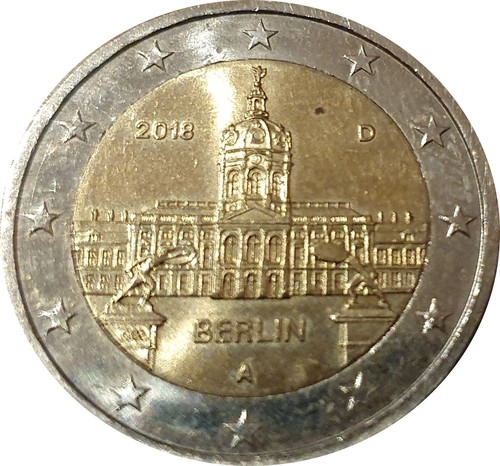
Germany 2 Euro Berlin 2018 Commemorative
Germany's 2018 bi-metallic 2 euro from the Federal States series honouring Berlin, showing a monumental Berlin building paired with the shared European reverse.
Commemorative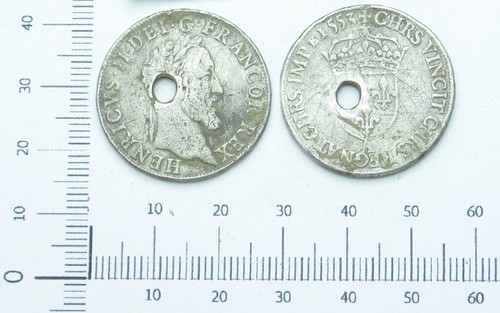
Teston of Henri II
A French Renaissance silver teston of Henri II (1547-1559): the king's realistic profile bust right, a crowned fleur-de-lis coat of arms on the reverse.
Renaissance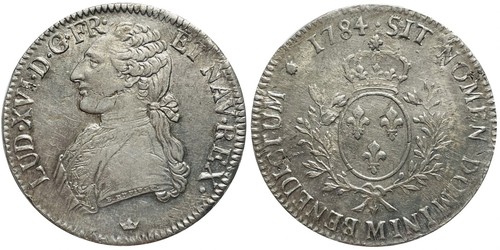
Ecu of Louis XVI
A large French silver ecu of Louis XVI dated 1784: left-facing royal bust obverse, crowned arms of France and Navarre framed by laurel on the reverse.
Royal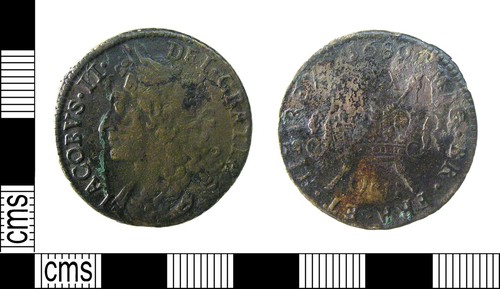
Irish Gun Money Shilling
A base-metal Irish emergency shilling struck for James II in 1689-1690, with his laureate bust and a crowned reverse dated by month, here October 1689.
Emergency Coinage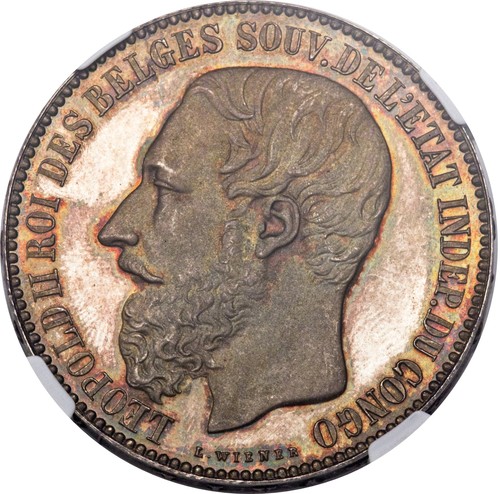
Belgian Congo 5 Francs (Copper)
A copper 5 Francs piece dated 1887 with a radiant star obverse and a crowned heraldic reverse reading CONGO BELGE, widely regarded as a fantasy or novelty type.
World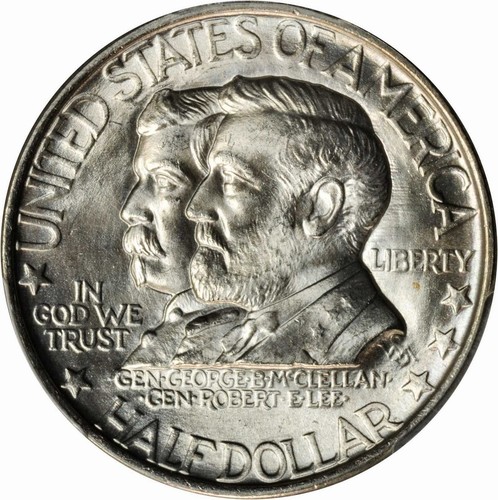
Battle of Antietam Half Dollar
A 1937 U.S. silver half dollar marking 75 years since the Civil War Battle of Antietam, with jugate busts of Lee and McClellan and Burnside Bridge on the reverse.
Classic Commemorative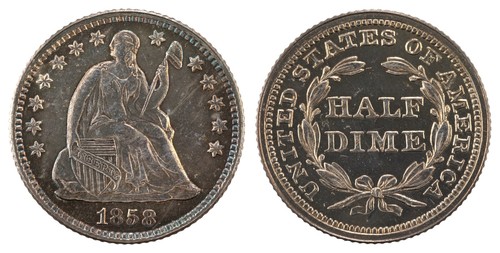
Seated Liberty Half Dime
A tiny 90% silver five-cent piece showing Liberty seated with a shield and Liberty pole; the reverse wreath frames HALF DIME. First struck 1837.
Half Dime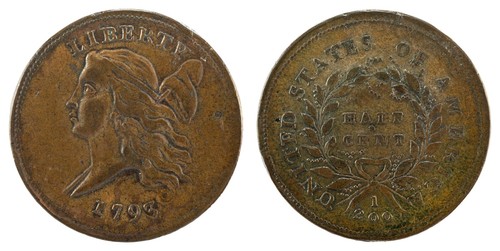
Liberty Cap Half Cent
The first U.S. half cent, struck only in 1793, showing Liberty in a cap facing left with a wreath reverse. A famous one-year copper key date.
Half Cent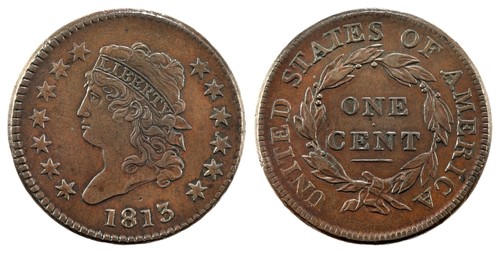
Classic Head Large Cent
A pure-copper U.S. large cent struck 1808–1814, showing John Reich's classical left-facing Liberty ringed by stars over a wreath reverse.
Large Cent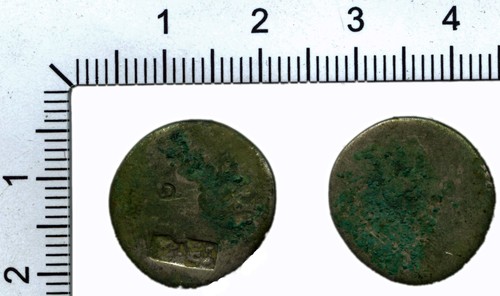
Mark Antony Legionary Denarius
Silver denarius struck by Mark Antony in 32-31 BC to pay his army and fleet; reverse aquila between two standards, this example countermarked IMP VES.
Ancient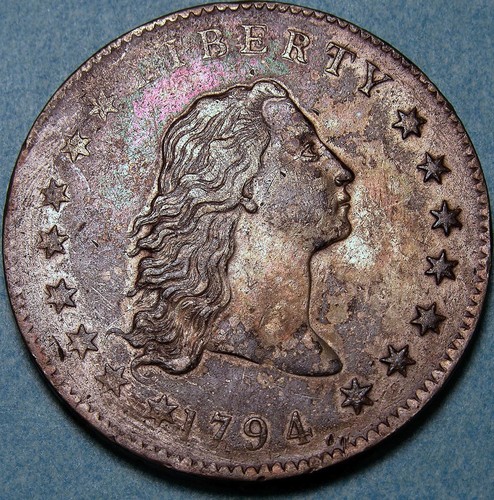
Flowing Hair Dollar
The first U.S. silver dollar, struck 1794–1795, with a right-facing Liberty whose hair flows loose amid stars and a small spread-wing eagle reverse.
Dollar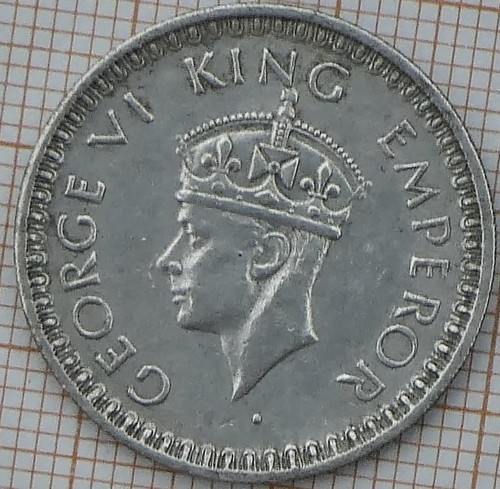
India 50 Paise
A George VI half-rupee of British India dated 1946 — the pale nickel-brass ancestor of the modern 50 paise, with a crowned royal bust and a rampant lion reverse.
Modern India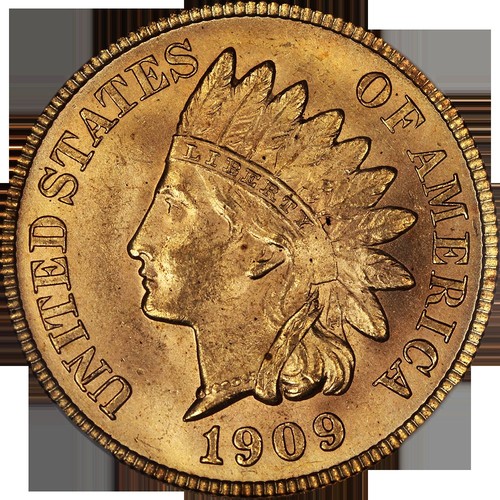
Indian Head Cent
Classic U.S. one-cent piece struck 1859–1909, showing Liberty in a feathered headdress; later dates like 1909 are bronze with an oak-wreath-and-shield reverse.
Small Cent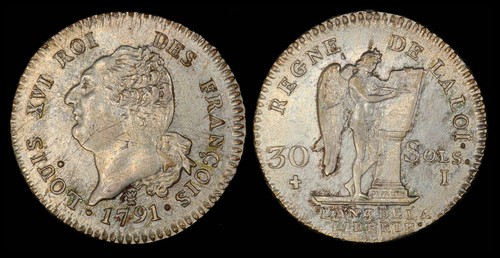
30 Sols (Half Ecu)
A French Revolutionary silver 30 sols of 1791: profile of Louis XVI as 'Roi des Francais' obverse, standing Liberty reverse dated 'L'An 4 de la Liberte'.
Revolutionary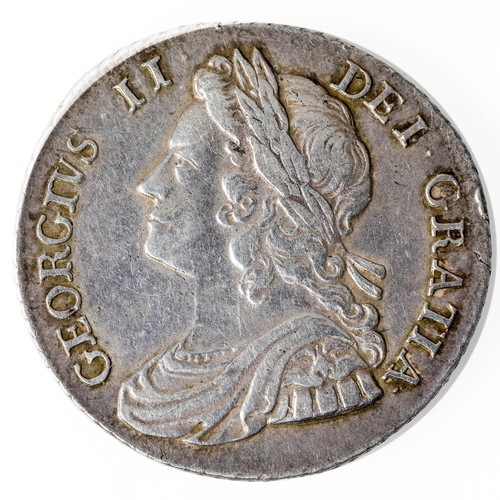
Shilling of George II
A milled silver shilling of George II, with a left-facing bust reading GEORGIVS II DEI GRATIA and a crowned cruciform-shields reverse; this one is a 1736 roses and plumes issue.
Milled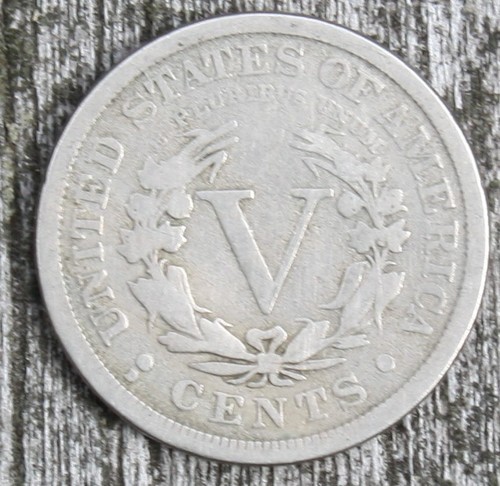
Liberty Head Nickel
U.S. five-cent piece struck 1883–1912, showing a left-facing Liberty head ringed by stars, with a Roman-numeral "V" reverse; the 1913 issue is a legendary rarity.
Nickel Five Cent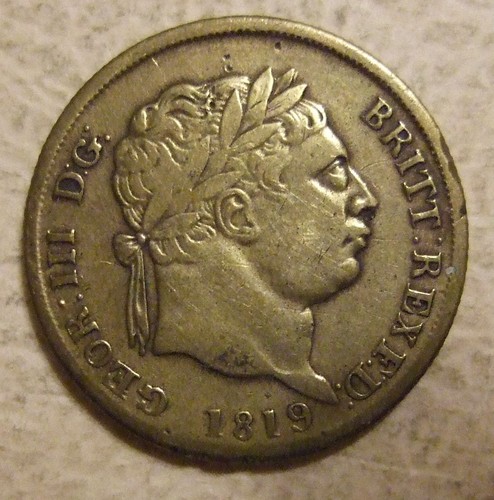
Shilling of George III
A milled silver shilling of George III from the Great Recoinage, with his laureate bust facing right and a crowned quartered royal shield within the Garter.
Milled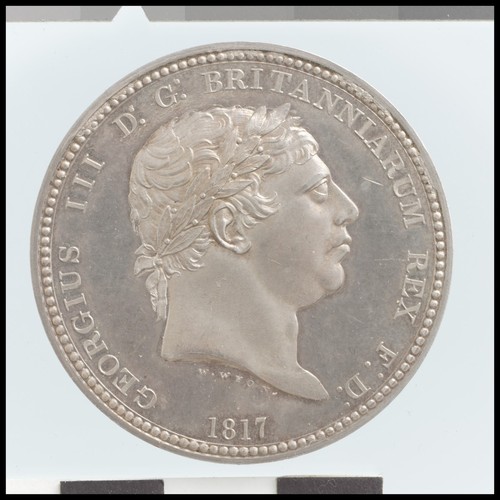
Three Graces Pattern Crown
A celebrated 1817 silver pattern crown of George III, engraved by William Wyon and never issued for circulation — a prized masterpiece of British coinage.
Pattern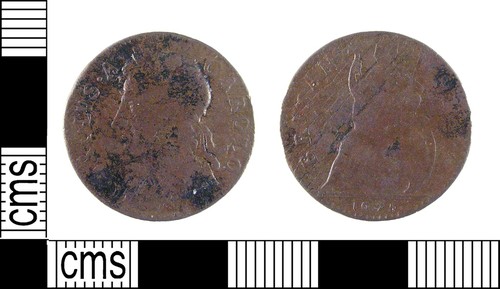
Charles II Halfpenny
A milled copper halfpenny of Charles II showing his laureate bust and a seated Britannia, part of the first regal copper coinage of England, dated 1675.
Milled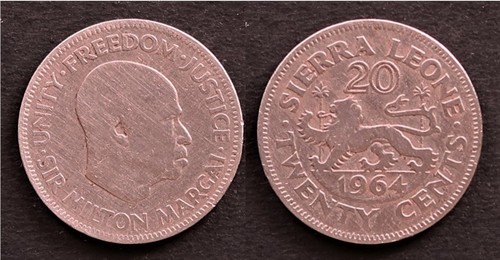
Sierra Leone 20 Cents
A 1964 Sierra Leone 20 cents from the country's first decimal coinage, showing a portrait profile on one side and the national coat of arms with its lion on the other.
World