
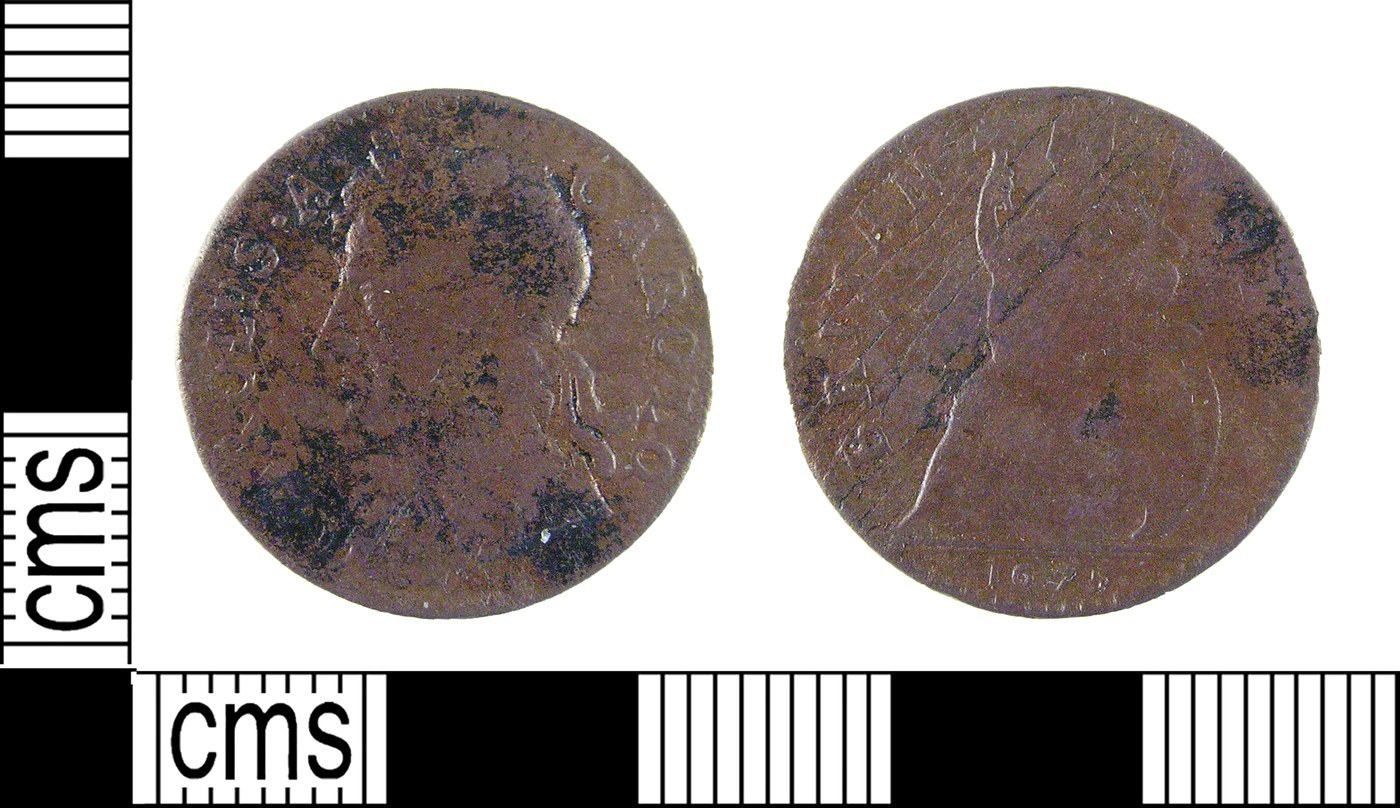
Charles II Halfpenny
A milled copper halfpenny of Charles II showing his laureate bust and a seated Britannia, part of the first regal copper coinage of England, dated 1675.
- Country
- England
- Denomination
- Halfpenny
- Metal
- Copper
Got a coin like this?
Identify any coin from a photo, free.
Overview
The Charles II Halfpenny is a milled copper coin struck in the reign of Charles II (1660–1685). It belongs to the first official regal copper coinage of England, introduced in the early 1670s to supply small change for everyday trade after decades in which base-metal tokens had filled the gap.
The photographed example is dated 1675 and shows the king's laureate, draped bust facing left with a Latin legend giving his titles, and on the reverse the figure of Britannia seated left holding a spray and a spear, with a shield beside her and the legend BRITANNIA. As a milled coin it was made by machinery rather than by hand, giving it a rounder, more regular flan and a more uniform strike than the hammered coins that preceded it.
This halfpenny is a workhorse denomination that saw hard circulation, so most surviving examples show honest wear. It is historically significant as one of the earliest copper coins to carry the seated Britannia, an image that would remain on British bronze and copper coinage for centuries.
History & Background
Charles II was restored to the throne in 1660, and over the following years the mint modernized English coinage by adopting milled, machine-struck production in place of the old hammered method. Small change, however, remained a problem: the smallest silver coins were tiny and inconvenient, and unofficial tradesmen's tokens had circulated widely to make up the shortfall.
To address this, a regal copper coinage of halfpennies and farthings was introduced in the early 1670s, with copper halfpennies dated from 1672 onward. These coins put a royal portrait and the seated figure of Britannia into the hands of ordinary people for the first time in this form. The 1675 halfpenny belongs to this series, struck during the middle years of the issue.
The seated Britannia of Charles II's copper is often said to have been modeled after a court beauty of the period, and the design proved enduring, carrying through later reigns and into the long history of British copper and bronze coinage. Because these halfpennies were made in quantity for circulation and used heavily, they survive in large numbers but frequently in worn condition.
How to Identify
The obverse shows Charles II as a laureate, draped bust facing left, with a Latin legend around the rim giving his name and titles (CAROLVS A CAROLO, "Charles son of Charles," is the legend used on this copper series). The laurel wreath and left-facing bust are primary diagnostics and distinguish it from the right-facing or differently styled busts of later monarchs.
The reverse shows Britannia seated left on a globe or ground line, holding an olive spray in one hand and a spear in the other, with an oval shield bearing the crosses beside her, and the word BRITANNIA in the surrounding legend. The date, 1675 on the photographed coin, appears in the exergue below Britannia. This seated-Britannia reverse is the signature of the type.
The coin is copper, roughly the size of a large halfpenny of the period, and being milled it has a more regular round shape and even strike than hammered coins. Genuine circulated examples typically show brown surfaces and softened detail from wear; the fields and lettering should still read as machine-made rather than crude or hand-cut. Note that halfpennies of this design were struck across several dates in the 1670s, so the date in the exergue is what fixes the year.
Value & Collectibility
The Charles II copper halfpenny is a genuinely old and historically appealing coin, but it was produced for general circulation and survives in fair numbers, so common dates in worn grades are among the more affordable milled coins of the era. Heavily worn examples typically trade for modest sums, making this an accessible entry point into 17th-century British copper.
Value rises sharply with condition. Coins that retain clear detail in the bust and Britannia, even surfaces, and problem-free corrosion-free copper command strong premiums, and high-grade or well-struck pieces are genuinely scarce because the metal corrodes and the coins circulated hard. Specific dates and varieties within the 1670s series can also carry premiums.
Because copper corrodes, condition, surface quality, and the absence of pitting, tooling, or heavy cleaning drive price far more than any single catalog figure. Anyone valuing a particular coin should compare it against recent auction results for the same date and grade and treat any one quoted price as context rather than a fixed value.
Frequently asked questions
What is a Charles II halfpenny?
It is a milled copper coin worth half a penny, struck during the reign of Charles II. It was part of the first official regal copper coinage of England, showing the king's bust on one side and seated Britannia on the other.
What does the reverse show?
The reverse shows Britannia seated left, holding an olive spray and a spear with a shield beside her, and the word BRITANNIA in the legend. The date appears below her in the exergue.
Why is it made of copper instead of silver?
Copper was introduced for small change because the smallest silver coins were tiny and inconvenient and unofficial tokens had filled the gap. A regal copper halfpenny and farthing were issued from the early 1670s to provide reliable low-value coinage.
Is the Charles II halfpenny rare?
Common dates in worn condition are relatively affordable because many were struck and survive. Well-preserved examples with clear detail and clean copper surfaces are much scarcer and worth considerably more.
What does CAROLVS A CAROLO mean?
It is Latin for "Charles son of Charles," referring to Charles II as the son of Charles I. It is the obverse legend used on this copper coinage.
Charles II Halfpenny guides
In-depth guides for identifying, valuing, and collecting Charles II Halfpenny.
Other coins you may enjoy
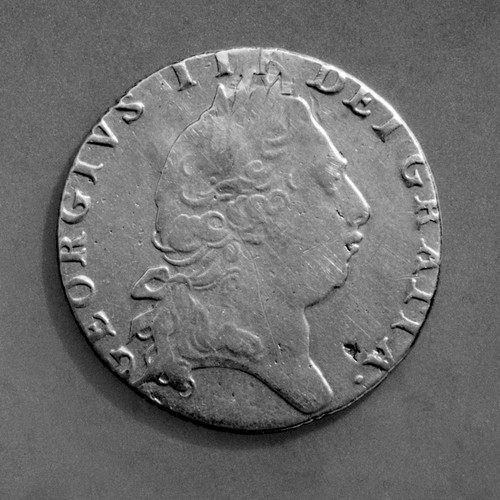
Spade Guinea
1760-1820
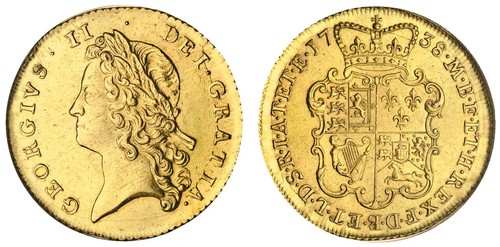
Two Guineas of George II
1738–1753
Shilling of Victoria
1838-1901
Sovereign of George IV
1821-1830
Sovereign of William IV
1831–1837
Penny of William IV
1831-1837
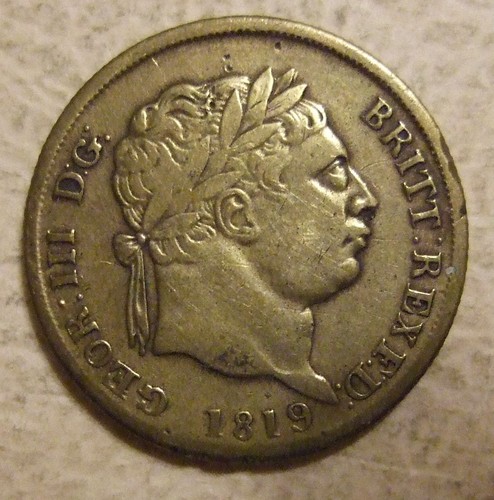
Shilling of George III
1816-1820
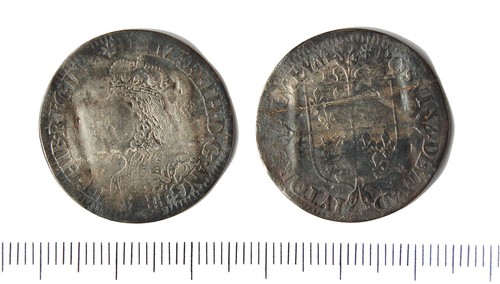
Milled Sixpence of Elizabeth I
1561-1571
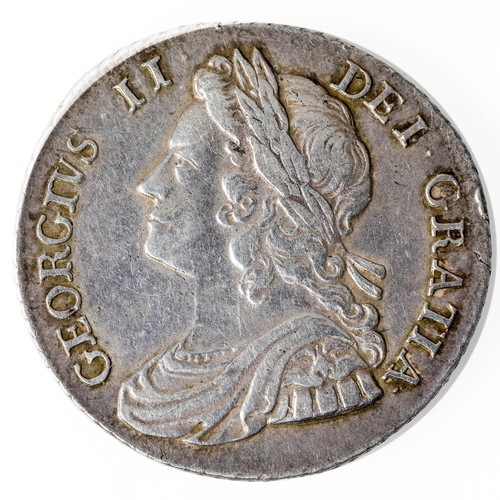
Shilling of George II
1727-1758
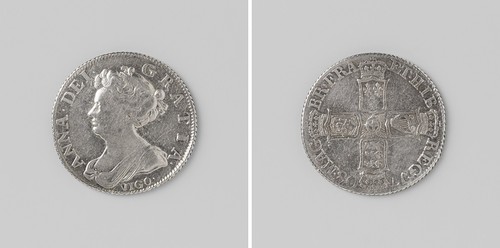
Shilling of Anne
1702-1714
Charles II Twopence
1660-1685
Charles II Half Crown
1660–1685