
Coin Encyclopedia
Search and identify coins from around the world — with country, denomination, metal, mint, history, and how to tell them apart.
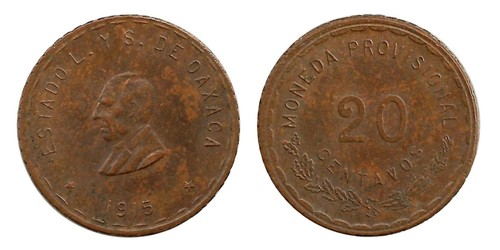
Oaxaca 20 Centavos
A copper 20 centavos struck by revolutionary-era Oaxaca in 1915, showing a profiled bust on a round base and a large numeral 20 with the Mexican eagle.
Revolutionary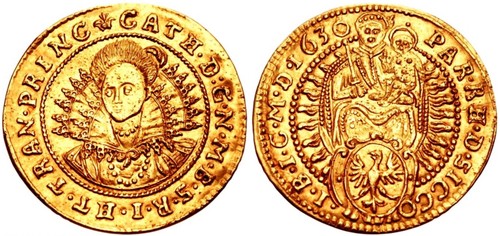
Transylvanian Ducat of Catherine of Brandenburg
Gold ducat dated 1630 of Catherine of Brandenburg, ruling Princess of Transylvania, with her portrait and a double-headed eagle and shield reverse.
Medieval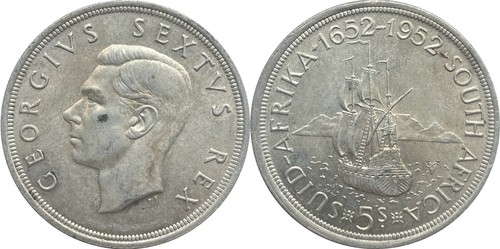
South Africa 5 Shillings
A large 1952 South African silver crown marking Cape Town's 300th anniversary, with King George VI and a sailing-ship reverse.
Circulation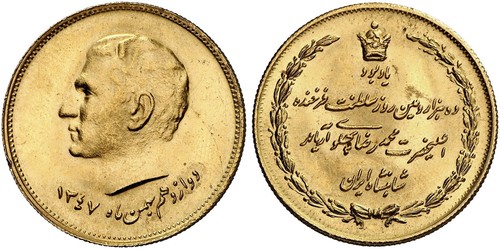
Pahlavi Reign Gold Medal
A gold medal of Pahlavi-era Iran, its obverse a left-facing royal portrait and its reverse the Lion and Sun beneath a crown, dated 1971.
Persia / Iran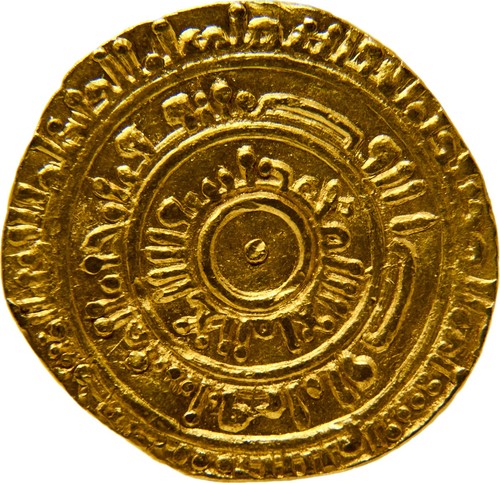
Fatimid Dinar of Imam Nizar
An 11th-century Fatimid gold dinar with concentric circular Kufic inscriptions naming the ruler and Shi'a invocations, a hallmark of Fatimid coinage.
Islamic (Medieval)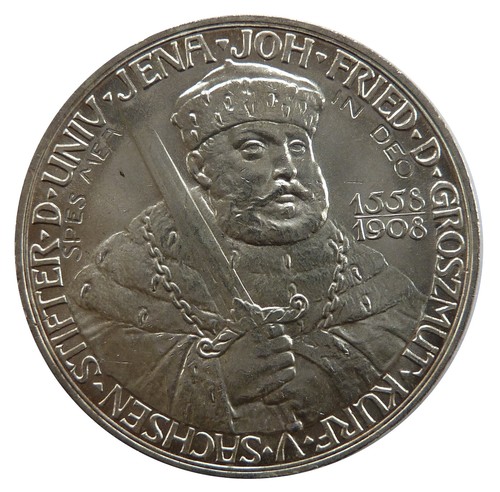
Sachsen-Weimar-Eisenach 5 Mark Commemorative
An 1908 German Empire 5 Mark silver commemorative of Saxe-Weimar-Eisenach marking the University of Jena's jubilee, with the founder's capped portrait.
Commemorative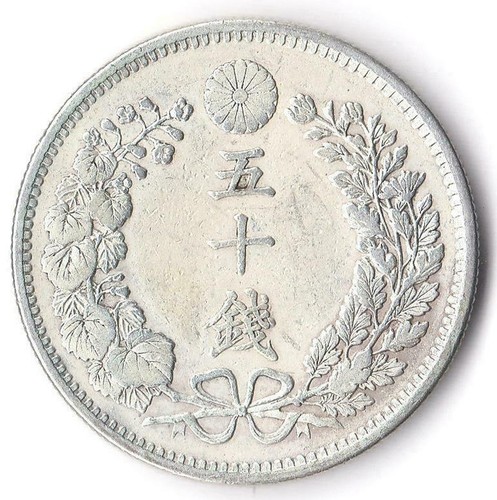
50 Sen (Dragon Type)
A Meiji-era Japanese silver 50 sen: a coiled dragon on one face, a sunburst-and-wreath value design on the other, dated Meiji 4 (1871).
Circulation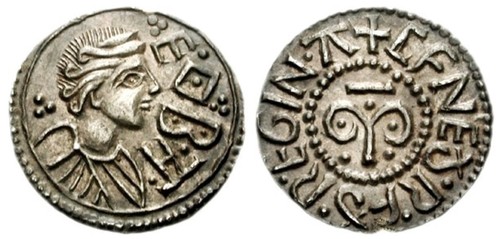
Penny of Cynethryth
Anglo-Saxon silver penny of Cynethryth, queen of Mercia and wife of Offa, and the only Anglo-Saxon queen named on her own coinage.
Medieval Coins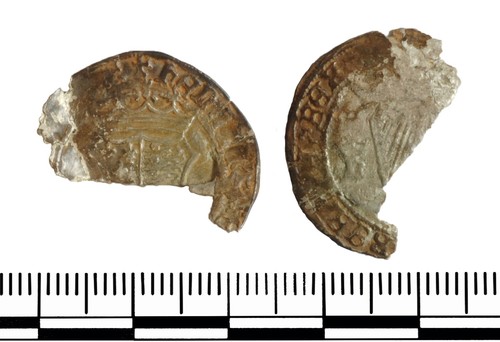
Irish Groat of Henry VIII
A hand-hammered silver fourpence struck for Ireland under Henry VIII, famed for introducing the crowned harp to Irish coinage.
Hammered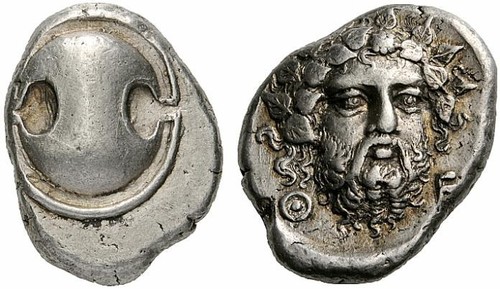
Thebes Stater
Silver stater of Thebes with the Boeotian shield and a bearded head of Dionysos, struck as federal coinage of the Boeotian League, c. 395-338 BC.
Ancient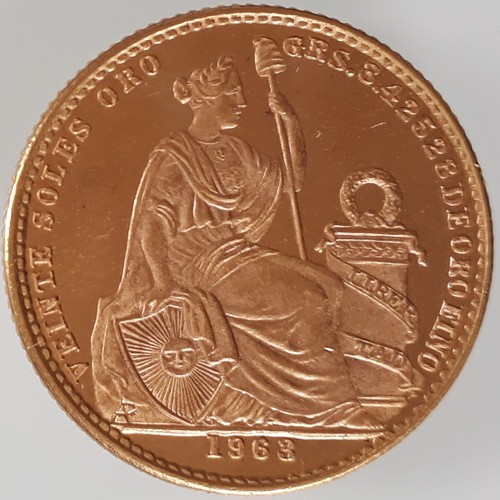
20 Soles de Oro
A Peruvian gold 20 soles de oro showing a seated Liberty with crown, torch and radiant sun, part of Peru's mid-20th-century gold coinage.
Circulation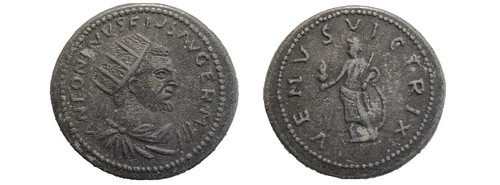
Antoninianus of Caracalla
The antoninianus introduced by Caracalla around AD 215, a radiate-crowned double denarius in debased silver that reshaped Roman coinage.
Ancient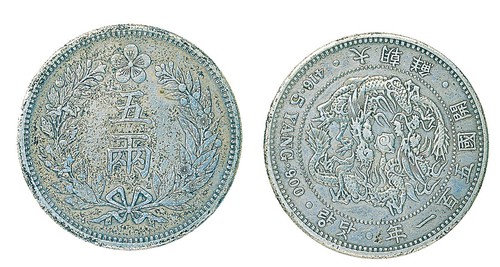
5 Yang
A late-Joseon Korean 5 Yang in bronze: a floral, chrysanthemum-and-taegeuk obverse paired with a coiled dragon and ornamental characters on the reverse.
Historic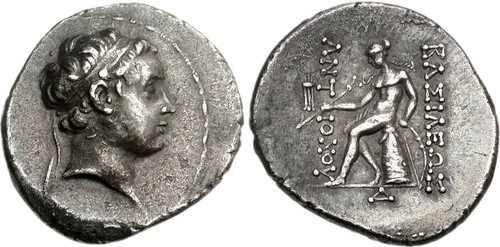
Antiochos the Child Tetradrachm
Silver Seleucid tetradrachm, c. 175 BC, with a young diademed head and a martial reverse figure with spear and shield.
Ancient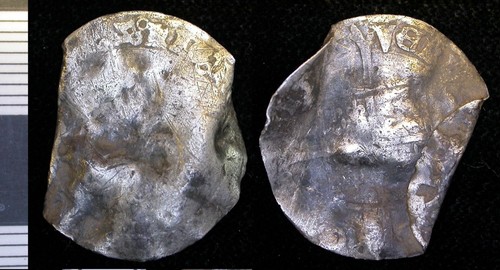
Mary I Groat
Hammered silver fourpence of Mary I (1553-1558), with her crowned bust left and the royal arms over a cross on the reverse.
Hammered
Swiss 5 Francs
Large .900 silver Swiss crown of 1888–1916, showing a Helvetia head on one face and the Swiss cross shield within a wreath on the other.
World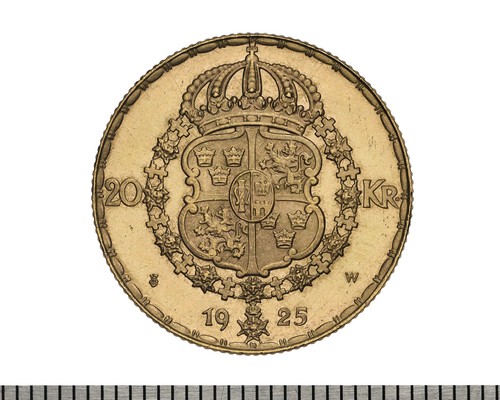
20 Kronor
Gold 20 kronor of Sweden showing the crowned national arms with three coronets, reverse marked 20 KR and dated 1925.
World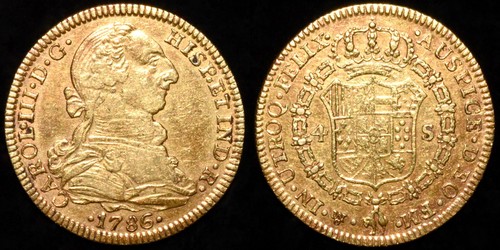
4 Escudos
Spanish Bourbon gold 4 Escudos of the 1780s, with an armored royal bust facing right and a crowned coat of arms on the reverse.
Early Modern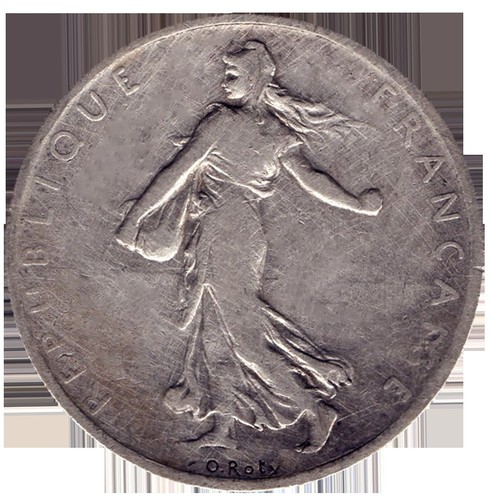
French Semeuse 2 Francs
French Third Republic silver 2 francs showing Roty's striding Sower (Semeuse); the pictured example is dated 1899.
Circulation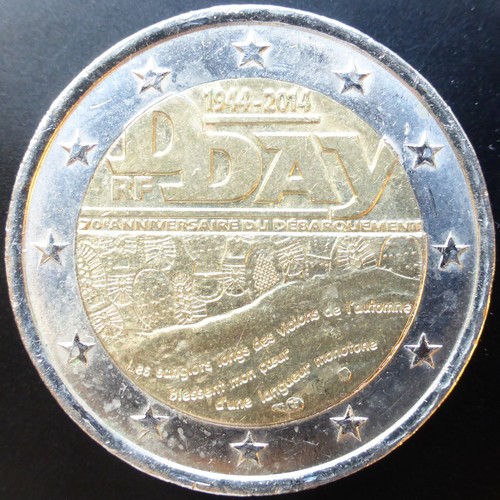
France 2 Euro D-Day Anniversary Commemorative
A 2014 French bi-metallic 2 euro commemorating the 70th anniversary of the D-Day landings, dated 1944-2014 with a ring of EU stars.
Commemorative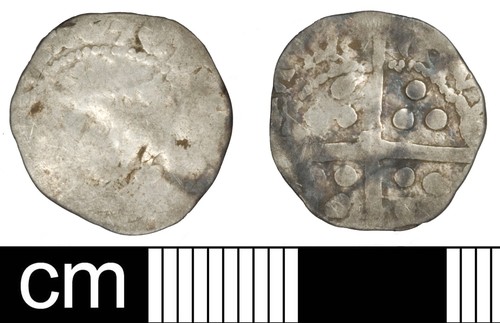
Medieval Penny of Edward III
A hammered silver penny of Edward III (1327–1377): a crowned facing royal bust on one side and a long cross with pellets on the other.
British Isles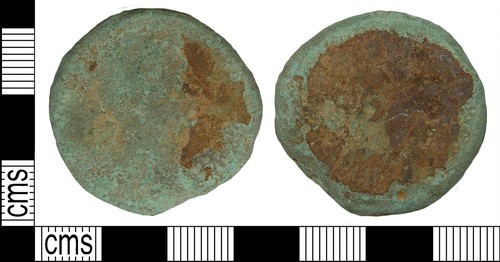
Sestertius of Commodus
A large Roman bronze sestertius of Emperor Commodus (180–192 AD), his laureate bearded head on one side and a standing figure on the other.
Ancient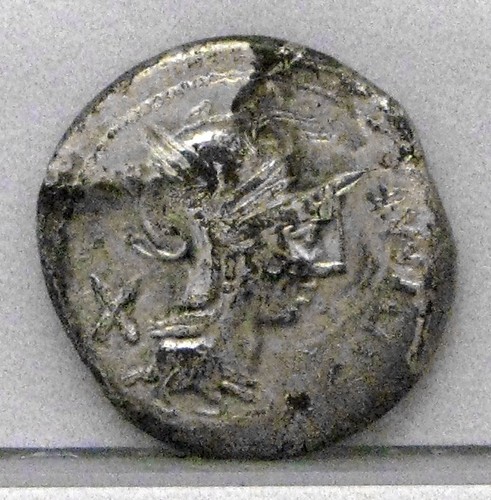
Roman Republican Denarius (Unidentified)
A silver Roman Republican denarius of about 115-114 BC: helmeted Roma on the obverse, Victory driving a two-horse chariot on the reverse.
Ancient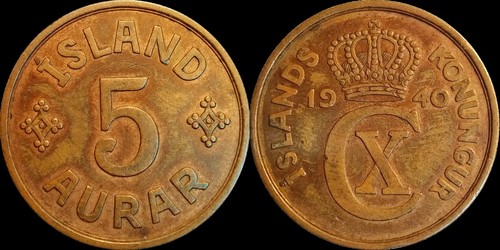
5 Aurar
Icelandic bronze 5 aurar of the Kingdom era, marked ÍSLAND with a crowned KONUNGDÓMUR ÍSLANDS reverse, struck 1926-1942.
World