
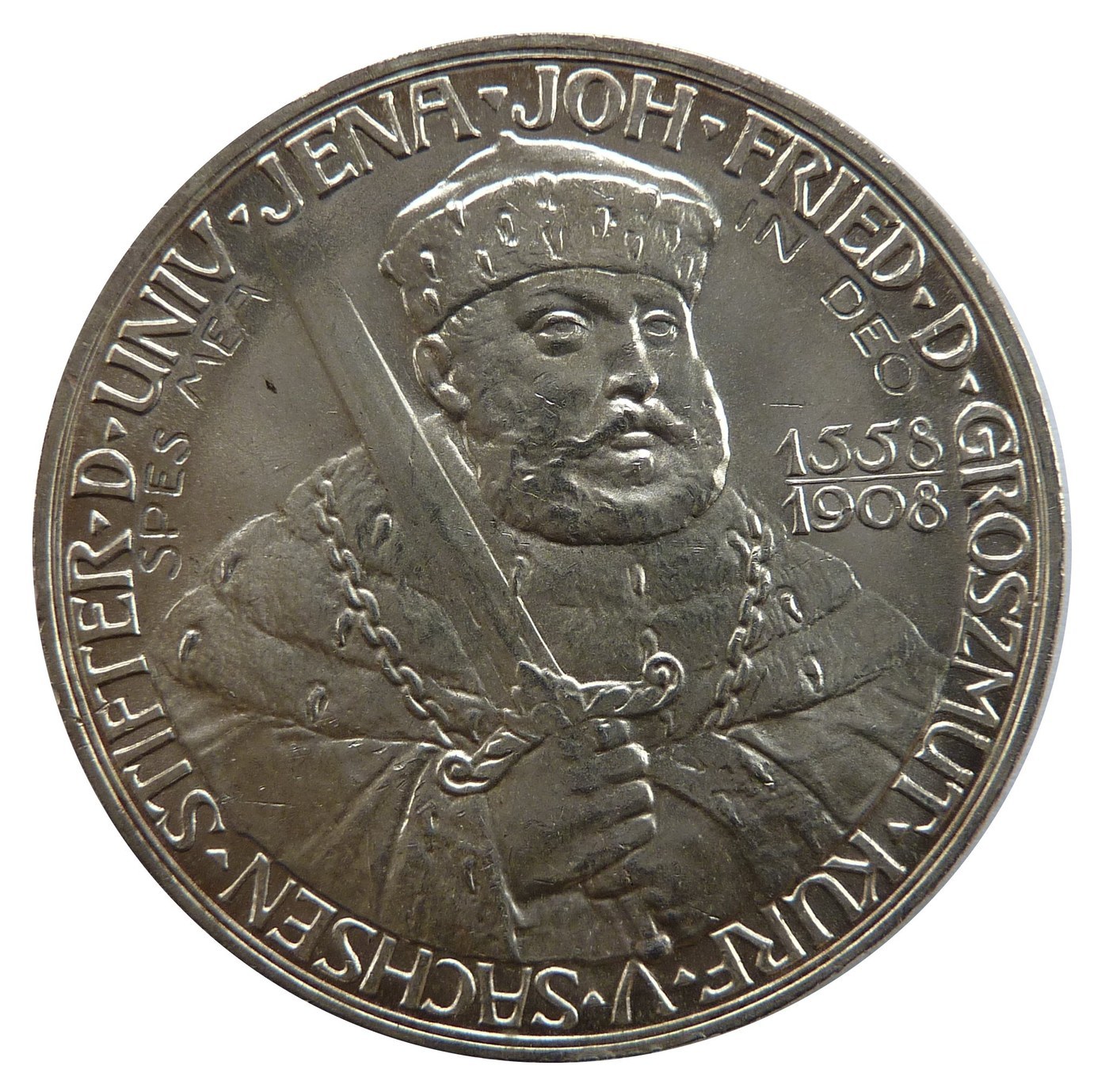
Sachsen-Weimar-Eisenach 5 Mark Commemorative
An 1908 German Empire 5 Mark silver commemorative of Saxe-Weimar-Eisenach marking the University of Jena's jubilee, with the founder's capped portrait.
- Country
- Germany
- Denomination
- 5 Mark
- Metal
- Silver
Got a coin like this?
Identify any coin from a photo, free.
Overview
The Sachsen-Weimar-Eisenach 5 Mark is a large silver commemorative coin issued in 1908 by the Grand Duchy of Saxe-Weimar-Eisenach, one of the constituent states of the German Empire (Kaiserreich). Like all imperial-era 5 Mark pieces it was a crown-sized coin — the highest silver denomination in the empire's unified coinage system — but it was struck as a special jubilee issue rather than for everyday circulation.
The coin commemorates the anniversary of the University of Jena, the grand duchy's celebrated seat of learning. Its obverse carries a portrait of a nobleman in a decorative flat cap — the university's 16th-century founder, Johann Friedrich I, Elector of Saxony ("the Magnanimous") — while the reverse bears a commemorative inscription with paired dates ending in 1908, marking the jubilee. As a state commemorative of a small Thuringian duchy, it was minted in modest numbers and is prized today as a historical German Empire type.
History & Background
The Grand Duchy of Saxe-Weimar-Eisenach was a small Thuringian state whose ruling House of Wettin (Ernestine line) traced its dynastic identity back to the 16th century. Weimar and Jena stood at the cultural heart of Germany — the age of Goethe, Schiller, and a university that drew scholars from across Europe. After the founding of the German Empire in 1871, the grand duchy retained the right to issue coinage bearing its own arms and rulers, struck to the empire-wide standard set by the Coinage Act of 1873.
Under this system the empire shared a common gold Mark, but the states could place their own designs on the silver 2, 3, and 5 Mark pieces and issue commemoratives for local jubilees. This 1908 coin was produced during the reign of Grand Duke Wilhelm Ernst to honor the University of Jena, an institution founded in the mid-16th century by Johann Friedrich the Magnanimous. Rather than depict the living grand duke, the design looks back to the university's Reformation-era founder, tying the modern state to its scholarly heritage.
Such state commemoratives were among the last flourishes of German particularist coinage. Within a decade the empire fell in 1918, the monarchies were abolished, and issues like this became closed historical series sought by collectors.
How to Identify
Obverse (as seen): a portrait bust of a nobleman wearing a decorative flat cap or beret — the Electoral headdress of Johann Friedrich I, the university's founder — surrounded by a raised inscription naming him and the occasion. The distinctive soft cap and Renaissance-era styling set this apart from the bare-headed or uniformed rulers seen on most German Empire coins.
Reverse (as seen): a commemorative inscription with paired dates ending in 1908, recording the jubilee of the University of Jena, together with the imperial denomination and heraldic detail. Standard imperial 5 Mark pieces also carry the German Reichsadler (imperial eagle), the legend DEUTSCHES REICH, the value FÜNF MARK, and a small mint-mark letter identifying the striking mint.
Physical clues: this is a crown-sized silver coin, struck in .900 fine silver at roughly 38 mm diameter and about 27.8 g, with a lettered/reeded edge typical of the imperial 5 Mark. The 1908 date and the University of Jena reference are the decisive attribution points. Read the full obverse legend and the mint-mark letter to confirm the exact issue, as several Saxon and Thuringian states struck similar large silver commemoratives in this era.
Value & Collectibility
As a low-mintage state commemorative, the Saxe-Weimar-Eisenach 1908 5 Mark is scarcer than the empire's ordinary circulating 5 Mark pieces and carries a collector premium well above its silver content. Value is driven chiefly by grade and eye appeal: worn, cleaned, or damaged examples trade for modest sums, while sharp, lightly circulated or Uncirculated coins with original surfaces command substantially more, and top-grade Proof-like strikes more still.
Because the coin contains roughly 0.80 oz of pure silver, even heavily worn pieces retain a bullion floor that rises and falls with the silver market. For a realistic figure, compare your coin's exact grade against recent auction and dealer records for this specific type rather than relying on a single quoted price. Attractive, problem-free examples and certified (slabbed) coins from recognized grading services bring the strongest results.
Frequently asked questions
What is the Sachsen-Weimar-Eisenach 5 Mark commemorative?
It is a crown-sized silver 5 Mark coin struck in 1908 by the Grand Duchy of Saxe-Weimar-Eisenach within the German Empire, issued to commemorate the jubilee of the University of Jena.
Who is the man in the cap on the obverse?
He is Johann Friedrich I, Elector of Saxony — known as 'the Magnanimous' — the 16th-century prince who founded the University of Jena. The decorative flat cap is his Electoral headdress.
What do the dates on the reverse mean?
The paired dates ending in 1908 mark the anniversary being celebrated: the University of Jena's founding in the 1500s and its jubilee year of 1908.
How much silver does it contain?
As an imperial 5 Mark it was struck in .900 fine silver, weighing about 27.8 grams total — roughly 0.80 troy ounce of pure silver — at about 38 mm across.
Is it rare?
It is a scarce commemorative issued in modest numbers by a small state, so it is less common than ordinary German Empire 5 Mark coins. Actual value still depends heavily on condition and originality.
Sachsen-Weimar-Eisenach 5 Mark Commemorative guides
In-depth guides for identifying, valuing, and collecting Sachsen-Weimar-Eisenach 5 Mark Commemorative.
Other coins you may enjoy
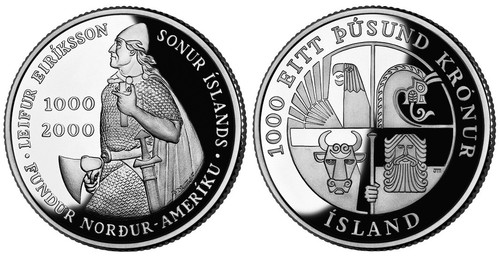
Leif Erikson Commemorative 1000 Króna
2000
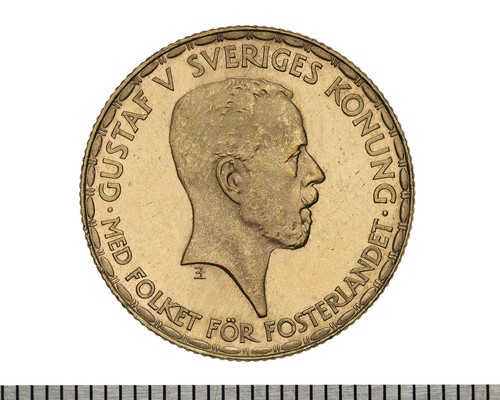
Swedish Gold Commemorative
Early 20th century
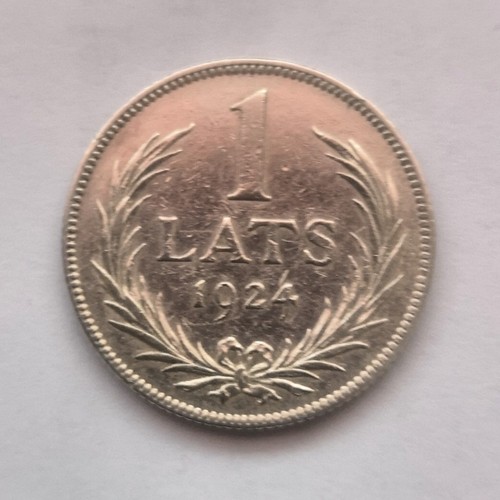
1 Lats (Christmas Bells)
2012
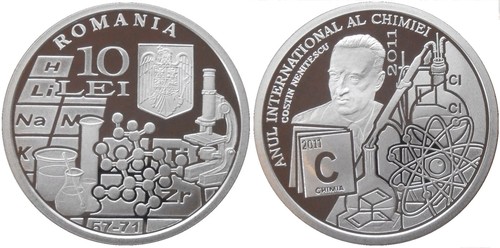
Romania International Year of Chemistry Commemorative
2011
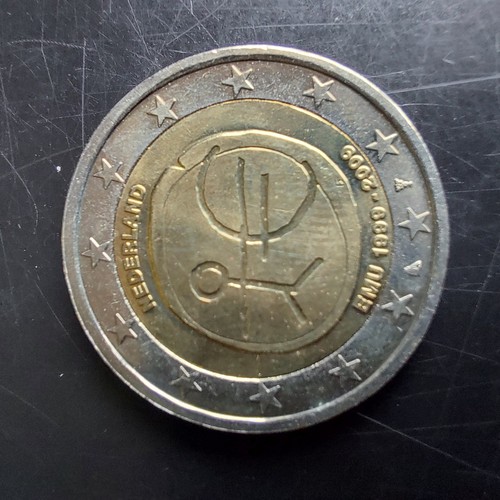
1 Euro (10 Years EMU)
1999-2009
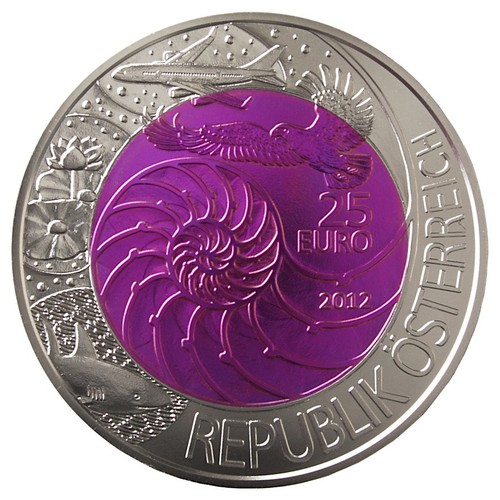
25 Euro (Bionik)
2012
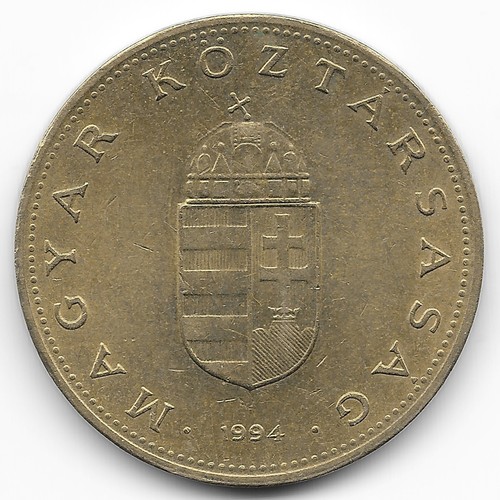
100 Forint (Commemorative)
commemorative issue
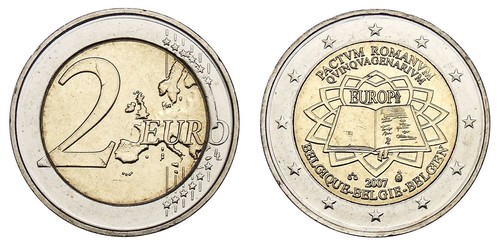
2 Euro (150 Years PSP)
2018
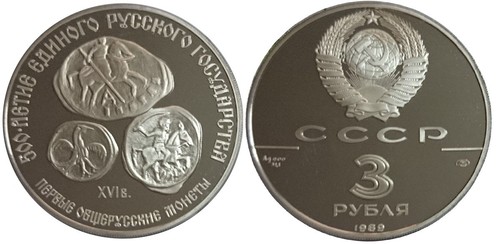
3 Roubles (First All-Russian Coins)
1982
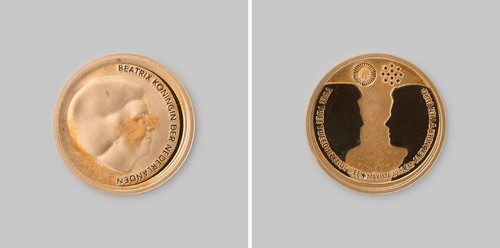
10 Euro (Royal Marriage)
2002
Swiss Shooting Thaler
1934
Sachsen-Weimar-Eisenach 5 Mark Wedding Commemorative
1903-1910