
Coin Encyclopedia
Search and identify coins from around the world — with country, denomination, metal, mint, history, and how to tell them apart.
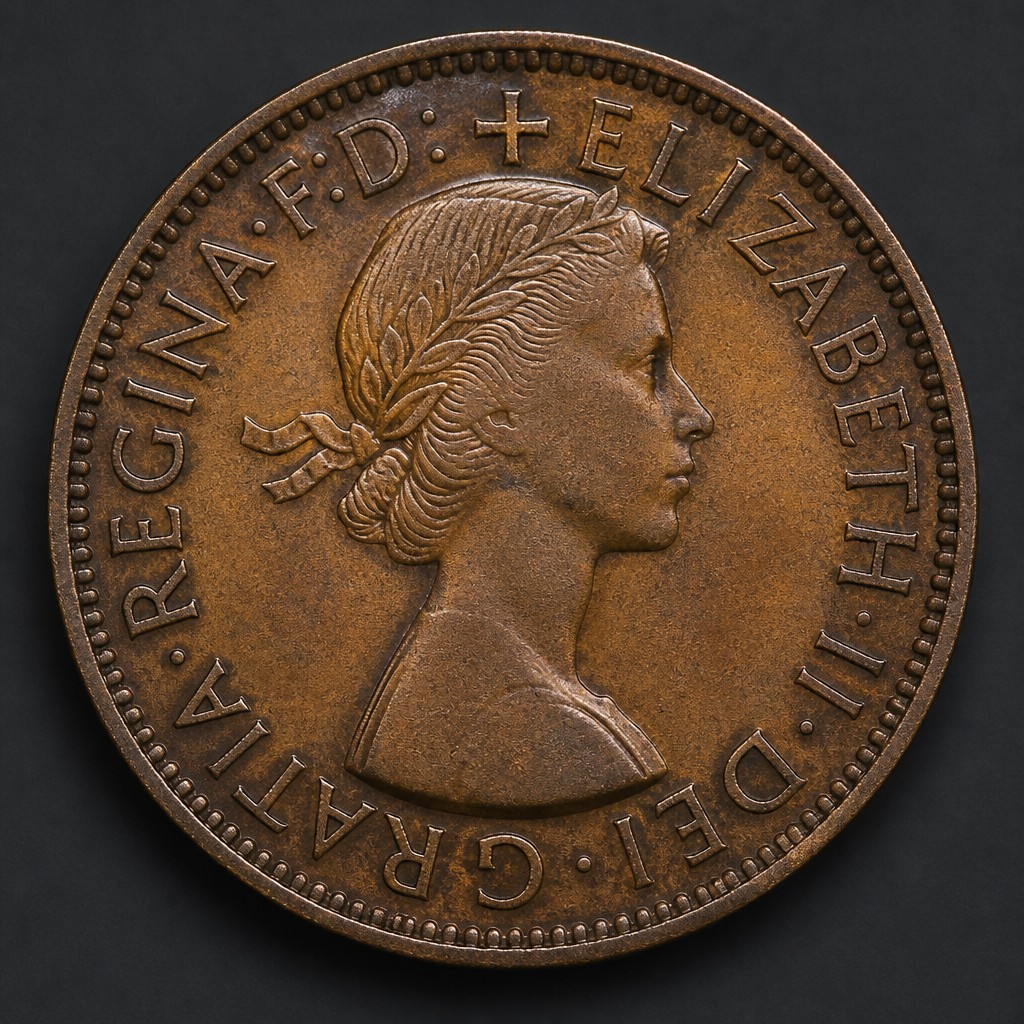
Farthing
The smallest-value British bronze coin, worth a quarter of a penny, fondly remembered for its charming wren reverse design used from 1937 until its withdrawal.
British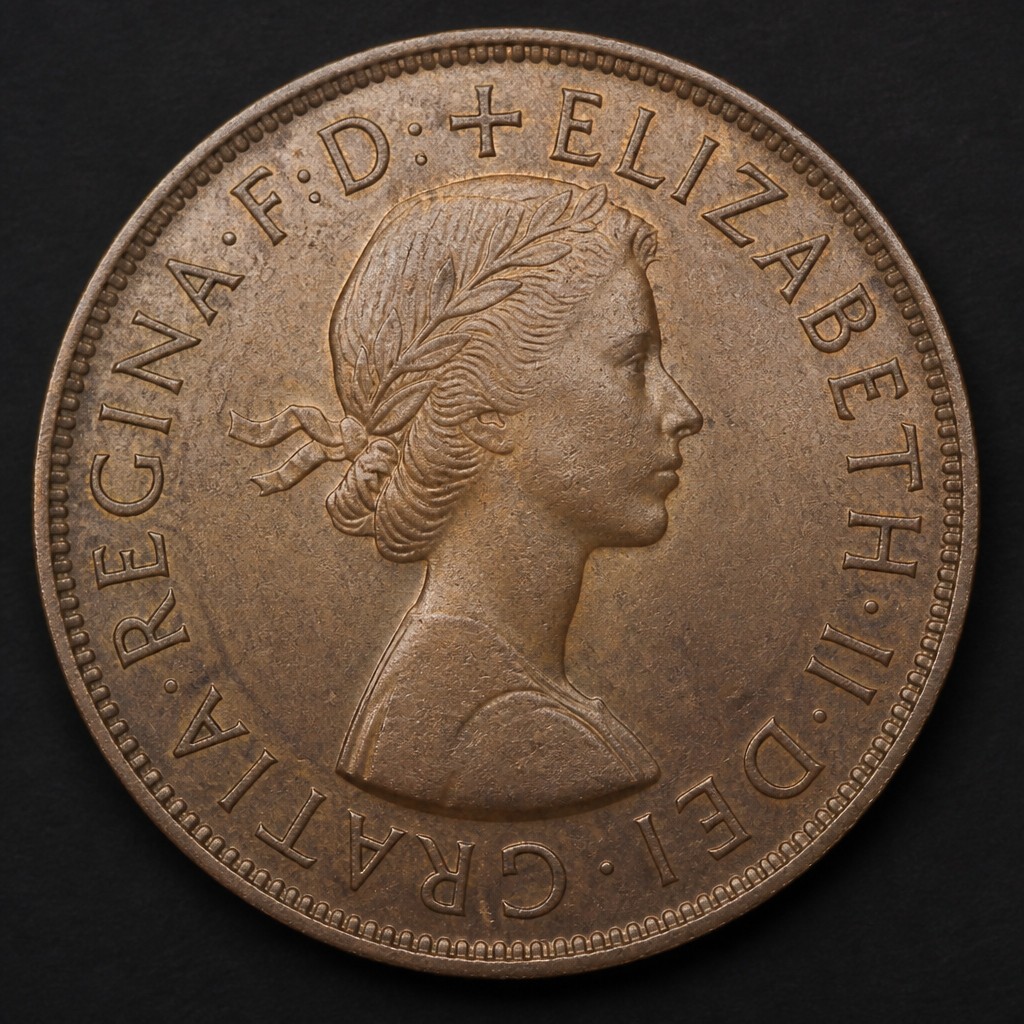
Halfpenny
A small British bronze coin worth half a penny, best known in its twentieth-century form featuring Sir Francis Drake's ship the Golden Hind on the reverse.
British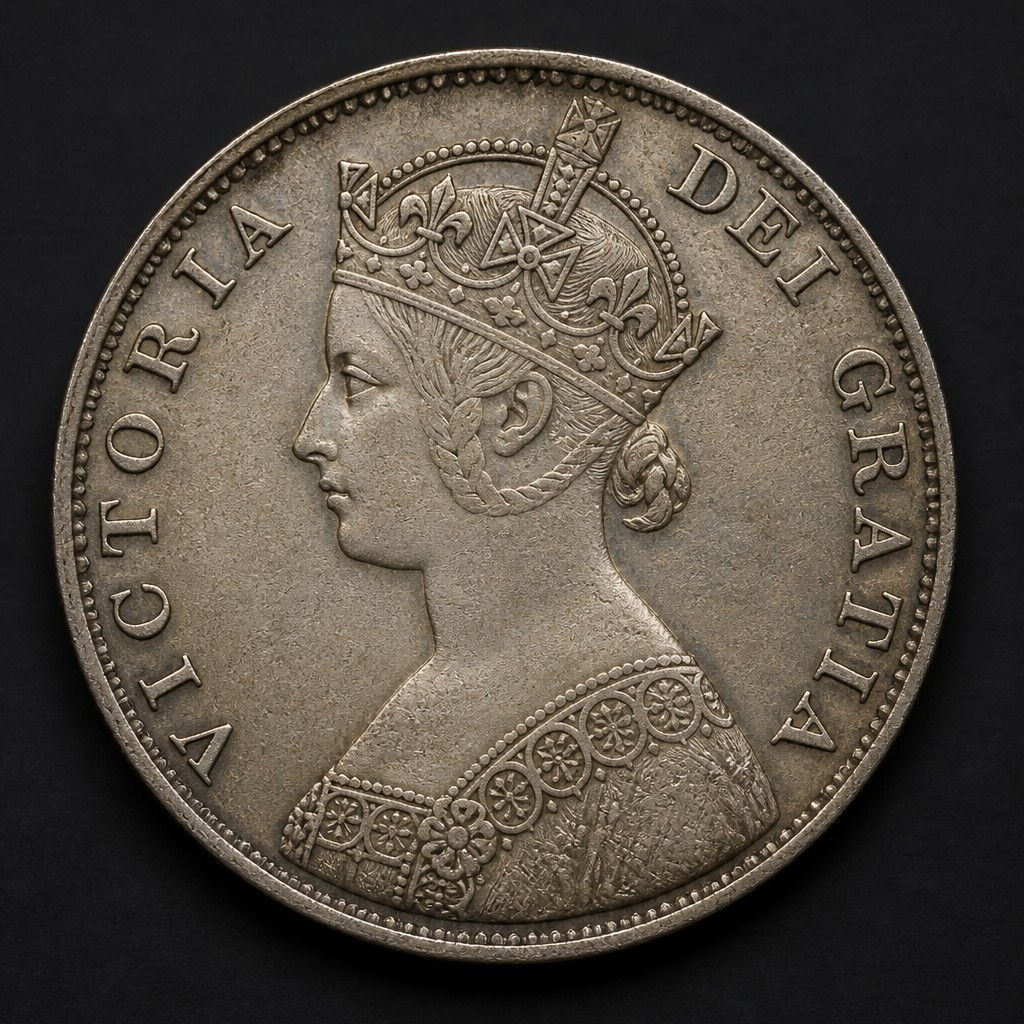
Groat (Fourpence)
A historic English silver coin worth four pence, first struck under Edward I in 1279 and periodically revived, later surviving mainly as a Maundy Money denomination.
British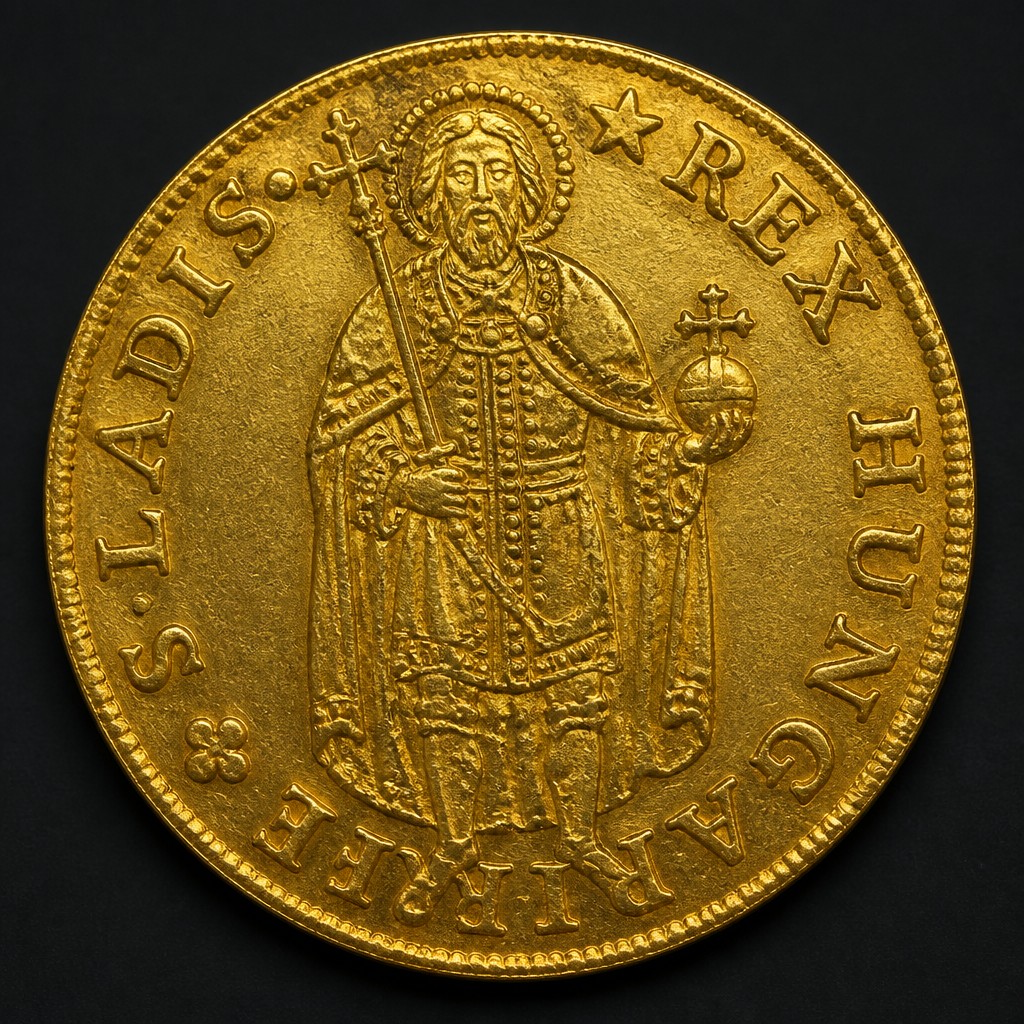
Hungarian Ducat
A remarkably long-lived gold coin of the Kingdom of Hungary, showing St. Ladislaus and the Madonna and Child, prized for centuries as one of Europe's most trusted trade coins.
European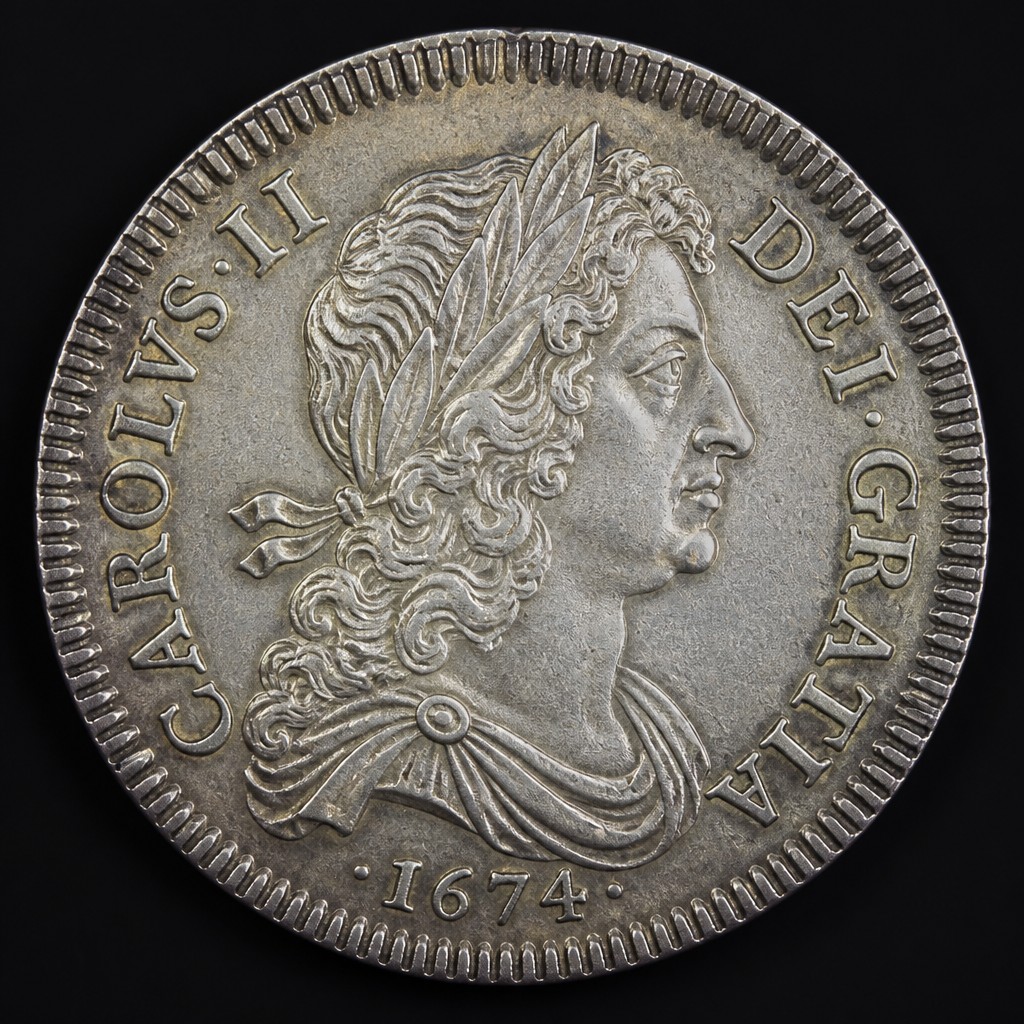
Maundy Fourpence
The largest of the four Royal Maundy coins, a small silver fourpence descended in value from the medieval groat, struck annually for the monarch's ceremonial Maundy Thursday alms distribution.
British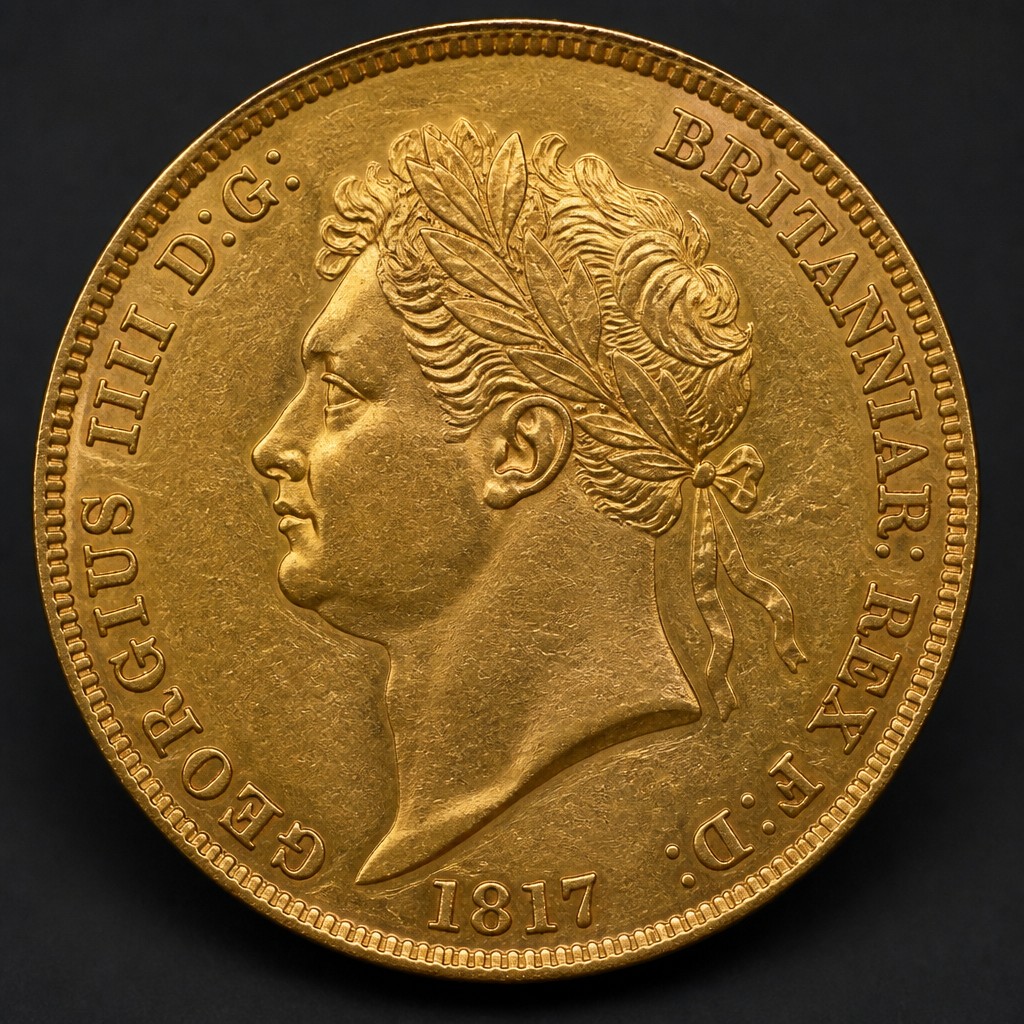
British Gold Sovereign
Historic British gold coin featuring Saint George slaying the dragon, minted since 1817 and still struck today as both a circulation-era relic and modern bullion/collector coin.
British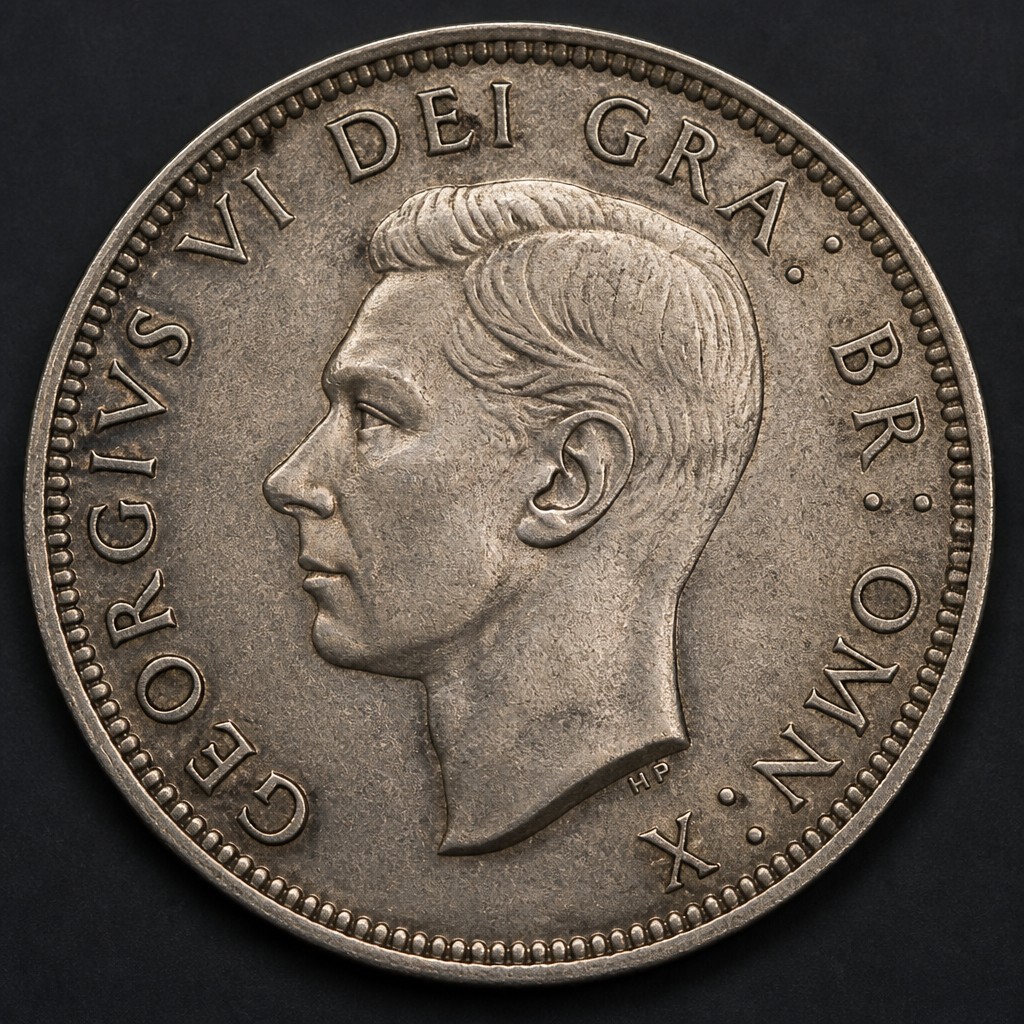
Florin (Two Shillings)
A British silver coin worth two shillings, notable for the controversial 1849 'Godless Florin' that omitted the customary religious motto, and for foreshadowing decimal coinage.
British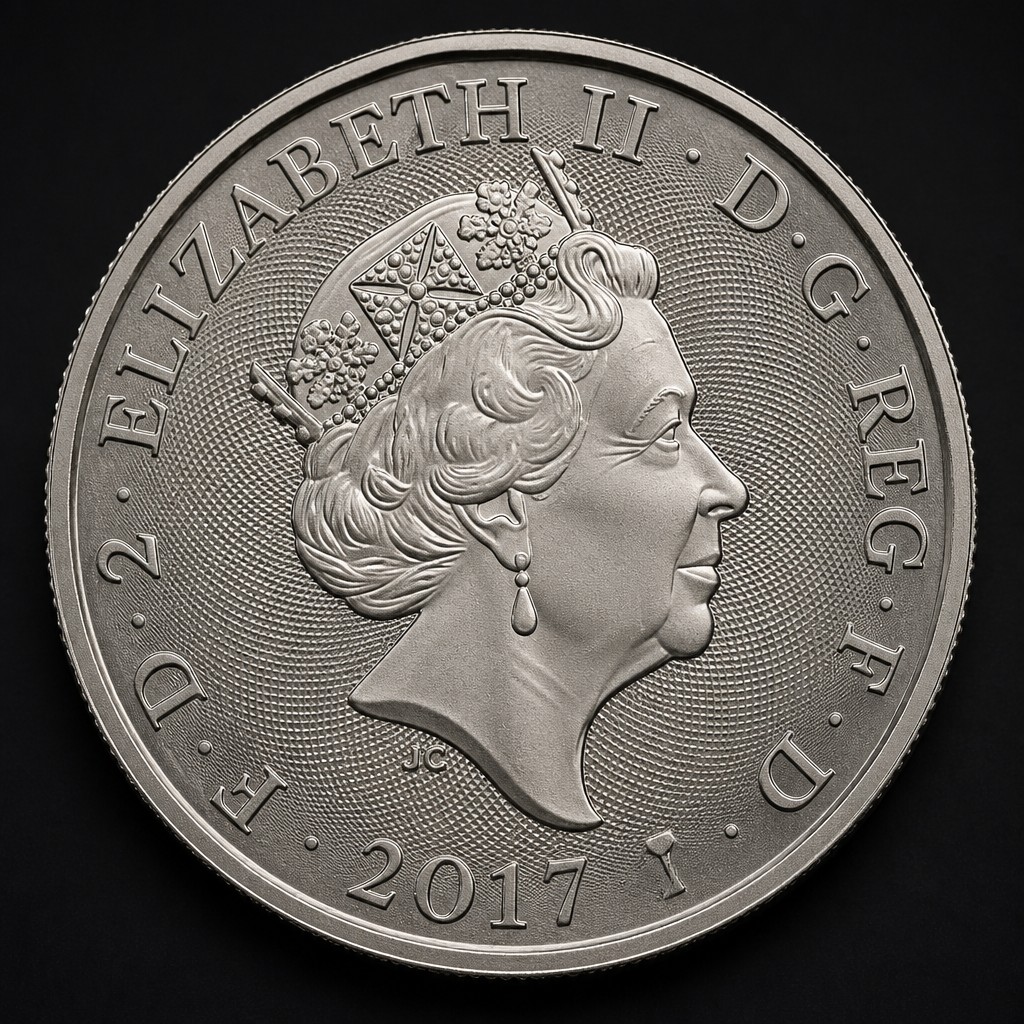
British Queen's Beasts Silver Series
A ten-coin Royal Mint bullion series honoring the heraldic Queen's Beasts statues from Queen Elizabeth II's 1953 coronation, issued 2016-2021.
British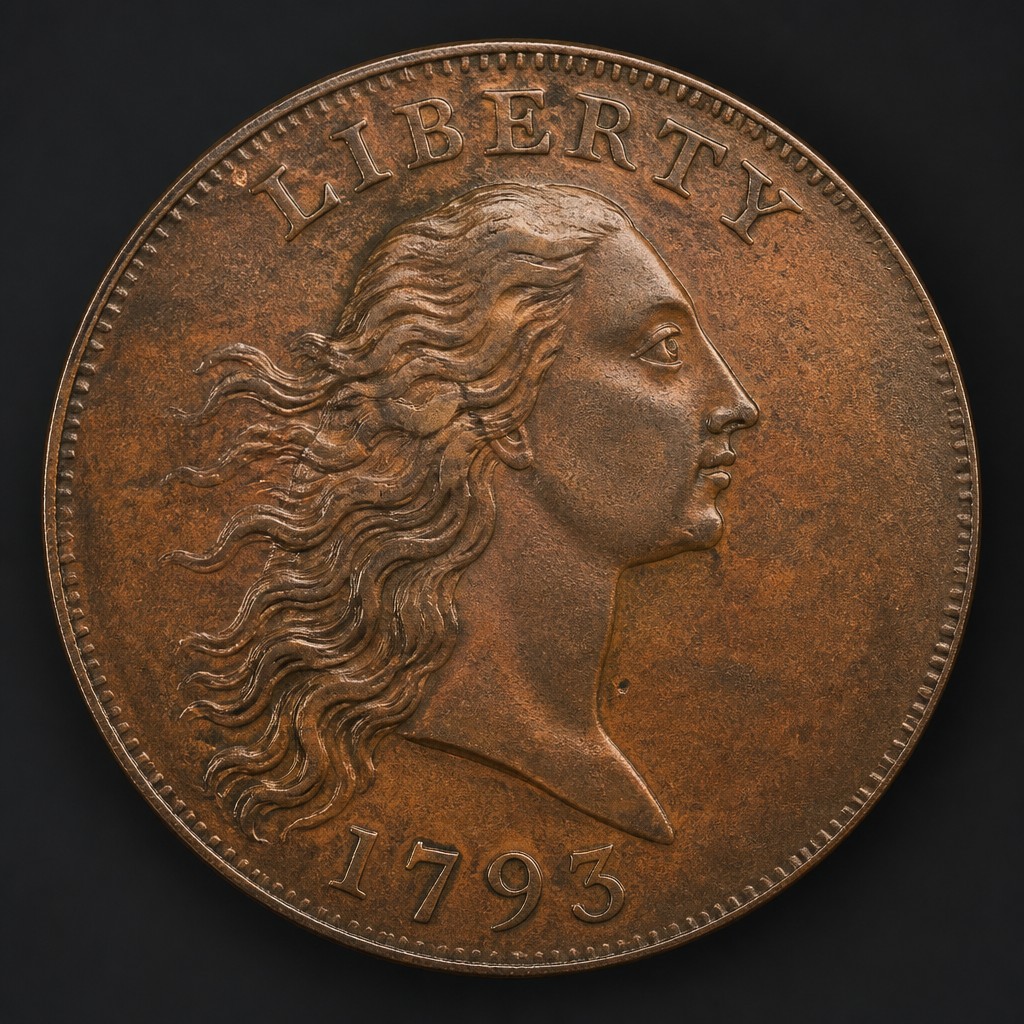
1793 Wreath Cent
The second cent design of 1793, replacing the controversial Chain cent with a wreath reverse, and one of three distinct cent types struck that founding year.
United States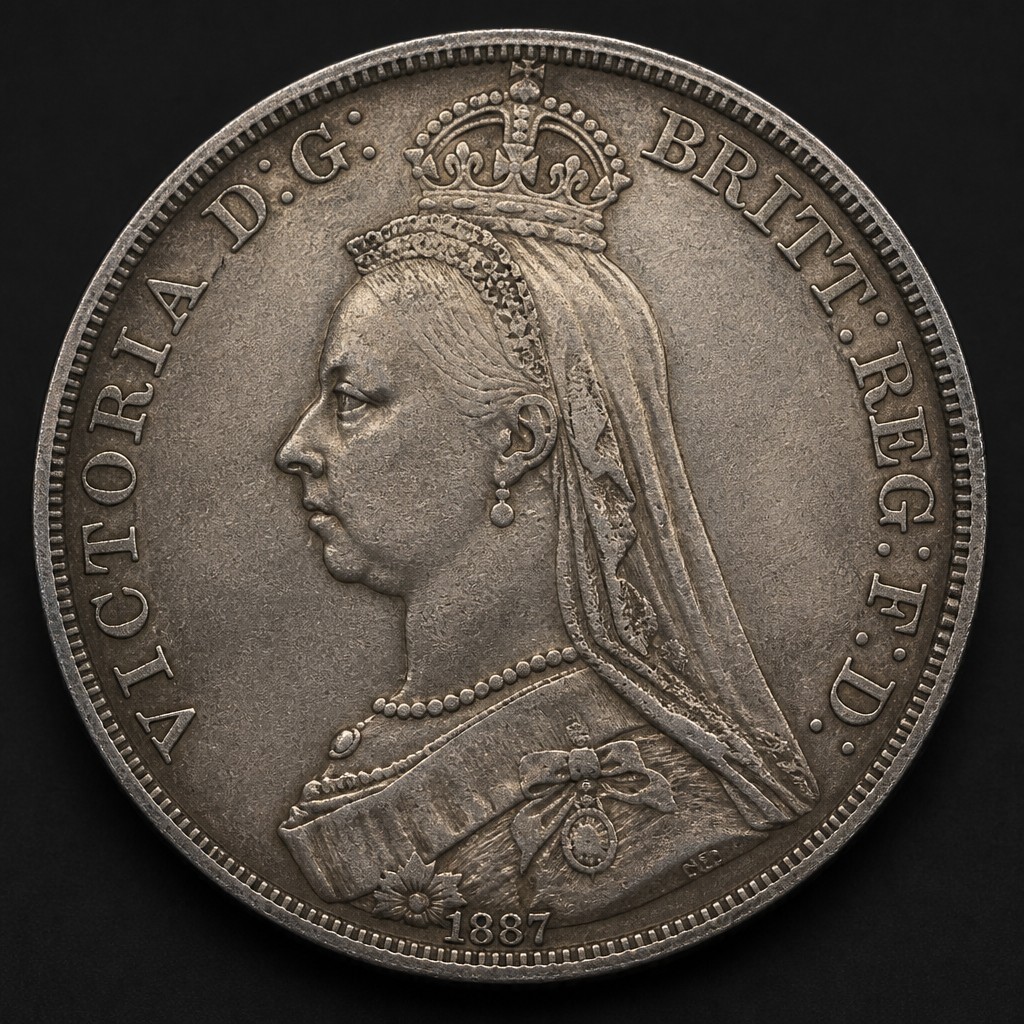
Double Florin
A large Victorian silver coin worth four shillings, struck for only four years; its close resemblance in size to the crown and half-crown caused everyday confusion and gave it a lasting nickname.
British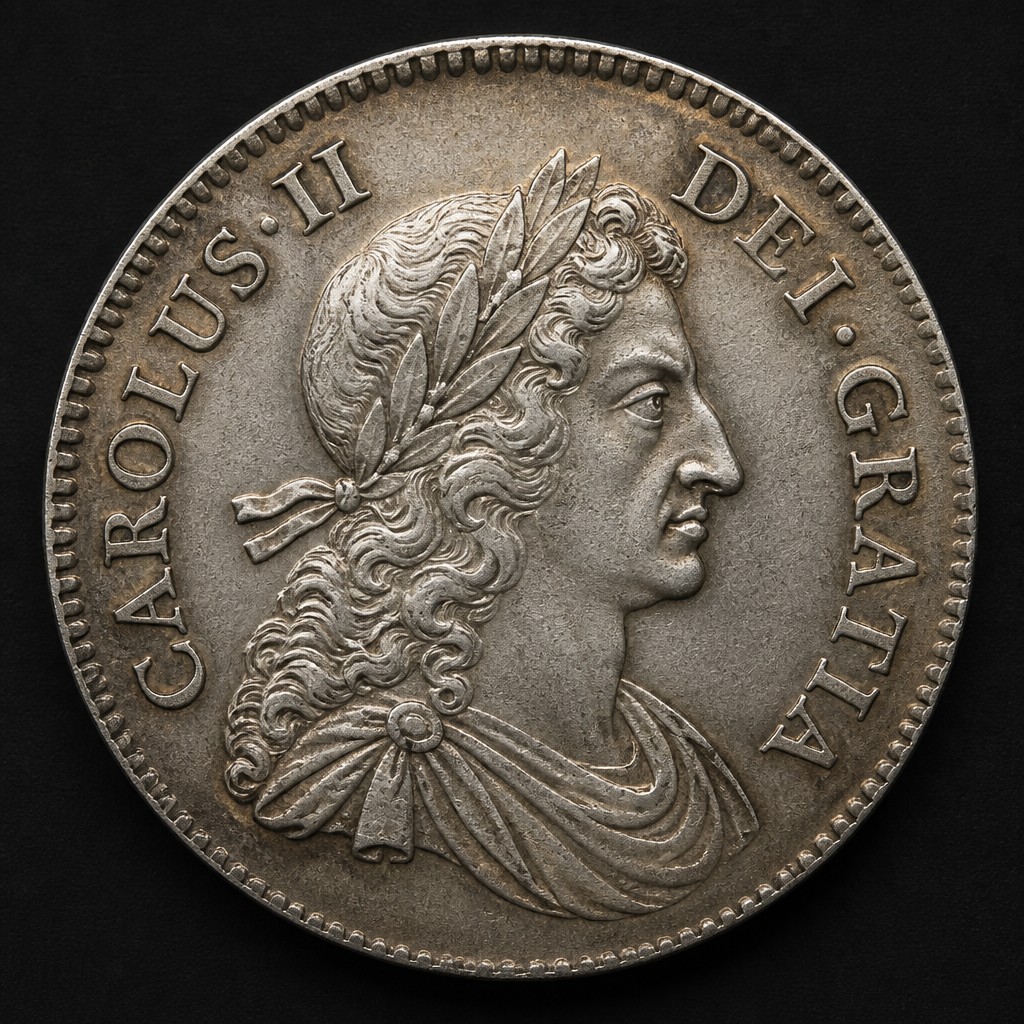
Maundy Penny
The smallest coin of the four-piece Royal Maundy set, a tiny silver penny given by the British monarch in an ancient Holy Thursday alms ceremony, minted every year in very limited numbers.
British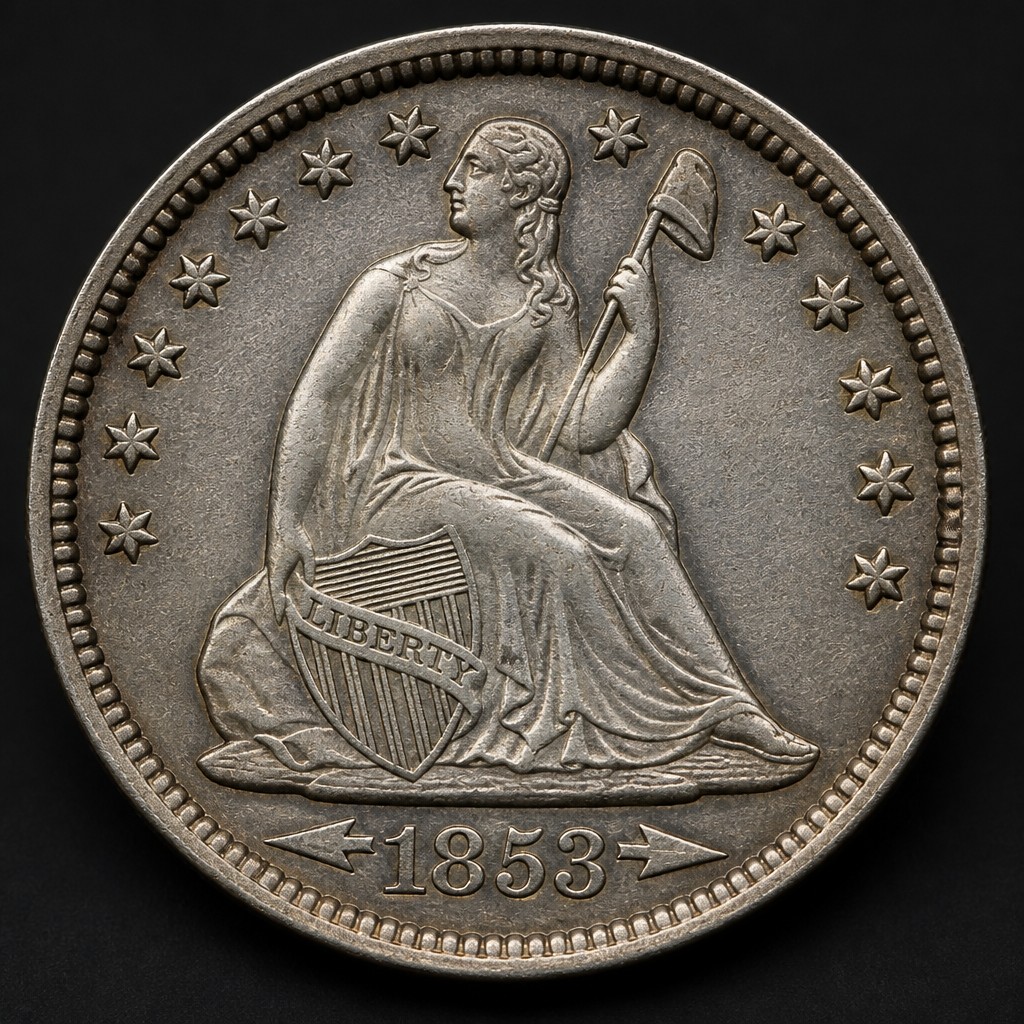
1853 Seated Liberty Quarter (Arrows and Rays)
A popular one-year Seated Liberty type marked by arrows at the date and rays around the eagle, signaling a reduction in the coin's silver weight mandated by the Coinage Act of 1853.
United States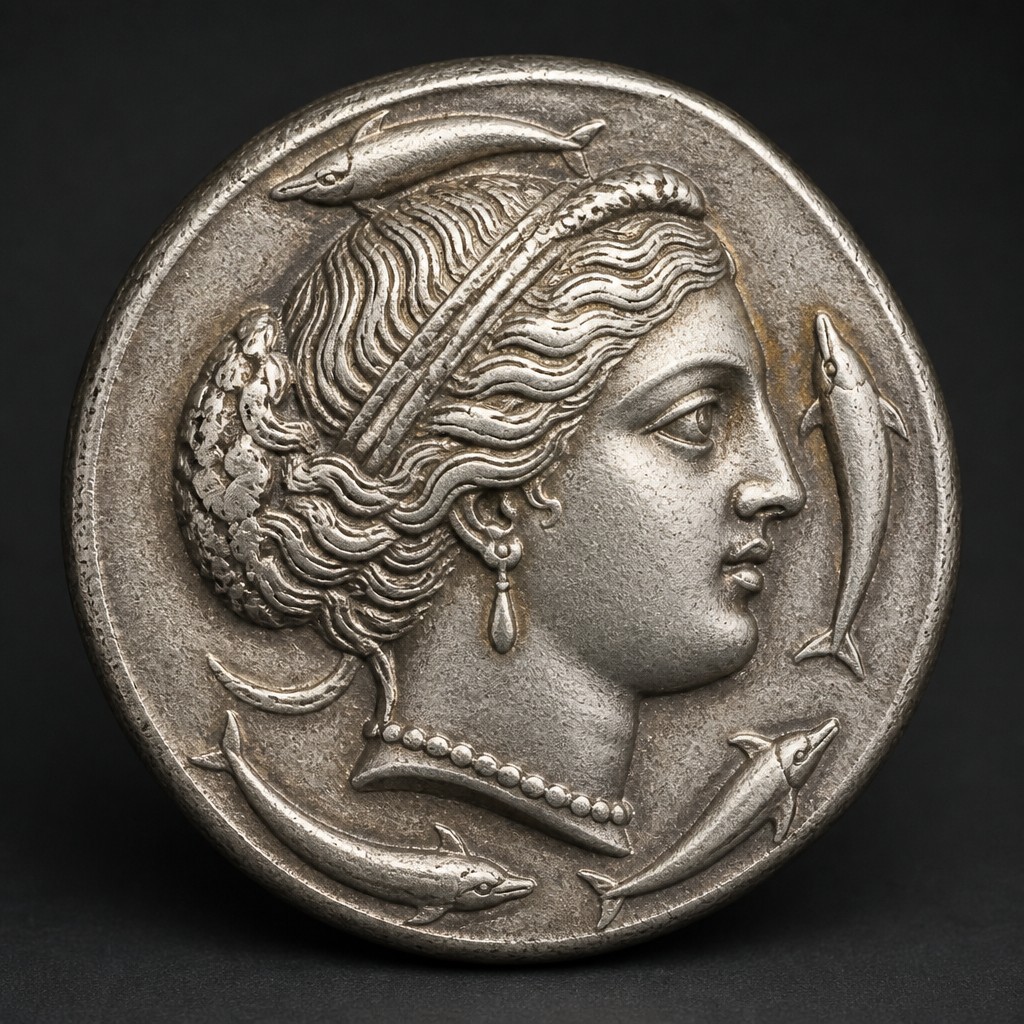
Syracuse Arethusa Tetradrachm
A classic silver tetradrachm from ancient Syracuse depicting the nymph Arethusa surrounded by dolphins, one of the most admired coin types of the Greek world.
Ancient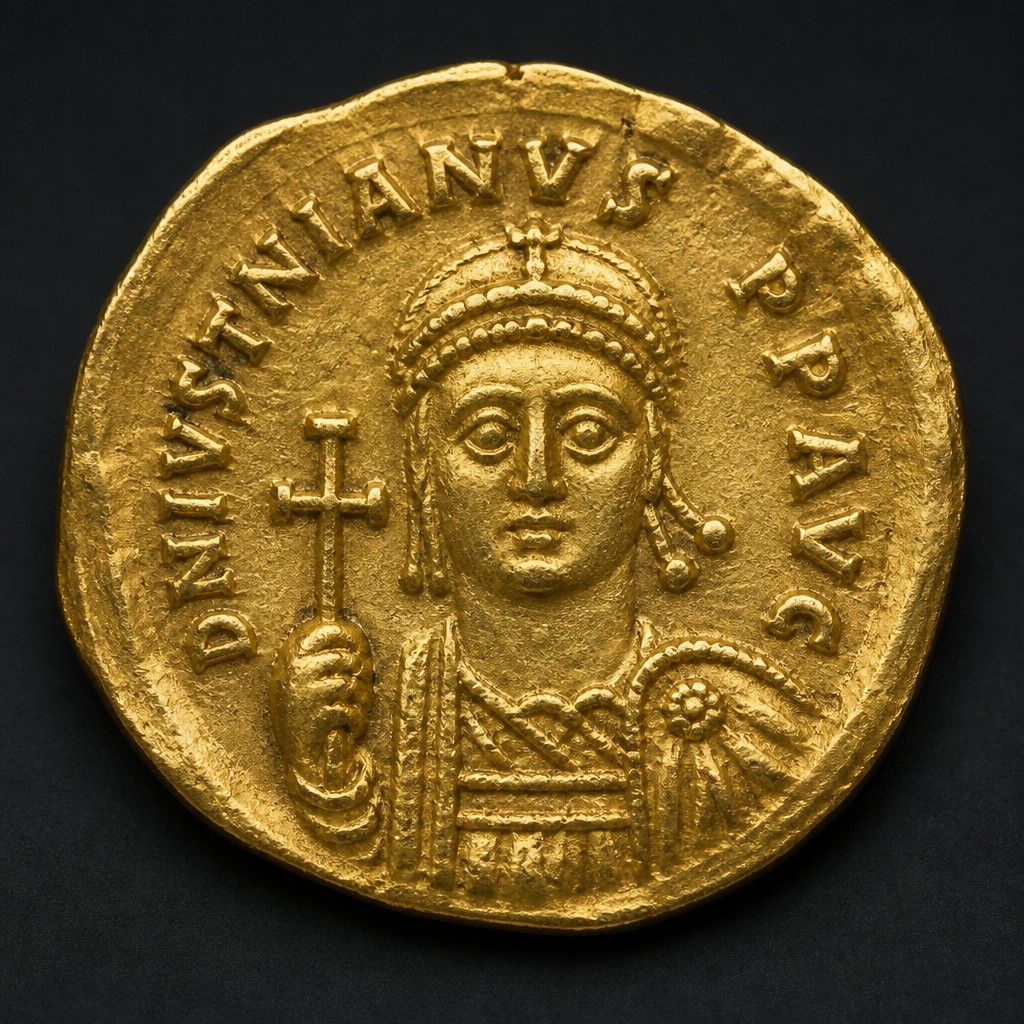
Byzantine Gold Tremissis
A small gold fractional coin worth one-third of a solidus, widely struck across the early Byzantine world and imitated by Germanic successor kingdoms in the former Western Roman Empire.
Ancient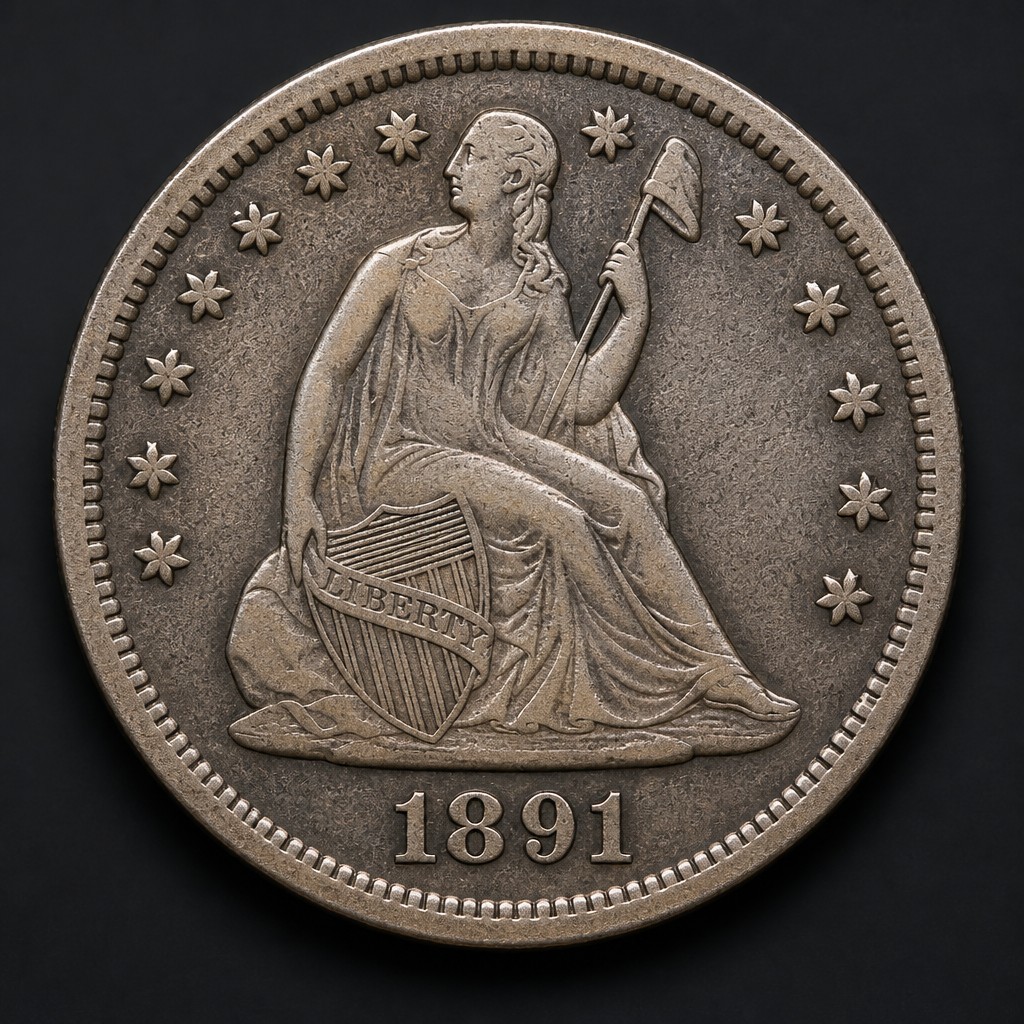
1891 Seated Liberty Quarter
The final year of the long-running Seated Liberty quarter design before it was replaced by the Barber quarter in 1892, popular as an affordable closing-date type coin.
United States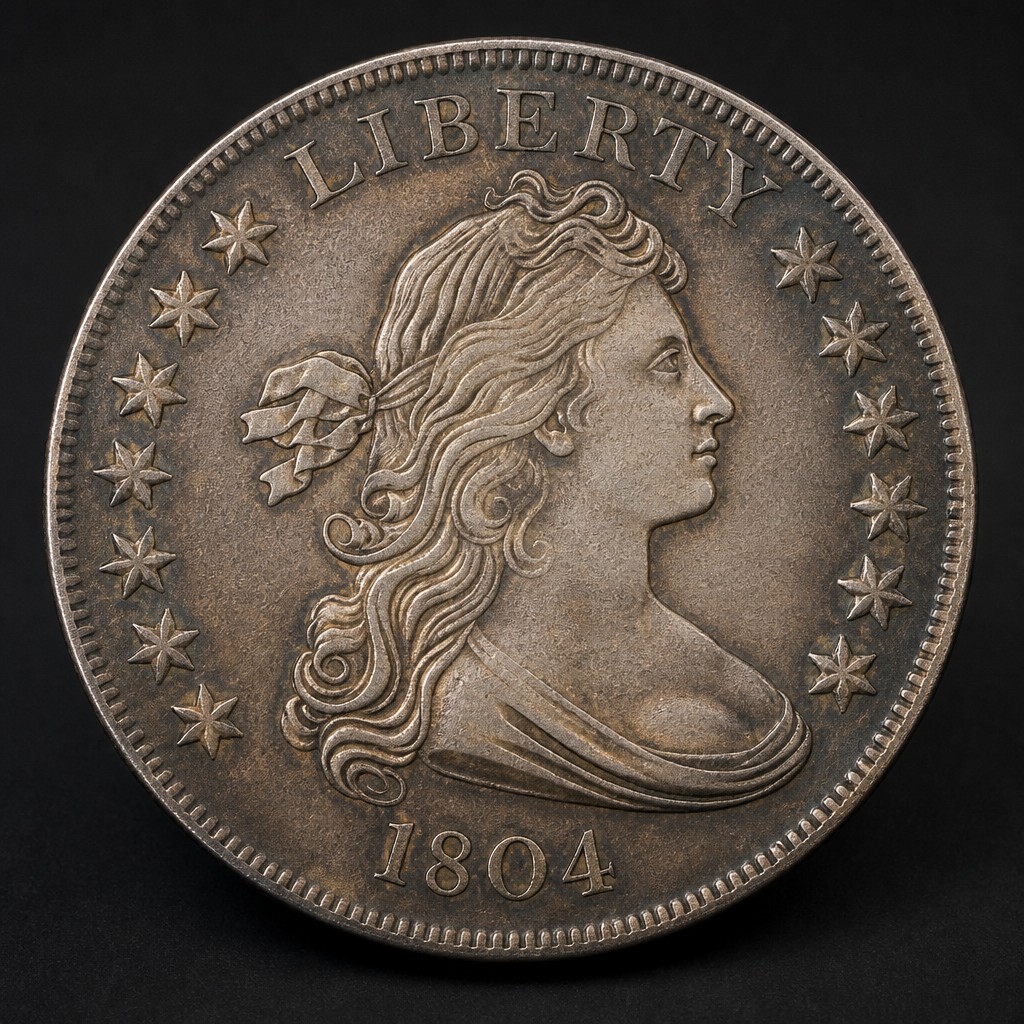
1804 Draped Bust Dollar
One of the most famous rarities in American numismatics, a silver dollar dated 1804 but actually struck decades later, with only 15 known examples.
United States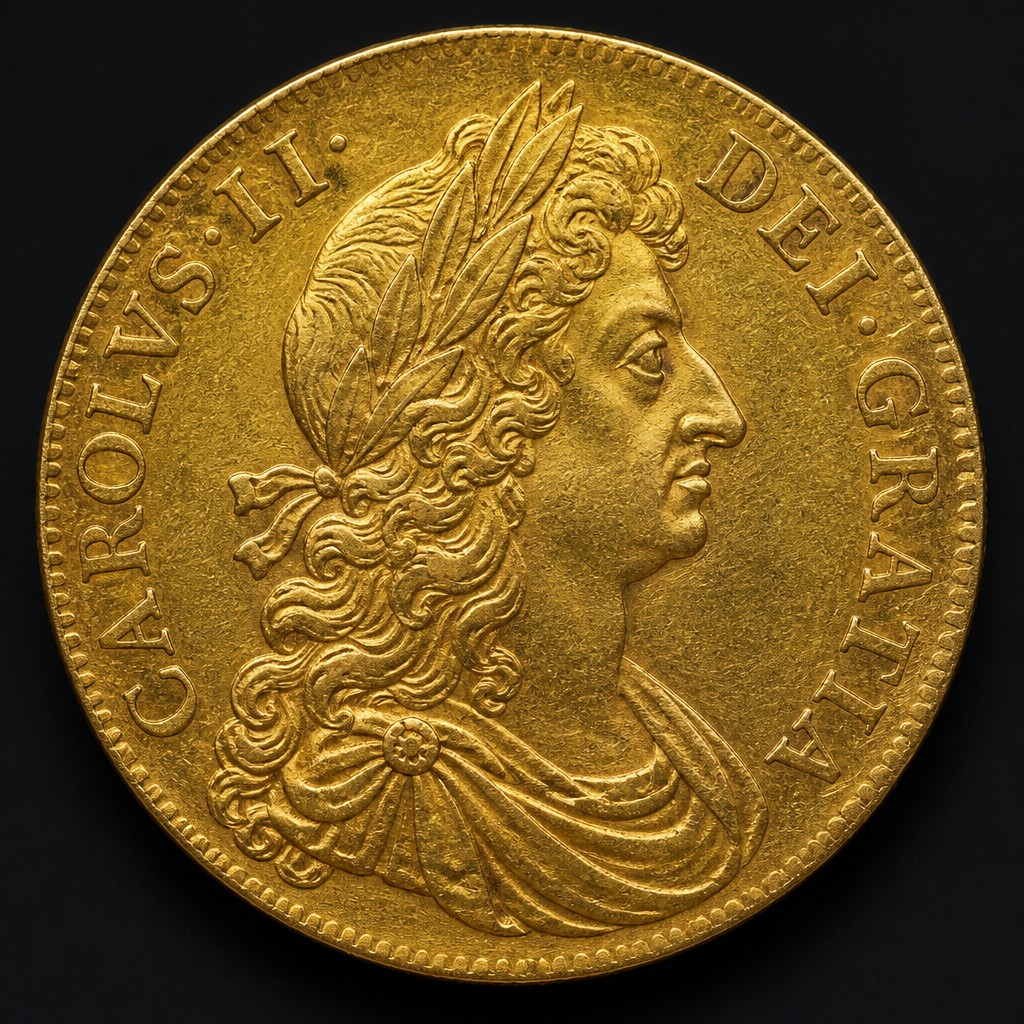
British Gold Guinea
Struck from 1663 to 1814 and named for the West African gold used in its earliest issues, the guinea was Britain's leading gold coin and gave its name to a unit of value still referenced today.
British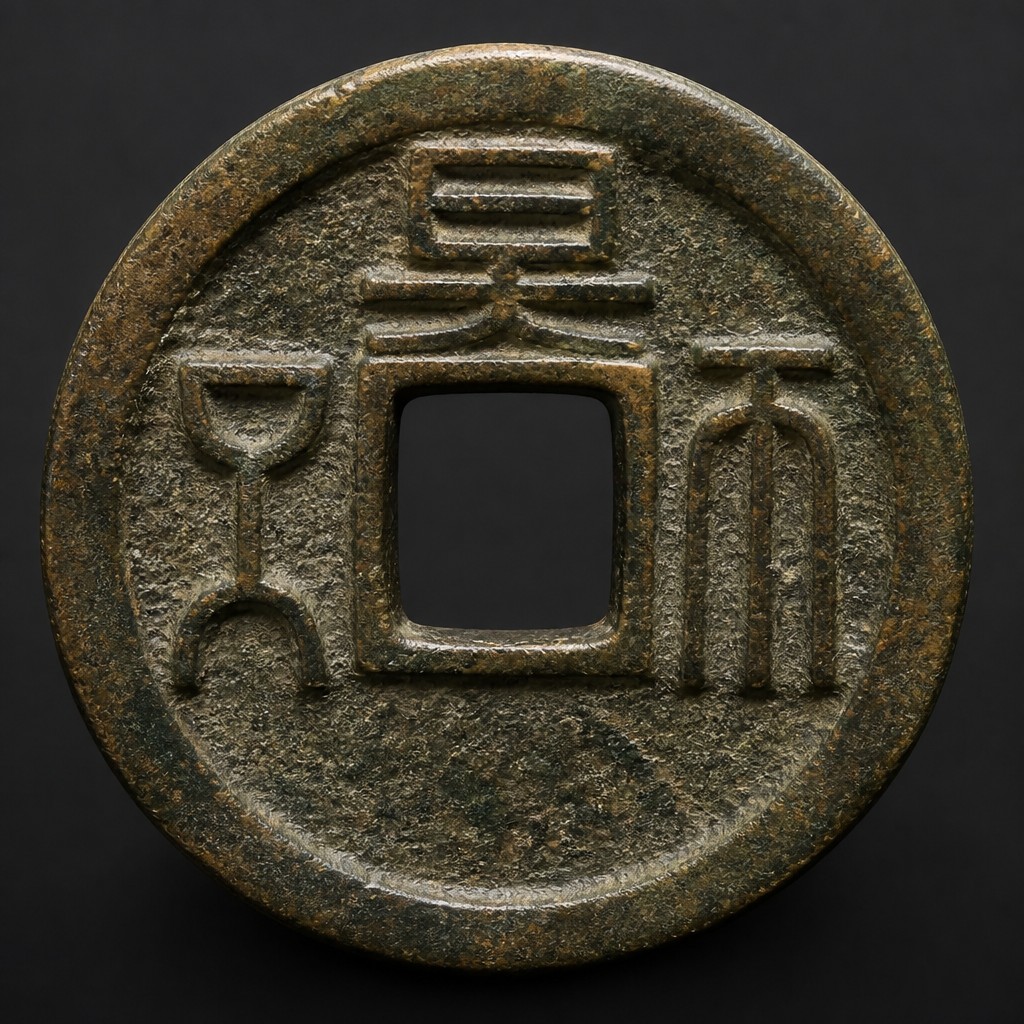
Chinese Wu Zhu Cash
One of history's longest-running coin types, cast continuously for over seven centuries across multiple Chinese dynasties after its introduction under Emperor Wu of Han.
Ancient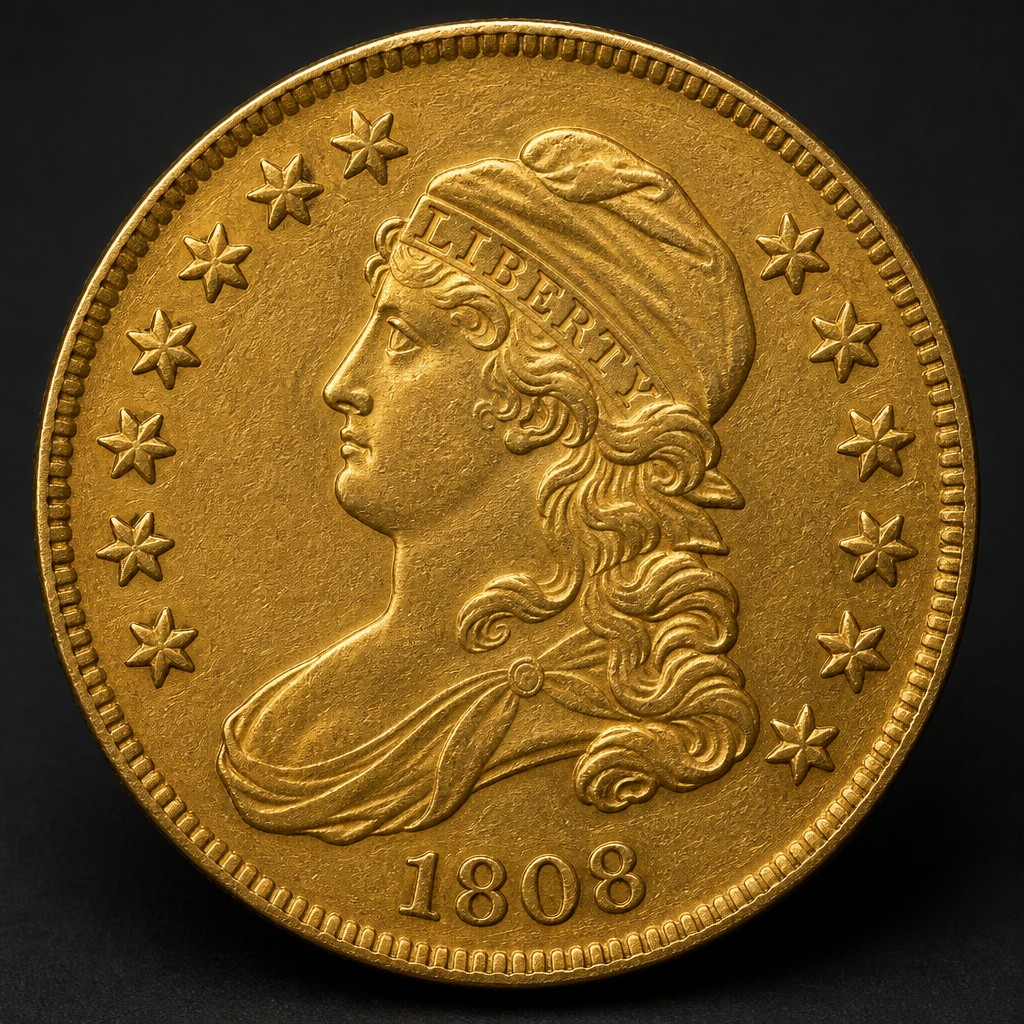
Capped Bust Quarter Eagle
An umbrella term for the earliest U.S. $2.50 gold coins (1796-1834), whose Liberty-in-a-cap portrait evolved through several sub-types, including the famous single-year 1808 issue.
United States
Merovingian Gold Tremissis
A small gold coin of the Merovingian Frankish kingdom, worth one-third of a solidus, often naming the local moneyer who struck it rather than the reigning king.
European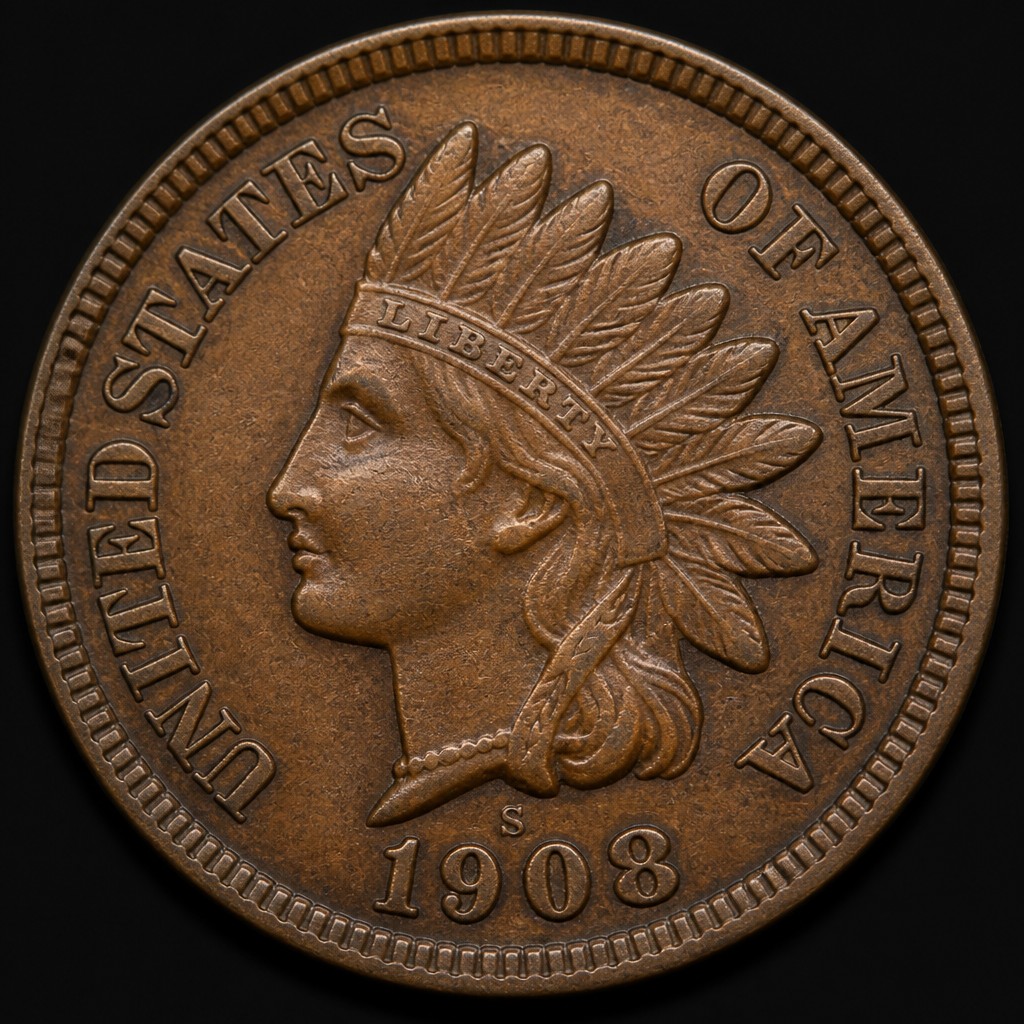
1908-S Indian Head Cent
The first Indian Head cent struck at the San Francisco Mint, marking the first time a branch mint produced a one-cent coin for the United States.
United States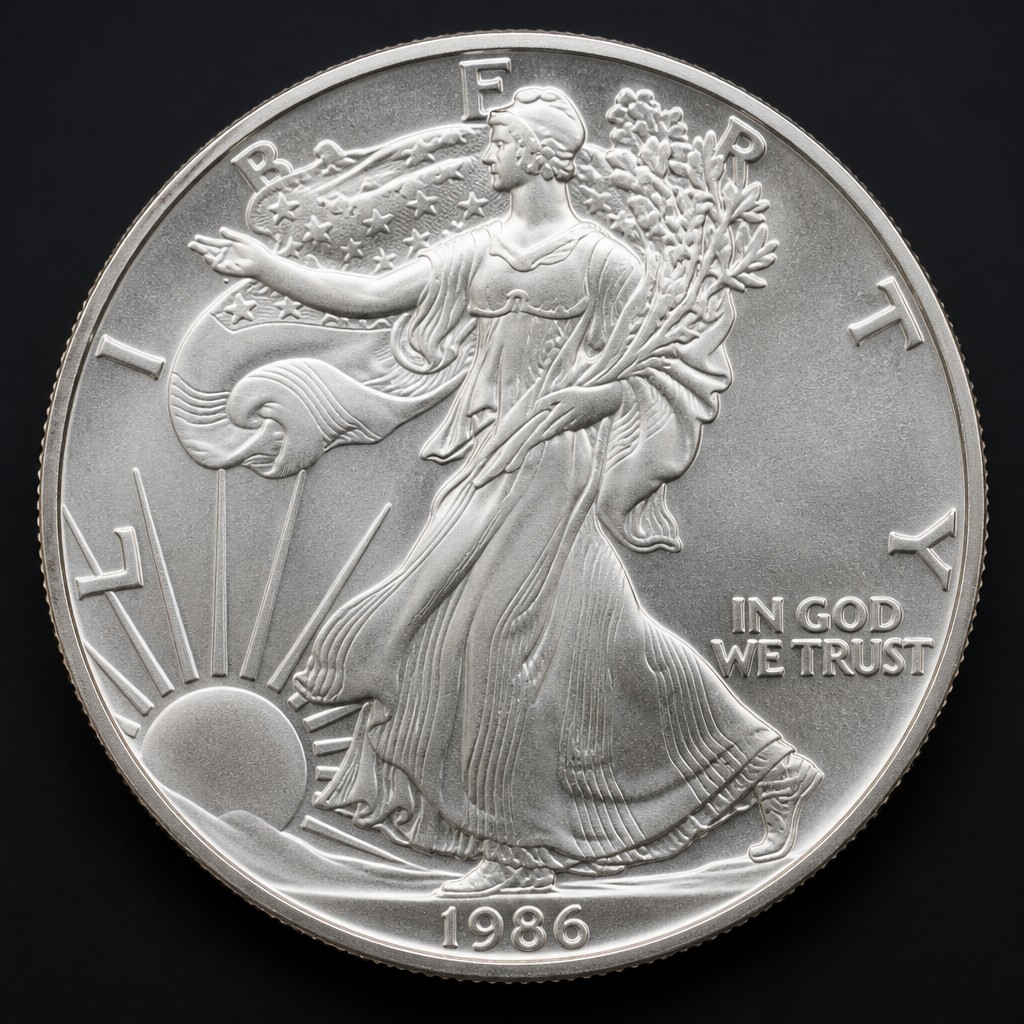
American Silver Eagle
The official one-ounce silver bullion coin of the United States, first struck in 1986, pairing Adolph Weinman's Walking Liberty design with a modern heraldic eagle.
Bullion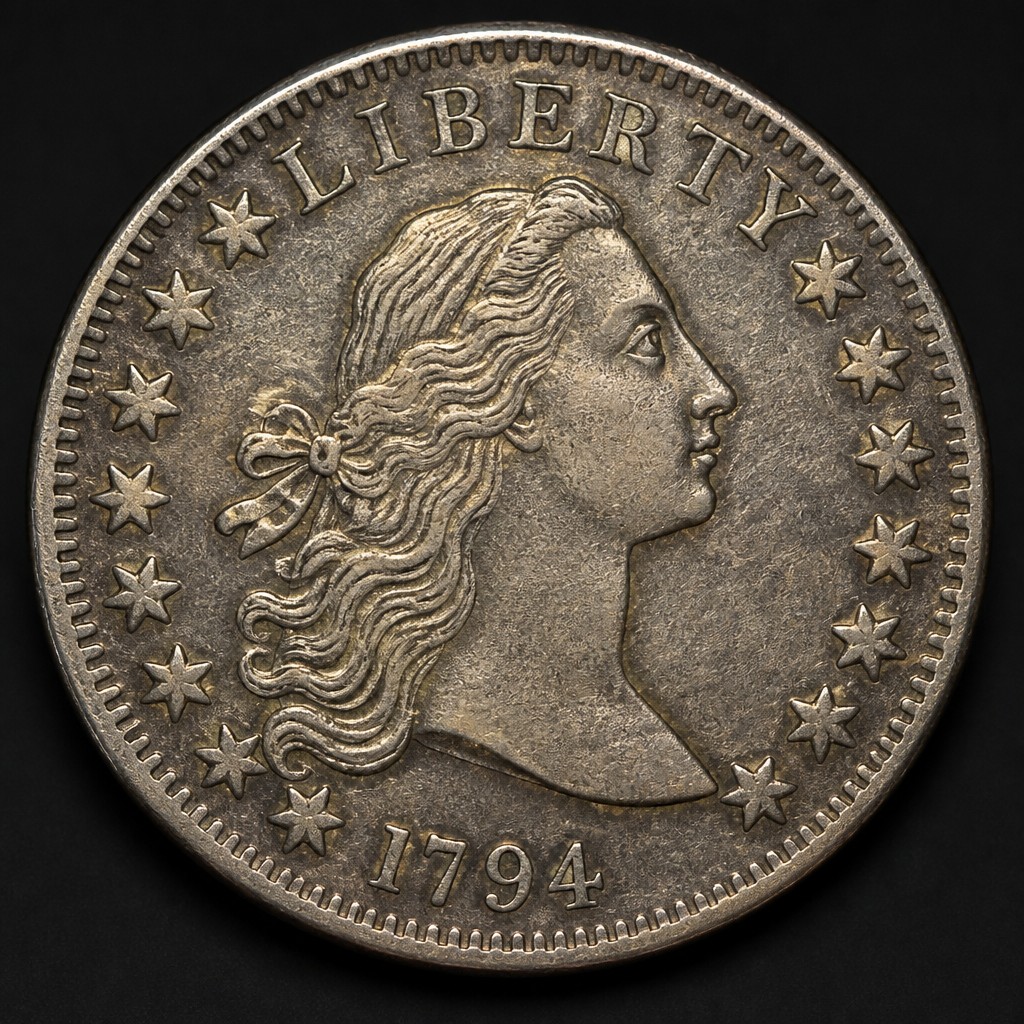
1794 Flowing Hair Half Dime
One of the very first silver coins struck for circulation by the United States Mint, bearing the Flowing Hair Liberty design and a small eagle reverse.
United States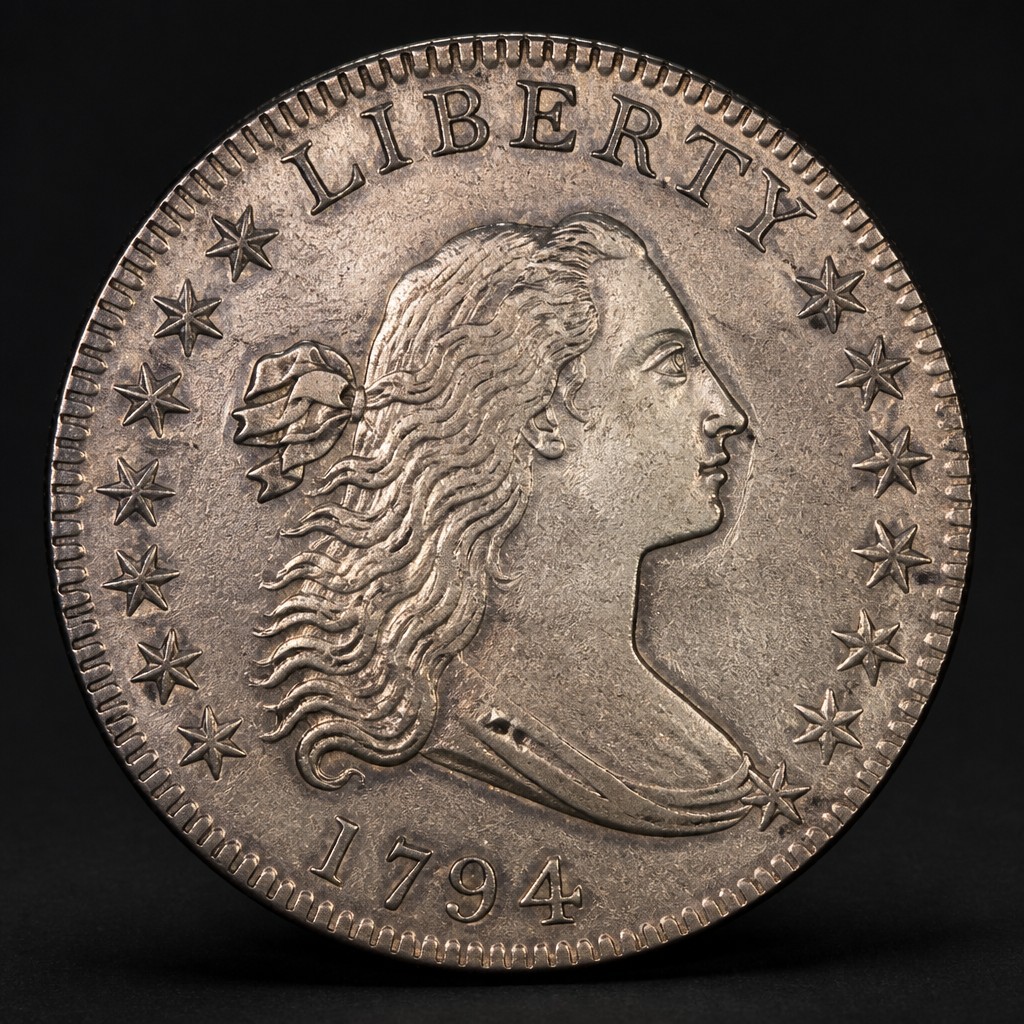
Flowing Hair Half Dime
One of the earliest United States silver coins, the Flowing Hair Half Dime was struck only in 1794 and 1795 and is a landmark rarity for early American coinage collectors.
United States