
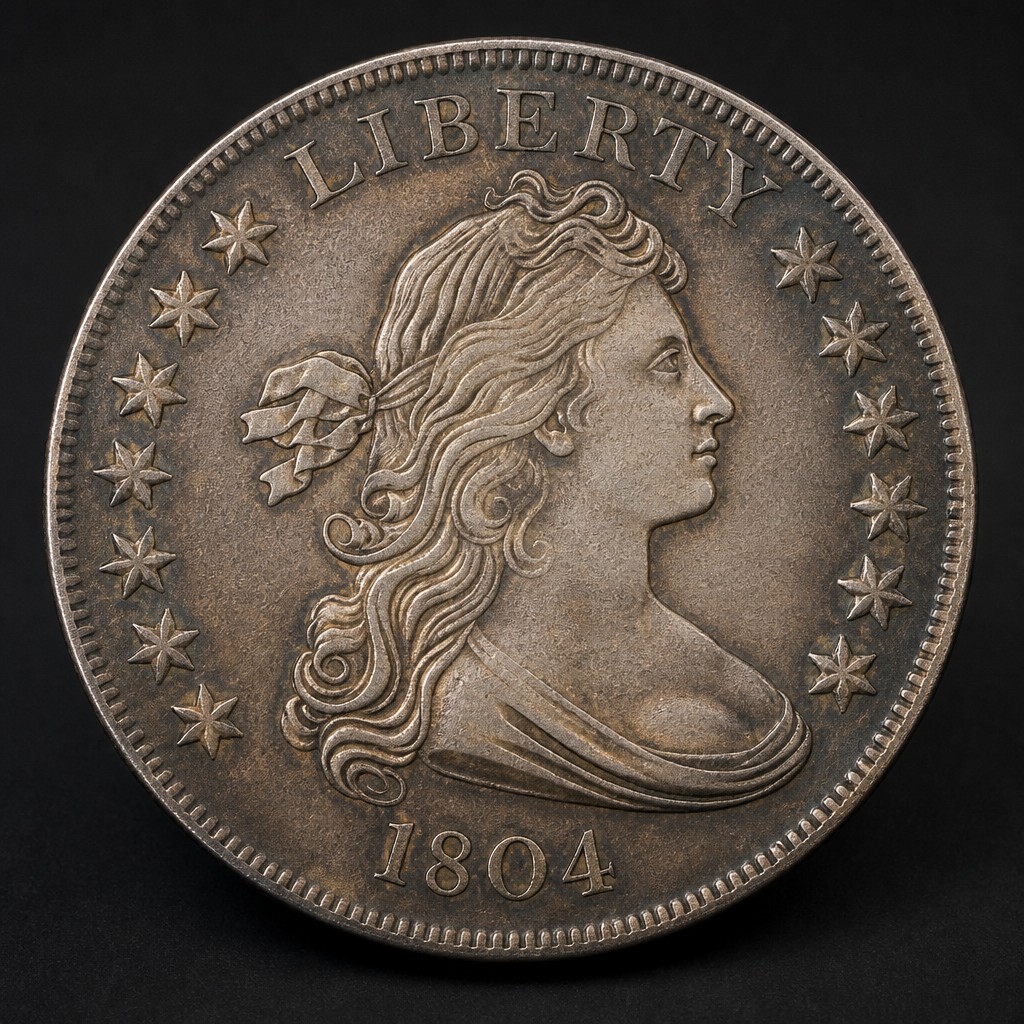
1804 Draped Bust Dollar
One of the most famous rarities in American numismatics, a silver dollar dated 1804 but actually struck decades later, with only 15 known examples.
- Country
- United States
- Denomination
- One Dollar
- Metal
- Silver (.8924 fine)
Got a coin like this?
Identify any coin from a photo, free.
Overview
The 1804 Draped Bust dollar, often called the "King of American Coins," is among the most celebrated rarities in U.S. numismatics. Despite bearing the date 1804, none were struck in that year; they were produced later, primarily in the 1830s as diplomatic presentation pieces and in subsequent decades as restrikes, with only 15 examples known to exist across three recognized classes.
Its combination of extreme rarity, storied history, and status as a "silver dollar that was never actually minted in its stated year" has made it one of the most valuable and sought-after coins in the world whenever an example reaches public auction.
History & Background
No dollars dated 1804 were struck during that year; Mint records show dollar coinage in 1804 actually used leftover dies dated 1803. The coins now known as 1804 dollars were struck around 1834-1835 to be included in presentation proof sets given as diplomatic gifts to foreign rulers, using the 1804 date to match Mint records that mistakenly suggested dollars were last struck that year.
Additional examples, known as Class II and Class III restrikes, were produced later, some clandestinely, using different dies and edge treatments, leading numismatists to catalog the known specimens into three classes based on their striking characteristics and provenance.
How to Identify
The obverse follows the standard Draped Bust dollar design: Liberty's bust facing right, draped, surrounded by stars, with the date 1804 below. The reverse shows a heraldic eagle with shield, arrows, and olive branch, encircled by "UNITED STATES OF AMERICA."
Because only 15 authenticated examples exist, each specific coin is individually documented, tracked, and known by name or provenance among specialists; there is no meaningful way to "identify" one outside of a known census, and any coin claimed to be an 1804 dollar found outside institutional or well-documented collections should be treated with extreme skepticism and referred to expert numismatists and grading services.
Given its fame, the 1804 dollar has been extensively counterfeited and copied for souvenir and novelty purposes; genuine specimens are exceedingly unlikely to surface outside of major auctions or well-known collections.
Value & Collectibility
The 1804 dollar is among the most valuable coins in the world, with confirmed examples having sold at auction for multi-million-dollar sums, reflecting its extreme rarity (only 15 known) and legendary status. Because so few exist and each is individually tracked, there is essentially no "typical" market price; each sale is a unique auction event.
Given the coin's fame and value, any purported 1804 dollar should be assumed to be a reproduction, replica, or counterfeit unless verified through documented provenance and expert authentication, since genuine examples are essentially never found outside institutional or long-known private collections.
Frequently asked questions
Were any silver dollars actually struck in 1804?
No; the dollars dated 1804 were struck later, primarily around 1834-1835, using that date to match mistaken Mint records.
How many 1804 dollars exist?
Only 15 authenticated examples are known, divided into three classes based on striking history.
Why is the 1804 dollar called the "King of American Coins"?
Because of its combination of extreme rarity, fascinating history, and record-setting auction prices.
Could I have found a real 1804 dollar?
It is extremely unlikely; all known genuine examples are documented and accounted for, so any unverified find is almost certainly a replica or counterfeit.
What is the difference between Class I, II, and III 1804 dollars?
They refer to different striking periods and die states, reflecting the original 1834-35 presentation pieces (Class I) versus later restrikes (Class II and III).
Other coins you may enjoy
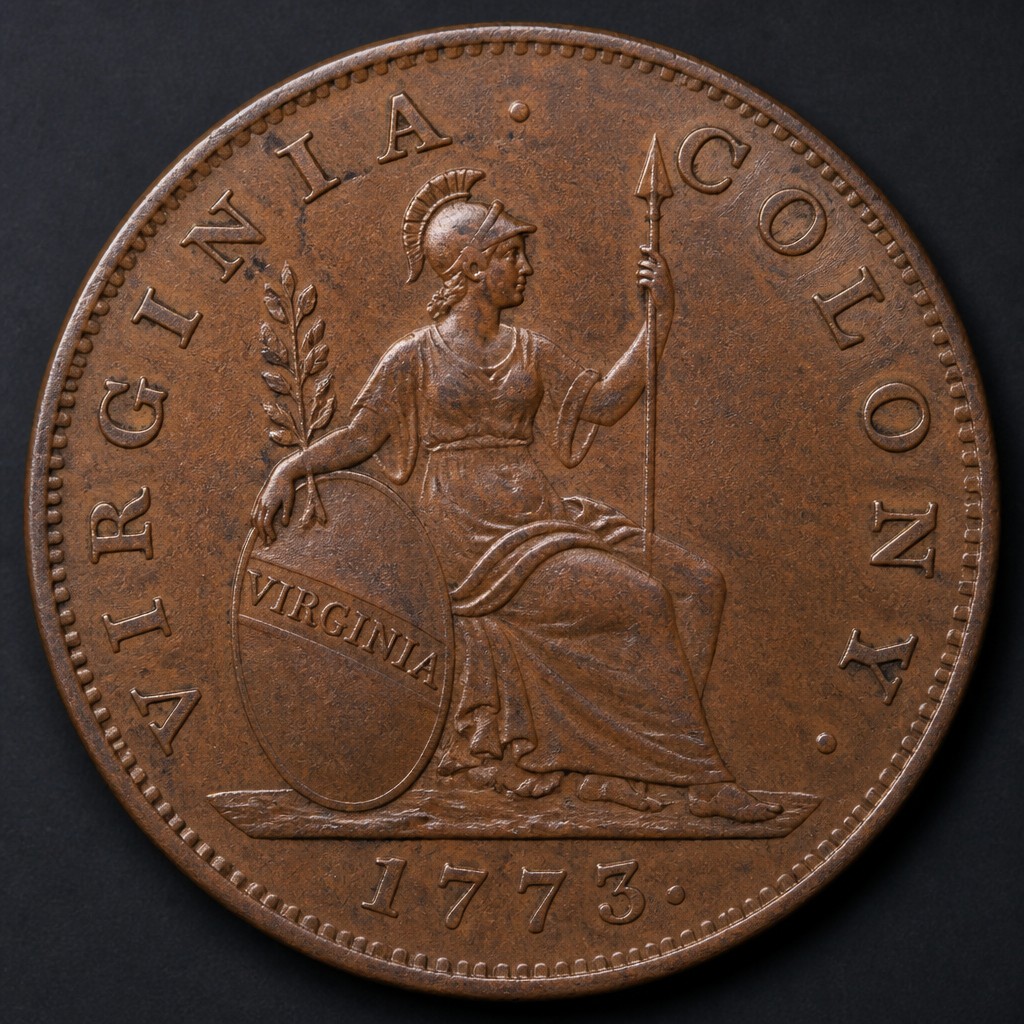
Virginia Halfpenny
1773
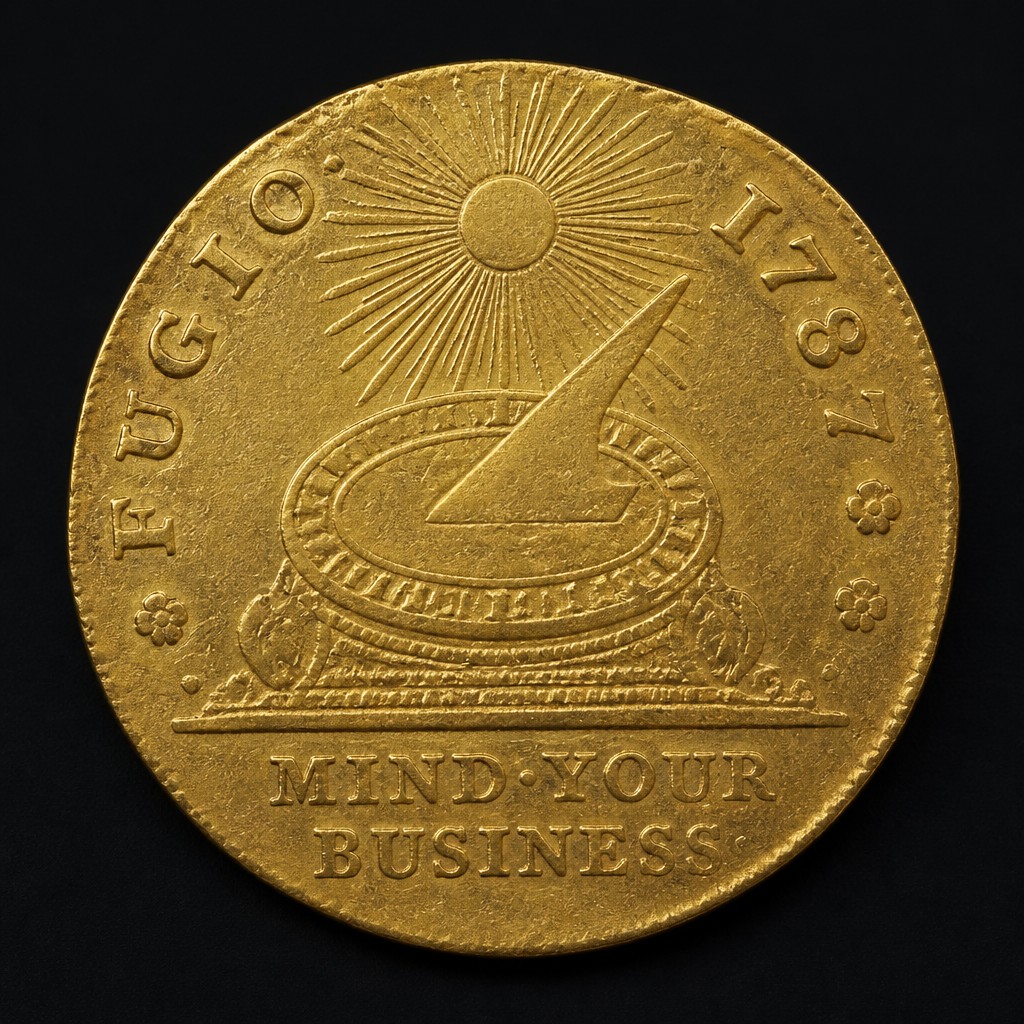
Brasher Doubloon
1787
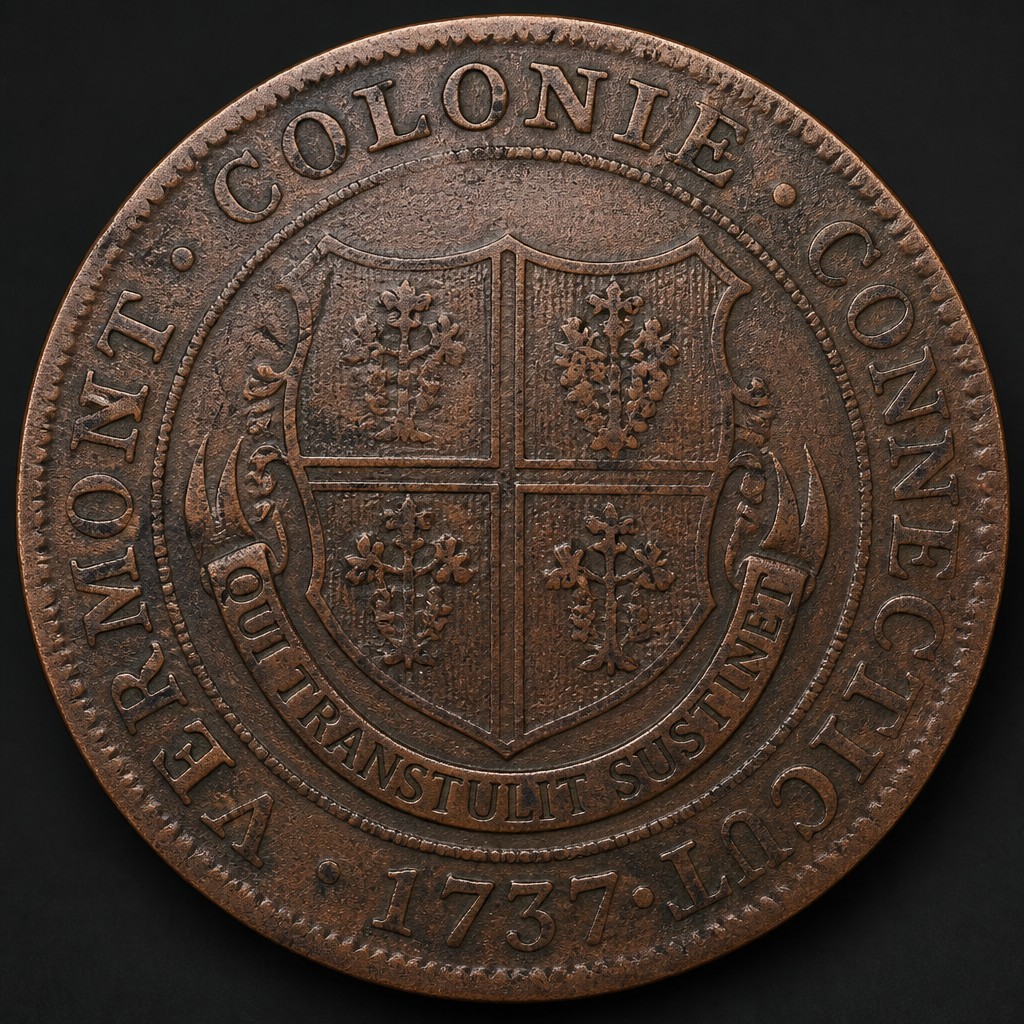
Higley Copper
1737–1739
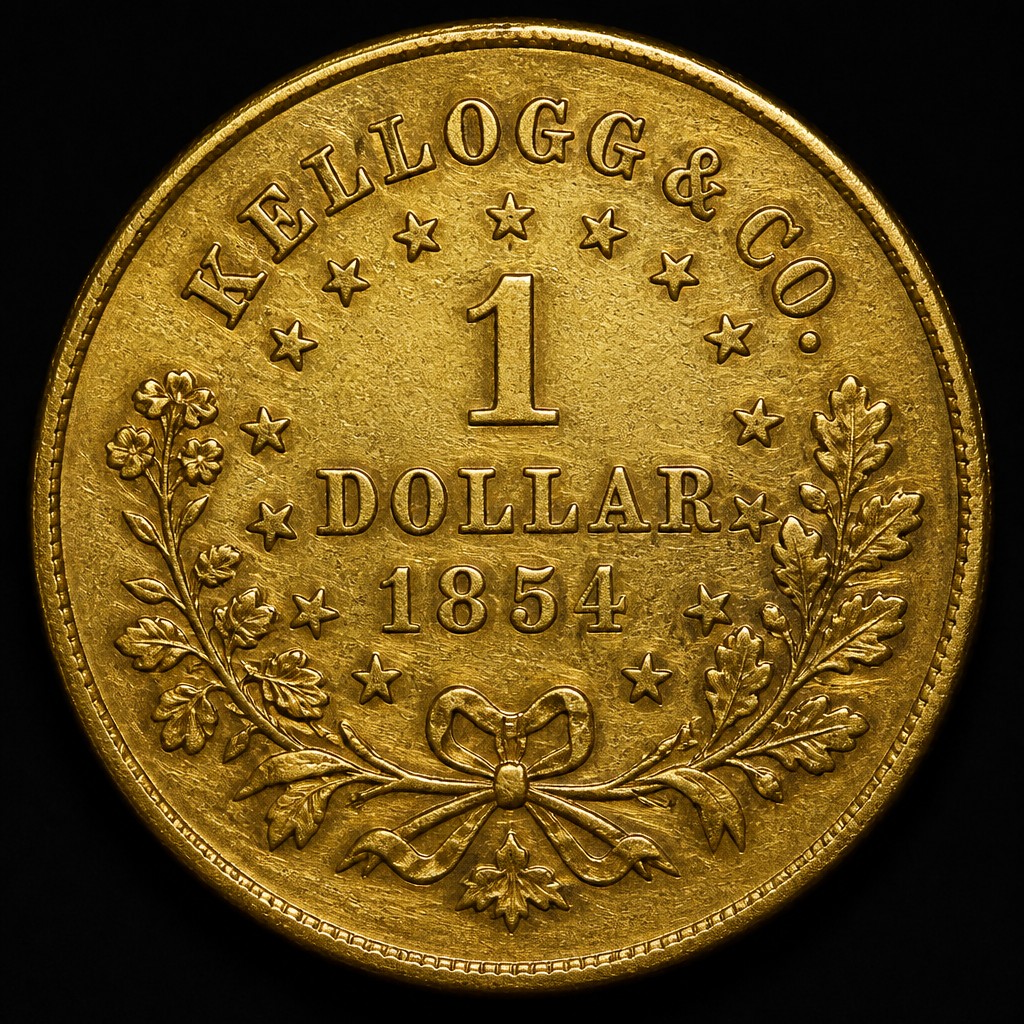
Kellogg & Co. Gold Piece
1854–1855
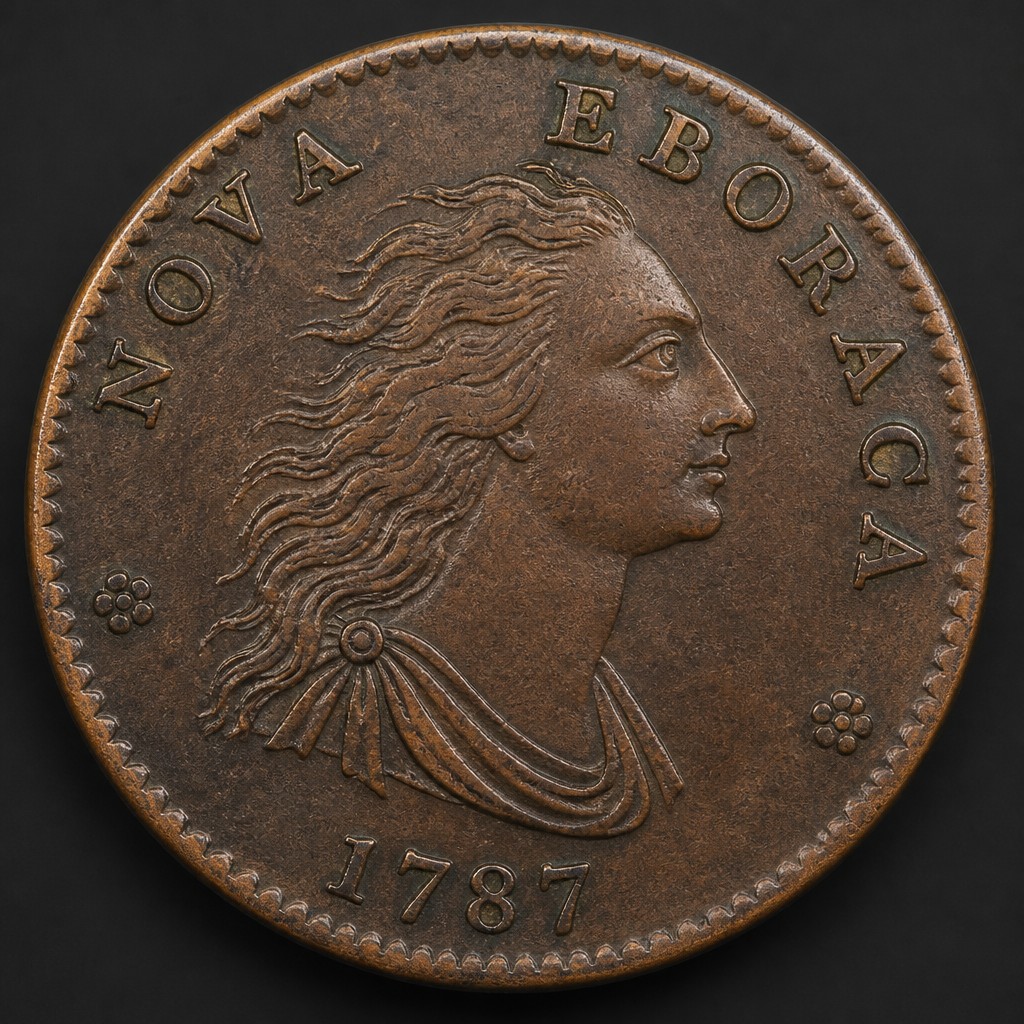
Nova Eborac Copper
1787
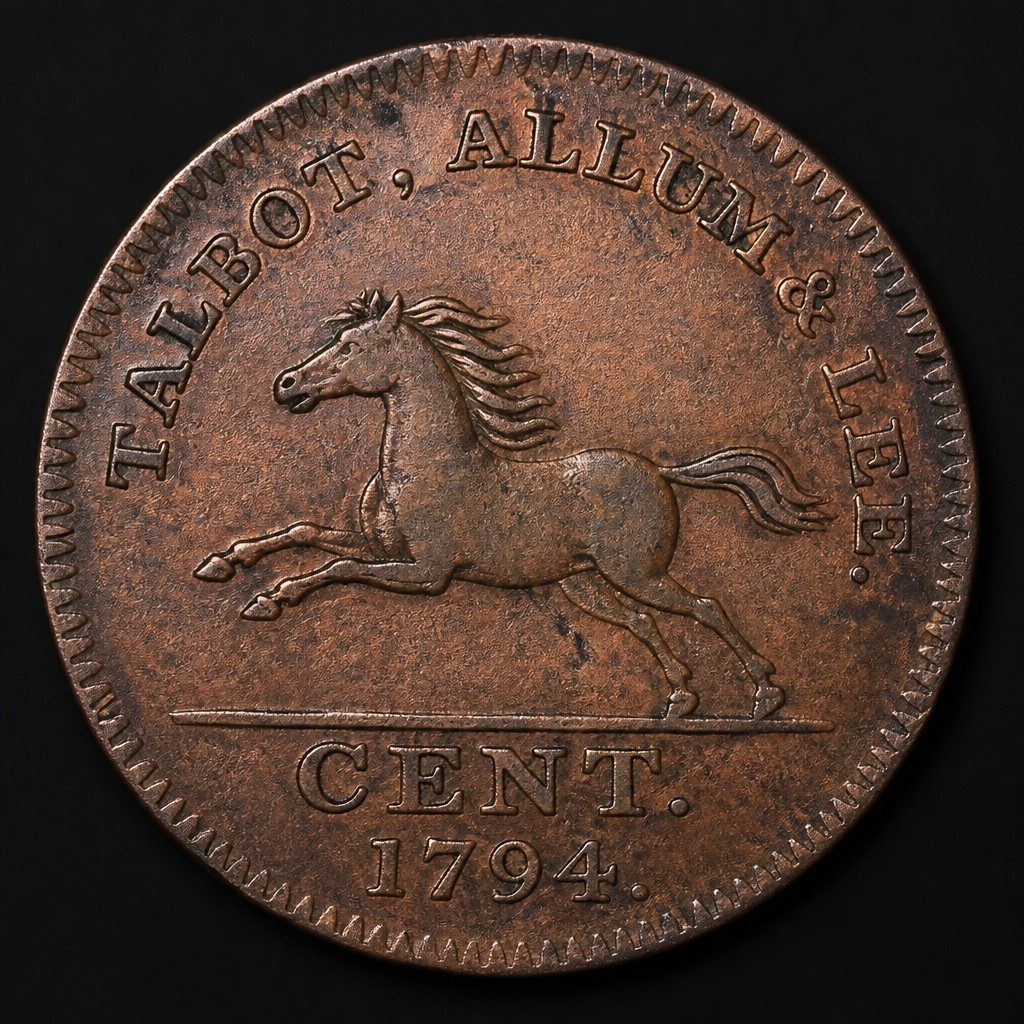
Talbot, Allum & Lee Cent
1794–1795
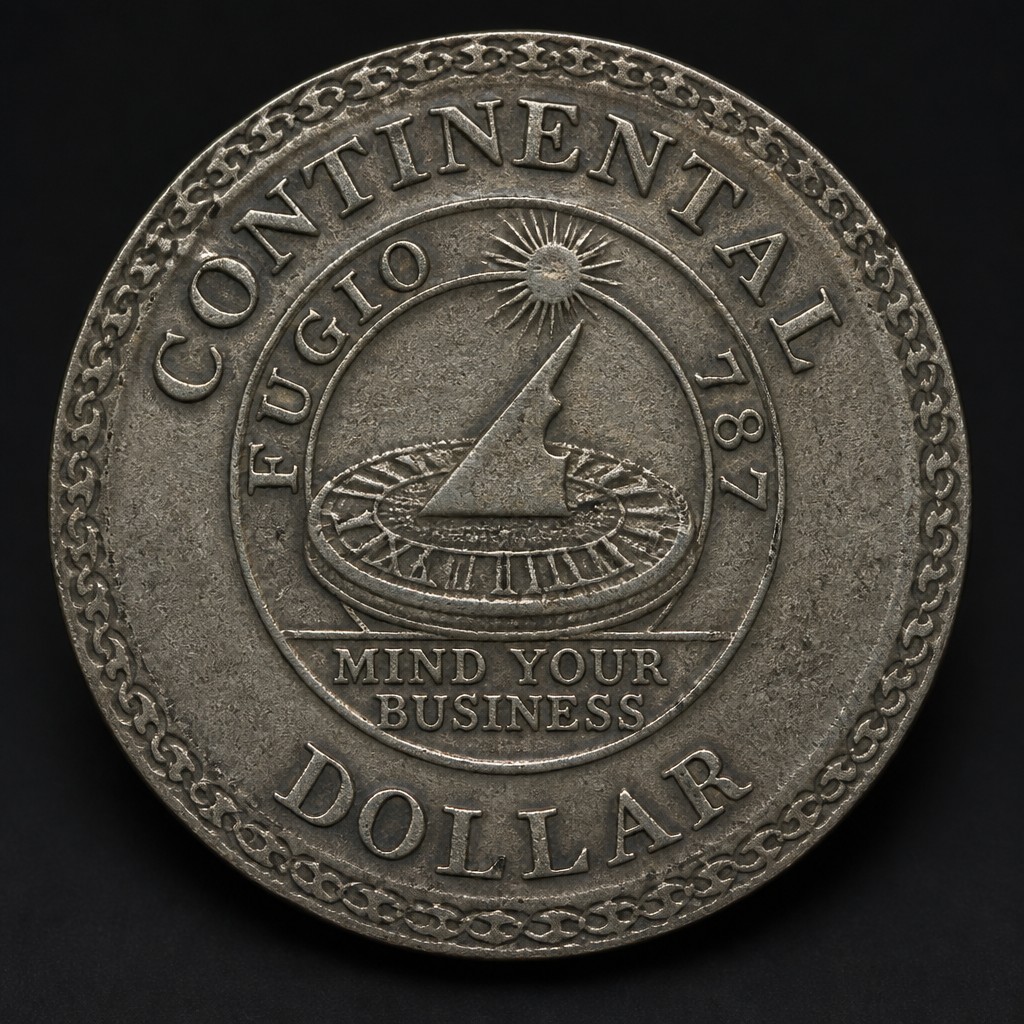
Continental Dollar
1776
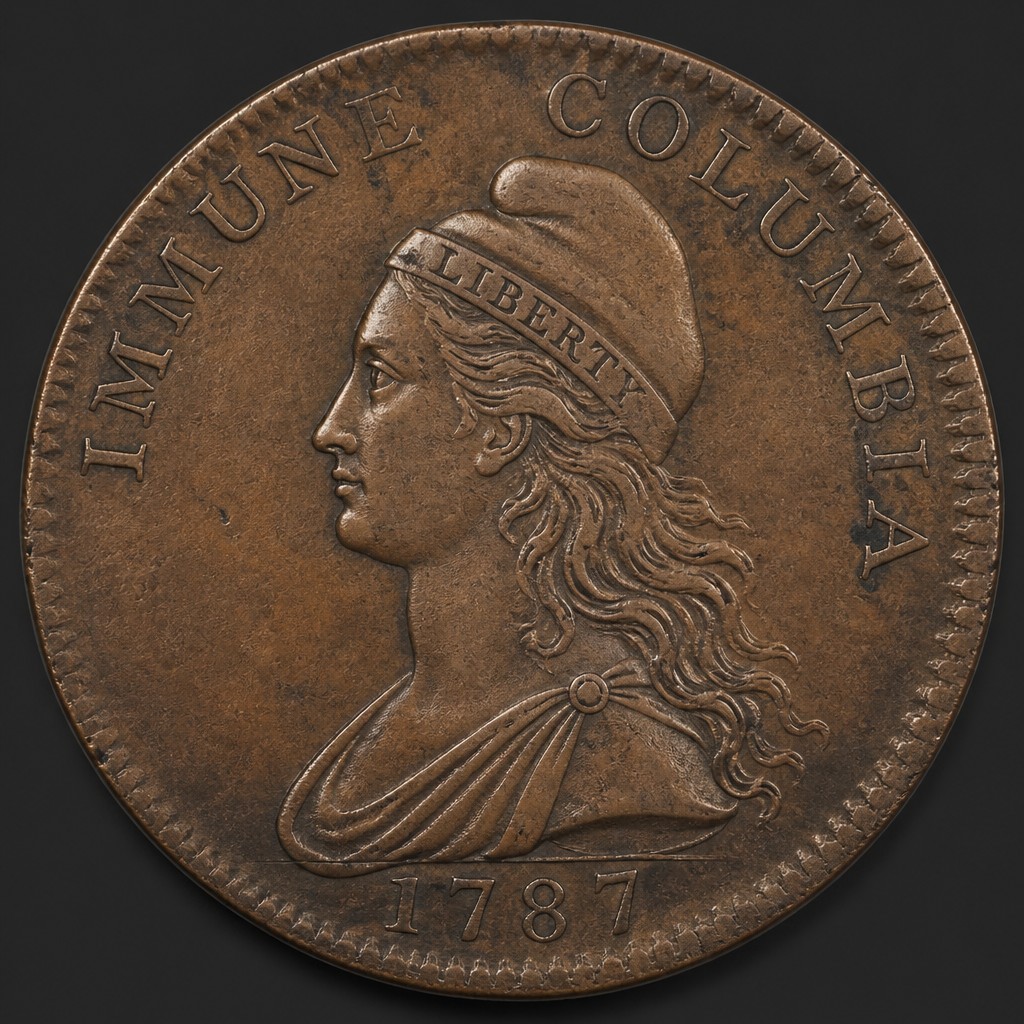
Immune Columbia Copper
circa 1785–1787
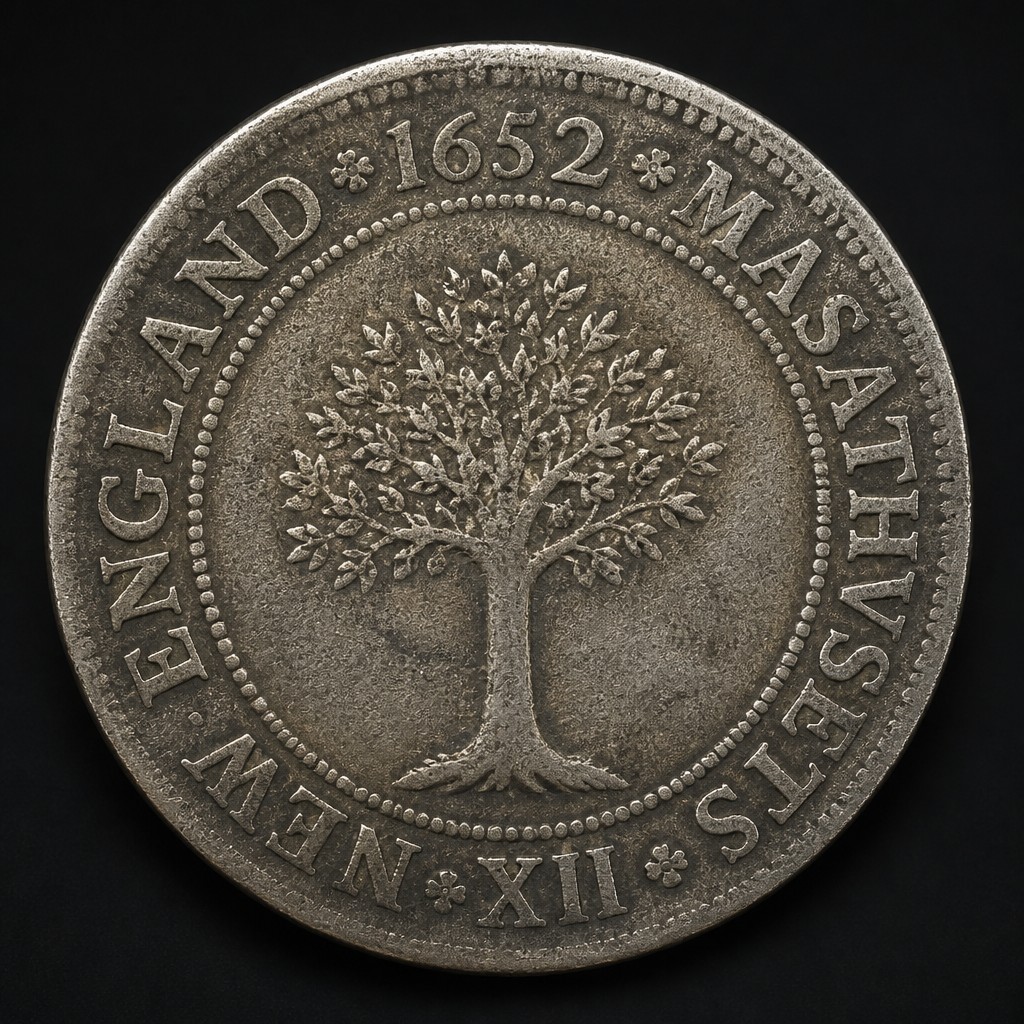
Massachusetts Oak Tree Shilling
Dated 1652, struck circa 1660–1667
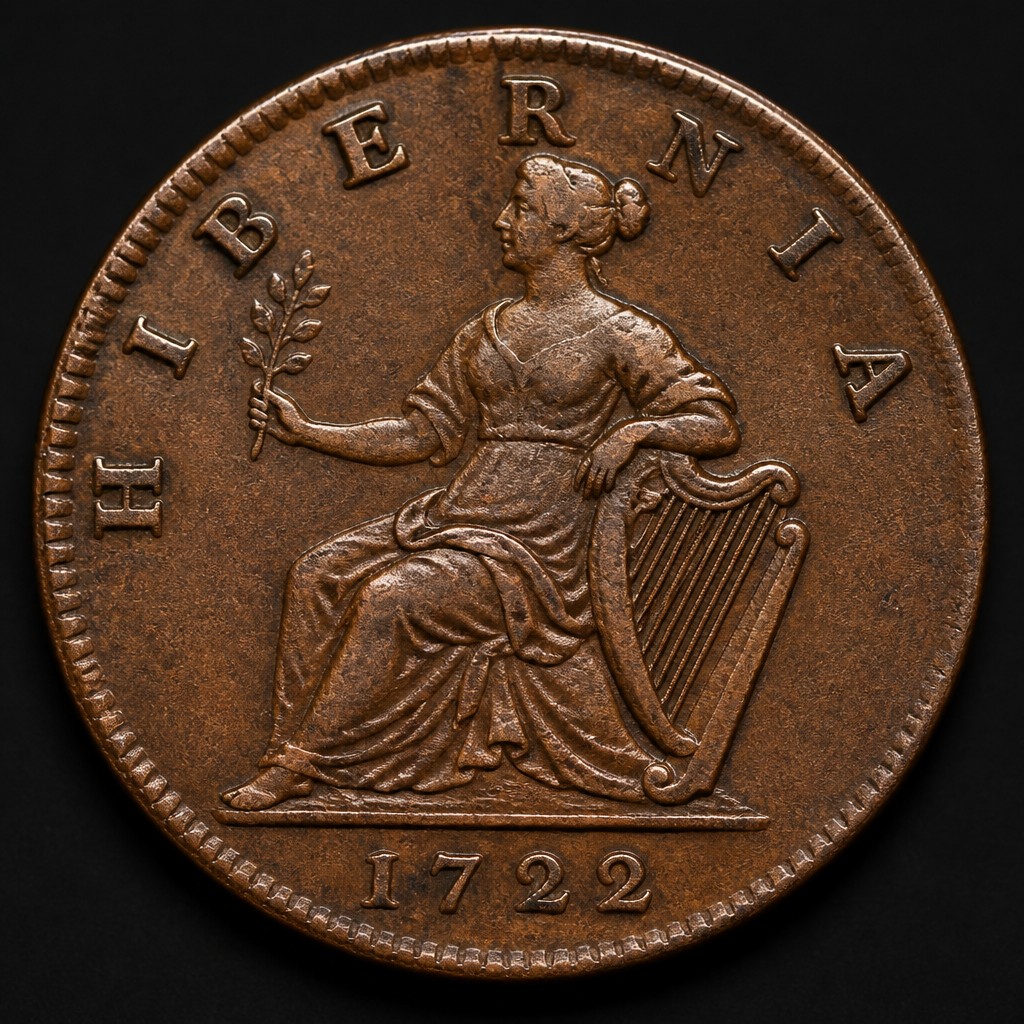
Wood's Hibernia Halfpenny
1722–1724
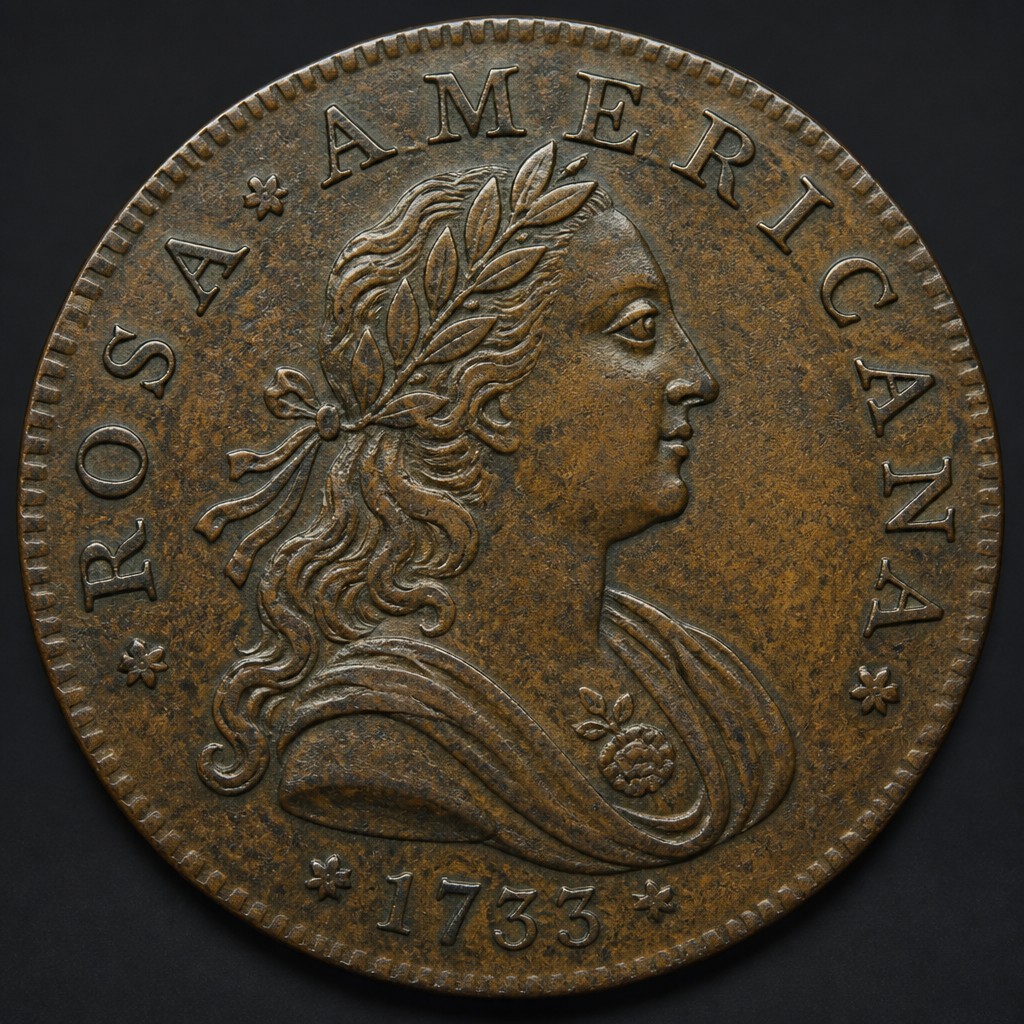
Rosa Americana Coinage
1722–1724 (with pattern issues dated 1733)
Massachusetts Willow Tree Shilling
Dated 1652, struck circa 1653–1660