
Coin Encyclopedia
Search and identify coins from around the world — with country, denomination, metal, mint, history, and how to tell them apart.
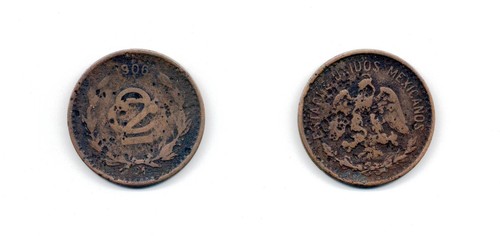
2 Centavos
A copper Mexican 2 centavos with a large numeral 2 framed by a laurel wreath on one side and the national eagle with spread wings on the other.
Circulation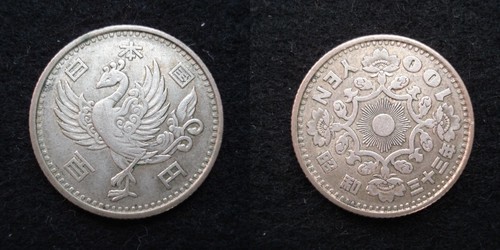
100 Yen (Showa Silver)
Japan's first 100 Yen coin, in silver: a phoenix in flight on the obverse and a bold radiating 100 on the reverse. Dated Showa 33 (1958).
Circulation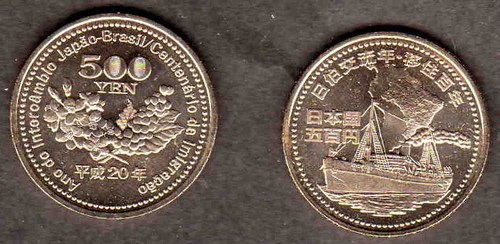
500 Yen Japanese Immigration Commemorative
A 2008 Japanese 500 yen commemorative marking 100 years of Japanese immigration to Brazil, with two figures on one side and a ship on the other.
Commemorative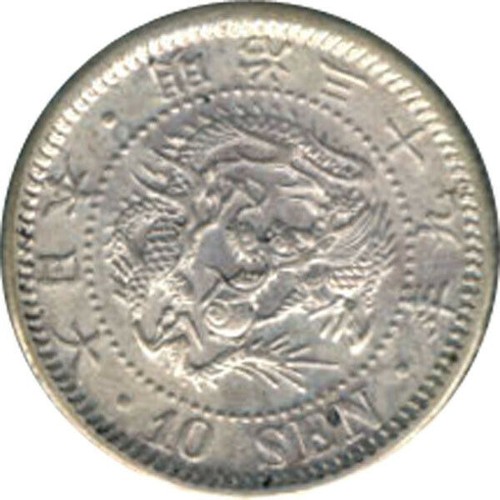
10 Sen
A small Meiji-era Japanese silver 10 Sen: a coiled dragon and characters on one face, a rayed sunburst framed by branches on the other.
Circulation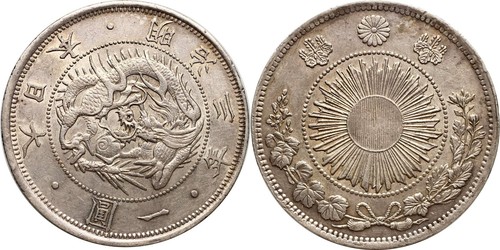
1 Yen (Silver)
An early Meiji silver 1 Yen struck in Meiji 3 (1870), showing a coiled dragon with a radiant sun on one side and a wreathed imperial crest on the other.
Circulation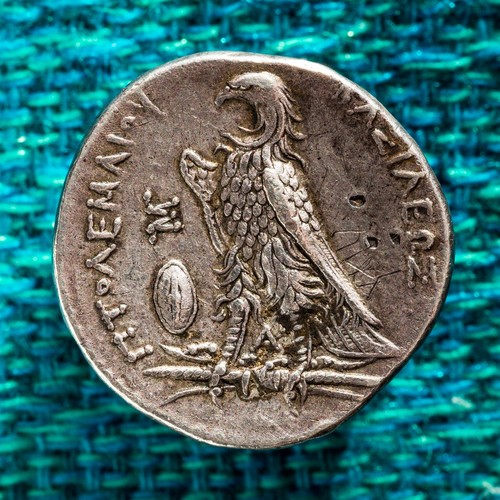
Tetradrachm of Ptolemy I
Silver tetradrachm of Ptolemy I Soter of Egypt, c. 305-283 BC, with his diademed portrait and the Ptolemaic eagle standing on a thunderbolt.
Ancient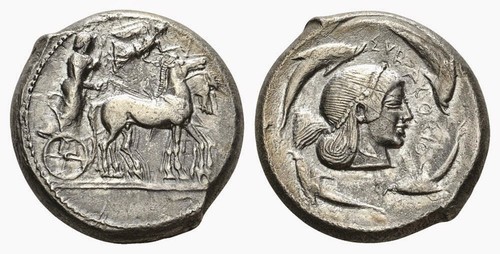
Syracuse Tetradrachm
Classical silver tetradrachm of Syracuse in Sicily, showing a racing four-horse chariot on one side and a right-facing nymph's head on the other.
Ancient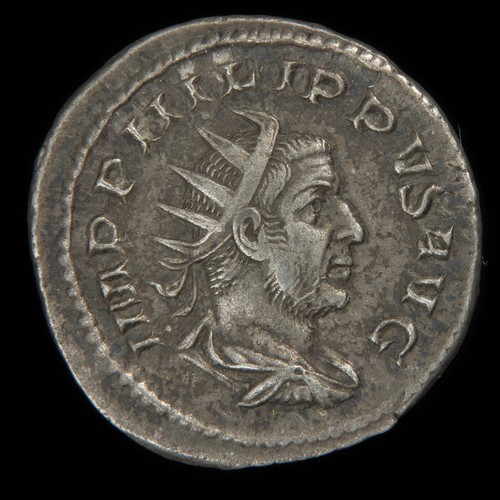
Antoninianus
Roman imperial coin of the crisis era, marked by a radiate (spiked) crown on the emperor's head; struck in debased silver-and-copper billon, c. 250-270 AD.
Ancient Coins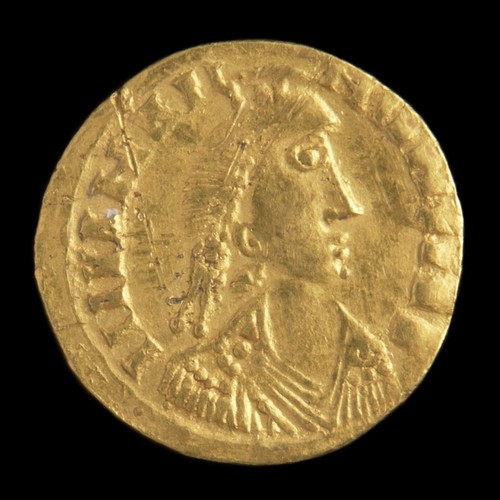
Solidus of Valentinian III
A gold solidus of the Western Roman emperor Valentinian III (AD 425-455), with his diademed profile and an imperial or military reverse.
Ancient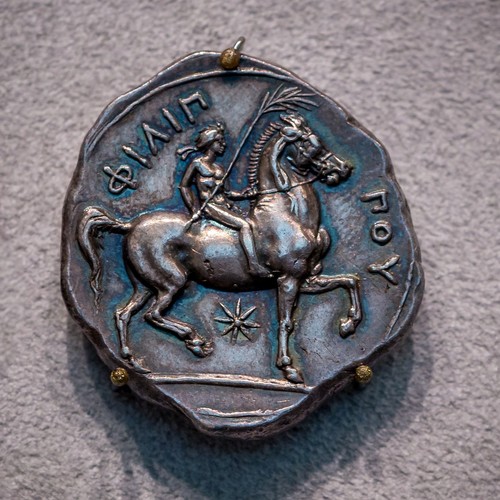
Philip II Tetradrachm
A large silver coin of the Macedonian kingdom showing the laureate head of Zeus and a youthful horseman, struck under and after Philip II.
Ancient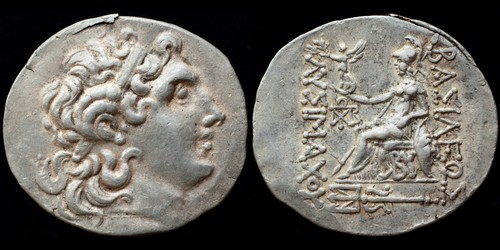
Lysimachos Gold Stater
Gold stater of Lysimachos, king in Thrace and Macedon c. 305-281 BC, with a deified head of Alexander the Great and an enthroned Athena reverse.
Ancient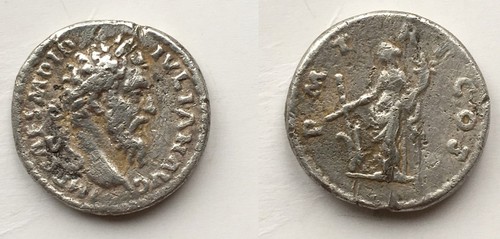
Denarius of Didius Julianus
A silver denarius of Didius Julianus, the short-lived emperor of 193 AD, bearing his laureate portrait and an imperial standing reverse.
Ancient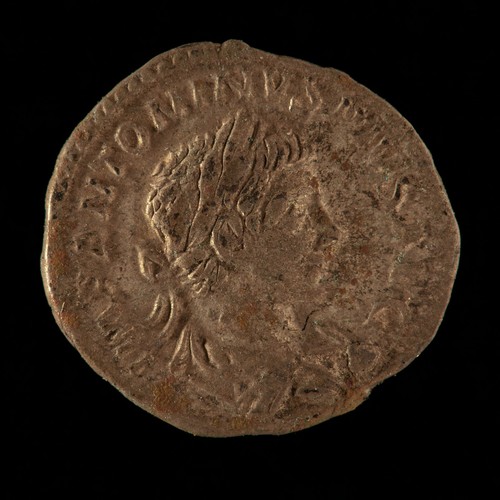
Denarius of Elagabalus
Silver denarius of the young Severan emperor Elagabalus (218–222 AD), with his laureate bust and a standing personified deity on the reverse.
Ancient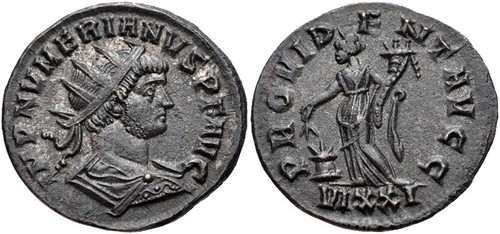
Antoninianus of Numerian
Late Roman radiate coin of the short-lived emperor Numerian (283-284 AD), showing his spiked crown and a Victory or standing deity on the reverse.
Ancient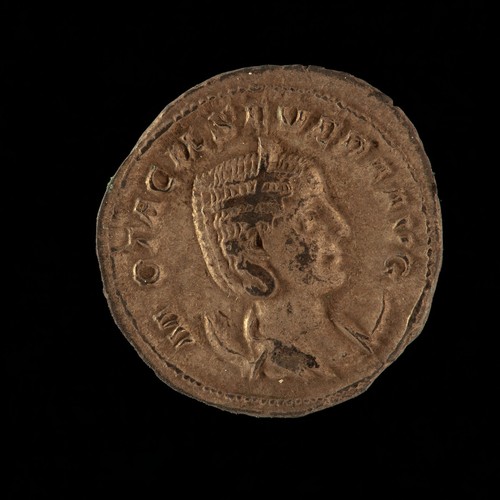
Antoninianus of Otacilia Severa
Roman double-denarius of the empress Otacilia Severa, wife of Philip I (246-248 AD), with her draped bust and a standing personification on the reverse.
Ancient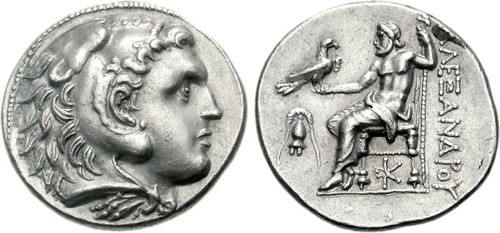
Antigonos II Gonatas Tetradrachm
Silver tetradrachm of the Macedonian king Antigonos II Gonatas, c. 275-270 BC, with a bearded royal head and a seated Nike holding a wreath.
Ancient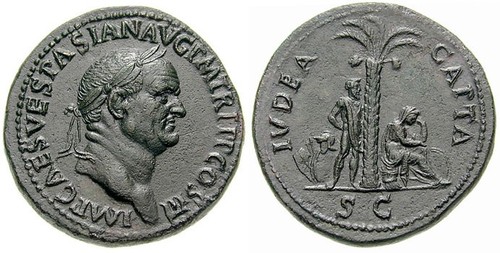
Sestertius of Vespasian (Iudaea Capta)
Large Roman bronze sestertius of Vespasian (AD 70–71) marking the conquest of Judaea, with a palm tree and mourning captives on the reverse.
Ancient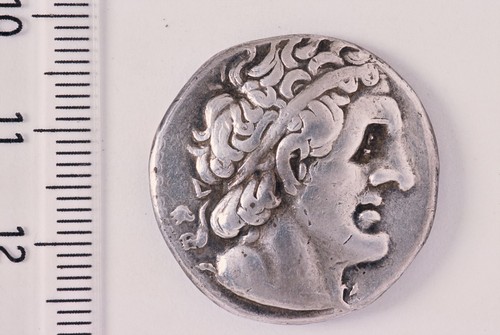
Ancient Hellenistic Tetradrachm
A large Hellenistic silver tetradrachm with a bearded, curly-haired head on the obverse and an eagle standing on a thunderbolt on the reverse.
Ancient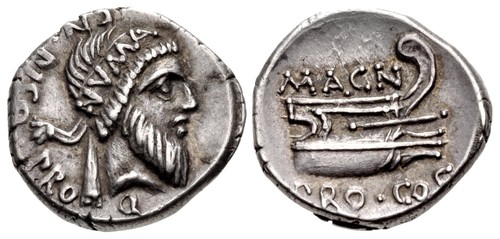
Numapis Denarius
A silver denarius of the Roman Republic (1st century BC) pairing a male portrait facing right with a ship or galley and lettering on the reverse.
Ancient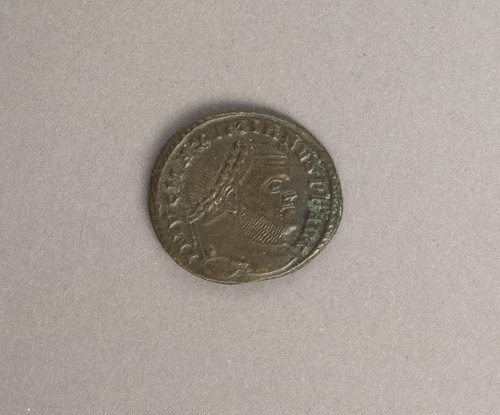
Nummus of Maximianus
A late-Roman bronze nummus (follis) of the emperor Maximianus, with his right-facing laureate portrait and a standing deity on the reverse.
Ancient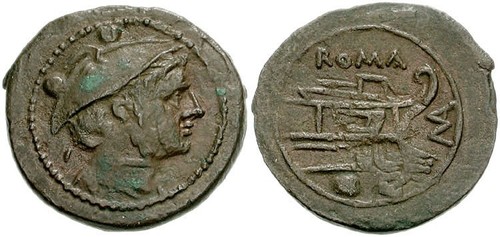
Manlius Vulso Æ Sextans
Small Roman Republican bronze sextans signed by the moneyer Manlius Vulso, with a capped male head and the classic prow reverse marked ROMA.
Ancient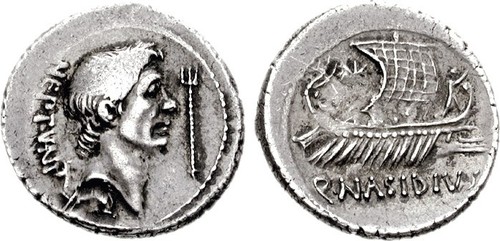
Nasidius Denarius
Roman Republican silver denarius struck for Sextus Pompey's admiral Q. Nasidius, showing Pompey the Great's head and a galley marked NASIDIVS.
Ancient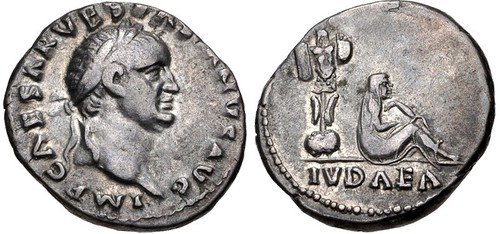
Denarius of Vespasian
Silver denarius struck under the emperor Vespasian (AD 69-79), founder of the Flavian dynasty, with his laureate portrait on the obverse.
Ancient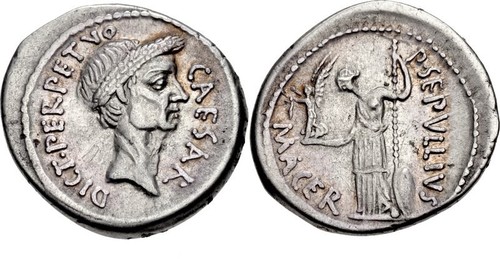
Julius Caesar Denarius
Silver Roman denarius of 44 BC bearing the bareheaded portrait of Julius Caesar, among the first Roman coins to show a living statesman's likeness.
Ancient