
Coin Encyclopedia
Search and identify coins from around the world — with country, denomination, metal, mint, history, and how to tell them apart.
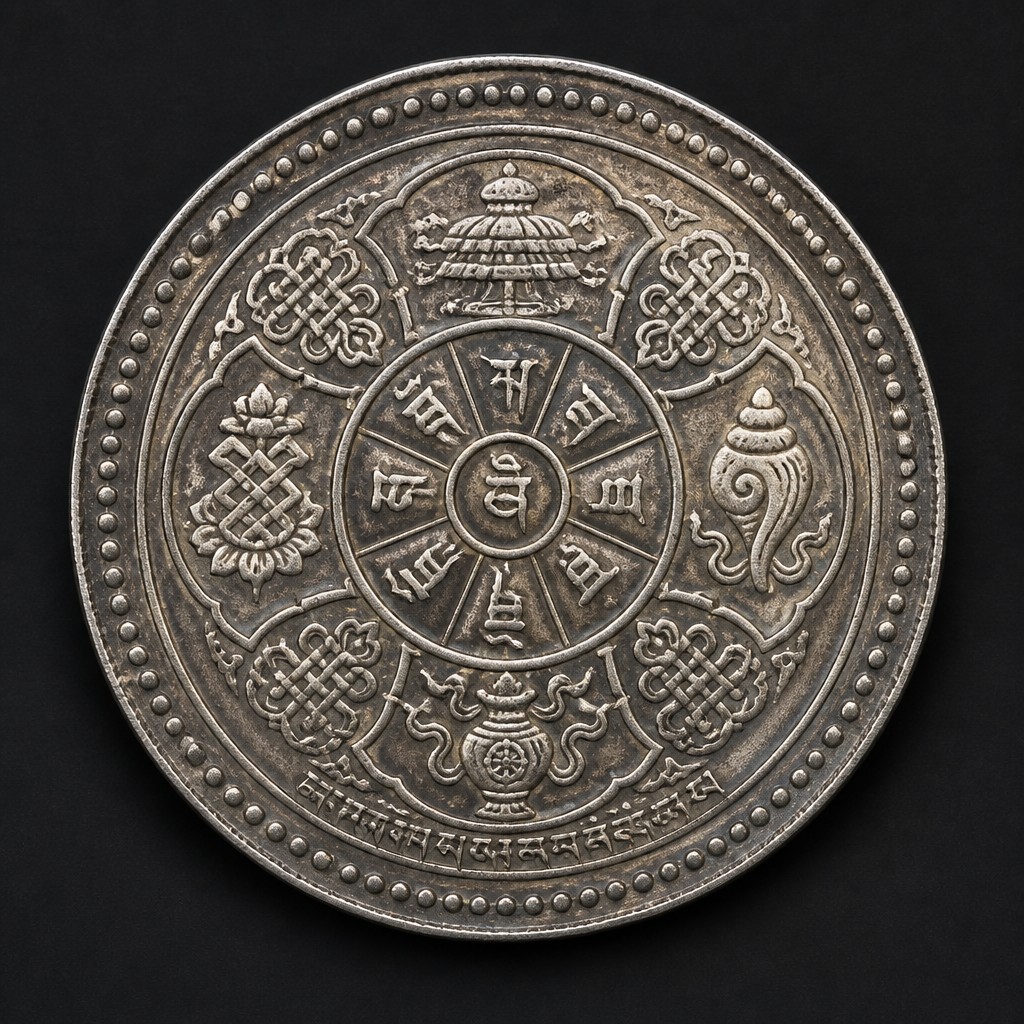
Tibetan Silver Srang (Ganden Tangka type)
A native Tibetan silver coin issued by the Ganden Phodrang government in Lhasa, featuring the Tibetan snow lion and traditional Tibetan script rather than Chinese imperial designs.
Asian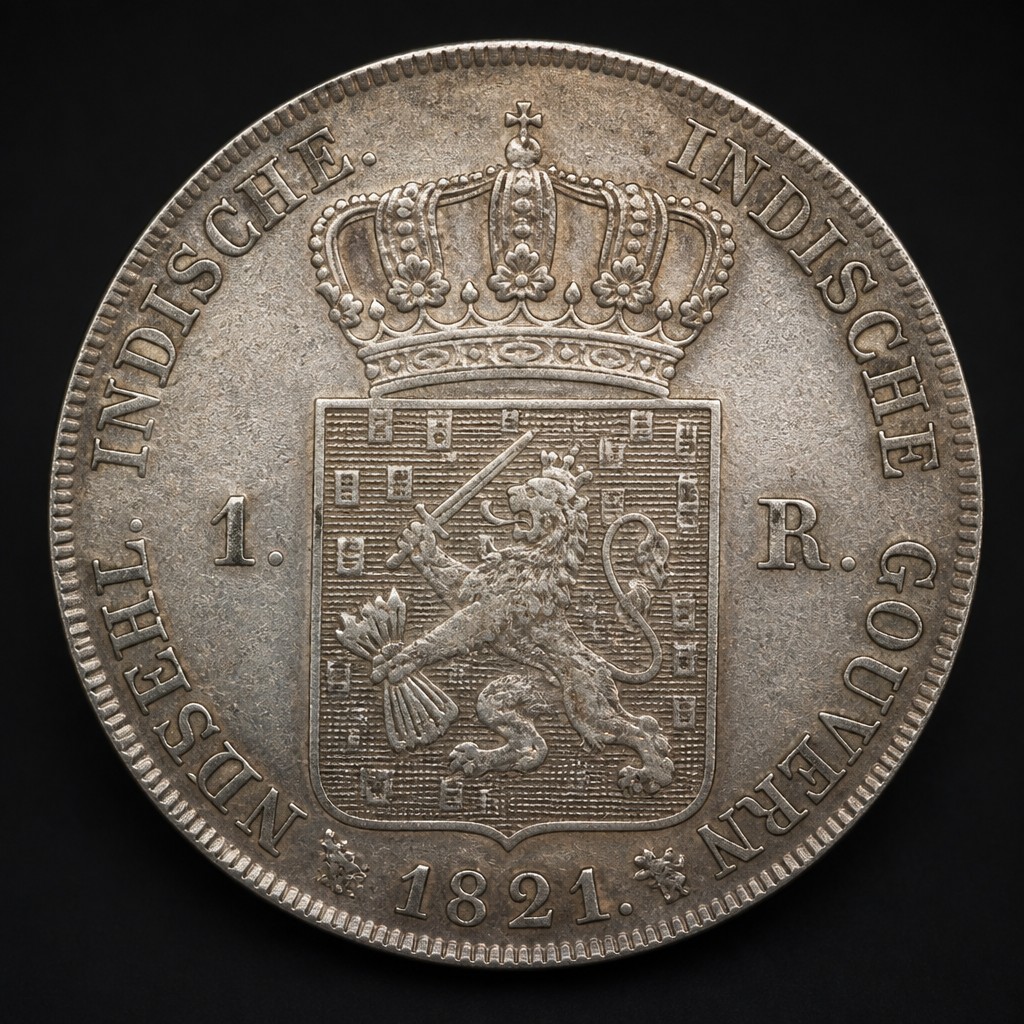
Netherlands East Indies Java Rupee
A Dutch colonial silver rupee struck specifically for the island of Java, issued to standardize local currency amid the many foreign trade coins circulating in the Dutch East Indies.
Asian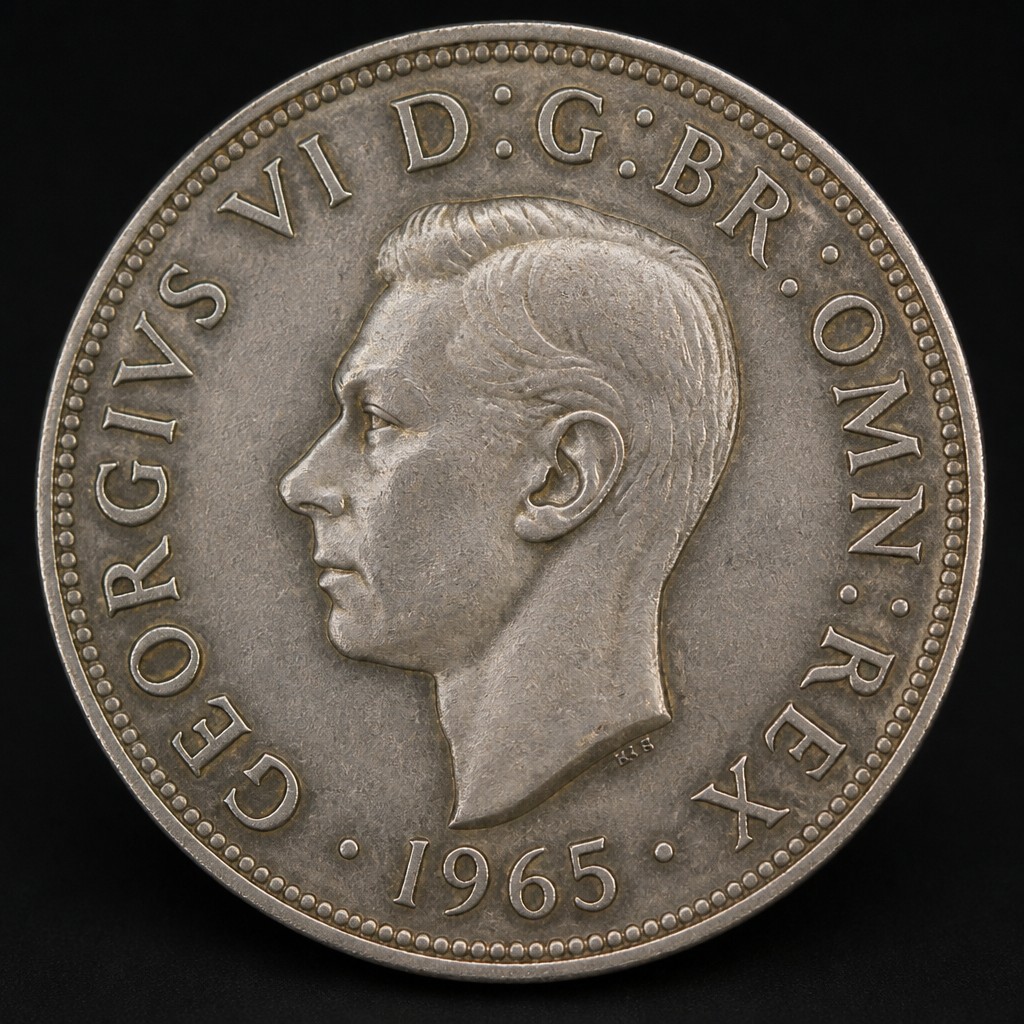
English Crown
A large English silver coin worth five shillings, first struck under Henry VIII, that became one of Britain's most artistically celebrated denominations before decimalization.
British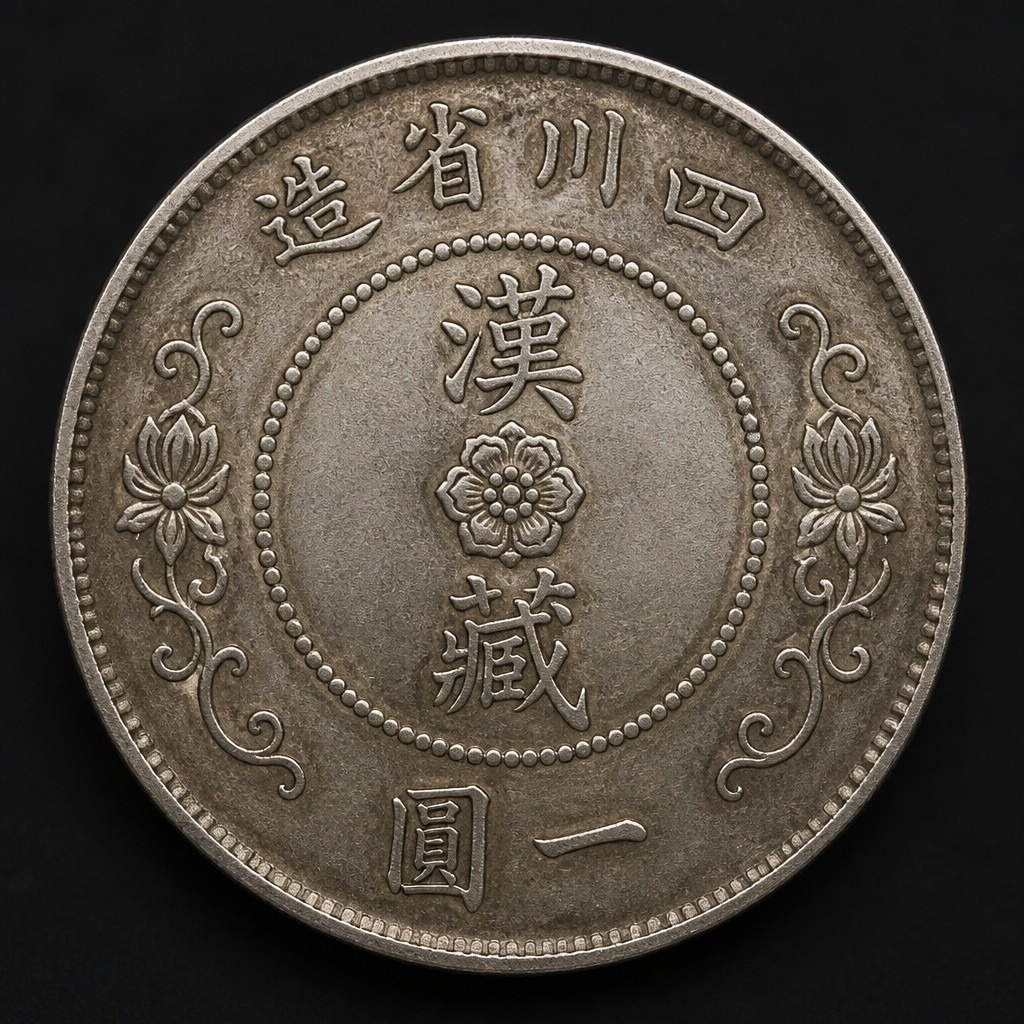
Chinese Szechuan Rupee (Tibet-related)
Silver rupee struck by China's Szechuan provincial mint to compete with British Indian rupees circulating in Tibet, blending a Chinese ruler's portrait with an Indian-style coin format.
Asian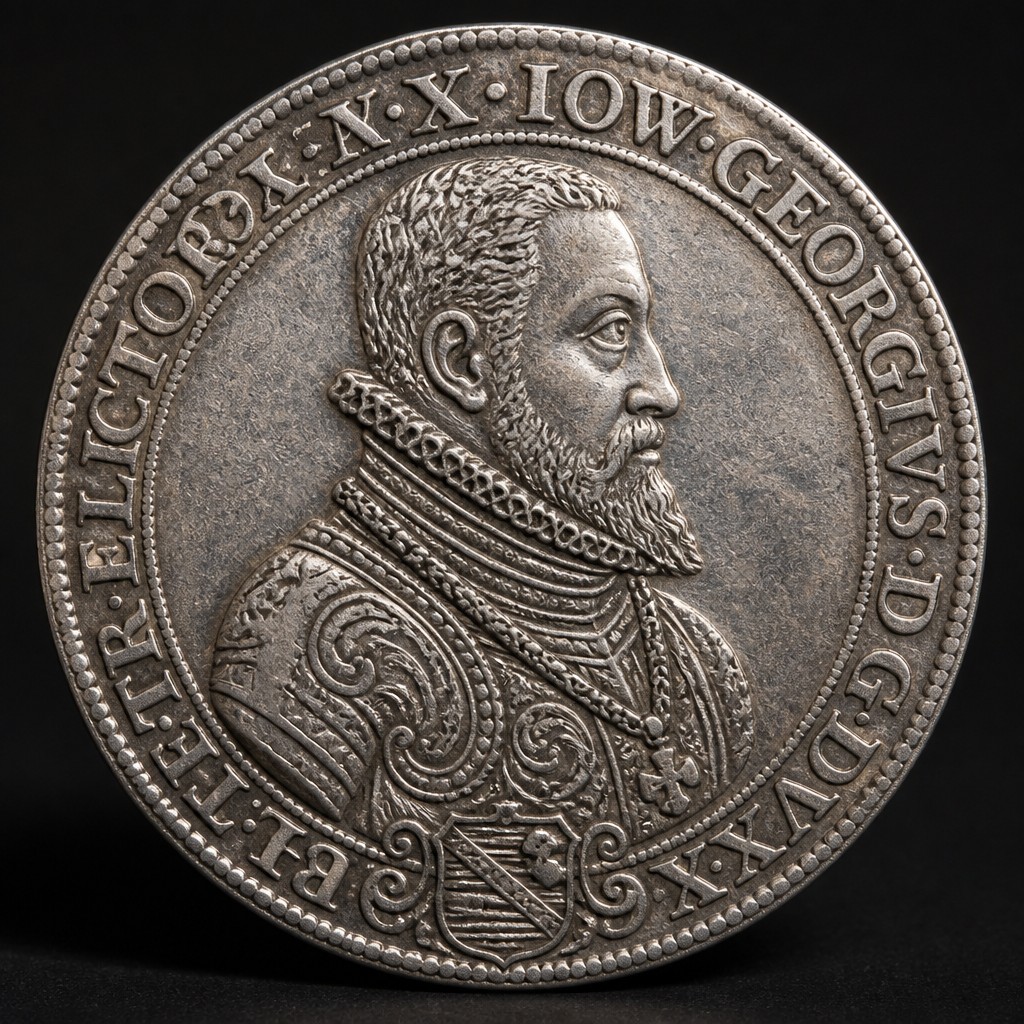
Saxony Thaler
Saxony was one of the earliest and most prolific issuers of thalers, with the electorate and later kingdom producing large silver coins from the 16th century until German unification.
European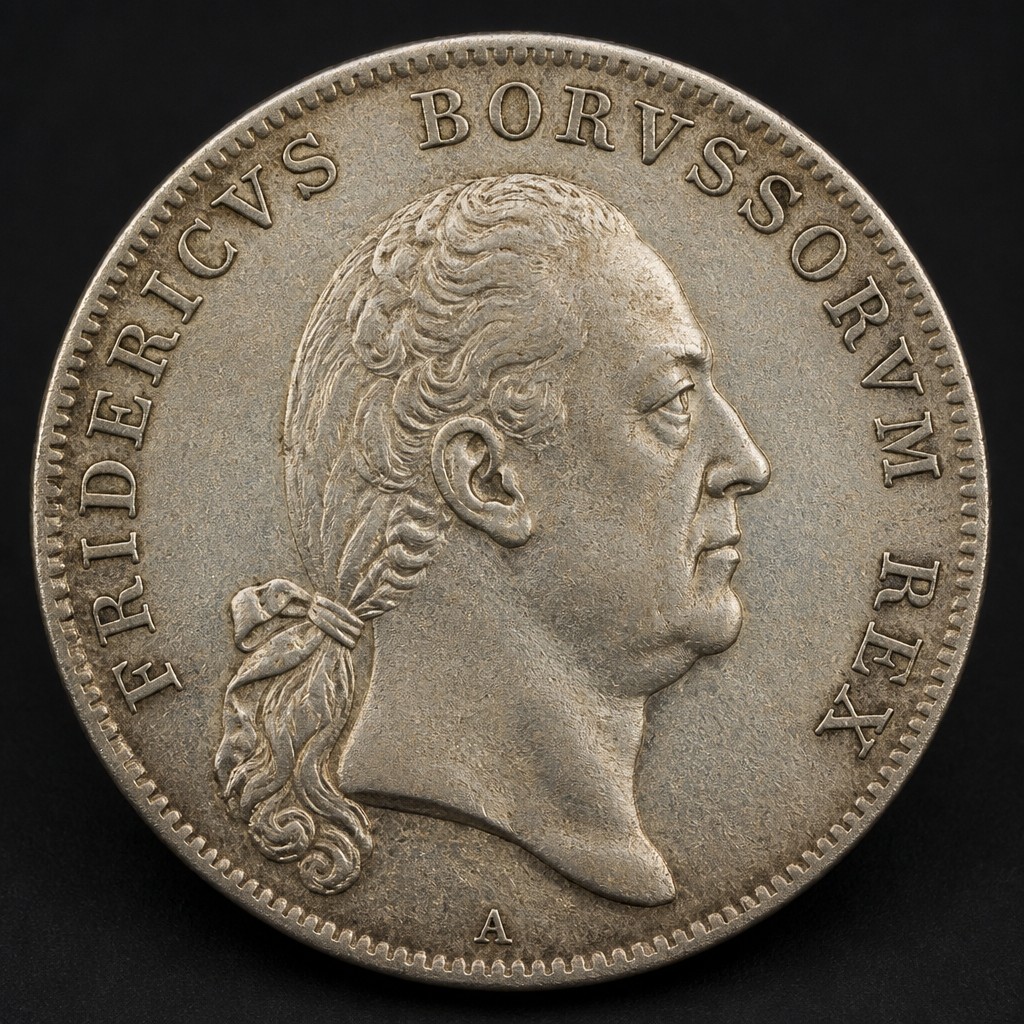
Prussian Thaler
The Prussian Thaler was the leading silver coin of the powerful Kingdom of Prussia, circulating from the mid-18th century until German unification replaced it with the mark in 1871–1873.
European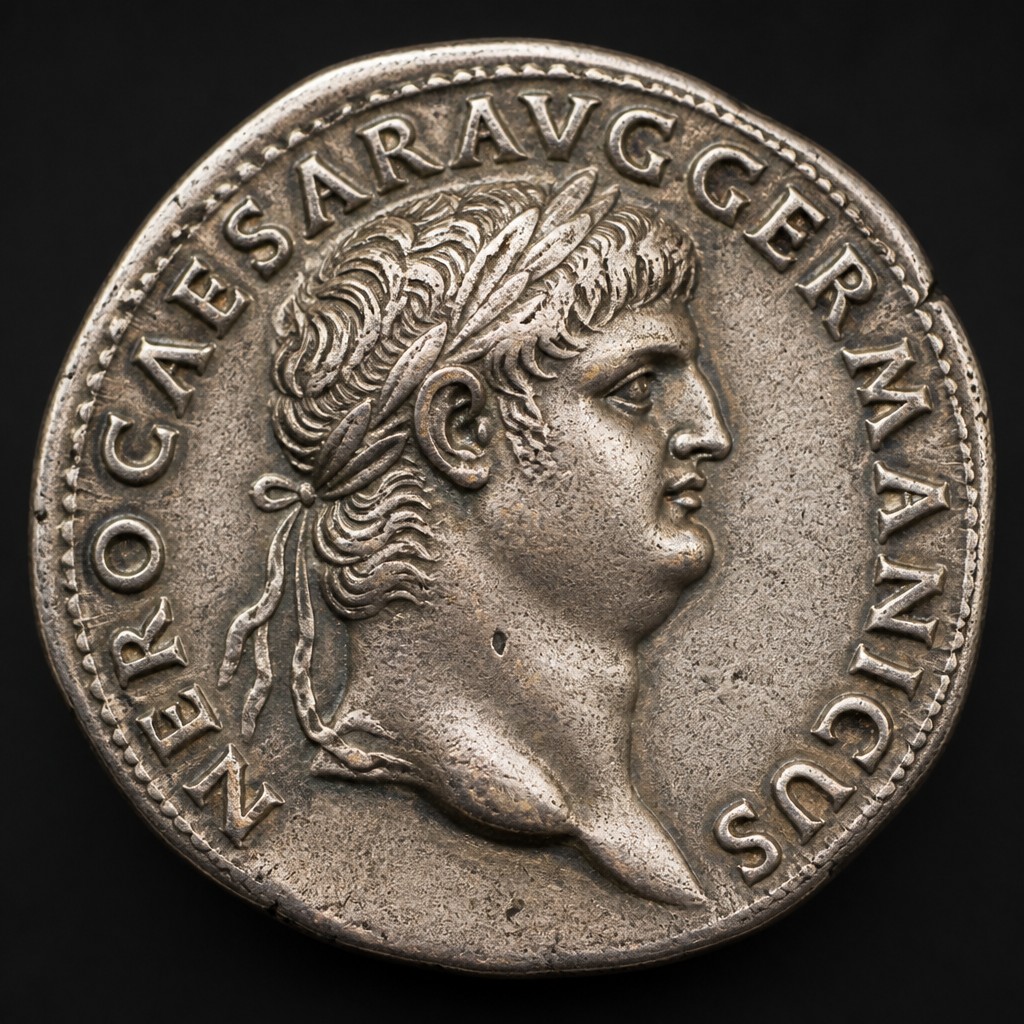
Nero Denarius
The silver coin of the notorious emperor Nero, whose AD 64 currency reform slightly reduced the denarius's silver content and weight, a step in the long history of Roman debasement.
Ancient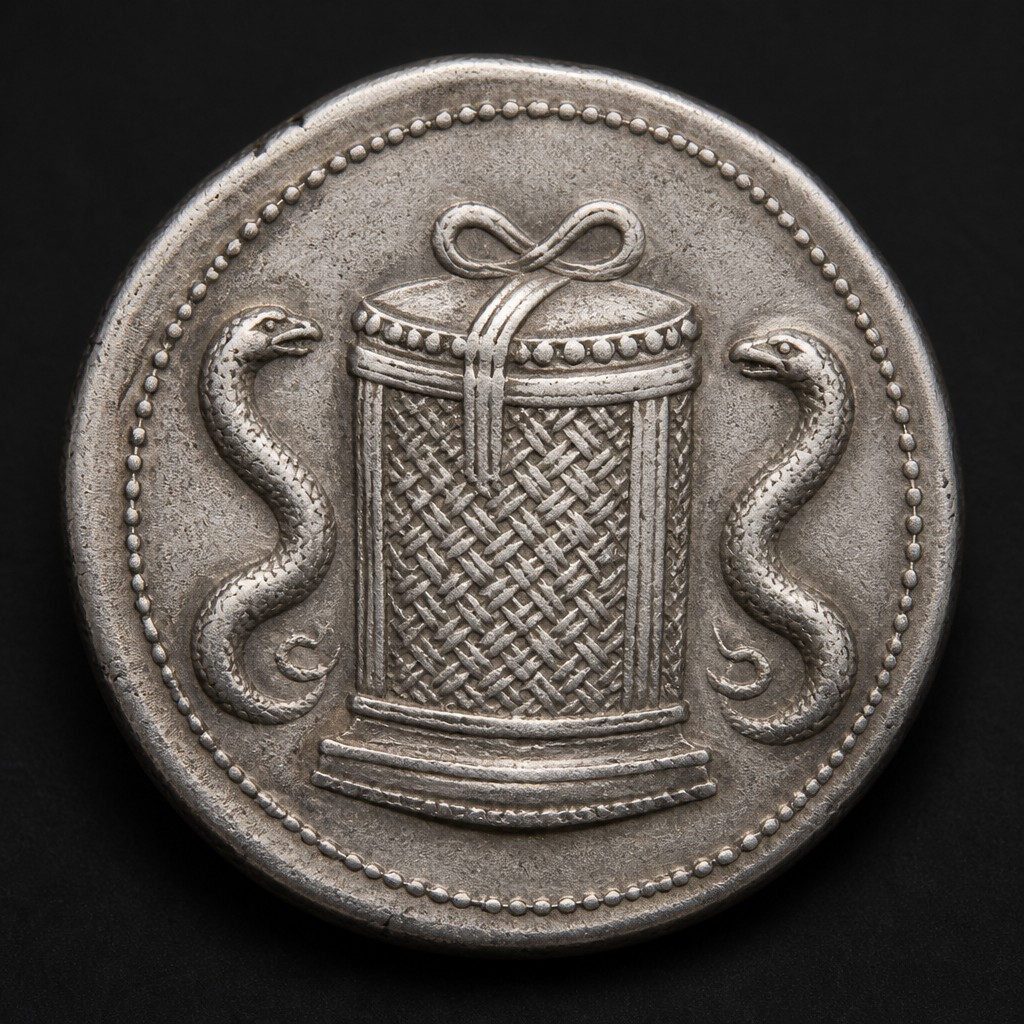
Pergamon Cistophoric Tetradrachm
A reduced-weight Hellenistic silver coin introduced by the Attalid kings of Pergamon, named for the sacred cista mystica chest depicted on the obverse and later adopted throughout Roman Asia.
Ancient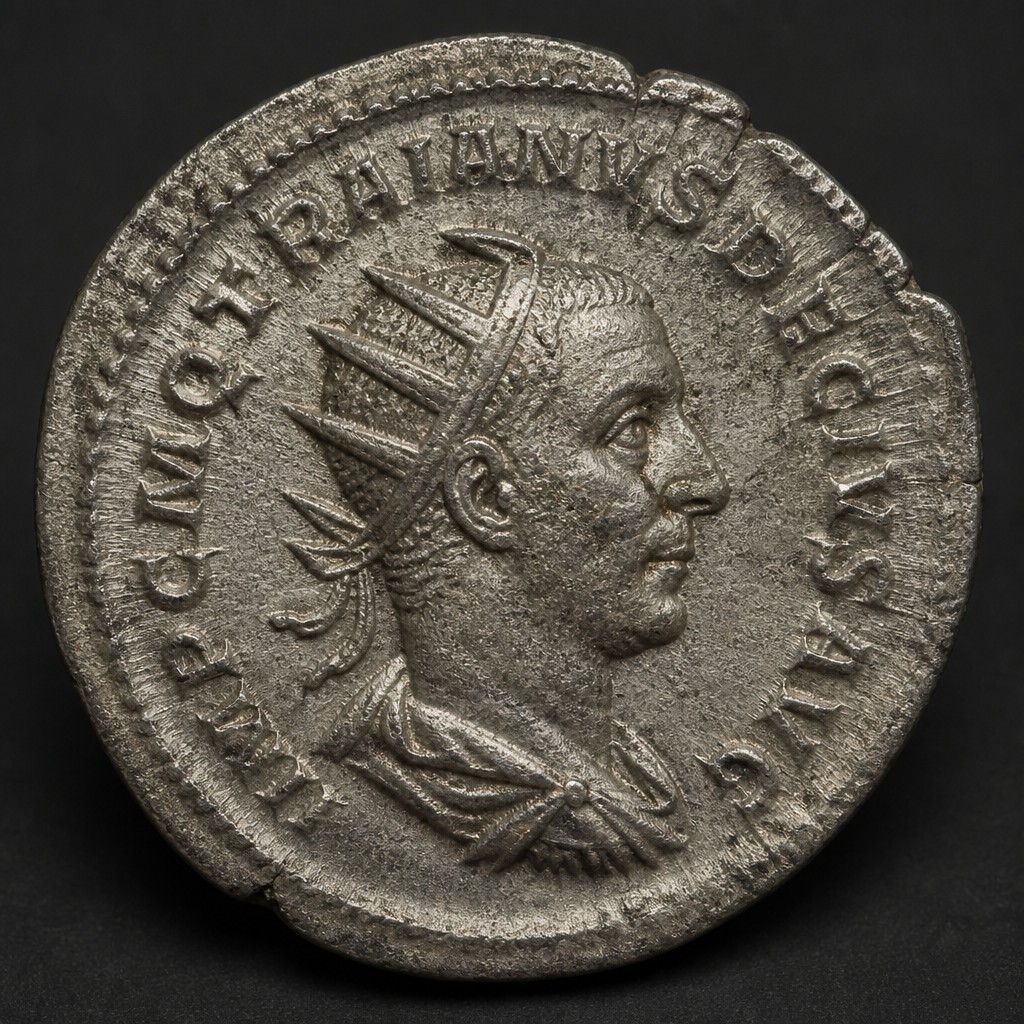
Trajan Decius Antoninianus
Radiate coin of Trajan Decius, remembered for his empire-wide persecution of Christians and his death in battle against the Goths, and for a famous series honoring deified past emperors.
Ancient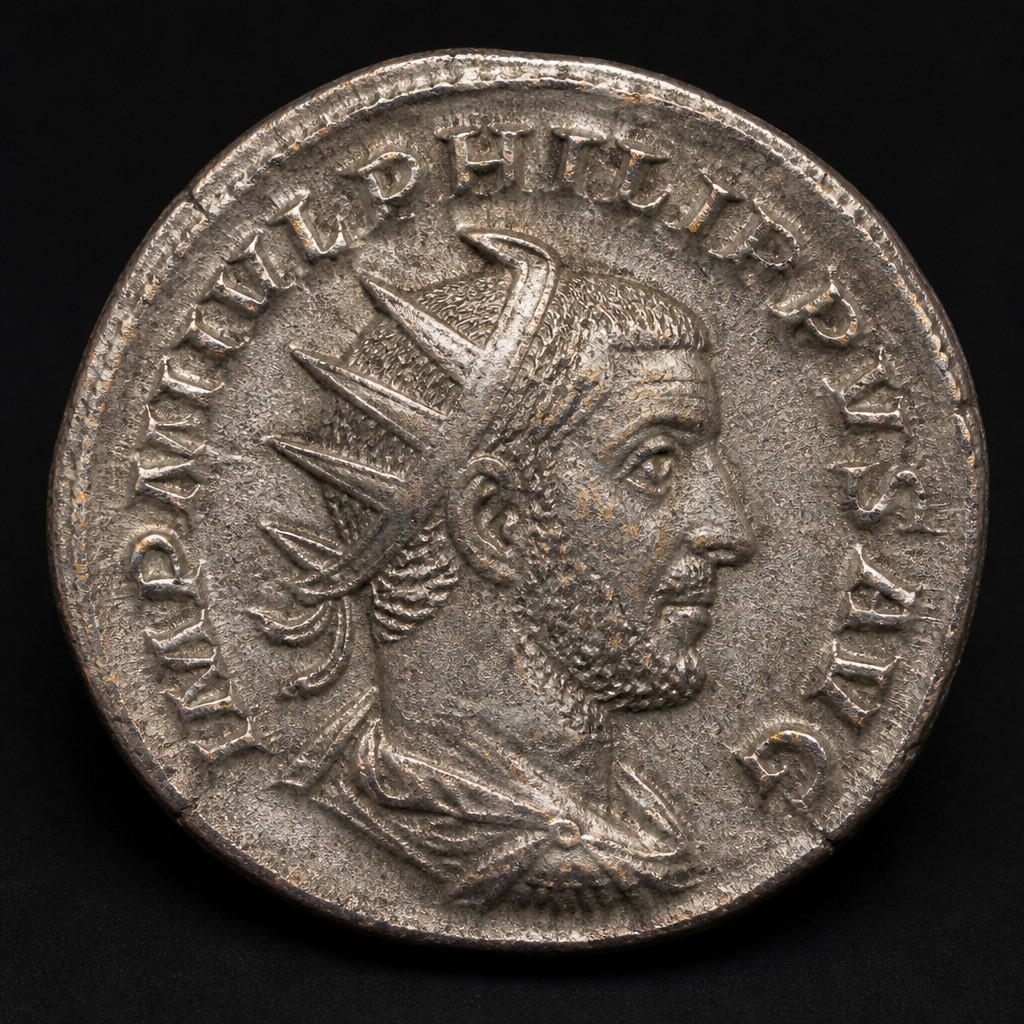
Philip the Arab Antoninianus
Radiate coin of Philip the Arab, notable for celebrating Rome's 1,000th anniversary in 248 AD with a memorable series of animal-themed 'Saecular Games' reverse types.
Ancient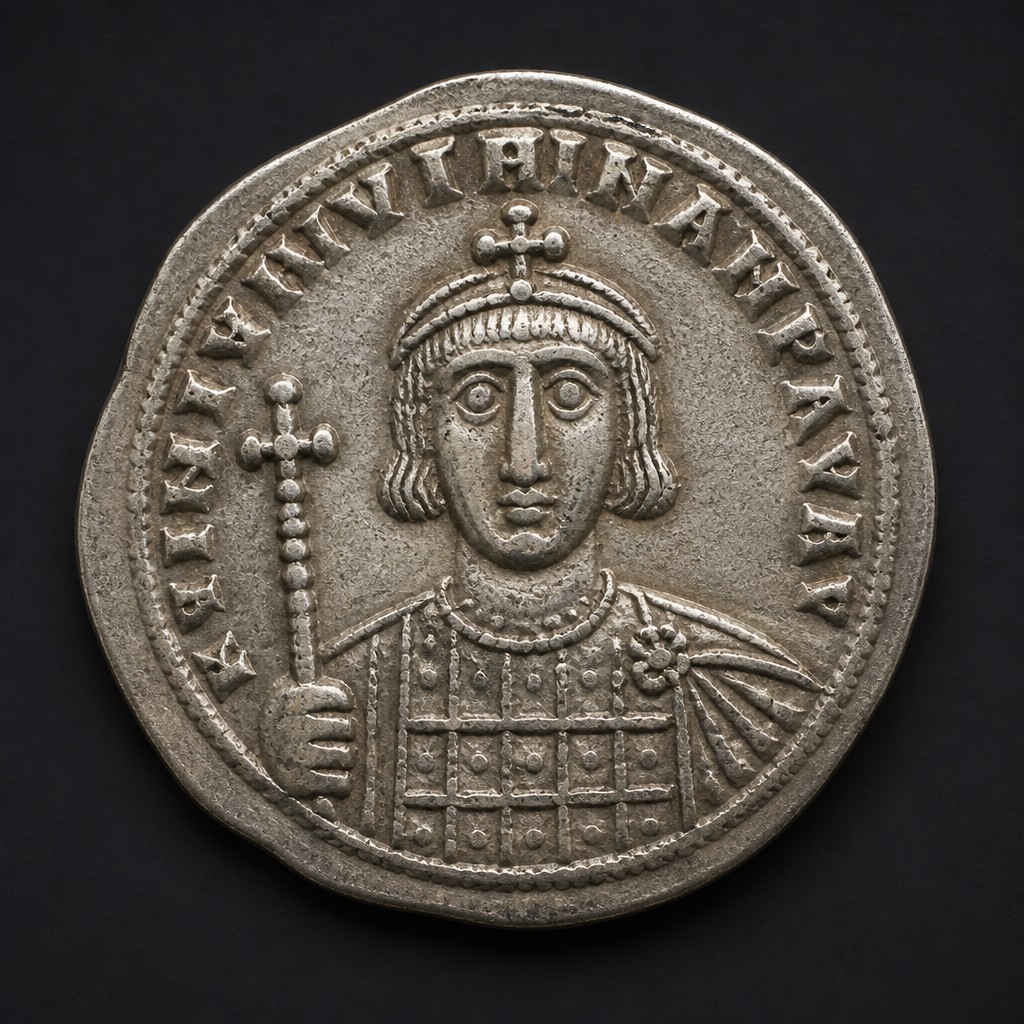
Byzantine Miliaresion
The main large silver coin of the middle Byzantine Empire, introduced in the 8th century and typically featuring a plain cross on steps, reflecting the era's Iconoclast religious tensions.
Ancient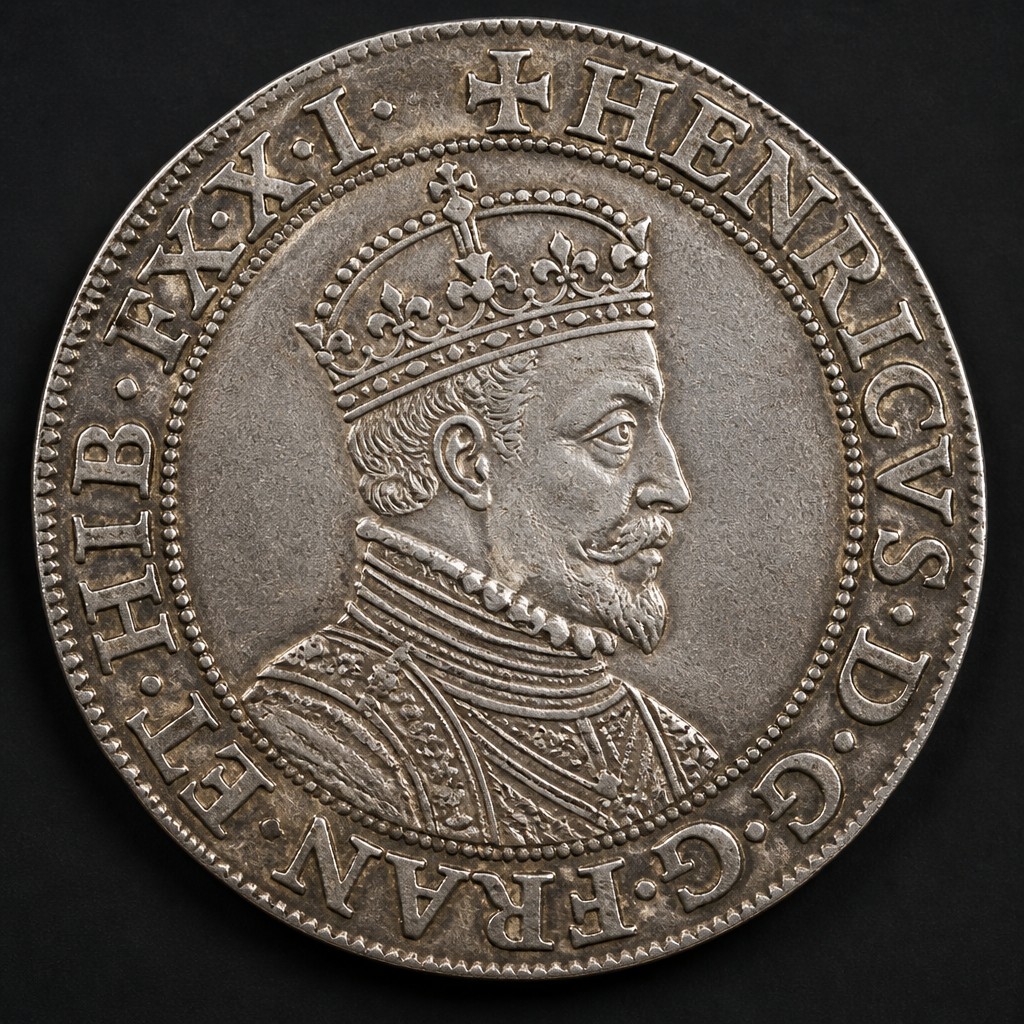
Testoon
The earliest English coin to carry a realistic royal portrait, introduced under Henry VII around 1487 as the forerunner of the shilling, later continued and debased under Henry VIII.
British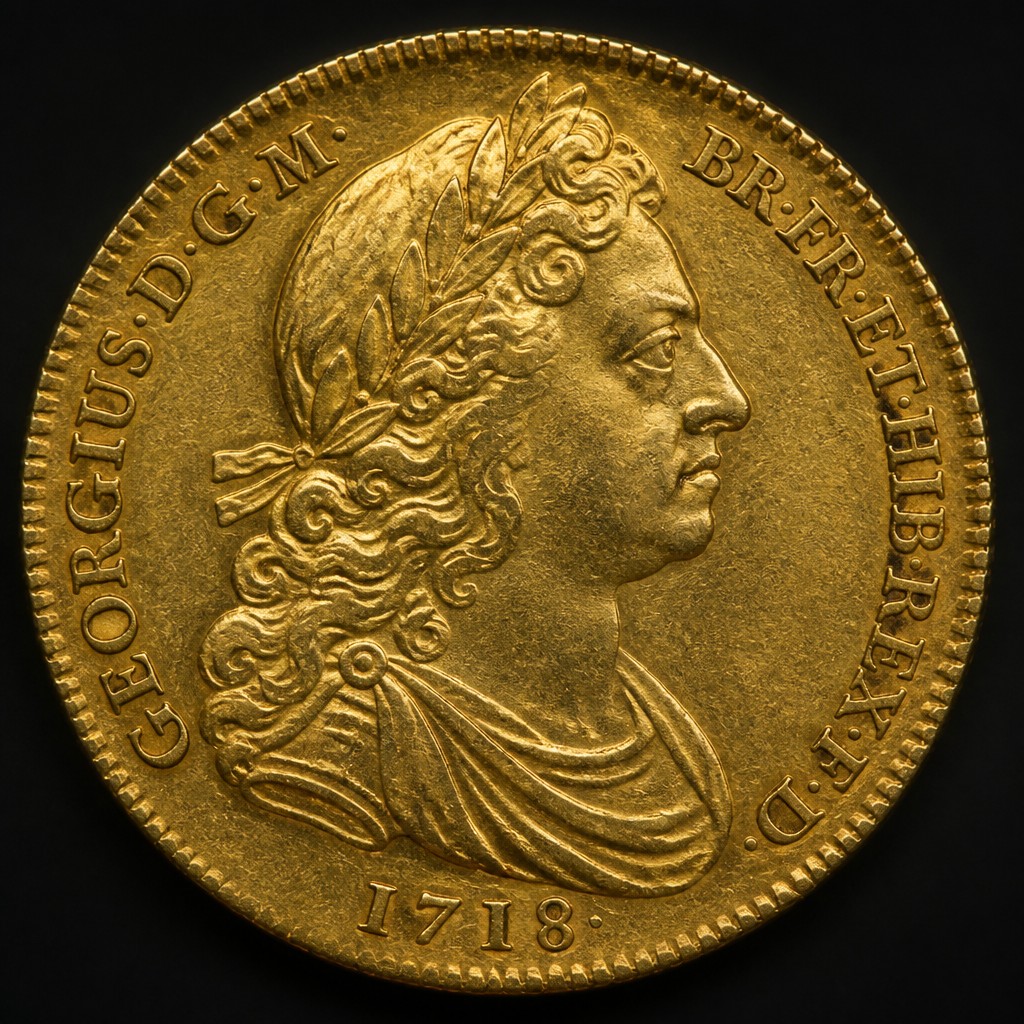
Quarter Guinea
A rarely issued small gold coin worth one-quarter of a guinea, struck only in 1718 under George I and again briefly in 1762 under George III.
British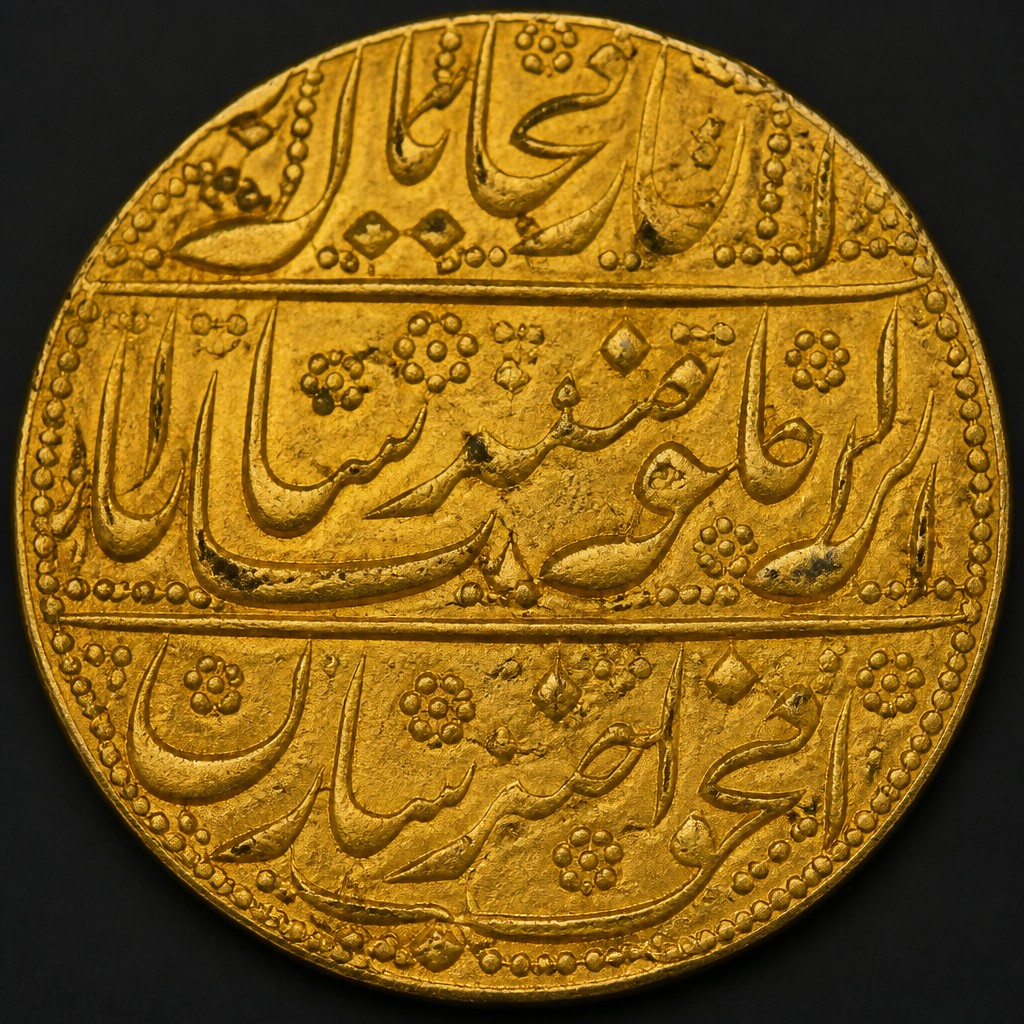
Indian Gold Mohur
The traditional high-value gold coin of the Indian subcontinent, struck for centuries by Mughal emperors, later by the British East India Company, British India, and various princely states.
Asian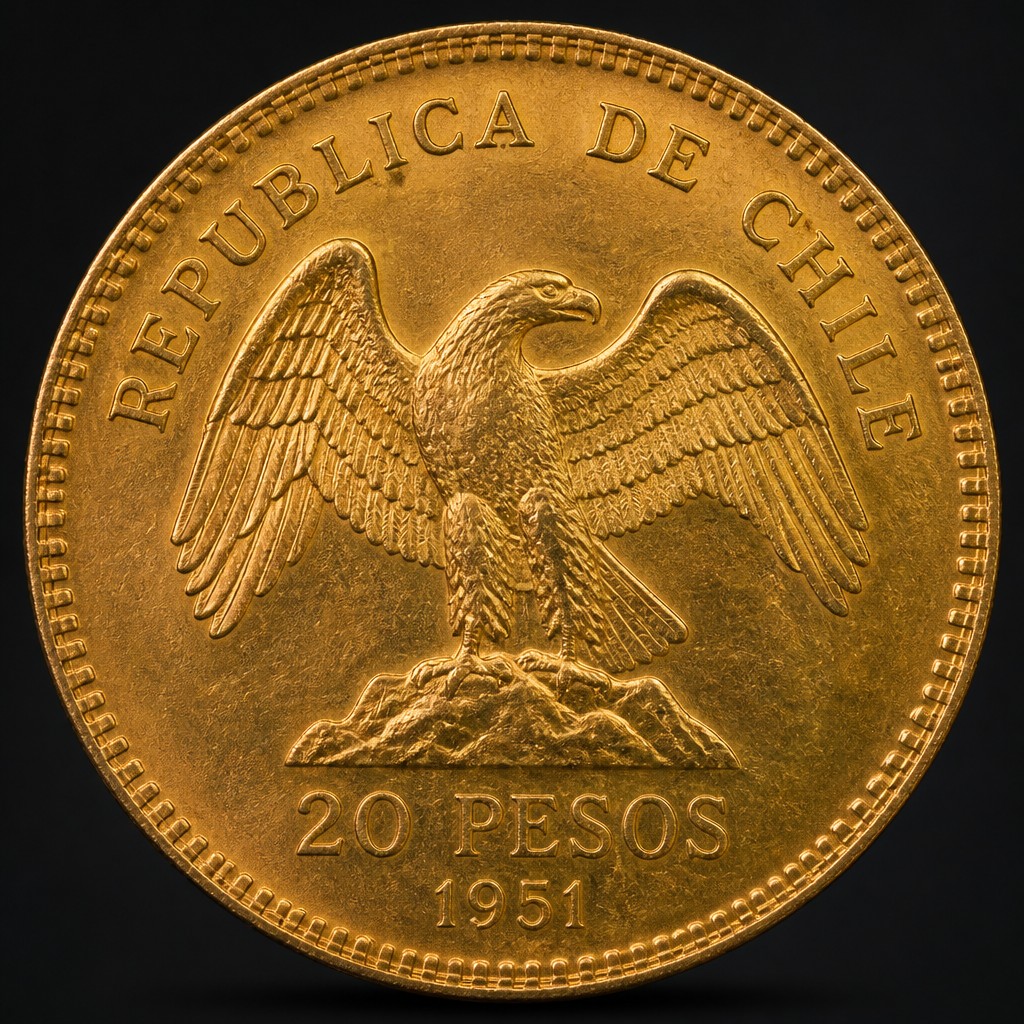
Chilean 20 Pesos Gold
The smallest of Chile's regular gold coin denominations, issued both in an earlier 19th-century gold peso series and later as part of the 1926 condor-themed gold reform.
Latin American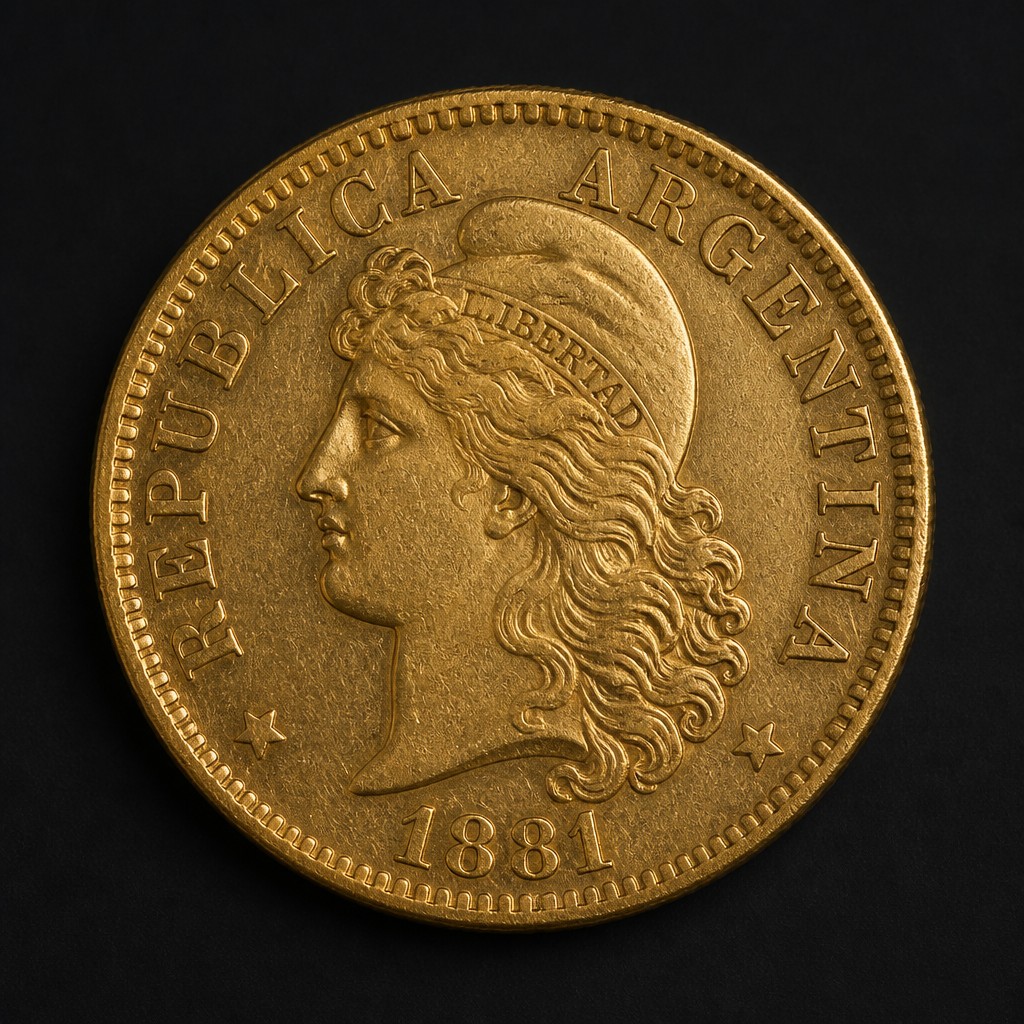
Argentine Argentino Gold (5 Pesos)
Argentina's principal 19th-century gold coin, worth 5 pesos oro and called an "Argentino," struck to Latin Monetary Union weight standards for use in international trade.
Latin American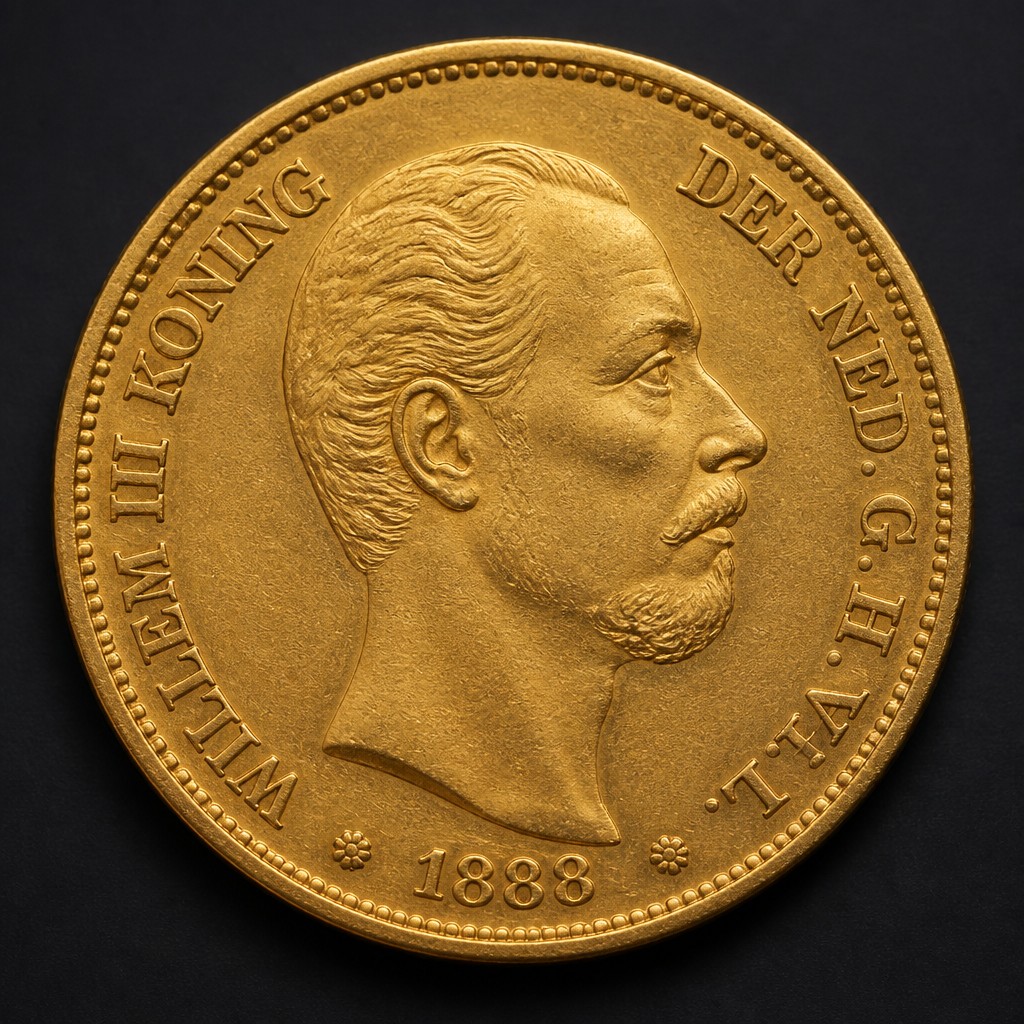
Netherlands 5 Gulden Gold
A gold 5 gulden coin struck intermittently by the Kingdom of the Netherlands, first under King William I in the 1820s and later as a rare 1912 commemorative under Queen Wilhelmina.
European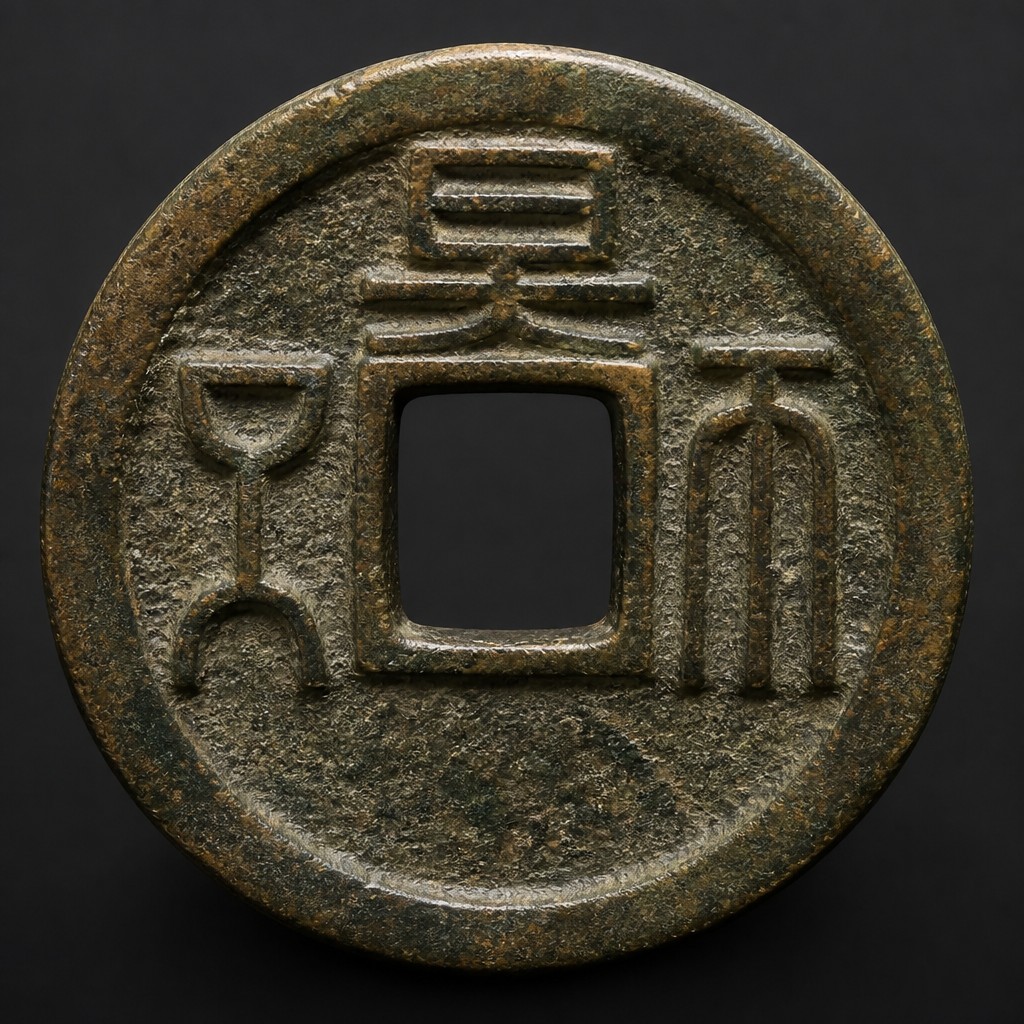
Chinese Wu Zhu Cash
One of history's longest-running coin types, cast continuously for over seven centuries across multiple Chinese dynasties after its introduction under Emperor Wu of Han.
Ancient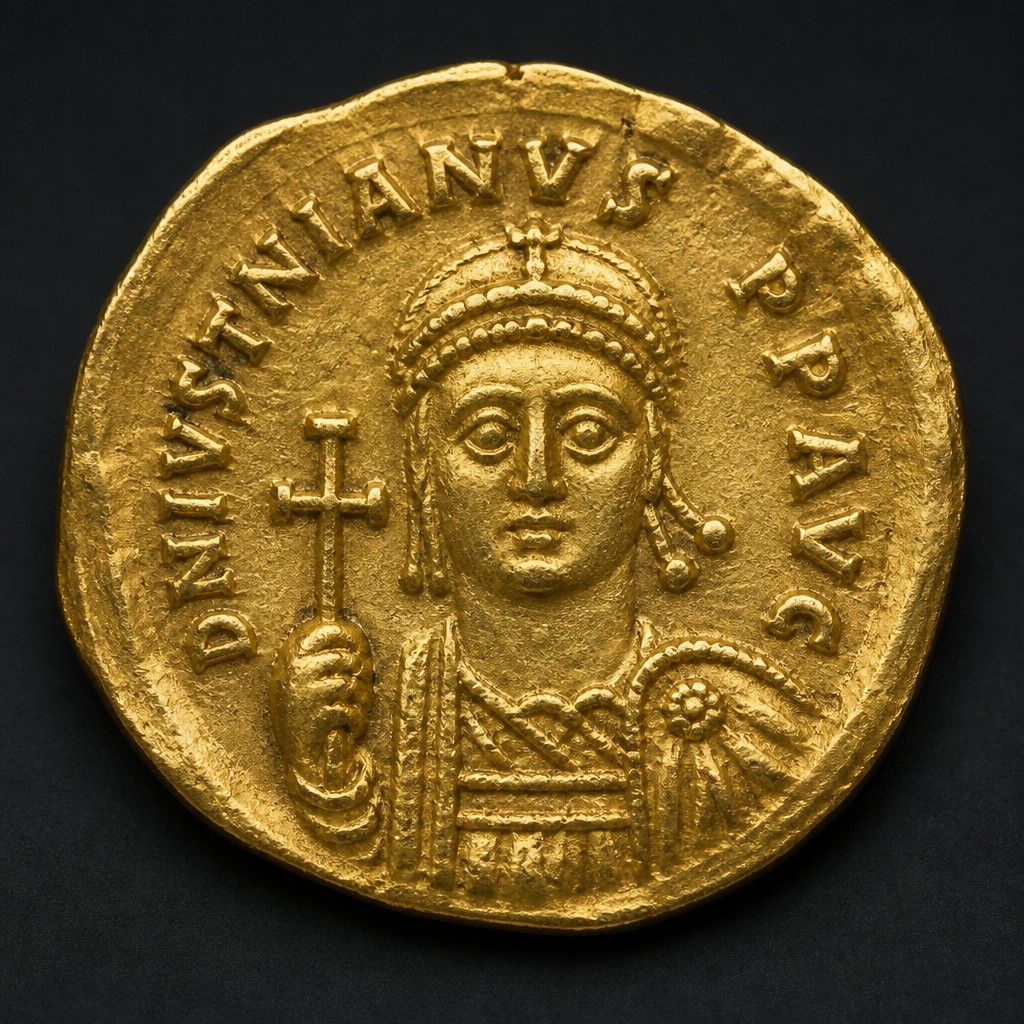
Byzantine Gold Tremissis
A small gold fractional coin worth one-third of a solidus, widely struck across the early Byzantine world and imitated by Germanic successor kingdoms in the former Western Roman Empire.
Ancient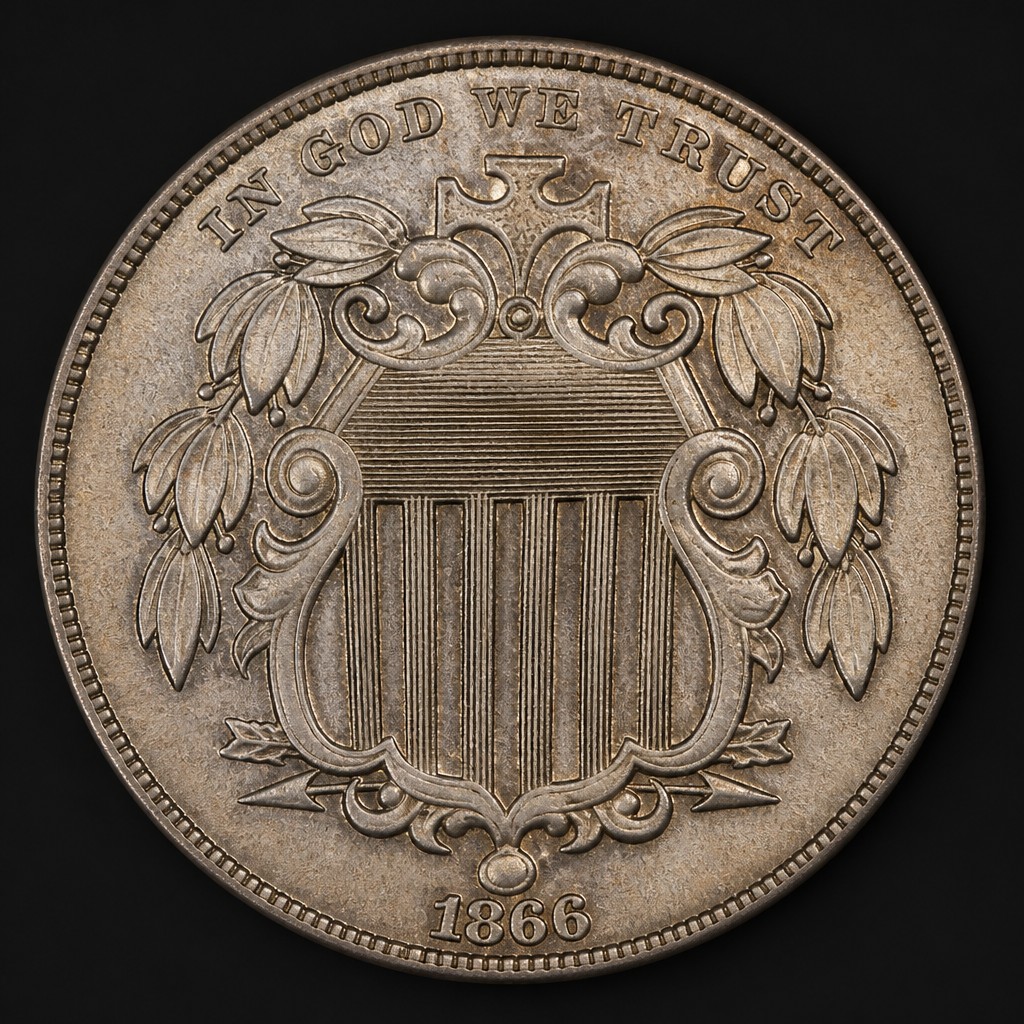
Shield Nickel
The first copper-nickel five-cent coin, the Shield Nickel features a national shield on the obverse and was issued from 1866 to 1883, including rare rays and proof-only dates.
United States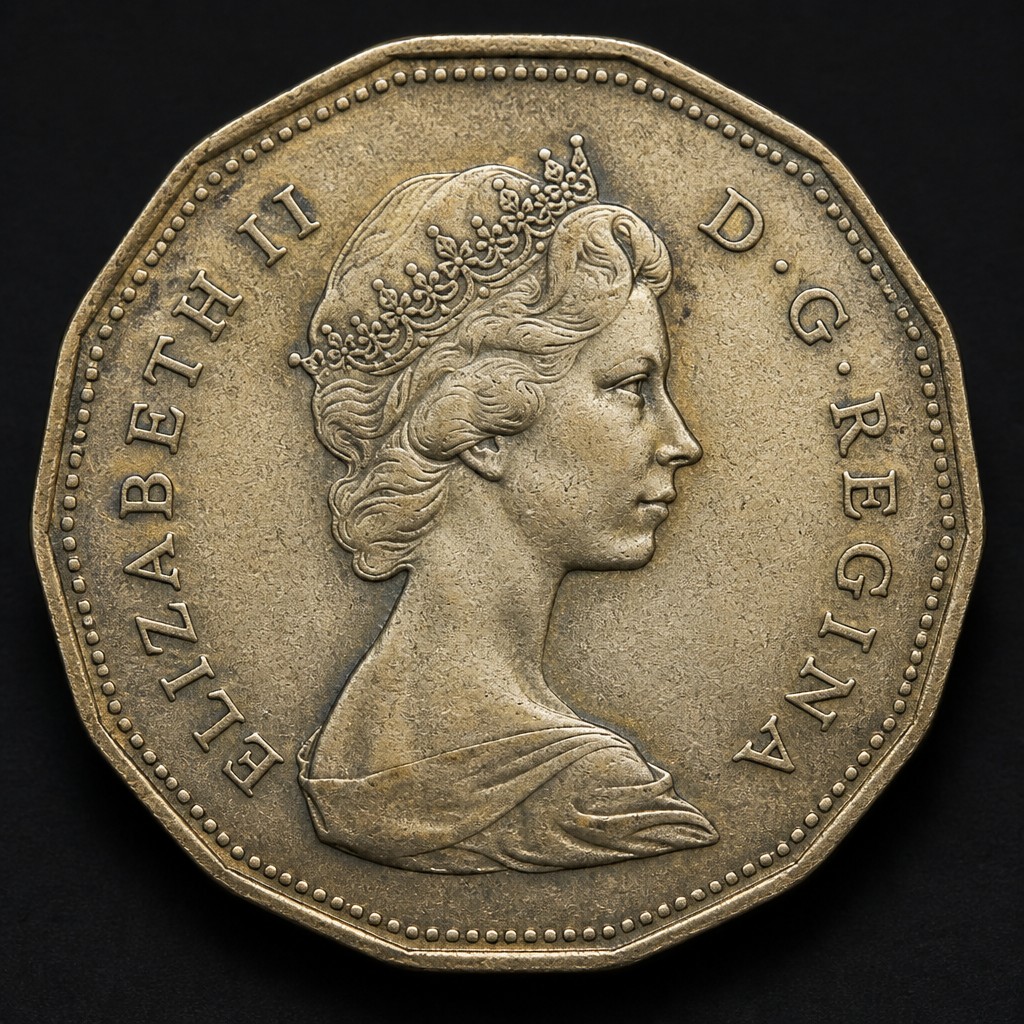
Threepence
A small British coin worth three pence, issued first as a tiny silver piece and later as the distinctive 12-sided brass 'threepenny bit' beloved for its unusual shape.
British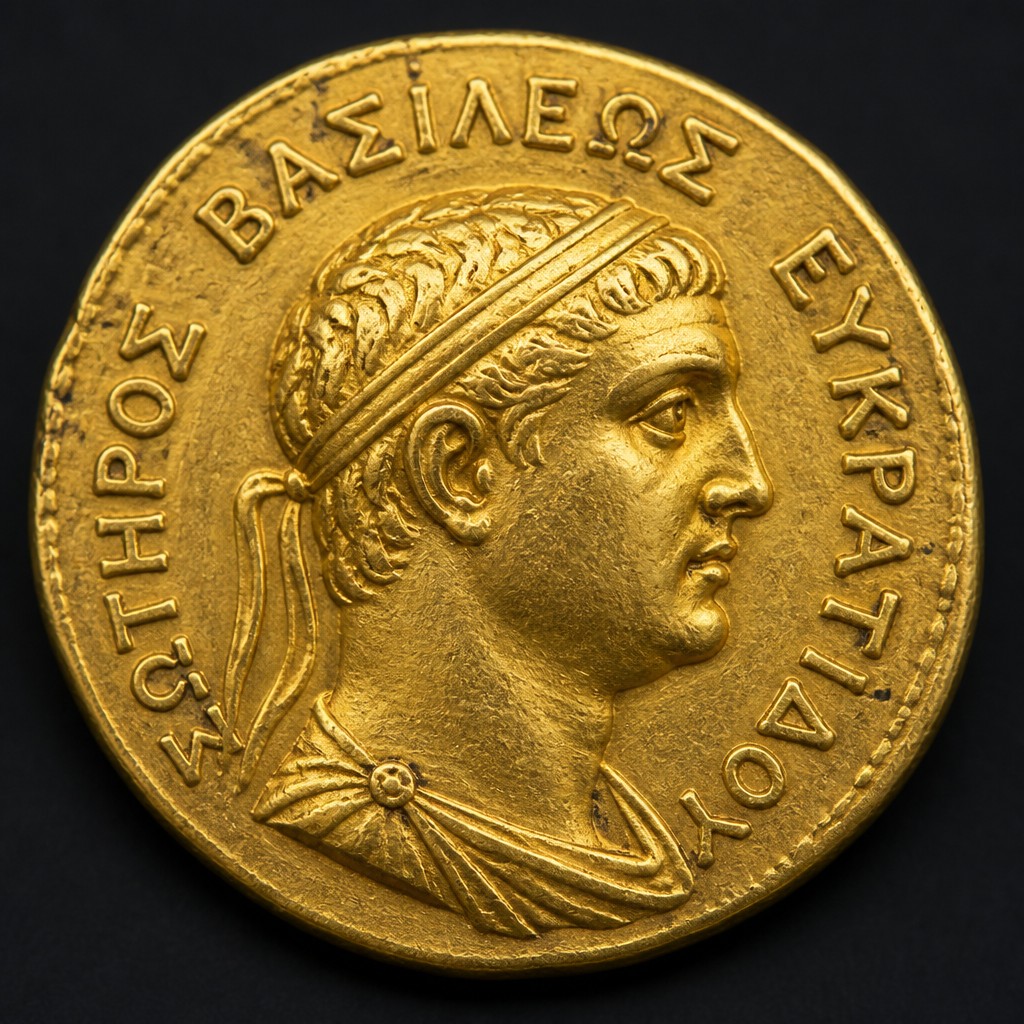
Eukratides I Gold Stater (Baktria)
A gold stater of Eukratides I, the powerful Greco-Bactrian king best known for issuing the largest gold coin surviving from antiquity, depicting the divine twins Dioskouroi on horseback.
Ancient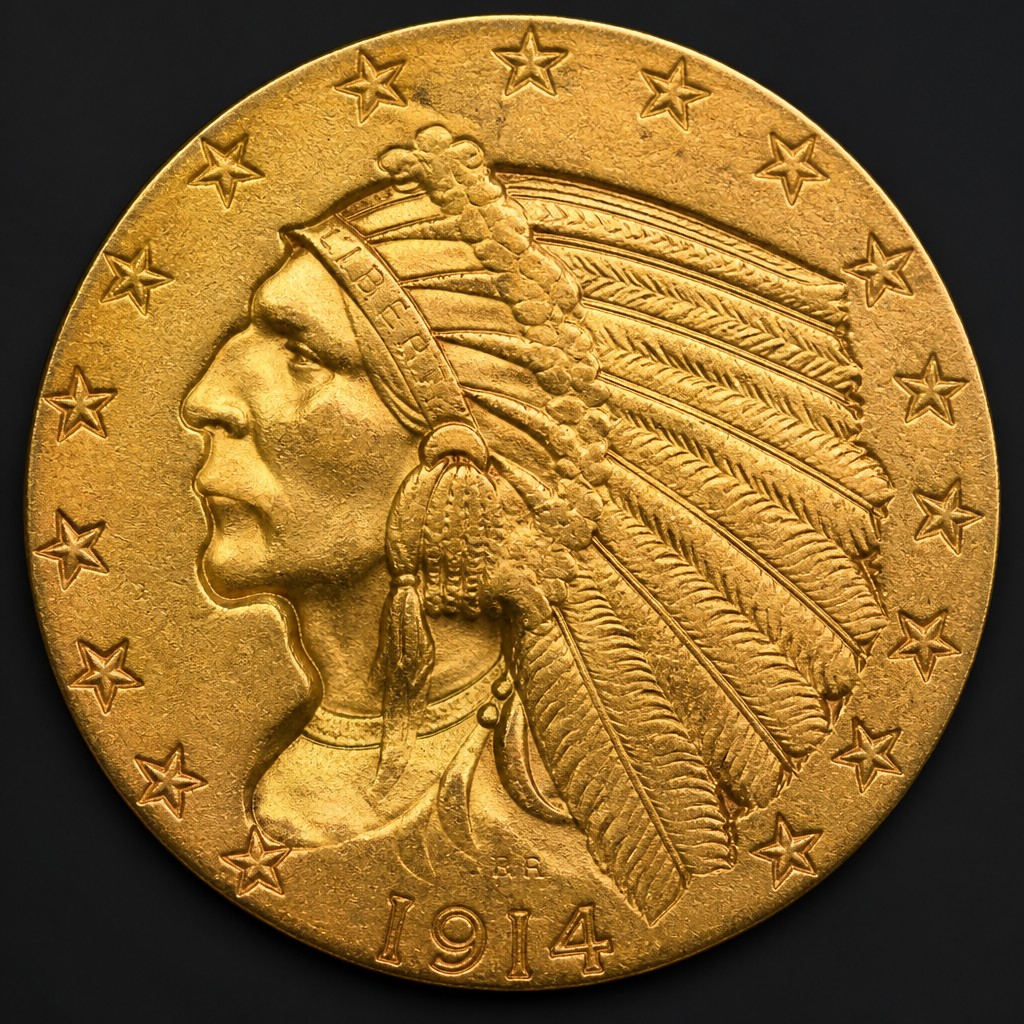
Indian Head Quarter Eagle ($2.50)
A small gold coin featuring Bela Lyon Pratt's distinctive incuse Native American design, one of only two U.S. denominations ever struck with recessed devices.
United States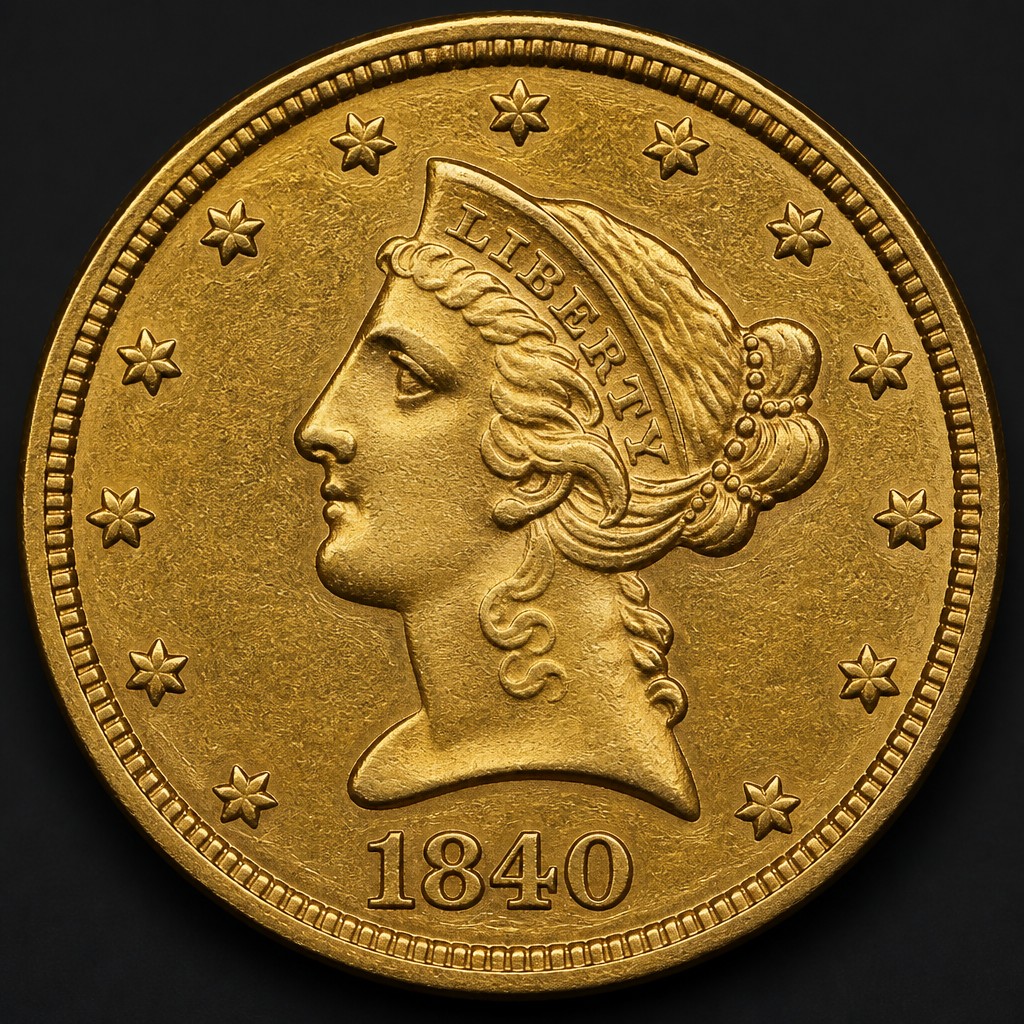
Liberty Head Quarter Eagle ($2.50)
A small 19th-century gold coin featuring Christian Gobrecht's Coronet Head design, minted across many branch facilities during America's gold rush era.
United States