
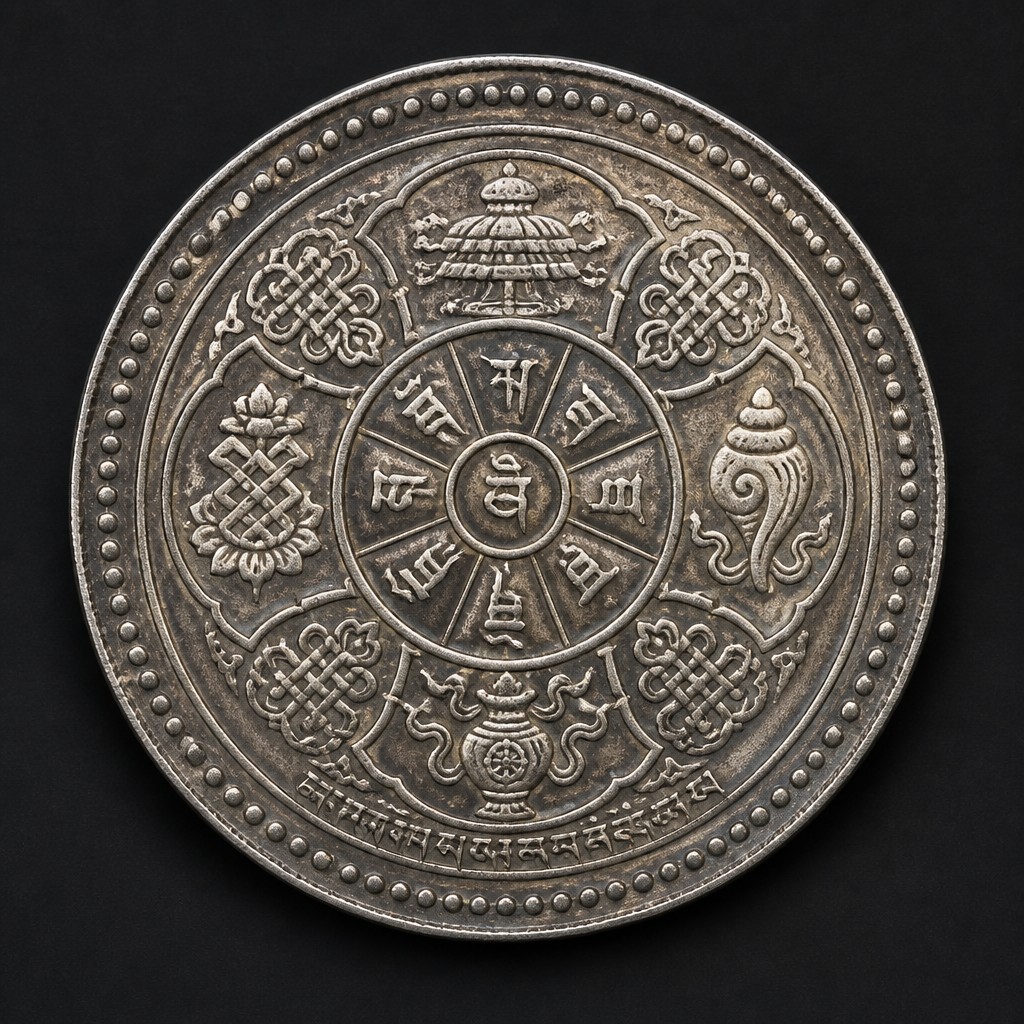
Tibetan Silver Srang (Ganden Tangka type)
A native Tibetan silver coin issued by the Ganden Phodrang government in Lhasa, featuring the Tibetan snow lion and traditional Tibetan script rather than Chinese imperial designs.
- Country
- Tibet (Ganden Phodrang government)
- Denomination
- Srang / Tangka (various multiples)
- Metal
- Silver
Got a coin like this?
Identify any coin from a photo, free.
Overview
The Ganden Tangka refers to silver coinage issued by Tibet's own Ganden Phodrang government, the traditional administration headed by the Dalai Lamas, as part of an effort to establish an independent Tibetan currency system in the early twentieth century. The srang was the larger monetary unit built from multiples of the traditional tangka denomination, and coins of this type mark a period of Tibetan self-assertion in monetary affairs distinct from earlier Chinese-supervised coinage.
Struck at Tibet's own mint facilities in Lhasa, these coins carry distinctly Tibetan iconography, most notably the snow lion, a national symbol, rather than Chinese dragons or imperial motifs seen on earlier Sino-Tibetan coinage produced under Qing dynasty oversight.
Collectors regard these coins as important artifacts of Tibet's period of de facto independence in the first half of the twentieth century, reflecting a deliberate effort to establish visible symbols of Tibetan political and economic autonomy.
History & Background
Following the fall of the Qing dynasty in 1911–1912 and the effective end of direct Chinese administrative control over Tibet, the Ganden Phodrang government under the 13th Dalai Lama pursued a program of modernization that included establishing an independent mint at Lhasa capable of producing Tibet's own coinage. This effort built upon earlier Tibetan minting traditions but introduced modernized production methods and new denominations, including silver tangka and srang issues.
These coins served Tibet's internal economy through the early and mid-twentieth century, a period often described by historians as one of Tibetan de facto independence, until the political situation changed dramatically following the People's Republic of China's assertion of control over Tibet beginning in 1950. Tibetan coinage of this type gradually gave way to Chinese currency as central control was reestablished in the following years.
How to Identify
The obverse typically features a Tibetan snow lion, often shown facing a mountain peak with a sun or other celestial symbol above, a design closely associated with Tibetan national identity. The reverse generally carries Tibetan script identifying the denomination and sometimes a date in the Tibetan calendar system, along with additional decorative elements such as auspicious symbols.
The coins are struck in silver and vary in size according to denomination, with the srang representing a larger unit than the basic tangka. Because these coins were produced using more mechanized striking methods than earlier hand-struck Tibetan issues, they tend to show more regular, well-centered designs compared to older, cruder Tibetan coinage.
Collectors distinguish this type from earlier Sino-Tibetan coinage (which often carried Chinese characters or Qing-era imperial references) by its purely Tibetan script and iconography, reflecting the coin's origin from Tibet's own independent mint rather than under Chinese administrative supervision.
Value & Collectibility
Tibetan silver coinage of this type is a specialized collecting area with values driven strongly by specific type, date, and condition, since Tibetan coins were produced in far smaller quantities than most contemporary Asian coinage. Well-preserved, sharply struck examples are considerably more desirable than worn or damaged pieces.
Certain rarer denominations and short-lived types command notably higher prices among specialist collectors of Tibetan and Himalayan numismatics, sometimes reaching into the hundreds of dollars or more for choice, well-documented examples, while more common types remain comparatively modest in price.
Because Tibetan coinage attribution can be complex, with many similar-looking types spanning different decades and mint variations, collectors are advised to consult dedicated Tibetan numismatic references to confirm exact type and assess fair value.
Frequently asked questions
What is a srang?
The srang was a Tibetan monetary unit representing a larger denomination built from multiples of the traditional tangka, used within Tibet's own independent currency system.
Why does the coin show a snow lion?
The snow lion is a traditional Tibetan national symbol, and its use on this coinage reflects Tibet's assertion of its own distinct identity separate from Chinese imperial coinage designs.
Where was this coin minted?
It was produced at Tibet's own mint facilities established in Lhasa under the Ganden Phodrang government in the early twentieth century.
How is this different from earlier Sino-Tibetan coins?
Earlier Sino-Tibetan coinage often carried Chinese characters and Qing dynasty imperial references, while this later Tibetan coinage uses purely Tibetan script and national iconography.
Is Tibetan coinage rare?
Compared to most Asian coinage of similar age, Tibetan issues were produced in smaller quantities and are considered a specialized, often scarcer, collecting area.
Other coins you may enjoy
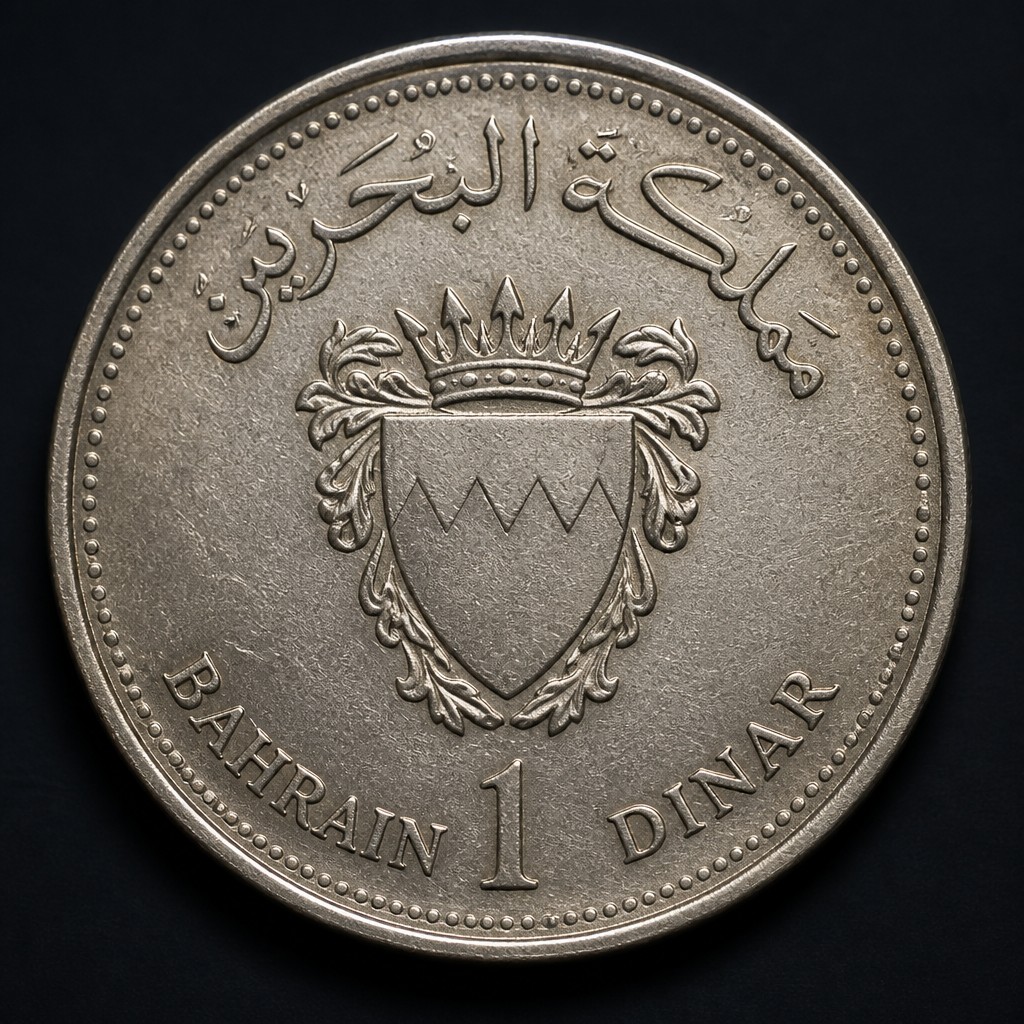
Bahraini Dinar
1965–present
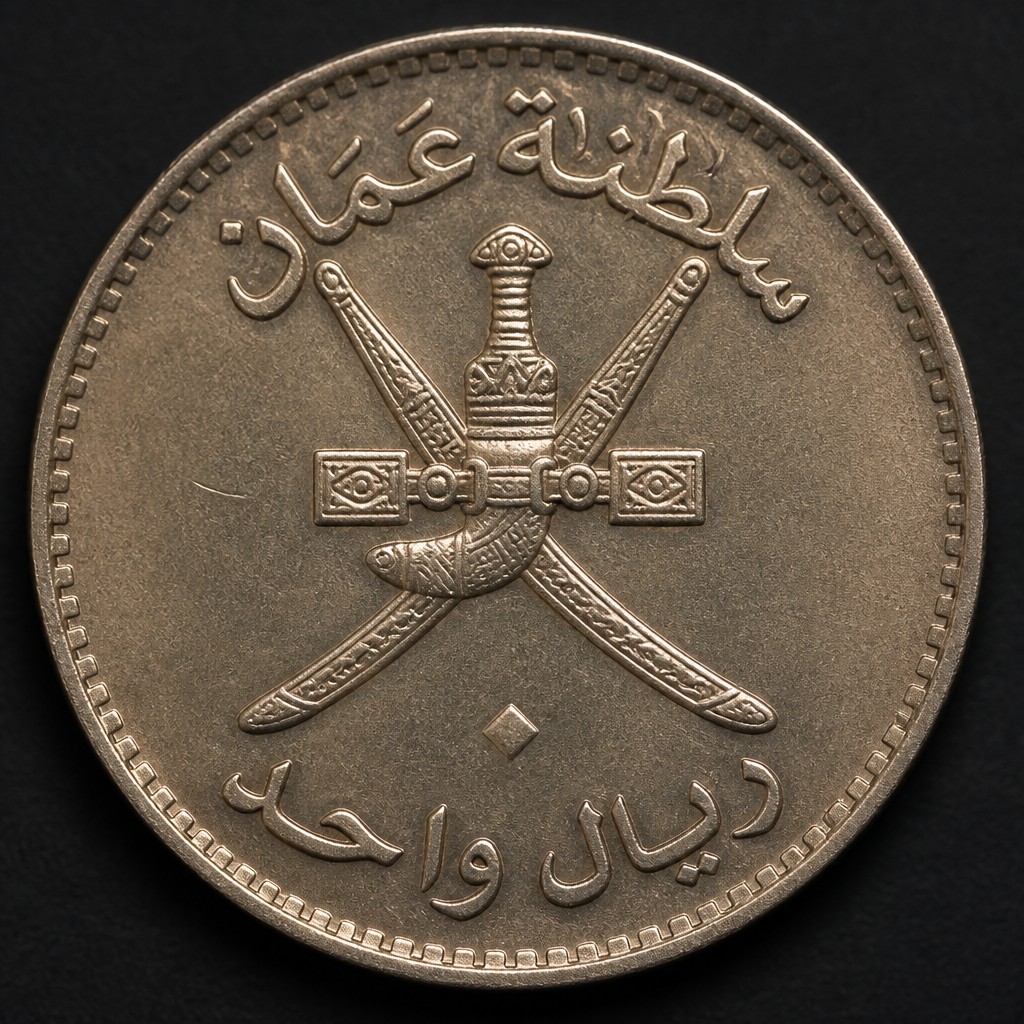
Omani Rial (Baisa Coinage)
1970–present
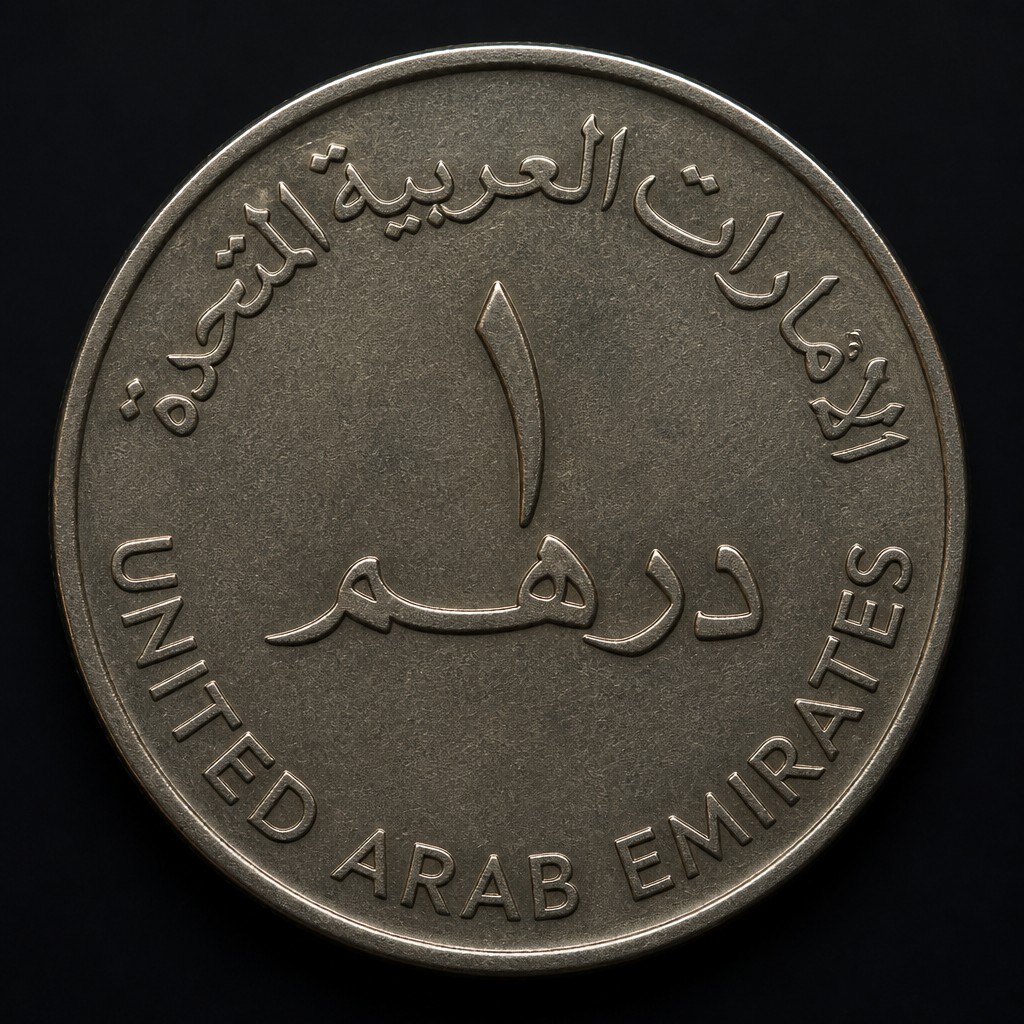
United Arab Emirates Dirham
1973–present
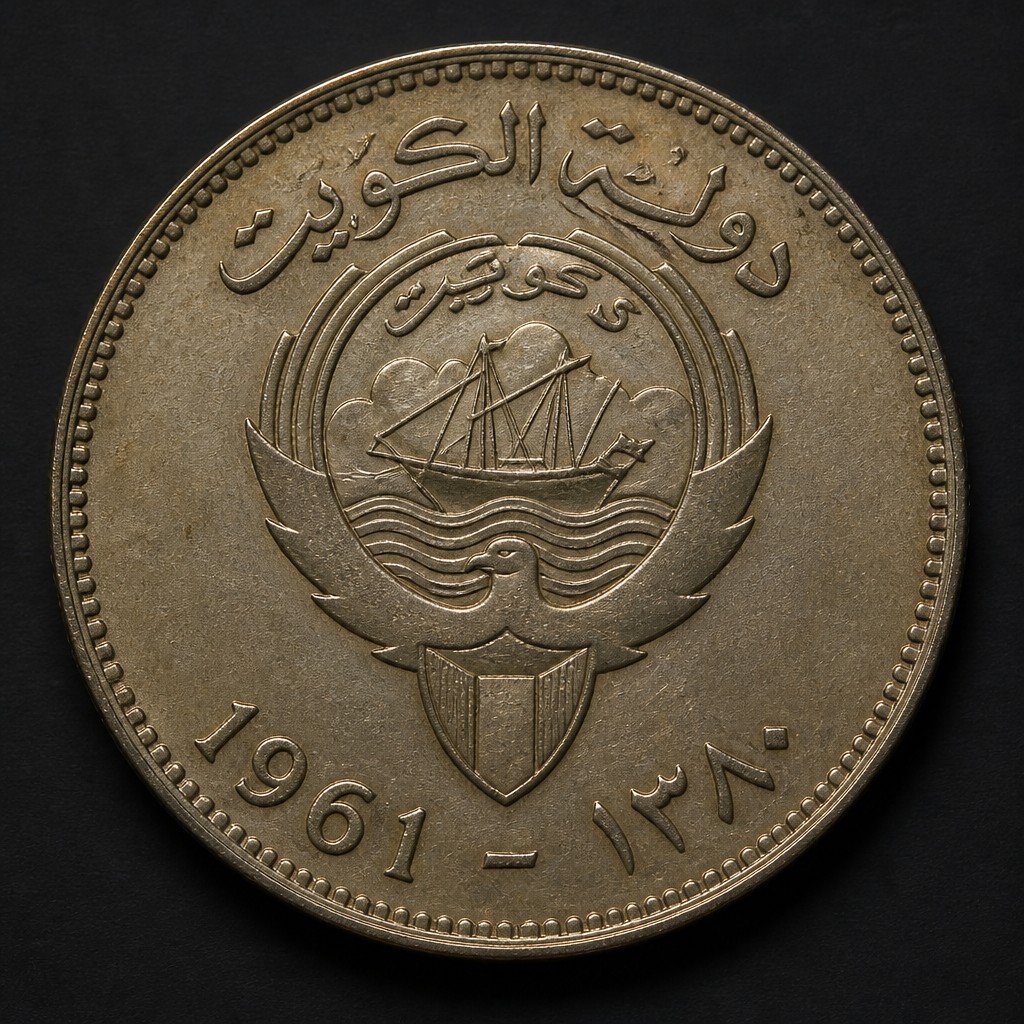
Kuwaiti Fils
1961–present
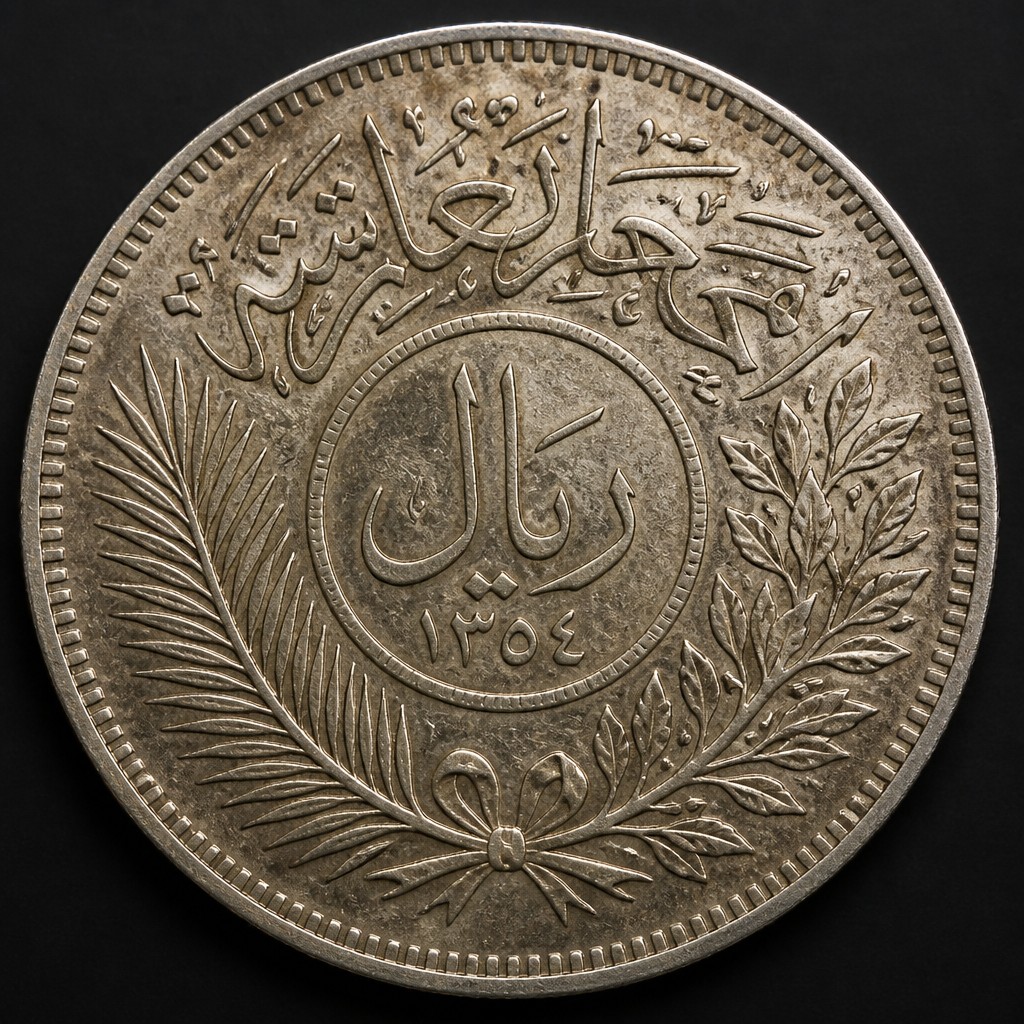
Saudi Arabian Riyal (silver)
1935 (Kingdom-wide standardization) and related issues
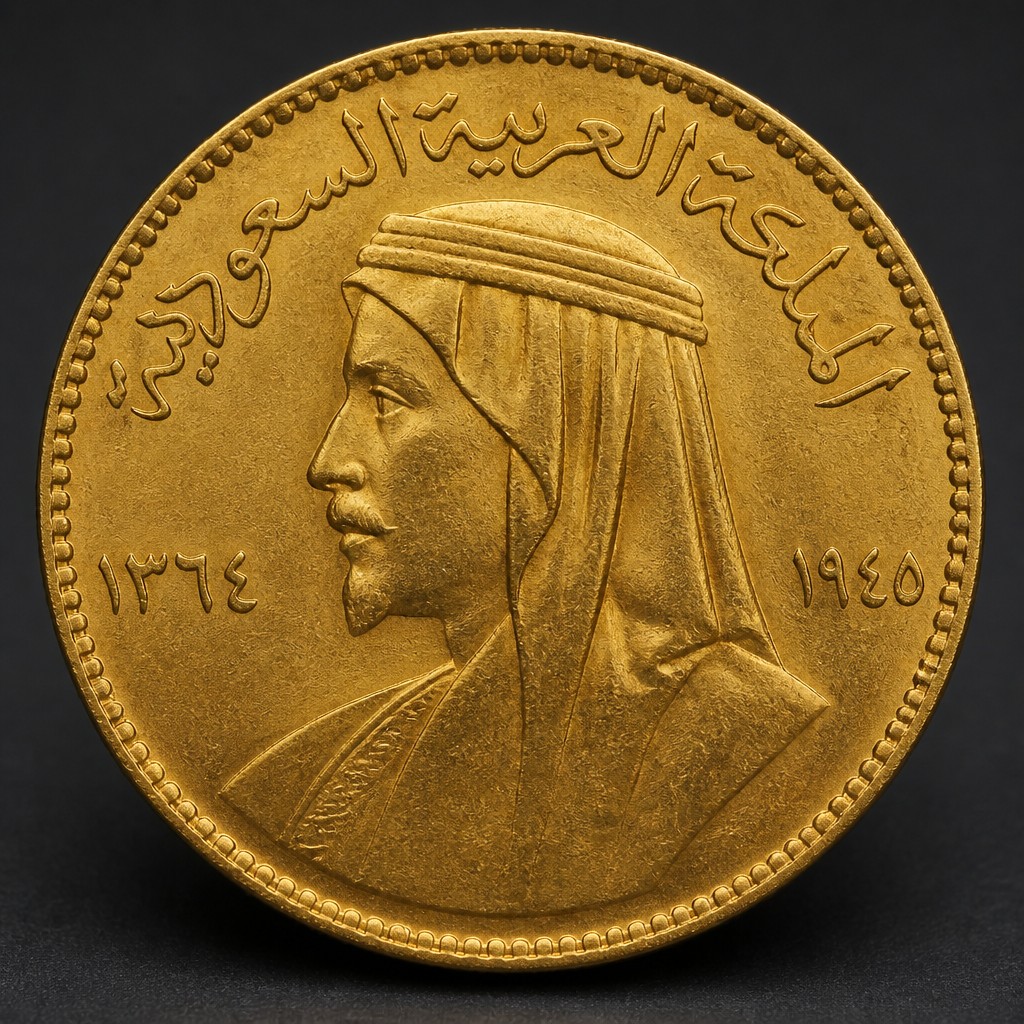
Saudi Arabian Gold Guinea (Sovereign)
1945 and later issues
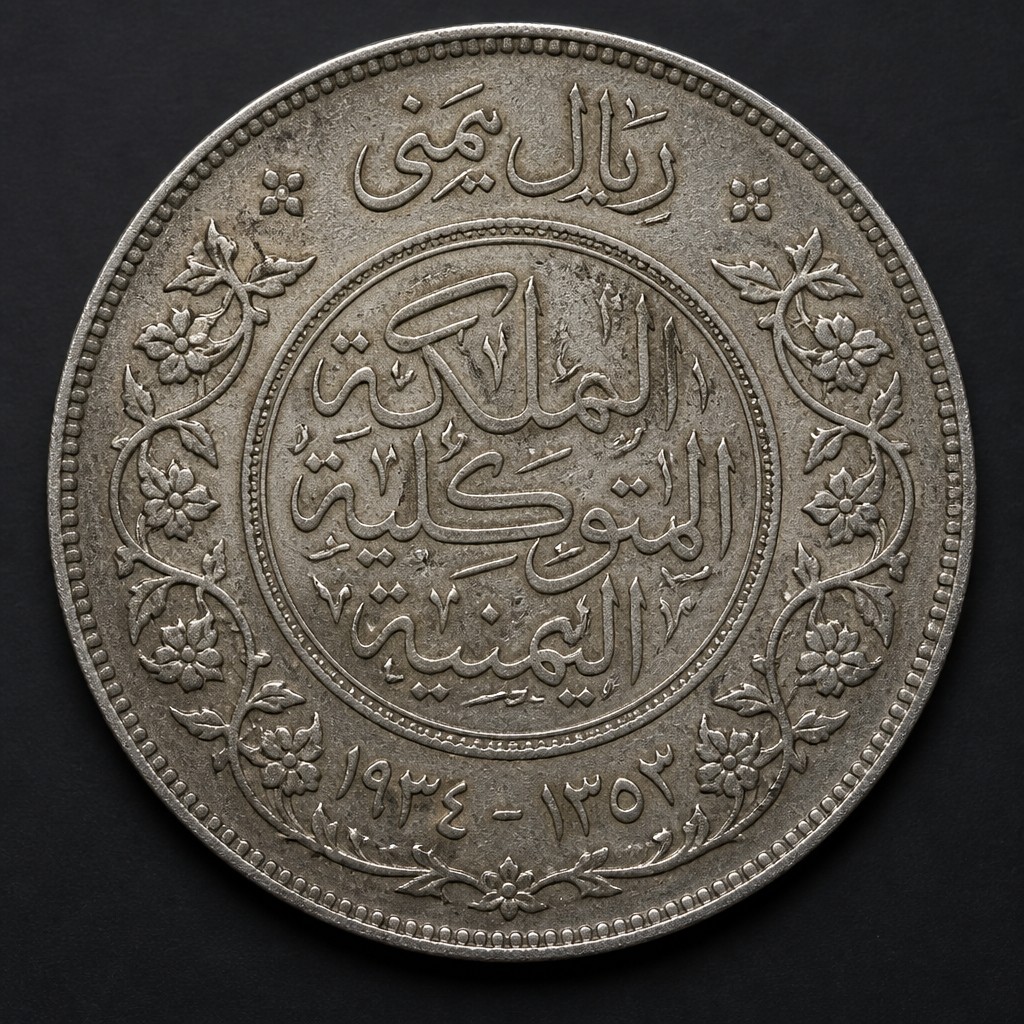
Yemeni Riyal (Ahmadi/Imadi Kingdom Coinage)
Early-to-mid 20th century
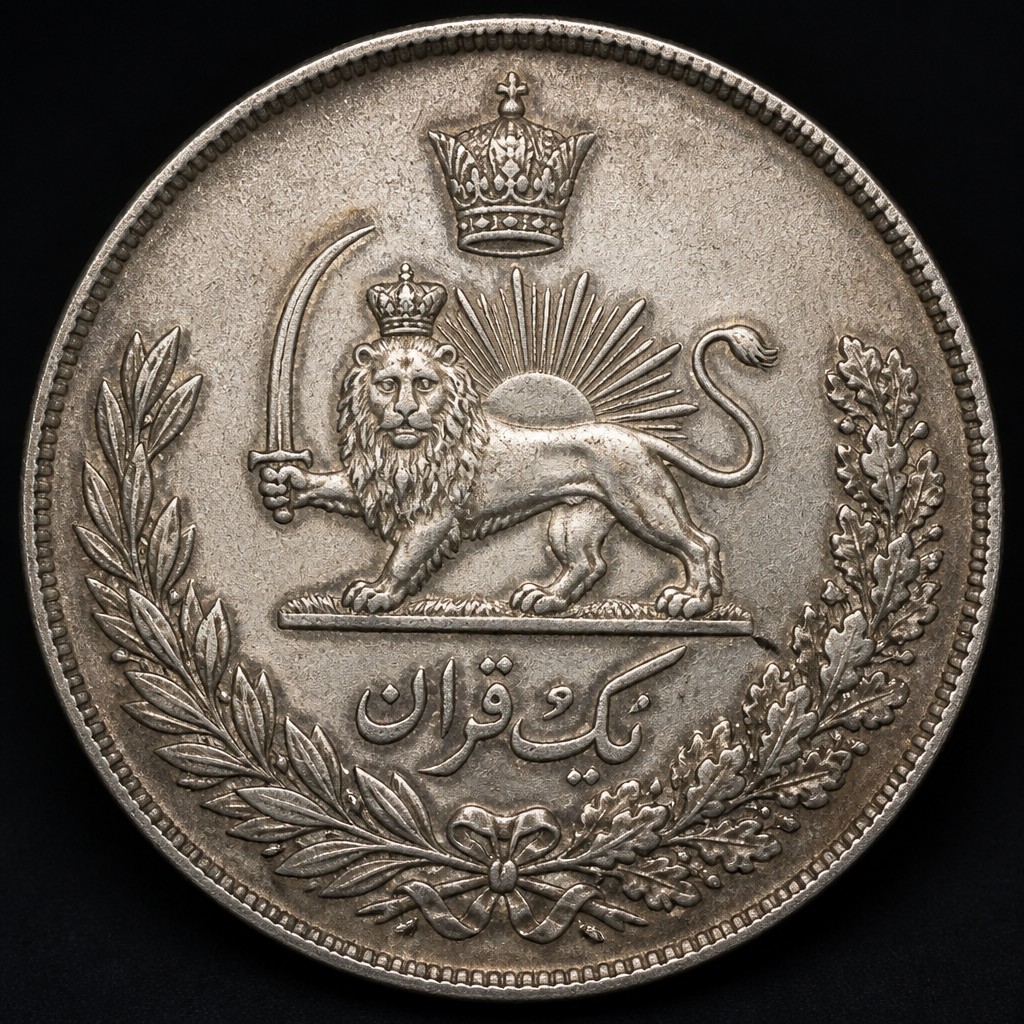
Persian Kran (Qajar silver)
Mid-19th century–1925
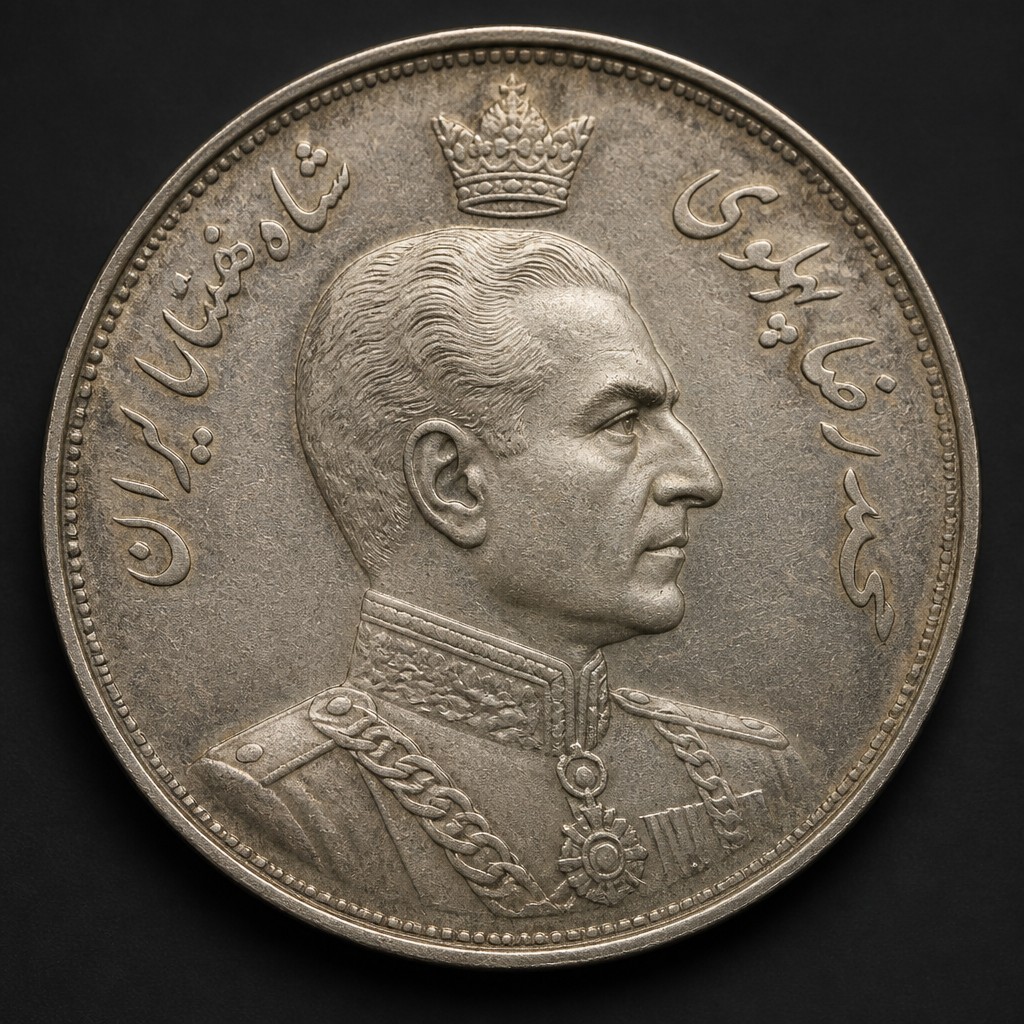
Iranian Rial
1932–present
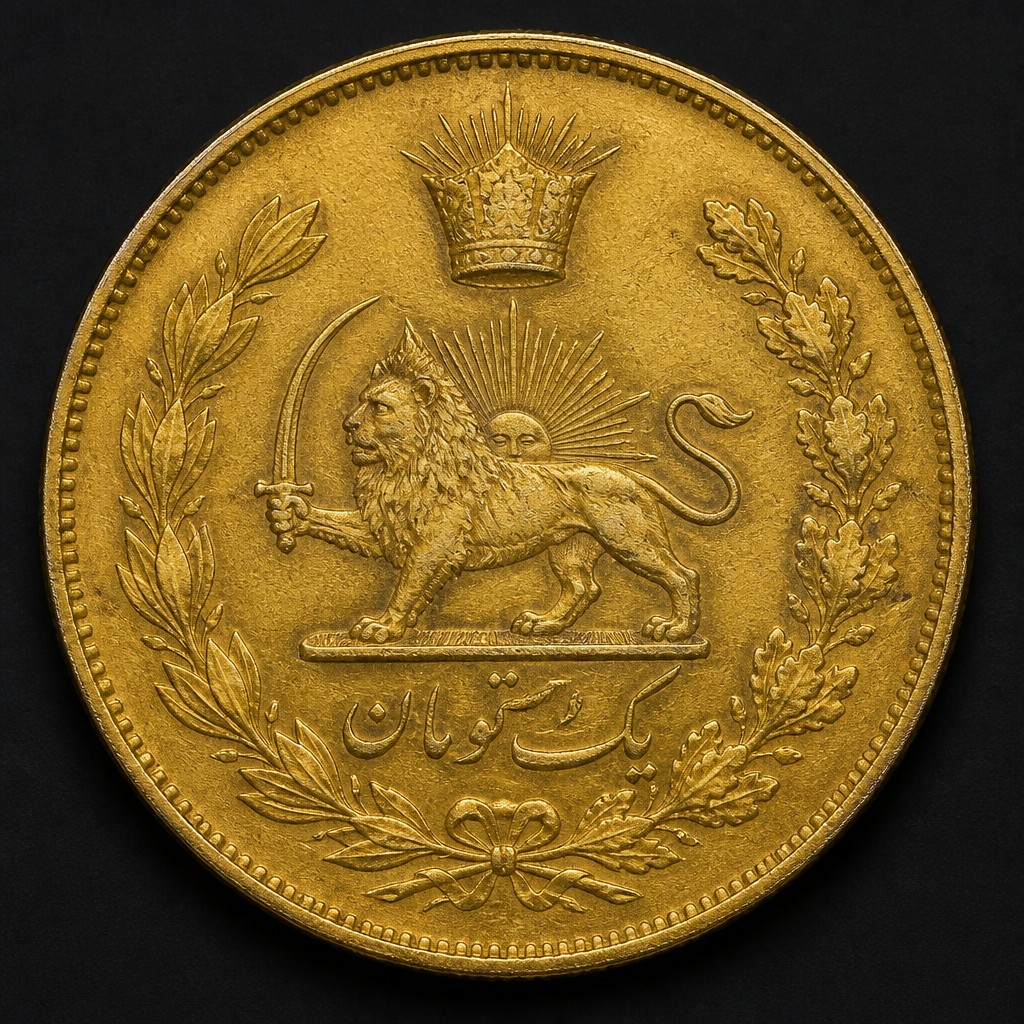
Persian Gold Toman (Qajar)
1796–1925
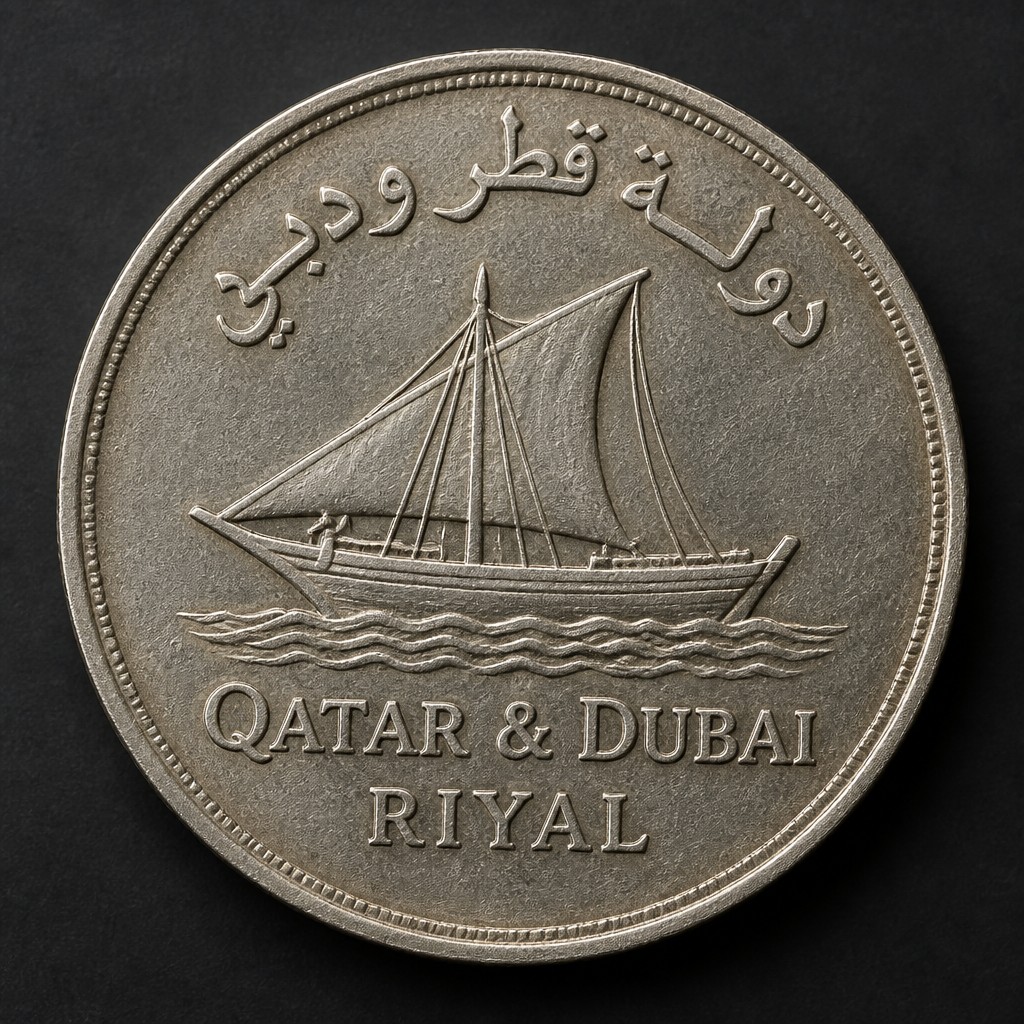
Qatar and Dubai Riyal
1966–1973
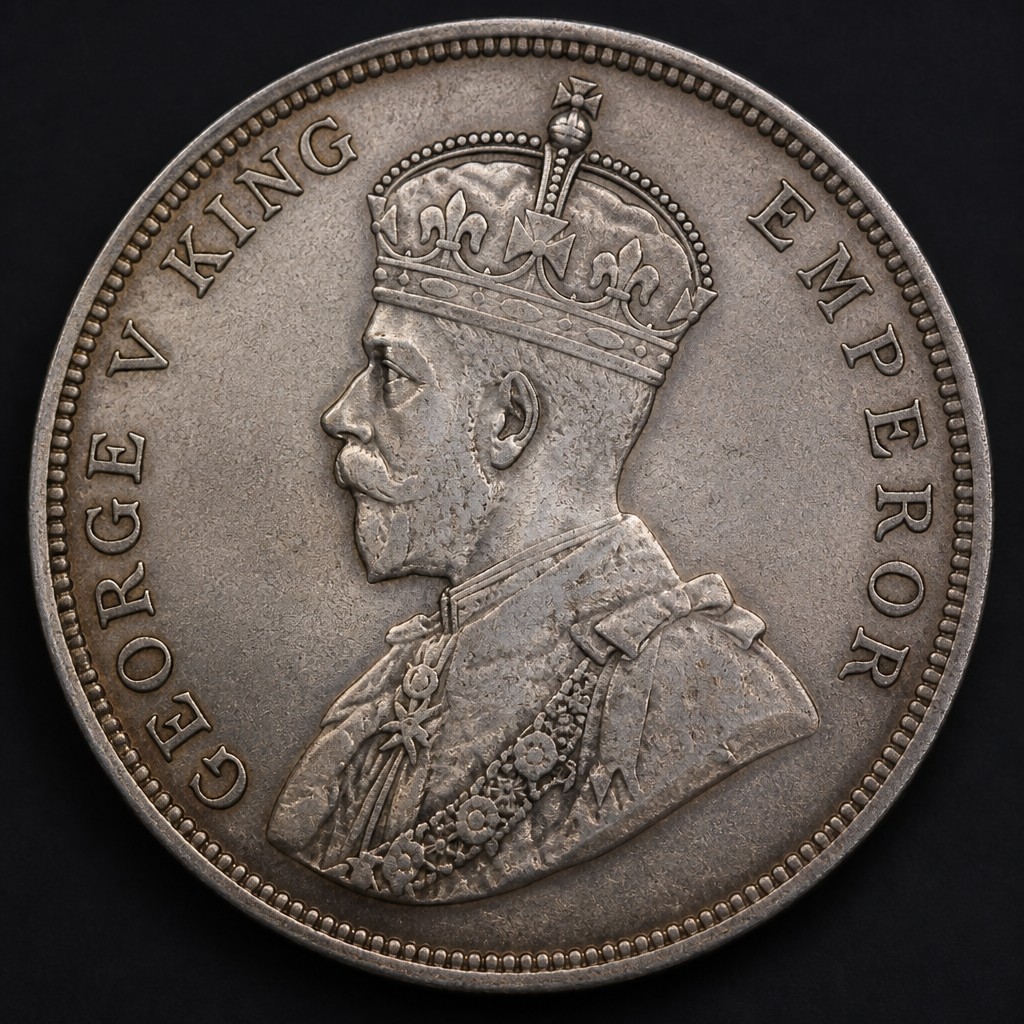
British India Rupee (Silver)
1835–1947