
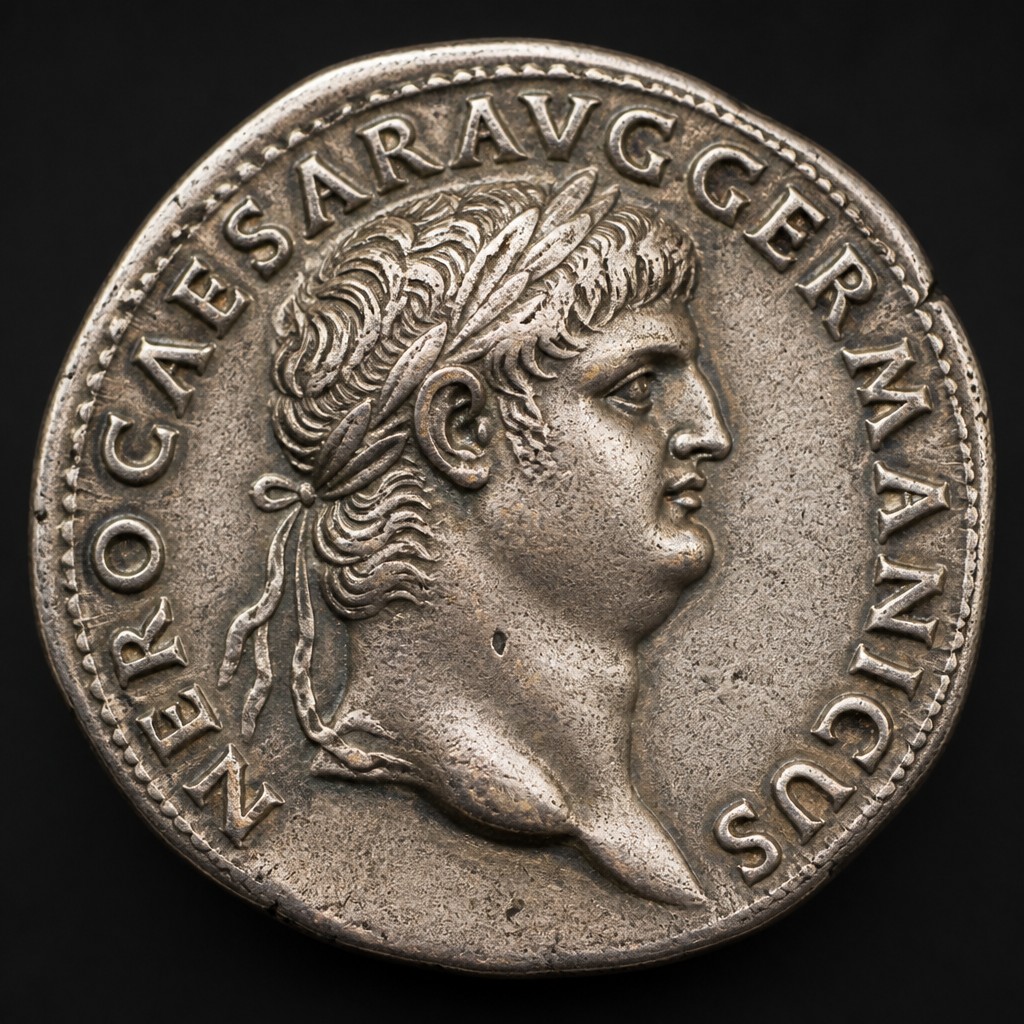
Nero Denarius
The silver coin of the notorious emperor Nero, whose AD 64 currency reform slightly reduced the denarius's silver content and weight, a step in the long history of Roman debasement.
- Country
- Roman Empire
- Denomination
- Denarius
- Metal
- Silver (reduced to approx. 93% fine after AD 64 reform)
Got a coin like this?
Identify any coin from a photo, free.
Overview
The Nero denarius is significant to collectors both for its connection to one of Rome's most infamous emperors and for its place in the broader story of Roman monetary debasement. Nero's currency reform of AD 64 marked one of the first notable reductions in the precious metal content of Roman coinage, a trend that would recur repeatedly over the following centuries as emperors faced rising costs.
Beyond the historical intrigue of Nero's reign, which included the Great Fire of Rome, persecution of Christians, and his own dramatic downfall, the coin's portraiture is often noted by collectors for its increasingly heavy, fleshy depiction of the emperor in his later issues, believed to reflect his real physical appearance in his final years.
History & Background
Nero became emperor in AD 54 at just sixteen years old, initially guided by advisors including the philosopher Seneca, before his reign descended into increasing excess, political purges, and eventual open revolt against him. His reign is remembered for the Great Fire of Rome in AD 64, the subsequent persecution of Christians, and his extravagant building projects including the Domus Aurea.
In AD 64, Nero enacted a currency reform that reduced the weight and silver fineness of the denarius, alongside changes to gold coinage, likely driven by the enormous costs of rebuilding Rome after the fire and funding his lavish court. This reform is often cited by historians as an early and important step in the long-term pattern of Roman coin debasement that would accelerate dramatically over the following two centuries.
Nero's reign ended in AD 68 when, facing rebellion from provincial governors and abandonment by the Senate and Praetorian Guard, he took his own life, becoming the last emperor of the Julio-Claudian dynasty founded by Augustus.
How to Identify
The obverse shows Nero's portrait, typically laureate, and it is one of the more stylistically distinctive Julio-Claudian portraits, evolving from a slim, youthful image early in his reign to a noticeably heavier, more fleshy neck and jawline in later issues. The surrounding legend gives his name and imperial titles, which can help narrow down the approximate date of issue.
Reverse types are varied and include figures such as Jupiter, Salus (goddess of health and safety), Roma seated, and other deities and personifications tied to his reign's propaganda. Some later types also reflect his post-AD 64 reform coinage, distinguishable by subtle differences in weight and silver purity from pre-reform issues, though this is generally only confirmed through specialist analysis or comparison to catalog weights.
The coin follows the standard small Roman silver denomination size of roughly 18-19mm. Collectors distinguish Nero's coinage from his Julio-Claudian predecessors mainly through the specific portrait style and inscribed titles, since his later, heavier portrait is fairly recognizable once familiar with the series.
Value & Collectibility
Nero denarii are reasonably available on the ancient coin market, with common types in worn to moderate grade often available for a few hundred dollars, reflecting his substantial mintage and the coin's status as a well-known, historically infamous ruler. Well-struck examples with strong, characterful portraits command a premium, as collectors are particularly drawn to expressive imperial portraiture.
Rarer reverse types or exceptionally high-grade examples can command significantly more, and the historical notoriety of Nero as a subject adds enduring demand across the collecting community. As with all ancient silver, toning, strike quality, and centering meaningfully affect price.
Frequently asked questions
Why did Nero's coinage change in AD 64?
He enacted a currency reform that reduced the weight and silver fineness of the denarius, likely to help cover costs after the Great Fire of Rome and his lavish spending.
Why does Nero's portrait look different on later coins?
His later portraits show a heavier, fleshier appearance, generally believed to reflect changes in his actual physical appearance as he aged.
How did Nero's reign end?
Facing rebellion and abandonment by the Senate and Praetorian Guard in AD 68, Nero took his own life, ending the Julio-Claudian dynasty.
Are Nero denarii common?
They are reasonably available compared to many other ancient Roman issues, though prices rise for rarer types and higher grades.
What deities appear on Nero's denarius reverses?
Common reverse figures include Jupiter, Salus, and Roma, among other deities and personifications used in imperial coin propaganda.
Other coins you may enjoy
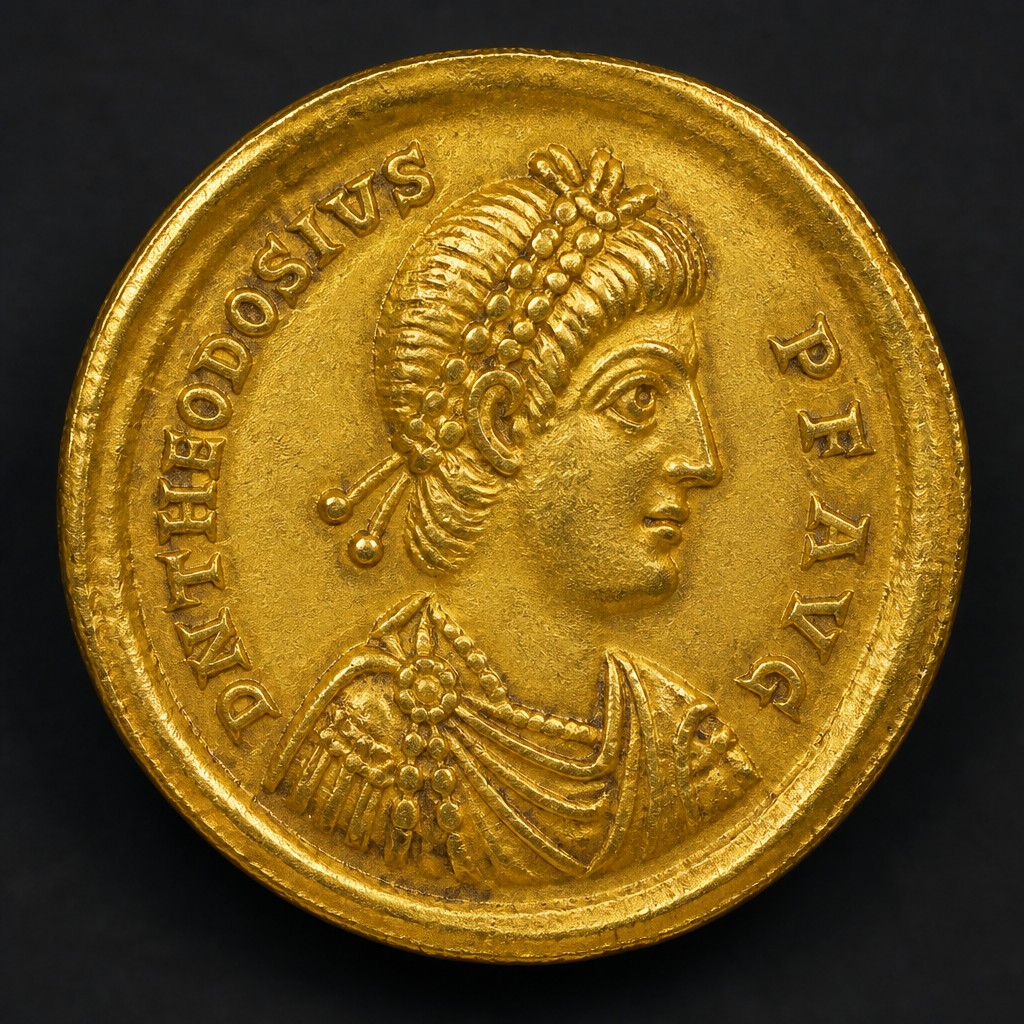
Theodosius I Solidus
379–395 AD
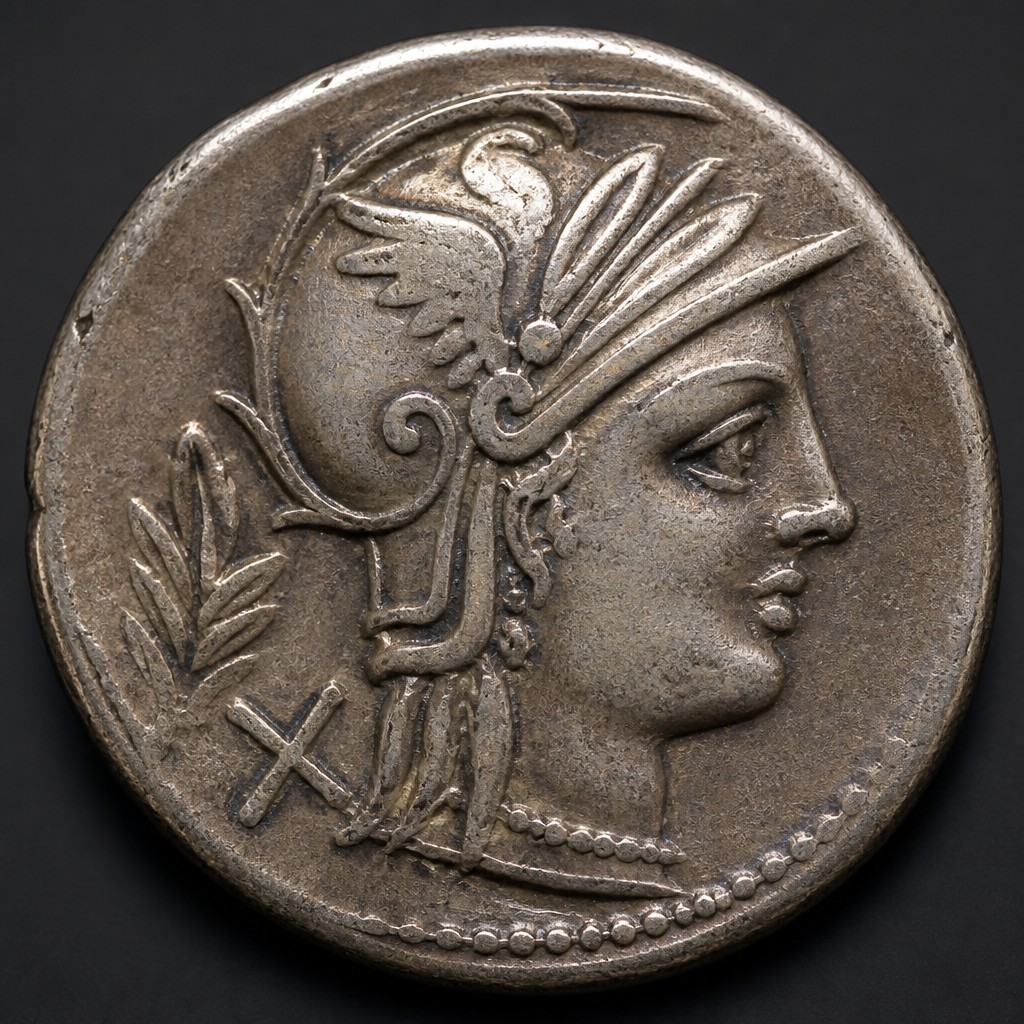
Republican Victoriatus
c. 211–170 BC
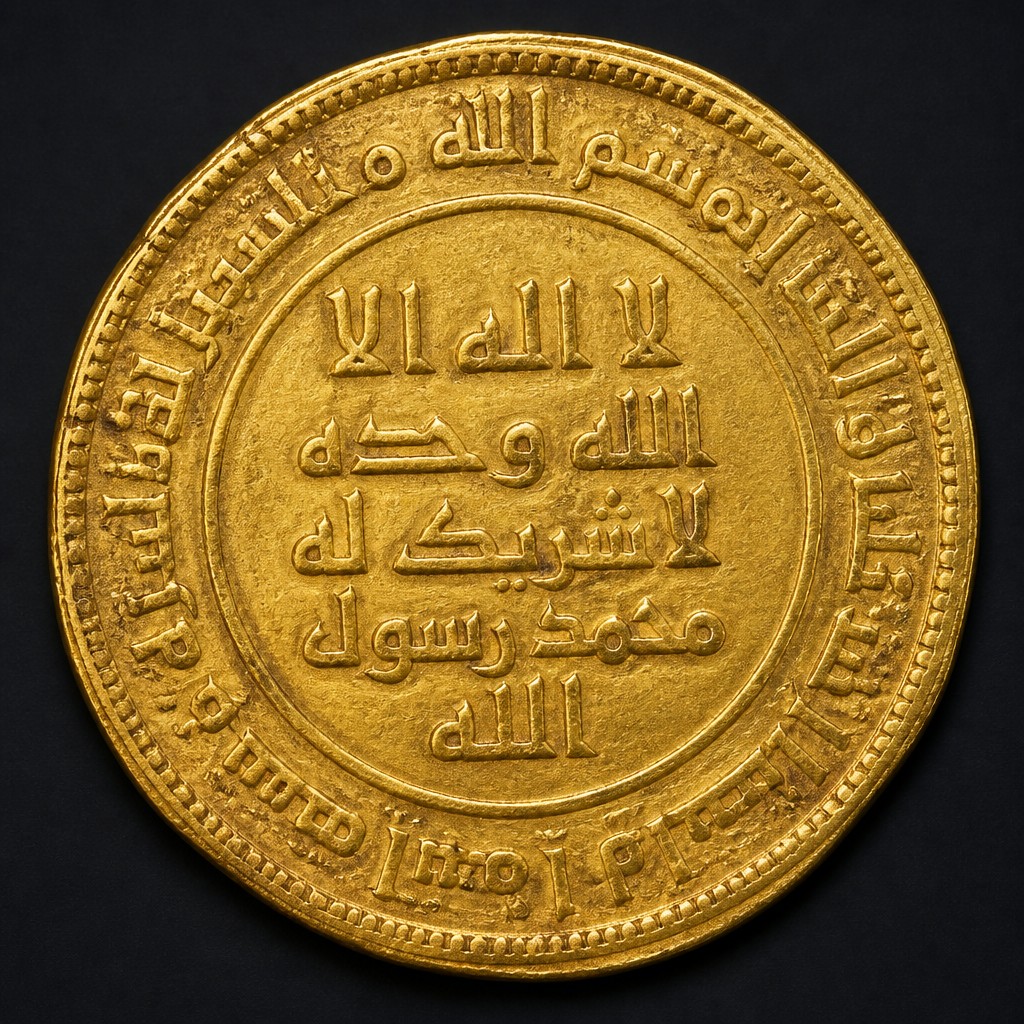
Islamic Gold Dinar (Umayyad)
c. 696–750 AD
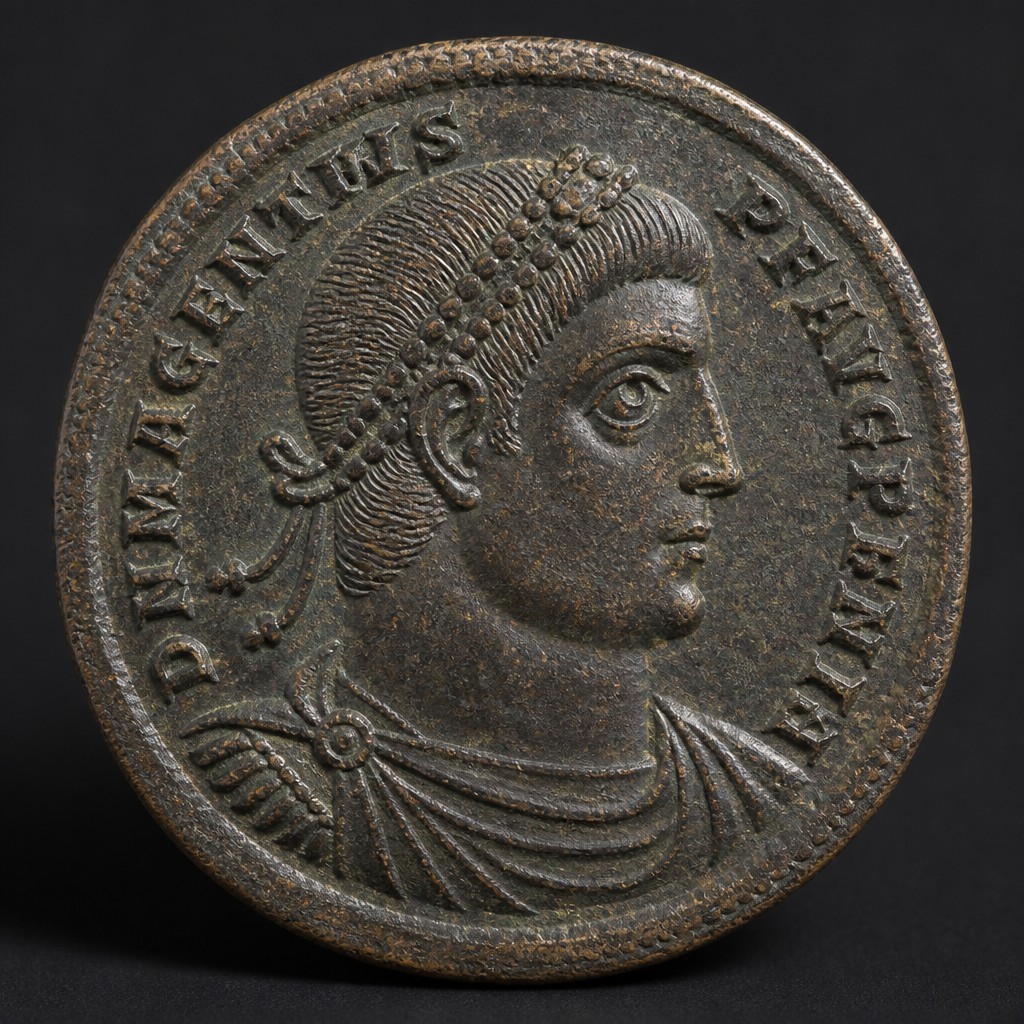
Magnentius Double Centenionalis
350–353 AD
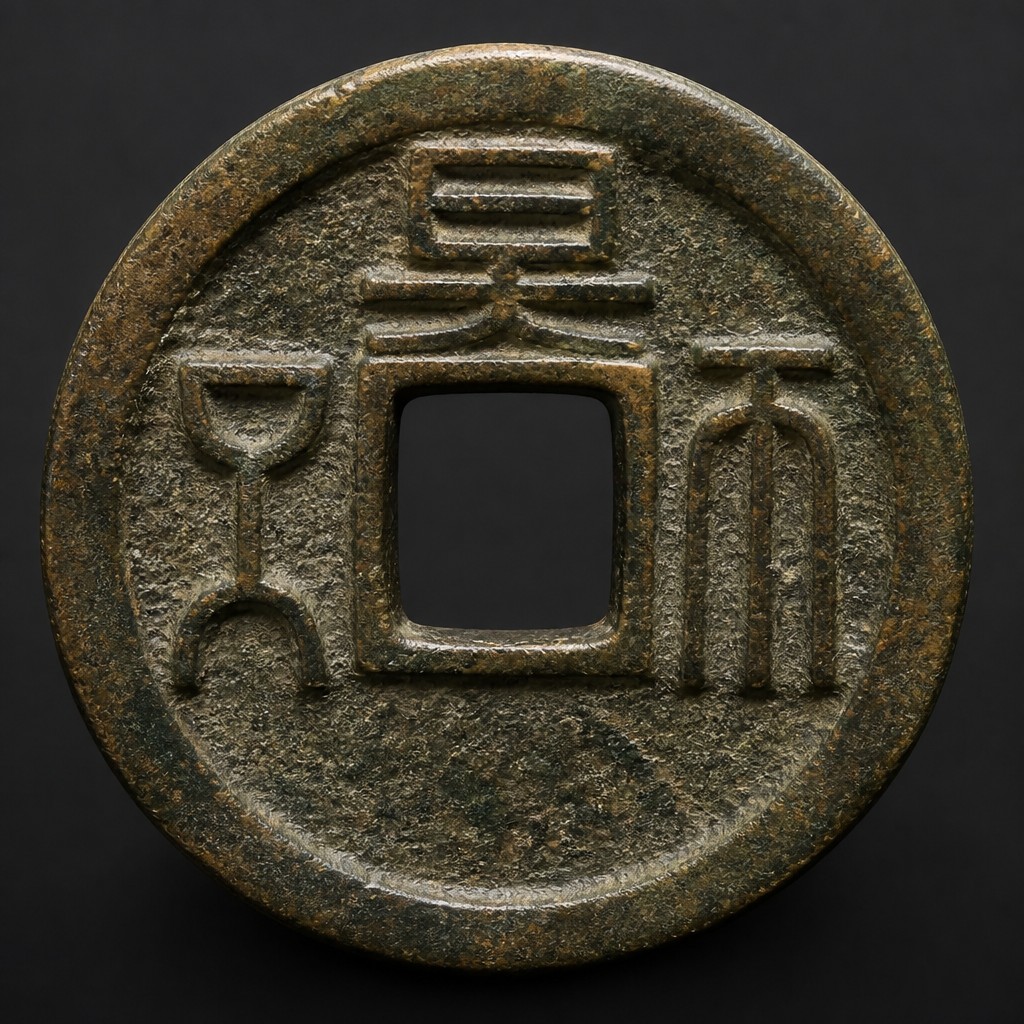
Chinese Wu Zhu Cash
118 BC – 618 AD
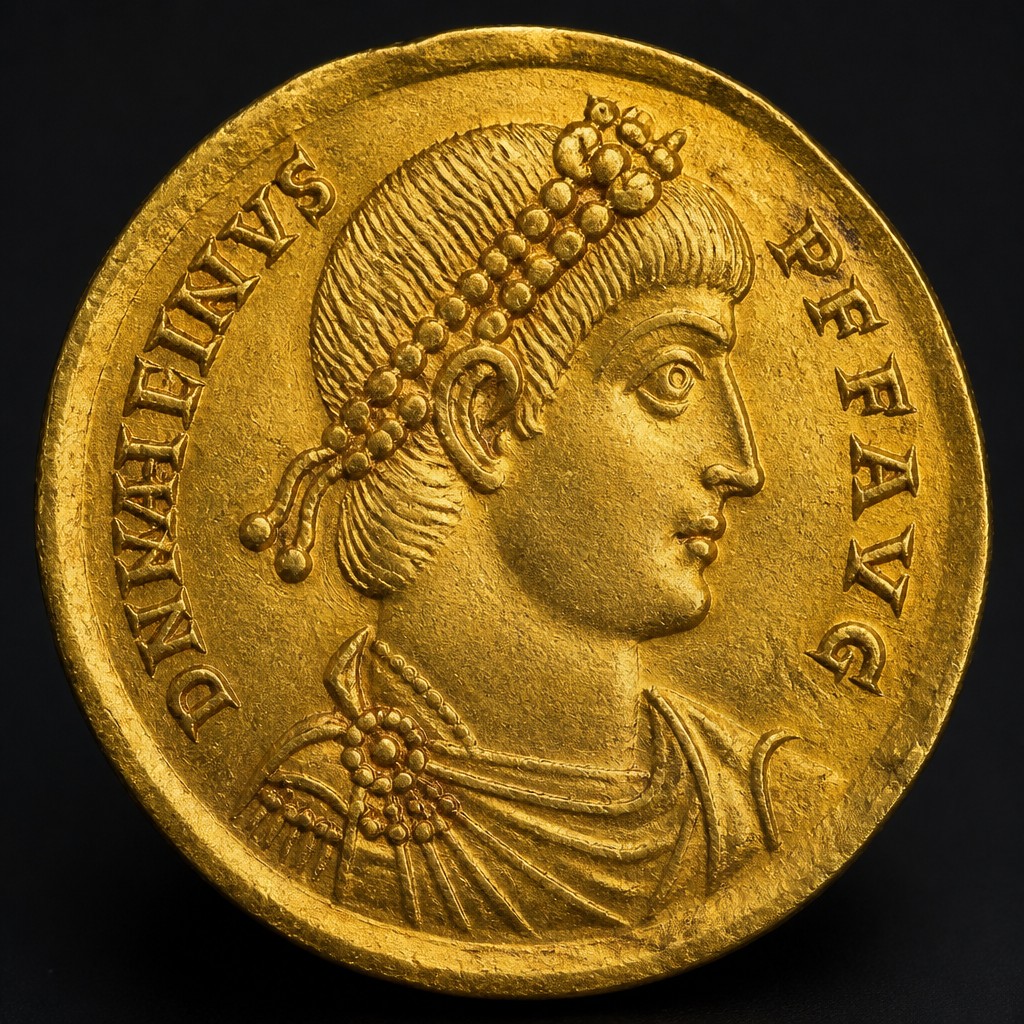
Valentinian I Solidus
364–375 AD
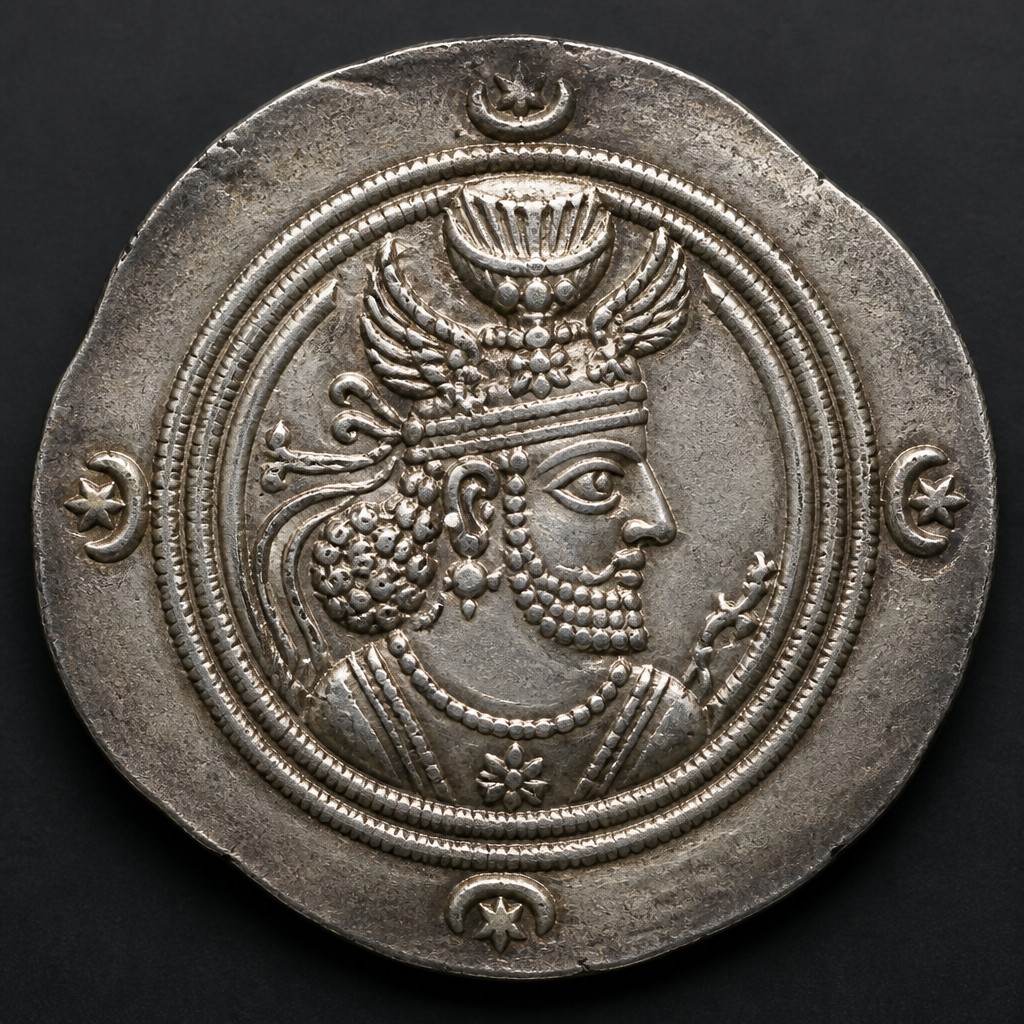
Sassanian Silver Drachm
c. 224–651 AD
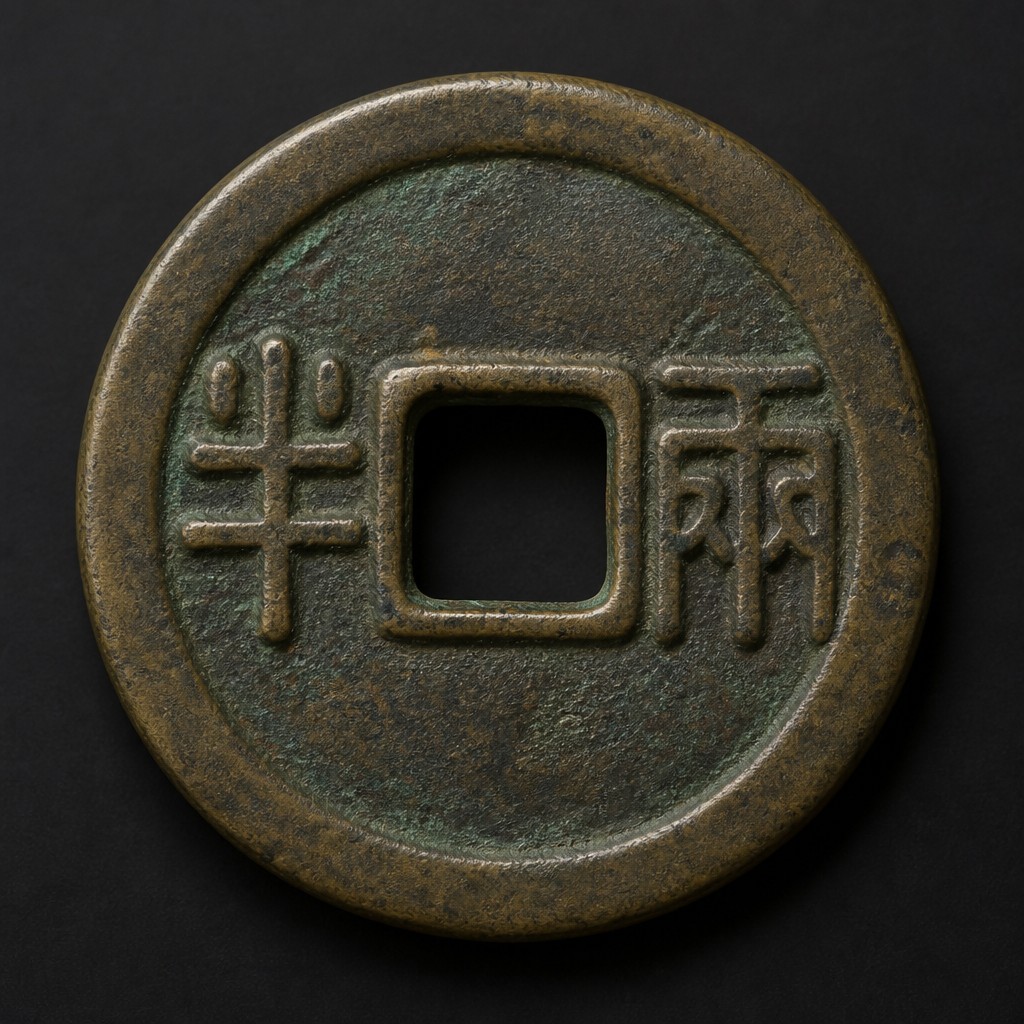
Chinese Ban Liang Cash
c. 221–118 BC
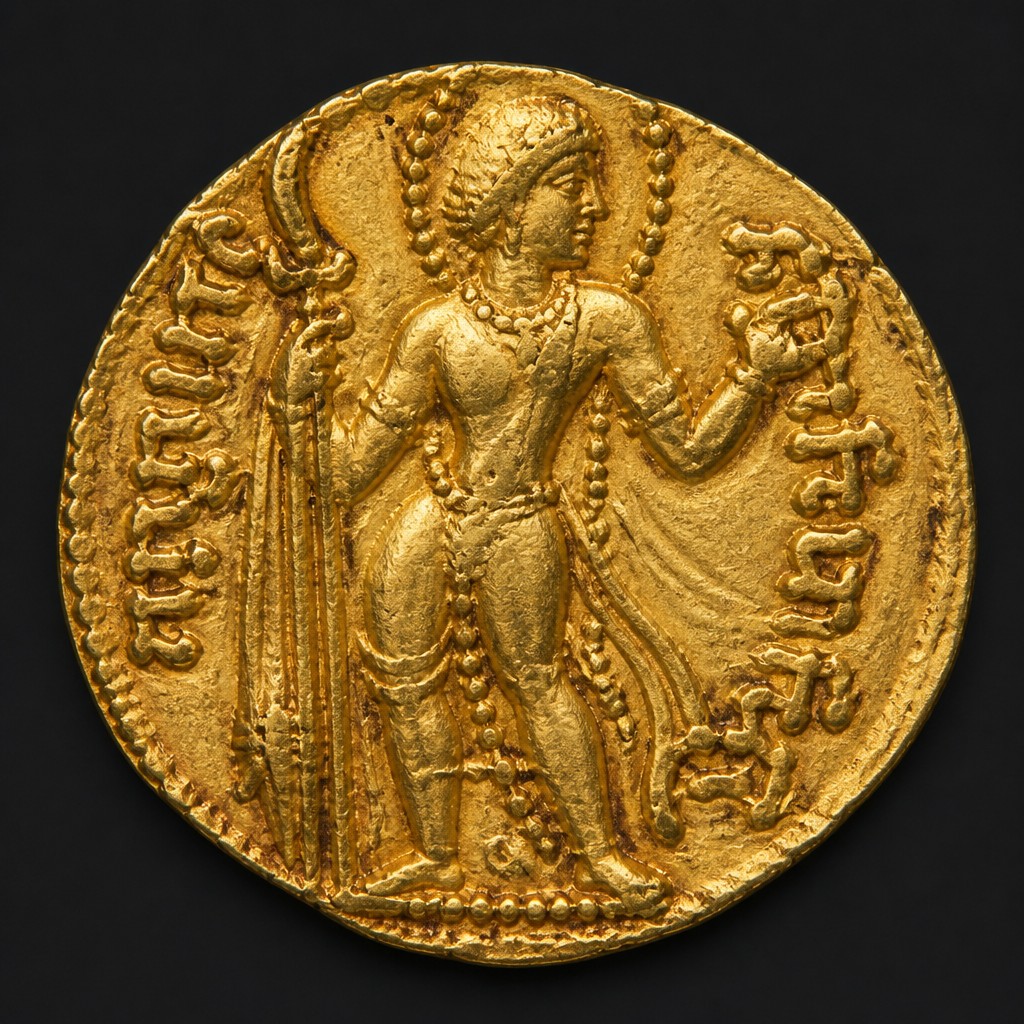
Gupta Empire Gold Dinar
c. 320–550 AD
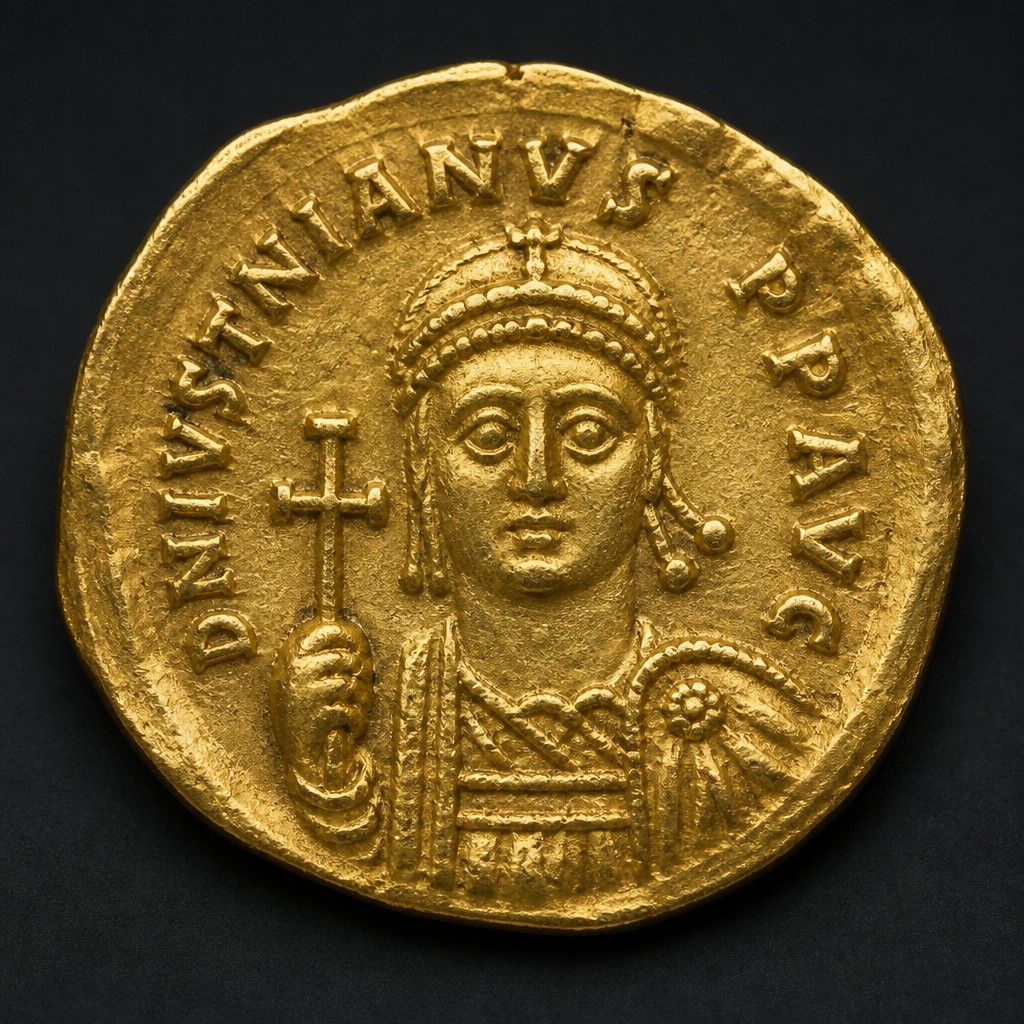
Byzantine Gold Tremissis
c. 4th–7th century AD
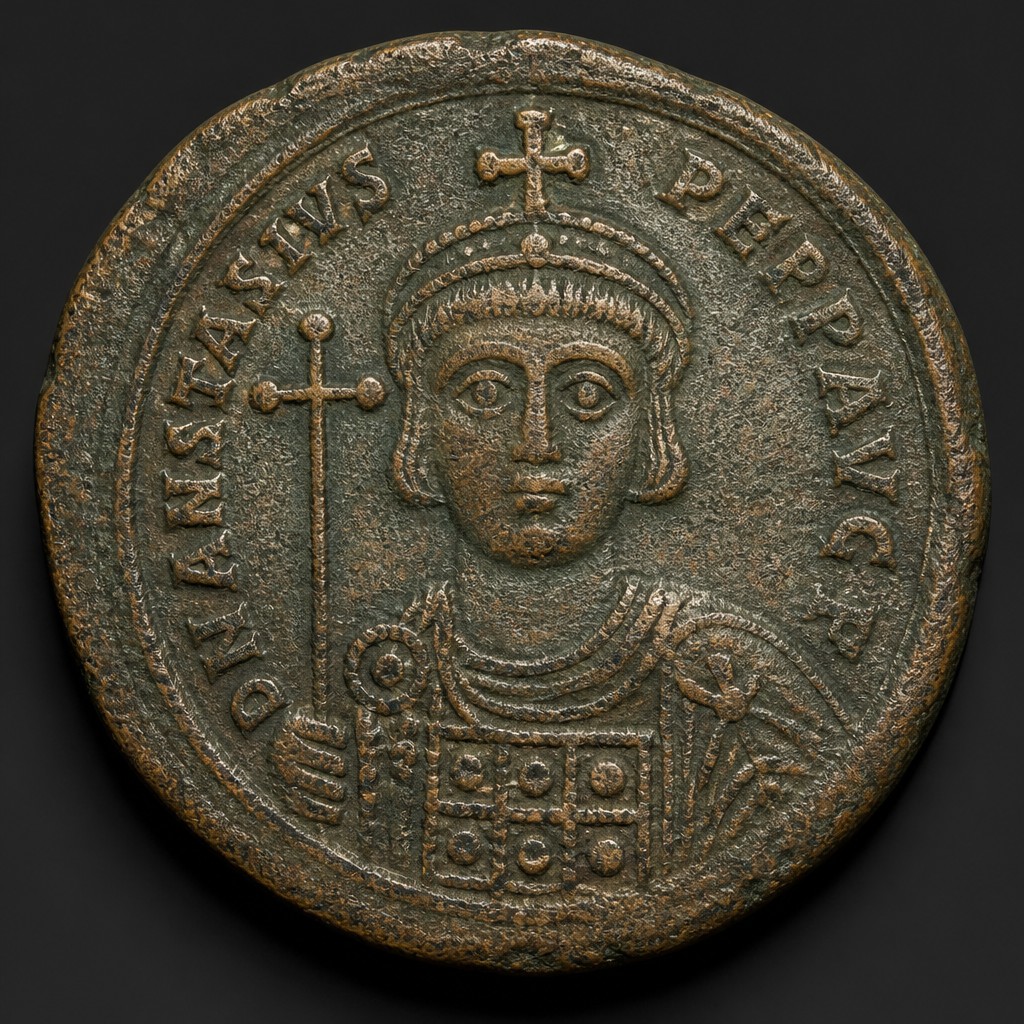
Byzantine Follis
498–c. 11th century AD
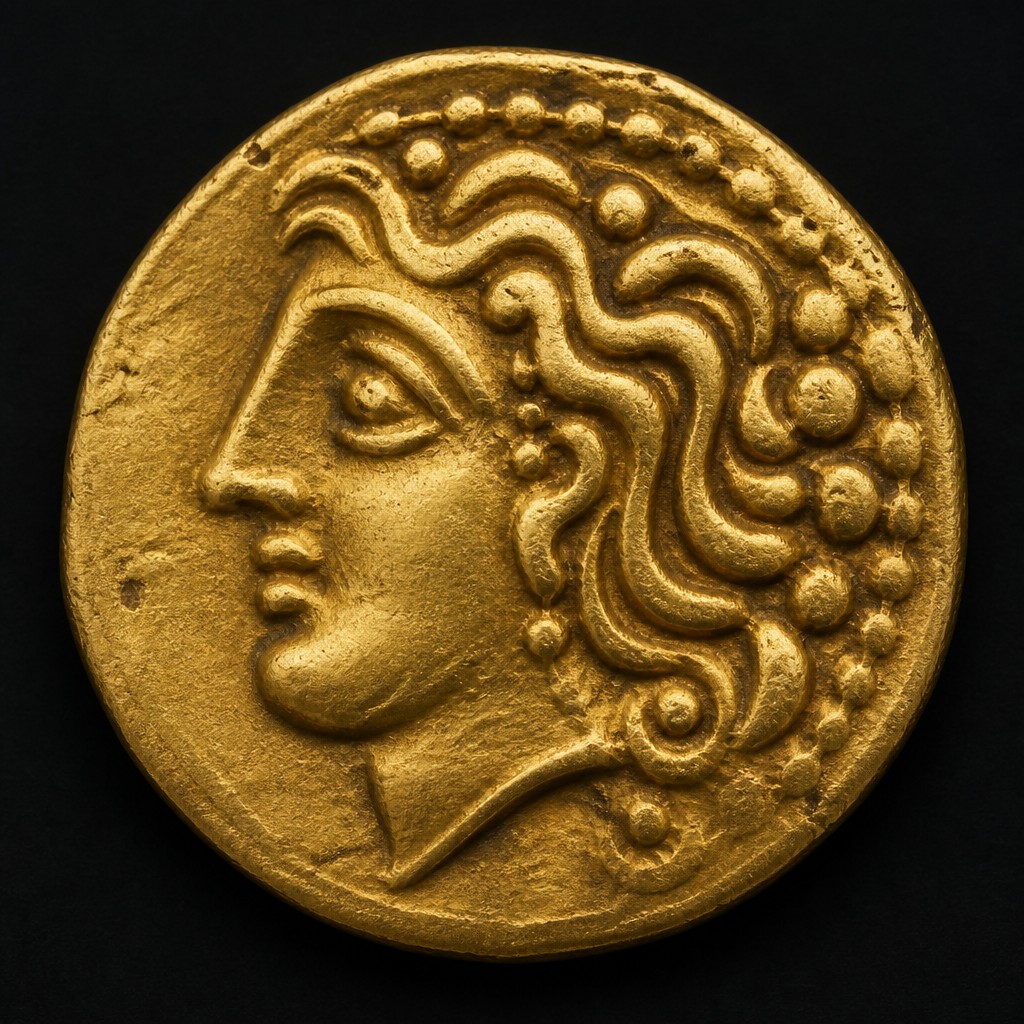
Celtic Gold Stater
c. 3rd century BC – 1st century AD