
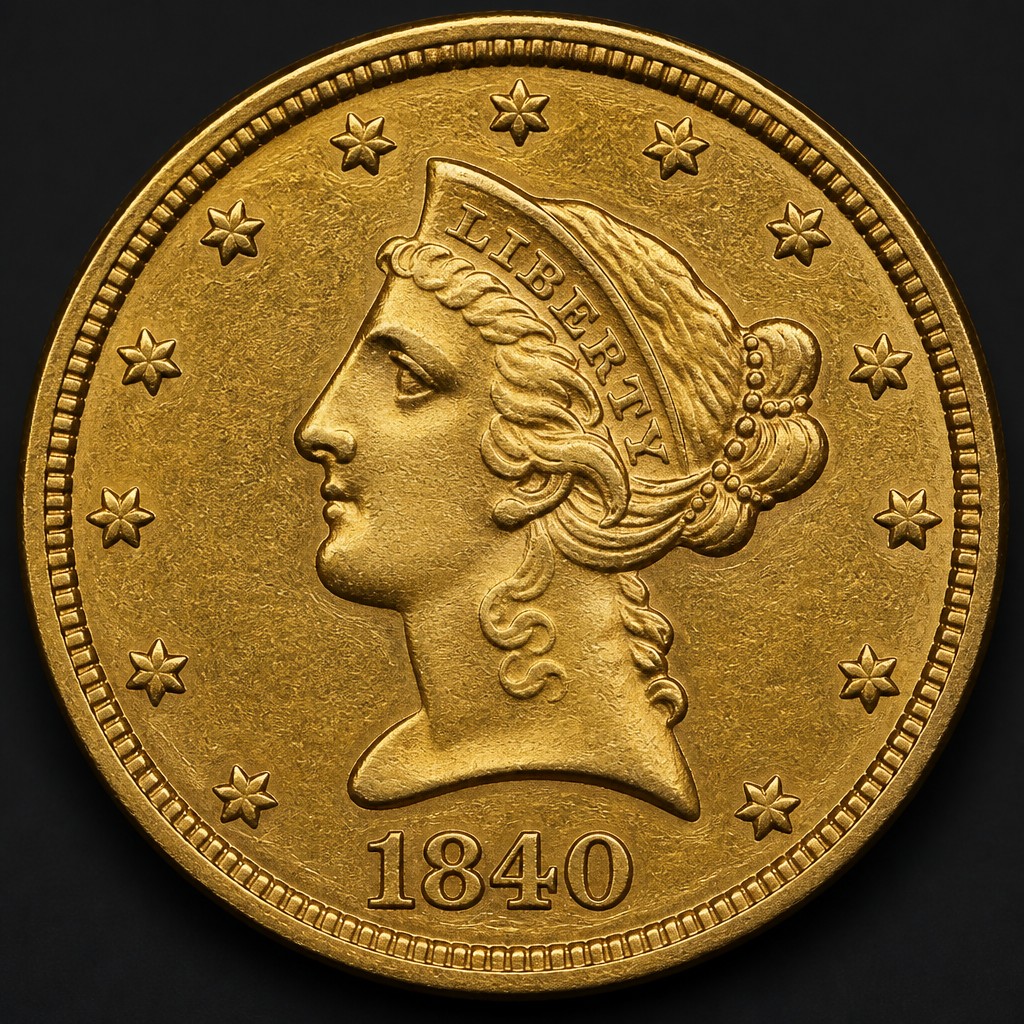
Liberty Head Quarter Eagle ($2.50)
A small 19th-century gold coin featuring Christian Gobrecht's Coronet Head design, minted across many branch facilities during America's gold rush era.
- Country
- United States
- Denomination
- Two Dollars and Fifty Cents
- Metal
- Gold (.900 fine)
Got a coin like this?
Identify any coin from a photo, free.
Overview
The Liberty Head Quarter Eagle was the standard $2.50 gold piece of the United States for much of the 19th and early 20th centuries, offering a compact, affordable denomination for both everyday transactions and gift-giving purposes historically. Its long production span across numerous mints makes it a popular entry point for collectors interested in classic American gold.
Despite its small size, the series carries substantial historical weight, having been struck through the California Gold Rush, the Civil War, and into the dawn of the 20th century.
History & Background
Designed by Christian Gobrecht, the Coronet Head Quarter Eagle debuted in 1840, succeeding the earlier Classic Head type, and continued in production until 1907, when Bela Lyon Pratt's incuse Indian Head design took over. As with its larger half eagle and eagle counterparts, the series includes no-motto (1840–1866) and with-motto (1866–1907) varieties.
Southern branch mints at Charlotte and Dahlonega struck the denomination using locally mined gold until their closure in 1861, while New Orleans, and later San Francisco and Denver, contributed to production as America's gold mining centers shifted westward.
Because the coin's small size made it convenient for gifts and jewelry use historically, many examples suffered wear, mounting damage, or loss over the decades, affecting the survival rate of certain dates.
How to Identify
The obverse depicts Liberty's head facing left wearing a coronet inscribed LIBERTY, with thirteen stars around and the date below. The reverse features an eagle with a shield on its breast holding an olive branch and arrows, surrounded by UNITED STATES OF AMERICA and 2 1/2 D.
No-motto coins omit IN GOD WE TRUST; with-motto coins display it above the eagle beginning in 1866. Mintmarks appear on the reverse below the eagle: C (Charlotte), D (Dahlonega), O (New Orleans), and S (San Francisco), with Philadelphia coins unmarked.
Because of the coin's small diameter, details can wear quickly; collectors should examine Liberty's curls and the eagle's feathers closely for grading, and check for signs of prior jewelry mounting, which reduces numismatic value.
Value & Collectibility
Common-date Philadelphia and San Francisco issues generally trade close to gold bullion value in circulated grades, while Southern branch-mint coins from Charlotte and Dahlonega, along with certain low-mintage dates, bring notable premiums due to scarcity and historical interest.
Mint State survivors are relatively scarce across the series, and coins showing evidence of jewelry mounting or cleaning are valued considerably lower than problem-free examples.
Frequently asked questions
What does 'quarter eagle' mean?
It refers to the $2.50 gold denomination, a quarter of the $10 eagle value in the historic U.S. gold coinage system.
Why do some quarter eagles show mounting marks?
The coin's small, attractive design made it popular for use in jewelry, which sometimes damaged or altered original surfaces.
Which mints struck this coin?
Philadelphia, Charlotte, Dahlonega, New Orleans, San Francisco, and Denver all struck versions of the Liberty Head Quarter Eagle at different times.
What replaced this design?
Bela Lyon Pratt's incuse Indian Head Quarter Eagle replaced it starting in 1908.
Other coins you may enjoy
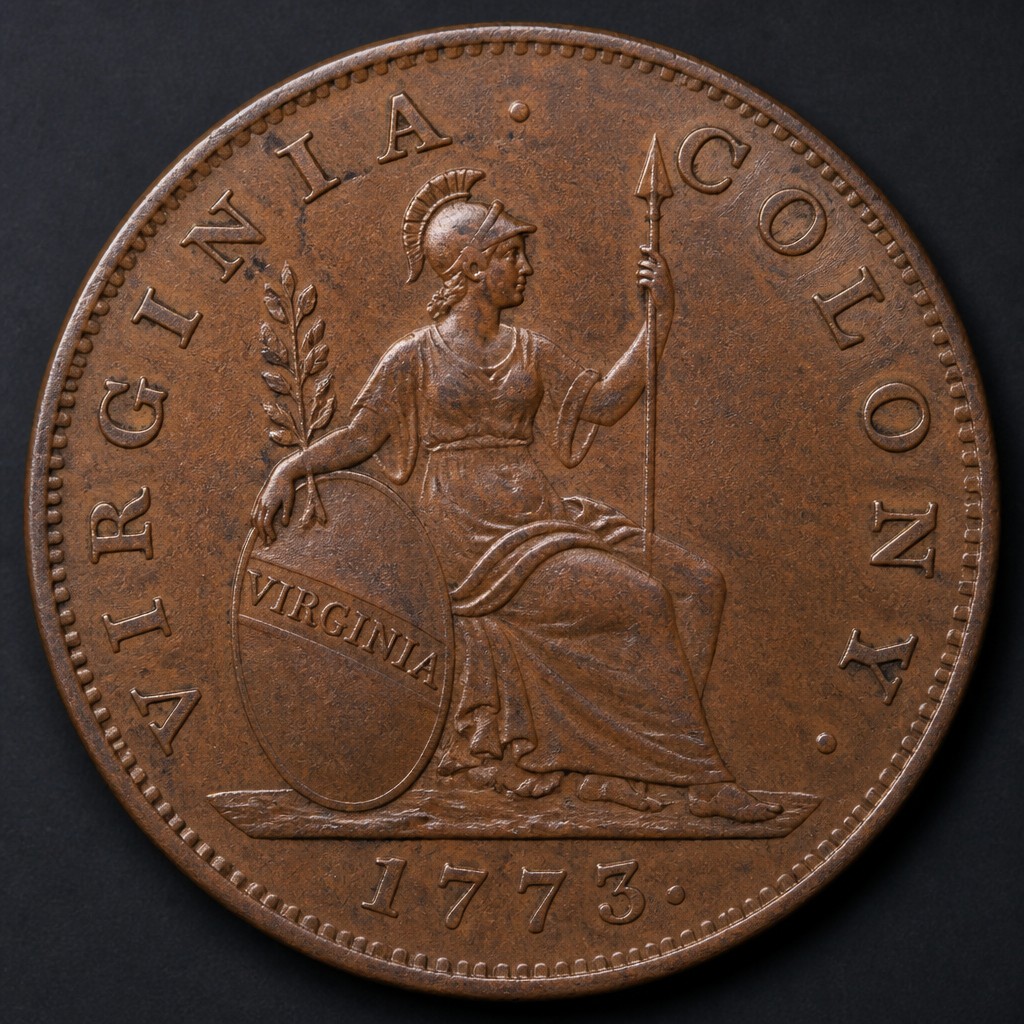
Virginia Halfpenny
1773
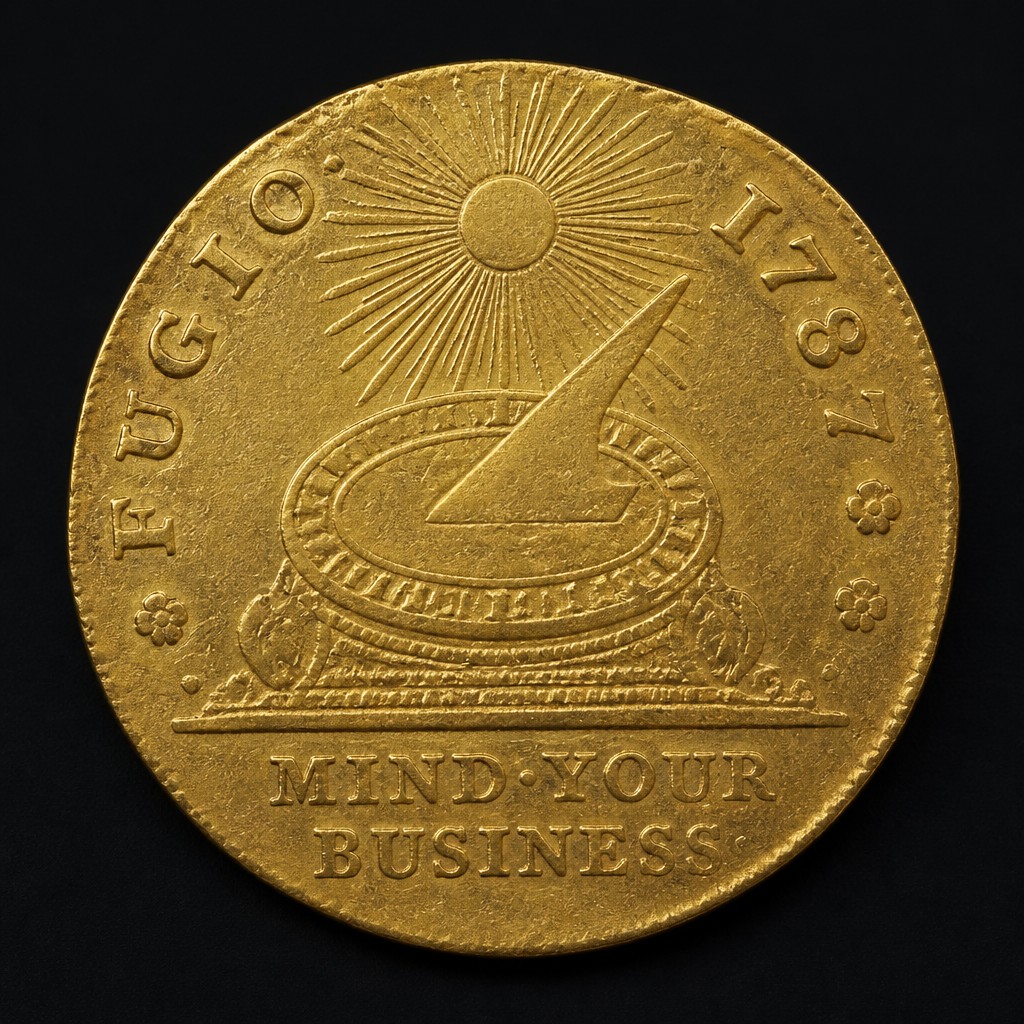
Brasher Doubloon
1787
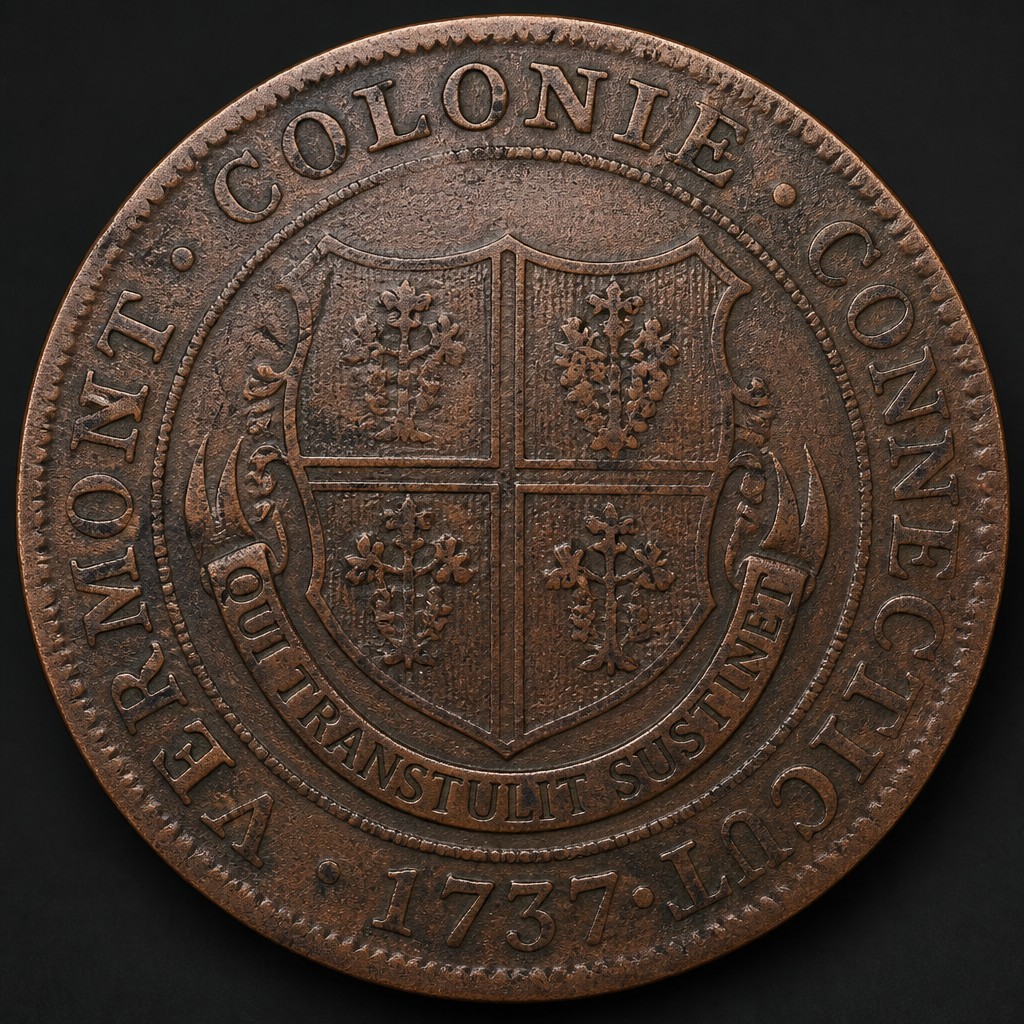
Higley Copper
1737–1739
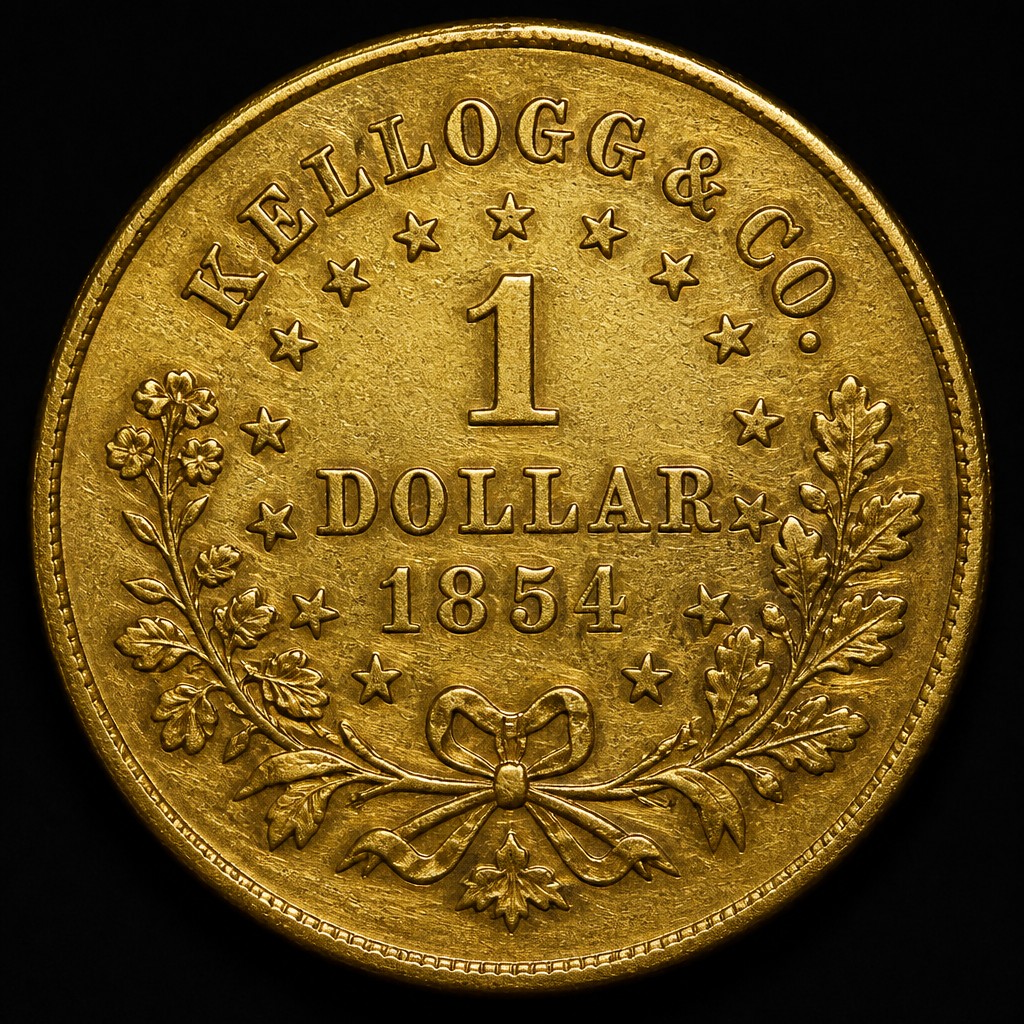
Kellogg & Co. Gold Piece
1854–1855
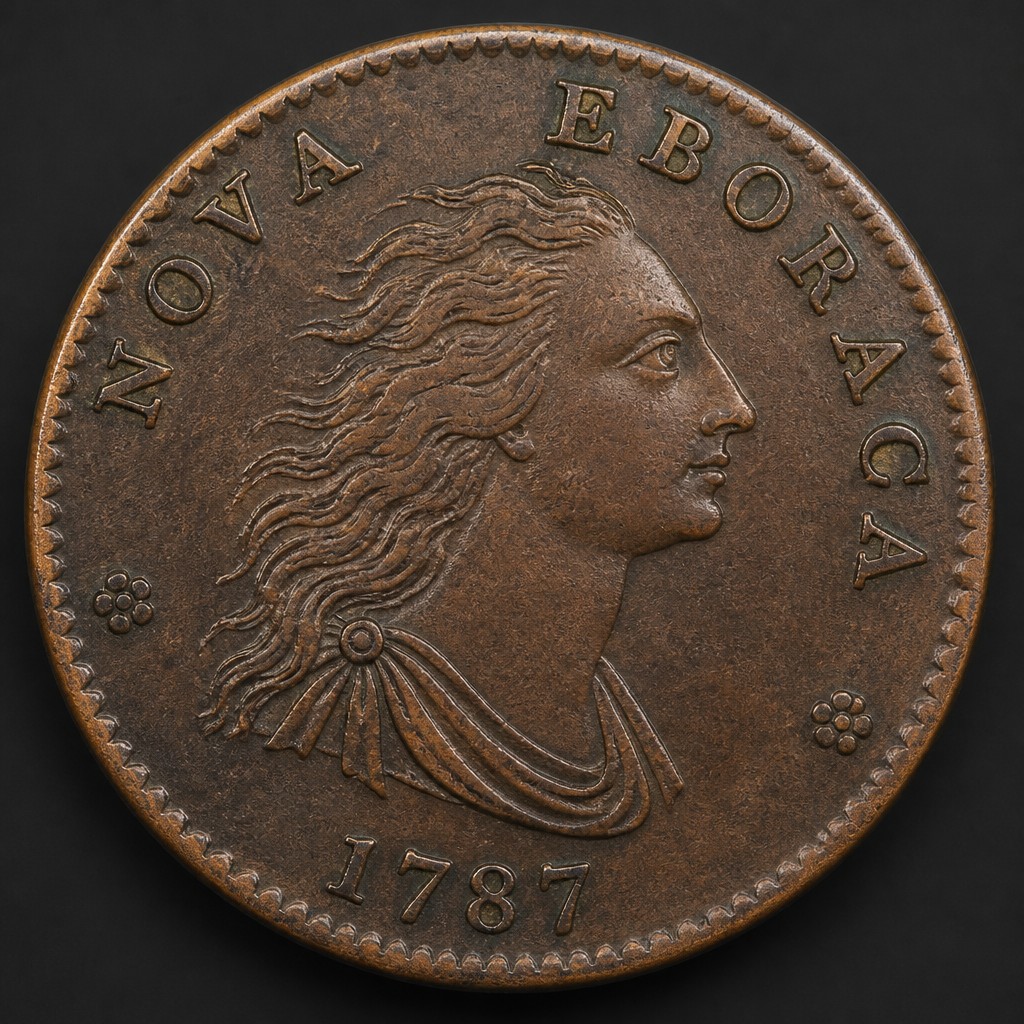
Nova Eborac Copper
1787
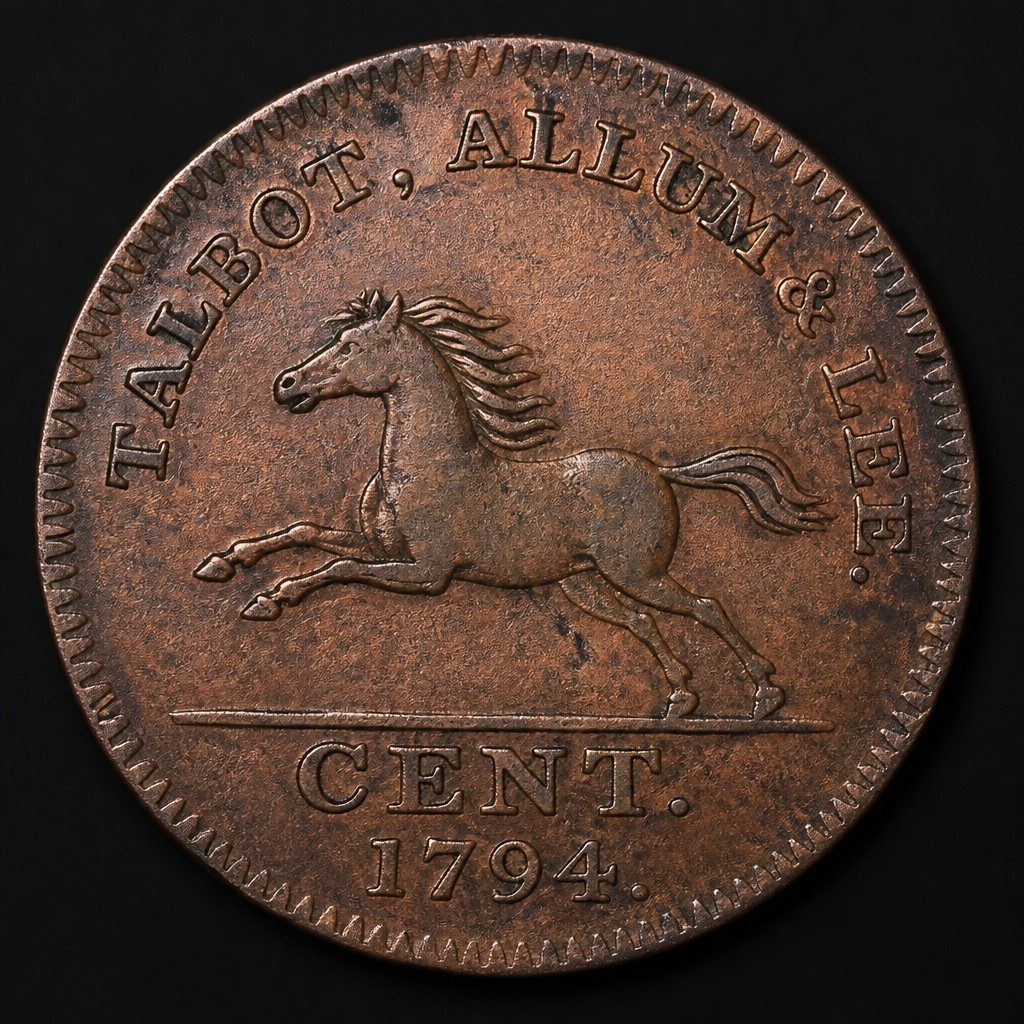
Talbot, Allum & Lee Cent
1794–1795
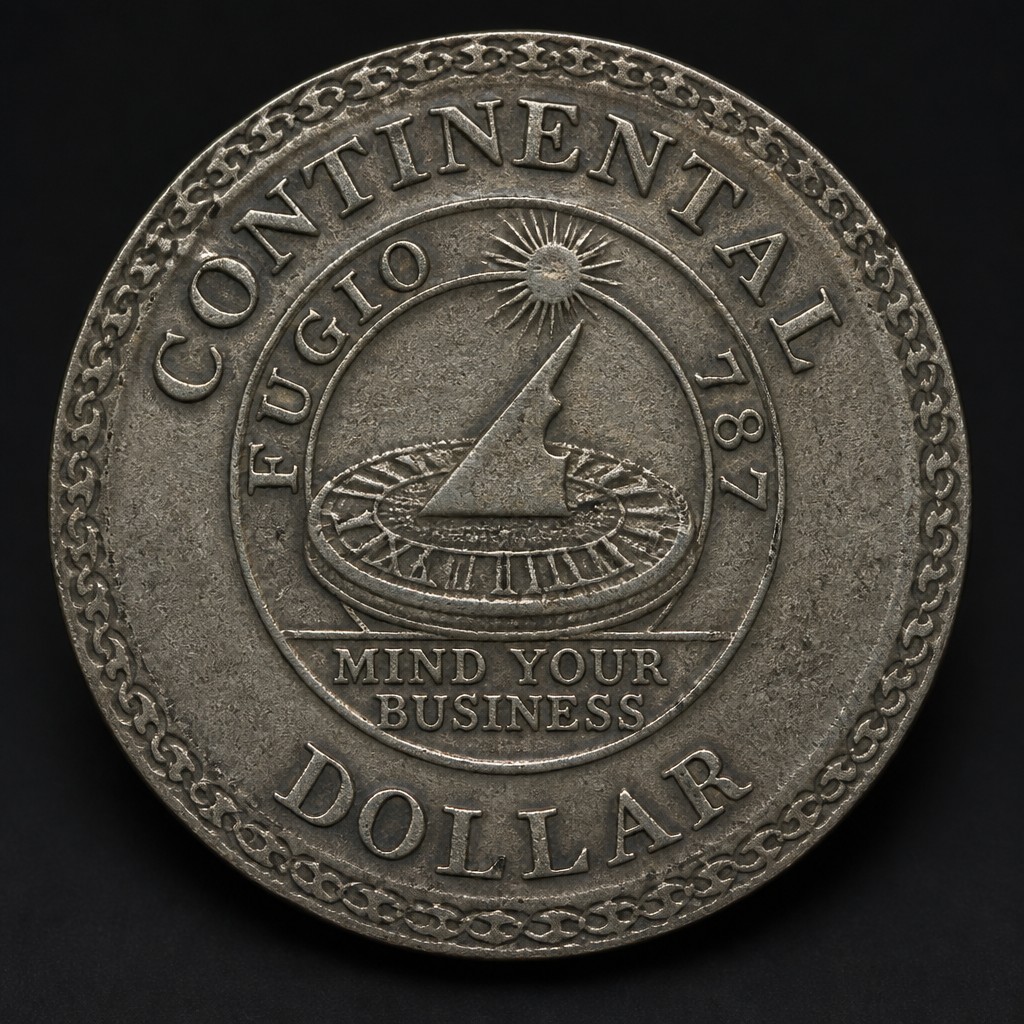
Continental Dollar
1776
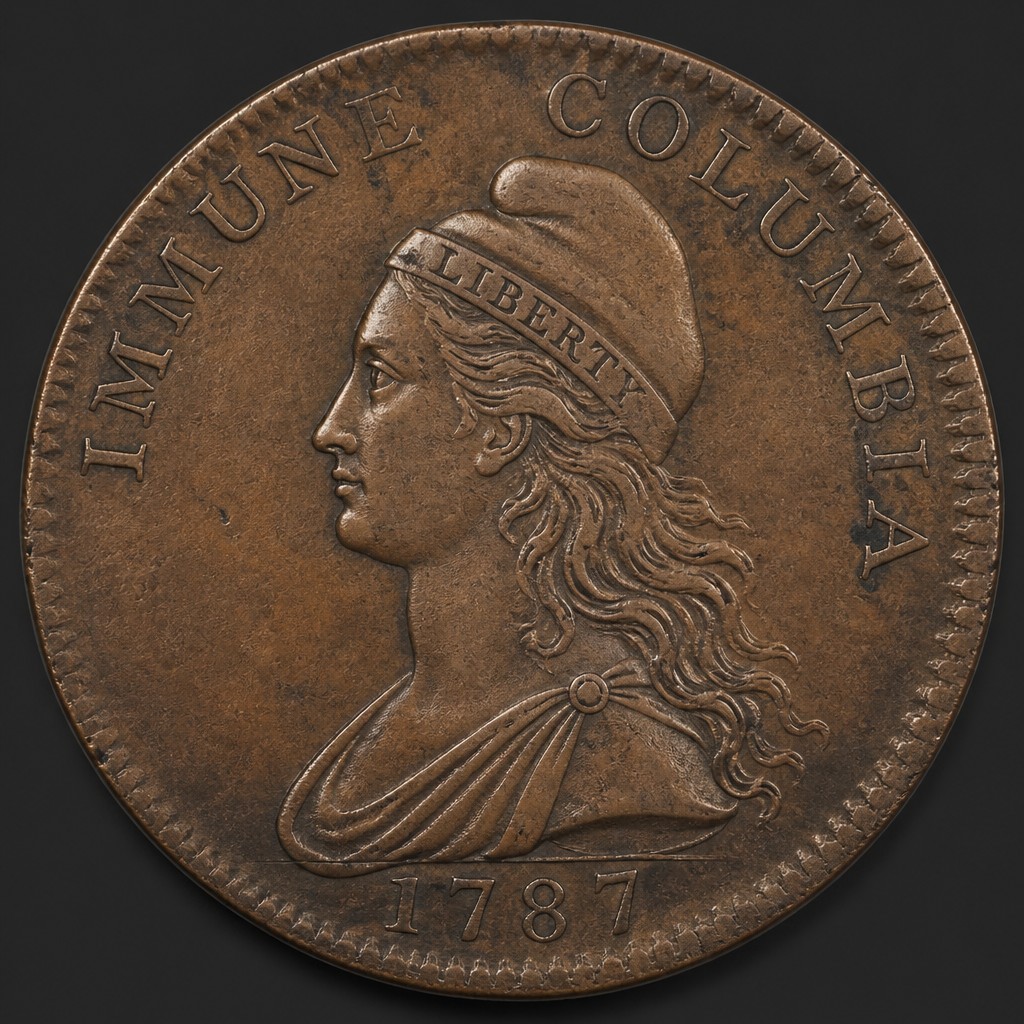
Immune Columbia Copper
circa 1785–1787
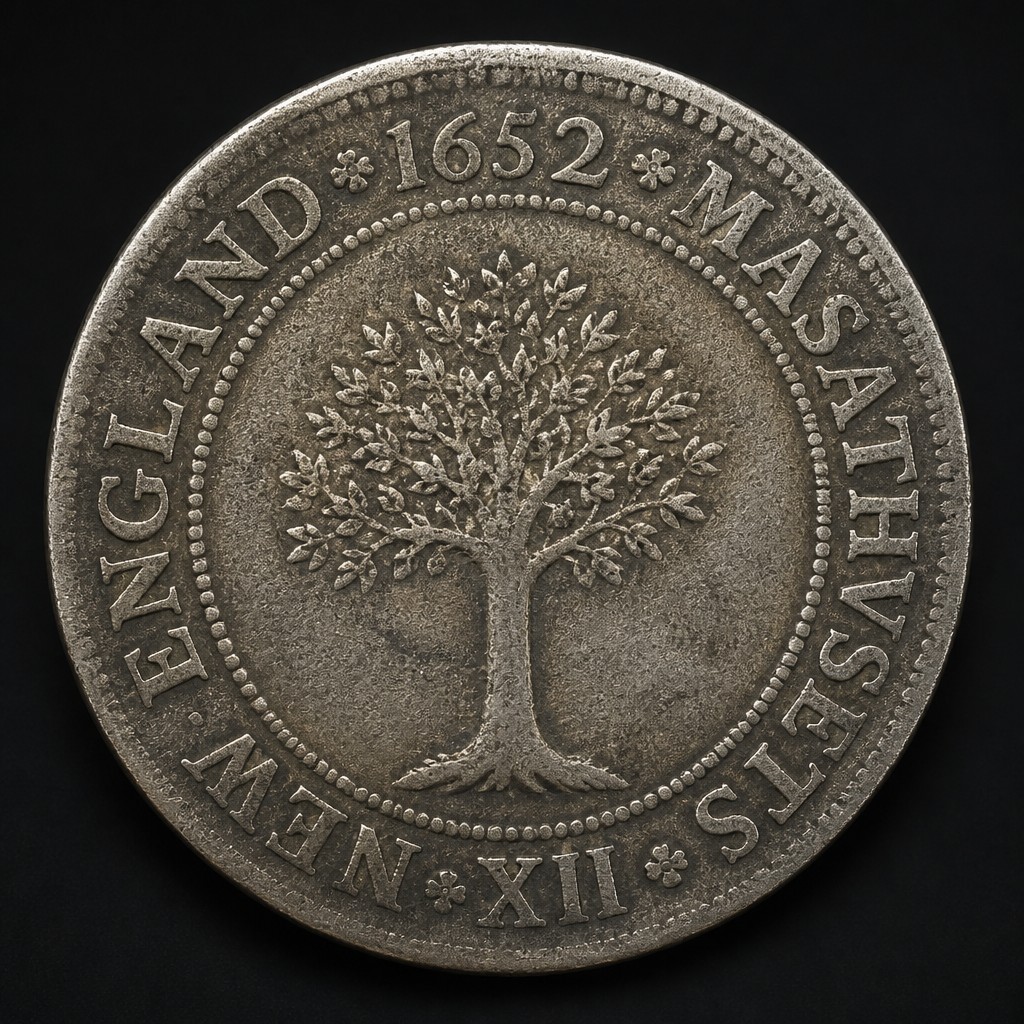
Massachusetts Oak Tree Shilling
Dated 1652, struck circa 1660–1667
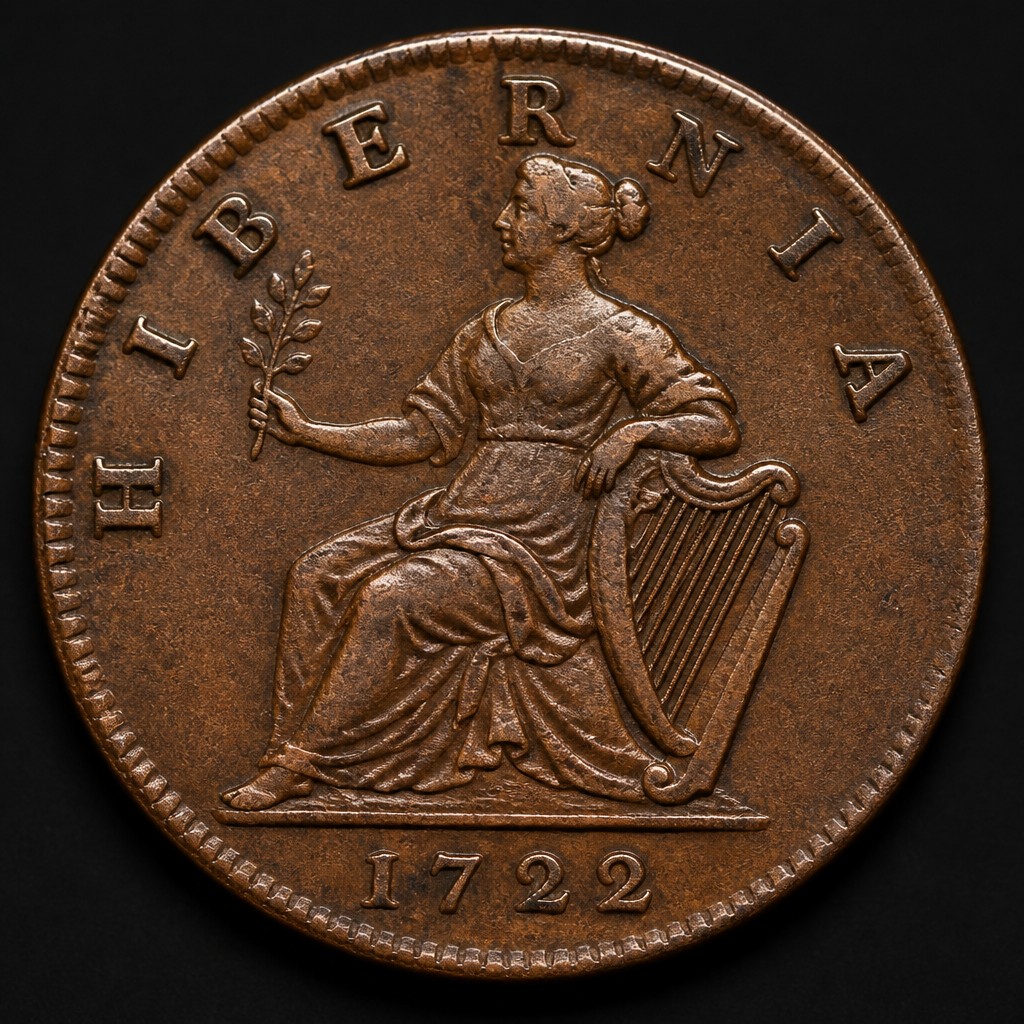
Wood's Hibernia Halfpenny
1722–1724
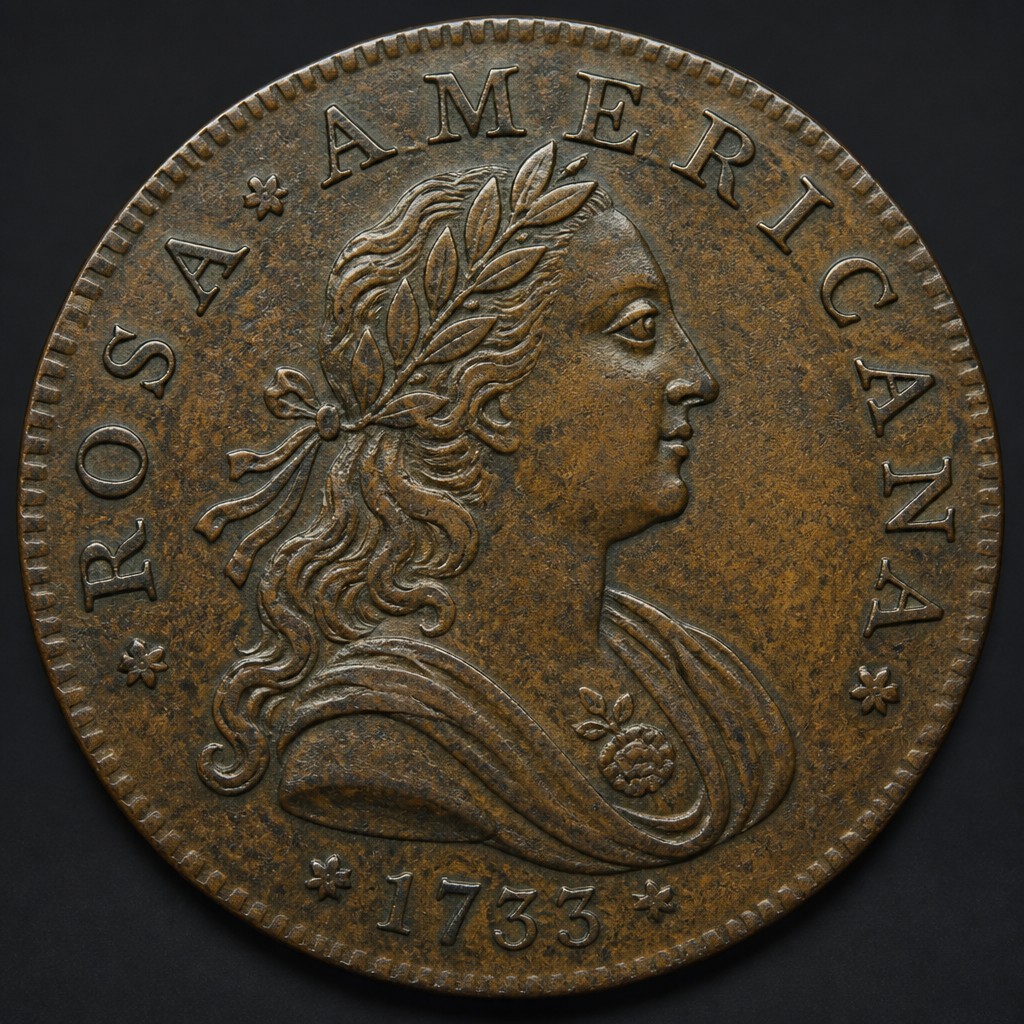
Rosa Americana Coinage
1722–1724 (with pattern issues dated 1733)
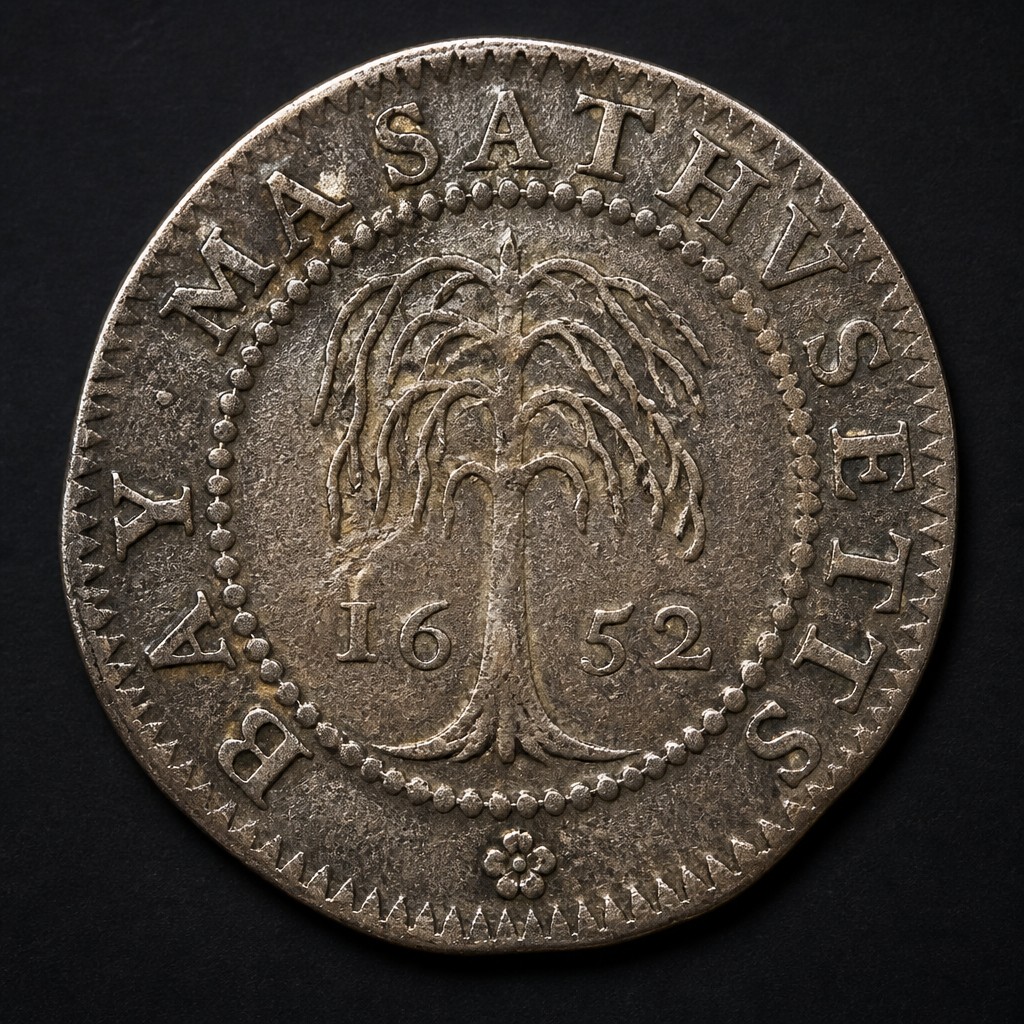
Massachusetts Willow Tree Shilling
Dated 1652, struck circa 1653–1660