
Coin Encyclopedia
Search and identify coins from around the world — with country, denomination, metal, mint, history, and how to tell them apart.
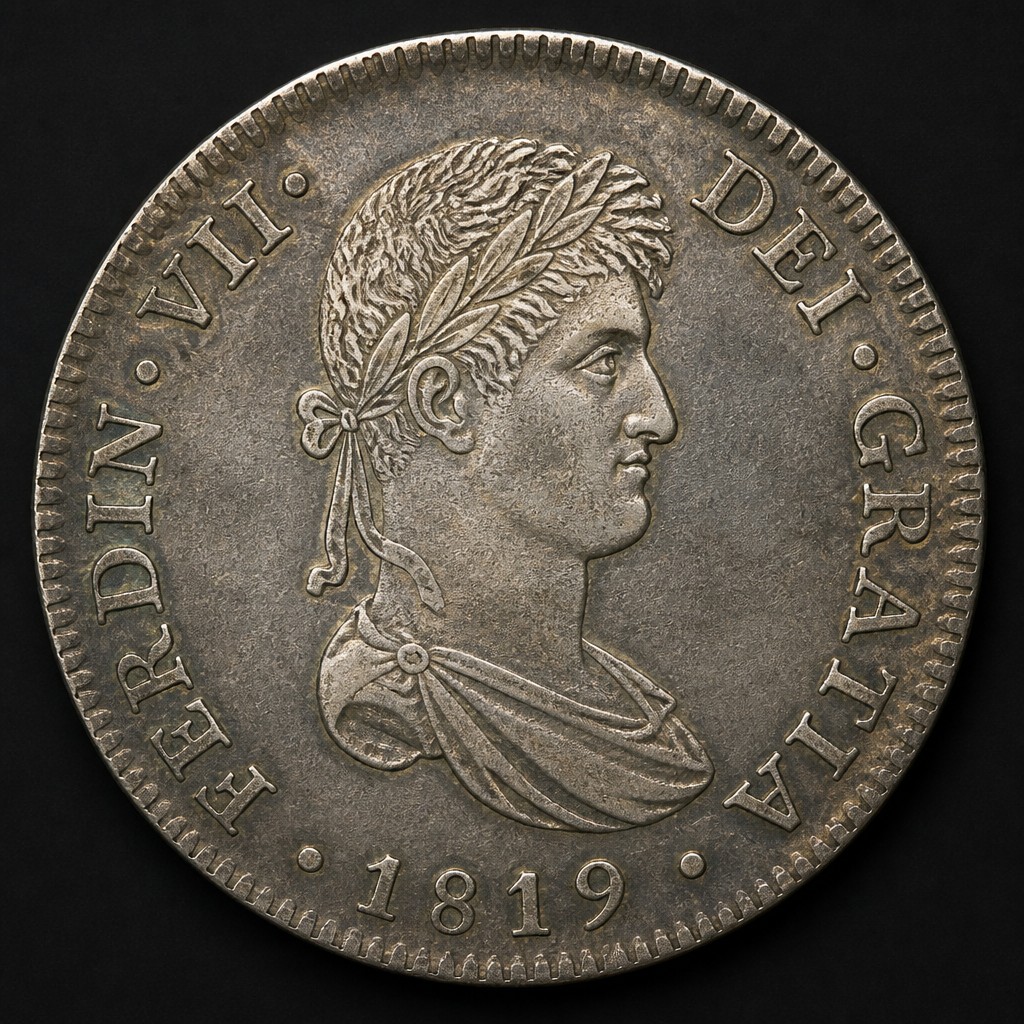
Colombia 8 Reales
Silver 8 reales struck first under Spanish colonial rule in New Granada and later, after independence, in the name of the new Colombian republic.
Latin American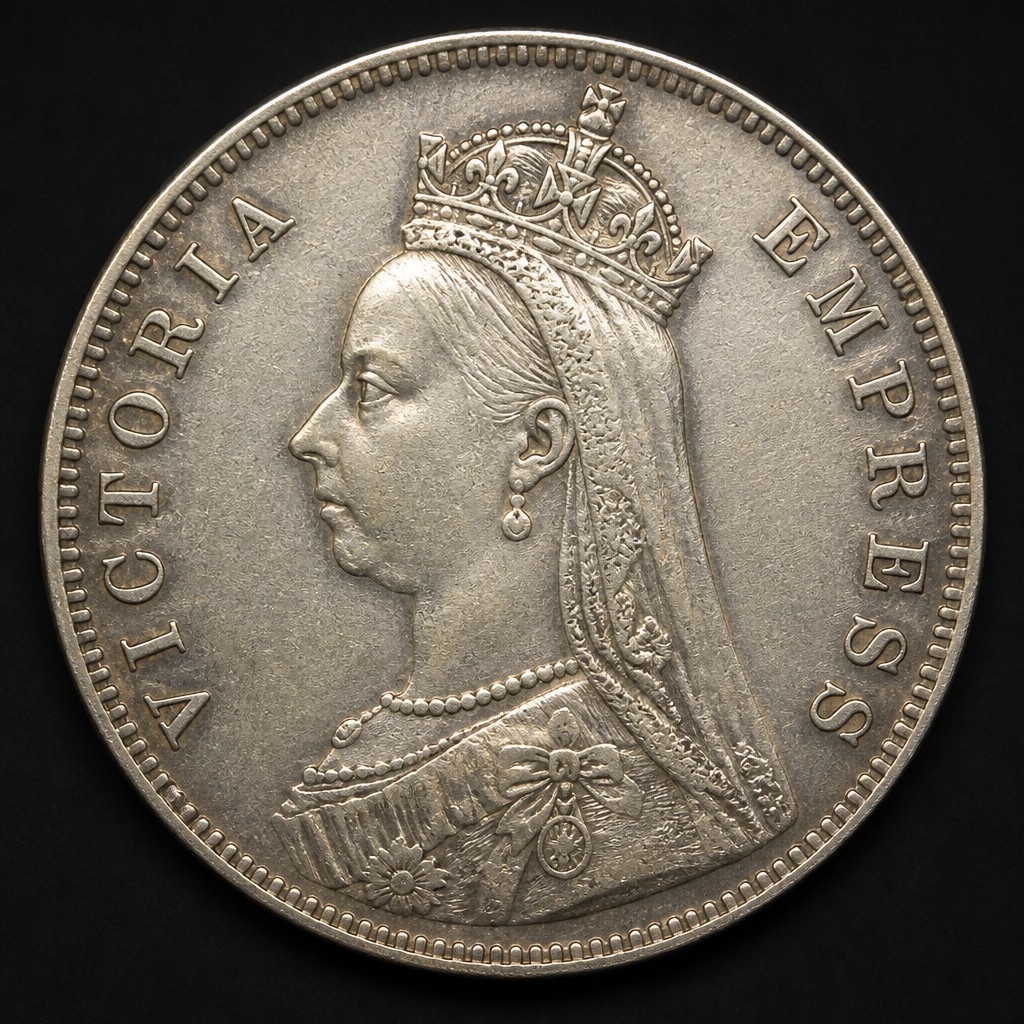
British India Silver Rupee (Victoria Empress)
Silver rupee of British India struck under Queen Victoria as Empress of India, the workhorse coin of the Raj's monetary system from 1877 to 1901.
Asian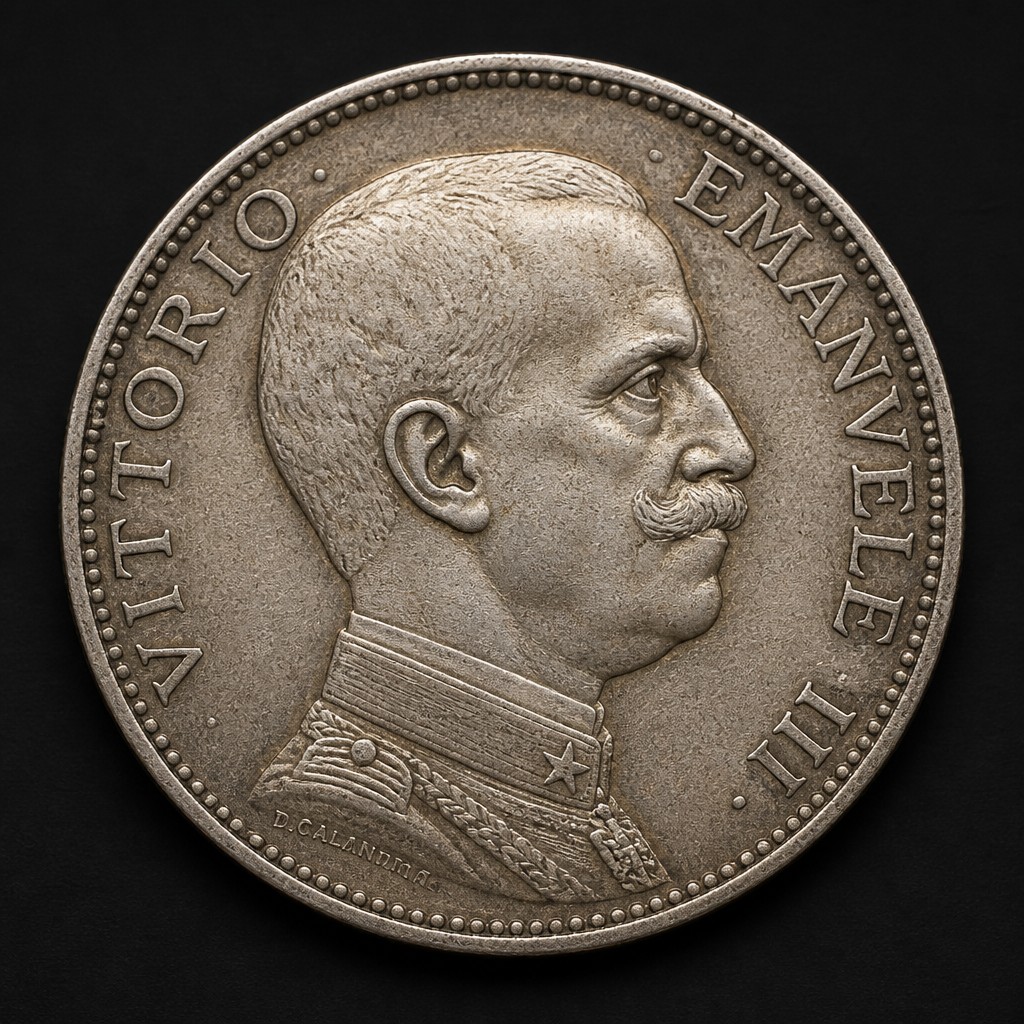
Italian 10 Lire (Silver)
Kingdom of Italy silver 10 Lire coin, best known for the 1926–1930 'Biga' type showing a two-horse chariot, struck under Vittorio Emanuele III.
European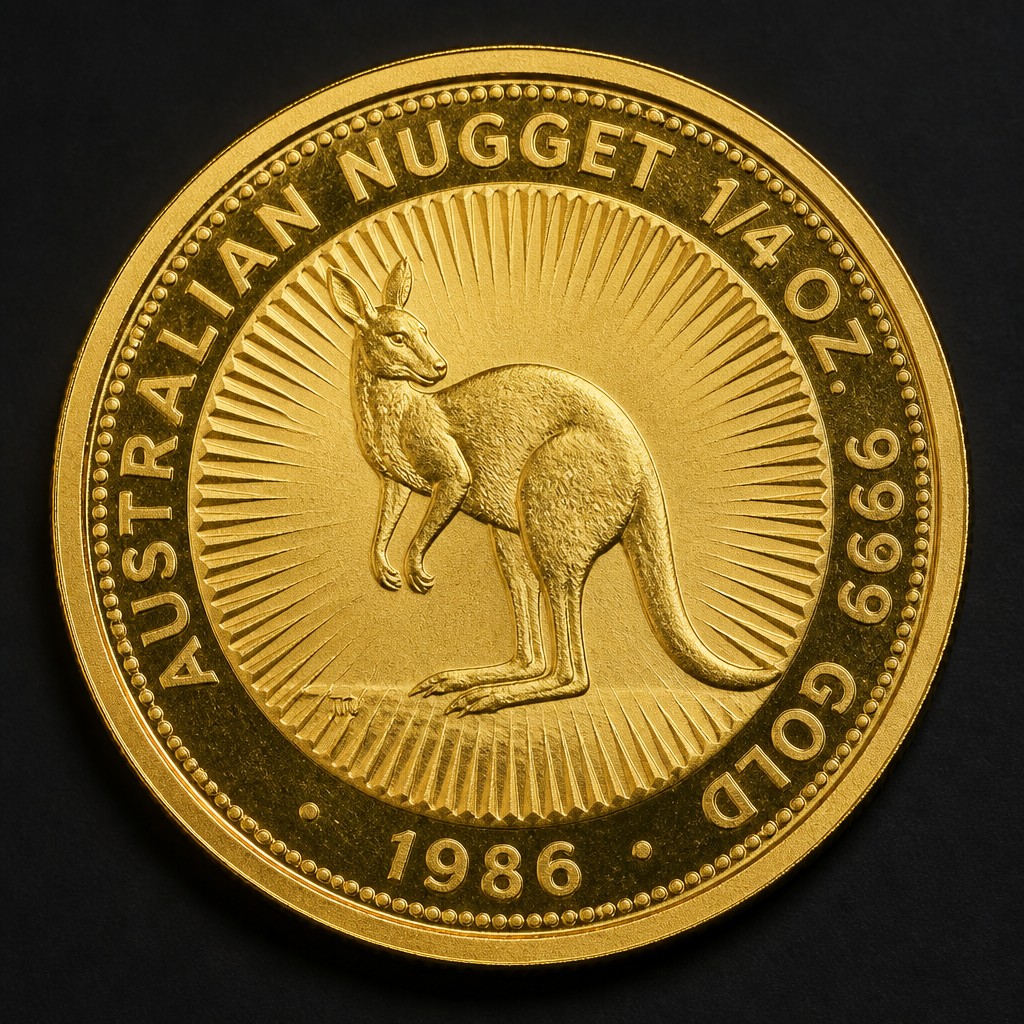
Australian Kangaroo Gold Nugget
Modern Australian gold bullion coin from the Perth Mint, launched in 1986 with changing nugget designs before adopting an annually updated kangaroo reverse.
Bullion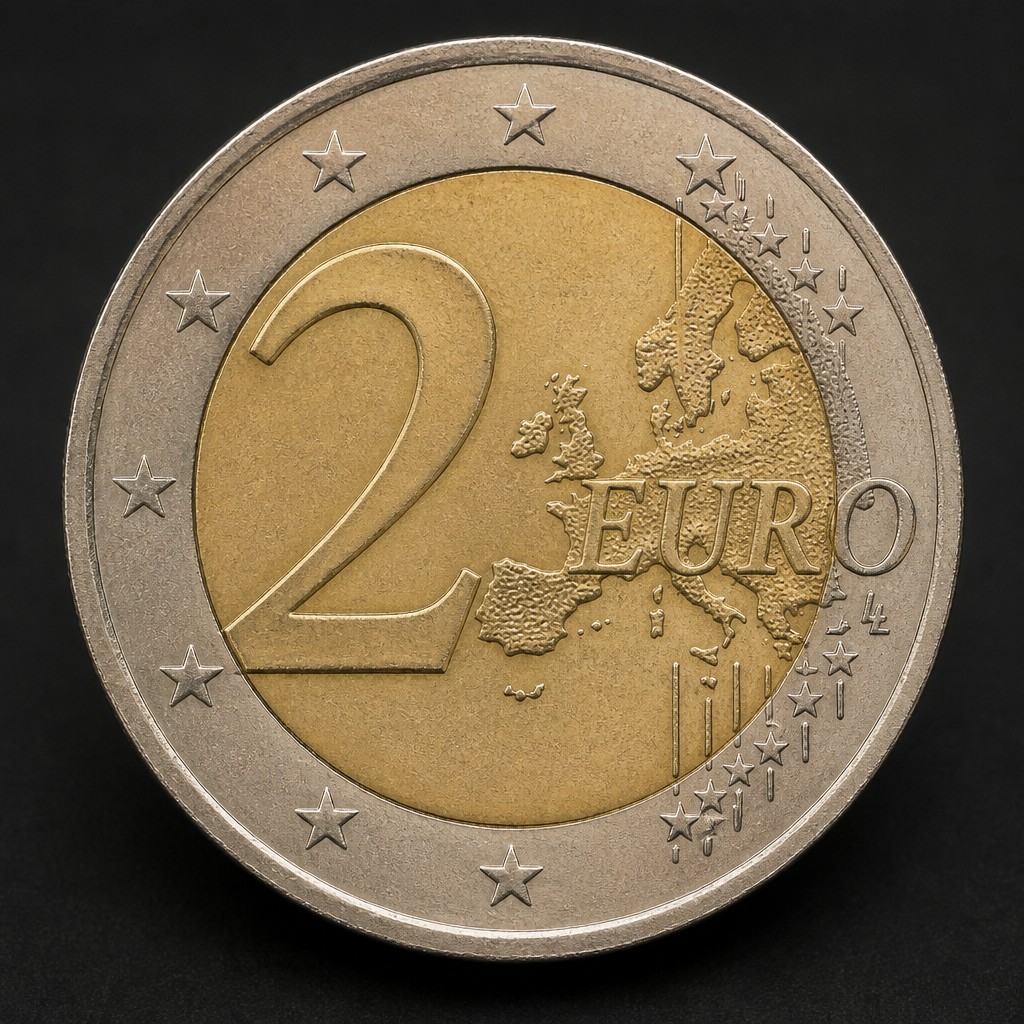
Euro €2 Commemorative Coins
Since 2004, Eurozone countries have issued special-design €2 coins commemorating anniversaries and events while keeping the coin's normal size, weight, and legal-tender status.
Commemorative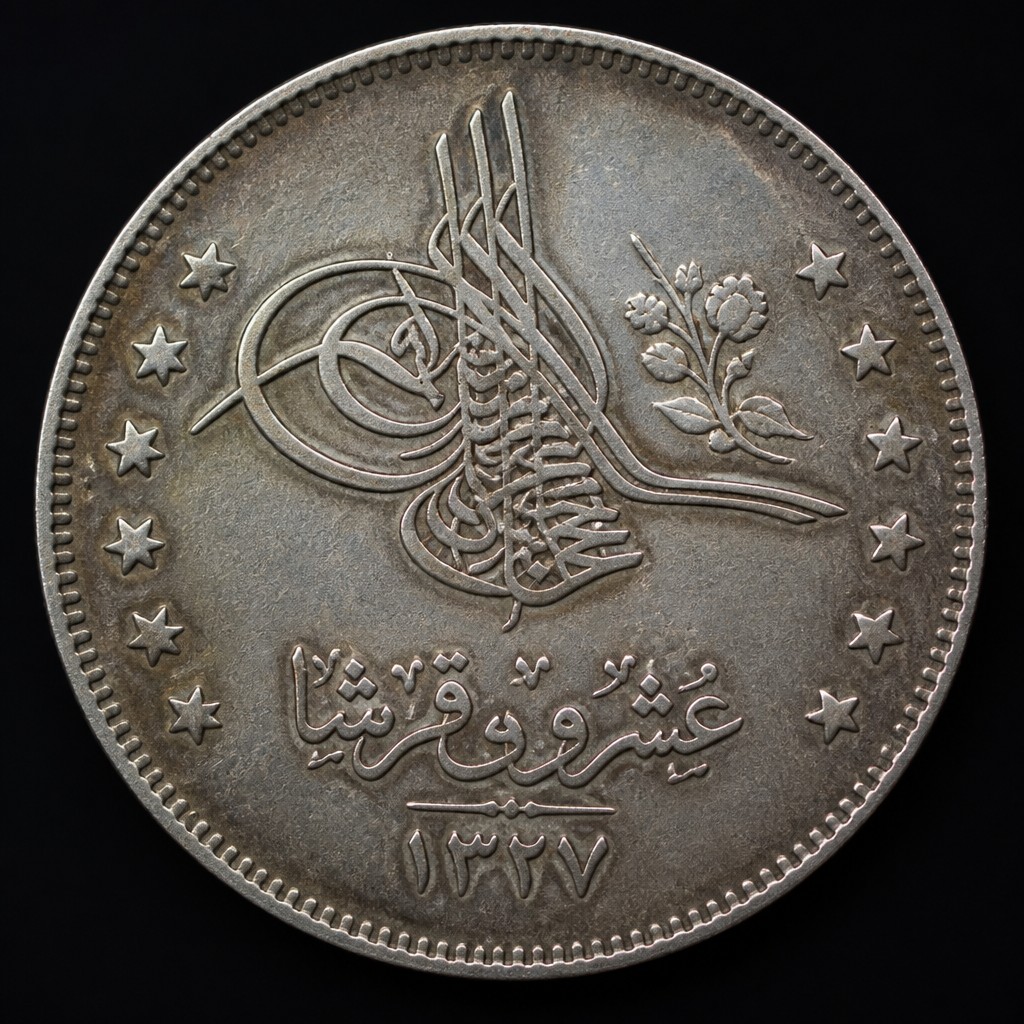
Ottoman 20 Kurus
Ottoman silver coin denominated in kuruş, bearing the sultan's ornate calligraphic tughra rather than a portrait, in keeping with Islamic artistic tradition.
World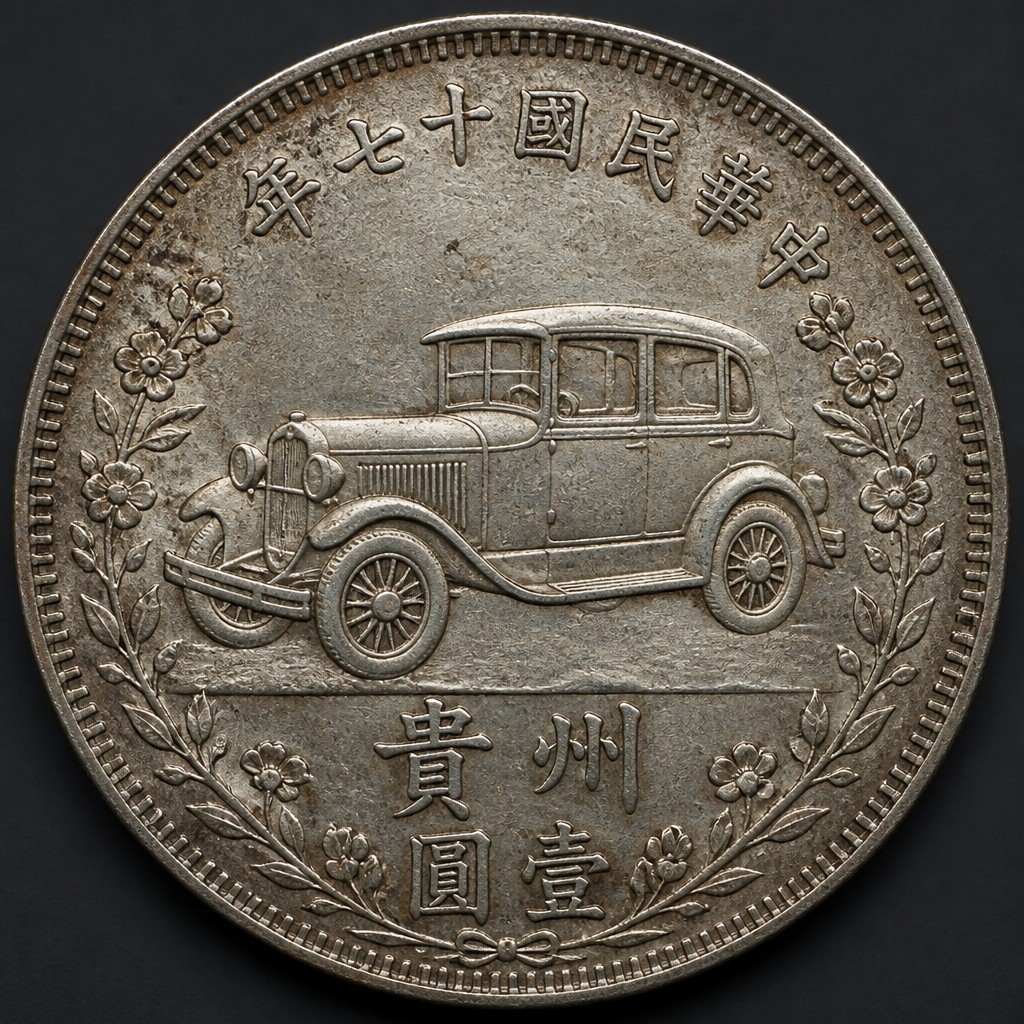
Chinese Auto Dollar (Kweichow, 1928)
Famous Chinese provincial silver dollar depicting an automobile, struck in Kweichow province in 1928 and celebrated by collectors as one of the most distinctive Chinese coin designs.
Asian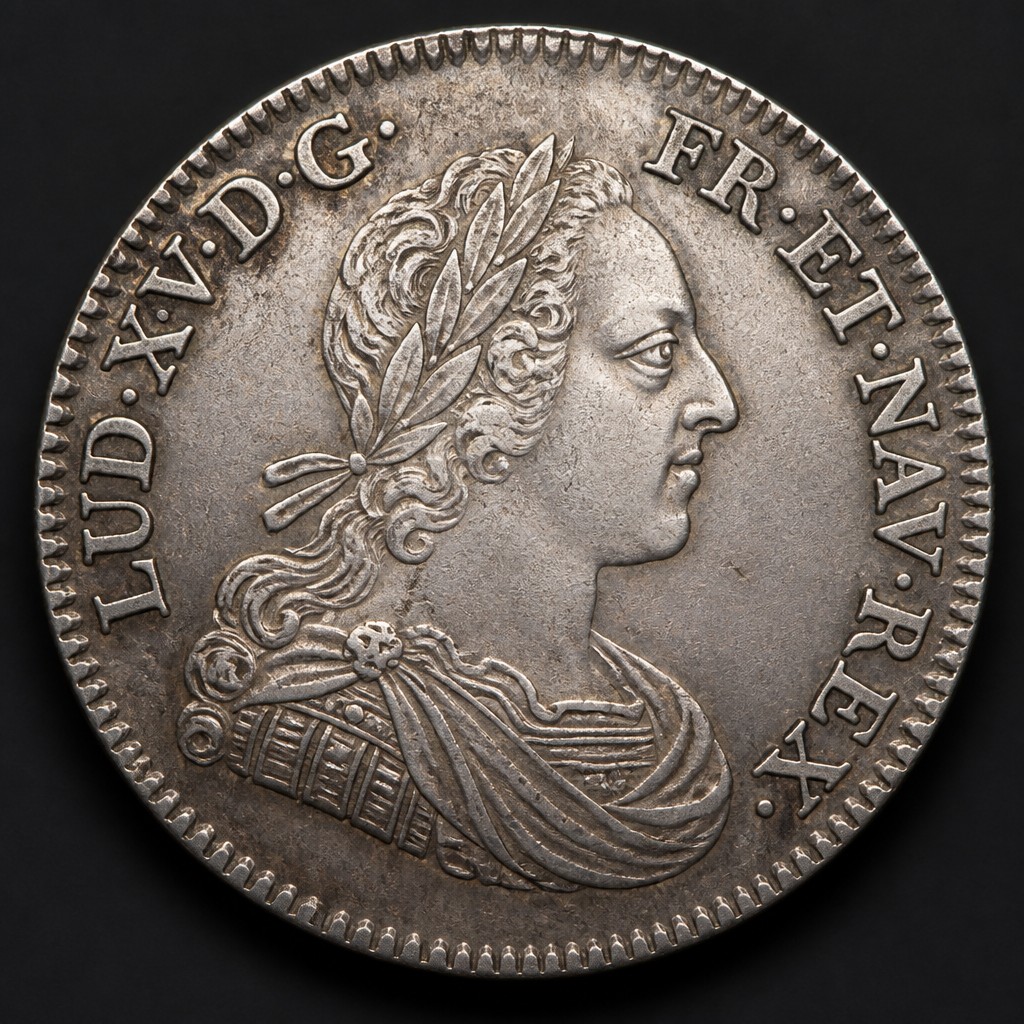
French Ecu (Louis d'Argent)
France's principal large silver coin of the pre-revolutionary era, bearing the reigning king's portrait, used as the standard silver crown-sized coin for over a century before decimalization.
European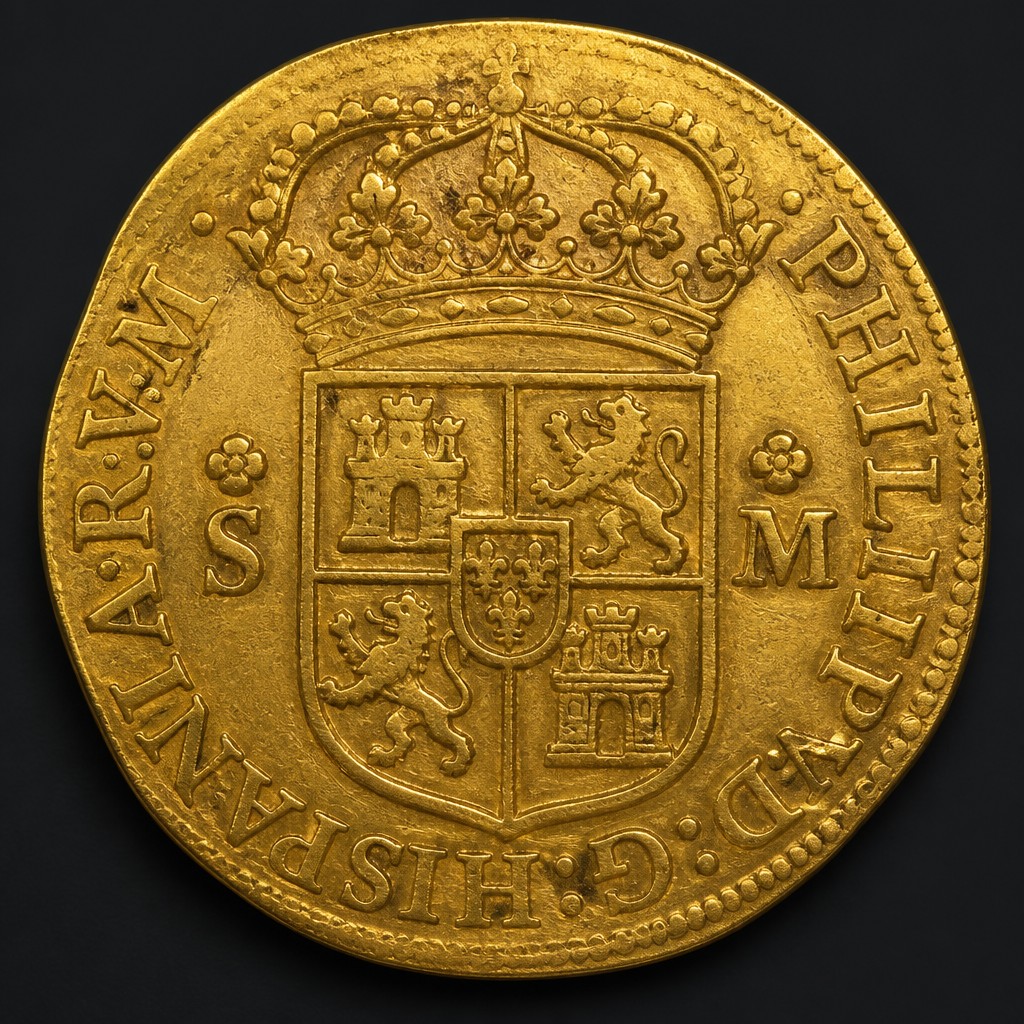
Spanish Gold Escudo (Doubloon)
The gold denomination of the Spanish Empire, whose larger multiples became famous as "doubloons," struck both in Spain and across its American colonial mints for centuries.
European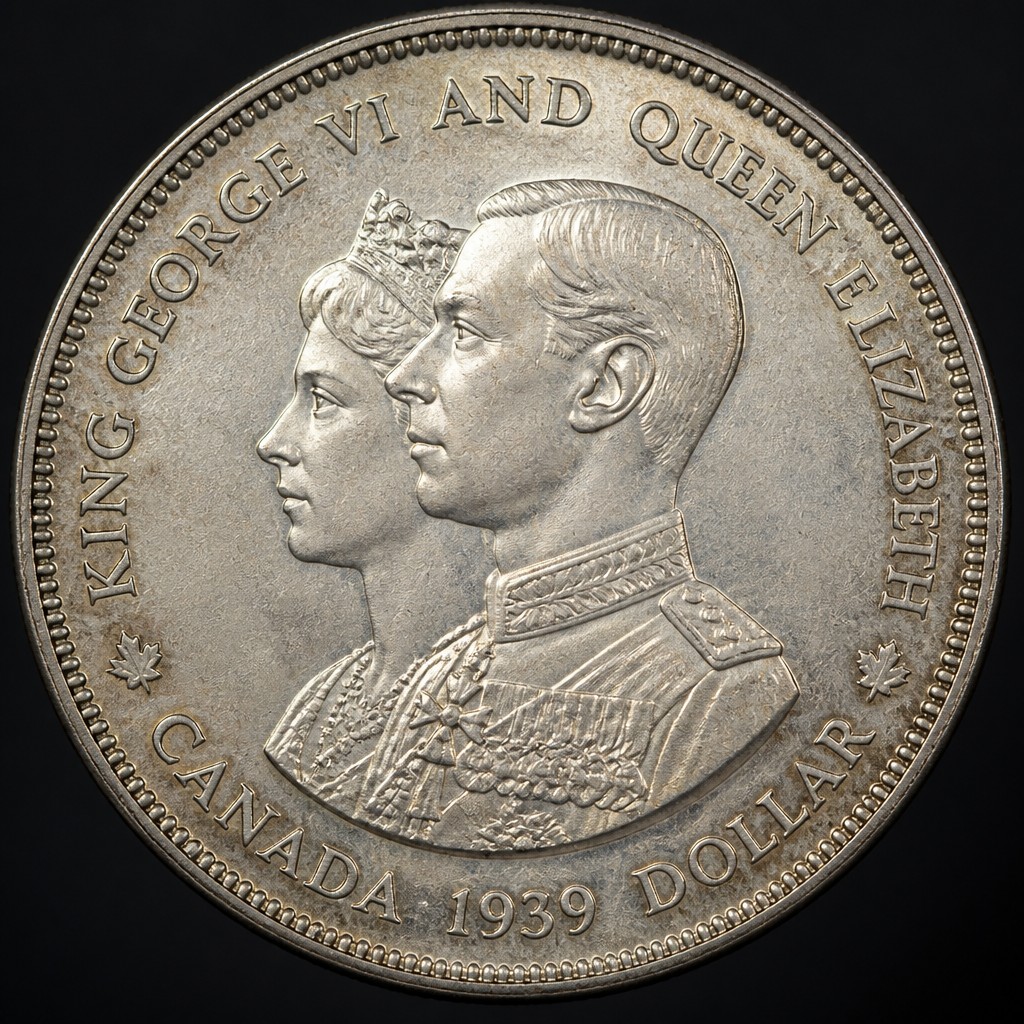
1939 Royal Visit Silver Dollar (Parliament)
A commemorative Canadian silver dollar marking the 1939 royal tour of King George VI and Queen Elizabeth, with the Parliament Buildings depicted on the reverse.
Canadian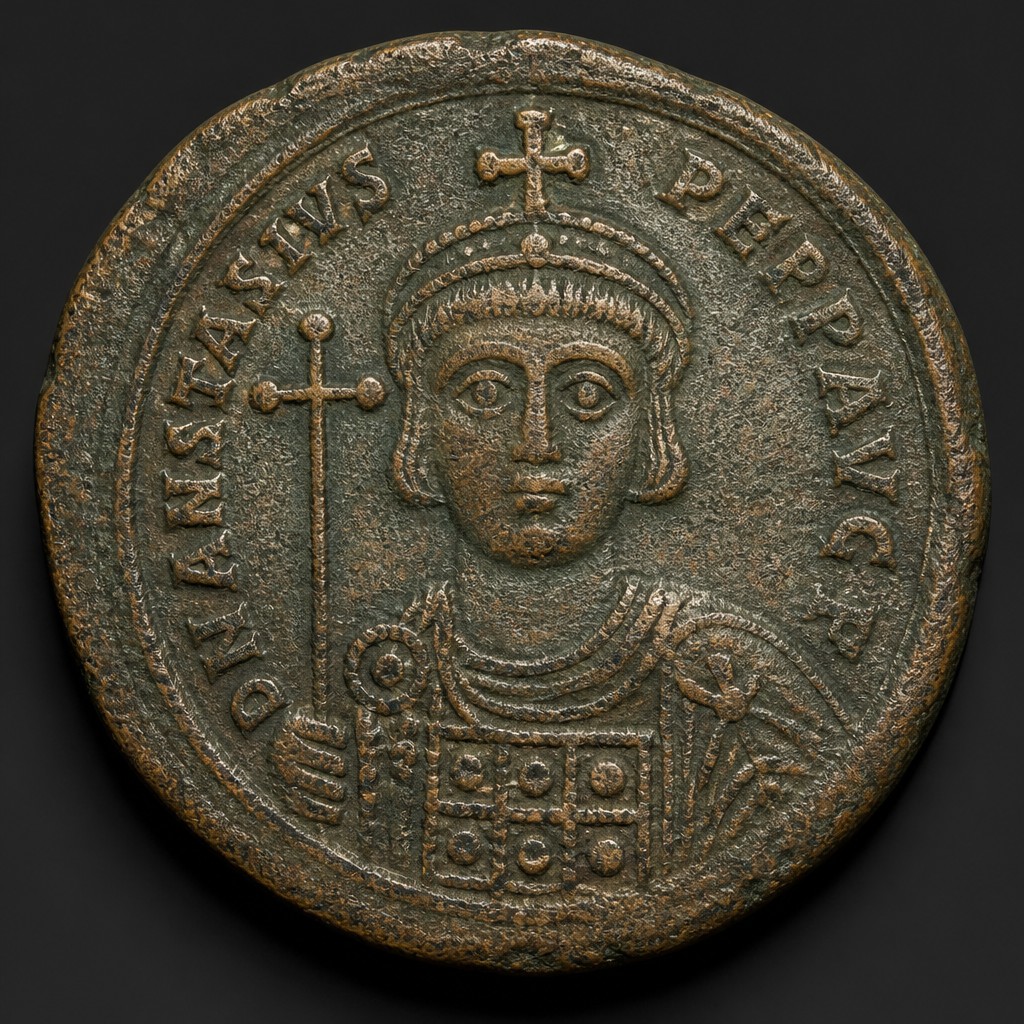
Byzantine Follis
The large bronze workhorse coin of everyday Byzantine commerce, reformed by Emperor Anastasius I in 498 AD with a prominent Greek numeral denoting its value of 40 nummi.
Ancient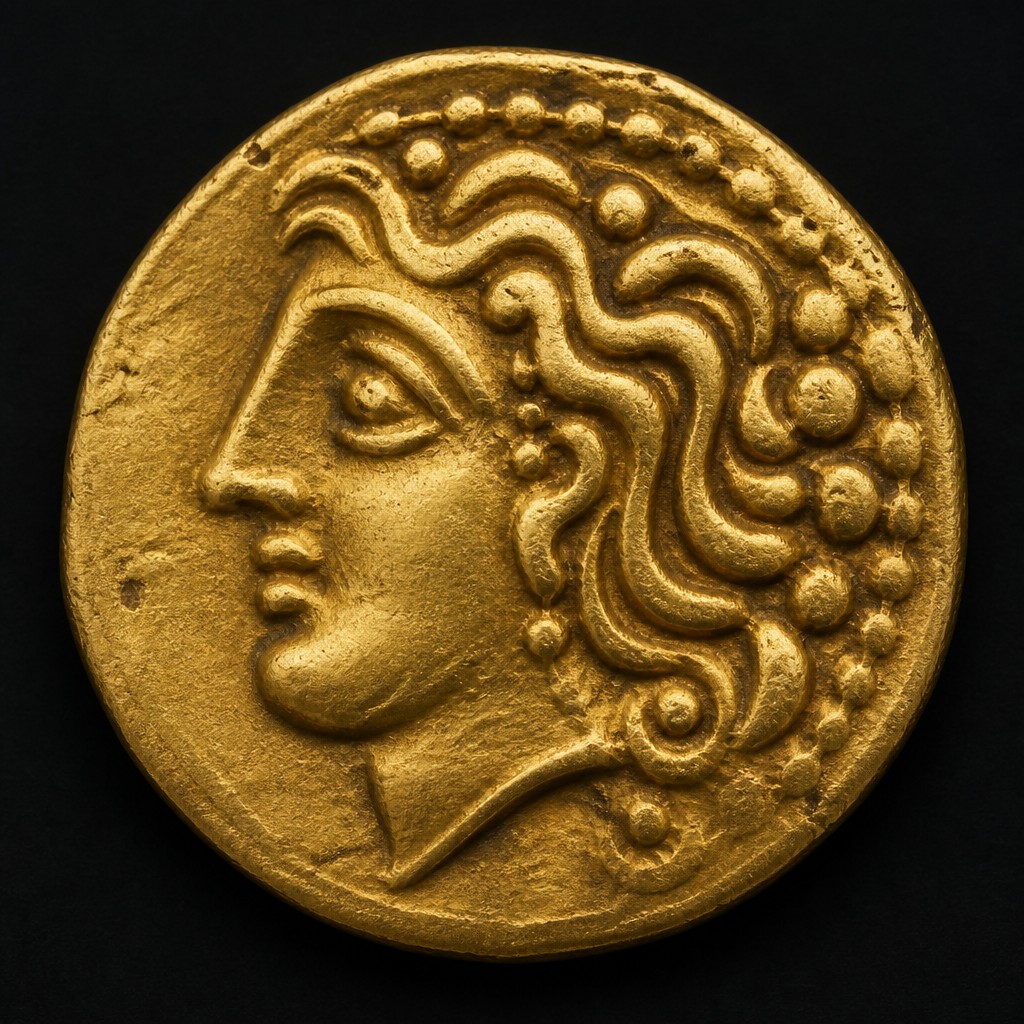
Celtic Gold Stater
Iron Age gold coins struck by Celtic tribes across Gaul and Britain, evolving from close imitations of Macedonian staters into strikingly abstract, stylized designs.
Ancient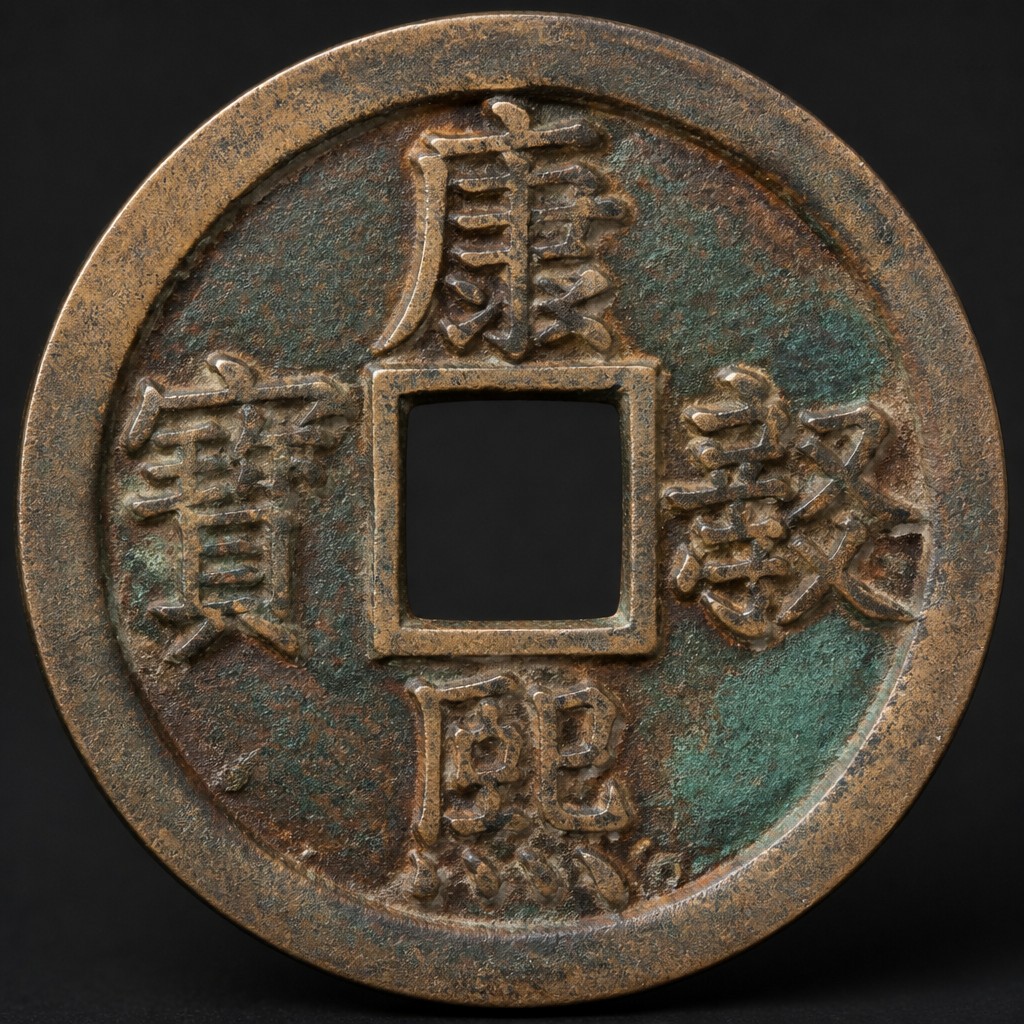
Chinese Tang Dynasty Cash
The influential bronze cash coin introduced in the Tang Dynasty, inscribed "Kai Yuan Tong Bao," that established the round-with-square-hole design copied for over a thousand years.
Asian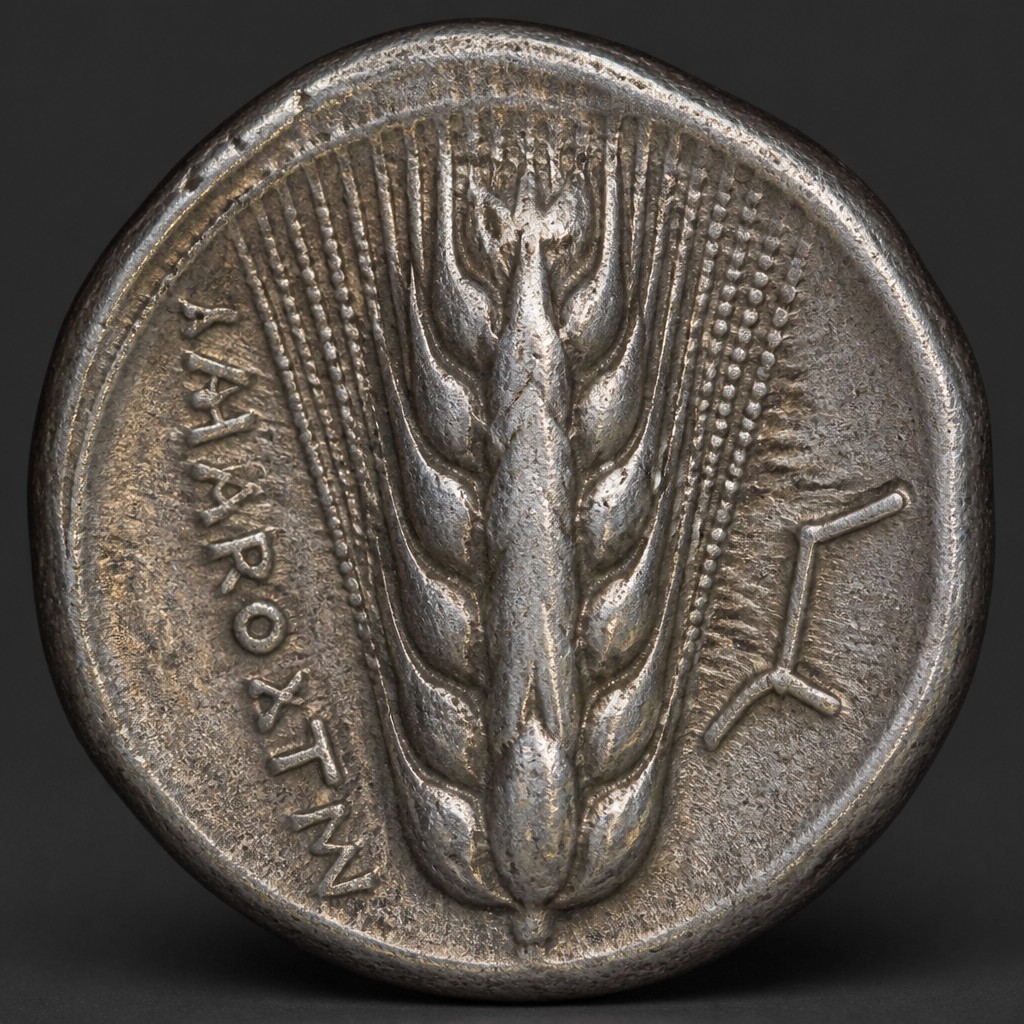
Metapontum Barley Ear Stater
A silver stater from the Greek colony of Metapontum in southern Italy, celebrated for its elegant ear-of-barley design symbolizing the city's agricultural wealth.
Ancient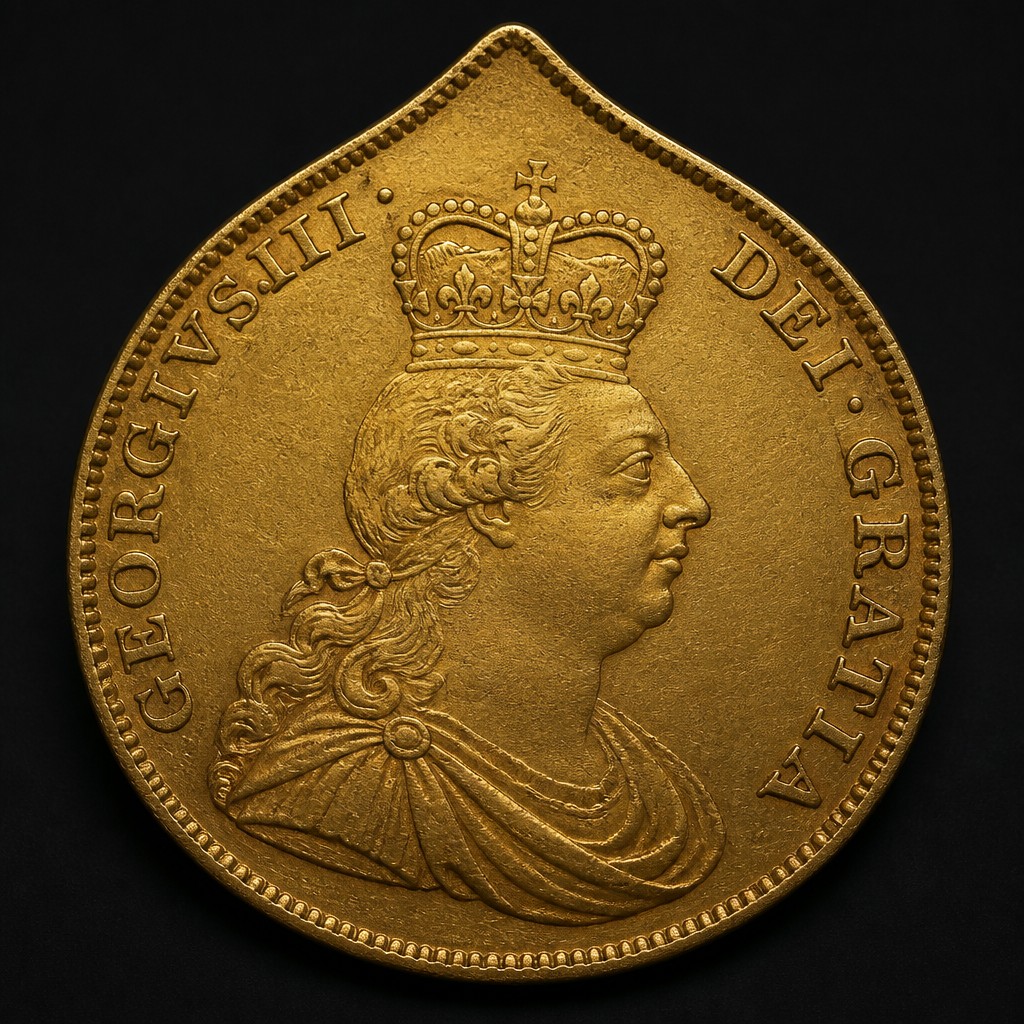
Spade Guinea
A George III gold guinea nicknamed for its spade-shaped shield reverse, one of the last widely circulated guinea types before the denomination was phased out in the early 1800s.
British
Spanish 4 Reales
A mid-value denomination of Spain's traditional real-based coinage, struck for centuries in both Spain and its American colonies.
European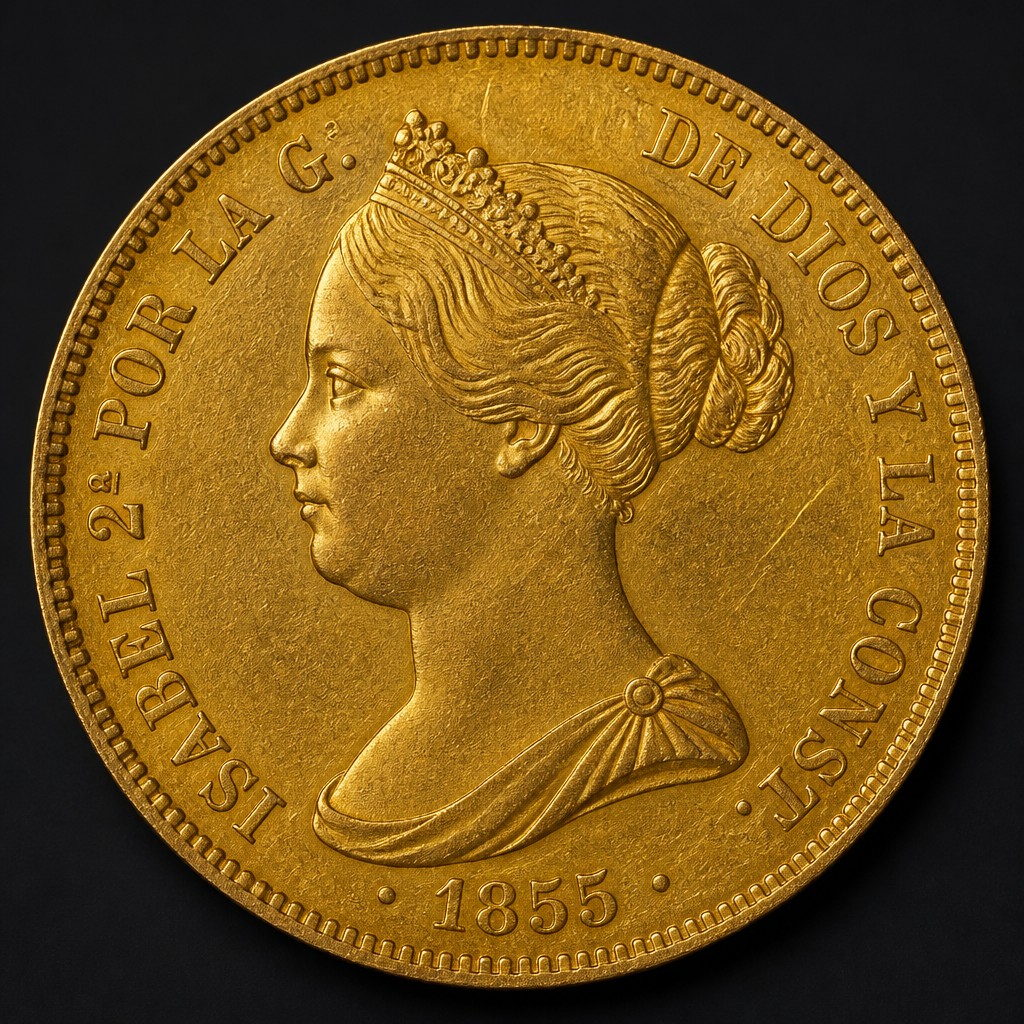
Spanish 100 Reales Gold (Isabel II)
A mid-19th-century Spanish gold coin struck under Queen Isabel II, part of Spain's pre-peseta reales-based monetary system.
European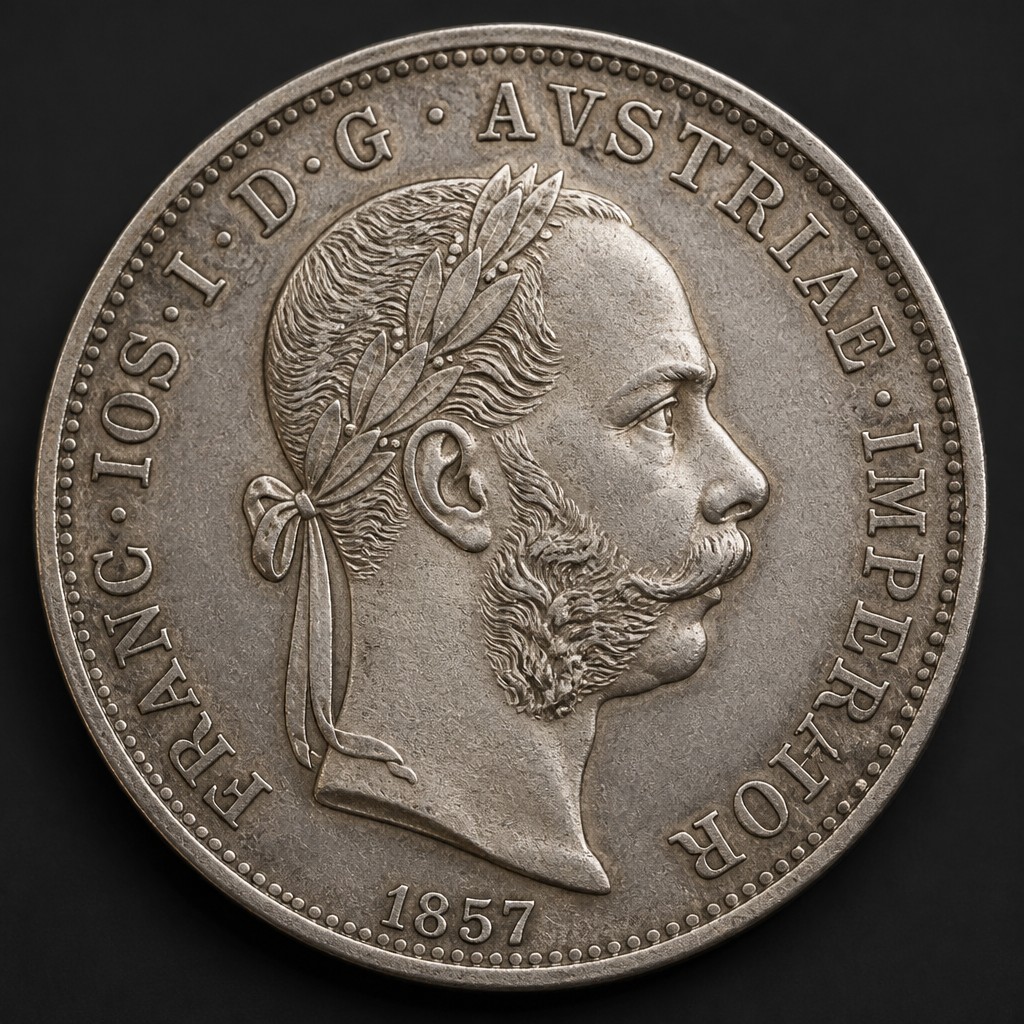
Austrian Florin (Gulden)
The main silver coin of Austria-Hungary in the second half of the 19th century, used until the krone replaced it in the 1892 monetary reform.
European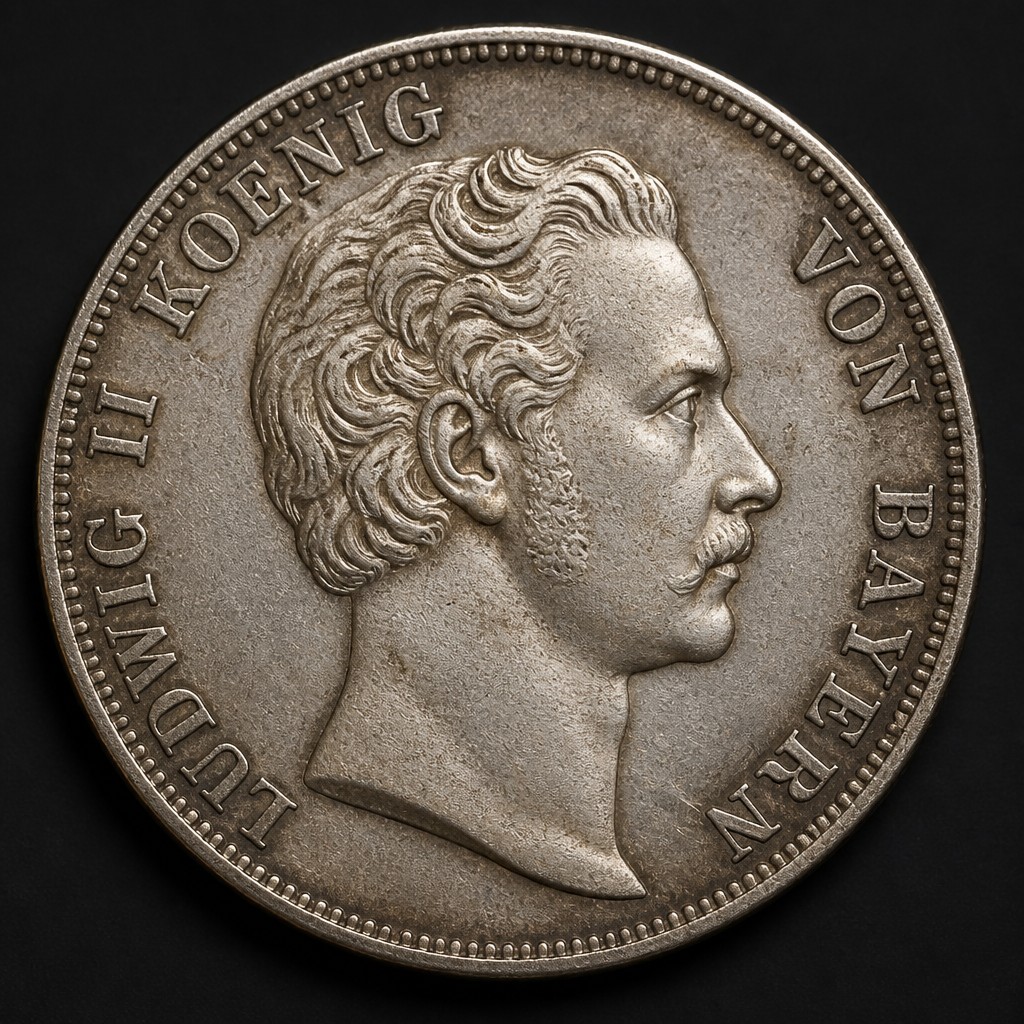
German Bavaria Thaler
A large silver crown-sized coin issued by the Bavarian state, one of many German territorial thalers struck before German unification.
European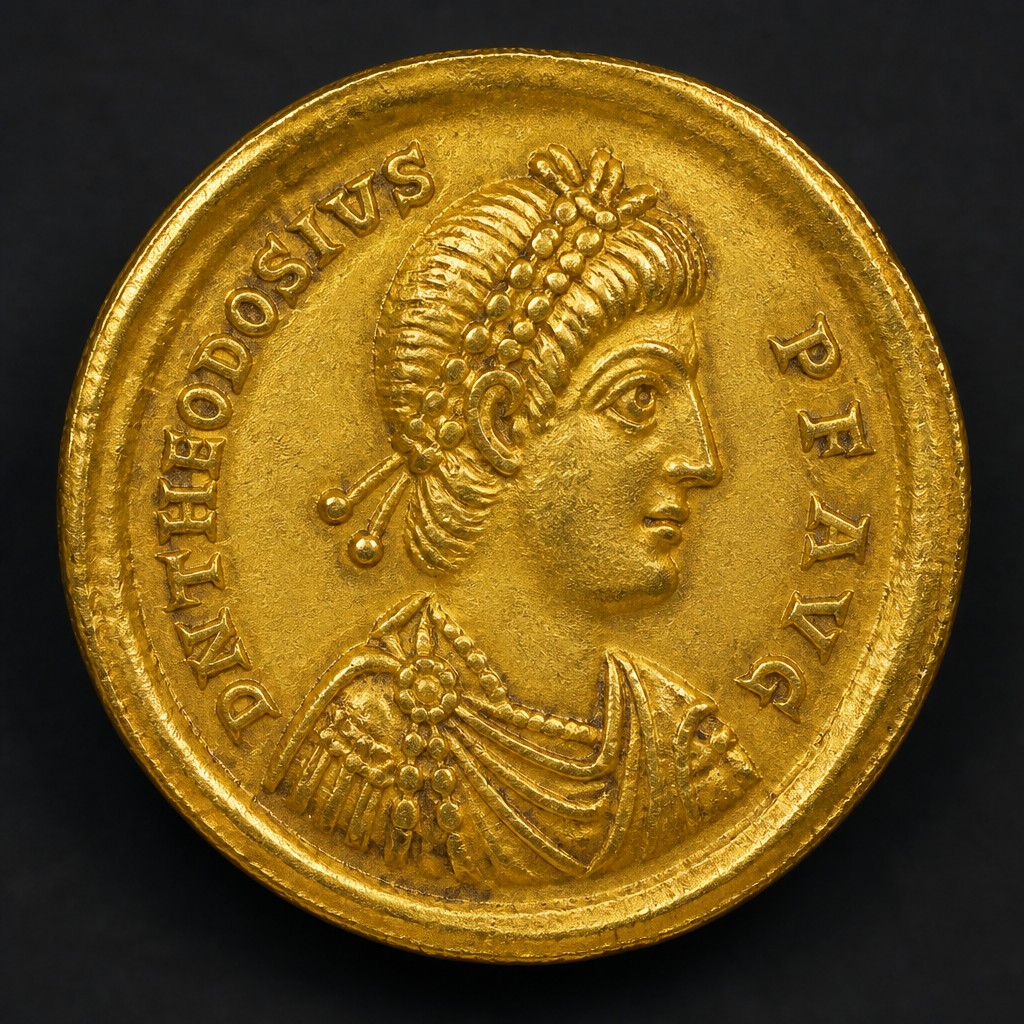
Theodosius I Solidus
A gold solidus of Theodosius I, the last emperor to rule a united Roman Empire and the ruler who made Nicene Christianity the state religion.
Ancient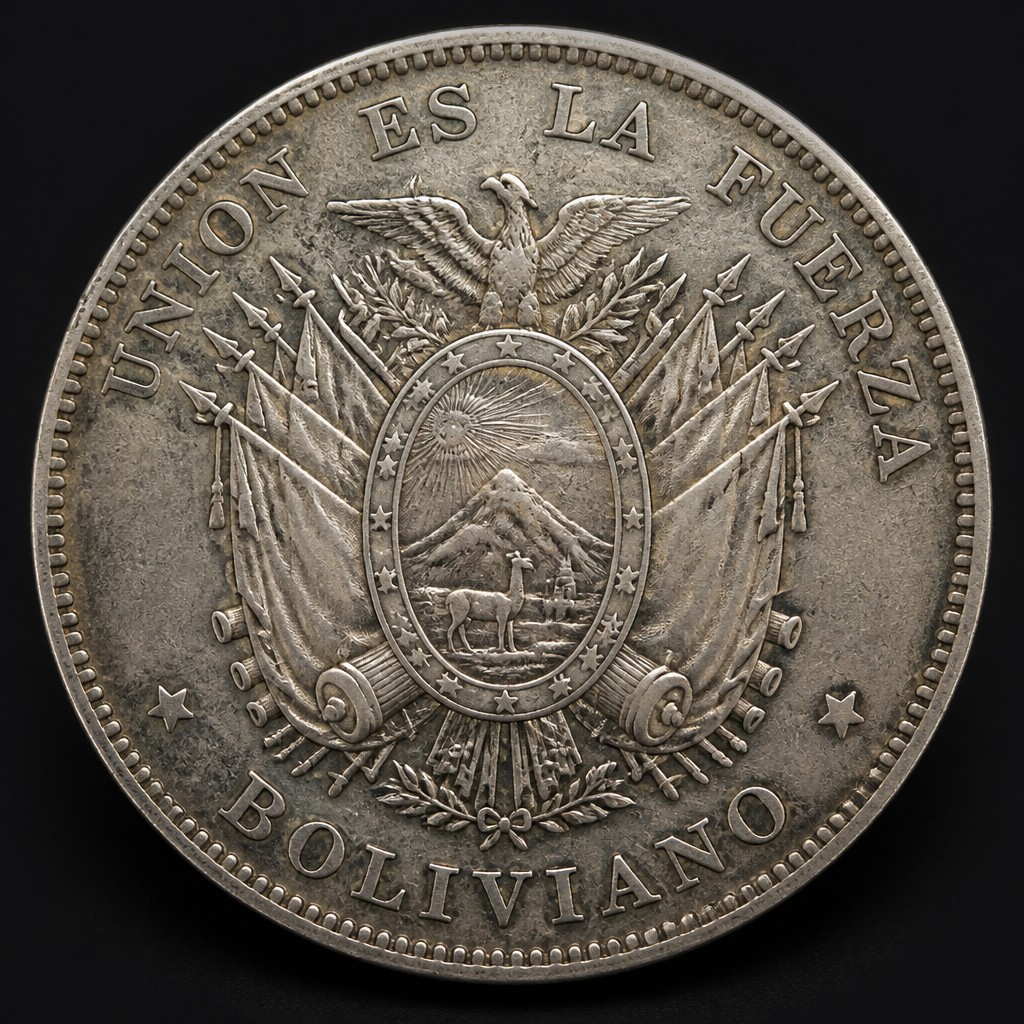
Bolivian Boliviano Silver
Bolivia's national currency unit, the boliviano, was introduced in the 1860s as a substantial silver coin and remains the country's monetary unit in modern, non-silver form.
Latin American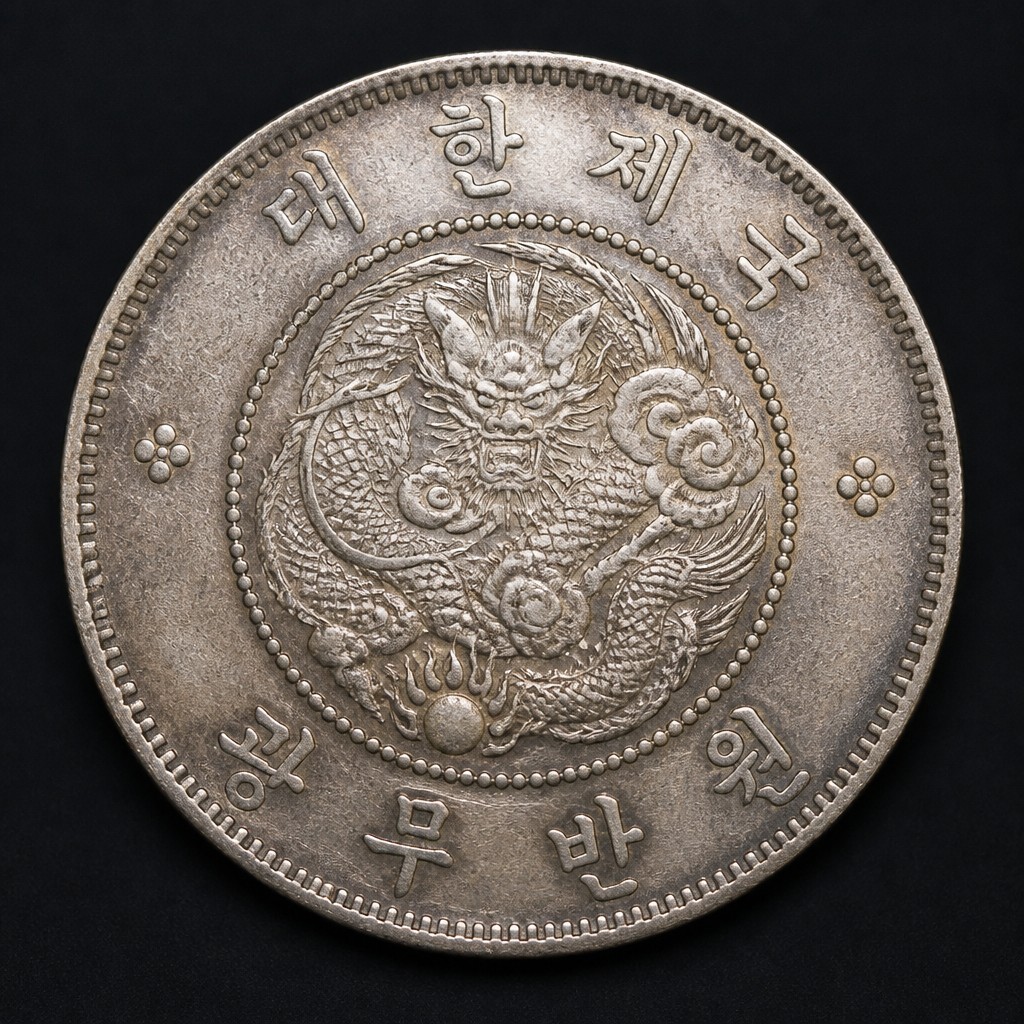
Korean Gwangmu Half Won (1905)
Silver half-won coin from the short-lived Korean Empire's Gwangmu currency reform, struck shortly before Korea fell under increasing Japanese control.
Asian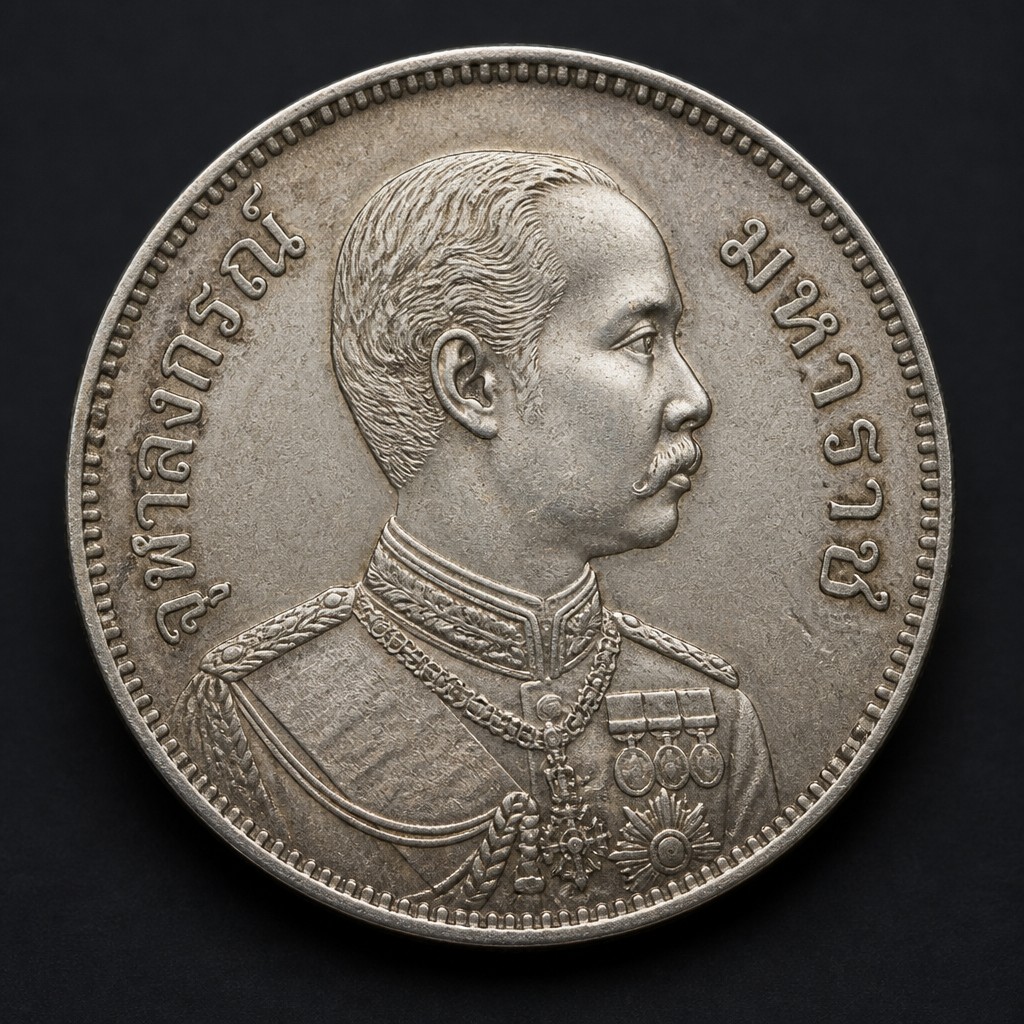
Siamese Rama V Silver Baht
Western-style silver baht introduced under King Chulalongkorn (Rama V) of Siam, replacing centuries-old bullet money with modern flat coinage.
Asian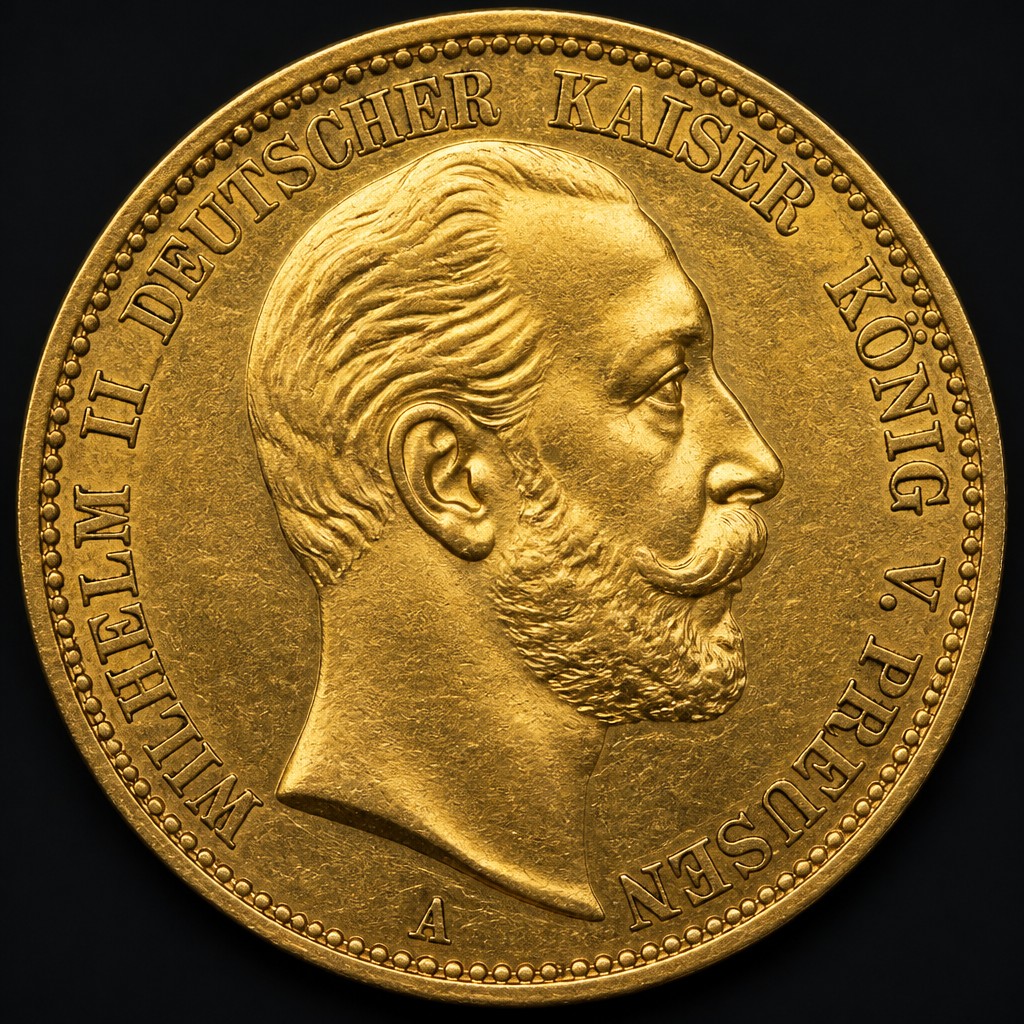
German Prussia 20 Mark Gold
The standard gold coin of Prussia within the newly unified German Empire, featuring successive Prussian kings and forming a key part of the empire's gold mark system.
European