
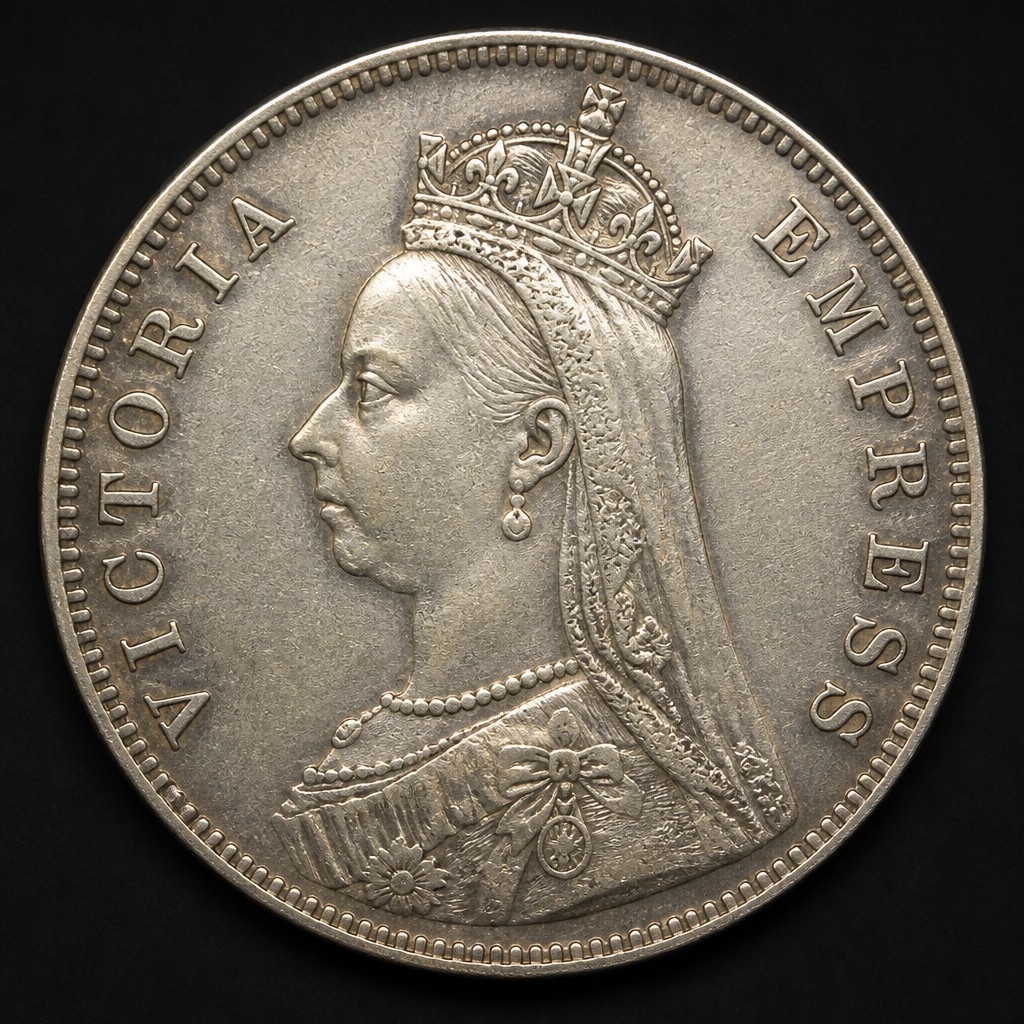
British India Silver Rupee (Victoria Empress)
Silver rupee of British India struck under Queen Victoria as Empress of India, the workhorse coin of the Raj's monetary system from 1877 to 1901.
- Country
- British India
- Denomination
- One Rupee
- Metal
- Silver (.917 fine)
Got a coin like this?
Identify any coin from a photo, free.
Overview
The Victoria Empress Rupee is the standard silver coin of British India issued after Victoria assumed the title Empress of India in 1876. It replaced the earlier "Victoria Queen" rupee and served as the everyday coin of commerce across the subcontinent for nearly a quarter century.
Collectors value it as an accessible entry point into British Indian numismatics: the design run is long and uninterrupted, several mints participated, and dates are legible, making a date-and-mint collection realistic for beginners and specialists alike.
History & Background
Queen Victoria was proclaimed Empress of India on 1 January 1877 following the Royal Titles Act. Coinage was updated from "Queen" to "Empress" to reflect the new title, and production continued in this form until Victoria's death in 1901, after which Edward VII's portrait took over the coinage.
The rupee was struck at the mints of Calcutta and Bombay (with limited Madras output) under the Indian coinage acts that tied Indian currency to the silver standard through the late 19th century. It circulated widely across British India, including present-day India, Pakistan, Bangladesh, and Burma, underpinning trade and taxation throughout the Raj.
How to Identify
Obverse: a veiled, crowned bust of Queen Victoria facing left, with "VICTORIA EMPRESS" inscribed around the border and the date placed below the bust.
Reverse: a wreath surrounding "ONE RUPEE" and "INDIA" in English, with the value also rendered in Persian and other regional scripts reflecting the multilingual administration of British India.
The coin measures roughly 30mm and weighs about 11.66 grams in .917 fine silver, with a milled edge. Small mint marks near the date or on the reverse denote Calcutta (often unmarked or with a small symbol) or Bombay; Madras issues are considerably scarcer. Comparing the portrait style and title wording helps distinguish this issue from the earlier "Queen" rupee and the later Edward VII rupee.
Value & Collectibility
Because millions were struck over many years, common dates in circulated grades are inexpensive and easy to find, often trading in the range of roughly $10 to $40. Values rise for higher mint-state grades, scarcer mint/date pairings, and recognized die varieties.
- Cleaning or heavy environmental damage sharply reduces desirability.
- Lustrous, problem-free coins in higher grades bring meaningfully more than the norm.
- A handful of low-mintage date/mint combinations are considered genuinely scarce by specialists.
Frequently asked questions
What does "Empress" mean on the coin?
It marks that the coin was struck after Victoria was proclaimed Empress of India in 1877, replacing the earlier "Queen" title used on prior rupees.
What is the coin's silver content?
It is struck in .917 fine silver and weighs about 11.66 grams.
How can I tell the mint?
Small mint marks near the date or on the reverse indicate Calcutta, Bombay, or the rarer Madras issues.
Are all dates rare?
No, most dates are common and affordable; only a few specific date-and-mint combinations are scarce.
What coin replaced it?
After Victoria's death in 1901, a rupee bearing Edward VII's portrait replaced this design.
Other coins you may enjoy
Nepal Silver Mohar
c. 16th–19th century
Korean 5 Yang Silver Dollar (1892)
1892
Nguyen Dynasty Gold Bar (Vietnam)
19th century
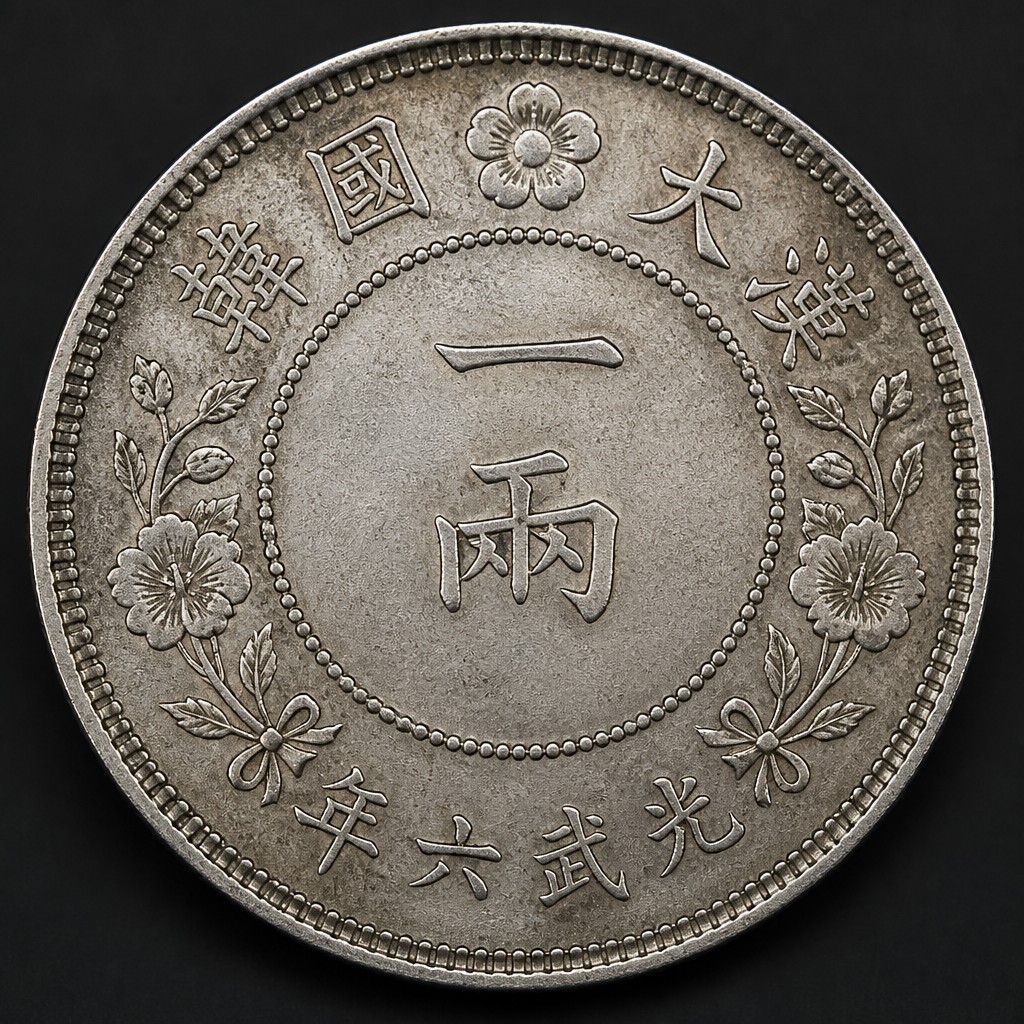
Korean 1 Yang Silver (Joseon/Great Han Empire)
1892–1902
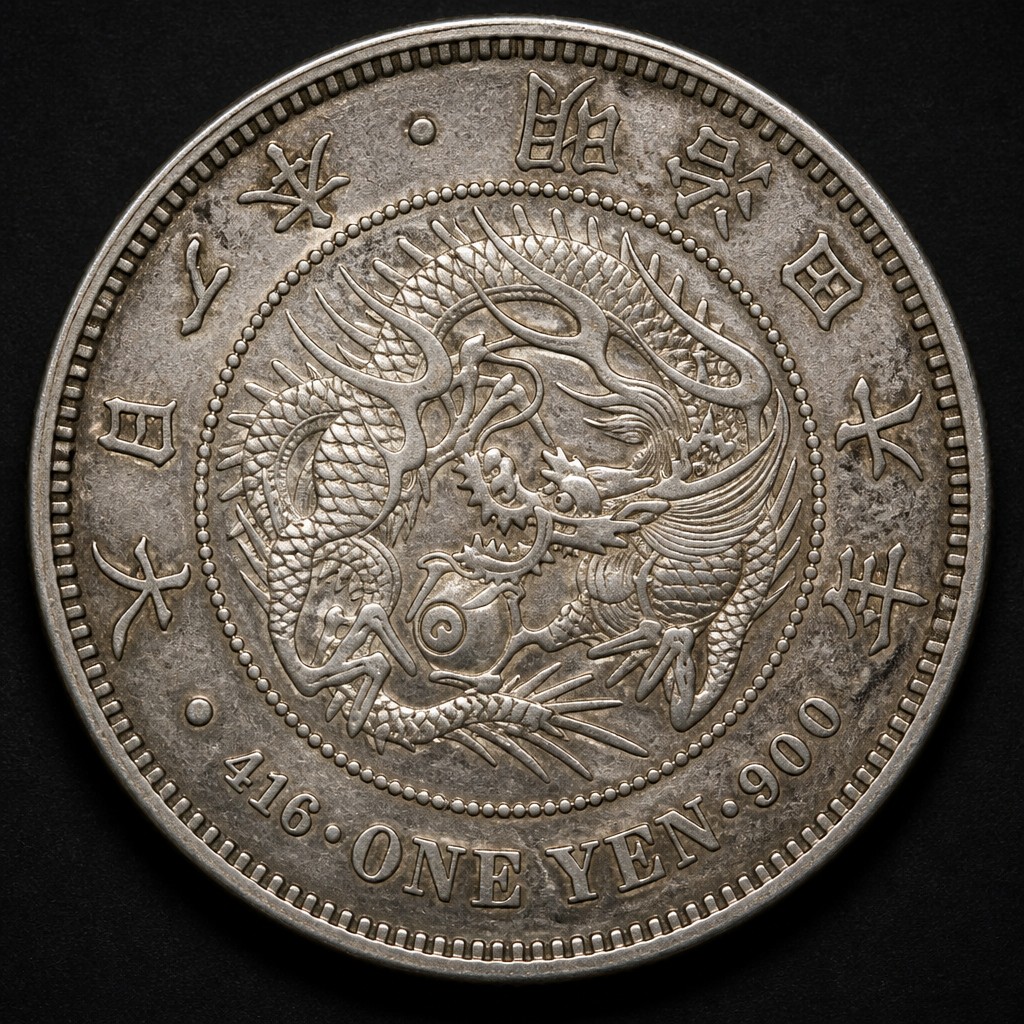
Japanese 1 Yen Silver 'Dragon' Trade Dollar
1870–1914 (trade dollar variant 1875–1877)
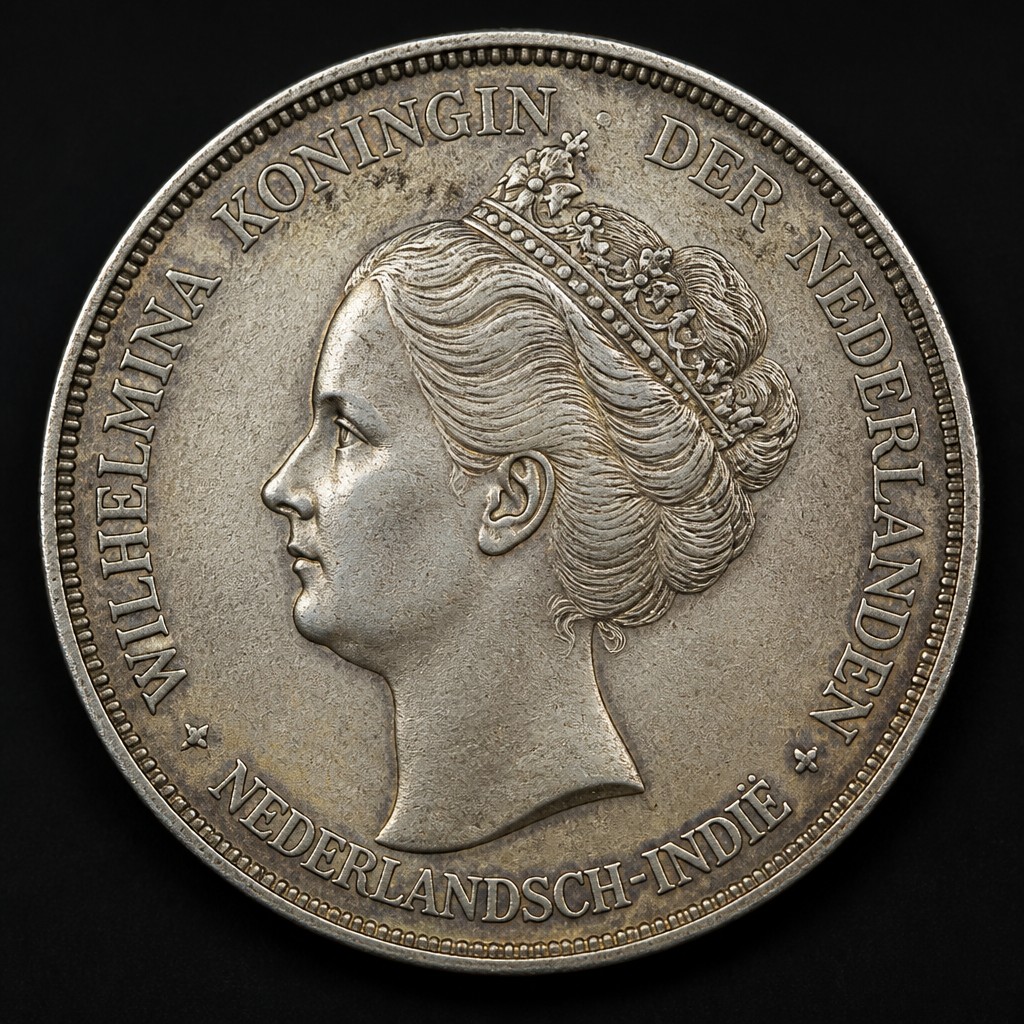
Netherlands East Indies Gulden (Wilhelmina)
1897–1945
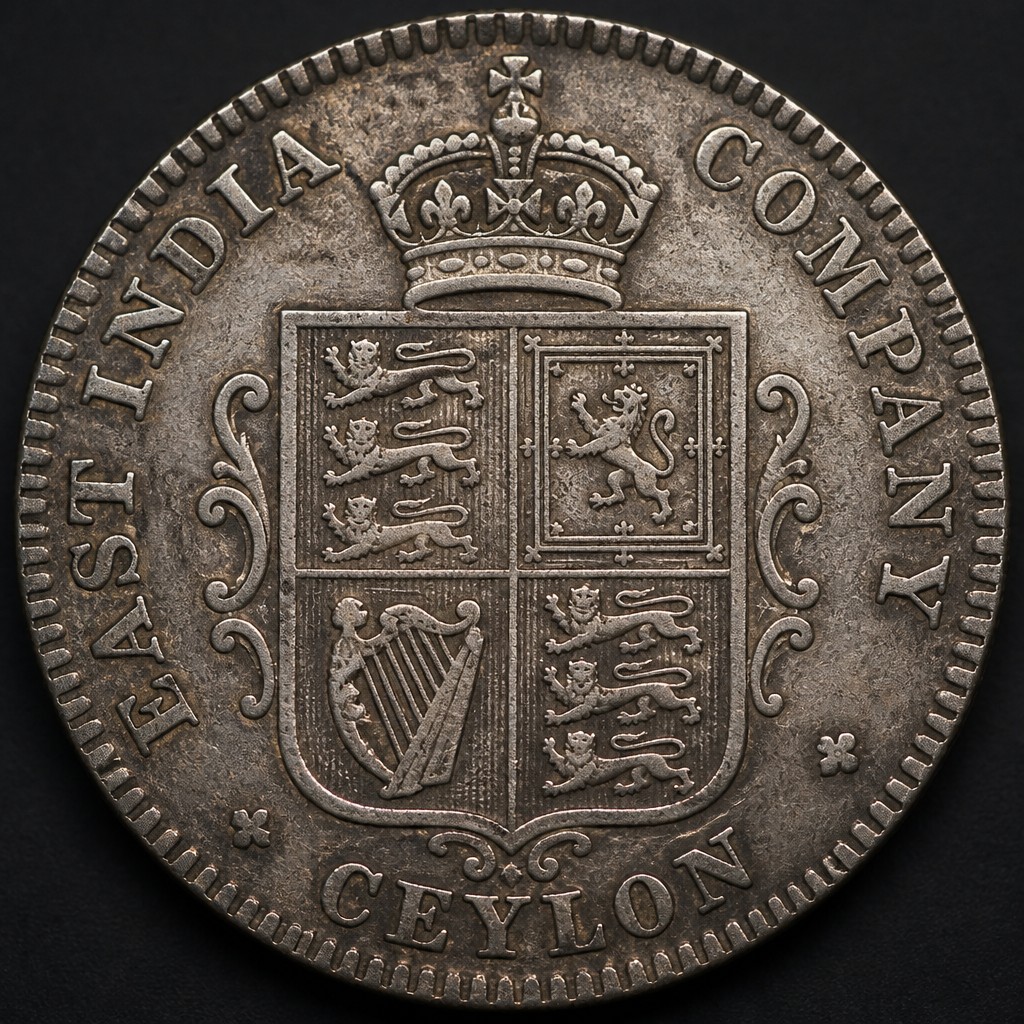
Ceylon (Sri Lanka) EIC Rixdollar
c. 1802–1821
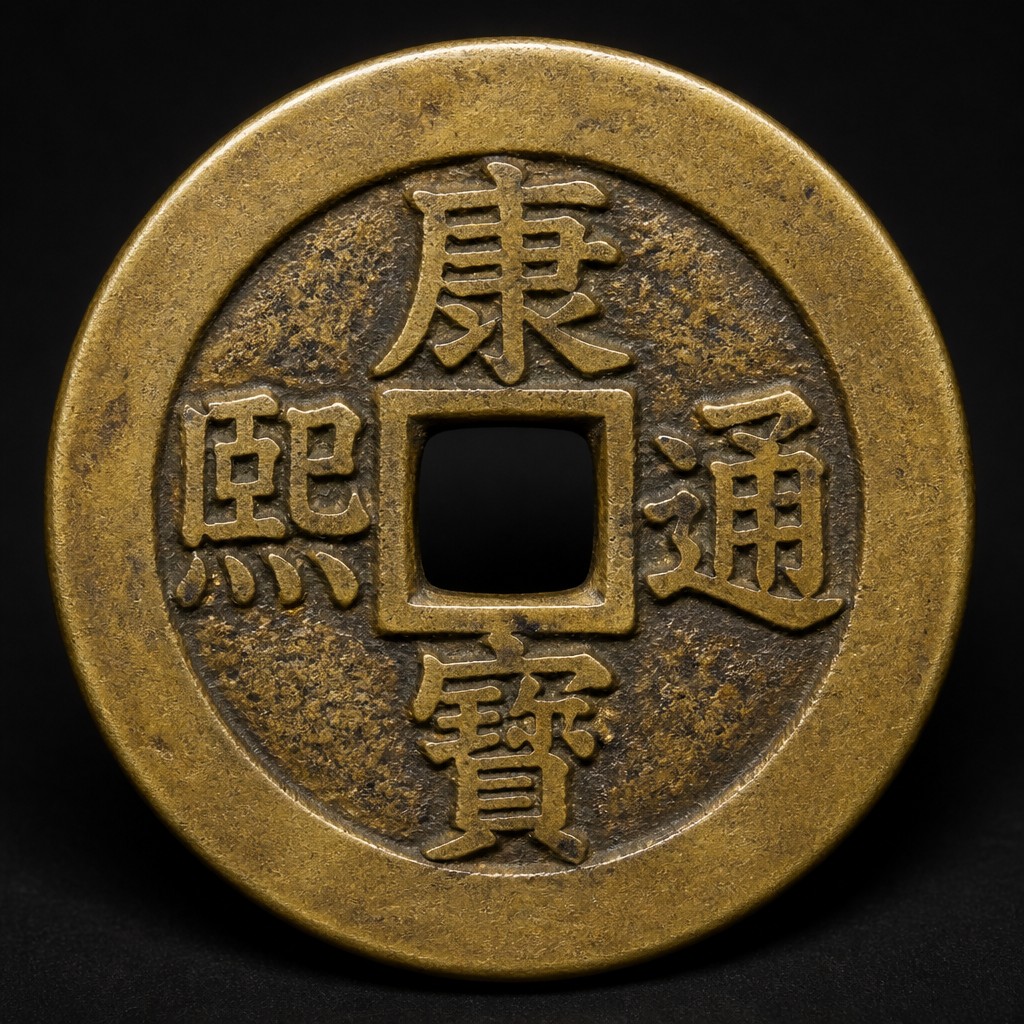
Chinese Cash Coin (Qing Dynasty 'Kangxi Tongbao')
1662–1722
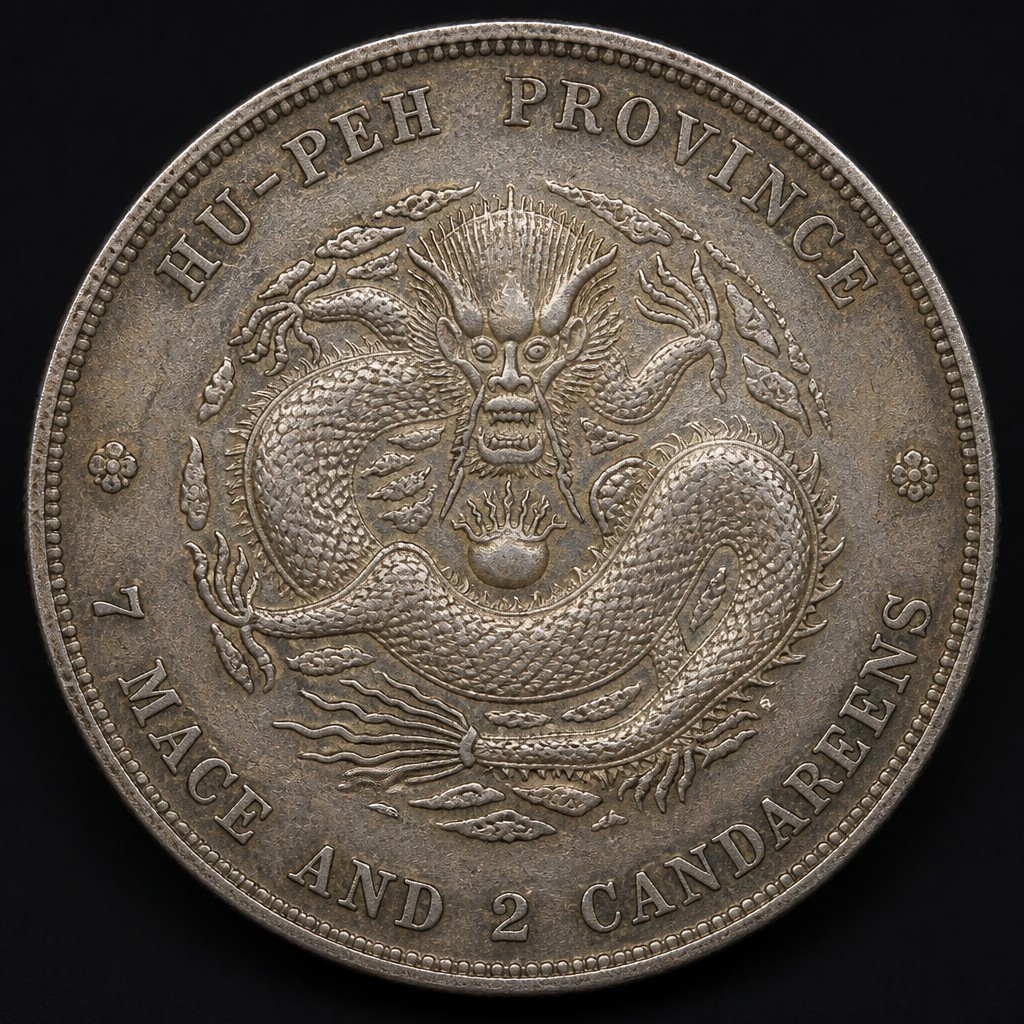
Chinese Hupeh Province Dragon Dollar
c. 1895–1909
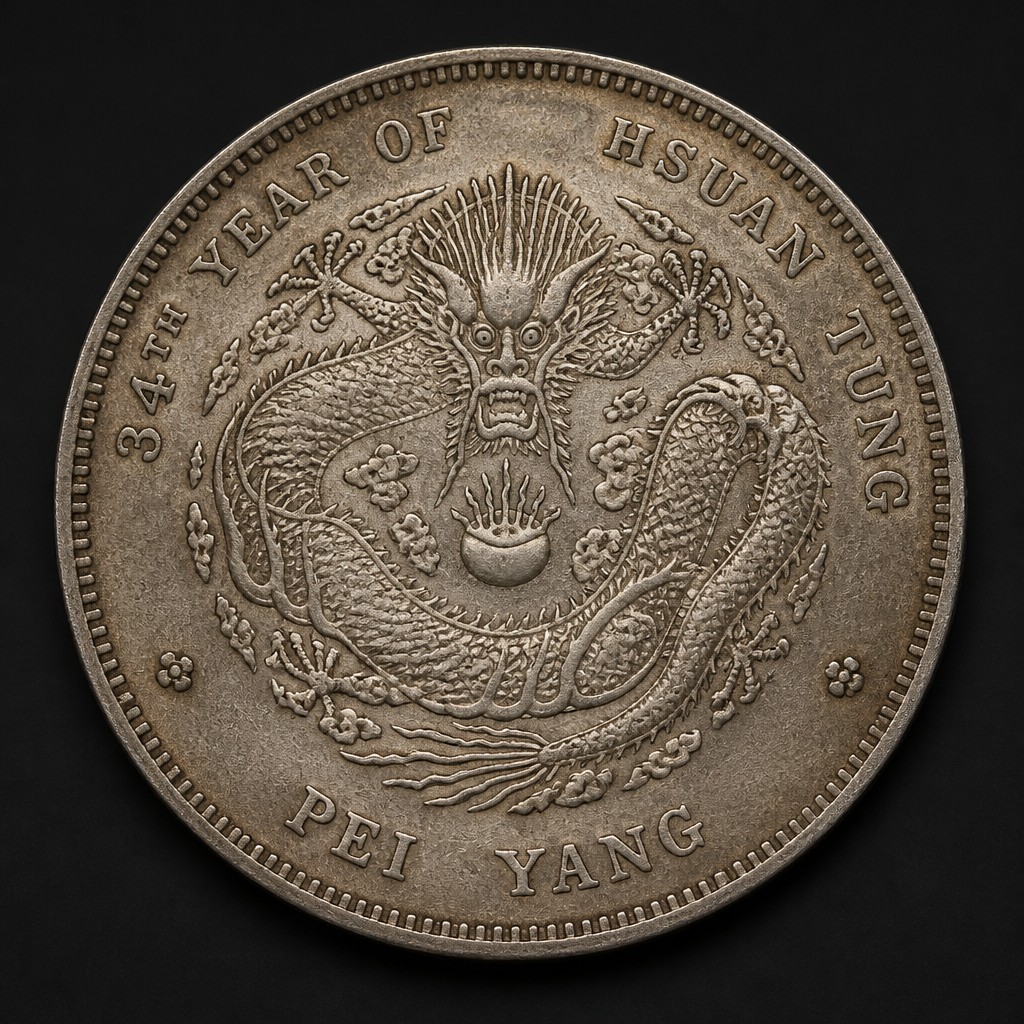
Chinese Empire Silver Dollar (Hsuan Tung Dragon)
1909–1911
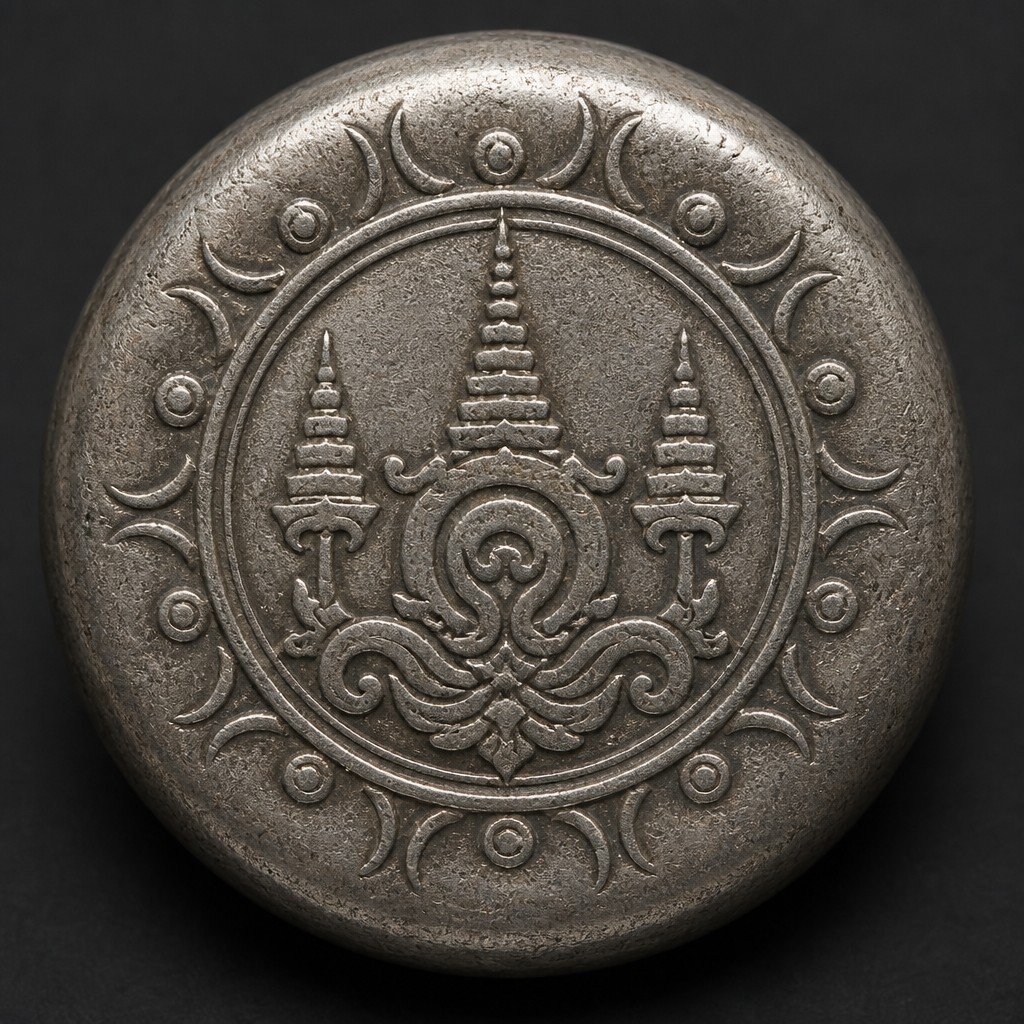
Thailand (Siam) Silver Baht 'Bullet Money' (Pod Duang)
c. 13th century – late 19th century
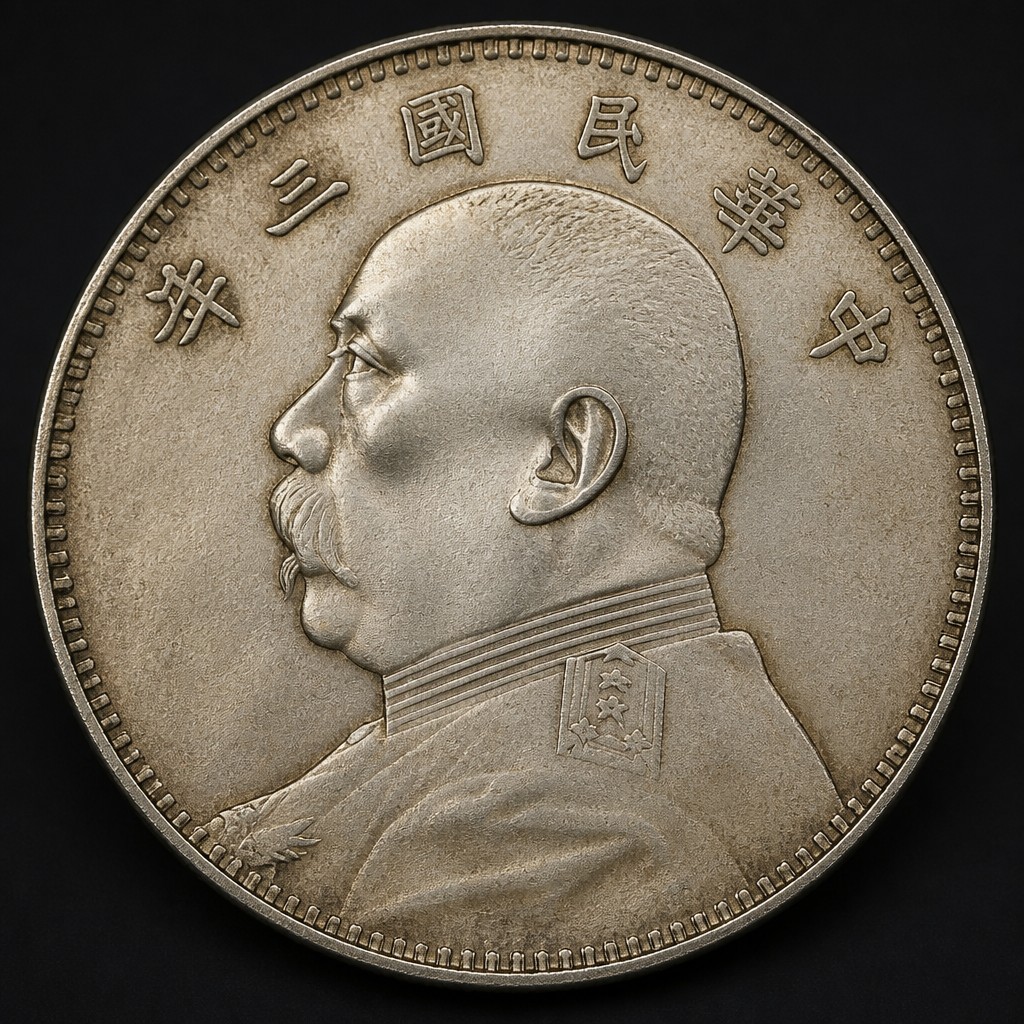
Yuan Shikai 'Fatman' Dollar (1914)
Dated 1914, struck into the early 1920s