
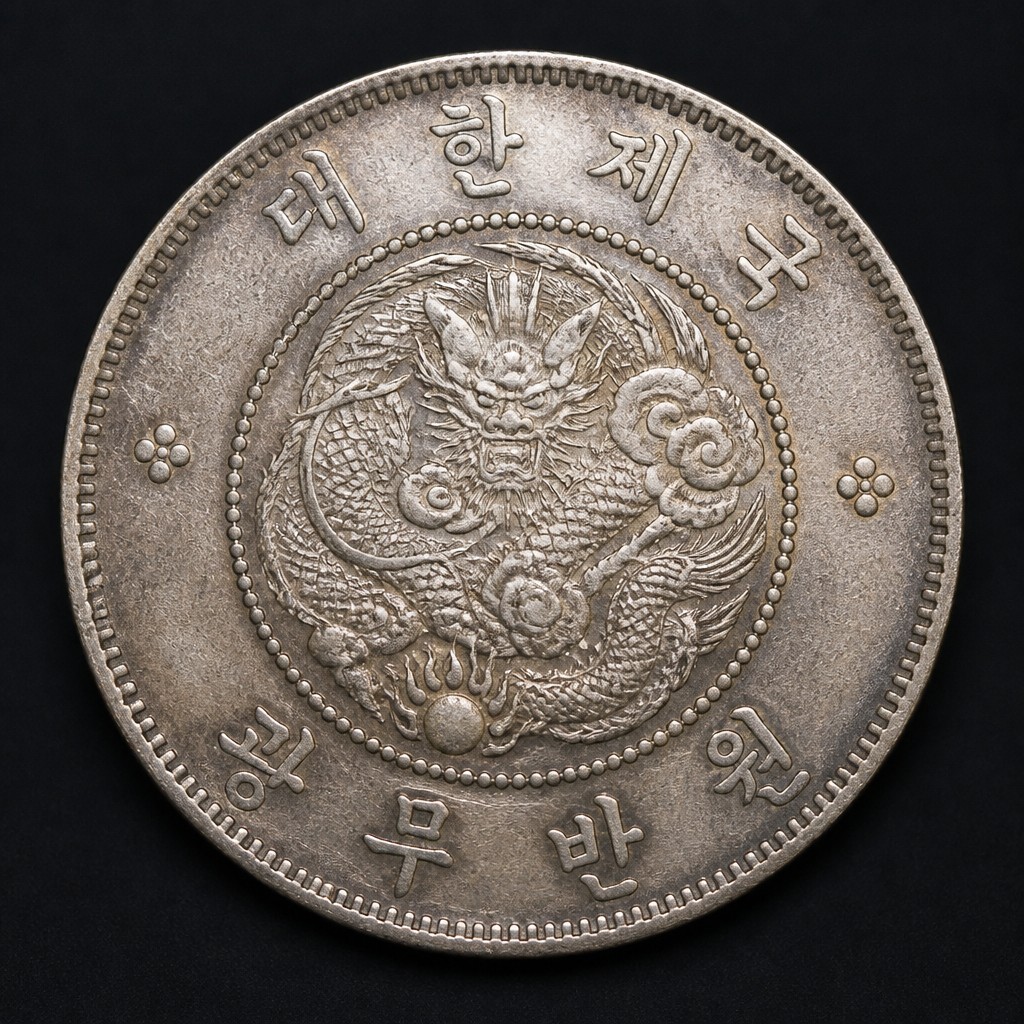
Korean Gwangmu Half Won (1905)
Silver half-won coin from the short-lived Korean Empire's Gwangmu currency reform, struck shortly before Korea fell under increasing Japanese control.
- Country
- Korean Empire
- Denomination
- 1/2 Won
- Metal
- Silver
Got a coin like this?
Identify any coin from a photo, free.
Overview
The Gwangmu Half Won is a silver coin from the Korean Empire, issued during the reform-era reign of Emperor Gojong under the Gwangmu era name. Struck as part of a broader modernization of Korean coinage that introduced machine-struck, Western-style denominations to replace older cash coin traditions, the half won represents Korea's brief attempt to establish an independent, modern national currency in the years before Japanese domination became complete.
The coin's design, featuring an imperial dragon and Korean and sometimes Chinese-character legends, reflects Korea's newly declared imperial status, proclaimed in 1897 when Gojong elevated the kingdom to the Korean Empire in an assertion of sovereignty amid intense pressure from neighboring powers.
Because the Korean Empire's independent currency reforms were cut short by growing Japanese political and economic control, coins like the 1905 half won are relatively scarce and hold particular historical significance as artifacts of Korea's final years of nominal independence before annexation.
History & Background
Emperor Gojong proclaimed the Korean Empire in 1897, adopting the era name Gwangmu, as part of an effort to assert Korea's sovereignty and modern statehood amid competing Chinese, Japanese, and Russian influence on the peninsula. As part of this modernization drive, the Korean government undertook currency reform, introducing machine-struck silver and other metal coinage in Western-style denominations, including the won and its fractional units such as the half won, to replace the older cast cash coin system.
However, Korea's currency reform efforts became increasingly entangled with Japanese financial and political influence, as Japan expanded its control over Korean institutions in the years following the Russo-Japanese War of 1904-1905. Korean coinage production, including later Gwangmu-era issues like the 1905 half won, was affected by this growing Japanese oversight, with some production reportedly involving Japanese-linked minting facilities and technical assistance.
Korea's independent currency system was effectively absorbed into a Japanese-controlled monetary framework in the years that followed, culminating in Korea's formal annexation by Japan in 1910, after which distinct Korean Empire coinage such as the Gwangmu half won ceased, making these coins a poignant numismatic record of Korea's final years of nominal sovereignty.
How to Identify
The obverse of the Gwangmu Half Won typically features a stylized coiled or facing dragon, a traditional Korean and East Asian symbol of imperial authority, along with the denomination and date rendered in the Korean and Chinese-character mixed script conventions of the period. The reverse generally carries additional inscriptions identifying the Korean Empire and the Gwangmu era year corresponding to 1905 in the Western calendar.
The coin is struck in silver, smaller than the full won denomination, with dimensions and weight standardized to fit within the broader decimal-based won currency system introduced during the reform period. Its machine-struck finish, sharp rims, and consistent design place it firmly within Korea's modern coinage era, distinct from the older cast cash coins that circulated for centuries prior.
Because genuine Korean Empire coinage from this brief period is relatively scarce and historically significant, collectors should compare suspect examples carefully against verified references for correct weight, diameter, and design details, and consider professional authentication for higher-value pieces.
Value & Collectibility
Coins from Korea's short-lived Gwangmu currency reform, including the 1905 half won, are relatively scarce compared to more common East Asian coinage of the period, reflecting the historically limited and disrupted production runs of this transitional Korean currency. Condition and completeness of the design significantly affect price, with well-preserved examples commanding a considerable premium over heavily worn pieces.
General market prices for Gwangmu-era Korean silver coinage vary depending on denomination, date, and grade, but the historical significance of these coins as artifacts of Korea's brief modern imperial period tends to support solid collector demand relative to their actual mintage figures. As always, buyers should seek pieces with clear, verifiable authenticity given the historical and political sensitivity surrounding this transitional Korean coinage.
Frequently asked questions
What was the Korean Empire?
The Korean Empire was the name adopted by Korea's monarchy in 1897 under Emperor Gojong, asserting the country's sovereignty and modern statehood in the face of foreign pressure, before the empire fell to Japanese annexation in 1910.
What does 'Gwangmu' refer to?
Gwangmu was the era name adopted by Emperor Gojong upon proclaiming the Korean Empire, used to date official documents and coinage of the period.
Why is this coin considered historically significant?
It represents Korea's brief effort at independent modern currency reform in the years just before Japanese control over Korea's economy and government became complete.
Is the 1905 half won rare?
Coins from this transitional period of Korean coinage are generally scarcer than later, more standardized issues, making genuine, well-preserved examples desirable to specialists in Korean numismatics.
Other coins you may enjoy
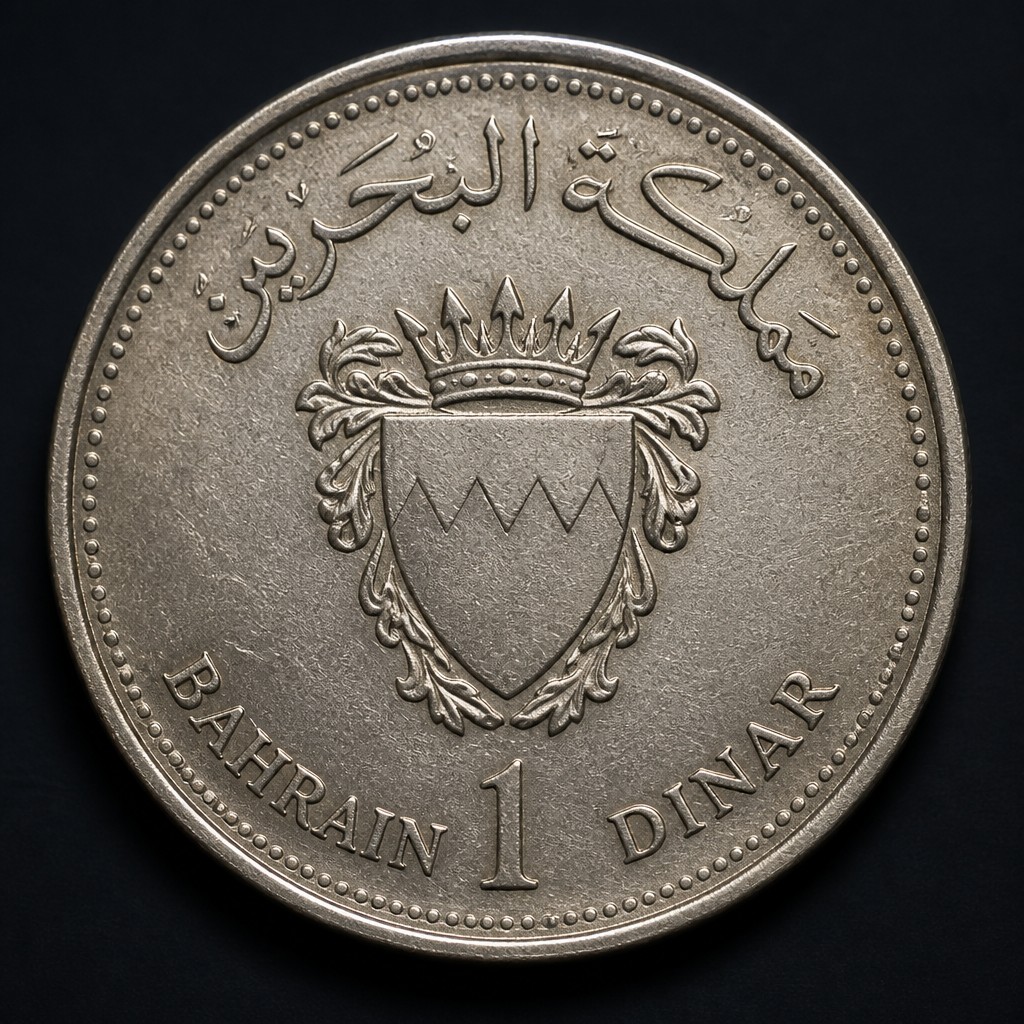
Bahraini Dinar
1965–present
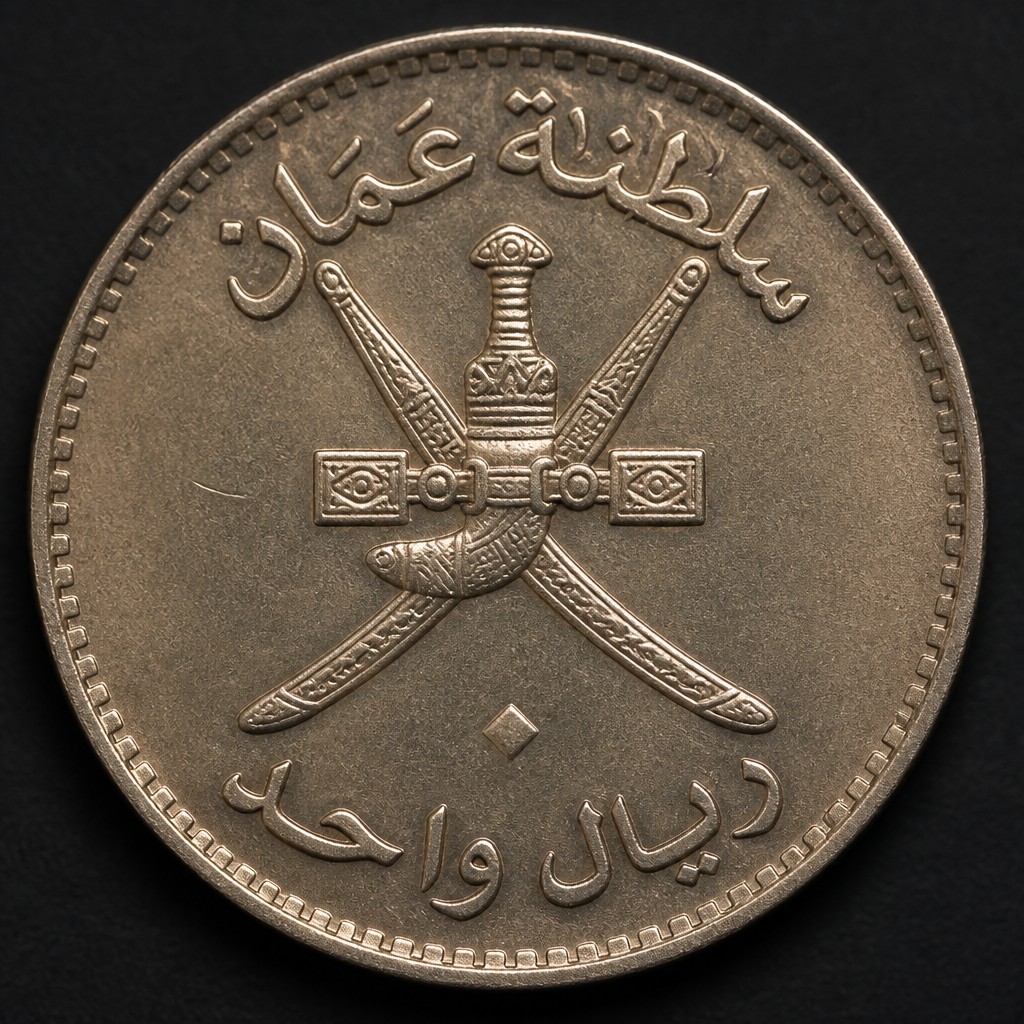
Omani Rial (Baisa Coinage)
1970–present
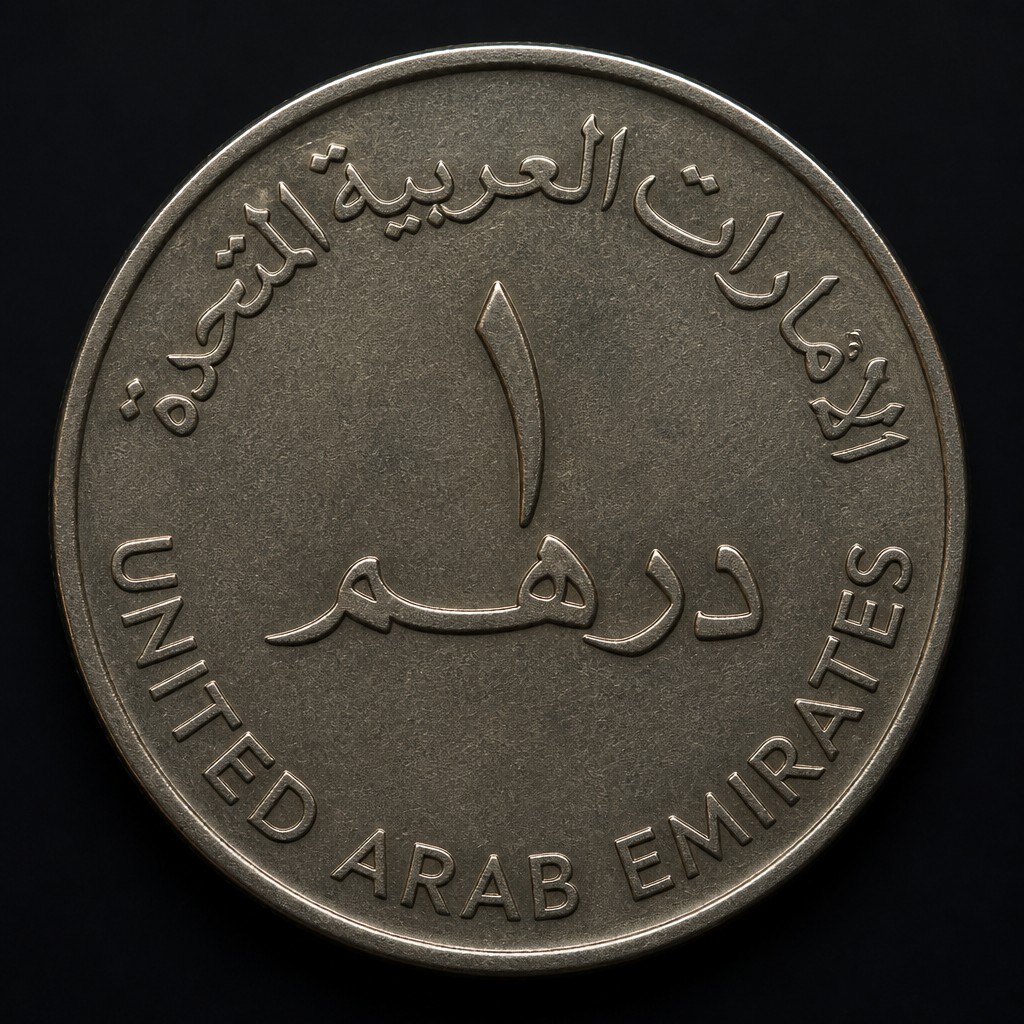
United Arab Emirates Dirham
1973–present
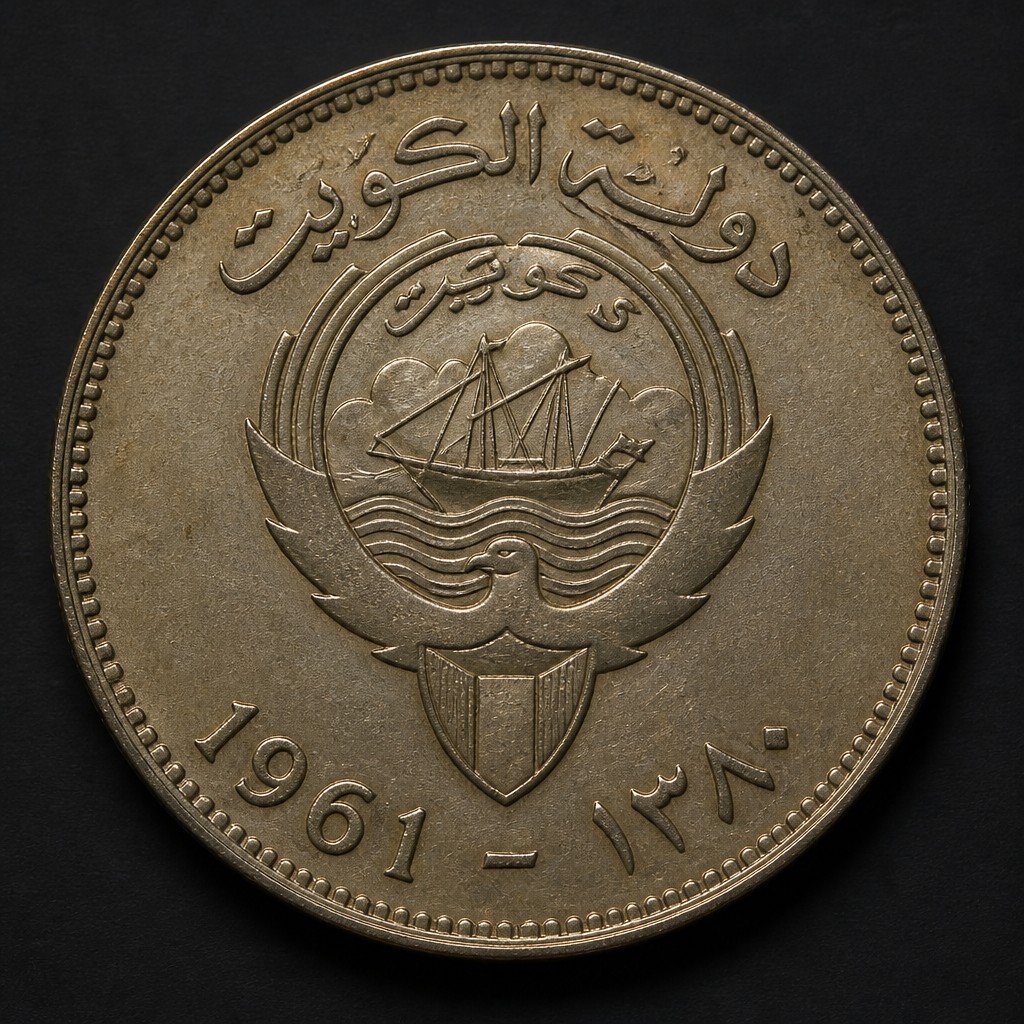
Kuwaiti Fils
1961–present
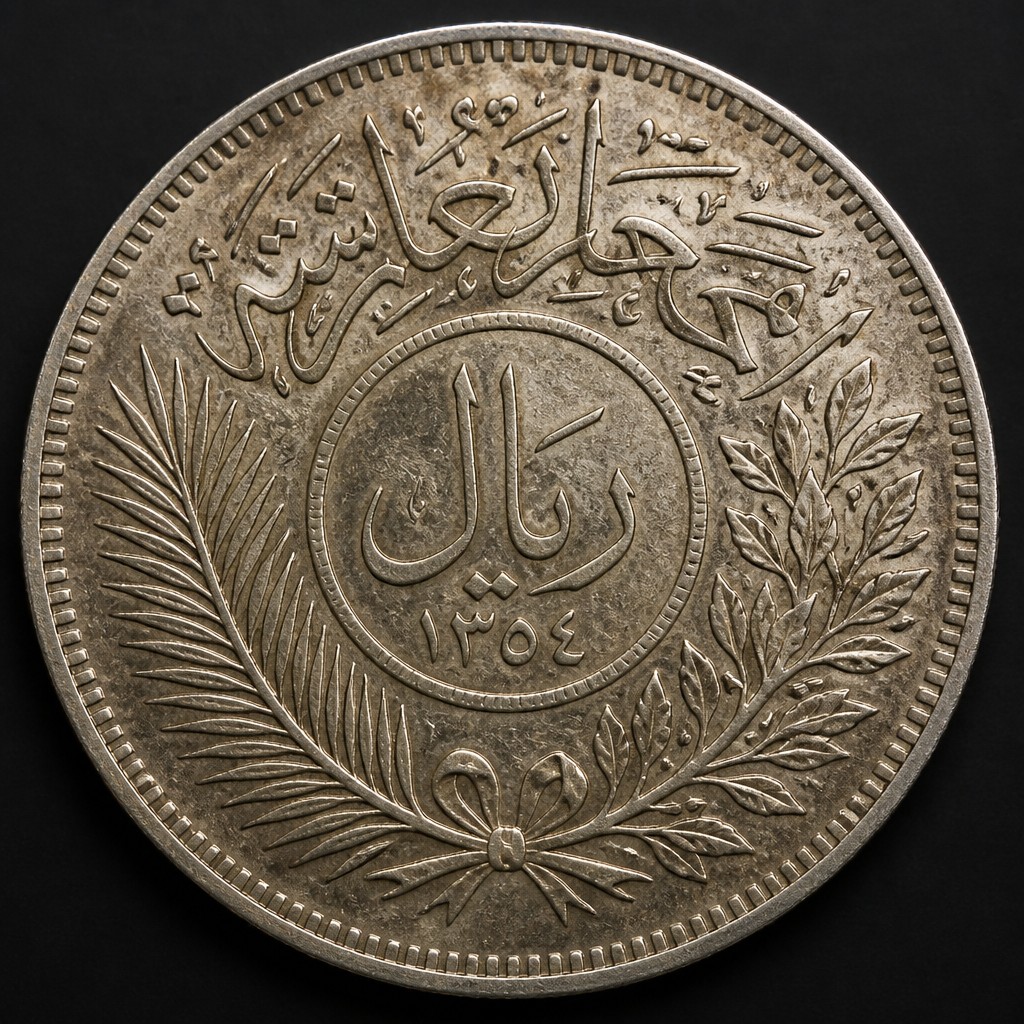
Saudi Arabian Riyal (silver)
1935 (Kingdom-wide standardization) and related issues
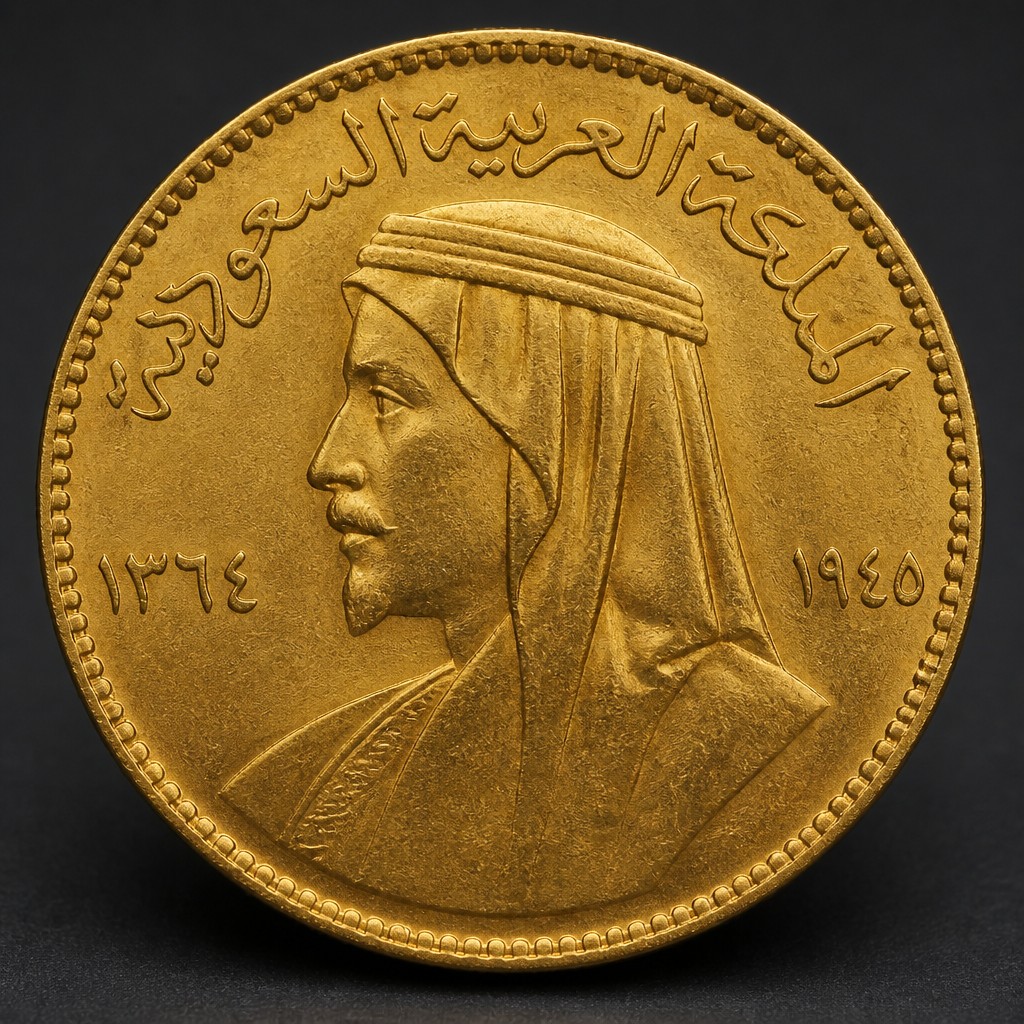
Saudi Arabian Gold Guinea (Sovereign)
1945 and later issues
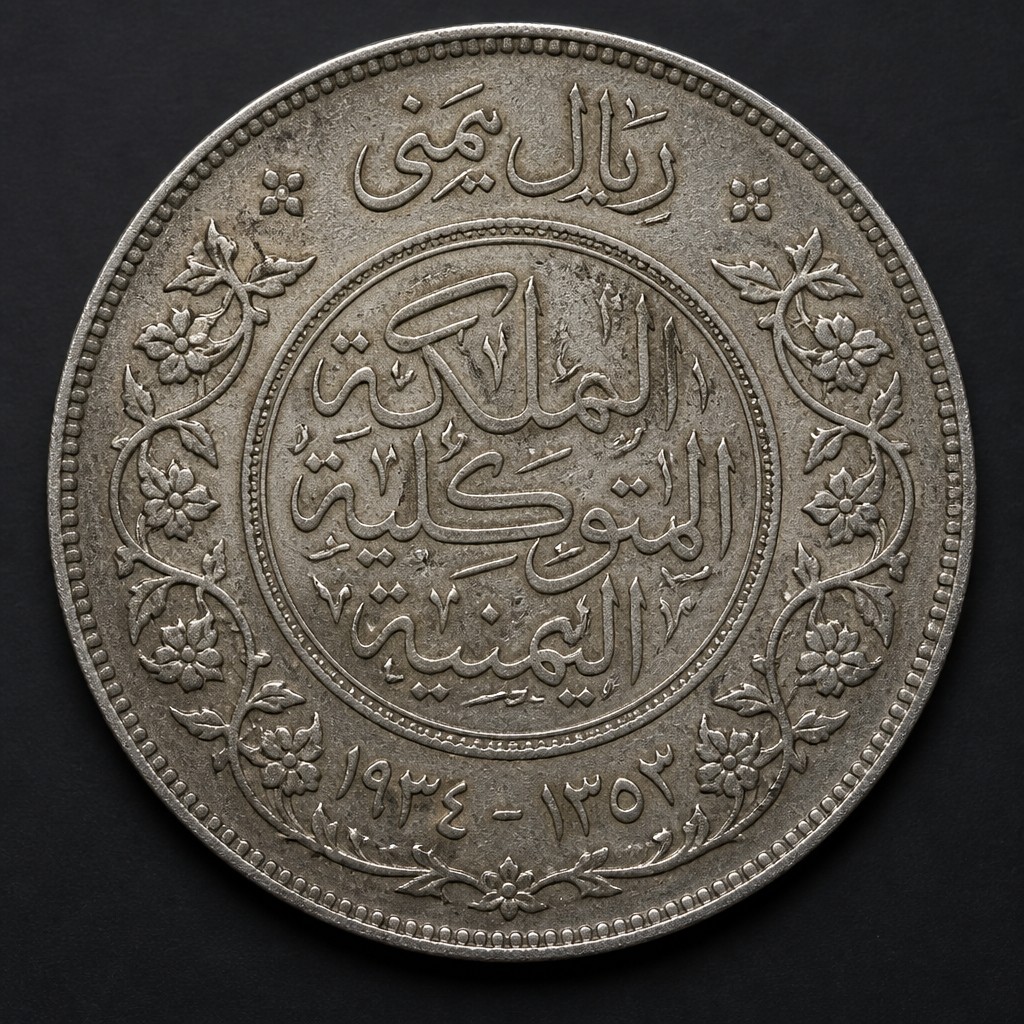
Yemeni Riyal (Ahmadi/Imadi Kingdom Coinage)
Early-to-mid 20th century
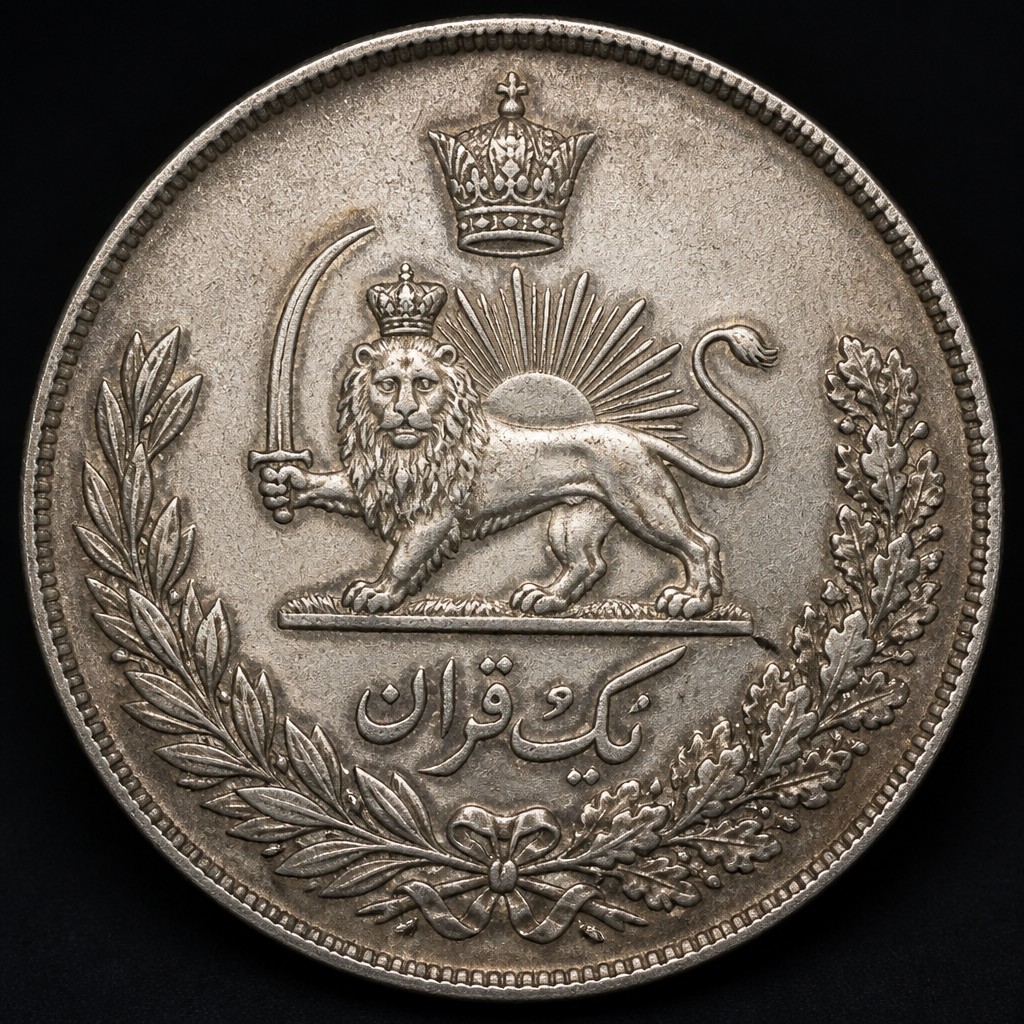
Persian Kran (Qajar silver)
Mid-19th century–1925
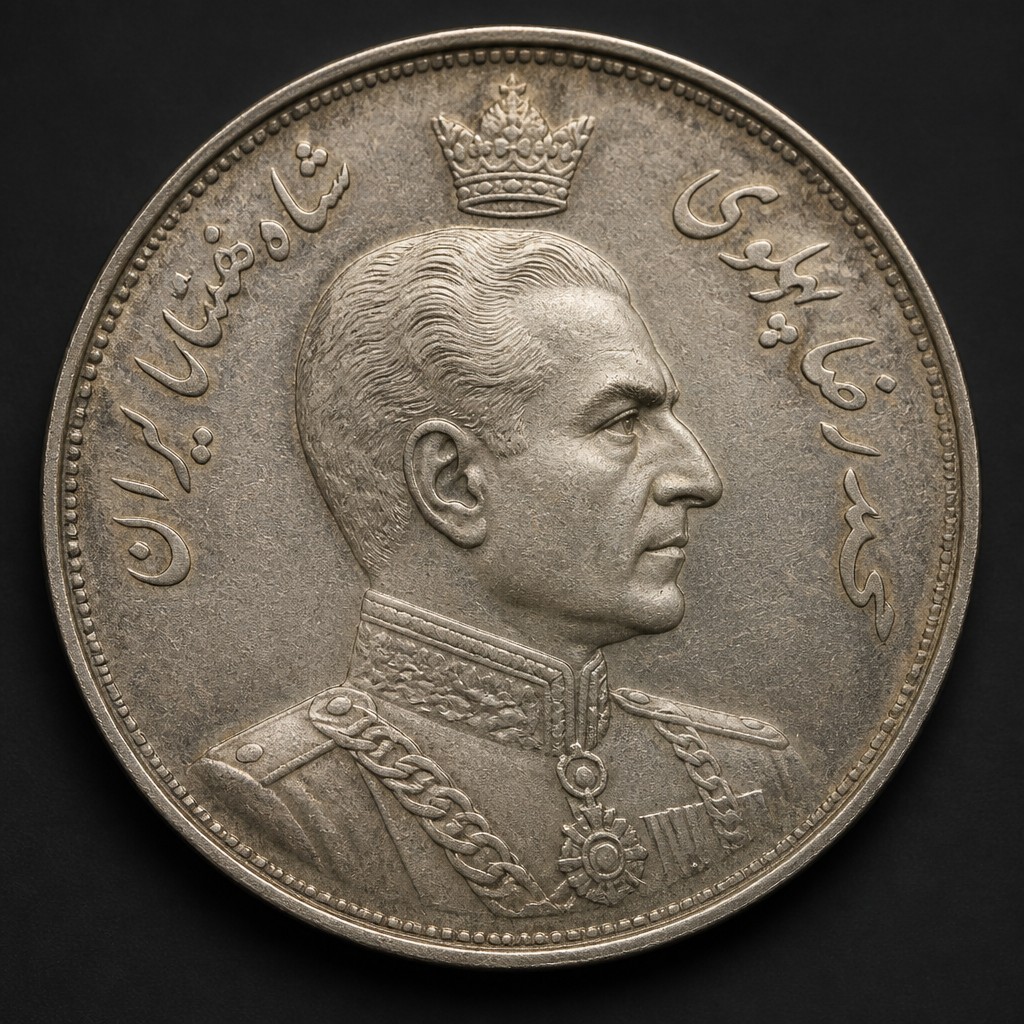
Iranian Rial
1932–present
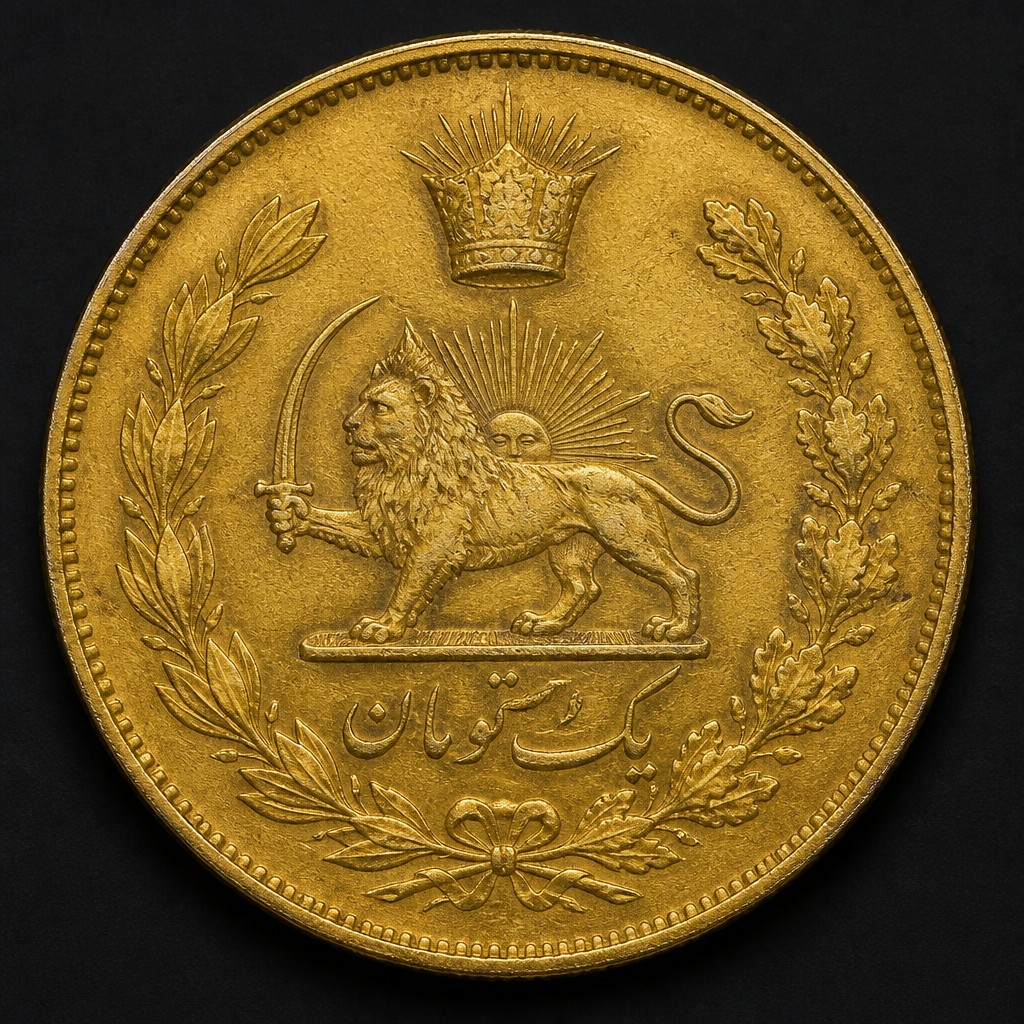
Persian Gold Toman (Qajar)
1796–1925
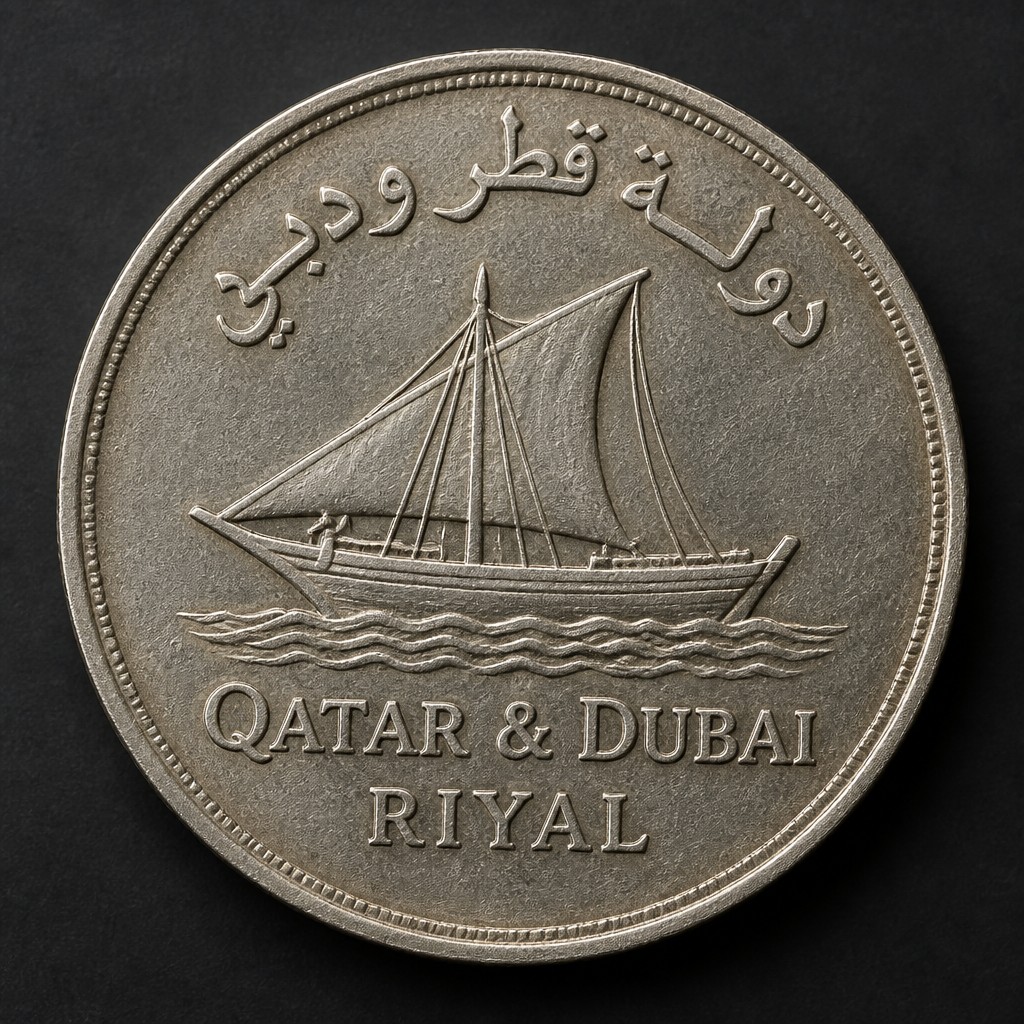
Qatar and Dubai Riyal
1966–1973
British India Rupee (Silver)
1835–1947