
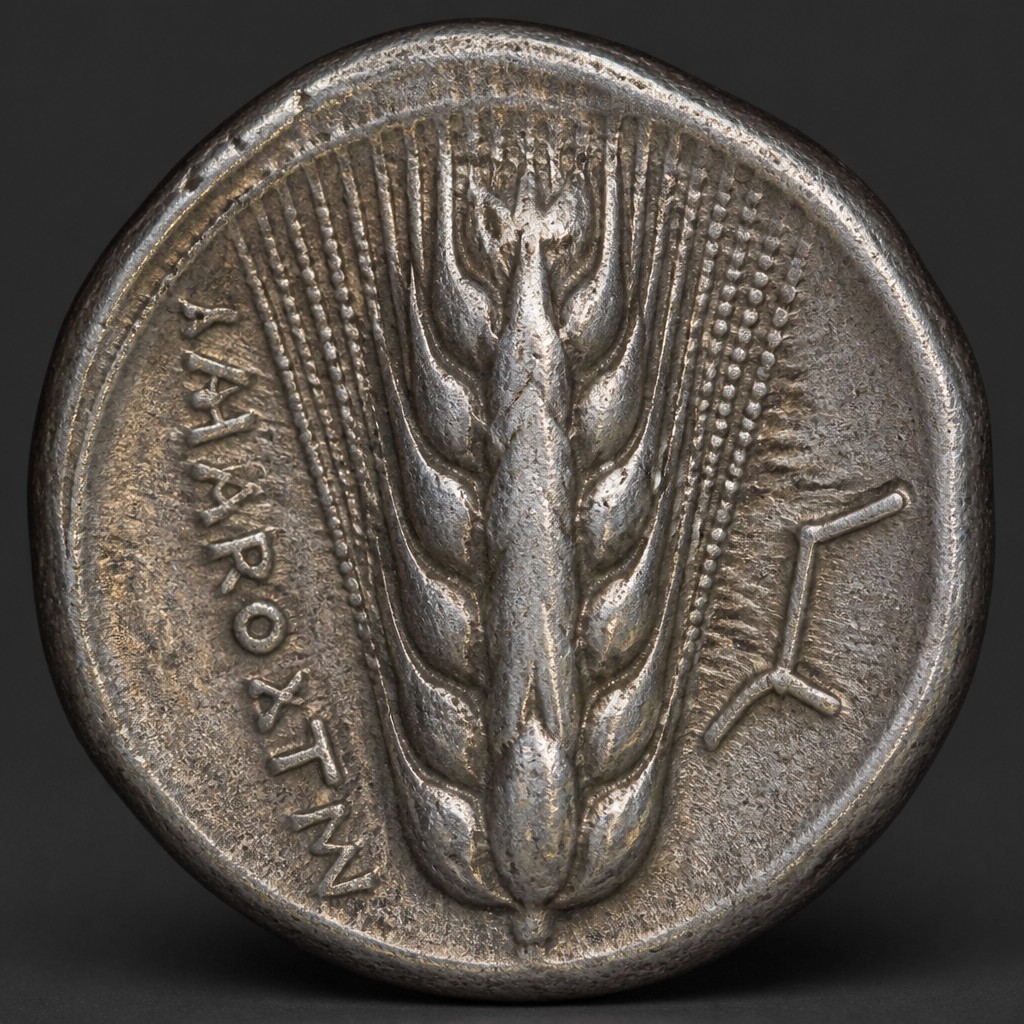
Metapontum Barley Ear Stater
A silver stater from the Greek colony of Metapontum in southern Italy, celebrated for its elegant ear-of-barley design symbolizing the city's agricultural wealth.
- Country
- Ancient Greece (Magna Graecia)
- Denomination
- Stater (Nomos)
- Metal
- Silver
Got a coin like this?
Identify any coin from a photo, free.
Overview
The Metapontum barley ear stater is one of the most artistically distinctive coinages of Magna Graecia, the Greek-colonized region of southern Italy. Its design, a single ear of barley rendered in fine relief, celebrates the fertile wheat fields that made Metapontum prosperous, and the coin is often cited as an early masterpiece of naturalistic numismatic art.
The series is notable for its long use of the "incuse" technique, in which the reverse design appears as a mirror-image indentation of the obverse rather than an independent image, a hallmark of several early Achaean colonies in southern Italy. Collectors value the coinage both for its beauty and for its role in illustrating the shared artistic traditions of the Greek cities of Magna Graecia.
History & Background
Metapontum was founded by Achaean Greek settlers on the Gulf of Taranto in southern Italy, in a region renowned for its rich grain-growing land, and the city adopted the barley ear as its civic emblem from its earliest coinage in the 6th century BC. Along with neighboring Sybaris and Kroton, Metapontum was part of a small group of cities that pioneered the incuse coinage style, in which the reverse die was carved as a negative mirror image of the obverse, producing a technically unusual shallow-relief appearance.
Over time the coinage evolved from the flat incuse style to coins with more conventional raised relief on both sides, and later issues added subsidiary symbols, magistrate names, or small figures alongside the ear of grain, reflecting the artistic developments of the Classical period.
How to Identify
The obverse shows a single ear of barley, rendered with individual grains and awns in careful detail, sometimes accompanied by a small subsidiary symbol such as an insect, a tool, or a magistrate's initial. Early examples show the reverse as an incuse (sunken) mirror image of the same barley ear; later Classical-period issues instead show a normal raised design, often the same barley ear paired with a different accessory symbol or a deity's head.
The ethnic legend, usually a form of META or the full city name, typically appears along one side of the ear. The coin is struck in silver on the Achaean/Italic weight standard rather than the Attic standard used at Athens, giving it a distinct weight and module from Attic-standard staters.
Value & Collectibility
Metapontum staters are moderately available in the market and are prized by collectors of Magna Graecia coinage for their artistic quality; well-centered, sharply struck examples with attractive old toning can range from a few hundred to several thousand dollars depending on period, style, and preservation. Early incuse-style examples in choice condition, and coins with unusual subsidiary symbols, tend to bring the strongest premiums, while common later types remain accessible to beginning collectors.
Frequently asked questions
Why does it show an ear of barley?
Metapontum was known for its fertile grain fields, and the barley ear served as the city's civic emblem for centuries.
What is an "incuse" coin?
An early coinage technique used by Metapontum and its neighbors where the reverse design is a sunken mirror image of the obverse, rather than a separate raised design.
How can I tell an early example from a later one?
Early incuse-style coins have a distinctly shallow, "spread" appearance with the reverse indented rather than raised; later issues look more like typical Greek coins with normal relief on both sides.
What metal were these coins struck in?
Silver, on the local Achaean weight standard used by several Magna Graecia cities.
Are Metapontum staters affordable for new collectors?
Many nicer examples fall in an accessible price range, though exceptional early incuse pieces can be considerably more expensive.
Other coins you may enjoy
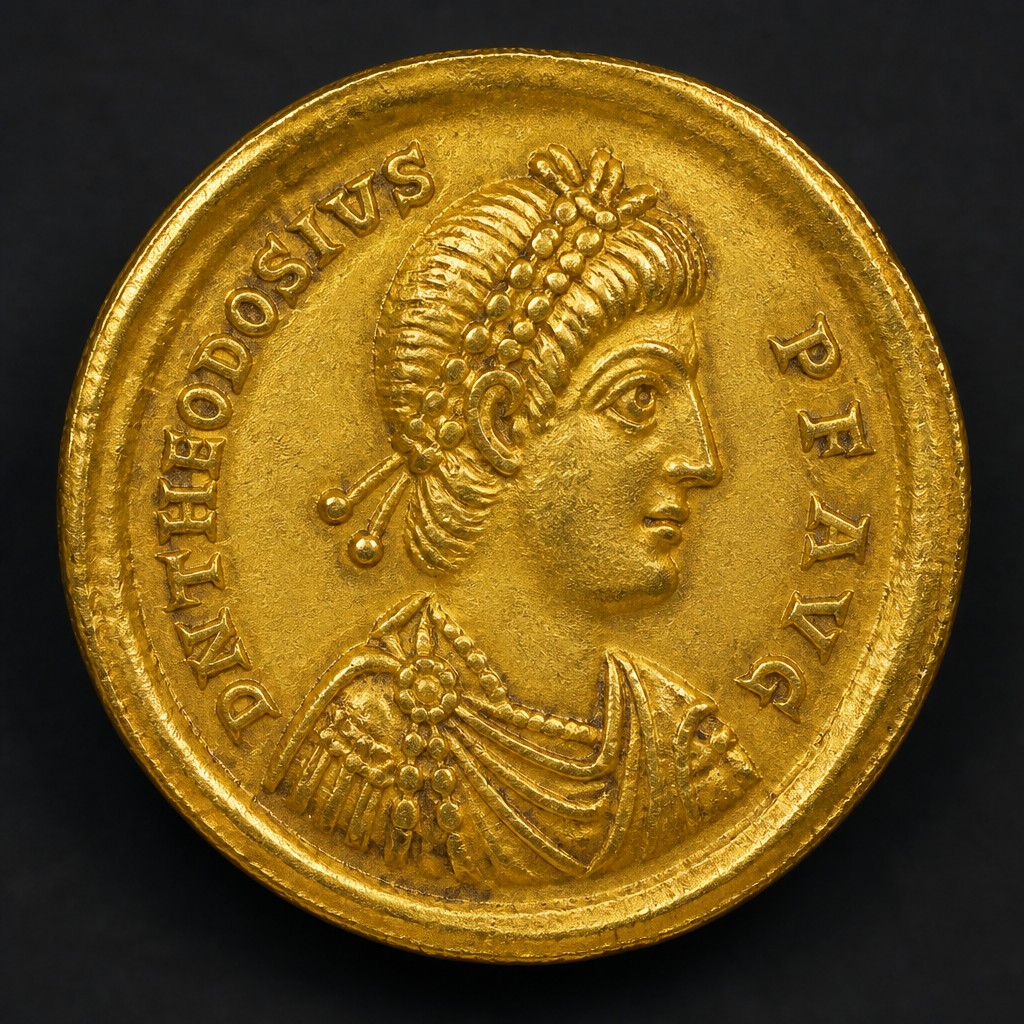
Theodosius I Solidus
379–395 AD
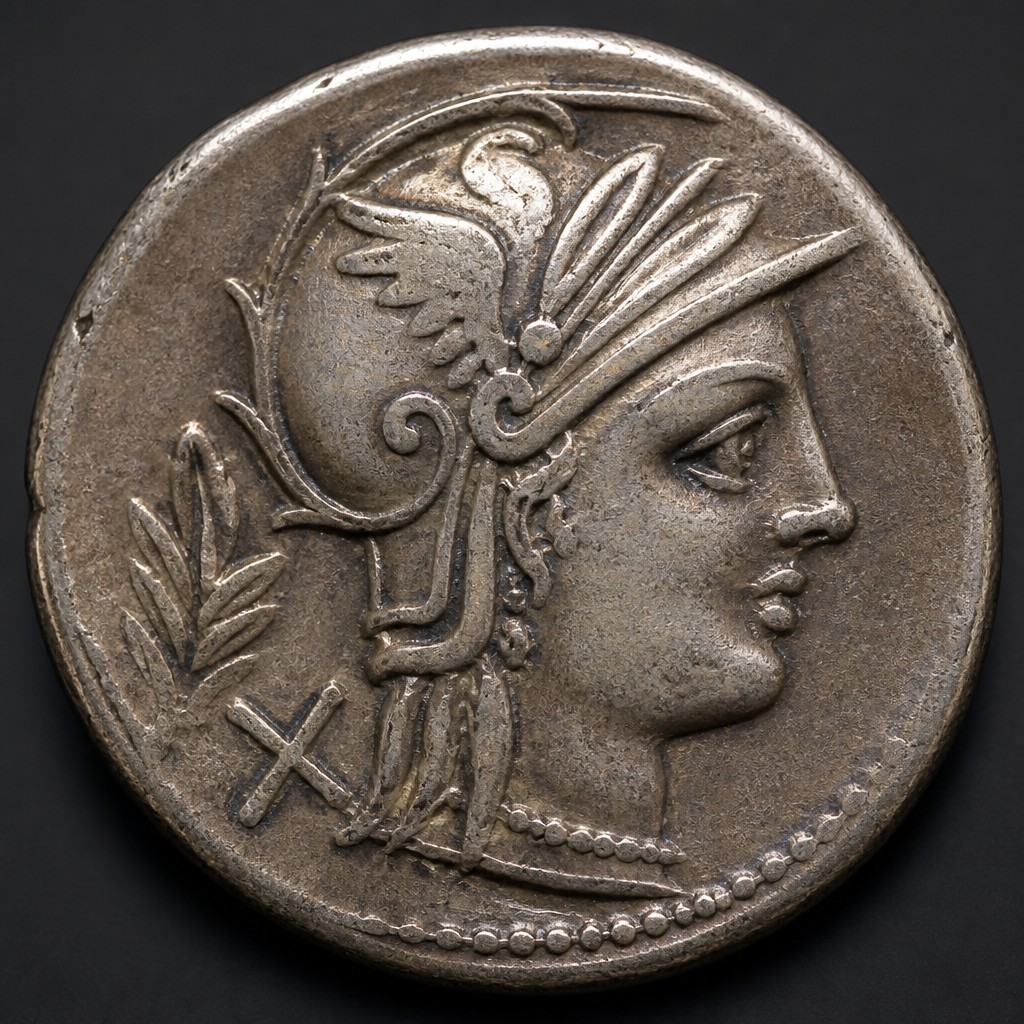
Republican Victoriatus
c. 211–170 BC
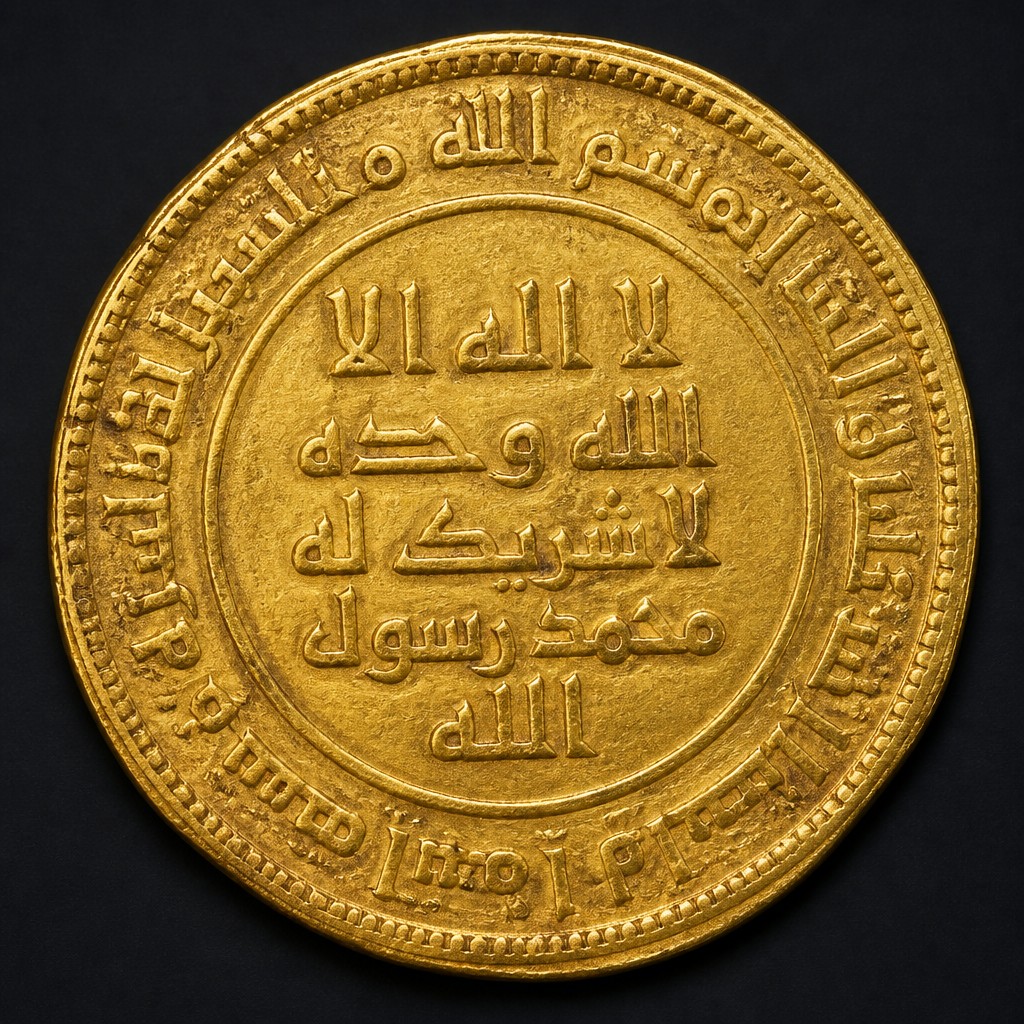
Islamic Gold Dinar (Umayyad)
c. 696–750 AD
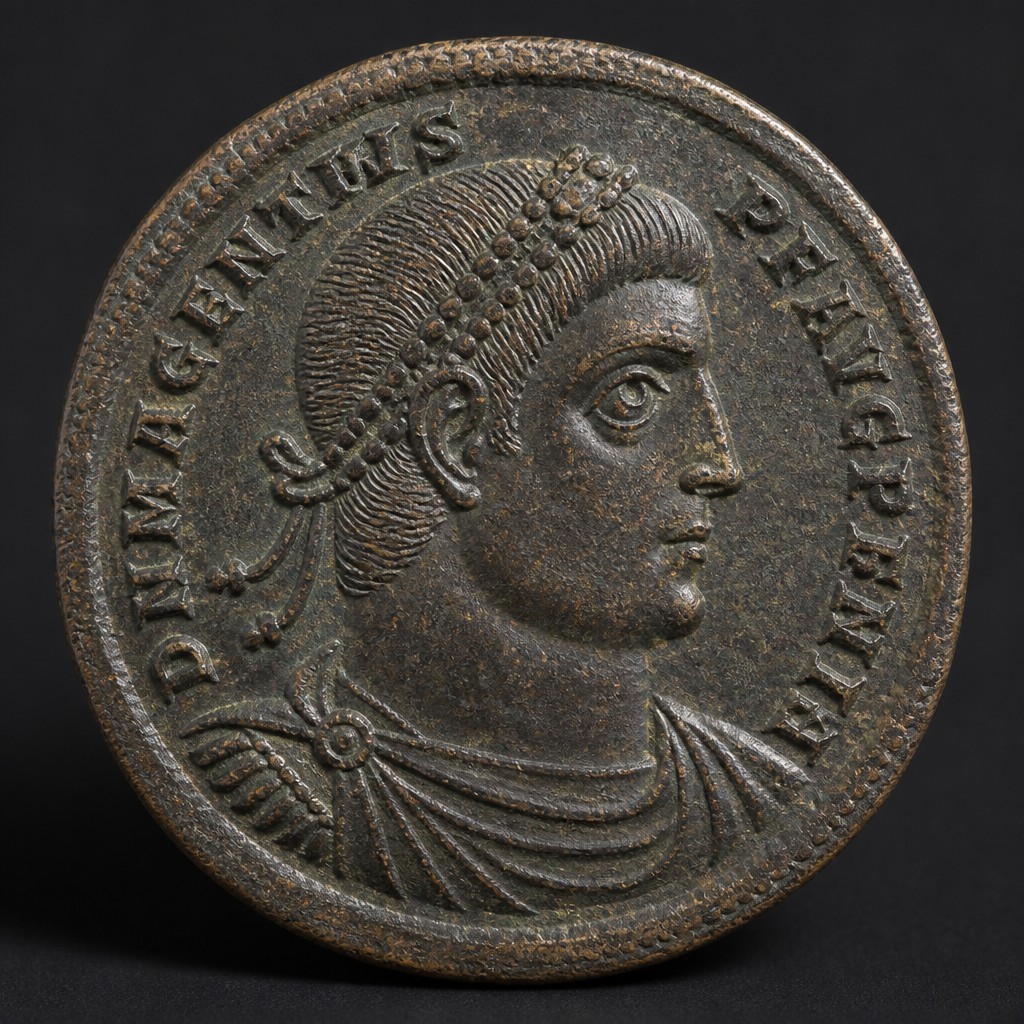
Magnentius Double Centenionalis
350–353 AD
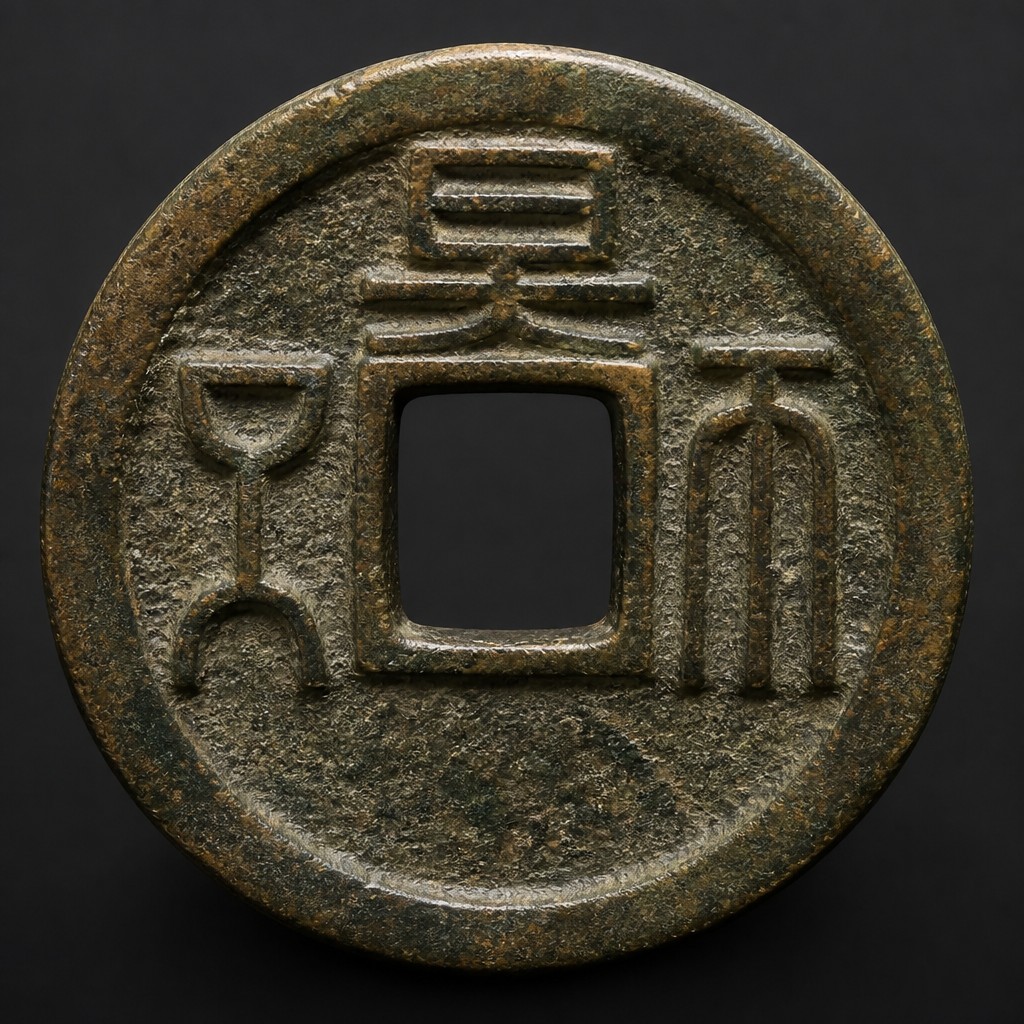
Chinese Wu Zhu Cash
118 BC – 618 AD
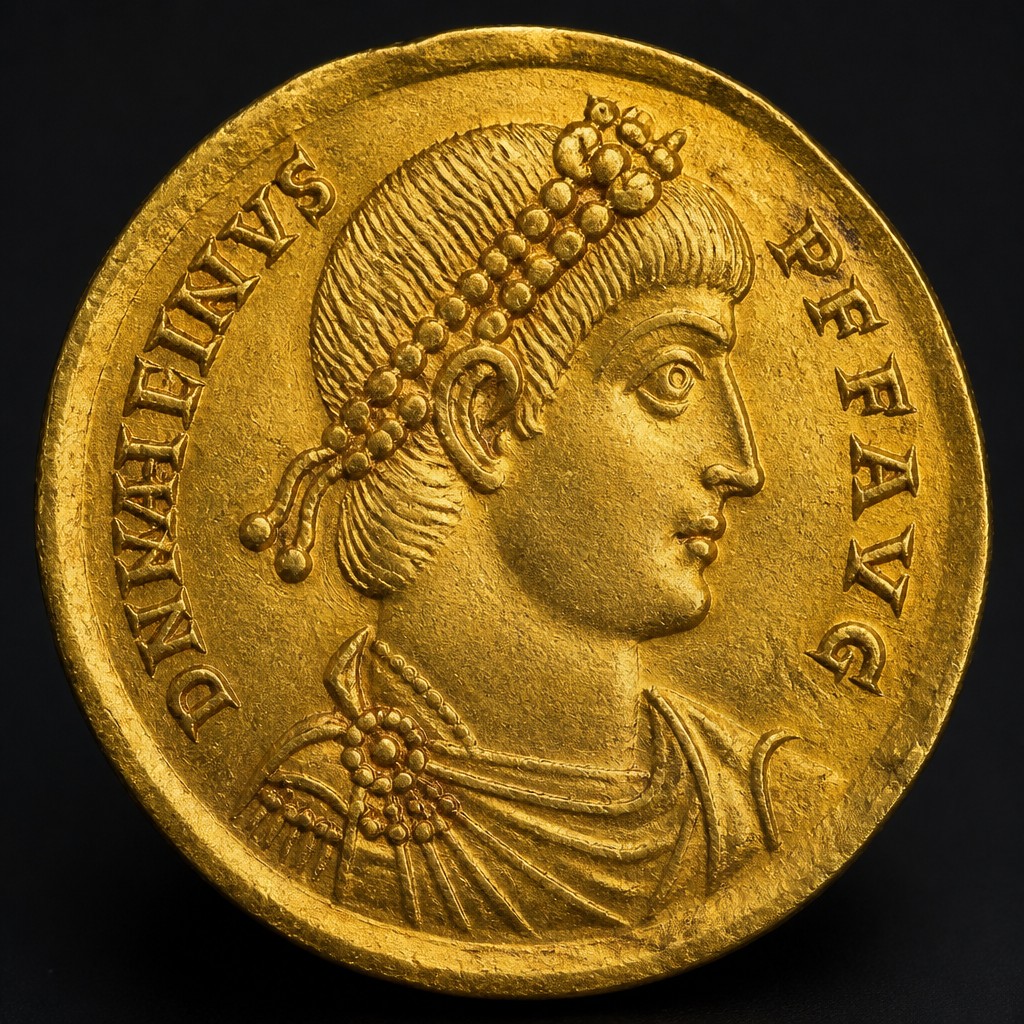
Valentinian I Solidus
364–375 AD
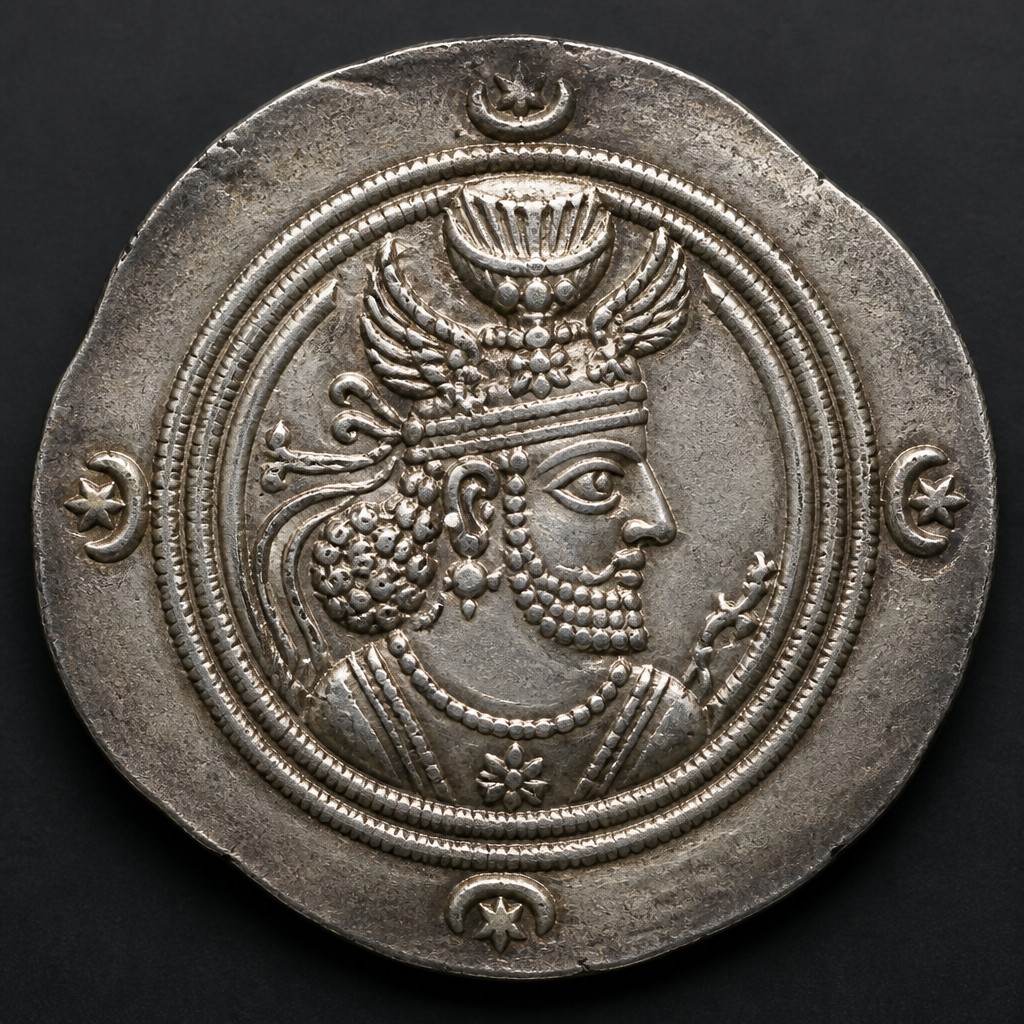
Sassanian Silver Drachm
c. 224–651 AD
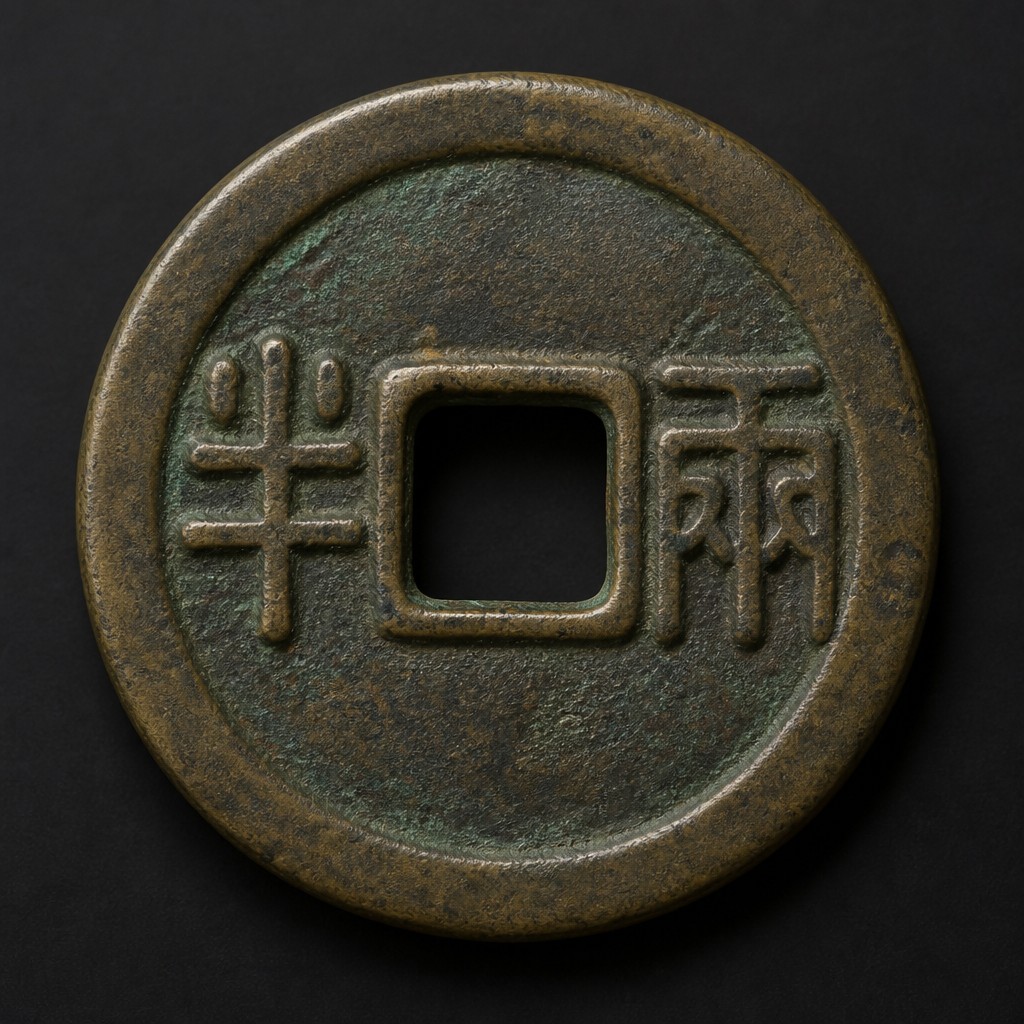
Chinese Ban Liang Cash
c. 221–118 BC
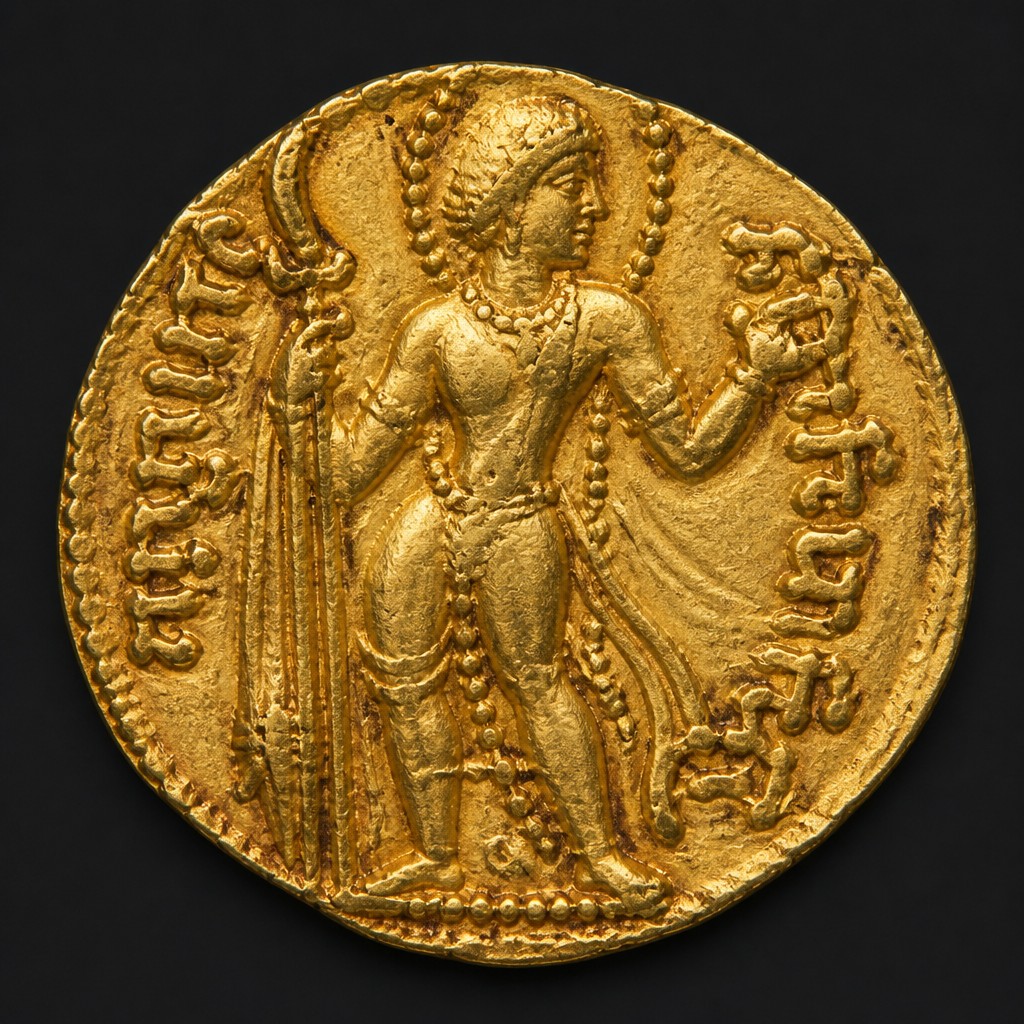
Gupta Empire Gold Dinar
c. 320–550 AD
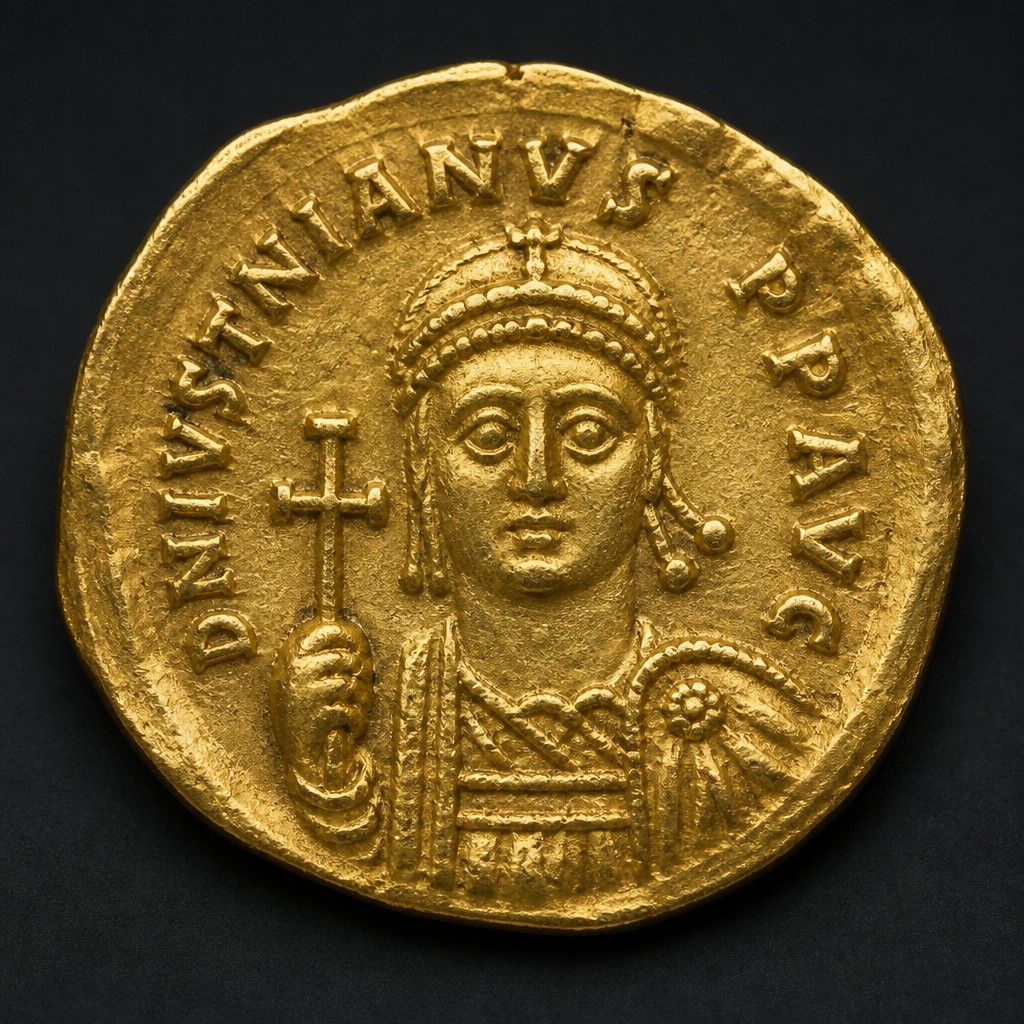
Byzantine Gold Tremissis
c. 4th–7th century AD
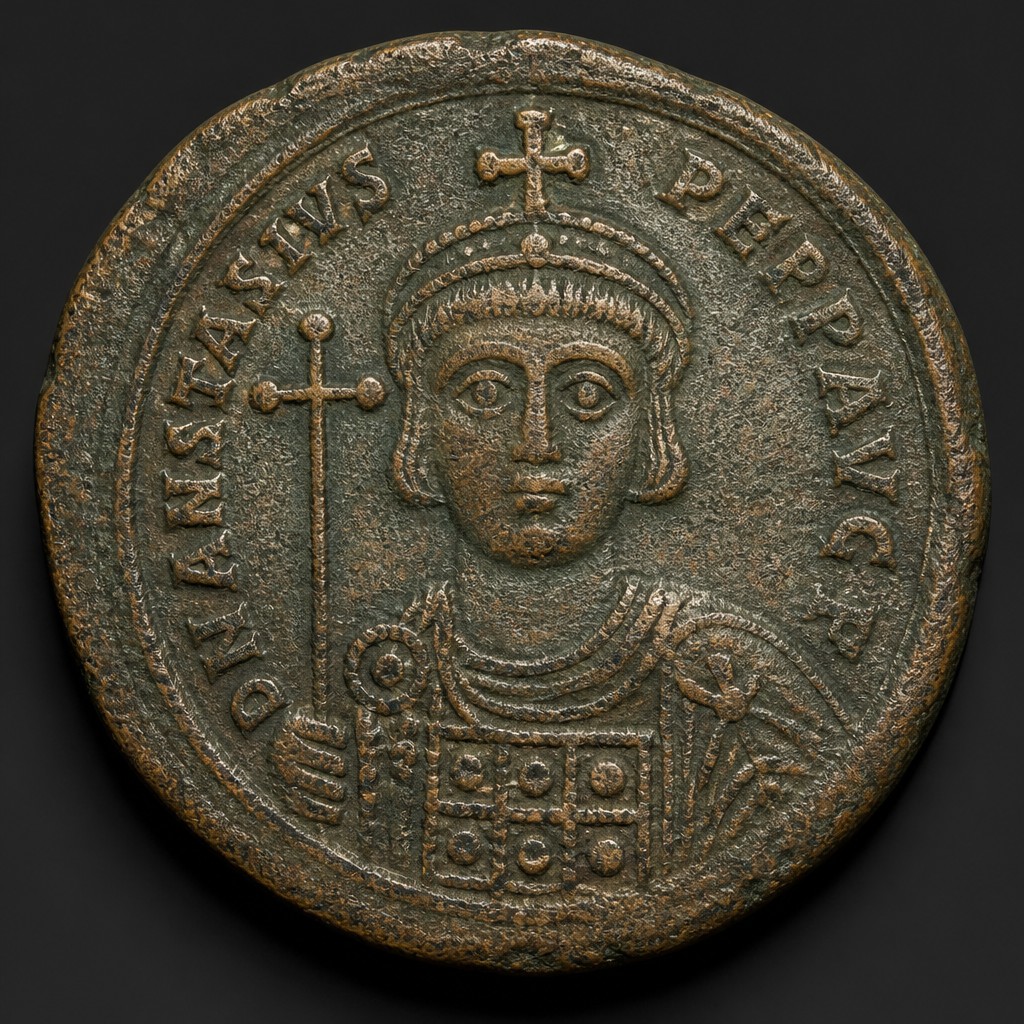
Byzantine Follis
498–c. 11th century AD
Celtic Gold Stater
c. 3rd century BC – 1st century AD