
Coin Encyclopedia
Search and identify coins from around the world — with country, denomination, metal, mint, history, and how to tell them apart.
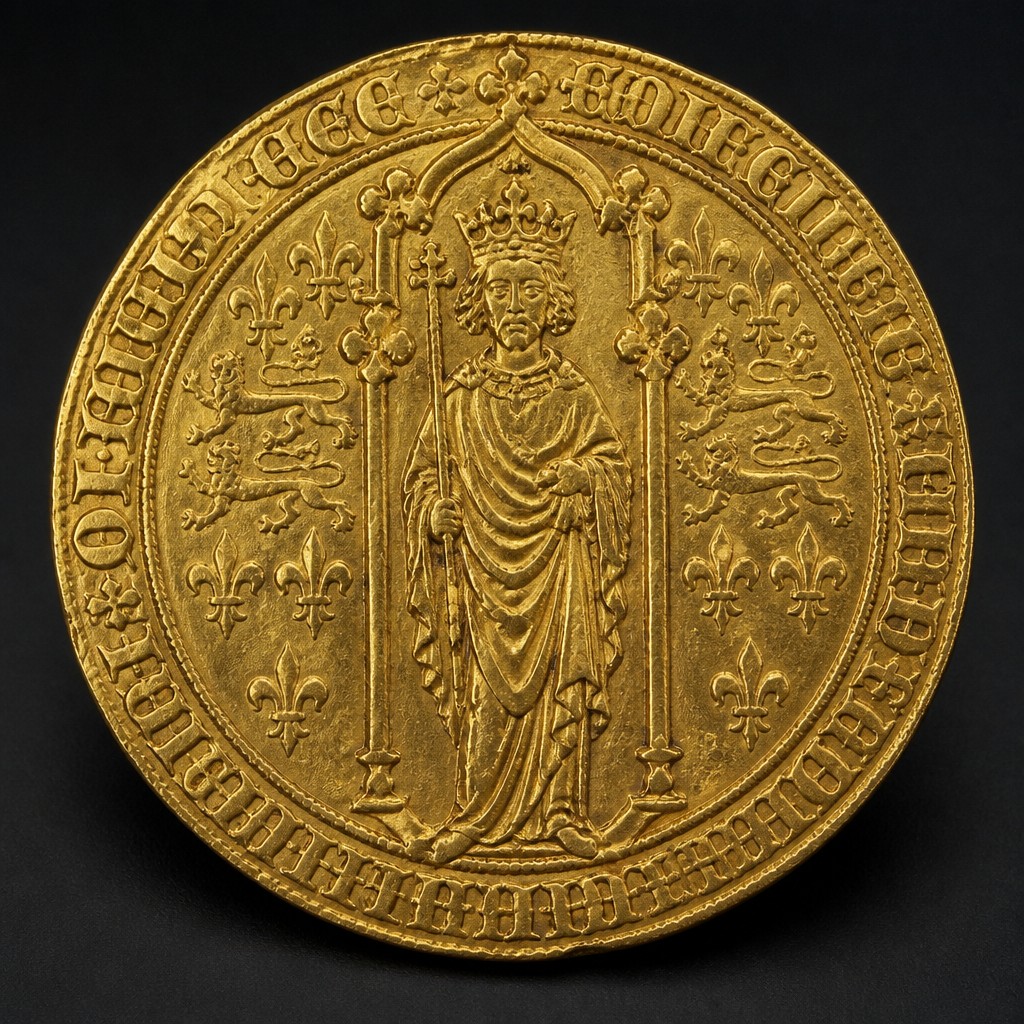
Gold Noble
England's first successful gold coin for general circulation, introduced in 1344 under Edward III, famous for its ship reverse commemorating English naval power.
British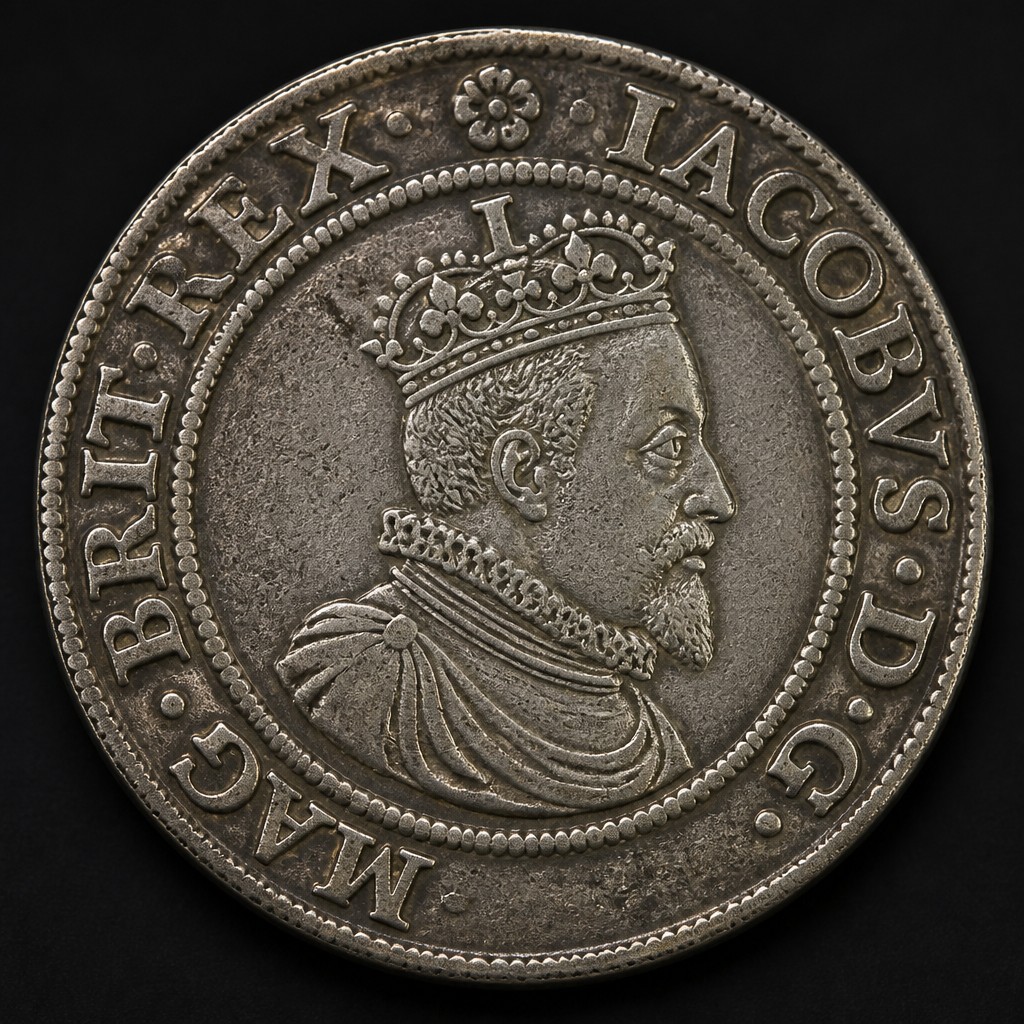
Ryal
A large Scottish silver coin issued under Mary, Queen of Scots and Henry Stewart, Lord Darnley, nicknamed the 'sword dollar' for the crowned sword on its reverse.
British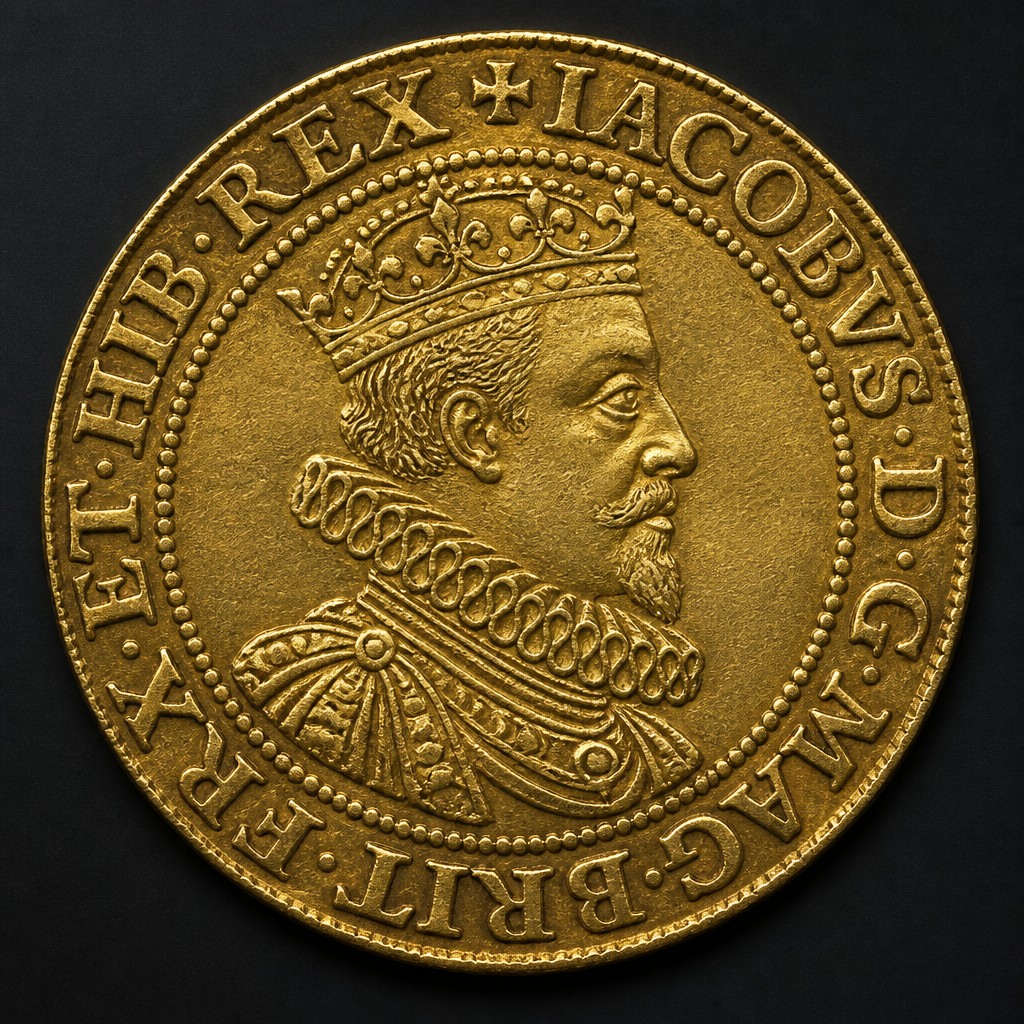
Unite
A gold twenty-shilling coin introduced by James I in 1604 to celebrate the union of the English and Scottish crowns, its name literally symbolizing the joining of the two kingdoms.
British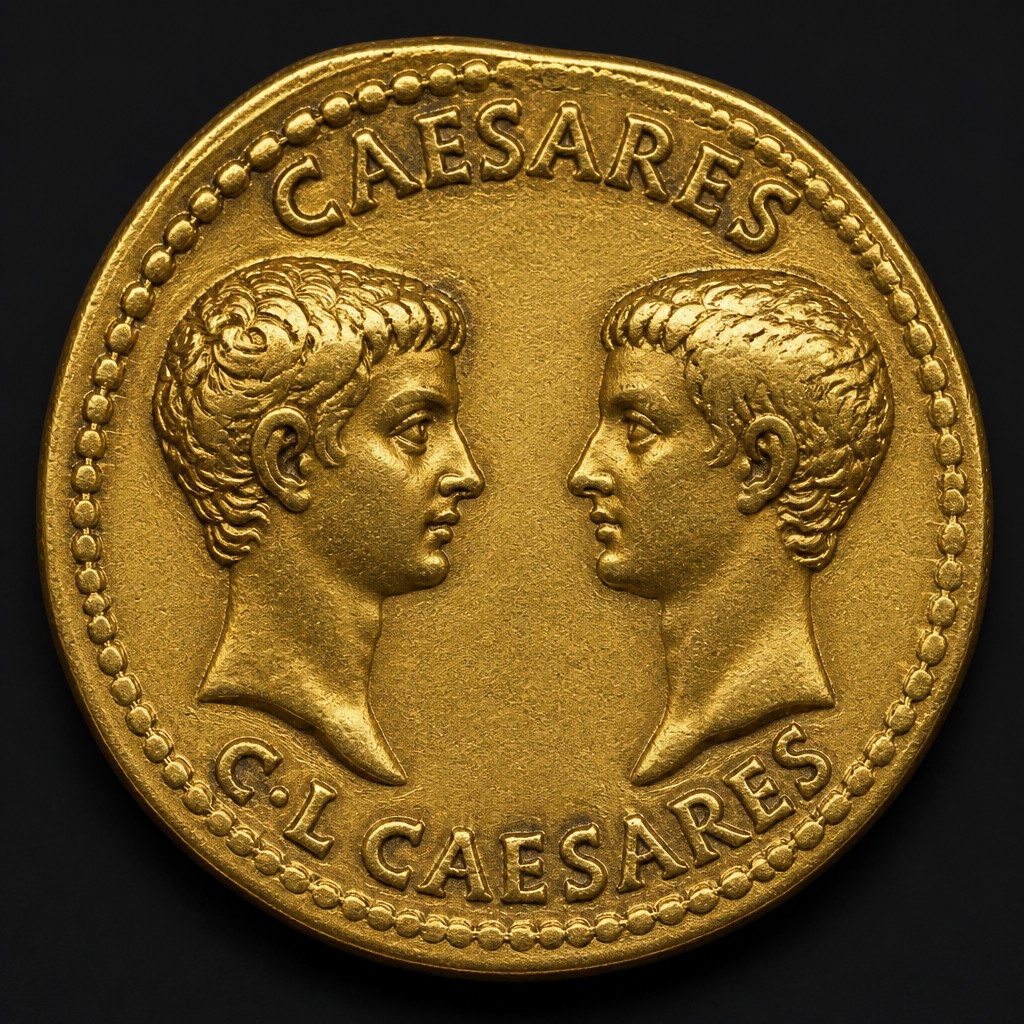
Augustus Aureus Gaius and Lucius Caesar
One of the most common ancient gold coins, an Augustus aureus honoring his grandsons and intended heirs Gaius and Lucius Caesar, both of whom died young.
Ancient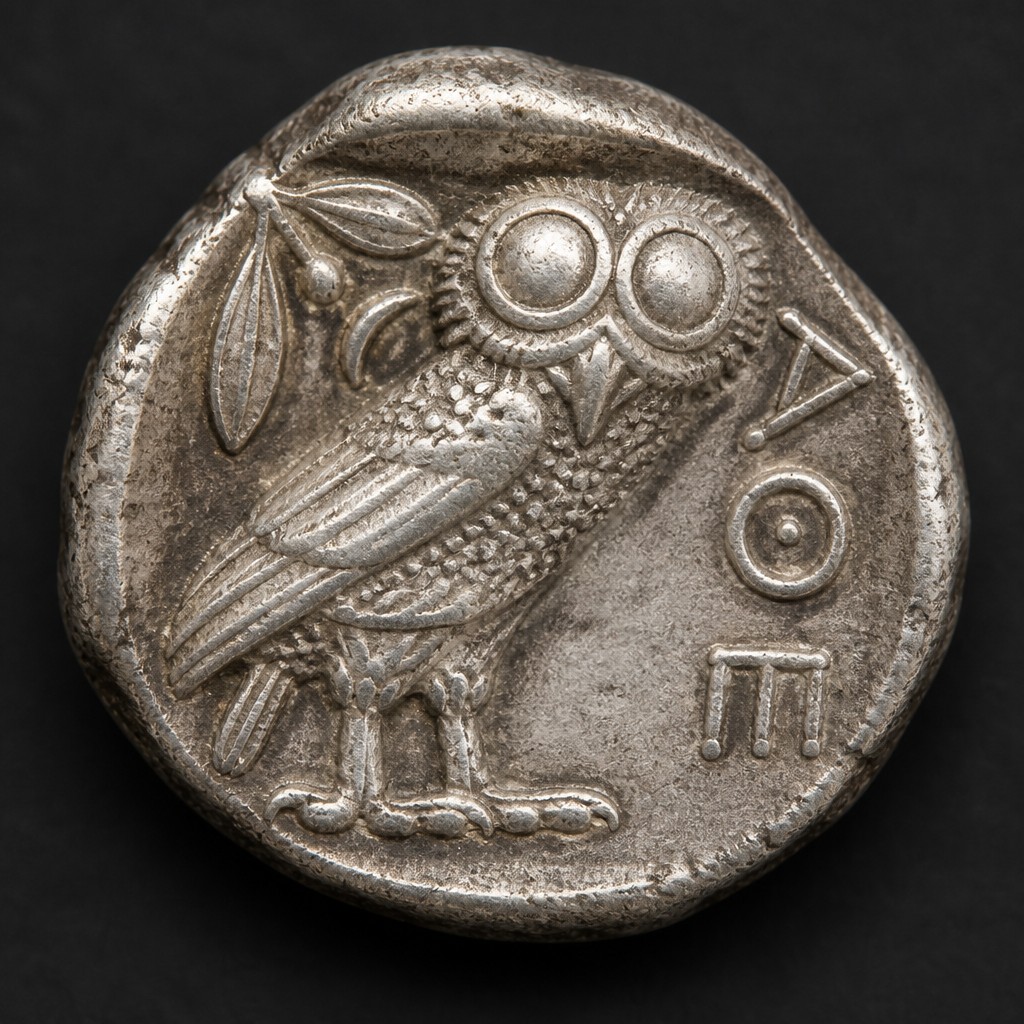
Athenian Owl Dekadrachm
An extremely rare large-format silver coin of classical Athens, struck in only a handful of surviving examples and prized as one of the great rarities of ancient Greek numismatics.
Ancient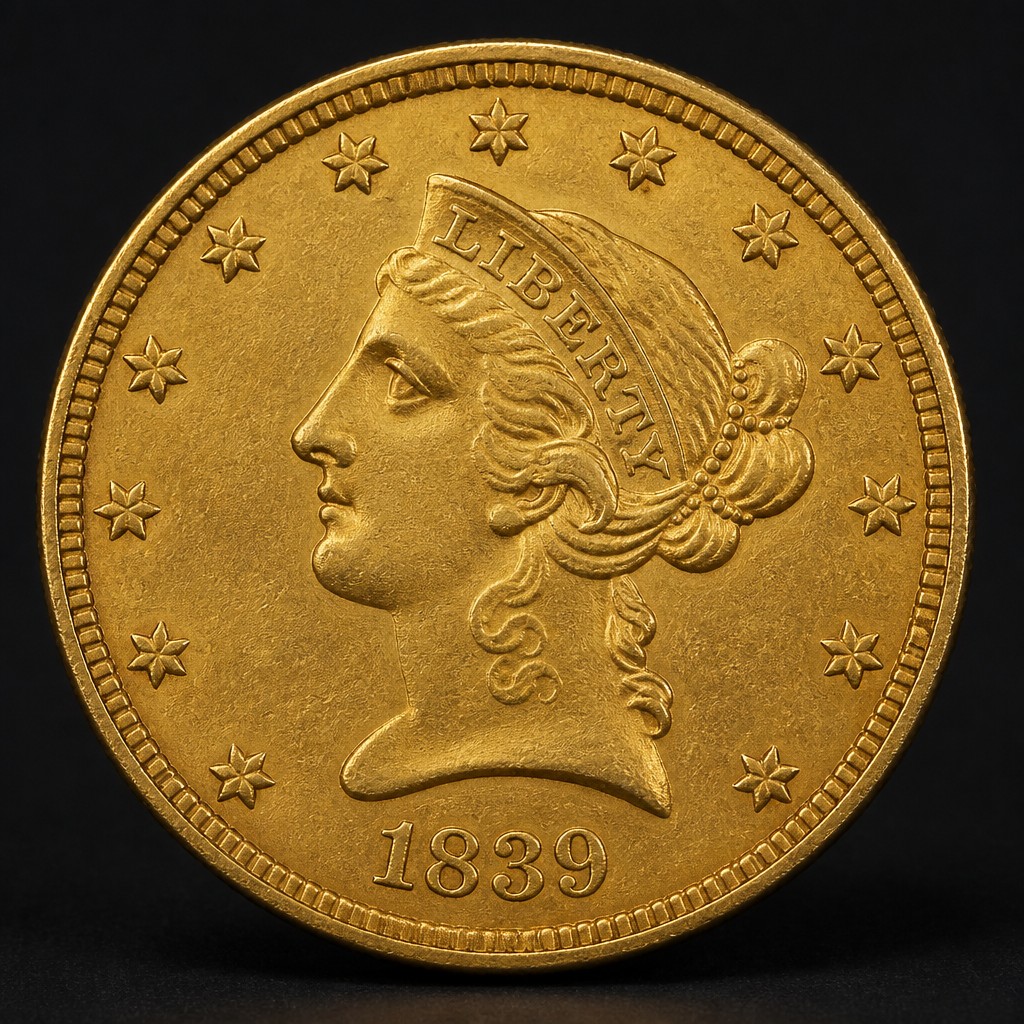
Liberty Head Half Eagle ($5)
A widely produced 19th-century gold five-dollar coin bearing Christian Gobrecht's Coronet Head design, struck across nearly every major American branch mint of the era.
United States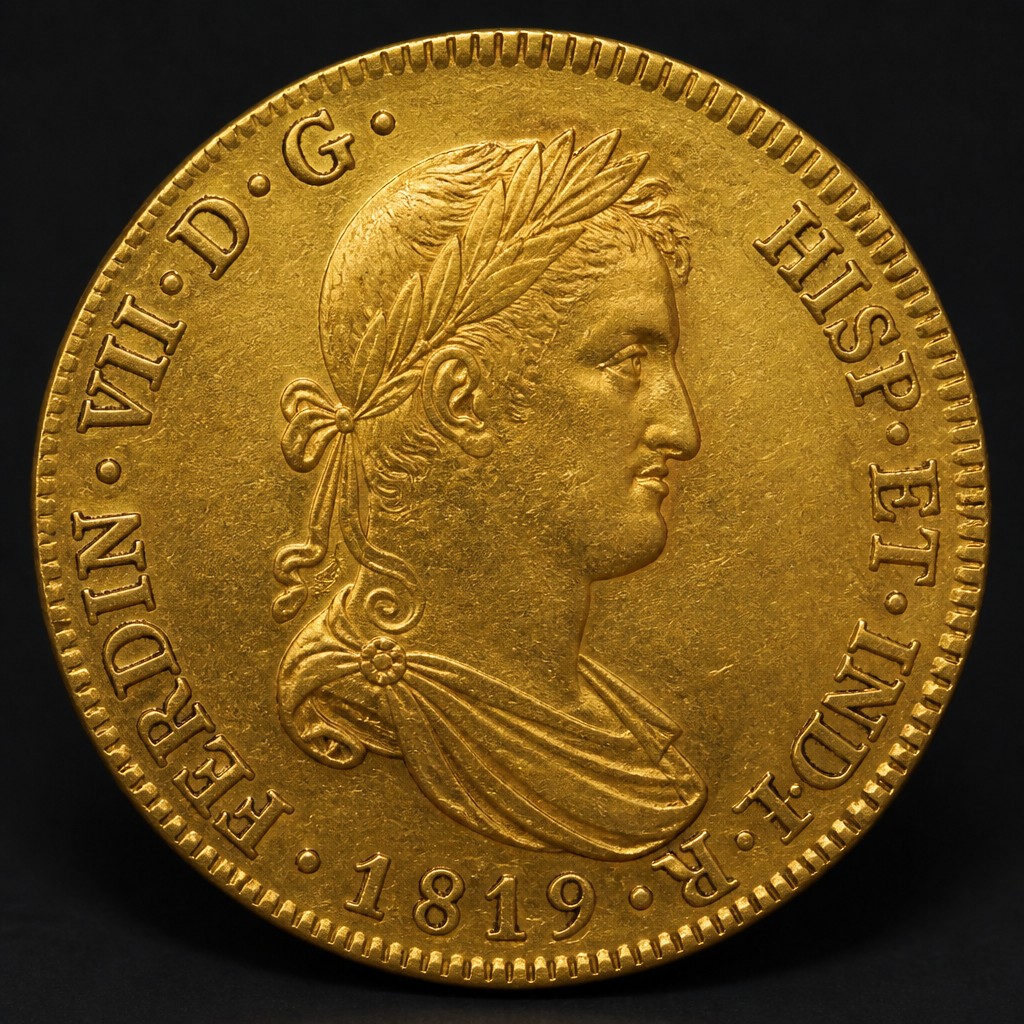
Colombian 8 Escudos Gold (Popayán)
A large colonial gold doubloon struck at the historic Popayán mint in present-day Colombia, prized by collectors as one of the classic Spanish colonial gold coins of South America.
Latin American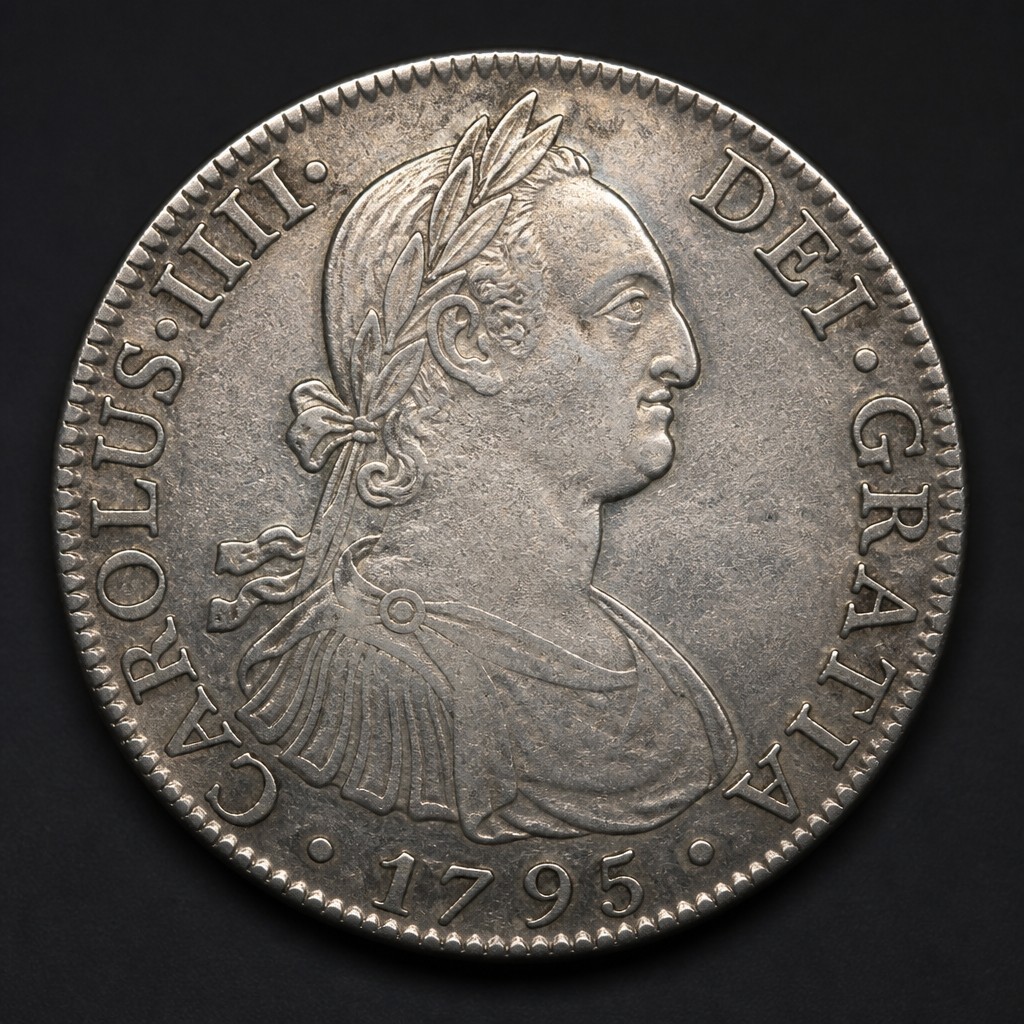
Peru 8 Reales (Lima Mint)
The flagship silver dollar-size coin of colonial and early republican Peru, struck at the historic Lima mint from cob and pillar types through crowned-shield busts.
Latin American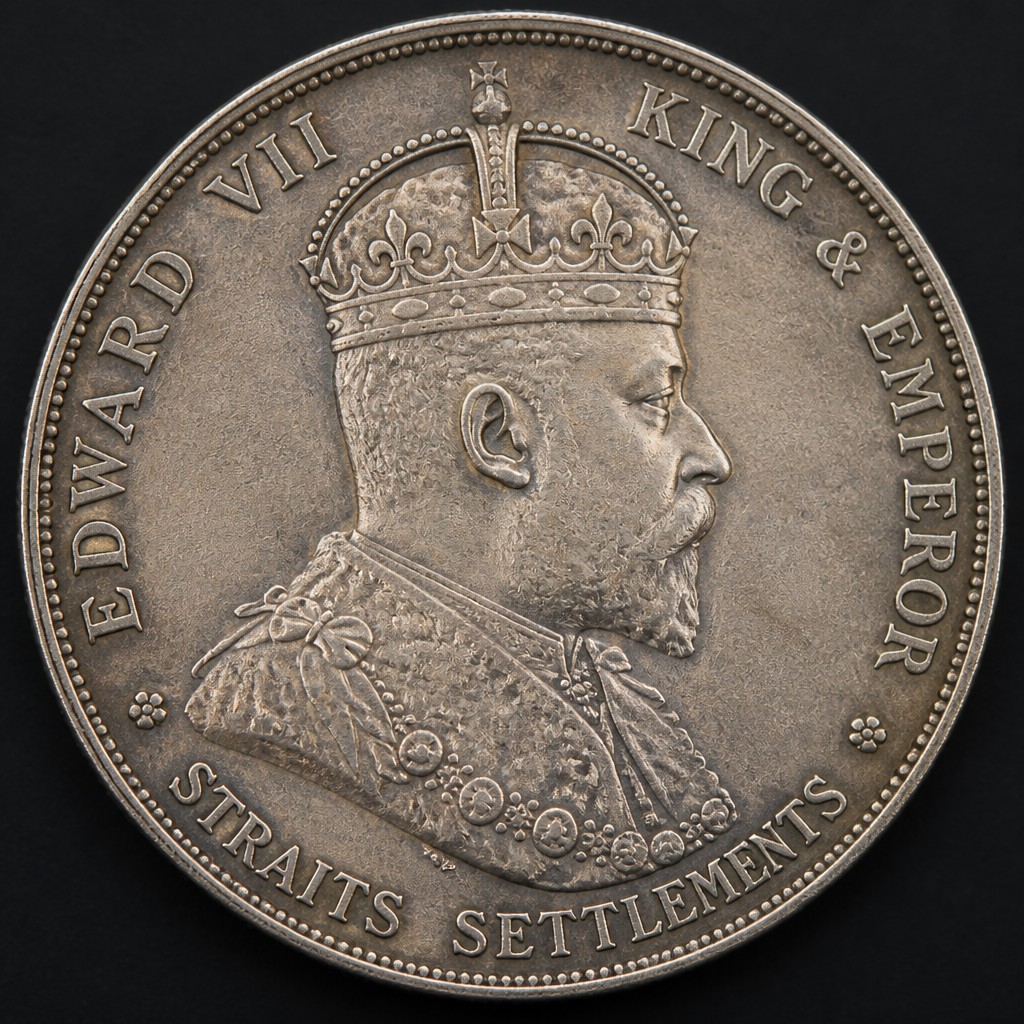
Straits Settlements Silver Dollar
A large British colonial silver dollar struck for Singapore, Penang, and Malacca, created to give the Straits Settlements a standardized coin after decades of competing foreign trade dollars.
Asian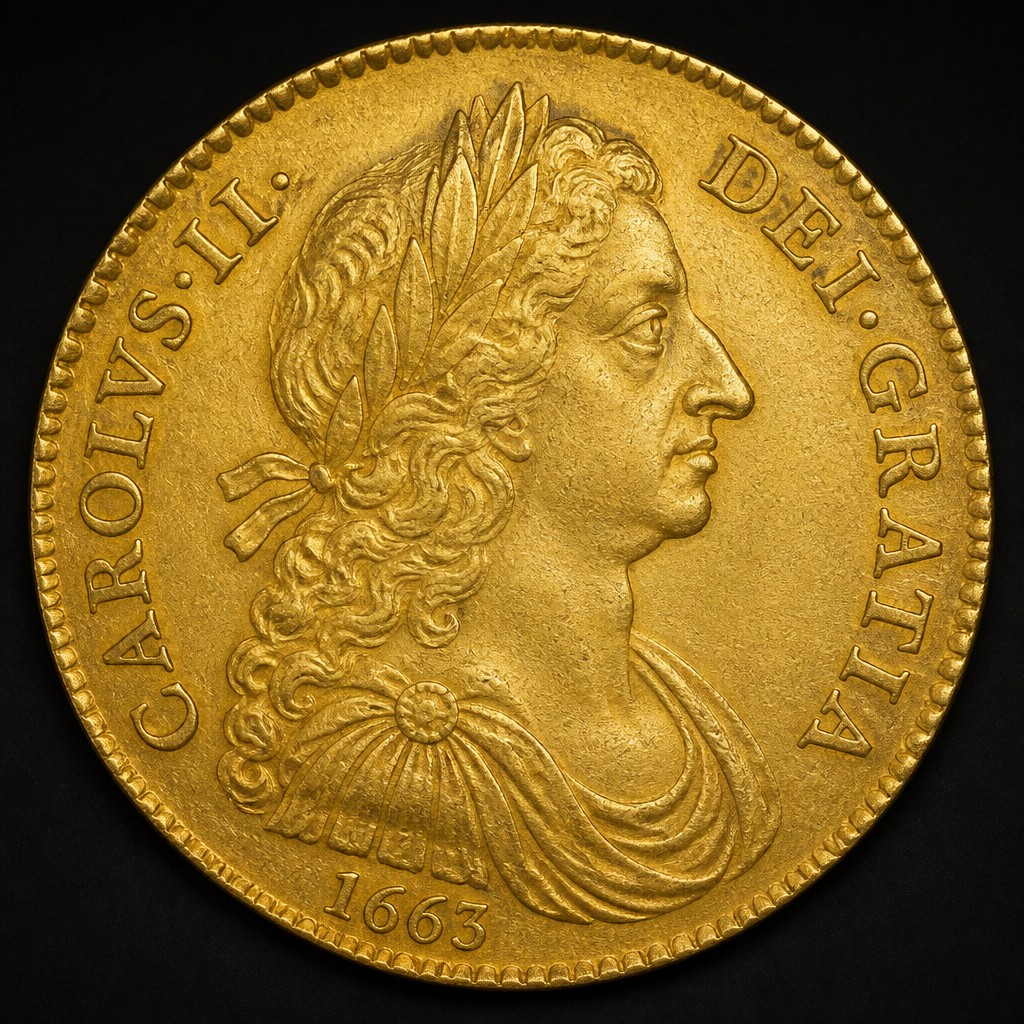
Guinea
Historic British gold coin named for the West African region that supplied much of its gold, valued at 21 shillings for most of its history and predecessor to the modern sovereign.
British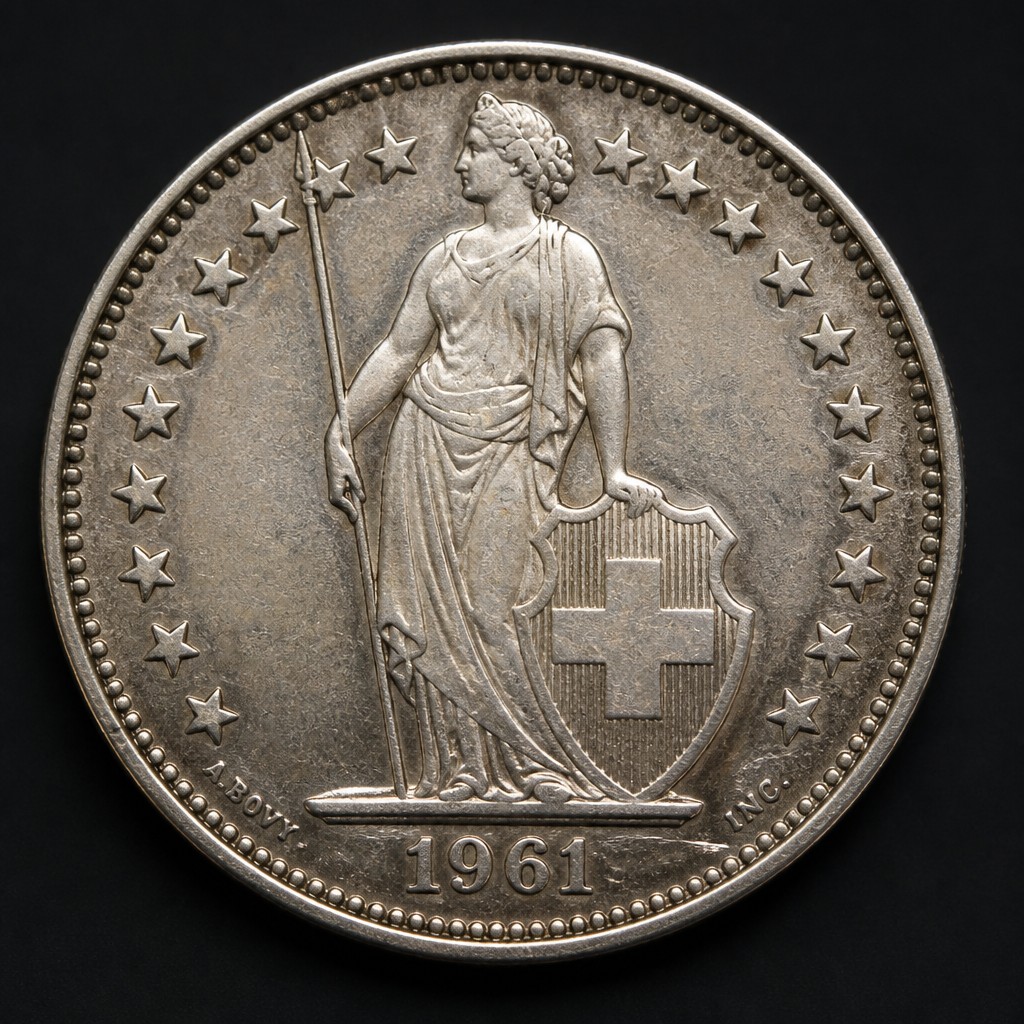
Swiss 5 Francs Silver
The Swiss 5 Francs was Switzerland's largest circulating silver coin for over a century, featuring the standing figure of Helvetia, and remains a favorite among collectors of European silver crowns.
European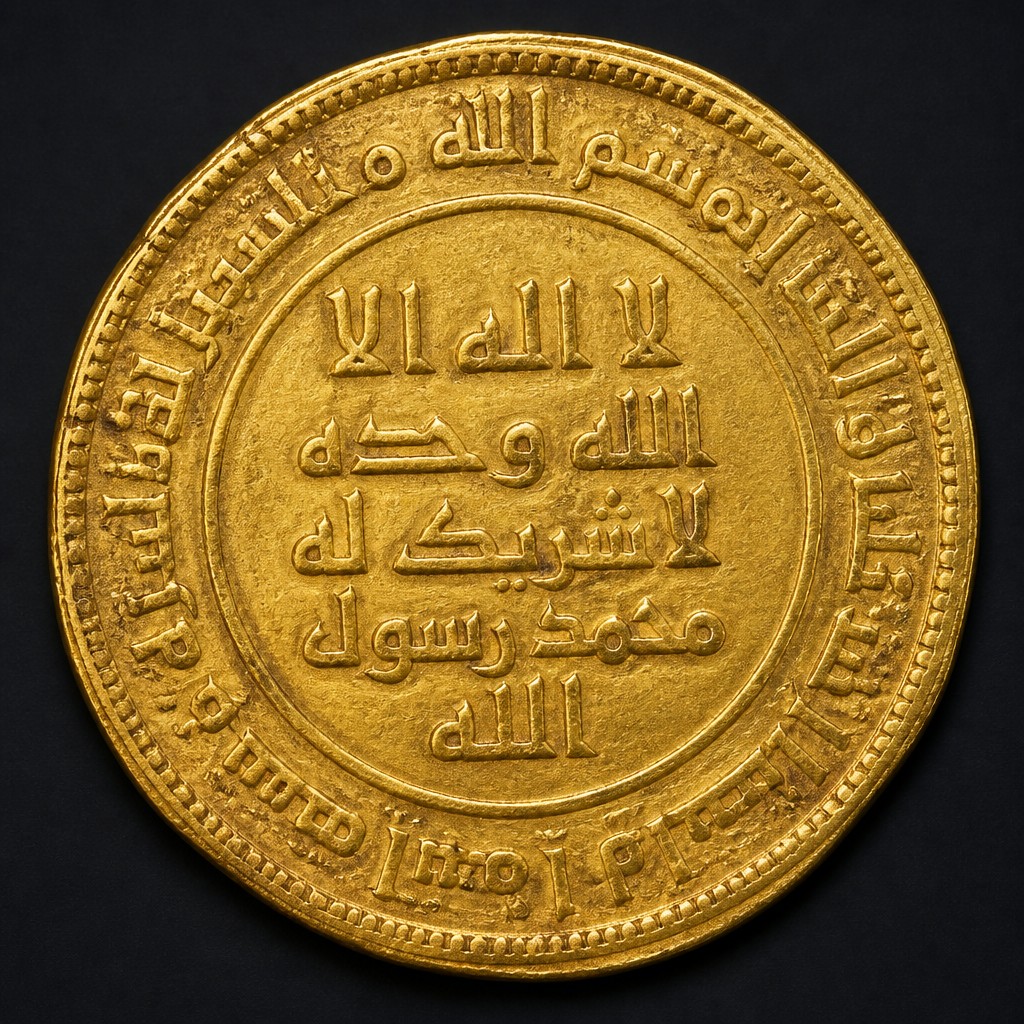
Islamic Gold Dinar (Umayyad)
The first purely epigraphic Islamic gold coin, introduced by Caliph Abd al-Malik around 696 AD, replacing figural Byzantine-style imagery with Quranic inscriptions.
Ancient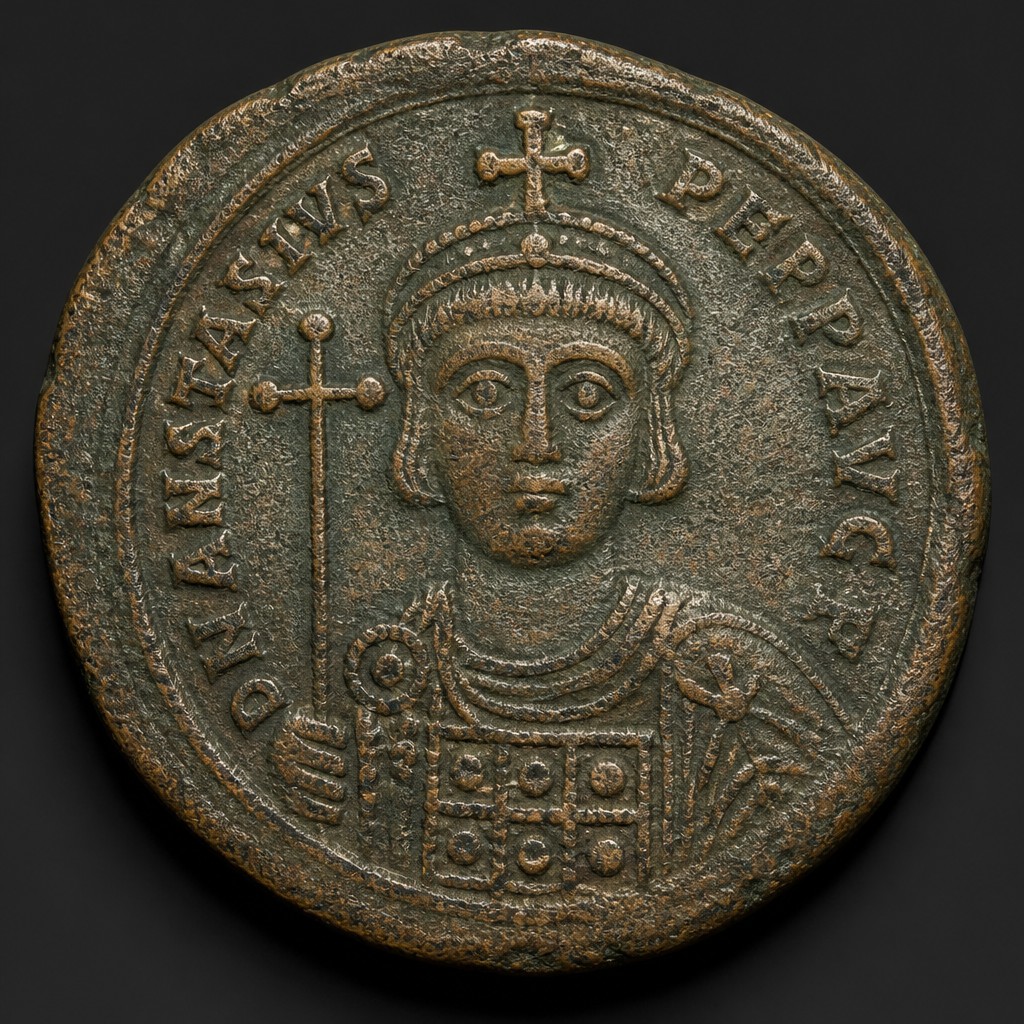
Byzantine Follis
The large bronze workhorse coin of everyday Byzantine commerce, reformed by Emperor Anastasius I in 498 AD with a prominent Greek numeral denoting its value of 40 nummi.
Ancient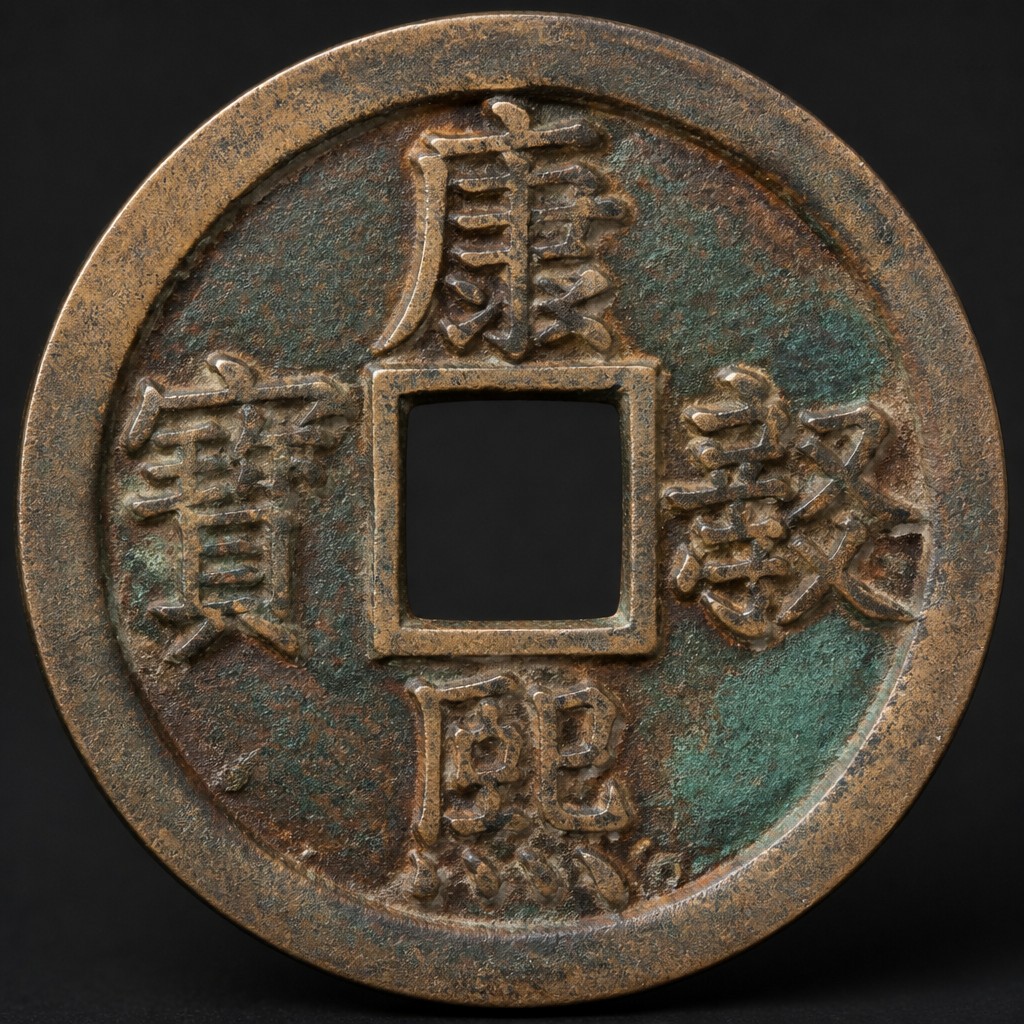
Chinese Tang Dynasty Cash
The influential bronze cash coin introduced in the Tang Dynasty, inscribed "Kai Yuan Tong Bao," that established the round-with-square-hole design copied for over a thousand years.
Asian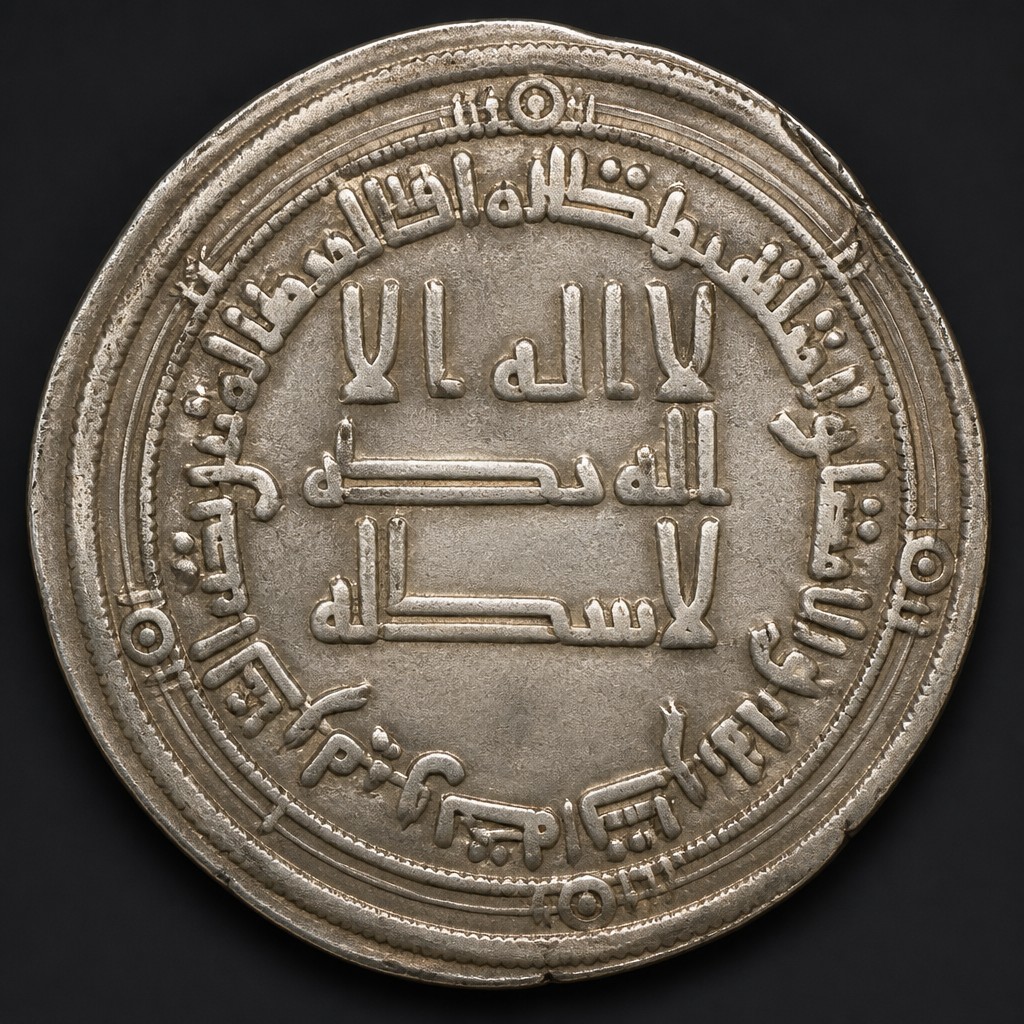
Umayyad Silver Dirham
A silver coin of the Umayyad Caliphate struck after Caliph Abd al-Malik's monetary reform, bearing only Arabic inscriptions and setting the template for centuries of Islamic coinage.
World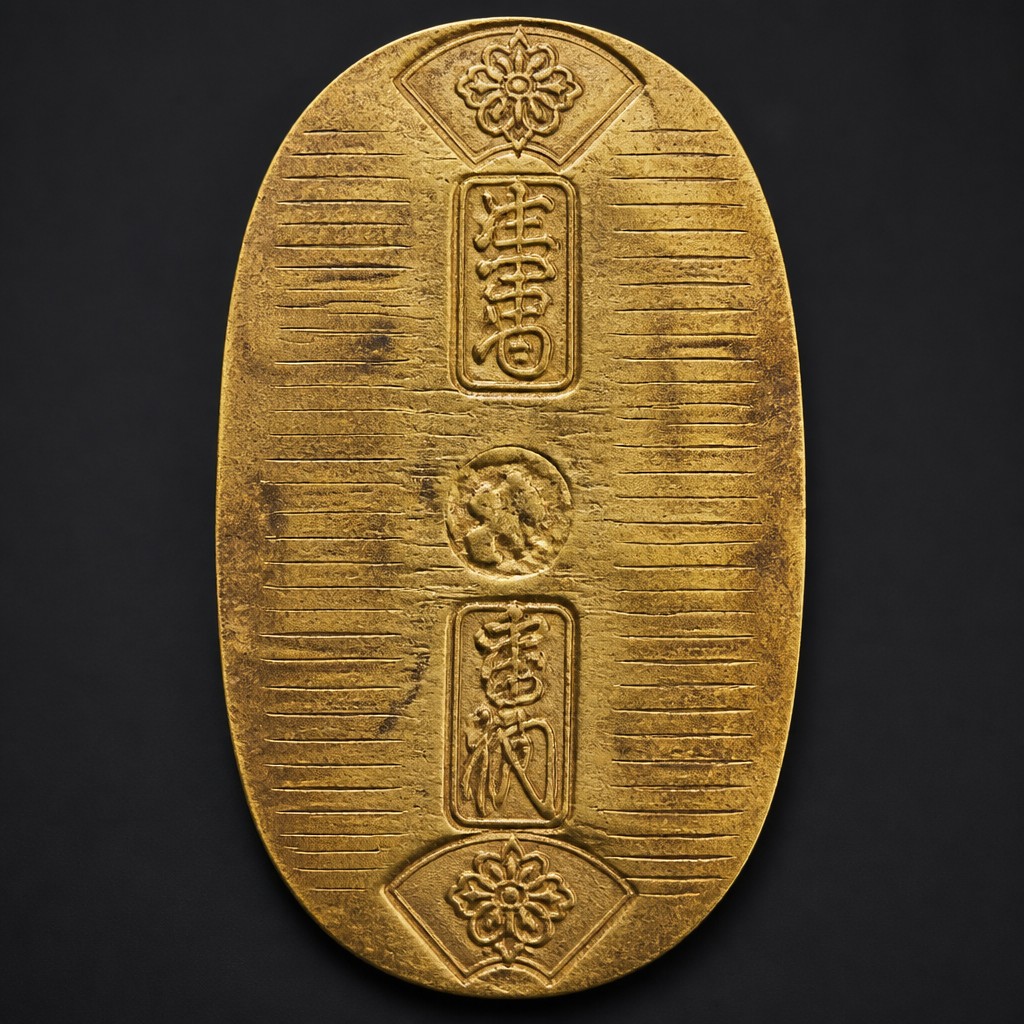
Japanese Koban
A hand-hammered oval gold coin used in feudal Japan under the Tokugawa shogunate, valued at one ryo and stamped with ink calligraphy certifying its weight and fineness.
Asian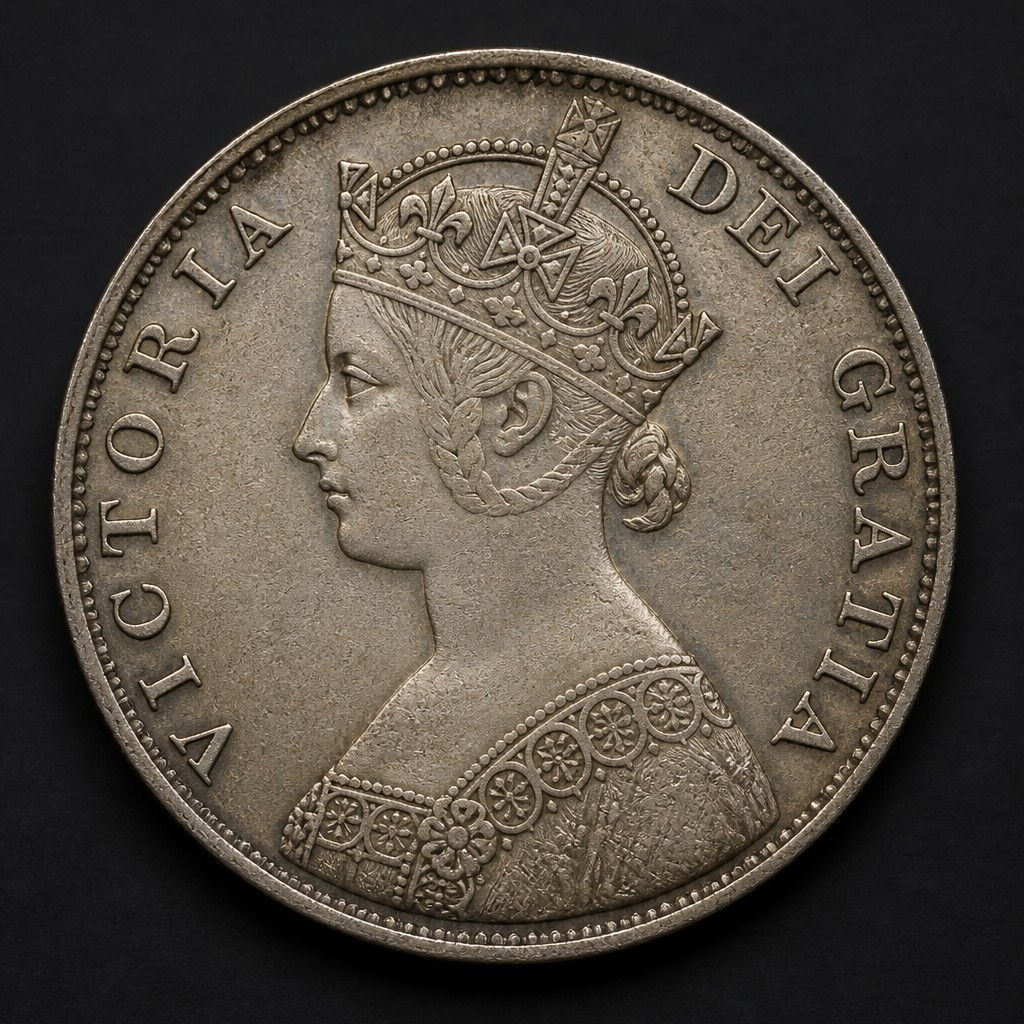
Groat (Fourpence)
A historic English silver coin worth four pence, first struck under Edward I in 1279 and periodically revived, later surviving mainly as a Maundy Money denomination.
British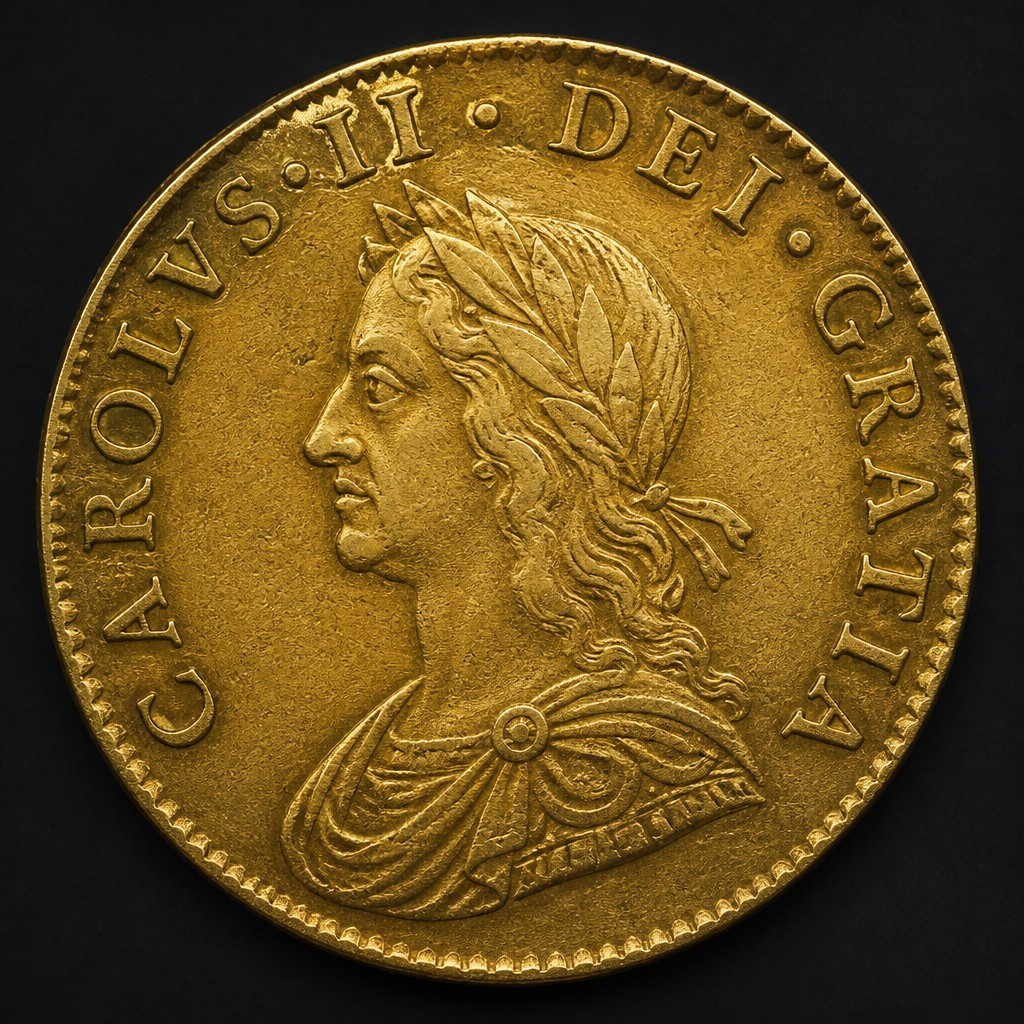
Broad
A gold twenty-shilling coin nicknamed the 'Broad' for its wide, thin flan, struck under the Commonwealth and Oliver Cromwell and continued briefly into the early reign of Charles II.
British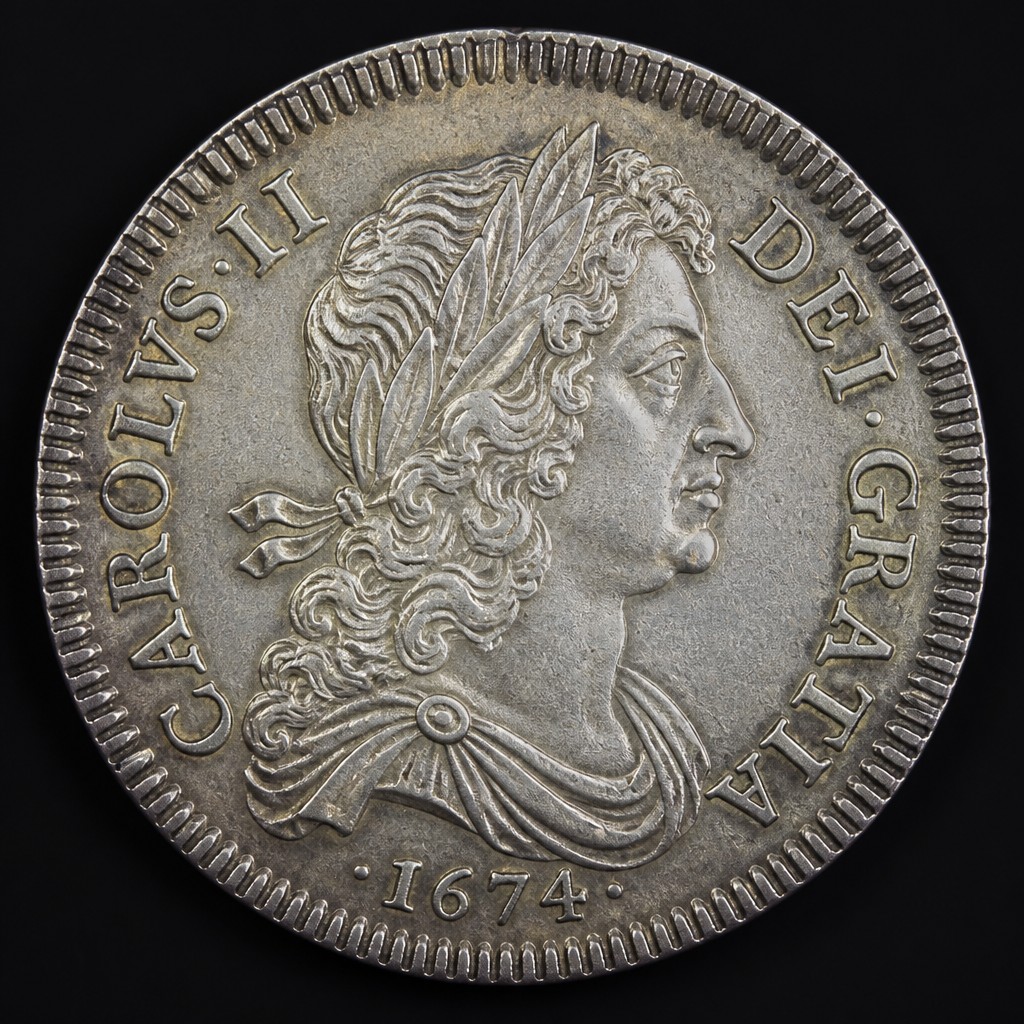
Maundy Fourpence
The largest of the four Royal Maundy coins, a small silver fourpence descended in value from the medieval groat, struck annually for the monarch's ceremonial Maundy Thursday alms distribution.
British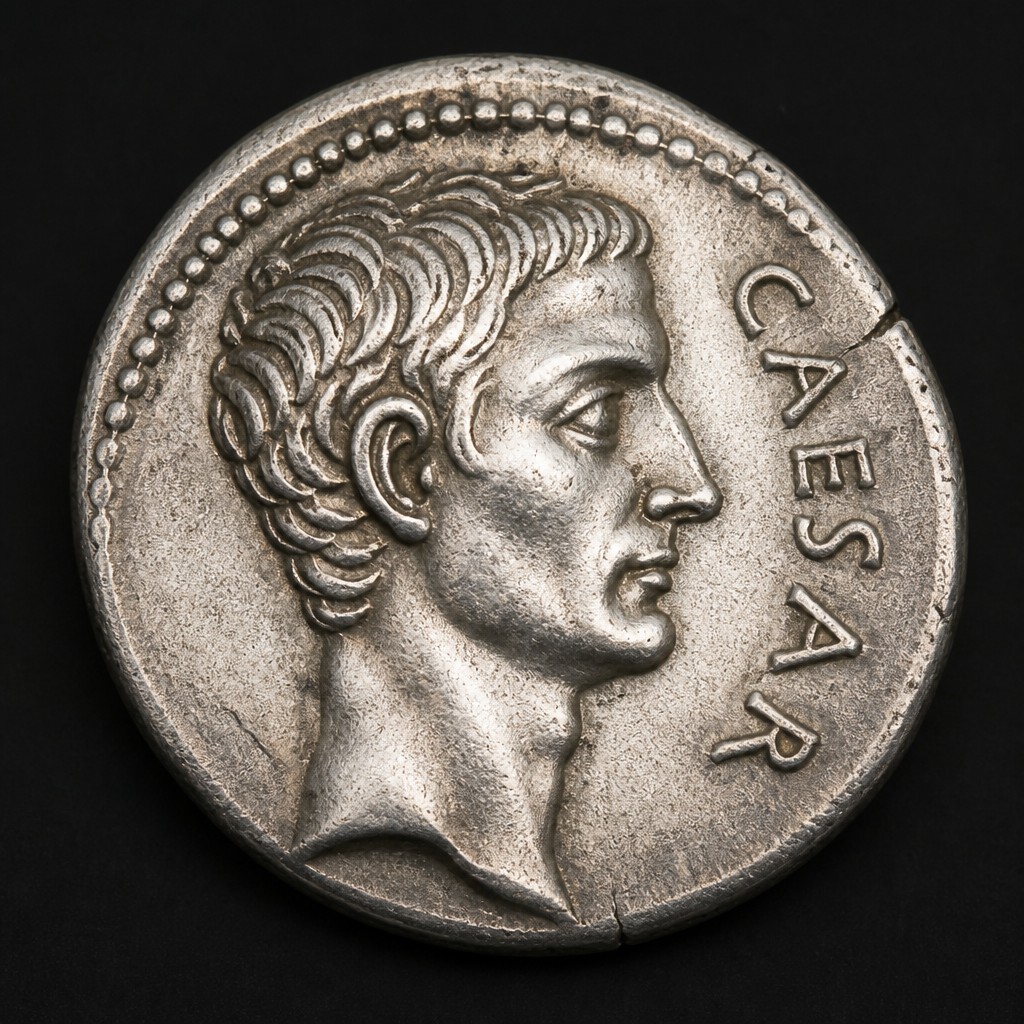
Julius Caesar Portrait Denarius
A landmark Roman coin struck in 44 BC bearing the portrait of Julius Caesar during his lifetime, the first time a living Roman had appeared on state coinage.
Ancient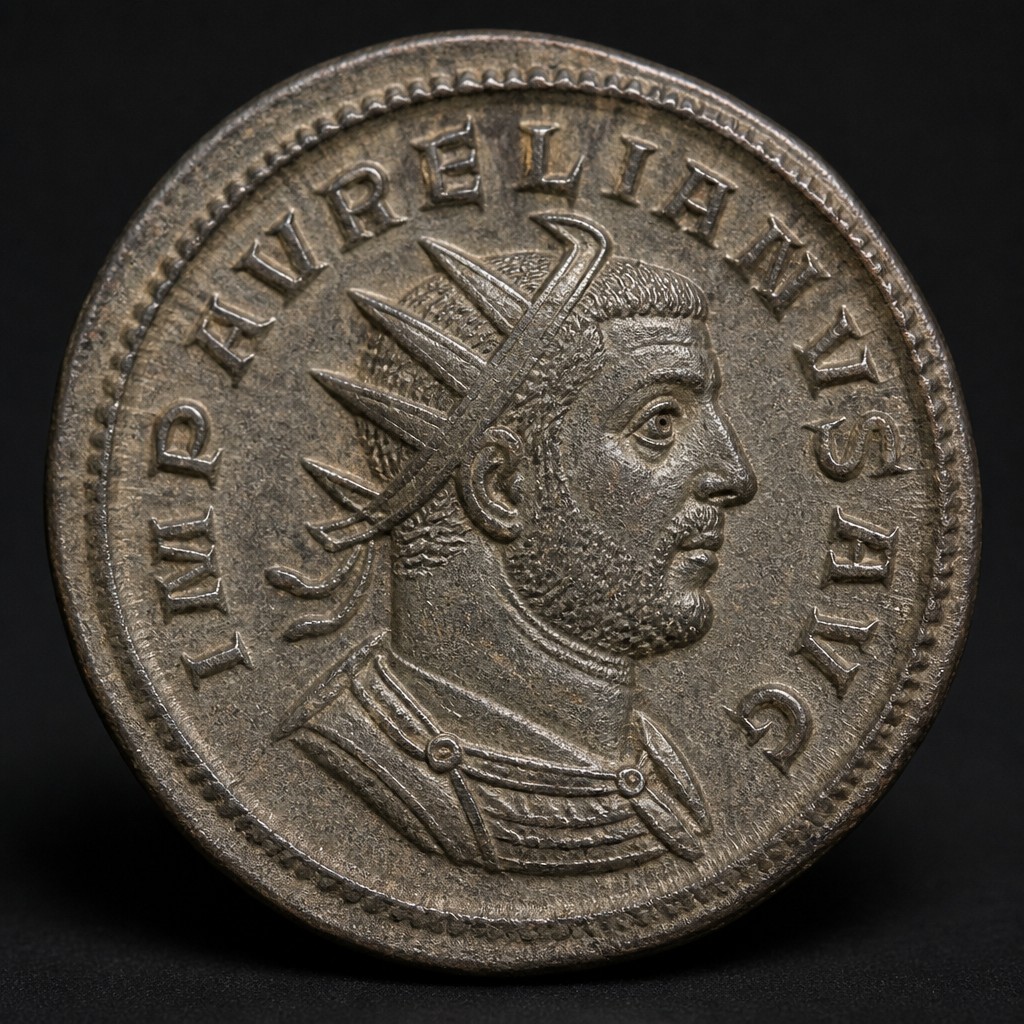
Aurelian Antoninianus
Radiate coin of Aurelian, the soldier-emperor who reunited the fractured Roman Empire and enacted a major coinage reform introducing standardized silver content marked with XXI or KA.
Ancient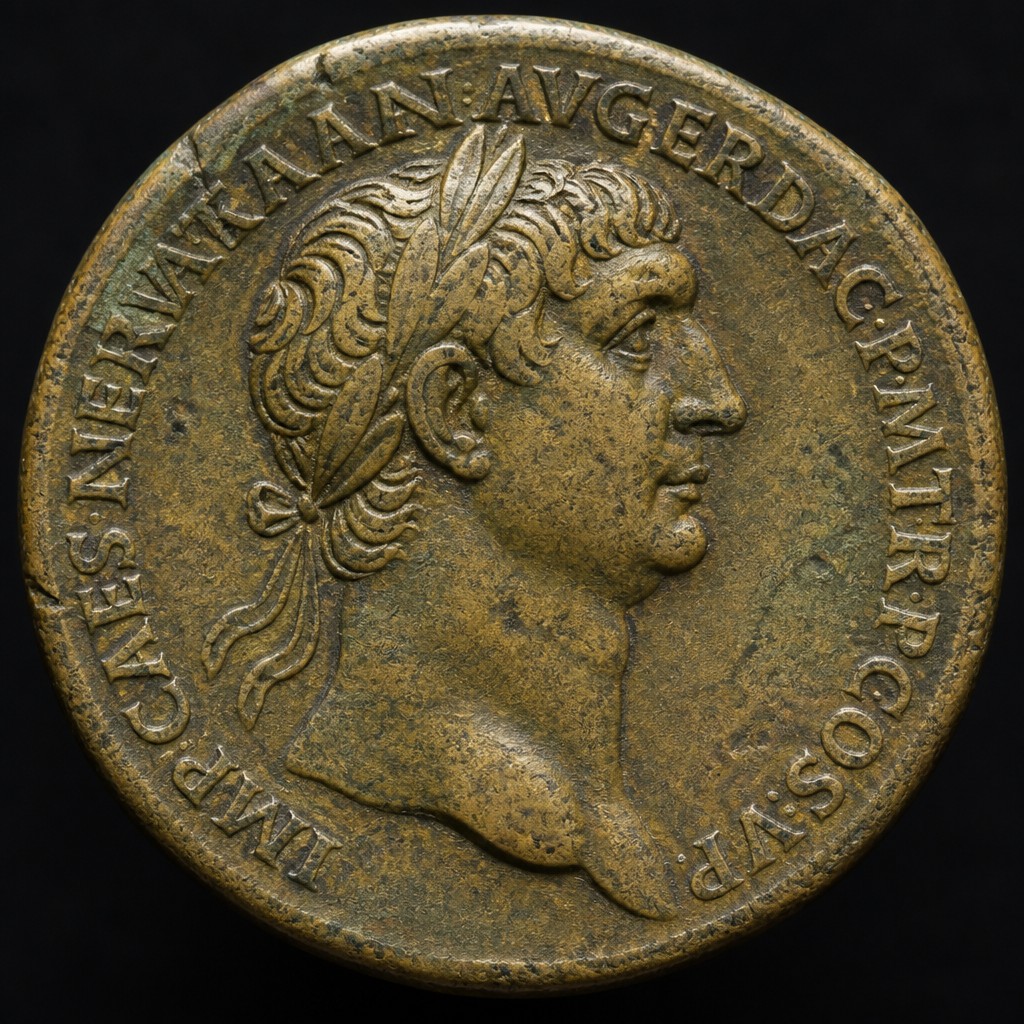
Trajan Sestertius
A large bronze coin of Trajan, whose reign brought the Roman Empire to its greatest territorial extent, with reverses celebrating Dacian conquest, public works, and Trajan's Column.
Ancient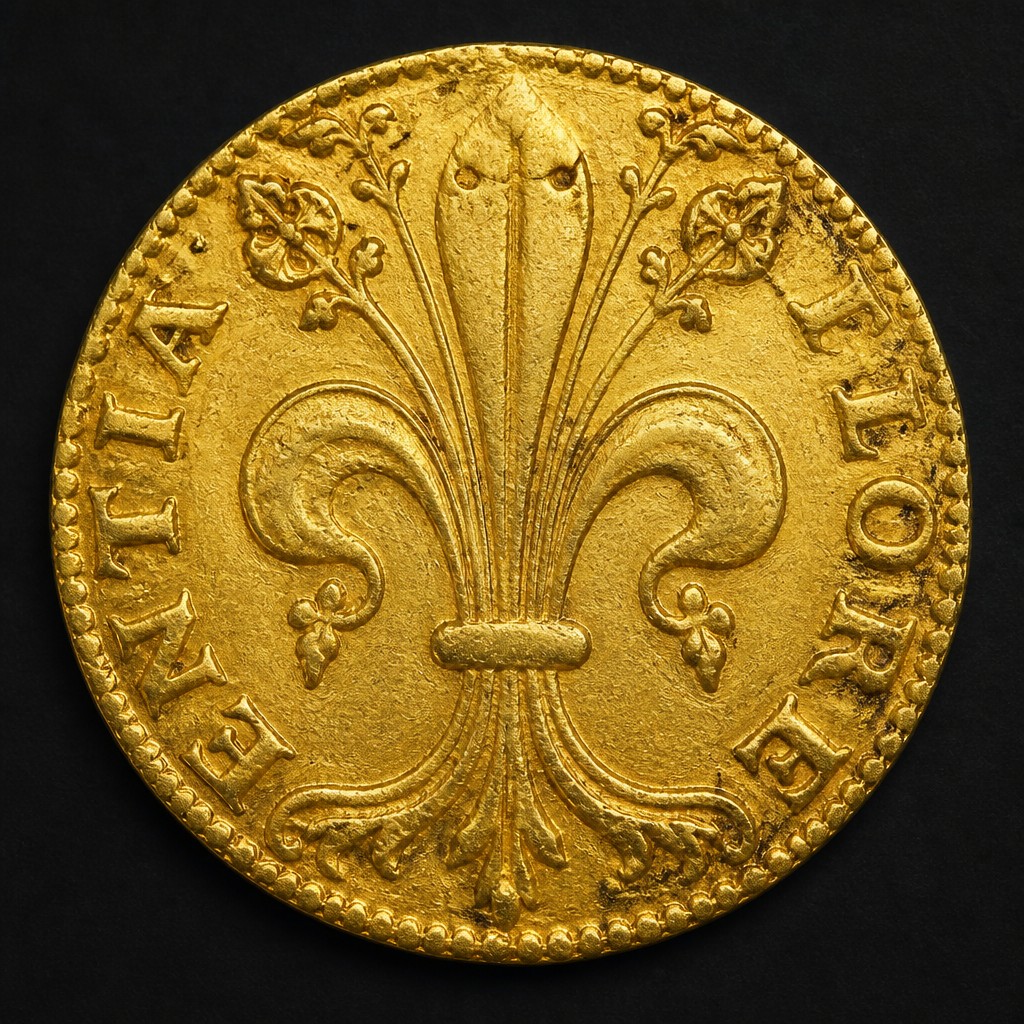
Florentine Florin
Introduced in 1252, the gold florin of Florence became medieval Europe's leading trade coin, its lily emblem and fixed gold standard copied by dozens of other mints.
European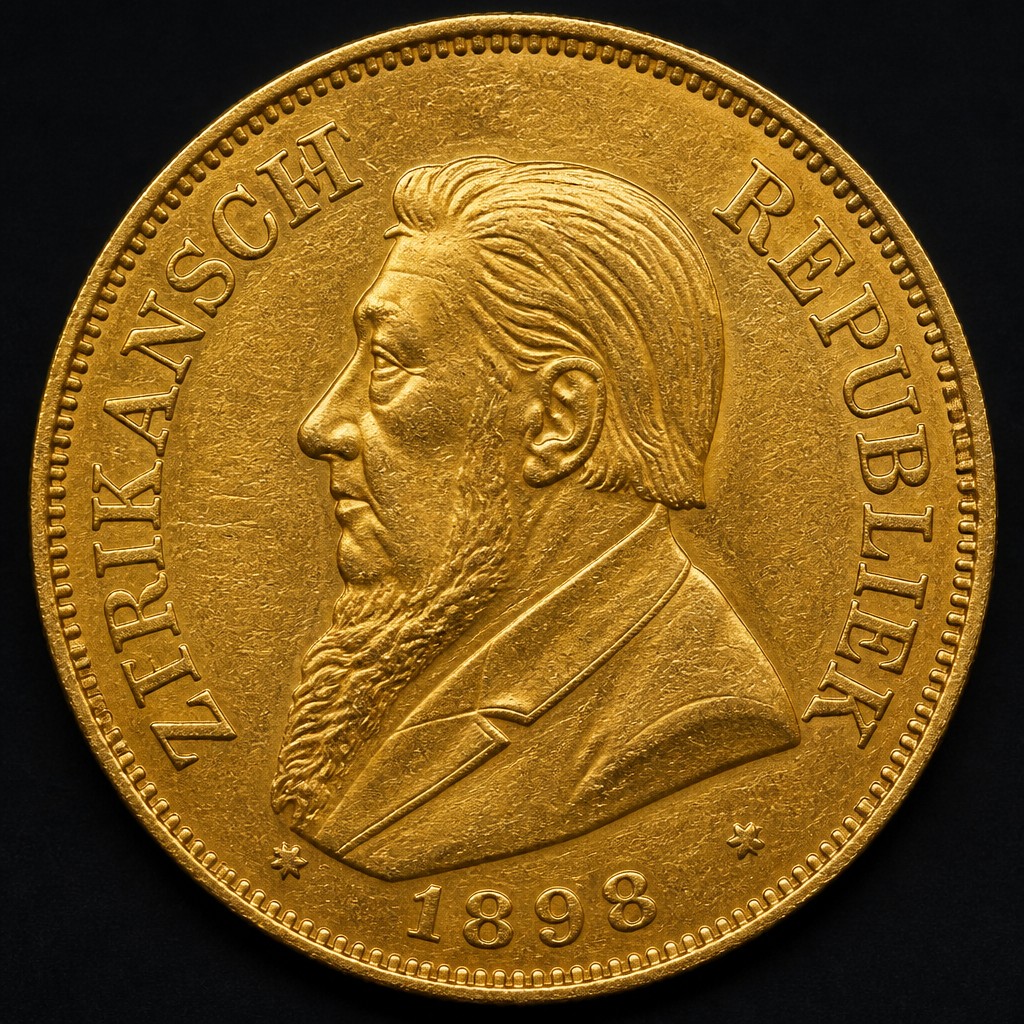
South African ZAR Kruger Pond
Gold pound-equivalent coin of the old South African Republic (Transvaal) under President Paul Kruger, notable for its wagon reverse and the rare 'single shaft' variety.
Africa & Oceania