
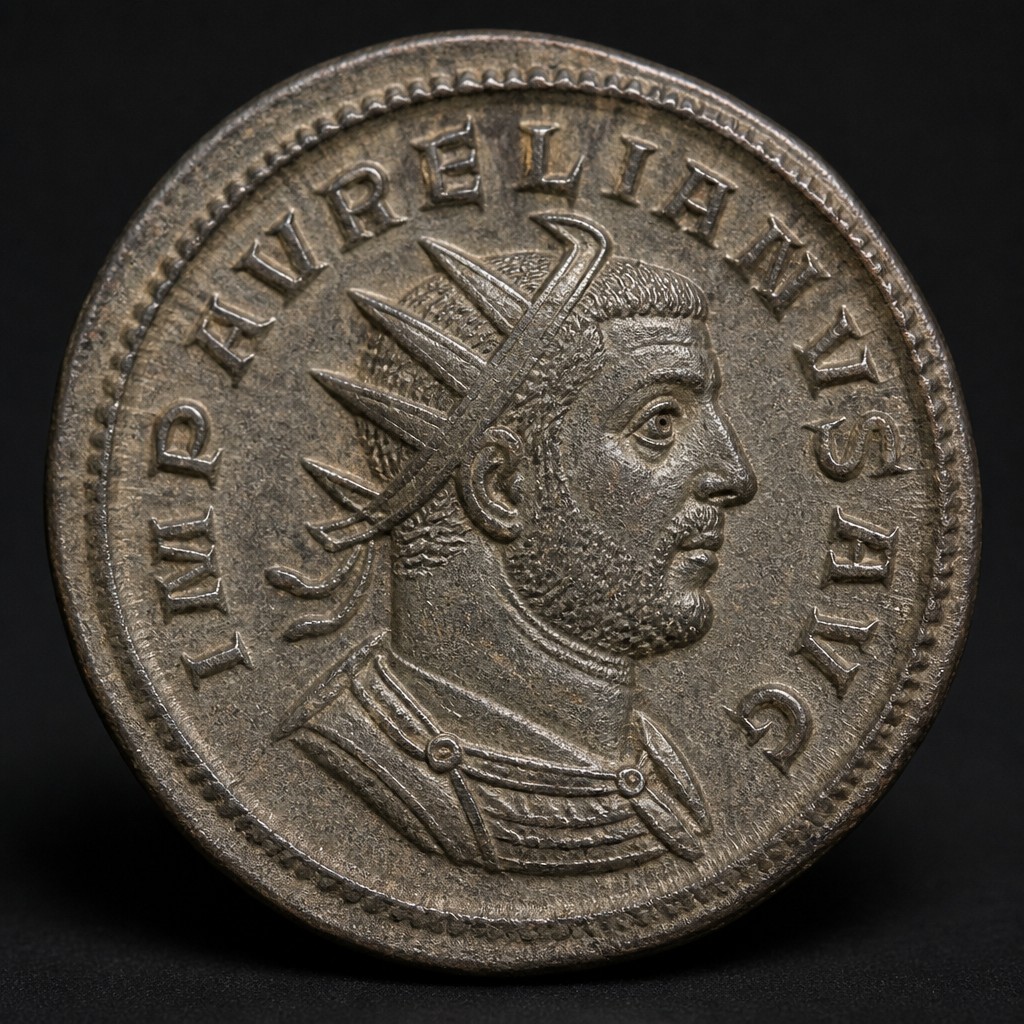
Aurelian Antoninianus
Radiate coin of Aurelian, the soldier-emperor who reunited the fractured Roman Empire and enacted a major coinage reform introducing standardized silver content marked with XXI or KA.
- Country
- Ancient Rome
- Denomination
- Antoninianus
- Metal
- Debased Silver (Billon, improved by 274 AD reform to roughly 5% silver)
Got a coin like this?
Identify any coin from a photo, free.
Overview
Aurelian antoniniani mark a major turning point in Roman monetary history, since Aurelian carried out a significant currency reform in 274 AD that standardized the antoninianus's silver content and introduced clear mint marks indicating the alloy ratio. This reform, along with his military achievements, makes his coinage a favorite reference point for collectors studying the transition out of the Crisis of the Third Century.
Aurelian is remembered as 'Restitutor Orbis' (Restorer of the World) for reuniting the empire after the loss of the Gallic and Palmyrene breakaway states, and his coinage often celebrates this restoration with triumphant imagery.
History & Background
Aurelian rose through the military ranks to become emperor in 270 AD during one of the empire's most fractured periods, with the Gallic Empire controlling the west and the Palmyrene Empire, led by Queen Zenobia, controlling much of the east. Through a series of decisive military campaigns, Aurelian reconquered Palmyra in 272-273 AD and brought the Gallic Empire back under central control in 274 AD, effectively reunifying the Roman world within roughly five years.
In addition to his military feats, Aurelian implemented a currency reform in 274 AD that improved and standardized the silver content of the antoninianus, marking coins with numerals such as XXI (Latin) or KA (Greek), generally interpreted as denoting a ratio of twenty parts bronze to one part silver. He was assassinated by his own officers in 275 AD amid a conspiracy, cutting short a reign that had done much to stabilize the empire.
How to Identify
The obverse shows a radiate, cuirassed bust of Aurelian, with legends such as IMP AVRELIANVS AVG; some issues also depict him in more elaborate consular or military dress reflecting his martial reputation.
Reverse types frequently celebrate his military successes and the restoration of the empire, with legends like RESTITVTOR ORBIS or ORIENS AVG showing the emperor receiving a wreath or globe from a personification, alongside standard types such as Concordia Militum and Victoria Aug.
A hallmark of post-274 AD issues is the presence of the mint mark XXI or its Greek equivalent KA in the reverse exergue, signaling the reformed coinage standard; earlier issues from his reign lack this mark. The coin measures roughly 20-23mm, and post-reform pieces often appear noticeably more silvery than the duller issues common just before his reign.
Value & Collectibility
Standard Aurelian antoniniani are widely available and commonly found in the roughly $25 to $70 range for typical circulated grades, reflecting significant mintage volume across multiple mints during his reign. Coins bearing the reform-era XXI or KA mint mark are of particular interest to specialists studying Roman monetary history and can be sought after even in modest condition for their historical significance.
Sharper strikes, better centering, and well-preserved reverse legends celebrating his reunification of the empire tend to command stronger collector interest and correspondingly higher prices.
Frequently asked questions
What was Aurelian's coinage reform?
In 274 AD he standardized the antoninianus's silver content and introduced the XXI or KA mark, denoting a fixed ratio of bronze to silver in the alloy.
Why is Aurelian called 'Restitutor Orbis'?
It means 'Restorer of the World,' a title reflecting his reconquest of the breakaway Gallic and Palmyrene territories, reunifying the Roman Empire.
How can I tell if my Aurelian coin is post-reform?
Look for the XXI or KA mark in the reverse exergue, which was introduced specifically with the 274 AD currency reform.
How did Aurelian die?
He was assassinated by his own officers in 275 AD as part of a conspiracy, despite his significant military and administrative achievements.
Other coins you may enjoy
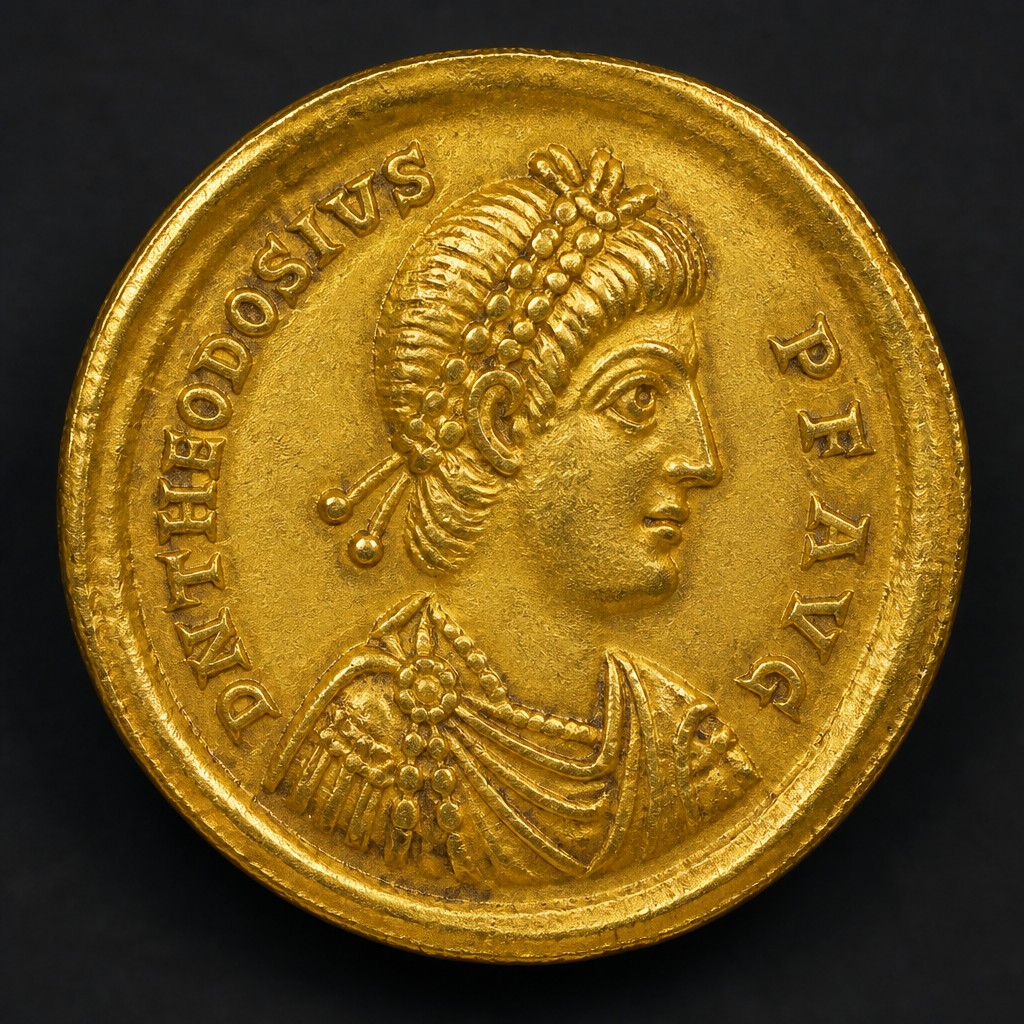
Theodosius I Solidus
379–395 AD
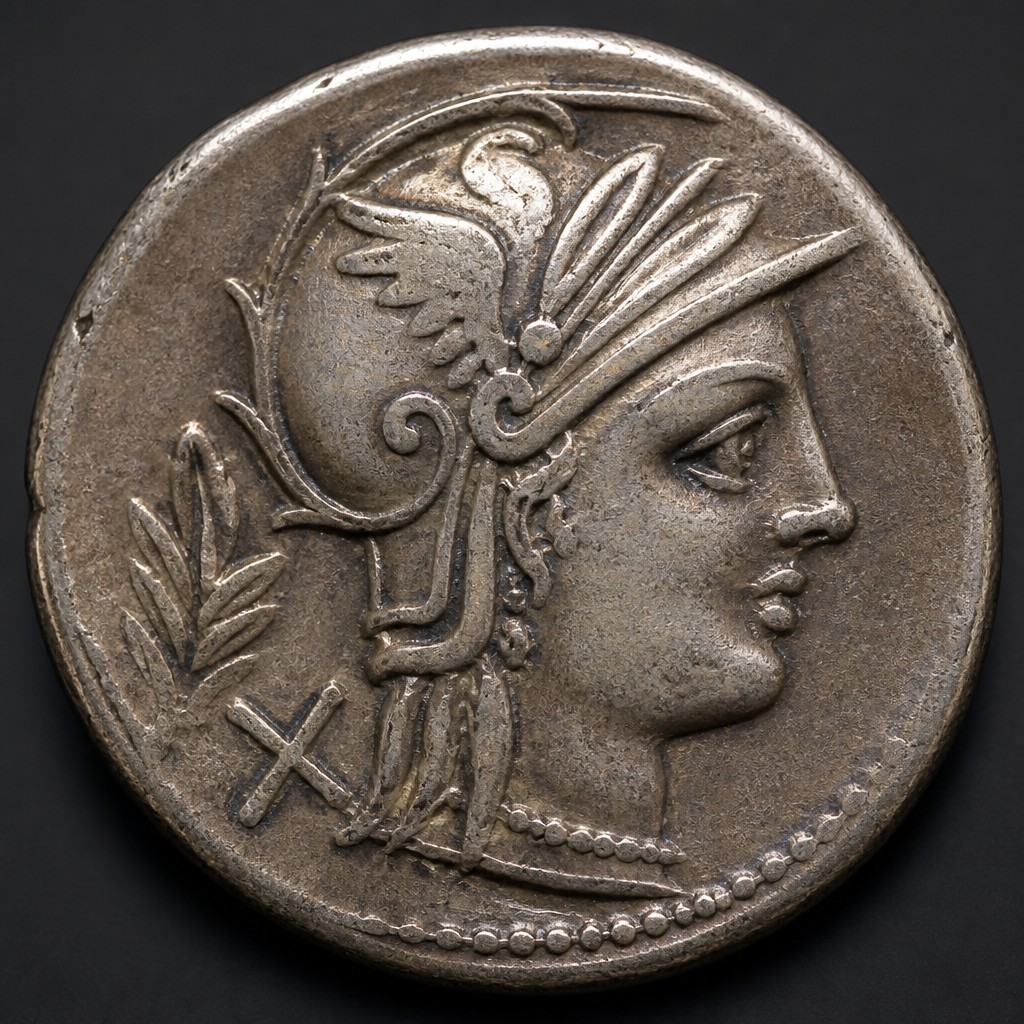
Republican Victoriatus
c. 211–170 BC
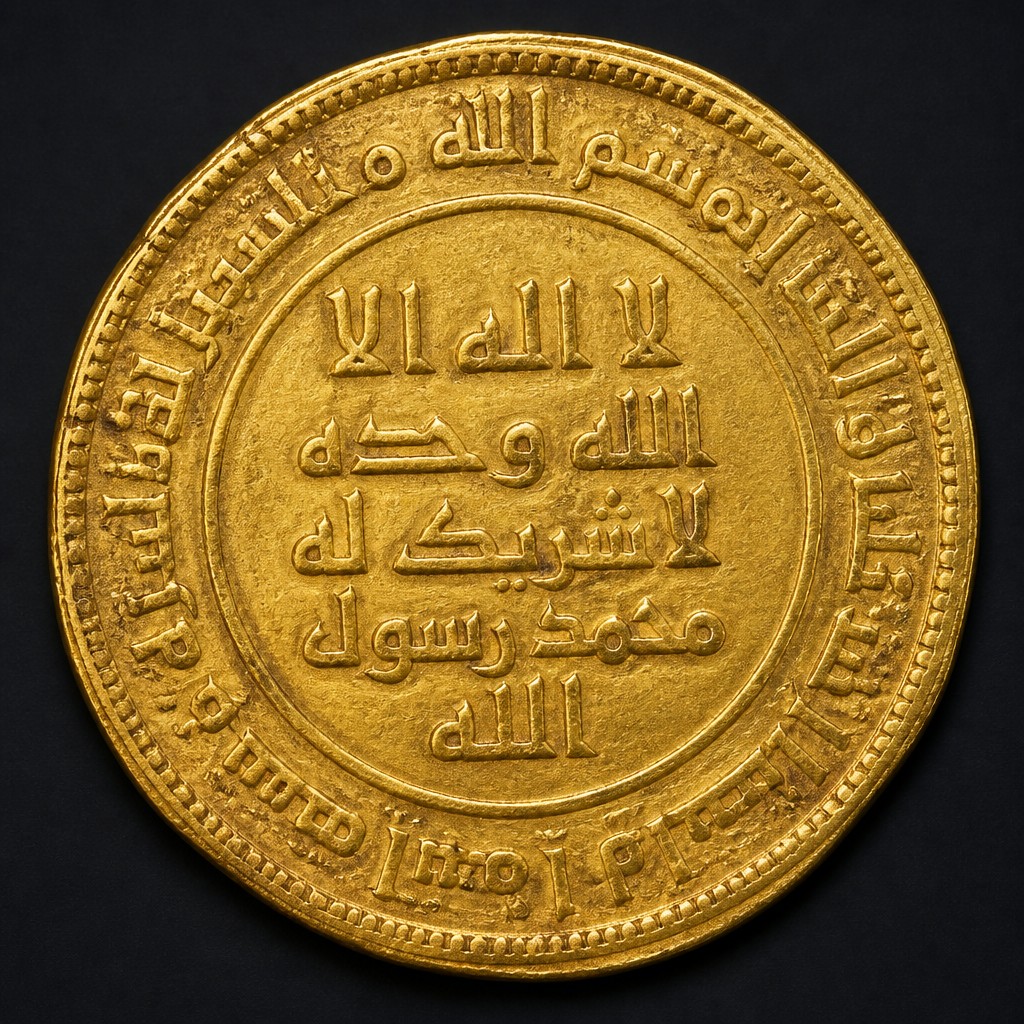
Islamic Gold Dinar (Umayyad)
c. 696–750 AD
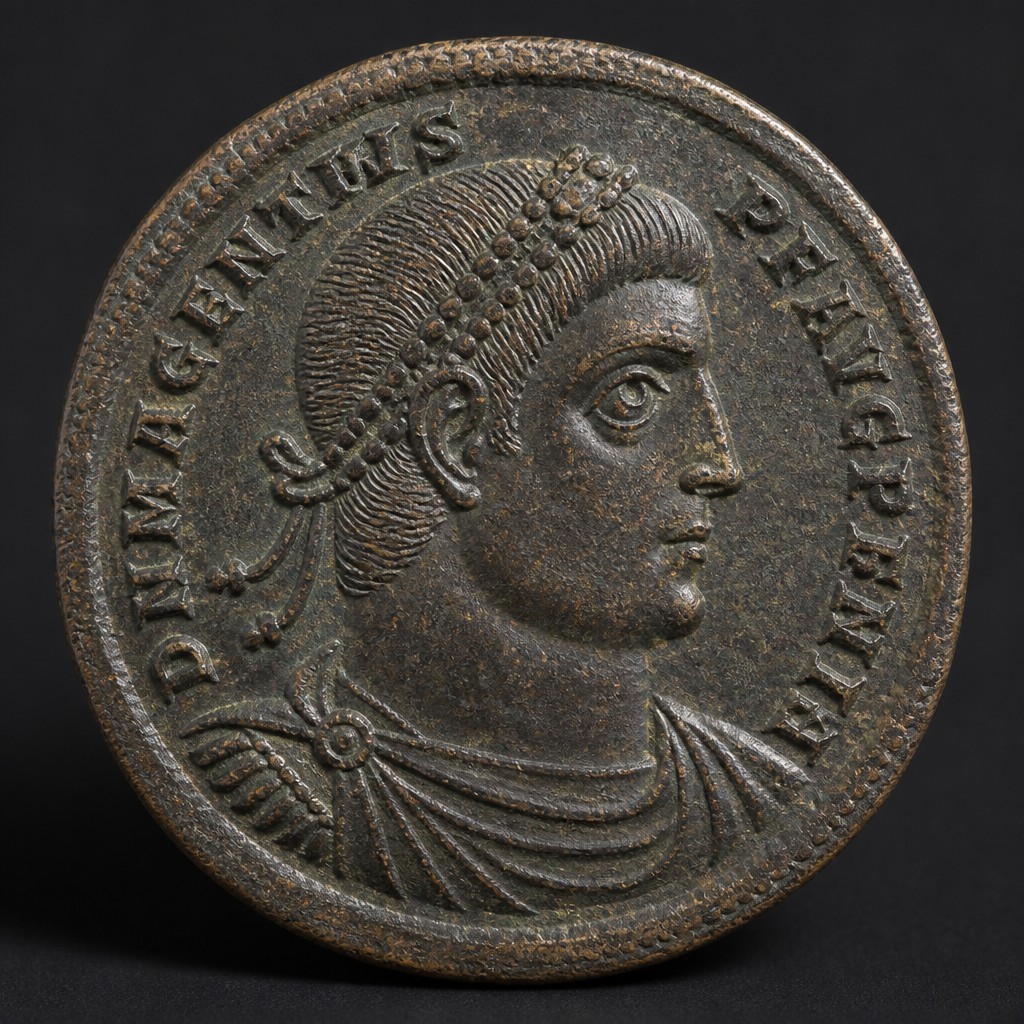
Magnentius Double Centenionalis
350–353 AD
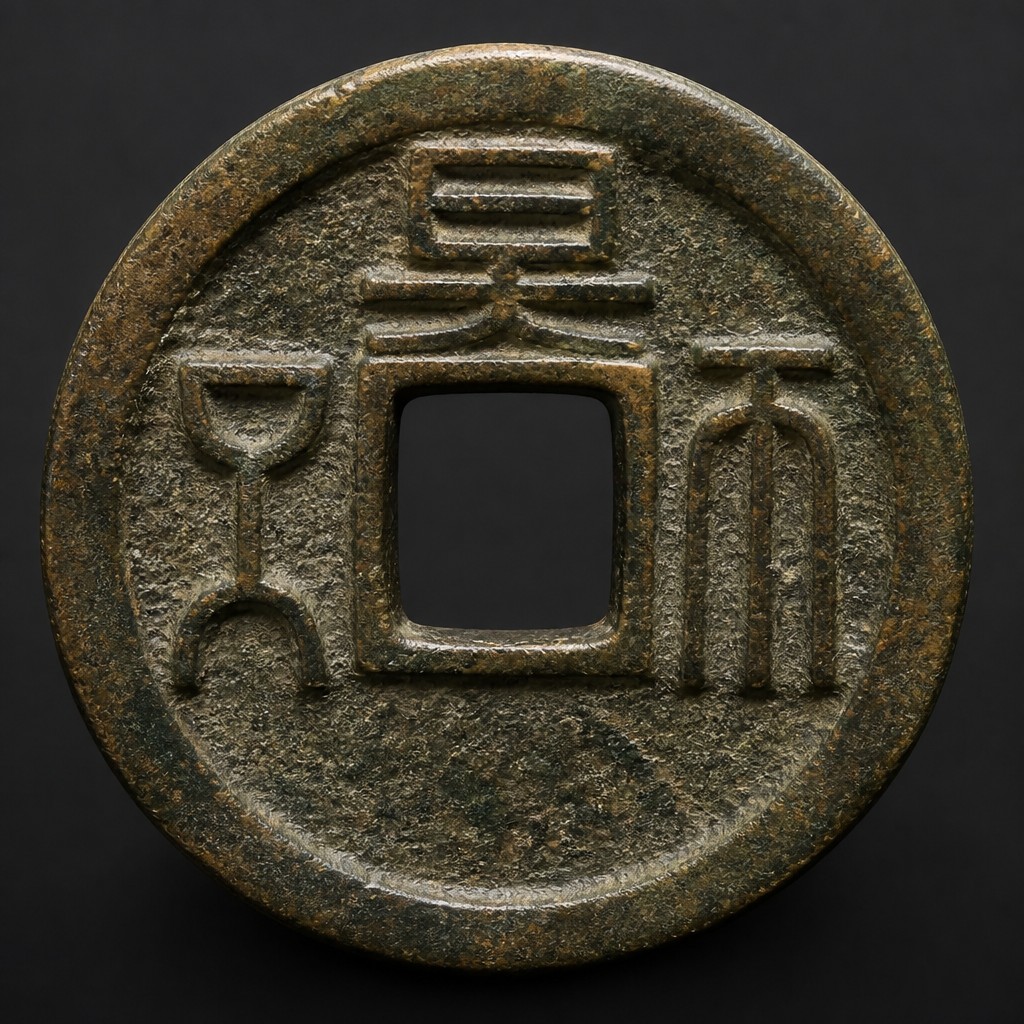
Chinese Wu Zhu Cash
118 BC – 618 AD
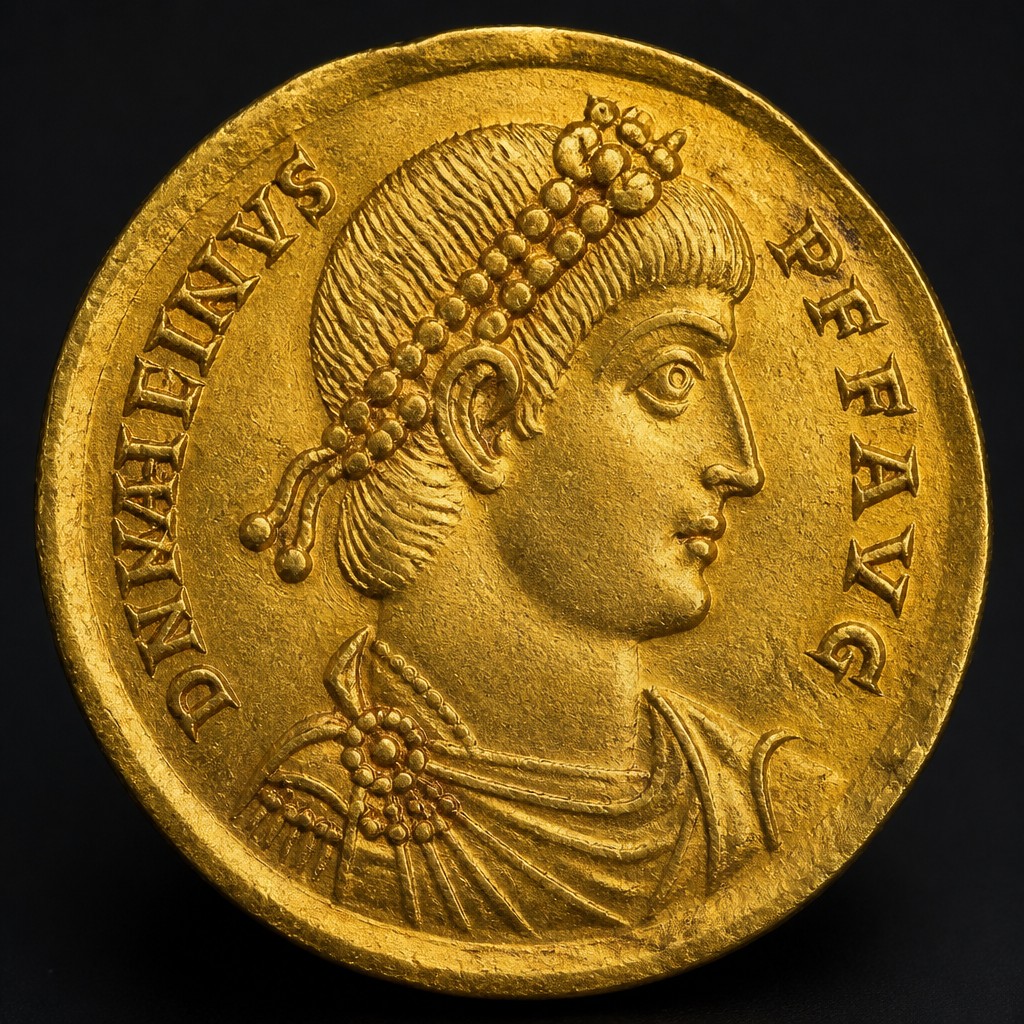
Valentinian I Solidus
364–375 AD
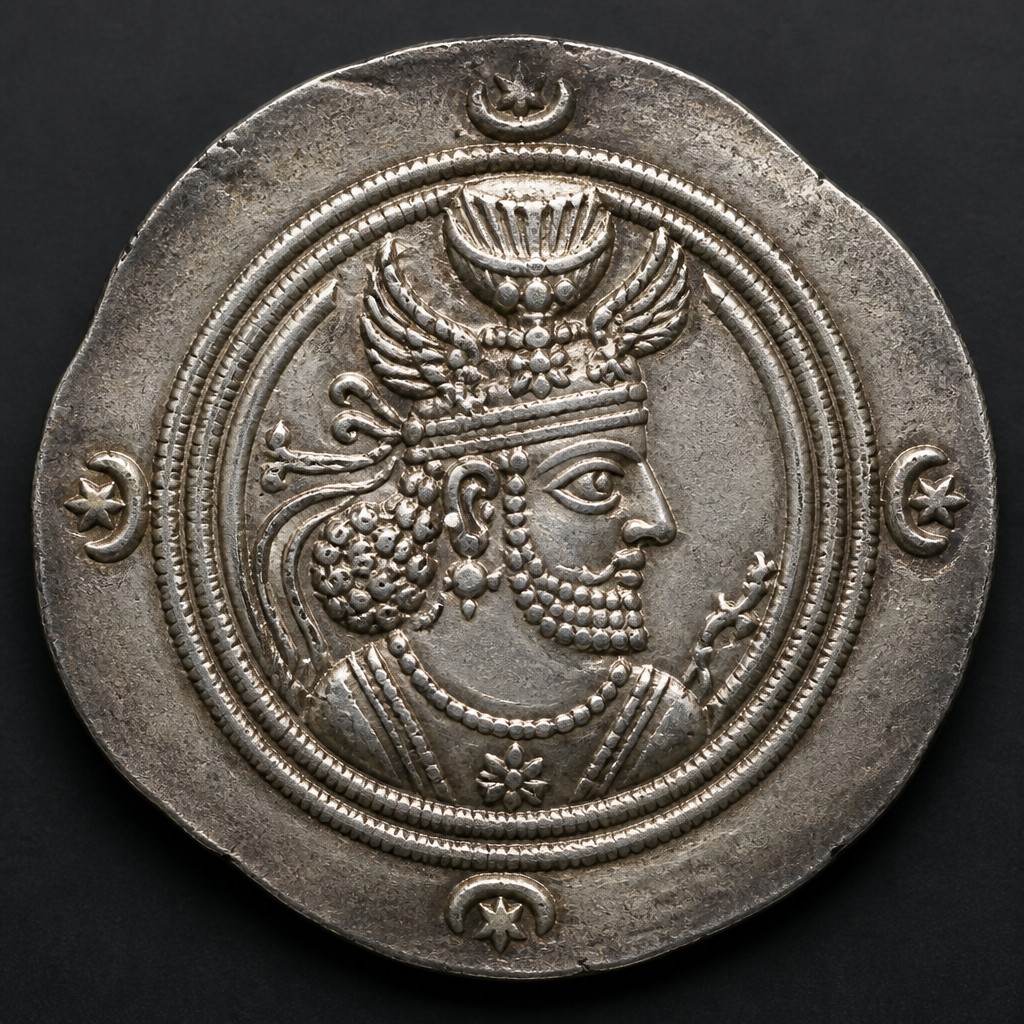
Sassanian Silver Drachm
c. 224–651 AD
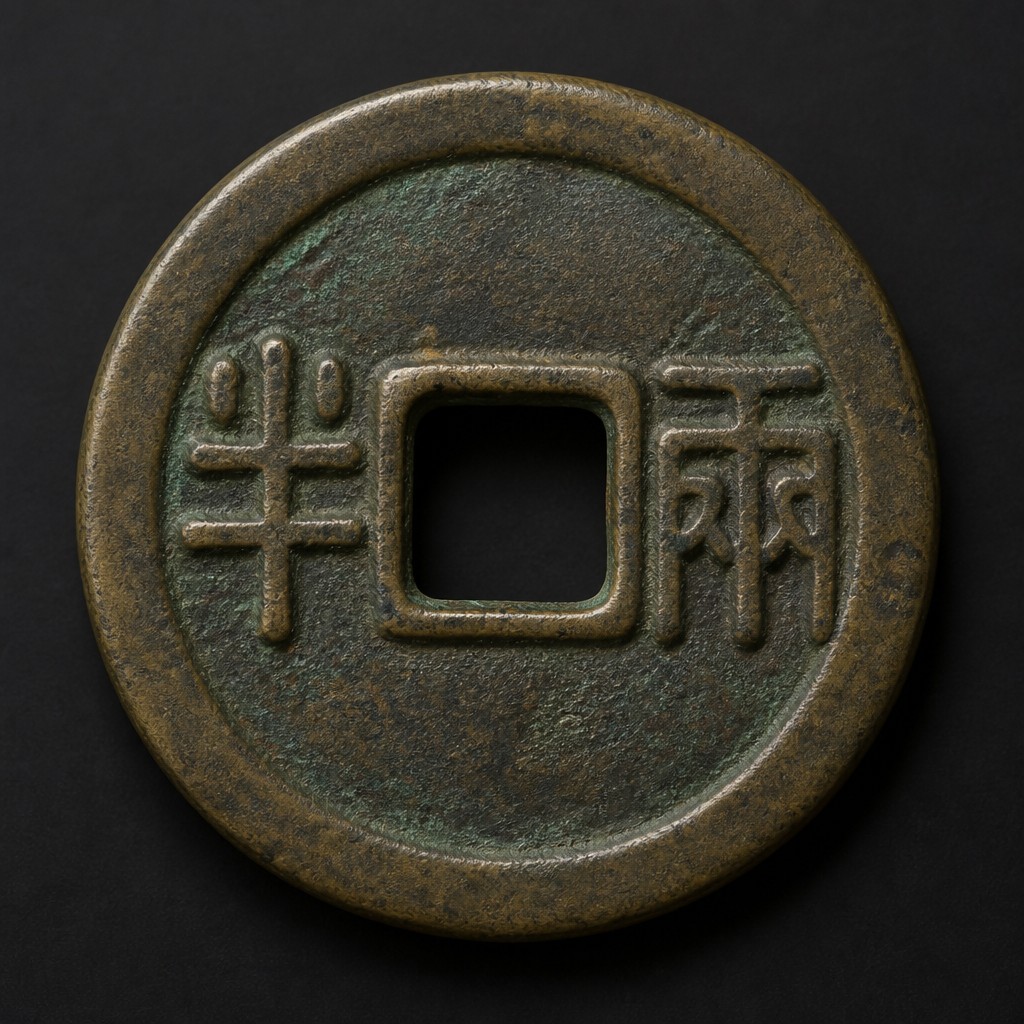
Chinese Ban Liang Cash
c. 221–118 BC
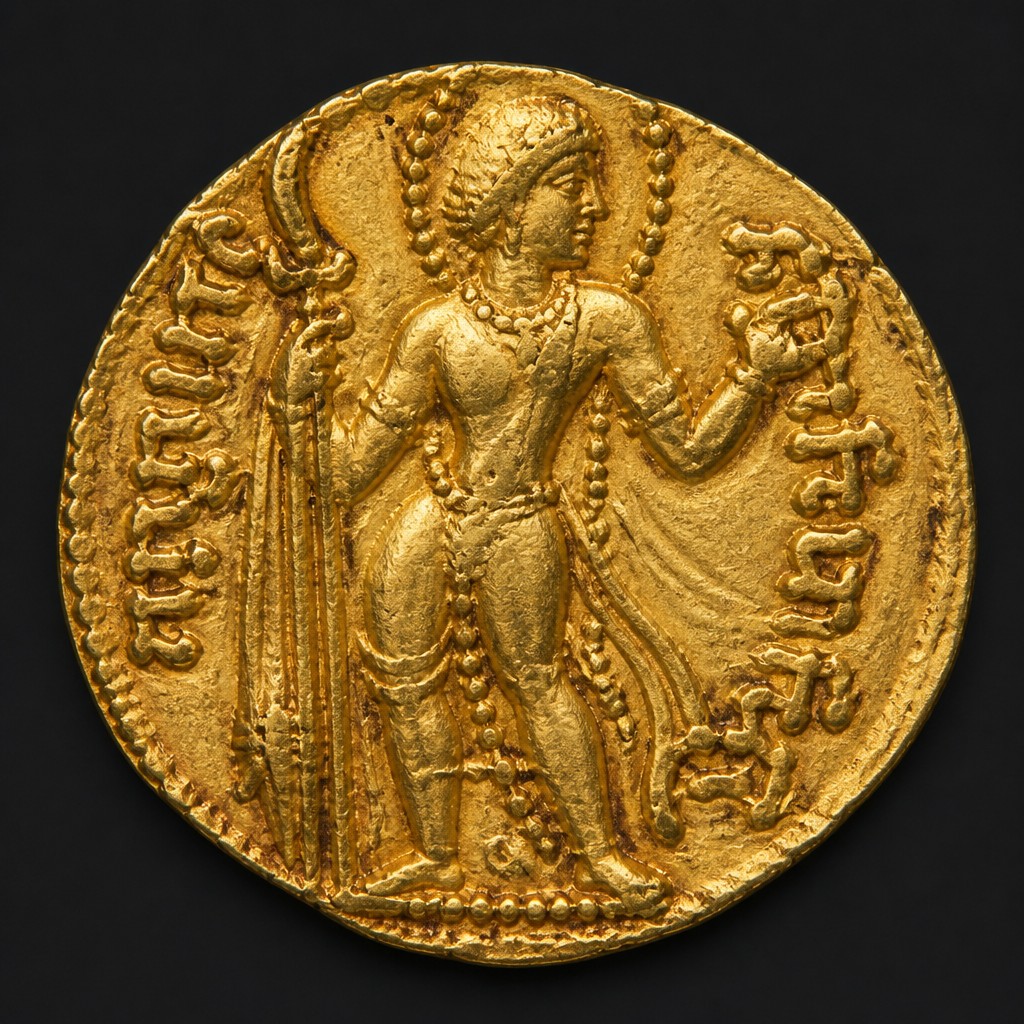
Gupta Empire Gold Dinar
c. 320–550 AD
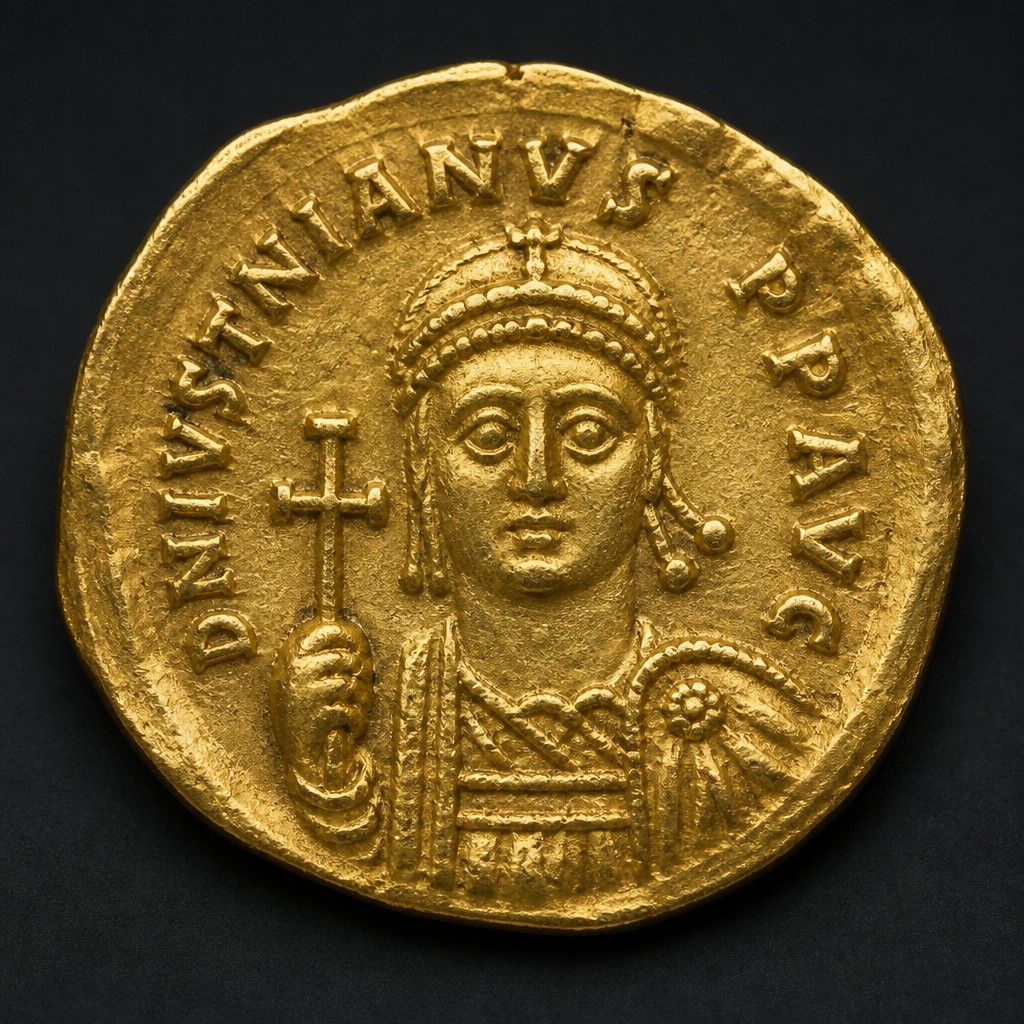
Byzantine Gold Tremissis
c. 4th–7th century AD
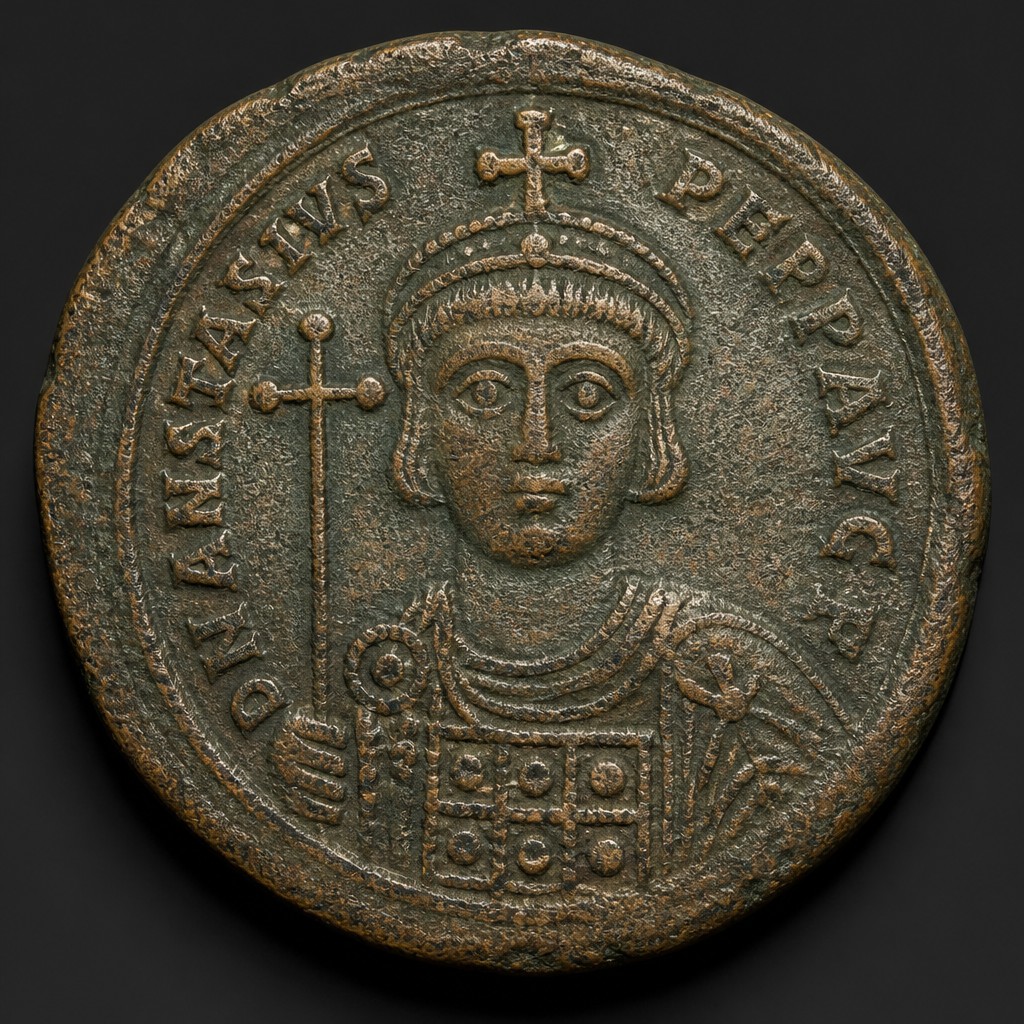
Byzantine Follis
498–c. 11th century AD
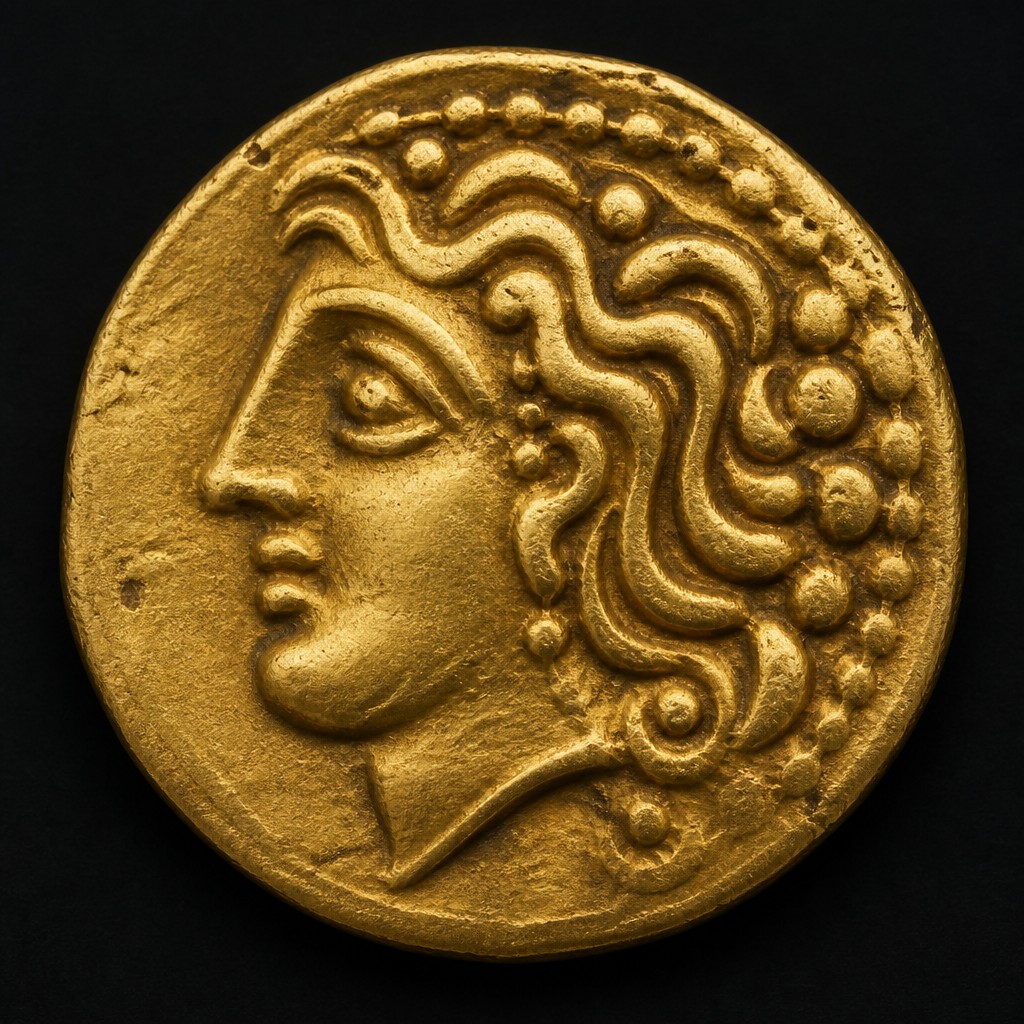
Celtic Gold Stater
c. 3rd century BC – 1st century AD