
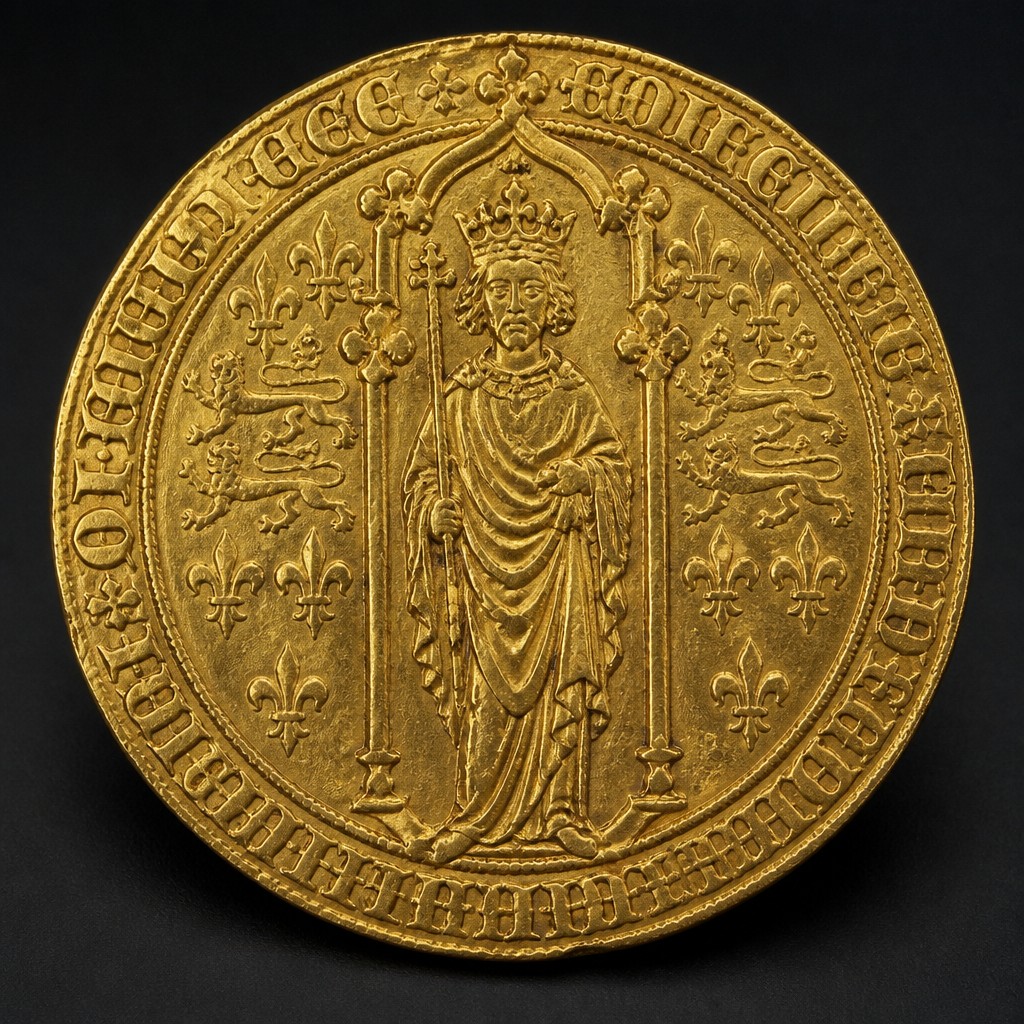
Gold Noble
England's first successful gold coin for general circulation, introduced in 1344 under Edward III, famous for its ship reverse commemorating English naval power.
- Country
- England
- Denomination
- Noble (6s 8d, half mark)
- Metal
- Gold (23 carat)
Got a coin like this?
Identify any coin from a photo, free.
Overview
The gold noble was England's landmark medieval gold coin, introduced in 1344 during the reign of Edward III as part of an effort to establish a reliable gold currency for the kingdom's expanding trade and military needs. Valued at six shillings eightpence, equivalent to half a mark, it represented a substantial sum in medieval terms and was primarily used for large transactions, tribute, and international trade rather than everyday purchases.
Its reverse design, showing the king standing aboard a ship, is widely believed to commemorate England's naval victory at the Battle of Sluys in 1340, making the noble not just a monetary instrument but a piece of political and military propaganda struck in precious metal.
The noble and its later variants (including the ryal and the angel that eventually succeeded it) form a cornerstone of English medieval numismatics, prized by collectors for their historical weight, artistic quality, and connection to a formative period of English royal and naval history.
History & Background
Edward III introduced the gold noble in 1344 after earlier attempts at English gold coinage, including the short-lived florin of 1344, failed to achieve a workable value relative to silver currency. The noble corrected these issues and became a successful, long-lasting gold denomination, reflecting England's growing wealth from wool trade and continental campaigns during the Hundred Years' War.
The ship depicted on the coin's reverse is traditionally linked to the English naval victory over the French fleet at the Battle of Sluys in 1340, a significant early triumph in the Hundred Years' War, making the design a celebration of English maritime and military strength embedded directly into the currency.
The noble continued to be issued, with weight and design adjustments, through the reigns of Richard II, Henry IV, Henry V, and Henry VI, before evolving into related but distinct gold denominations such as the ryal (rose noble) and eventually giving way to the angel introduced under Edward IV in 1465.
How to Identify
The obverse shows the king standing within a ship, holding a sword and shield, with a Latin legend naming the monarch and his titles, often including claims to the French throne reflecting the Hundred Years' War context. The reverse typically features an ornate cross fleury design with lions and crowns in the angles, surrounded by a Latin religious inscription.
The coin is struck in high-purity gold (around 23 carat) and is notably broad and thin compared to later, thicker gold coins, with a diameter of roughly 33–35mm reflecting its status as a large, prestigious denomination for its era.
Distinguishing individual noble issues requires attention to subtle differences in the ship's design, the king's pose, mint marks, and legend variations across the reigns of Edward III through Henry VI, a task typically requiring specialist reference knowledge given the coin's age and the hand-struck nature of medieval minting.
Value & Collectibility
Gold nobles are scarce, historically significant medieval coins, and even relatively common types command strong four-figure values in typical collector grades due to their age, gold content, and historical importance, with well-preserved or rare-ruler examples reaching considerably higher.
Condition, legibility of the legend, and strength of strike significantly affect value, as medieval hand-struck coins often show off-center strikes, flan cracks, or wear that can substantially reduce desirability compared to sharp, well-centered examples.
Rarity varies by specific ruler and mint; nobles from shorter reigns or particular mint locations can be considerably scarcer and more valuable than the more commonly encountered types from longer, more prolific reigns such as Edward III or Henry VI.
Frequently asked questions
What is depicted on the gold noble?
The king standing in a ship on the obverse, believed to commemorate the naval victory at the Battle of Sluys in 1340, with an ornate cross design on the reverse.
How much was a gold noble worth?
Six shillings eightpence, equivalent to half a mark, a substantial sum in medieval England.
Who introduced the gold noble?
King Edward III introduced it in 1344 after earlier English gold coinage attempts had failed.
What replaced the gold noble?
It evolved into related denominations like the ryal, and was eventually succeeded by the angel, introduced under Edward IV in 1465.
Other coins you may enjoy
British Guinea
1663–1814
English Angel
1465–1642
English Sovereign of Henry VII
1489–1509
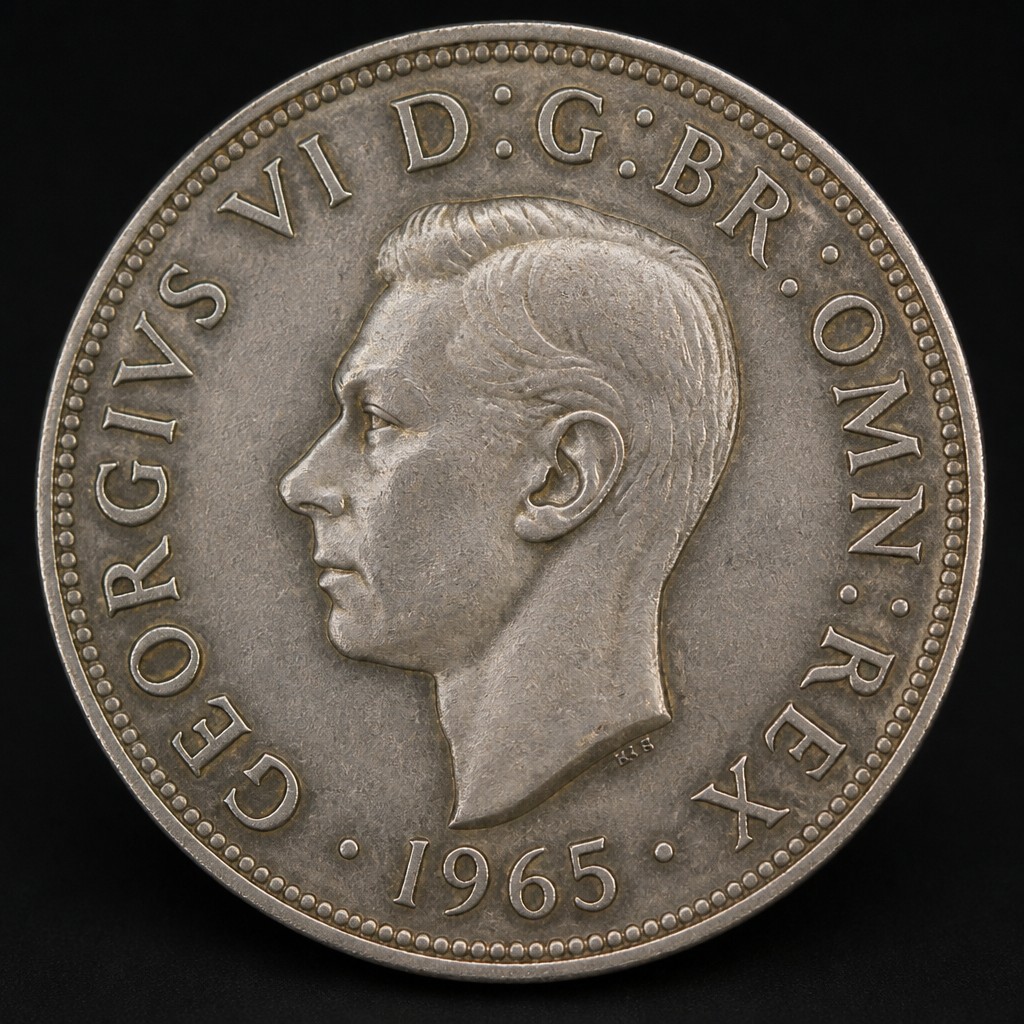
English Crown
1526–1965 (pre-decimal; commemorative crown-sized coins continue as five pound coins)
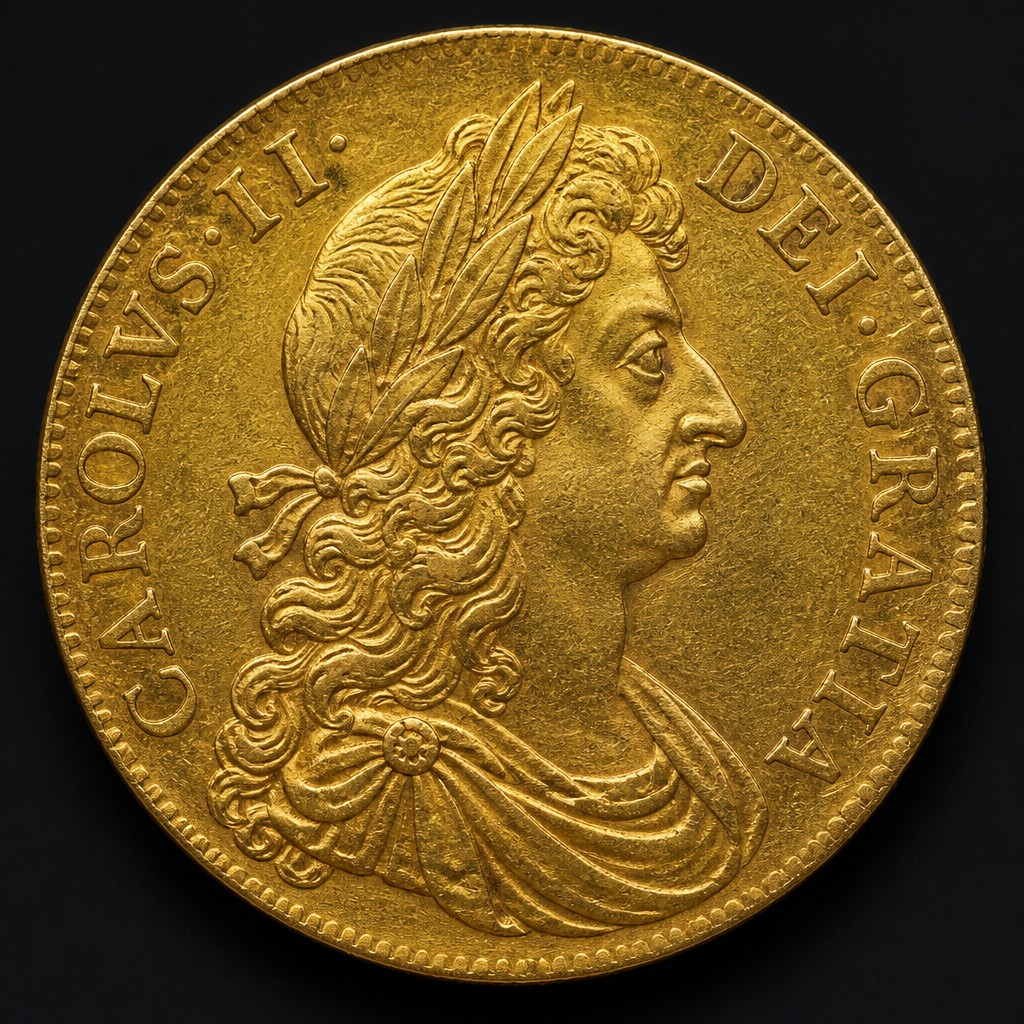
British Gold Guinea
1663–1814
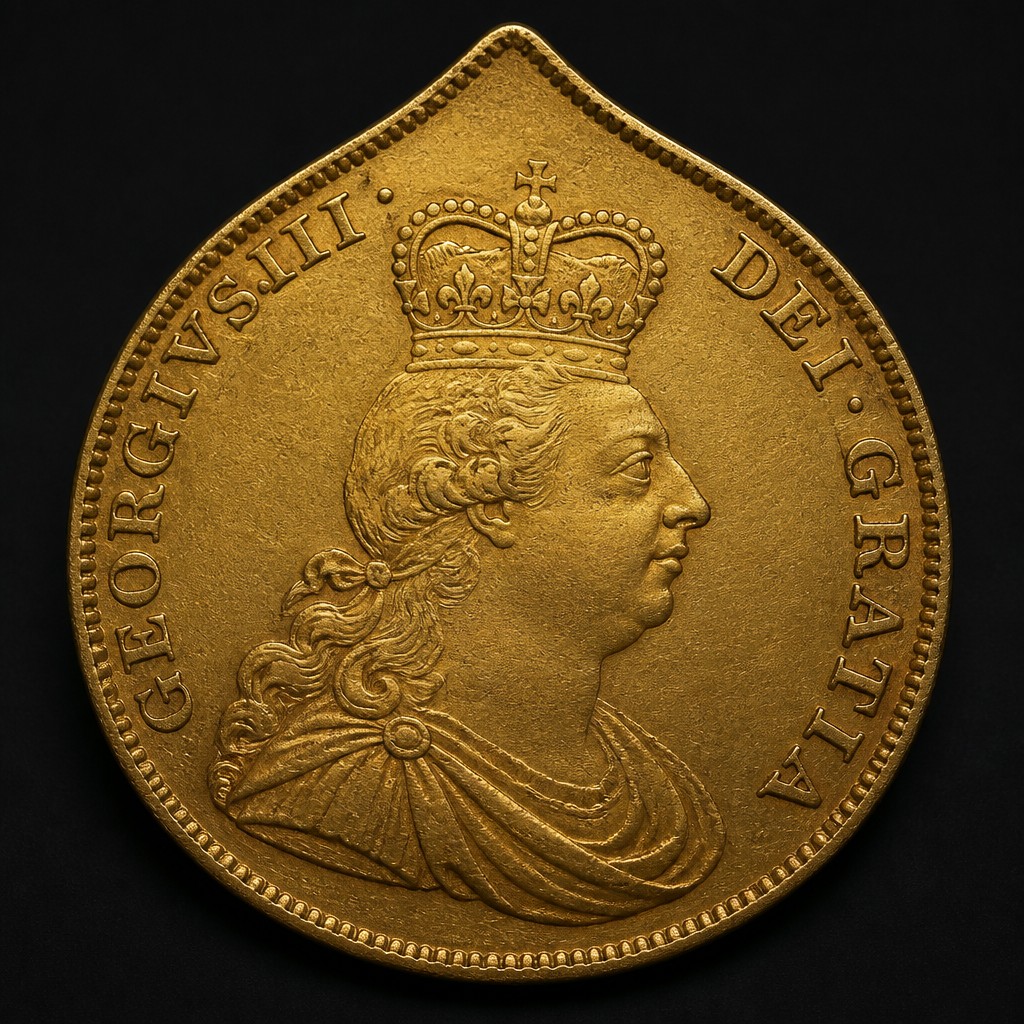
Spade Guinea
1787–1799
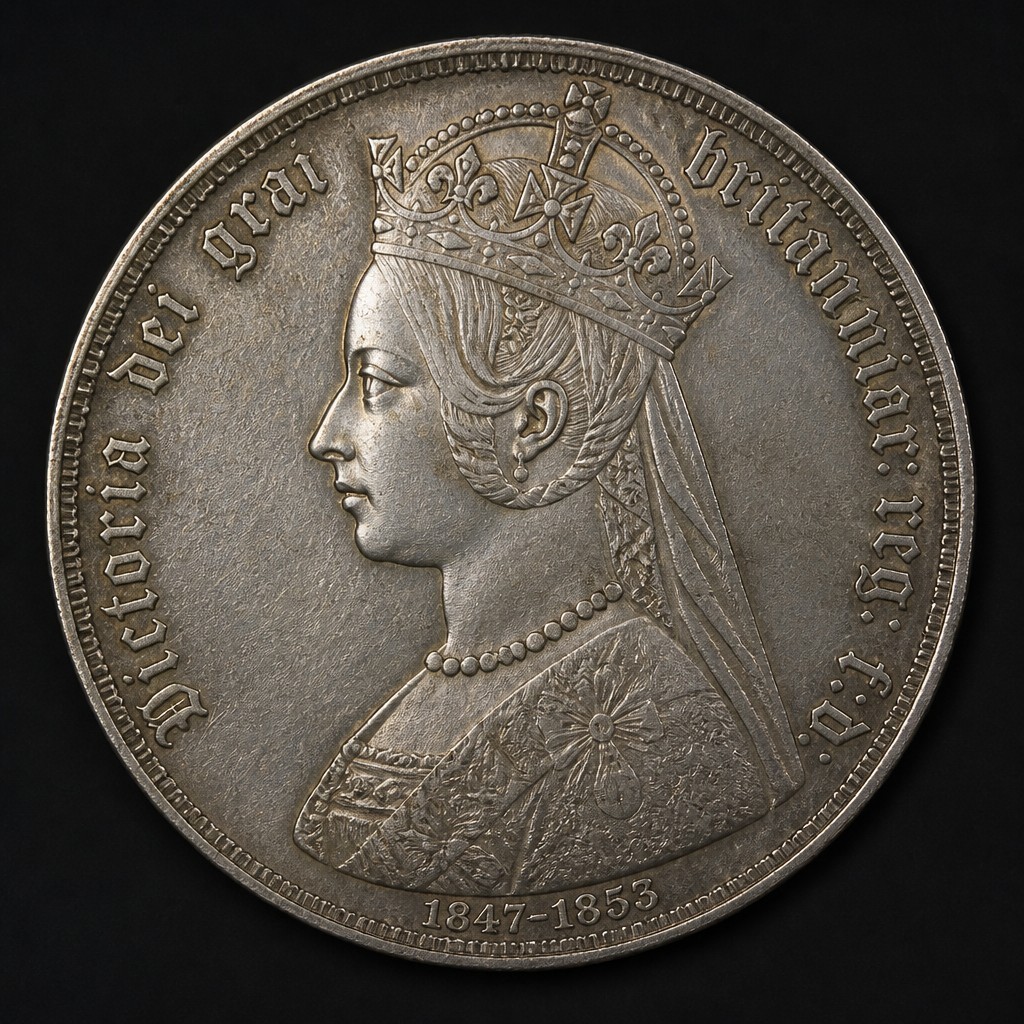
Gothic Crown
1847–1853
Groat (Fourpence)
1279–1888 (various revivals)
Farthing
13th century–1956
Halfpenny
c. 800s–1969
Five Pound Gold (Quintuple Sovereign)
1820–present (intermittent)
Threepence
1547–1970