
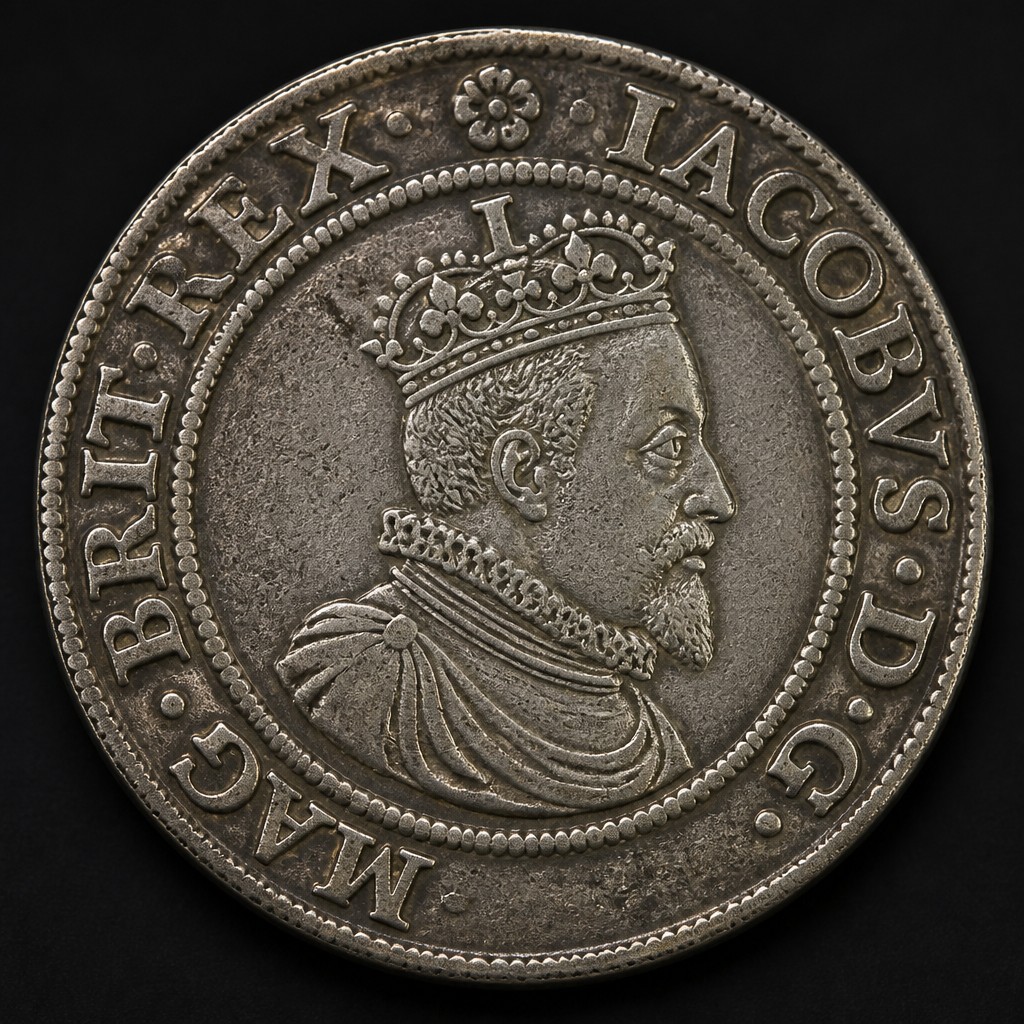
Ryal
A large Scottish silver coin issued under Mary, Queen of Scots and Henry Stewart, Lord Darnley, nicknamed the 'sword dollar' for the crowned sword on its reverse.
- Country
- Scotland
- Denomination
- Thirty Shillings (Scots)
- Metal
- Silver
Got a coin like this?
Identify any coin from a photo, free.
Overview
The Scottish Ryal was a substantial silver coin struck in the 1560s during the turbulent reign of Mary, Queen of Scots, valued at thirty shillings Scots. It is best known by its popular nickname, the 'sword dollar,' referring to the prominent crowned sword on its reverse.
Beyond its numismatic interest, the Ryal is historically fascinating for its direct connection to Mary's brief marriage to Henry Stewart, Lord Darnley, whose joint portraits with the queen appear on some issues, making it a tangible artifact of one of the most dramatic episodes in Scottish royal history.
History & Background
Mary, Queen of Scots authorized the Ryal in 1565, the same year she married Lord Darnley, and some early issues feature the couple's conjoined or facing busts, reflecting their short-lived union before Darnley's murder in 1567 plunged the Scottish court into crisis. Later issues after Darnley's death show Mary alone or reflect further changes in the political situation.
As a large, high-value silver coin, the Ryal played an important role in Scottish currency of the period, and its production ceased by 1571 amid the ongoing upheavals of Mary's reign, her forced abdication in 1567, and the subsequent regency government ruling in the name of her infant son, James VI.
How to Identify
The obverse of early Ryals shows facing or confronting busts of Mary and Darnling, or Mary alone on later issues, with a Latin legend naming the ruler(s). The reverse bears a large crowned sword flanked by a floriated cross or similar devices, the source of the coin's 'sword dollar' nickname, with a legend often invoking divine protection.
The Ryal is a large, heavy silver coin, distinctly Scottish in style and legend despite superficially recalling the English gold Rose Noble, which is sometimes also called a Ryal; the Scottish Ryal is silver rather than gold, and its sword-and-cross reverse is the clearest way to identify it. Dates and subtle bust variations help pinpoint the exact year and political phase of issue.
Value & Collectibility
Scottish Ryals are scarce and historically evocative coins, prized by collectors of Scottish and Mary, Queen of Scots-related numismatics. Condition, the presence of both royal busts (on the earlier Darnley-period issues), and overall eye appeal strongly influence value.
Given their rarity and the enduring fascination with Mary's reign, well-preserved Ryals can command prices from several hundred dollars for worn examples to several thousand dollars or more for choice pieces, particularly those with clear double portraits.
Frequently asked questions
Why is the Ryal called the 'sword dollar'?
Its reverse features a large crowned sword, giving rise to this popular nickname among collectors.
Is the Scottish Ryal the same as the English Rose Noble also called a Ryal?
No, they only share a name; the Scottish Ryal is a silver coin from 1560s Scotland, while the Rose Noble/Ryal is an earlier English gold coin.
Why do some Ryals show two portraits?
Early issues from 1565 depict Mary, Queen of Scots together with her husband Henry Stewart, Lord Darnley, reflecting their marriage that year.
When did production of the Ryal end?
Issuance ended by 1571, amid the political turmoil following Mary's abdication and the ensuing regency for the young James VI.
Other coins you may enjoy
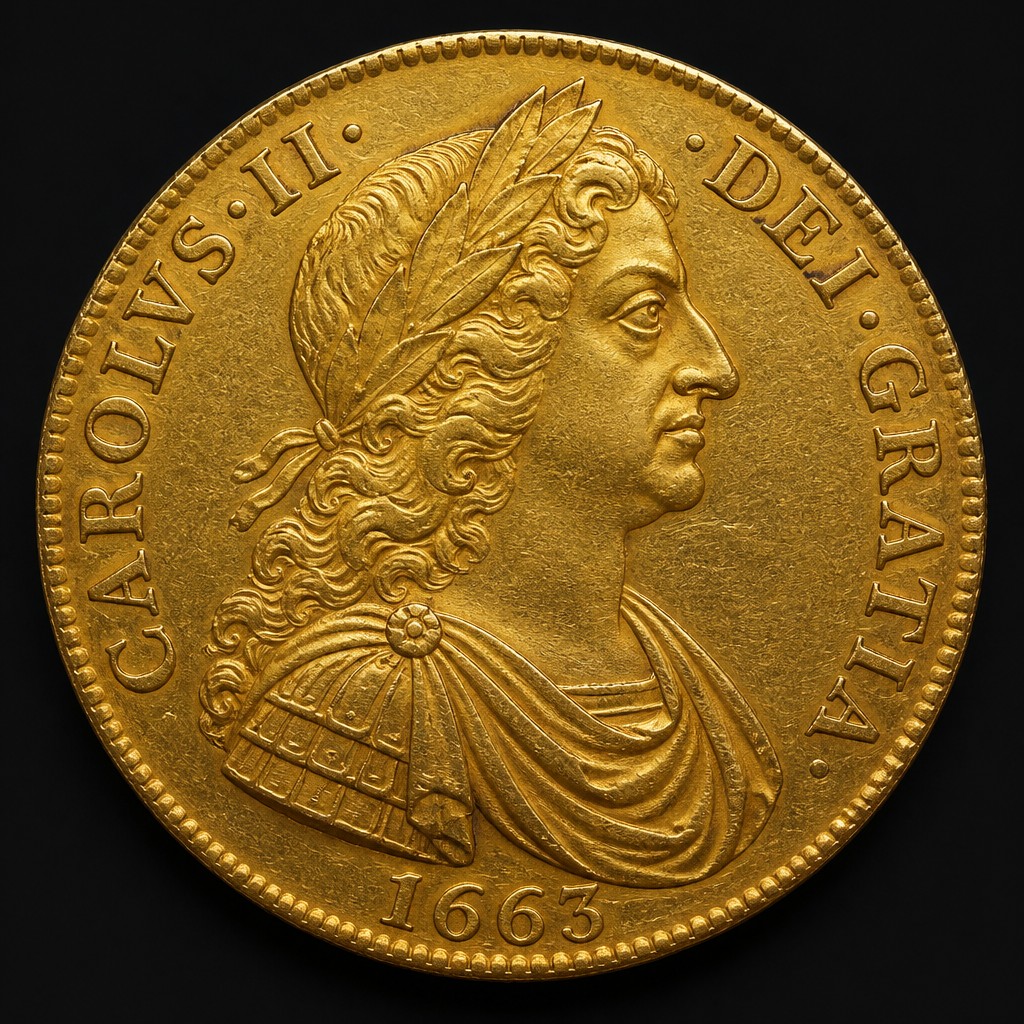
British Guinea
1663–1814
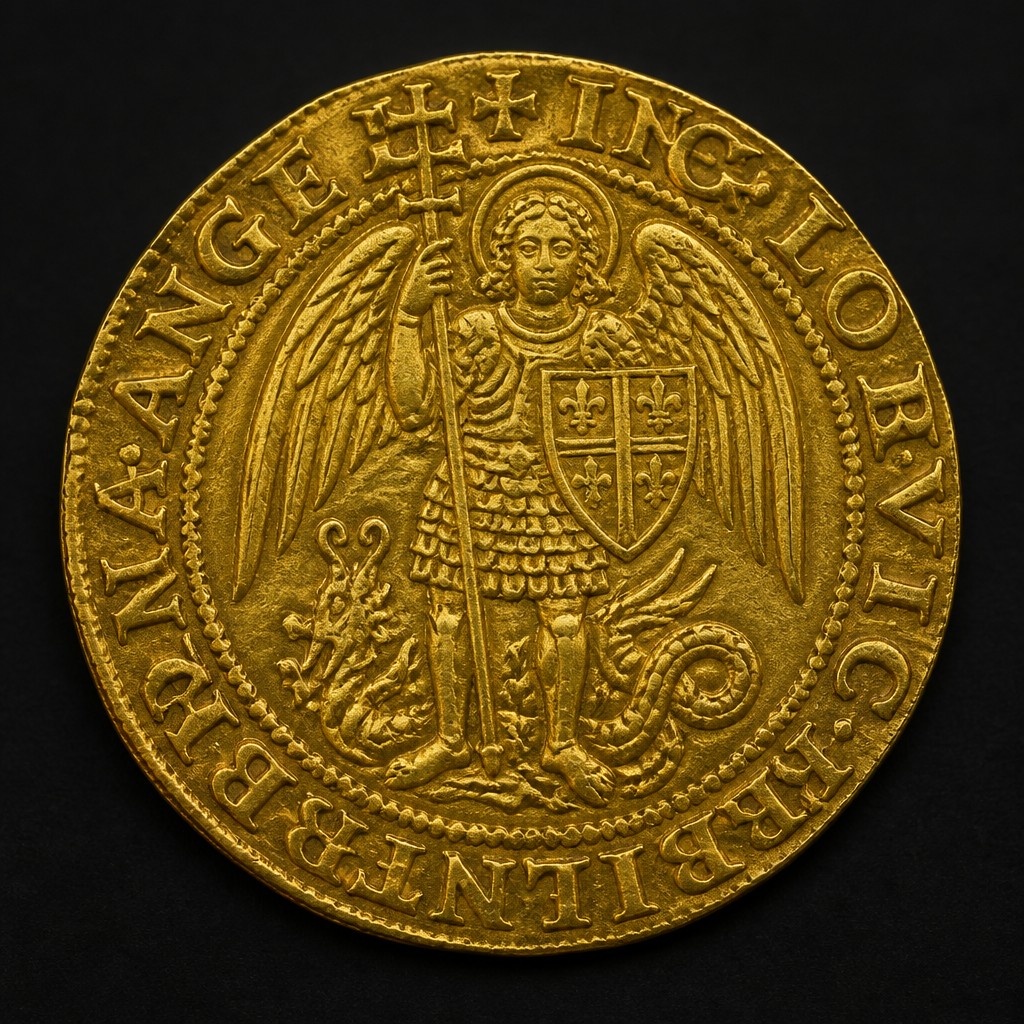
English Angel
1465–1642
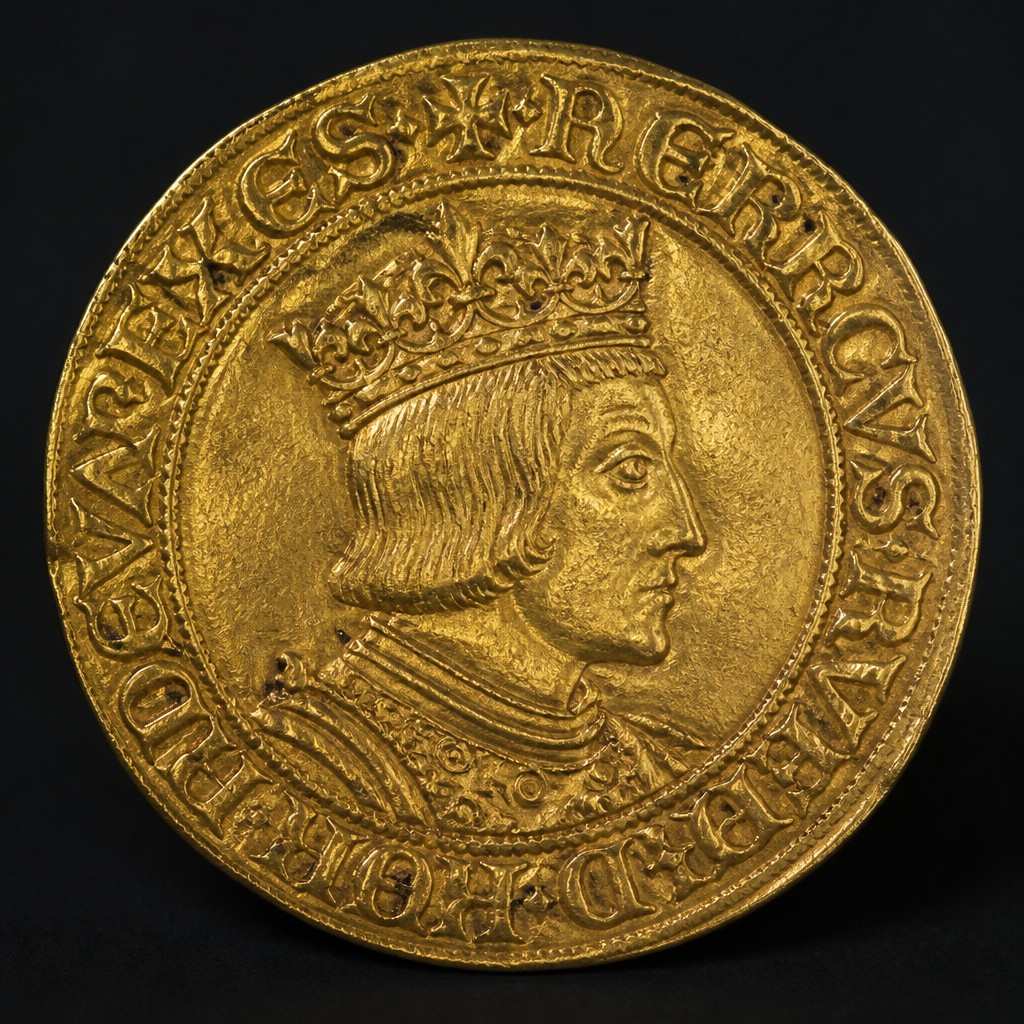
English Sovereign of Henry VII
1489–1509
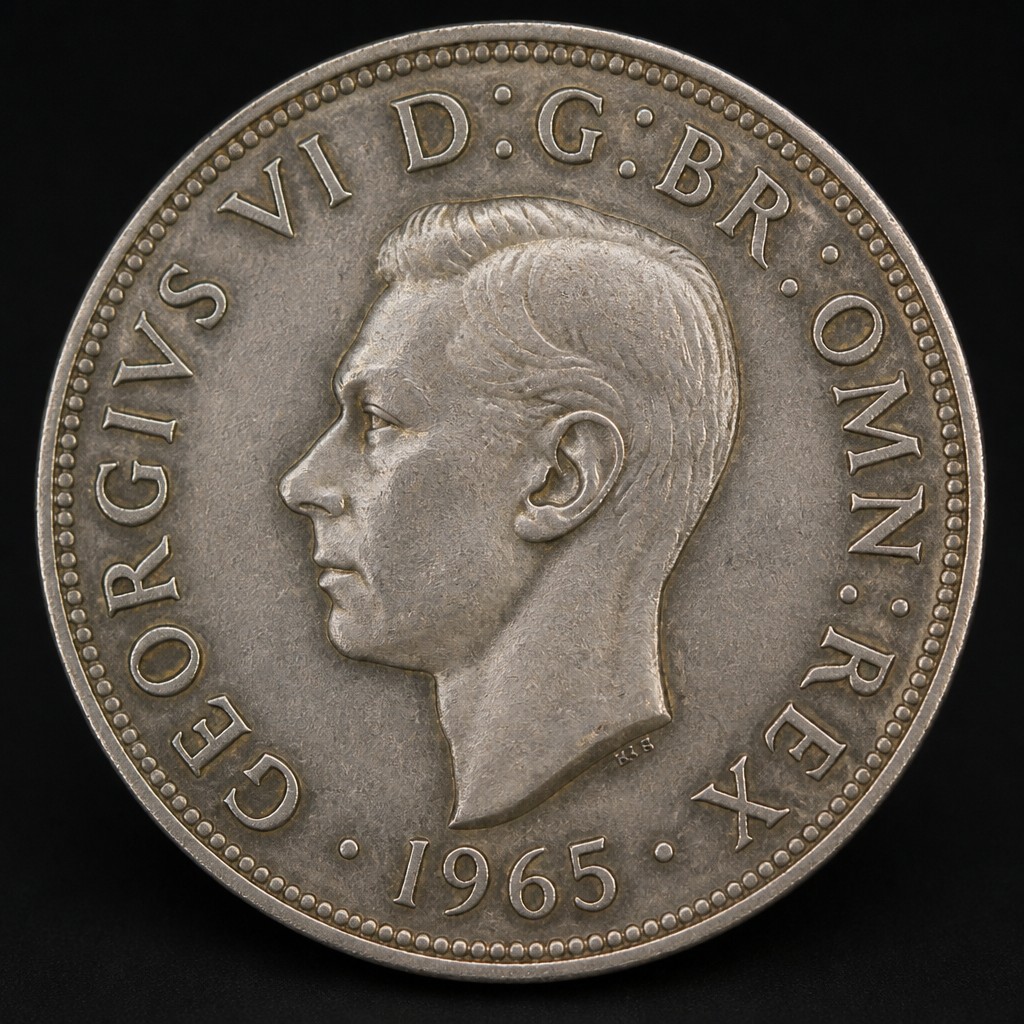
English Crown
1526–1965 (pre-decimal; commemorative crown-sized coins continue as five pound coins)
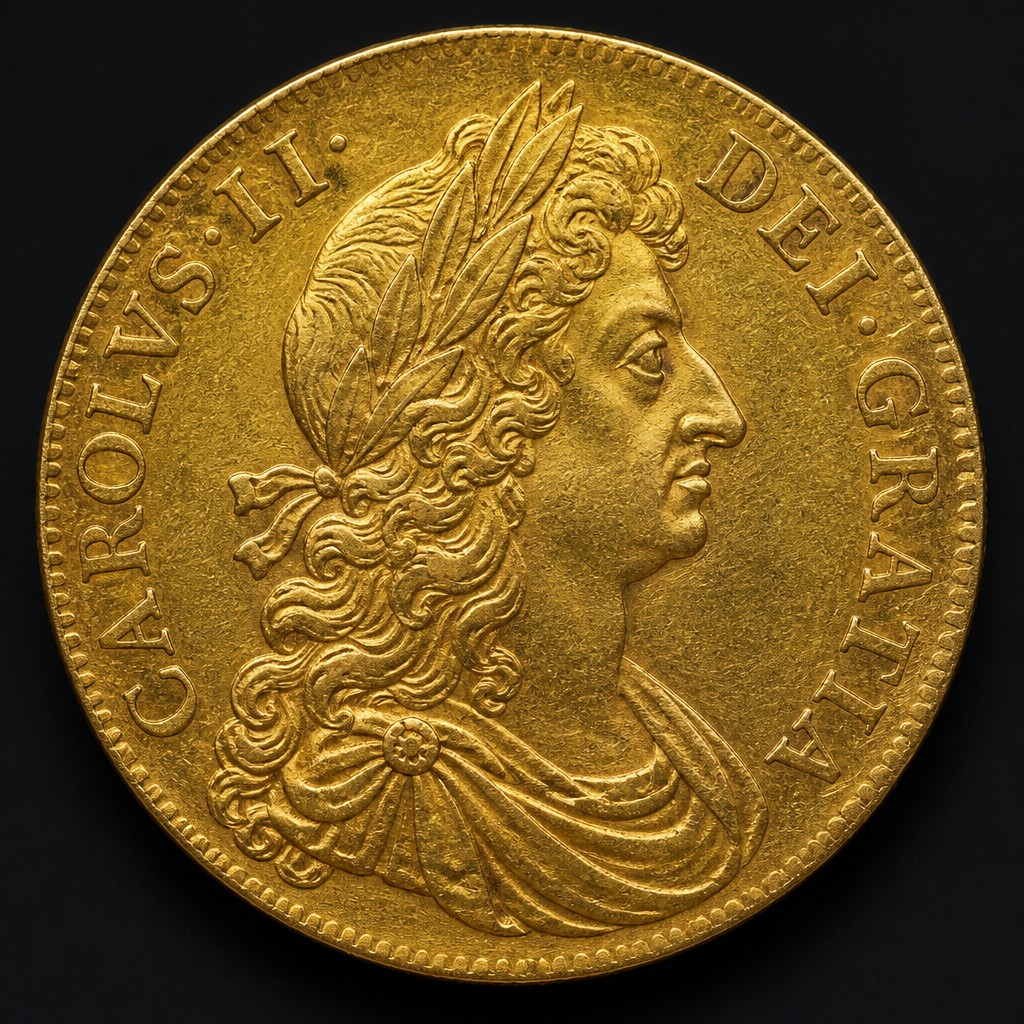
British Gold Guinea
1663–1814
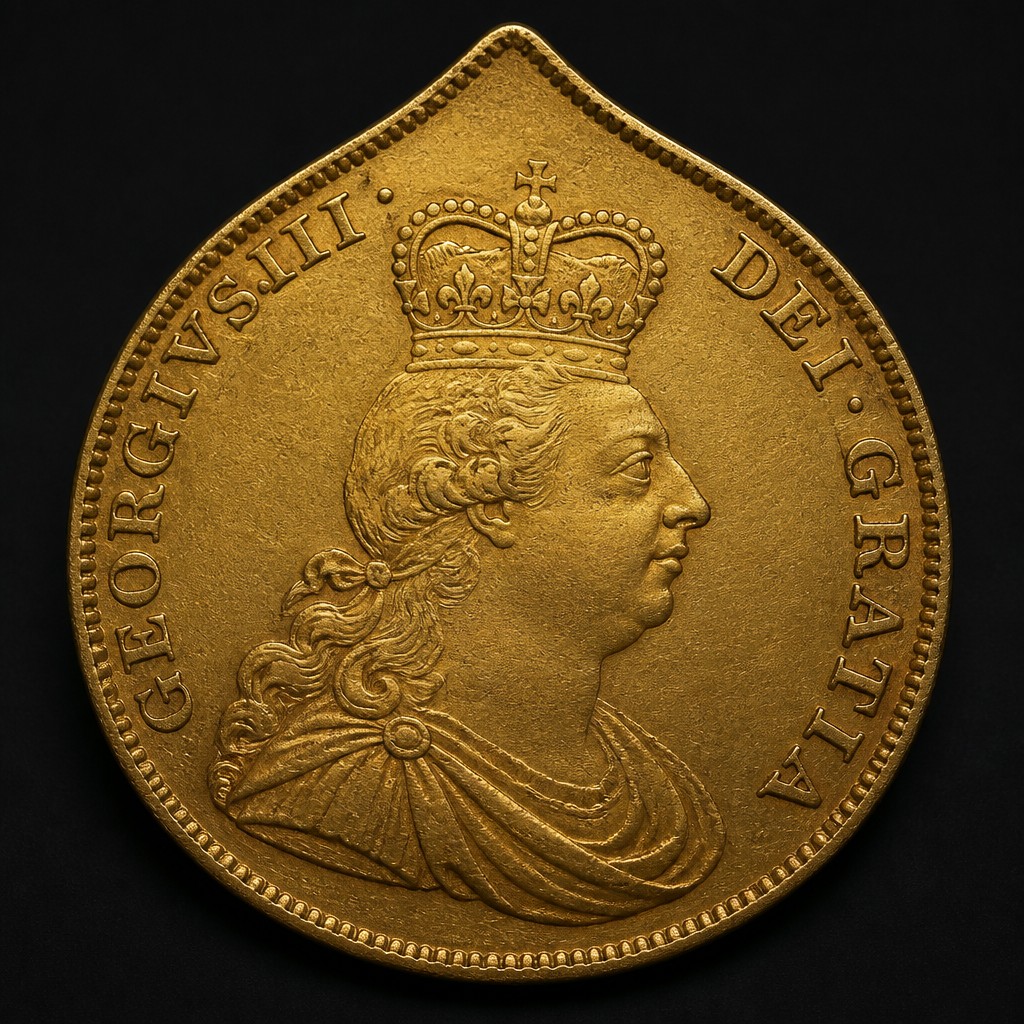
Spade Guinea
1787–1799
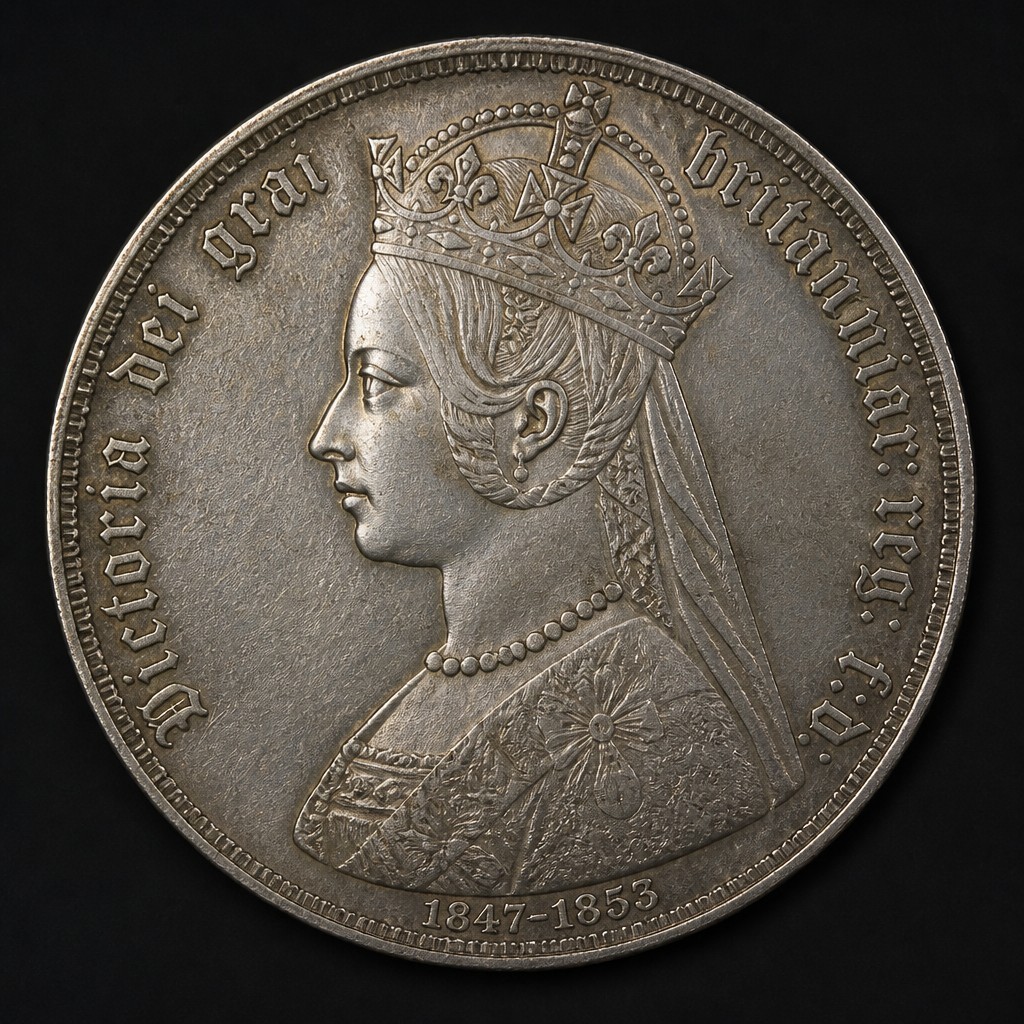
Gothic Crown
1847–1853
Groat (Fourpence)
1279–1888 (various revivals)
Farthing
13th century–1956
Halfpenny
c. 800s–1969
Five Pound Gold (Quintuple Sovereign)
1820–present (intermittent)
Threepence
1547–1970