
Coin Encyclopedia
Search and identify coins from around the world — with country, denomination, metal, mint, history, and how to tell them apart.
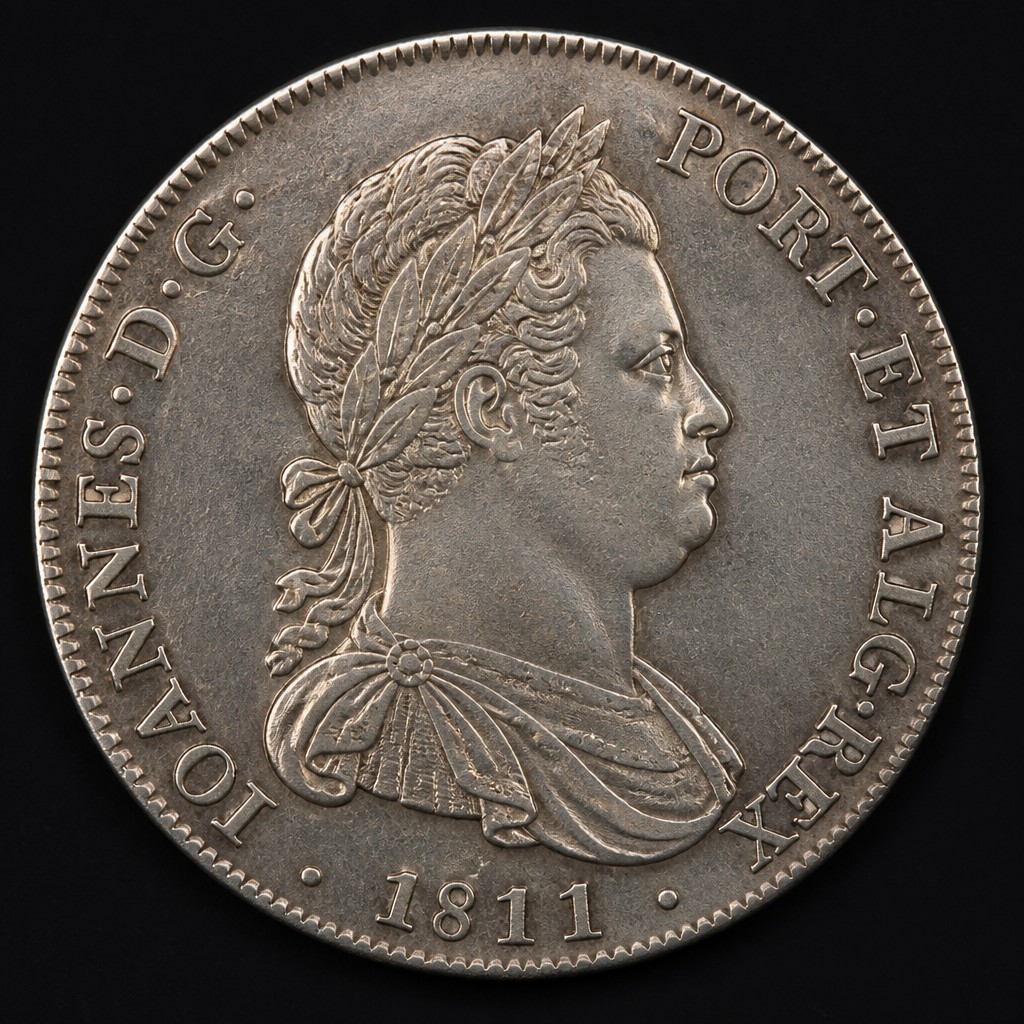
Brazilian 960 Reis Silver
A silver crown-sized coin struck in Brazil under Prince Regent João and later Pedro I, famous for often being overstruck directly on circulating Spanish colonial 8-reales pieces.
Latin American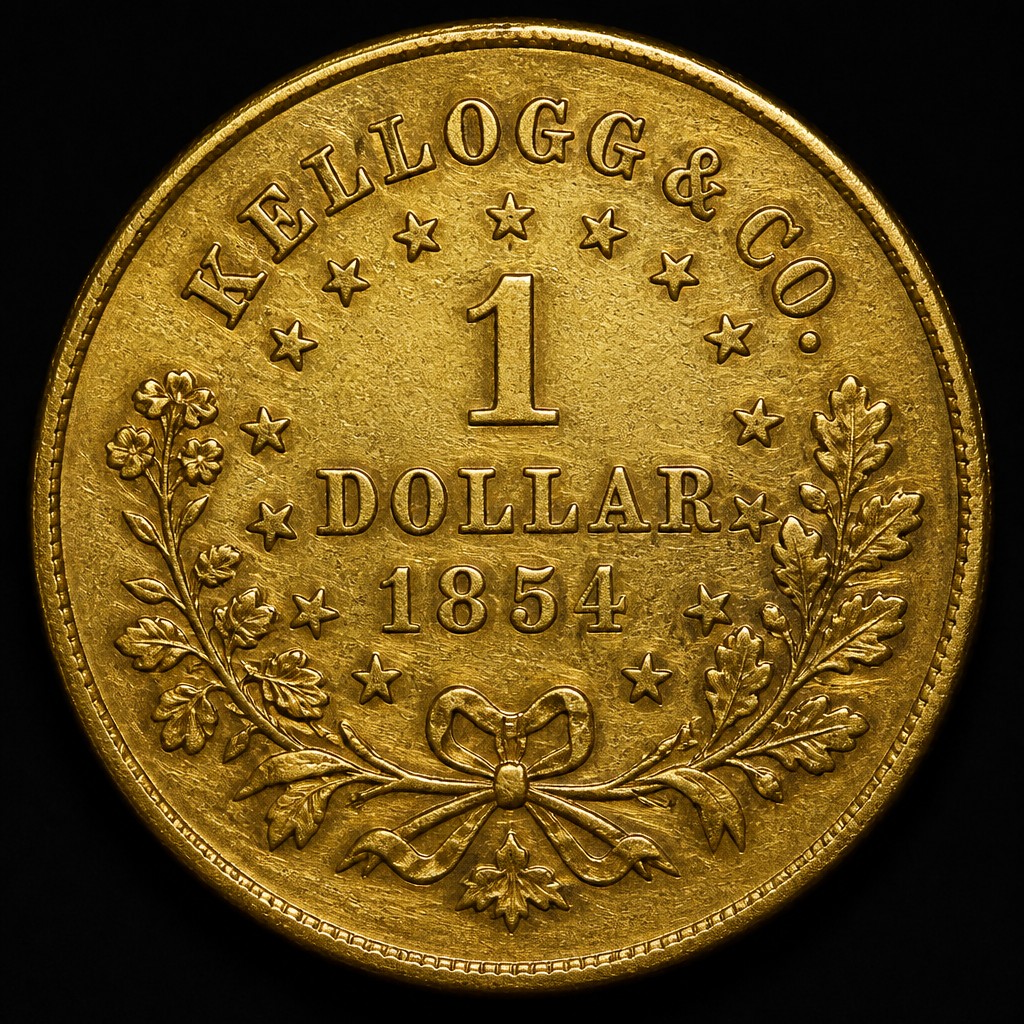
Kellogg & Co. Gold Piece
Private gold coinage struck by the San Francisco firm Kellogg & Co. during the California Gold Rush, including the famous octagonal fifty-dollar 'slug' of 1855, filling a shortage of circulating coin.
United States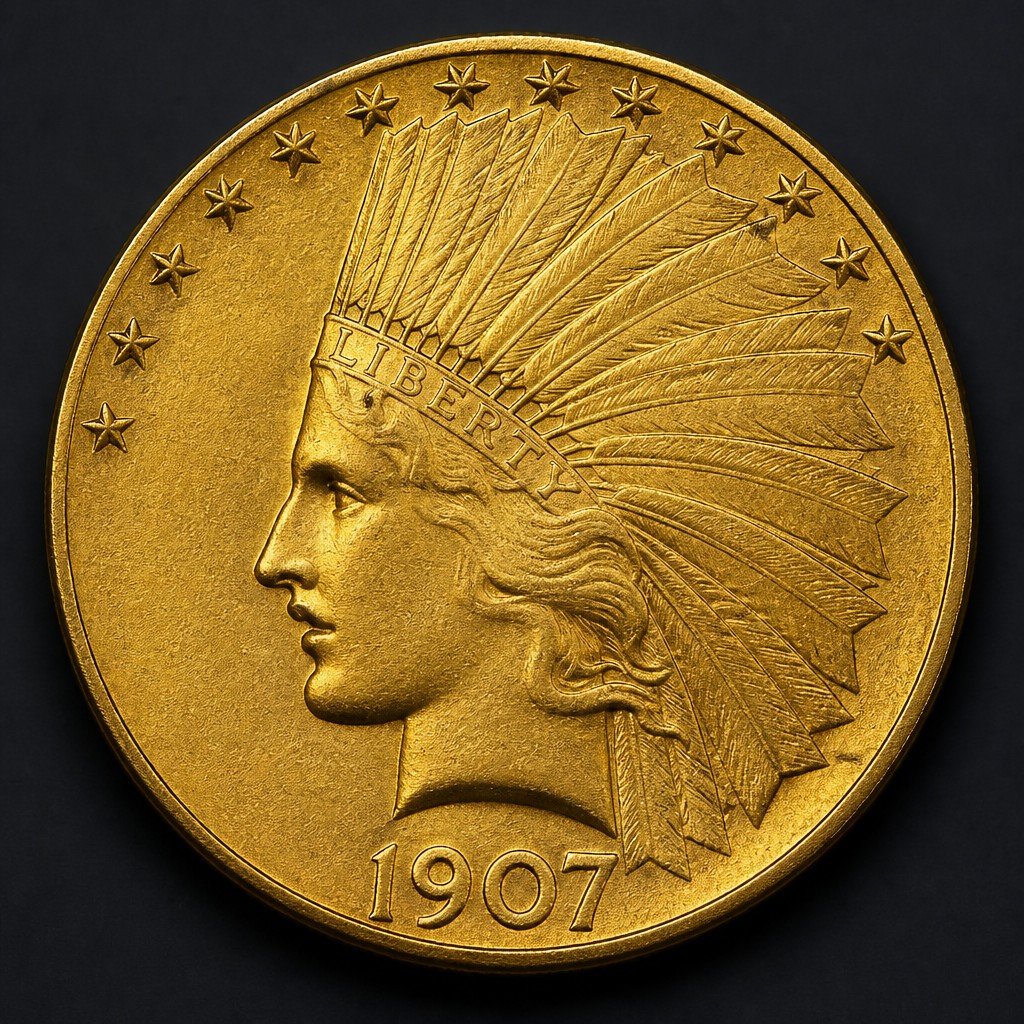
Indian Head Gold Eagle ($10)
A striking early 20th-century $10 gold coin designed under President Theodore Roosevelt's coinage renaissance, featuring an incuse (recessed) design and a Native American-style Liberty portrait.
United States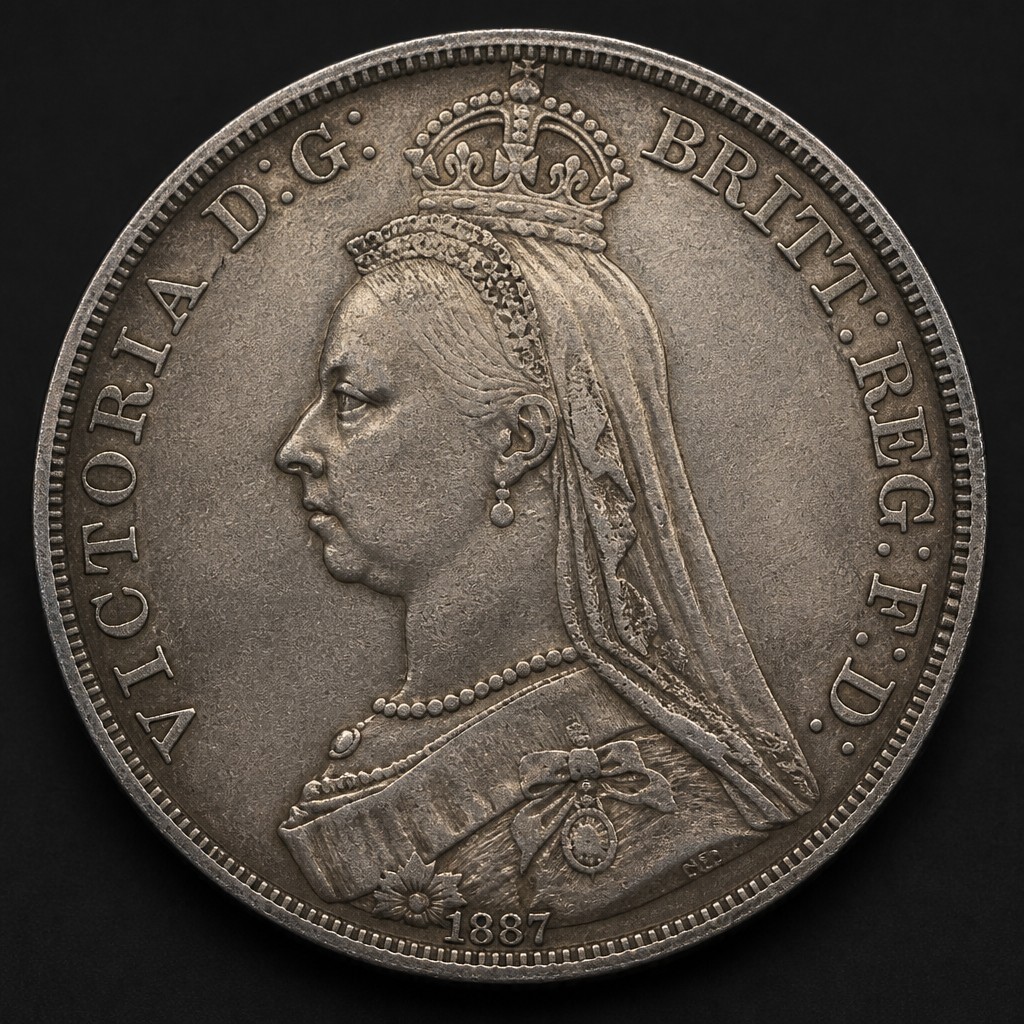
Double Florin
A large Victorian silver coin worth four shillings, struck for only four years; its close resemblance in size to the crown and half-crown caused everyday confusion and gave it a lasting nickname.
British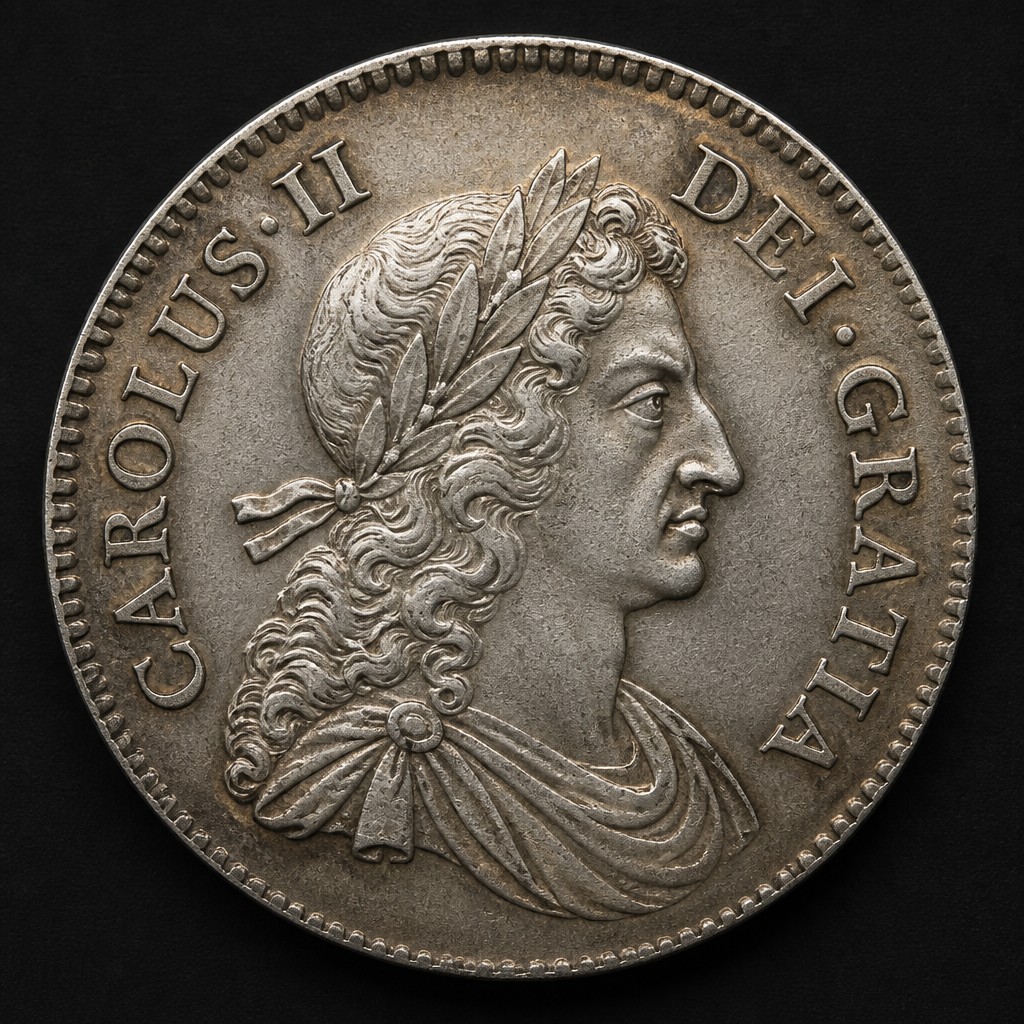
Maundy Penny
The smallest coin of the four-piece Royal Maundy set, a tiny silver penny given by the British monarch in an ancient Holy Thursday alms ceremony, minted every year in very limited numbers.
British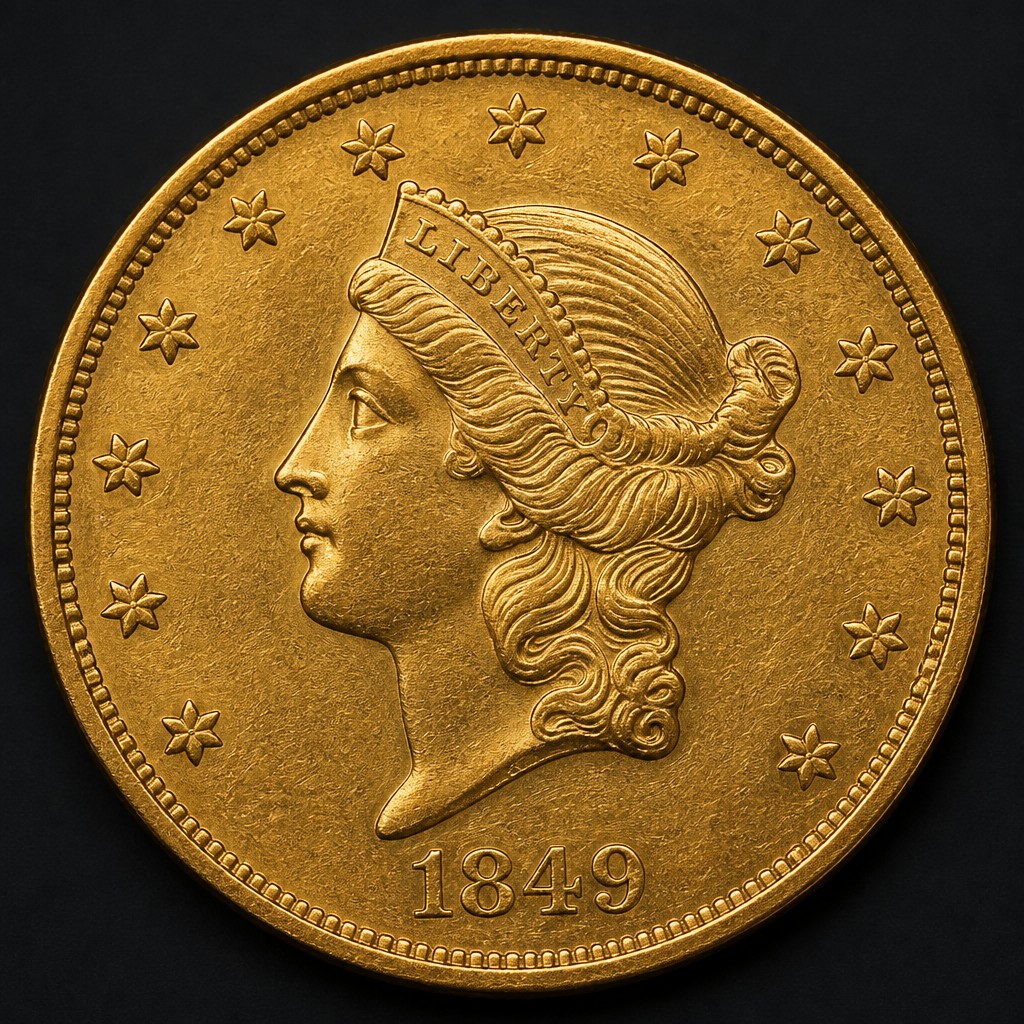
1849 Double Eagle
A unique pattern coin, the very first double eagle ever struck by the U.S. Mint, made to test the newly authorized twenty-dollar denomination; the sole surviving example is held by the Smithsonian.
United States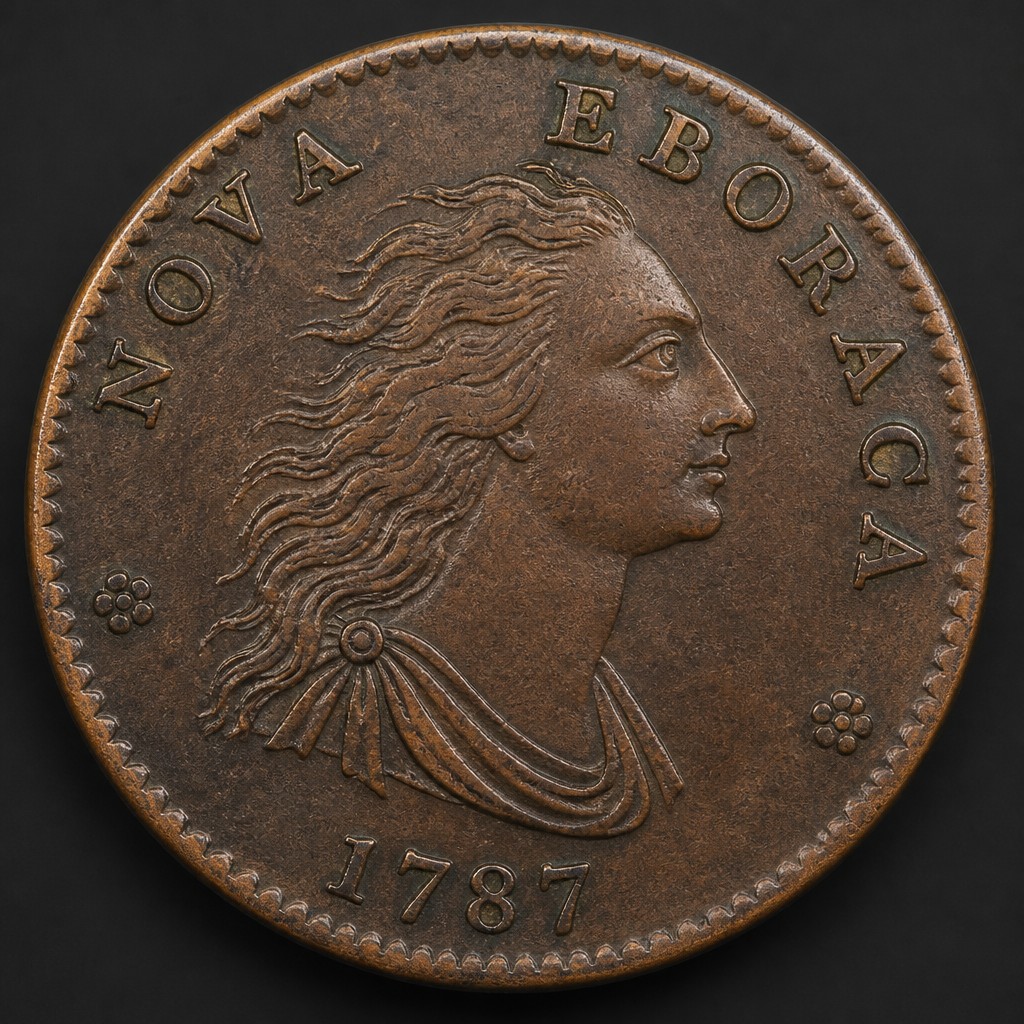
Nova Eborac Copper
A 1787-dated copper bearing the Latin name for New York, struck privately after the state failed to authorize its own copper coinage contract during the chaotic Confederation-era coin shortage.
United States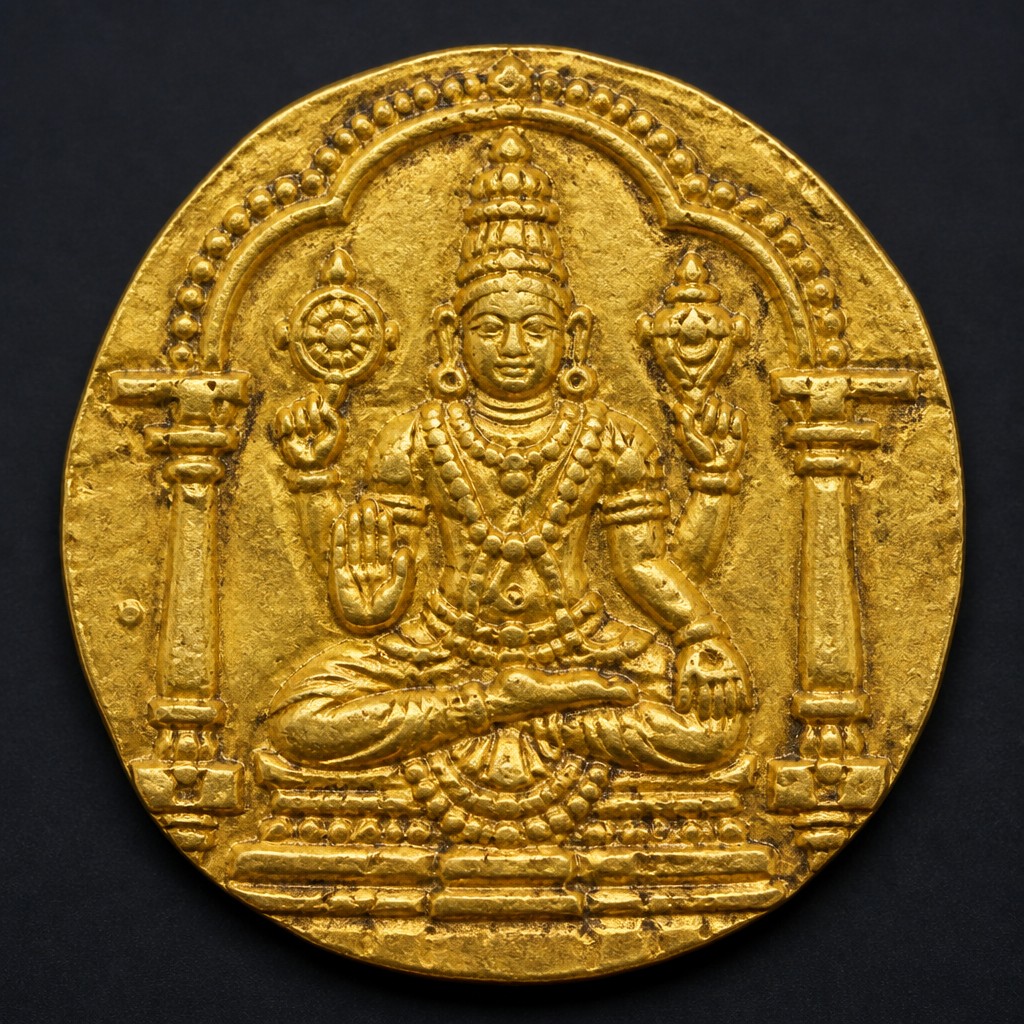
Vijayanagara Gold Pagoda
A small, thick gold coin of the South Indian Vijayanagara Empire, typically showing Hindu deities or a bull, whose type became so trusted it was widely imitated as the standard South Indian trade "pagoda."
Asian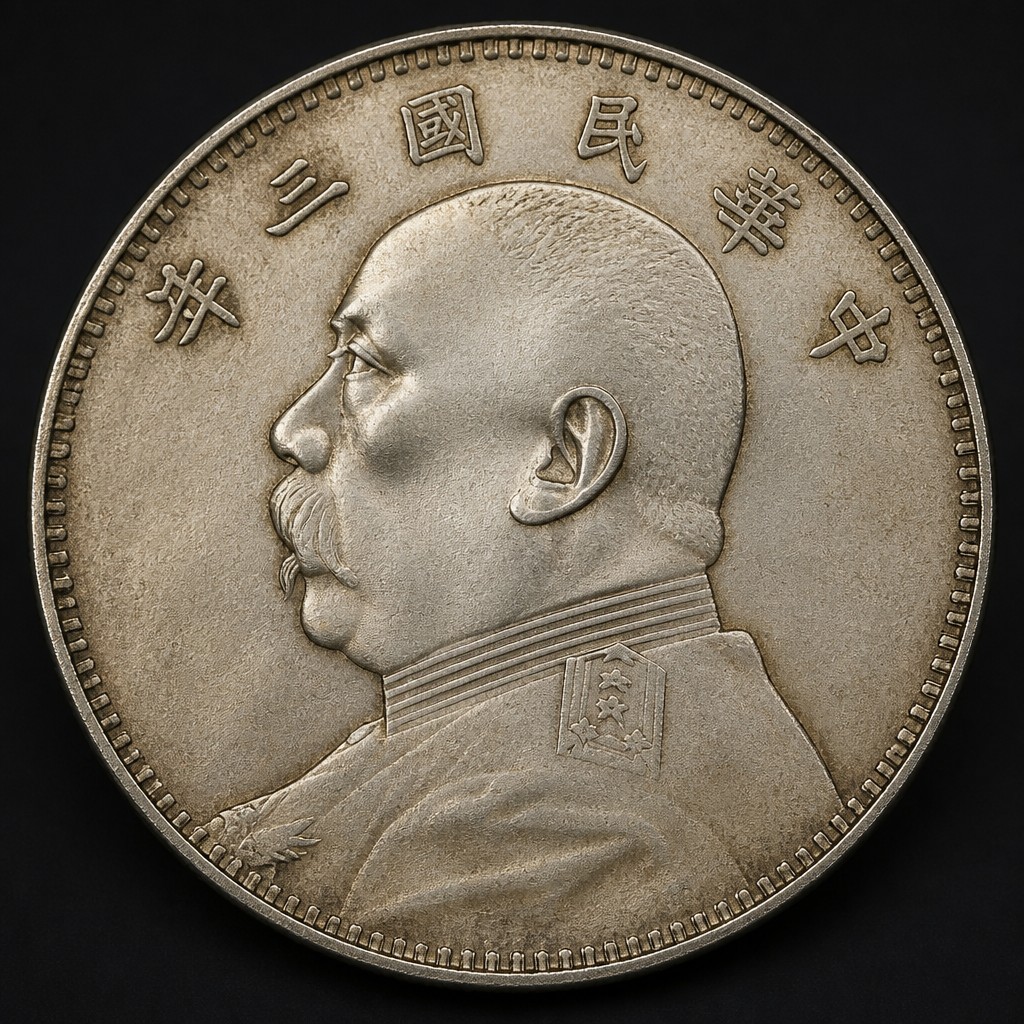
Yuan Shikai 'Fatman' Dollar (1914)
A widely produced Republic of China silver dollar bearing the portrait of President Yuan Shikai, nicknamed the fat man dollar for his portly likeness, one of the most common historic Chinese silver coins.
Asian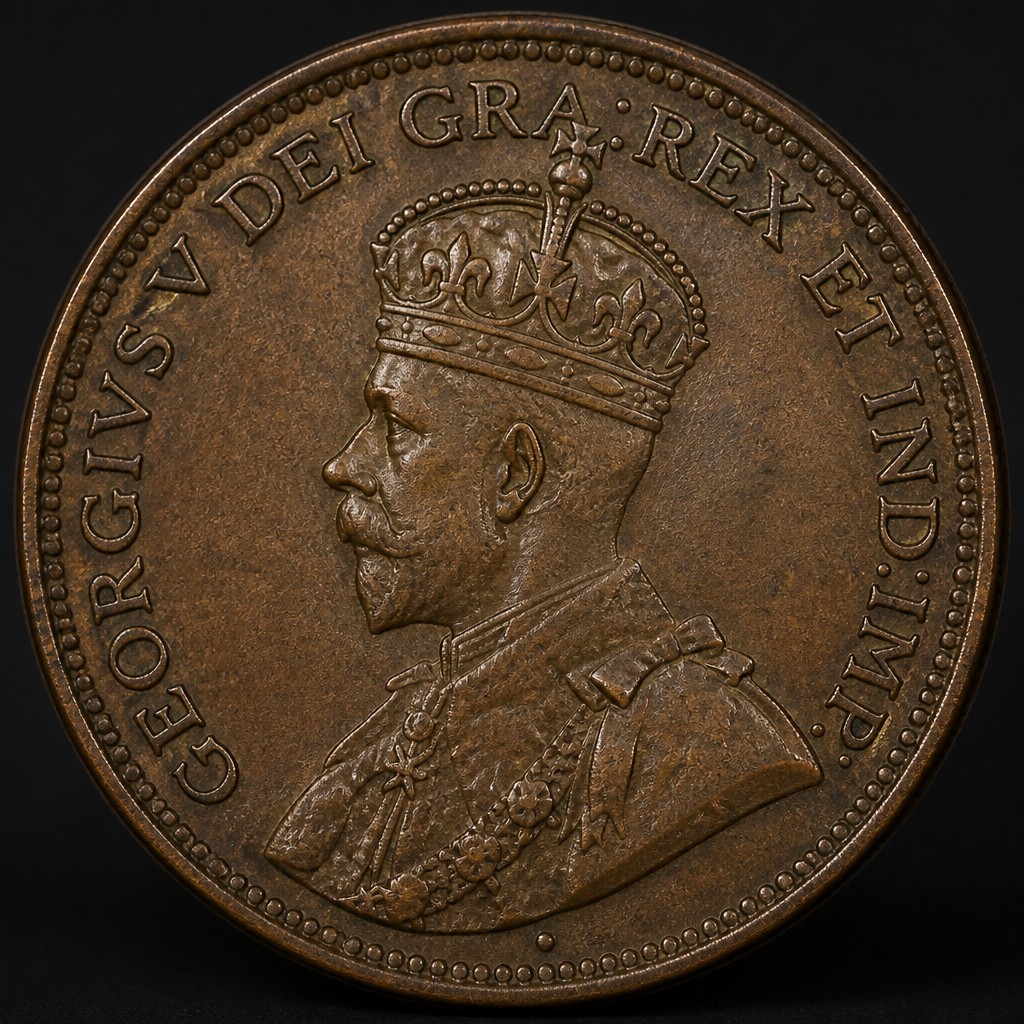
1936 Dot Cent
One of Canada's rarest coins: a 1936-dated cent quietly struck in 1937 with a tiny raised dot below the date after King Edward VIII's abdication delayed new George VI dies.
Canadian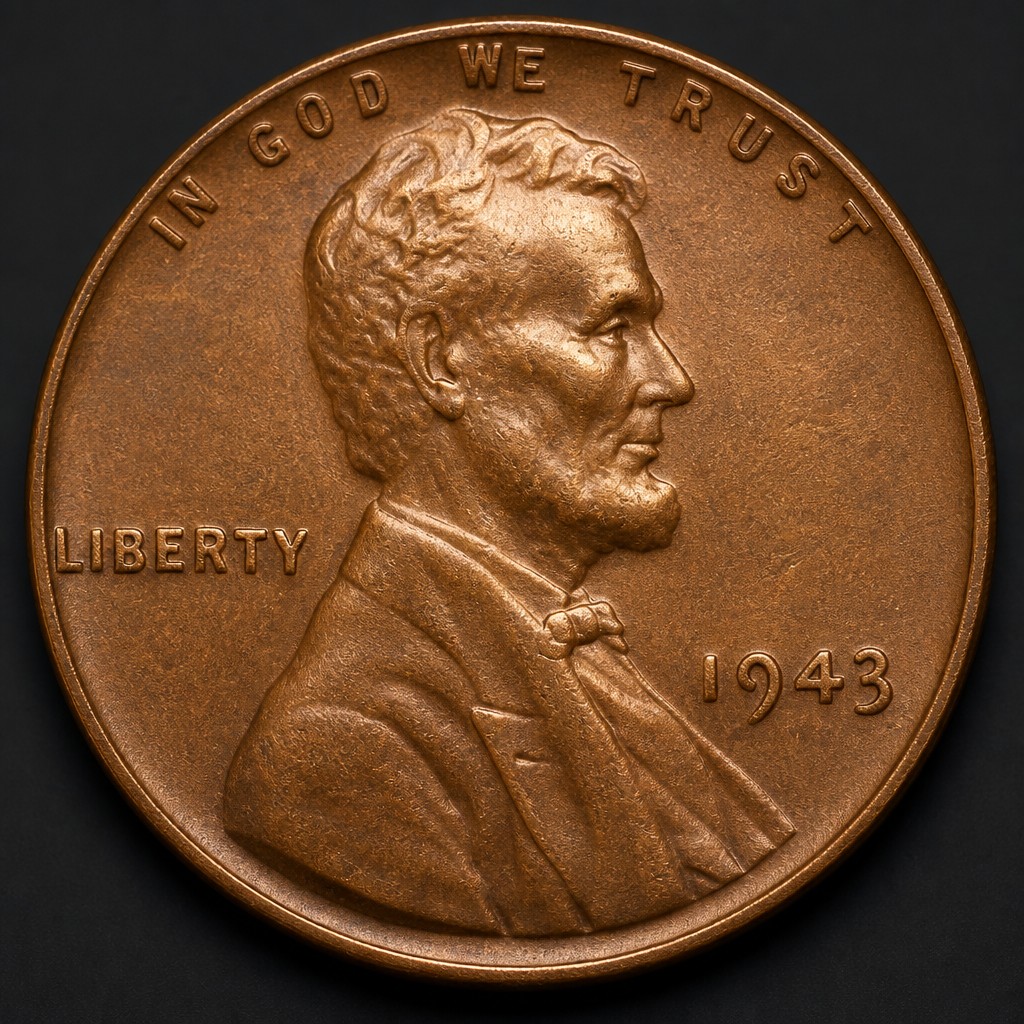
1943 Copper Lincoln Cent
An extremely rare mint error where a handful of 1943 cents were struck on leftover bronze planchets instead of the wartime steel used that year, making it one of the most famous US coin errors.
Errors & Varieties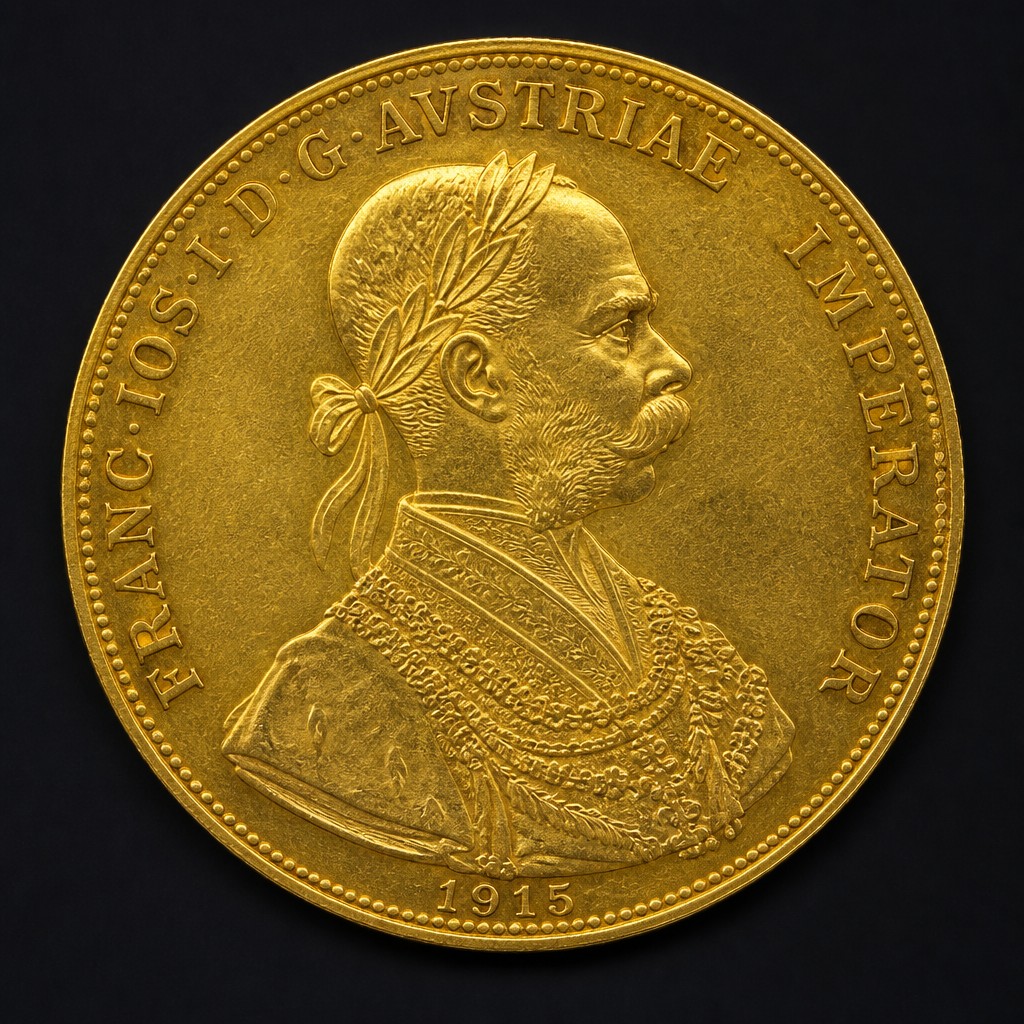
Austrian 4 Ducat Gold
The Austrian 4 Ducat is a large, high-purity gold coin historically used for trade and hoarding, best known today through the officially restruck 1915-dated pieces still produced for the bullion market.
European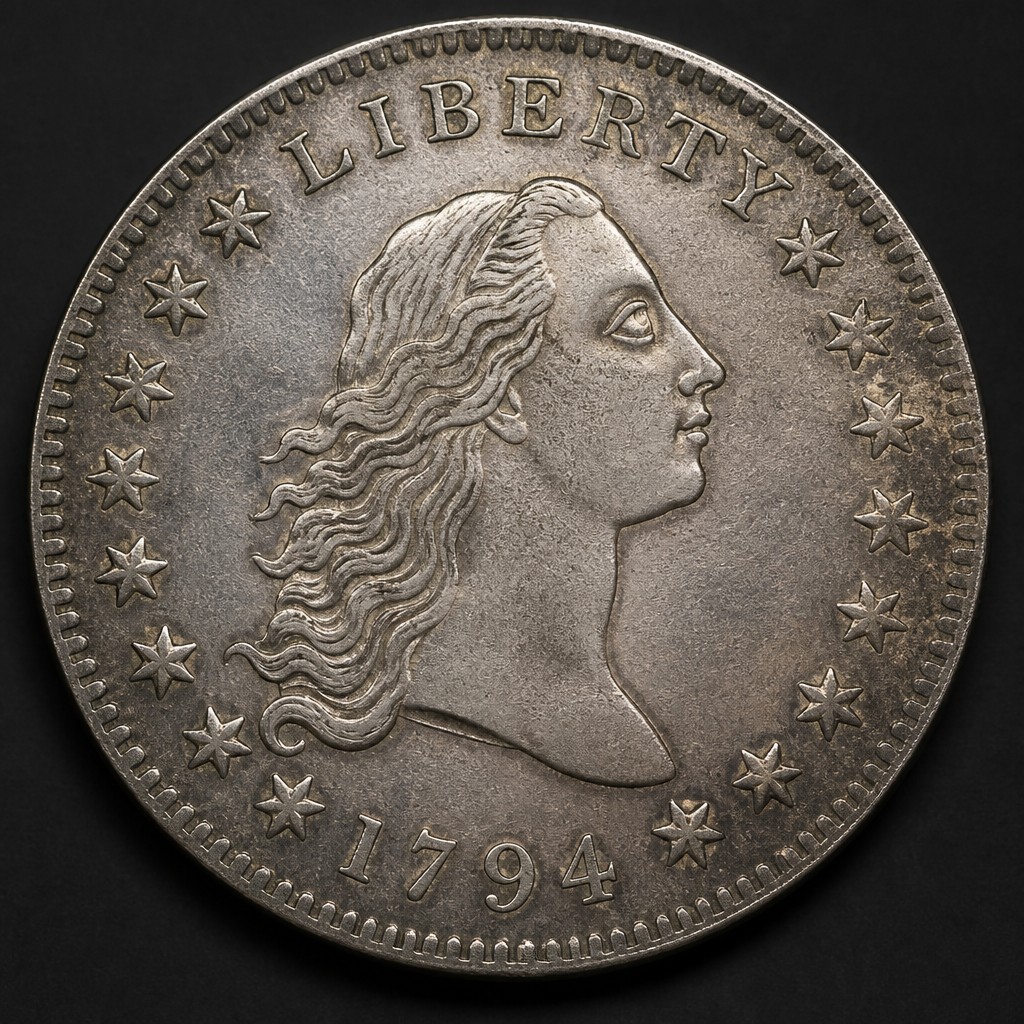
Flowing Hair Dollar
The first silver dollar struck by the United States Mint, issued in 1794-1795 with a flowing-haired Liberty and small eagle reverse; the 1794 date is among the rarest and most valuable U.S. coins.
United States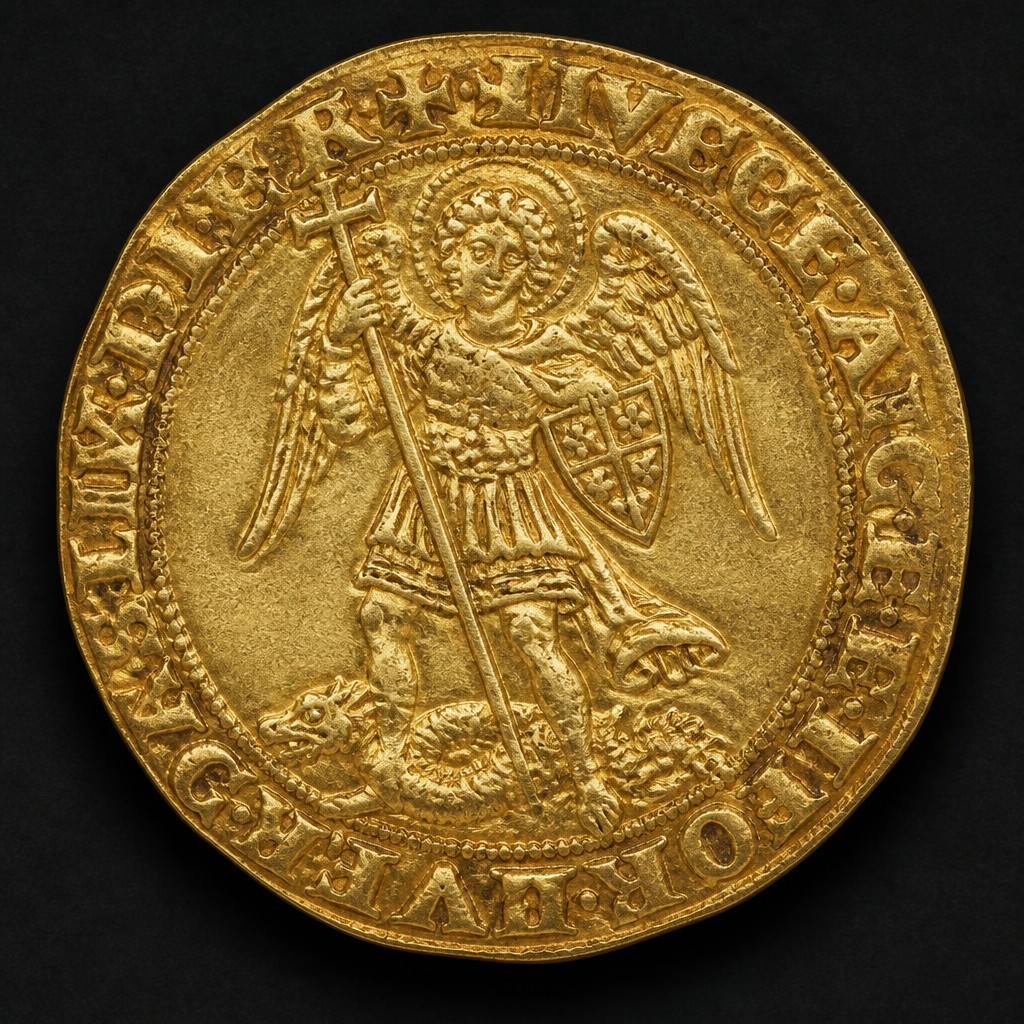
Half Angel (Angelet)
A small English gold coin worth half the value of the Angel, sharing its famous design of the Archangel Michael slaying a dragon, issued across several reigns from Edward IV to James I.
British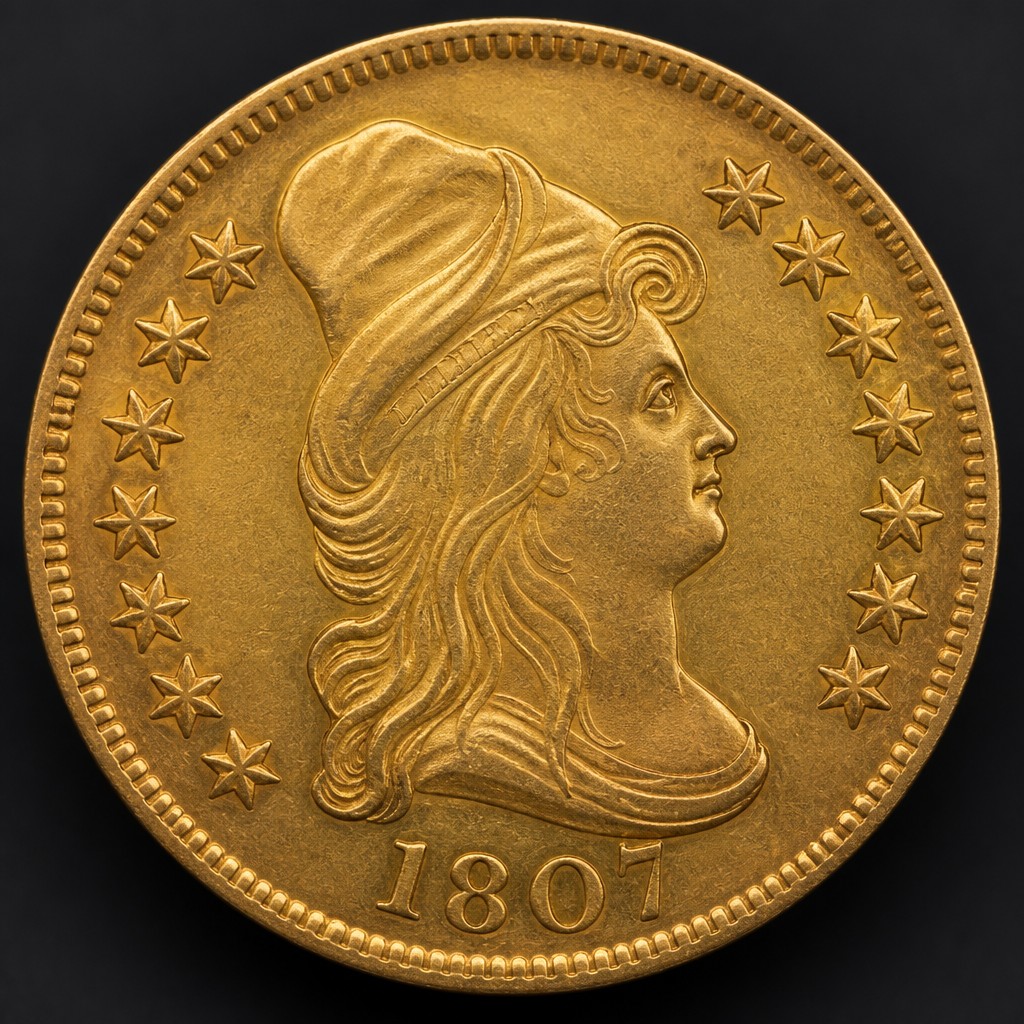
Capped Bust Right Half Eagle
America's first five-dollar gold coin, struck 1795-1807 with Liberty facing right under a soft cap, first paired with a small perched eagle reverse and later a bold heraldic eagle.
United States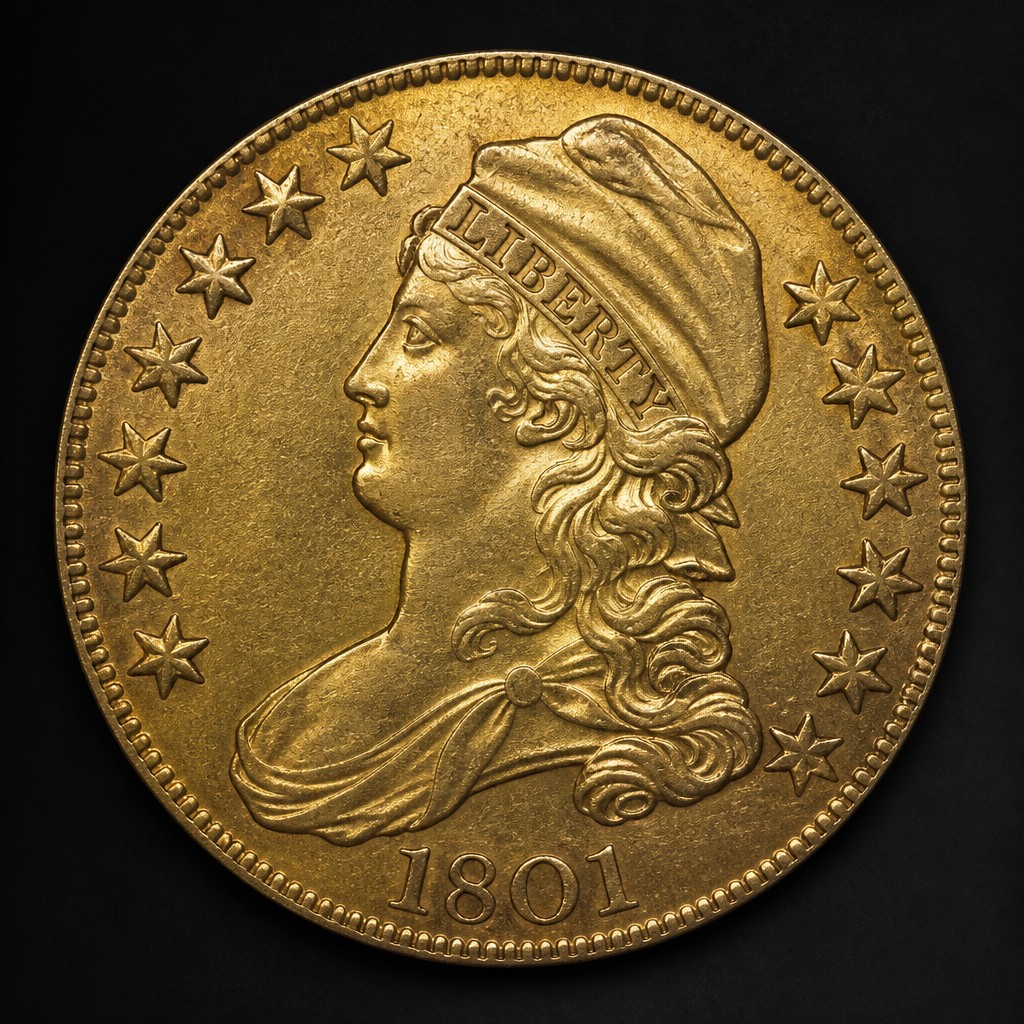
Turban Head Eagle
The first U.S. $10 gold coin, struck 1795-1804 and nicknamed 'Turban Head' for Liberty's cap-like headdress; the earliest examples pair her portrait with a small, spread-winged eagle.
United States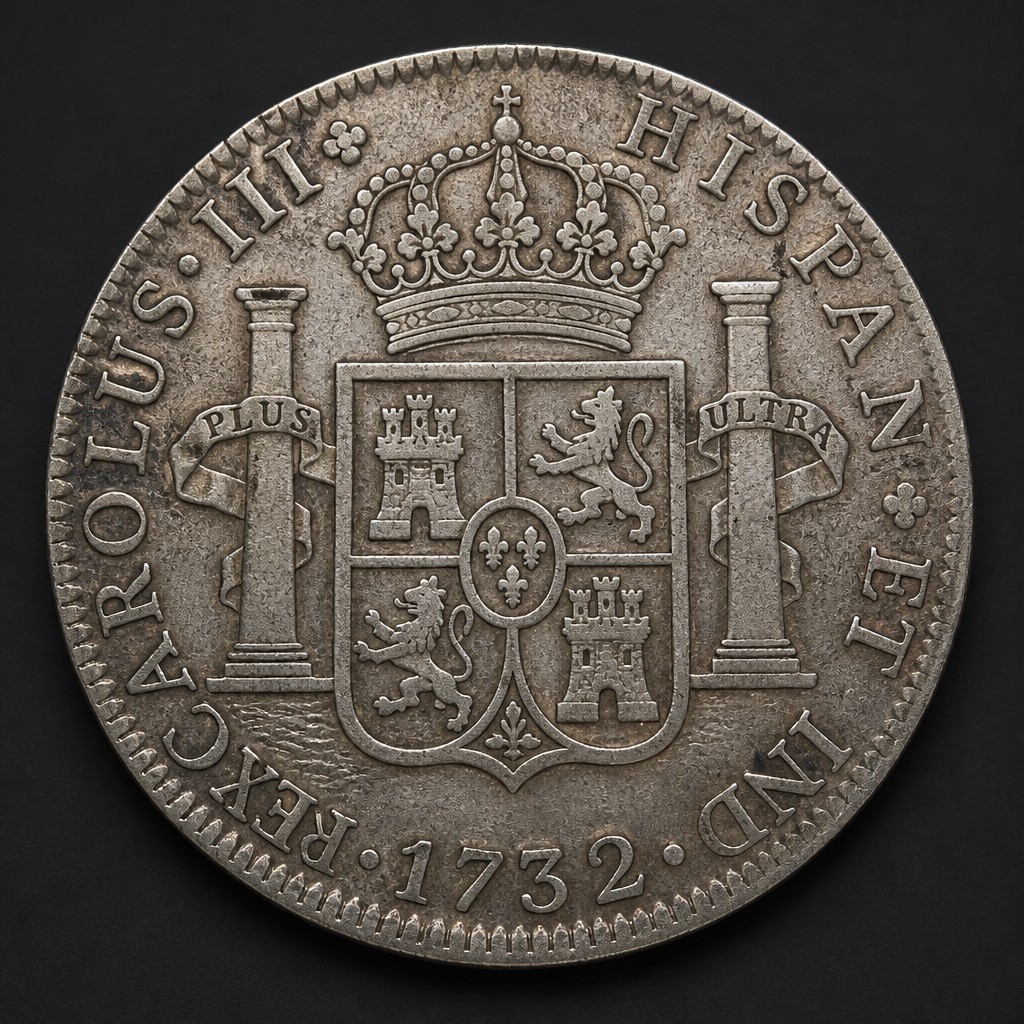
Mexican 8 Reales Pillar Dollar
Minted in colonial Mexico City from 1732 to the early 1770s, the pillar dollar's crowned globes and Pillars of Hercules design made it one of the most widely trusted silver trade coins in the world.
Latin American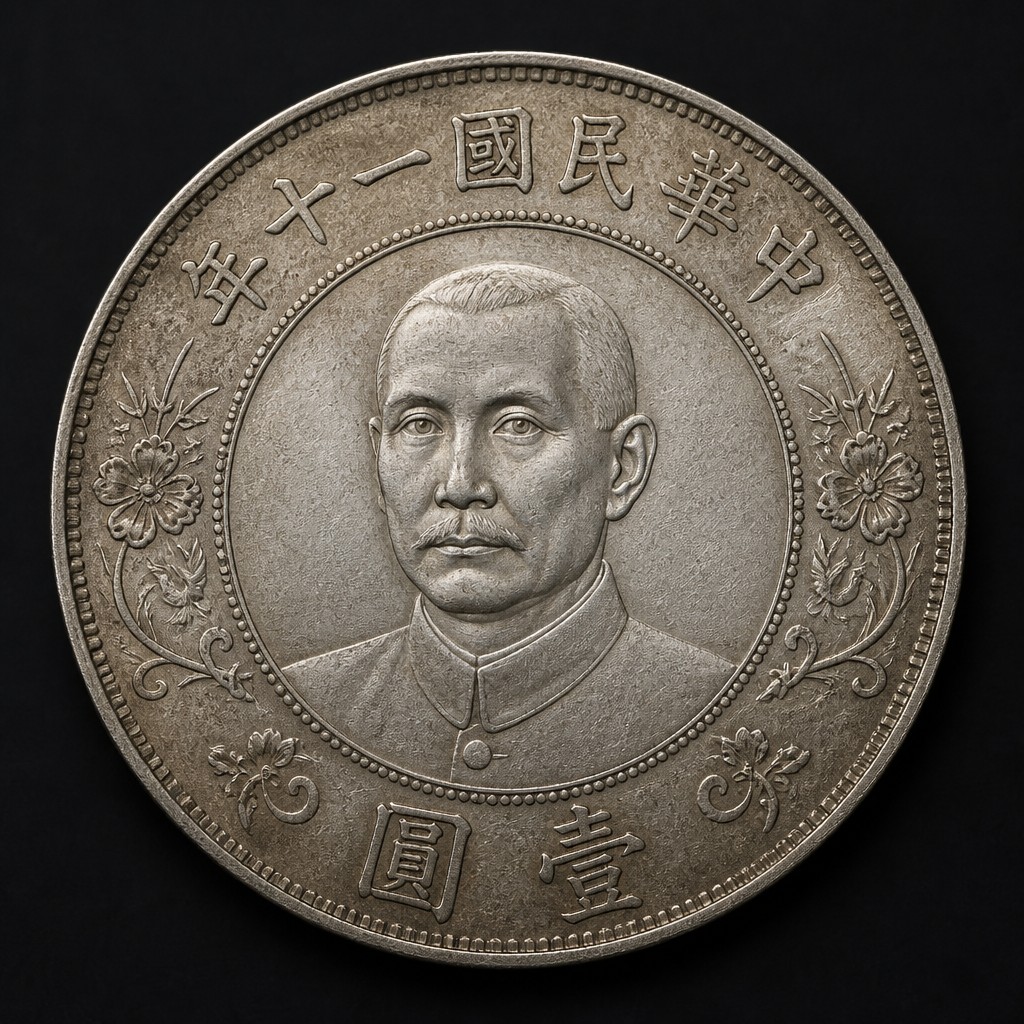
Sun Yat-sen Memorial Dollar (Junk Dollar)
A Republic of China silver dollar honoring founding father Sun Yat-sen, nicknamed the junk dollar for its reverse image of a traditional Chinese sailing ship, a widely collected 1930s Chinese coin.
Asian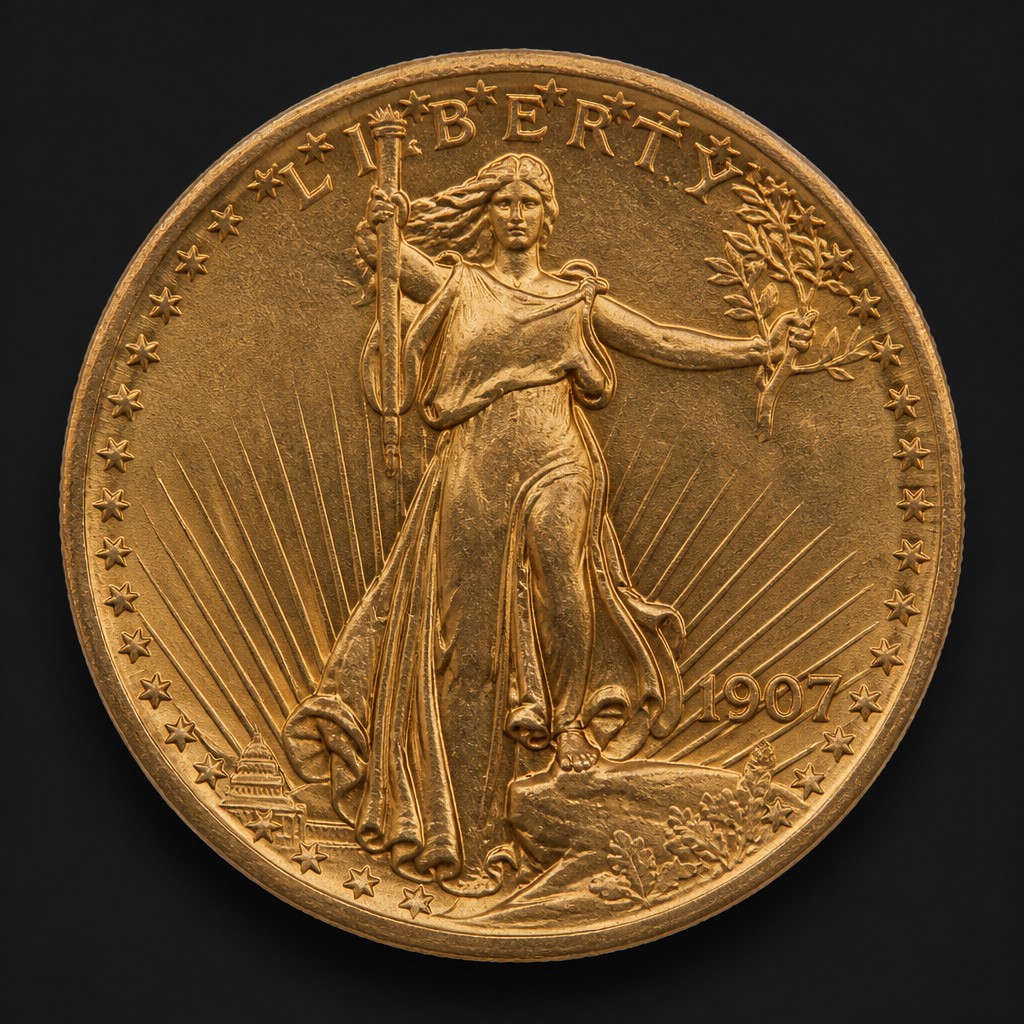
1907 High Relief Double Eagle
Sculptor Augustus Saint-Gaudens' original, dramatically high-relief double eagle design, struck in limited numbers in 1907 before being flattened for mass production; widely called America's most beautiful coin.
United States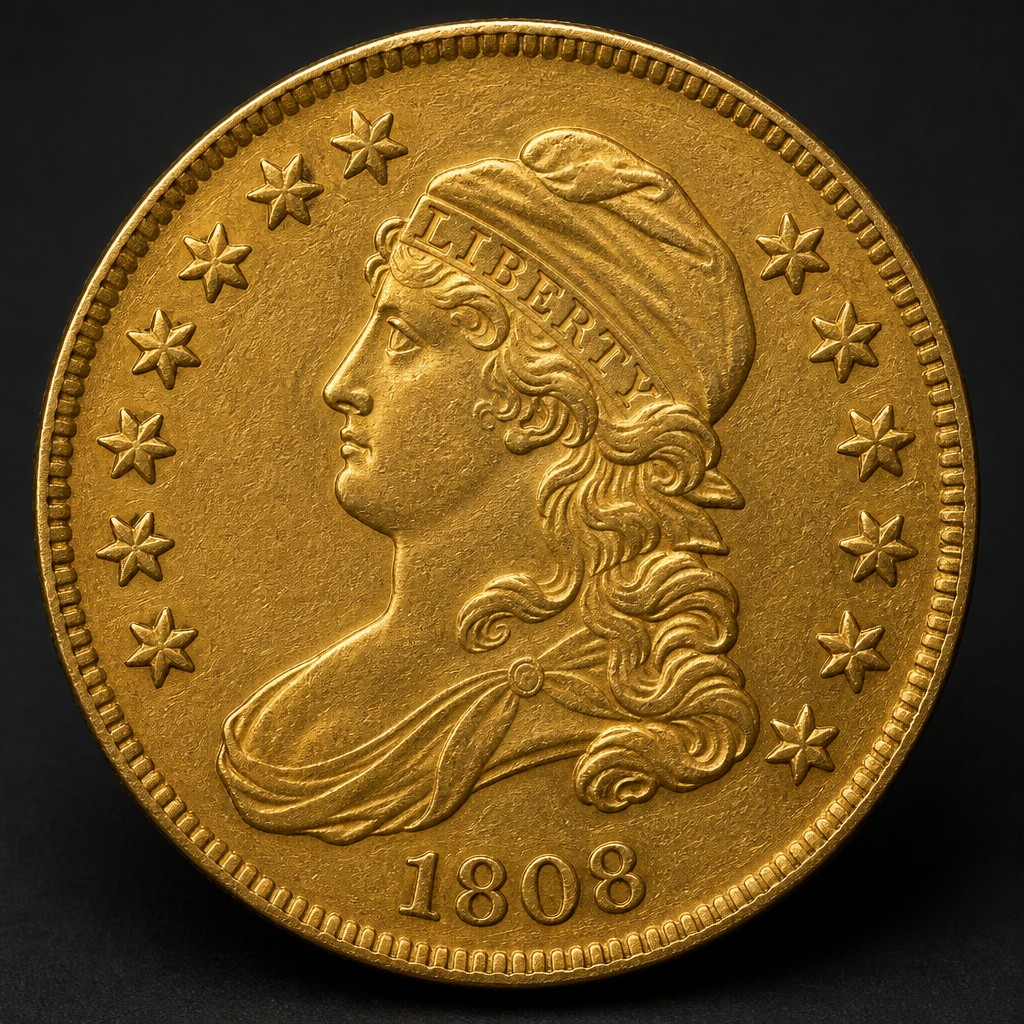
Capped Bust Quarter Eagle
An umbrella term for the earliest U.S. $2.50 gold coins (1796-1834), whose Liberty-in-a-cap portrait evolved through several sub-types, including the famous single-year 1808 issue.
United States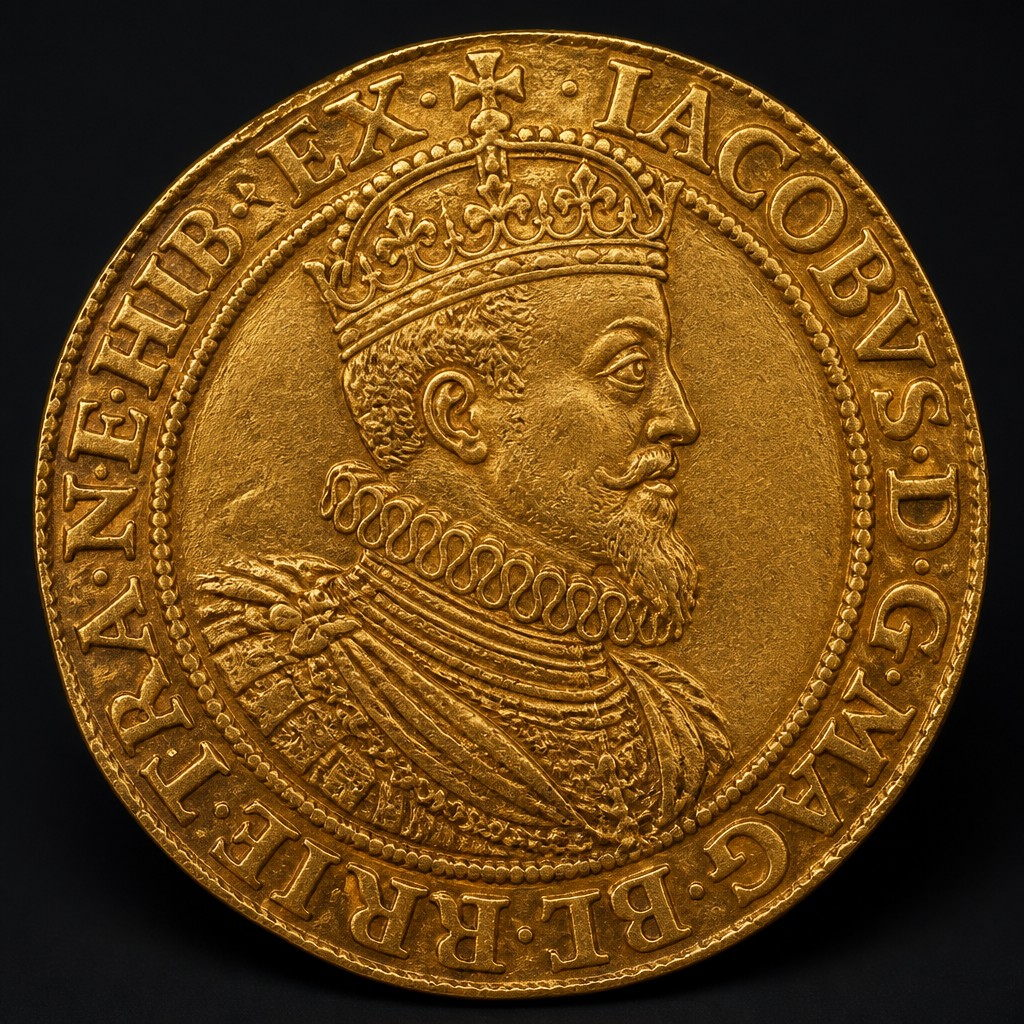
Half Crown Gold
A small gold coin worth half a gold crown, struck from the reign of Henry VIII through the English Civil War, distinct from the far more familiar silver half crown that circulated for centuries afterward.
British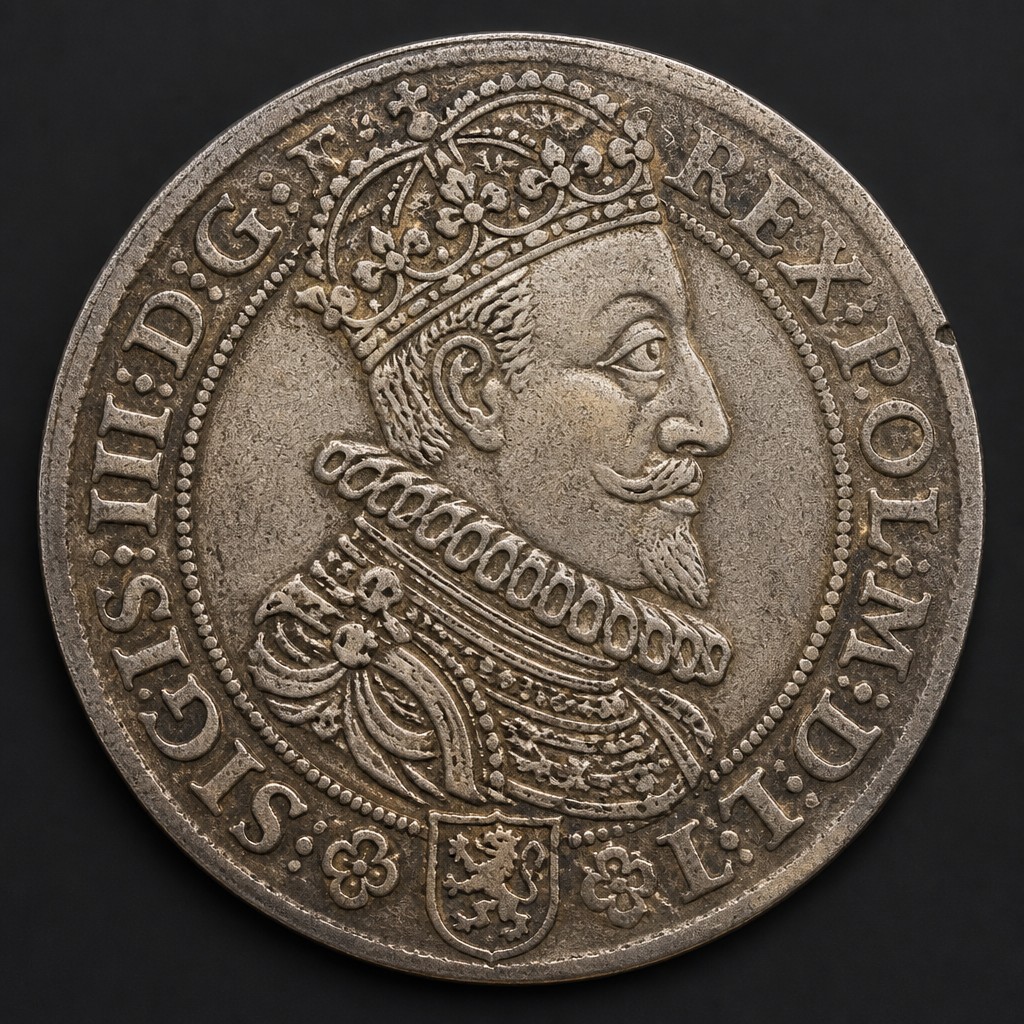
Polish-Lithuanian Thaler
The large silver trade coin of the Polish-Lithuanian Commonwealth, struck under successive kings from the 16th through 18th centuries, bearing royal portraits paired with the combined Polish eagle and Lithuanian Vytis arms.
European