
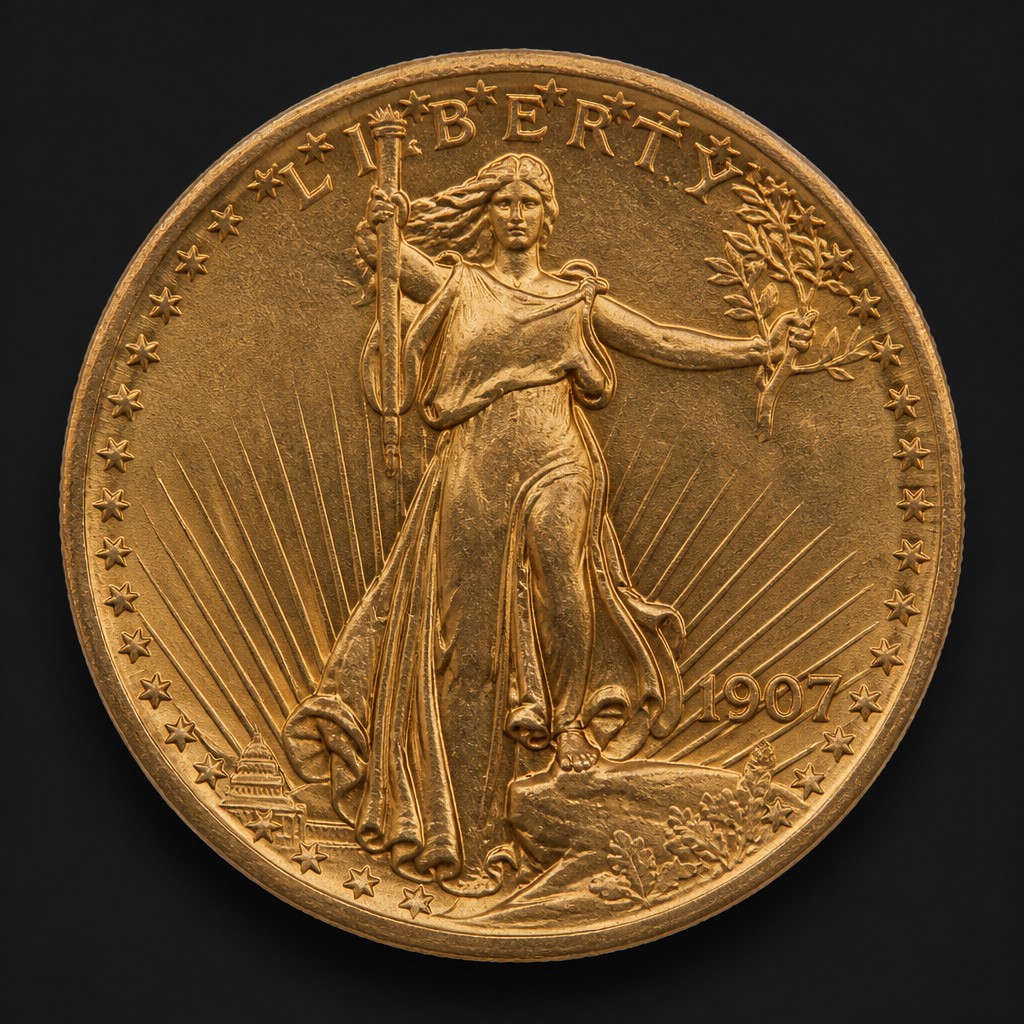
1907 High Relief Double Eagle
Sculptor Augustus Saint-Gaudens' original, dramatically high-relief double eagle design, struck in limited numbers in 1907 before being flattened for mass production; widely called America's most beautiful coin.
- Country
- United States
- Denomination
- Double Eagle ($20)
- Metal
- Gold (.900)
Got a coin like this?
Identify any coin from a photo, free.
Overview
The 1907 High Relief Double Eagle is a landmark U.S. gold coin, the original form of Augustus Saint-Gaudens' famous double eagle design commissioned by President Theodore Roosevelt to beautify American coinage. Its sculptural, deeply modeled relief made it a technical challenge to strike and impractical for everyday mass production, so only a limited number of coins were made before the design was modified to a lower relief for regular circulation.
Collectors and art historians alike regard it as one of the most beautiful coins ever produced by the U.S. Mint, and it is frequently cited as the pinnacle of American gold coinage of the era. The relief is so pronounced that the coin has a noticeably three-dimensional, almost medallic quality compared to ordinary circulating coinage.
Because of its low mintage relative to other double eagles and its exceptional artistic merit, it is one of the most desired 20th-century U.S. gold coins among type collectors, even though it is not an extreme rarity in absolute numbers.
History & Background
President Theodore Roosevelt, dissatisfied with the artistic quality of American coinage, personally recruited the celebrated sculptor Augustus Saint-Gaudens around 1905 to redesign the nation's gold coins. Saint-Gaudens created an obverse depicting a full-length figure of Liberty striding forward with a torch and olive branch, and a reverse showing a flying eagle above a rising sun, both rendered in extremely high relief reminiscent of ancient Greek coinage that Roosevelt admired.
The high relief proved extremely difficult to strike using the Mint's standard production process, requiring multiple blows from the press and a slower medal-striking process rather than routine coinage. Because of this, only a limited number of high-relief coins were produced for circulation in 1907 before the Mint, under practical pressure, lowered the relief for the ongoing regular-issue double eagles that followed.
Saint-Gaudens died in 1907, shortly after the coin's release, so the high relief version stands as one of his final major works and a lasting symbol of the "golden age" of American coin design in the early 20th century.
How to Identify
The obverse depicts a full-length figure of Liberty striding forward on a rocky outcrop, holding a torch aloft in one hand and an olive branch in the other, with the U.S. Capitol building faintly visible in the background and rays of sunlight behind her; the date appears in Roman numerals as MCMVII.
The reverse shows an eagle in flight above a radiant sun, with UNITED STATES OF AMERICA arched above and TWENTY DOLLARS below.
The defining identification feature is the coin's dramatic, sculptural high relief: the design elements stand noticeably higher off the field than on any later double eagle, giving the coin a rounded, almost domed appearance when viewed edge-on. The edge bears raised lettering reading E PLURIBUS UNUM with stars, rather than the plain reeded edge of later double eagles. Because of the deep relief, the coin does not stack well, a practical issue that contributed to the design being lowered for regular production.
Value & Collectibility
The 1907 High Relief Double Eagle is a perennial favorite among collectors of American gold, prized as much for its artistic merit as its historical significance, and it routinely commands strong prices even in circulated grades.
Because the coin was essentially never meant for hard circulation and many examples were saved as a novelty from the start, presentable examples are more available than one might expect for a coin of its status, though truly high-grade, well-struck specimens with sharp details remain a step up in price.
Values for average circulated to lower mint-state examples generally run from the low to mid five figures, while exceptional gem-quality specimens can bring considerably more at auction; as with all classic gold, sharpness of strike, luster, and eye appeal matter greatly to value.
Frequently asked questions
Why was the relief lowered after 1907?
The extremely high relief required multiple striking blows and a slow, medal-like production process that was impractical for mass-producing circulating coinage, so the Mint reduced the relief for the ongoing regular-issue double eagles.
Who designed the coin?
Sculptor Augustus Saint-Gaudens designed it at the personal request of President Theodore Roosevelt, who wanted more artistic American coinage.
How can I tell a High Relief from a regular Saint-Gaudens double eagle?
The High Relief has a noticeably deeper, more three-dimensional design, a Roman numeral date (MCMVII), and a lettered edge, compared to the flatter relief and Arabic numeral dates used on regular-issue Saint-Gaudens double eagles from 1907 onward.
Is this an extremely rare coin?
It is scarce and highly desired, but not an extreme rarity in absolute terms; its value comes primarily from its artistic significance and strong collector demand.
Other coins you may enjoy
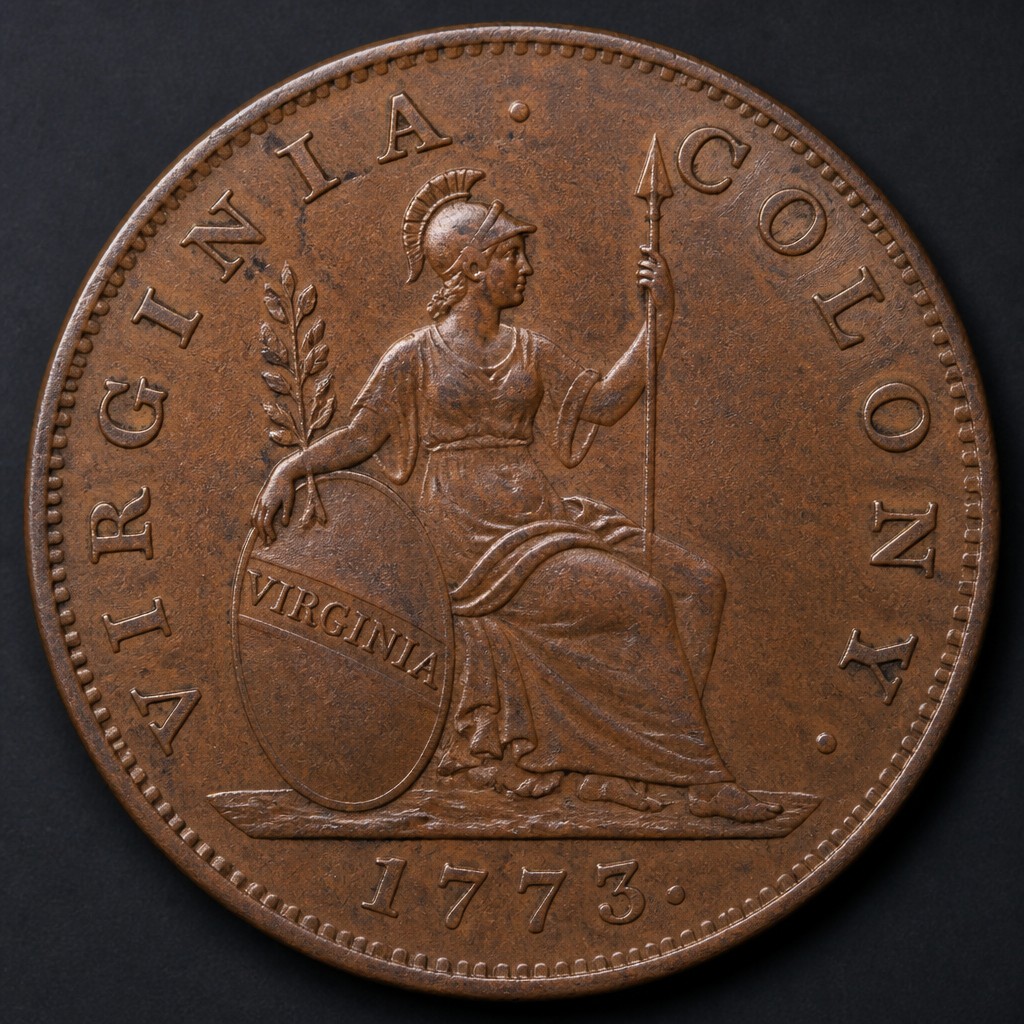
Virginia Halfpenny
1773
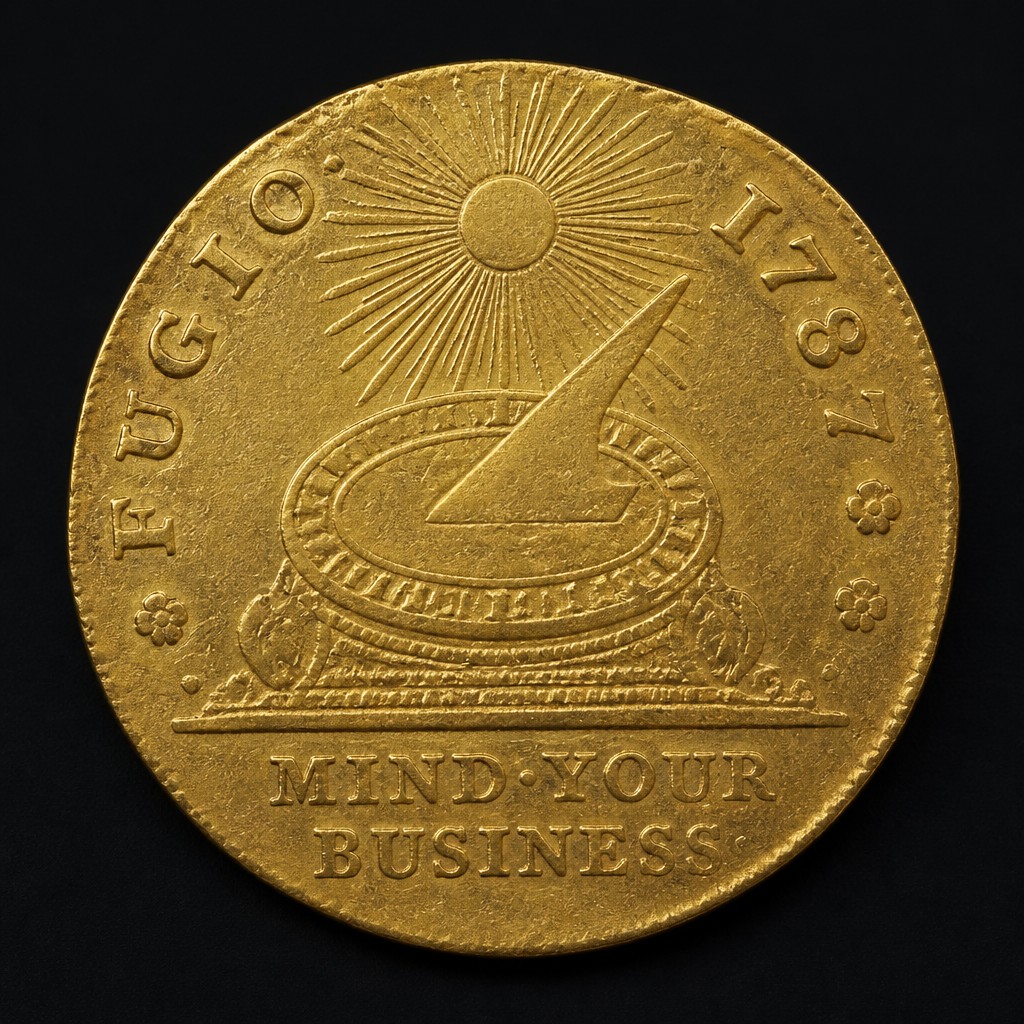
Brasher Doubloon
1787
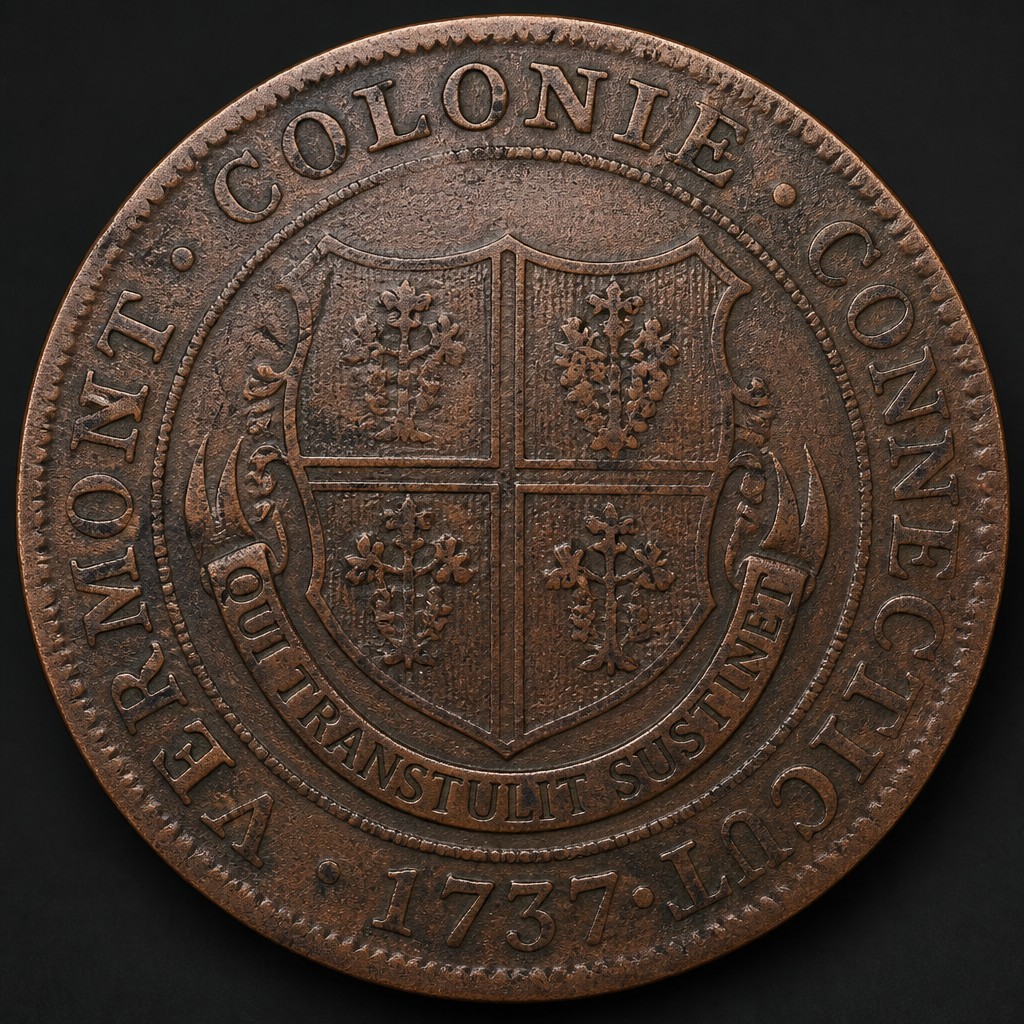
Higley Copper
1737–1739
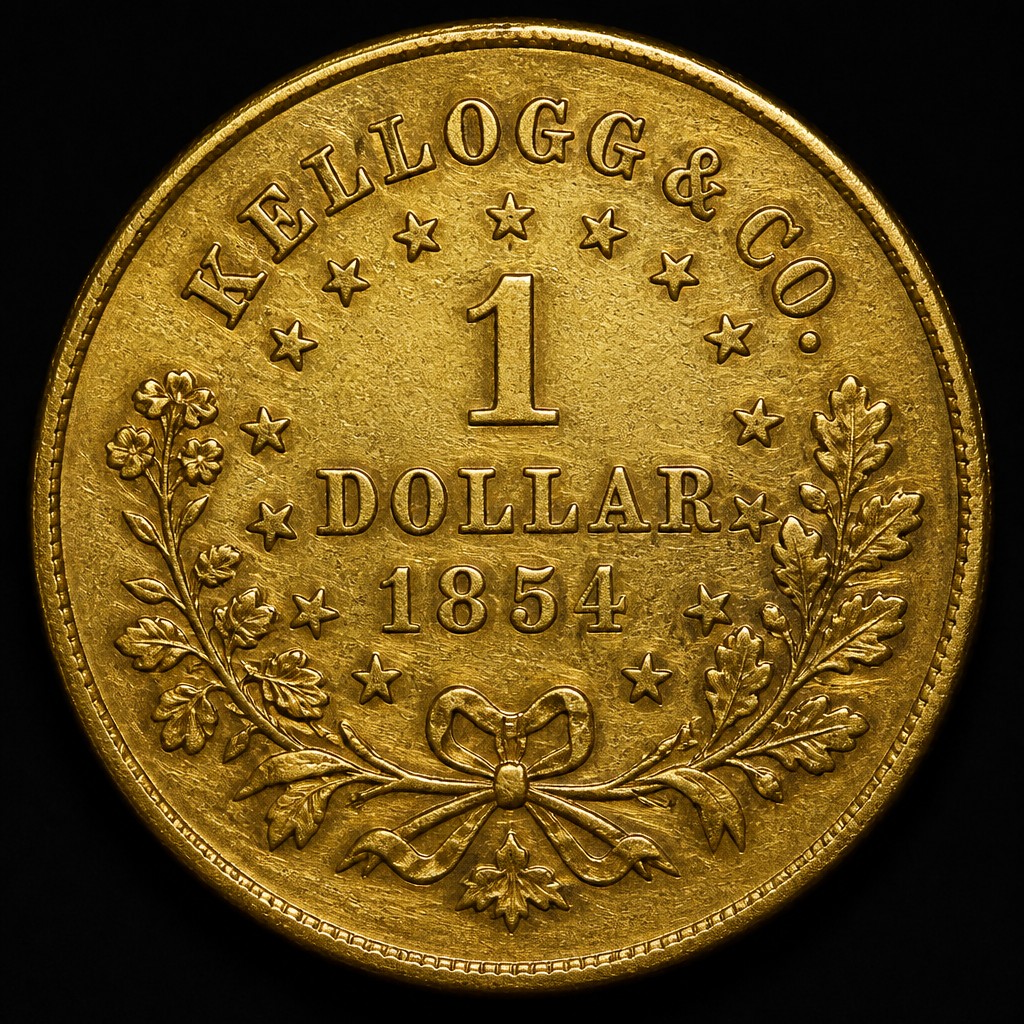
Kellogg & Co. Gold Piece
1854–1855
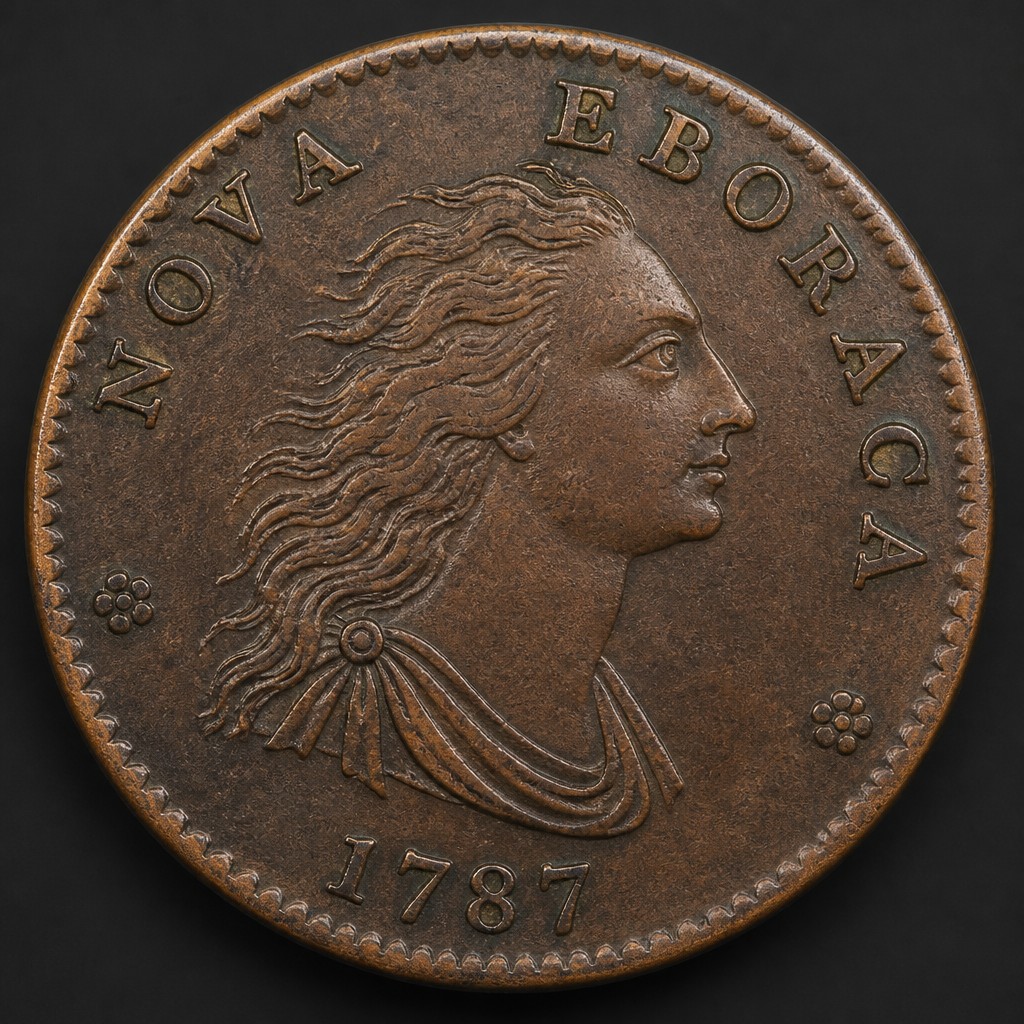
Nova Eborac Copper
1787
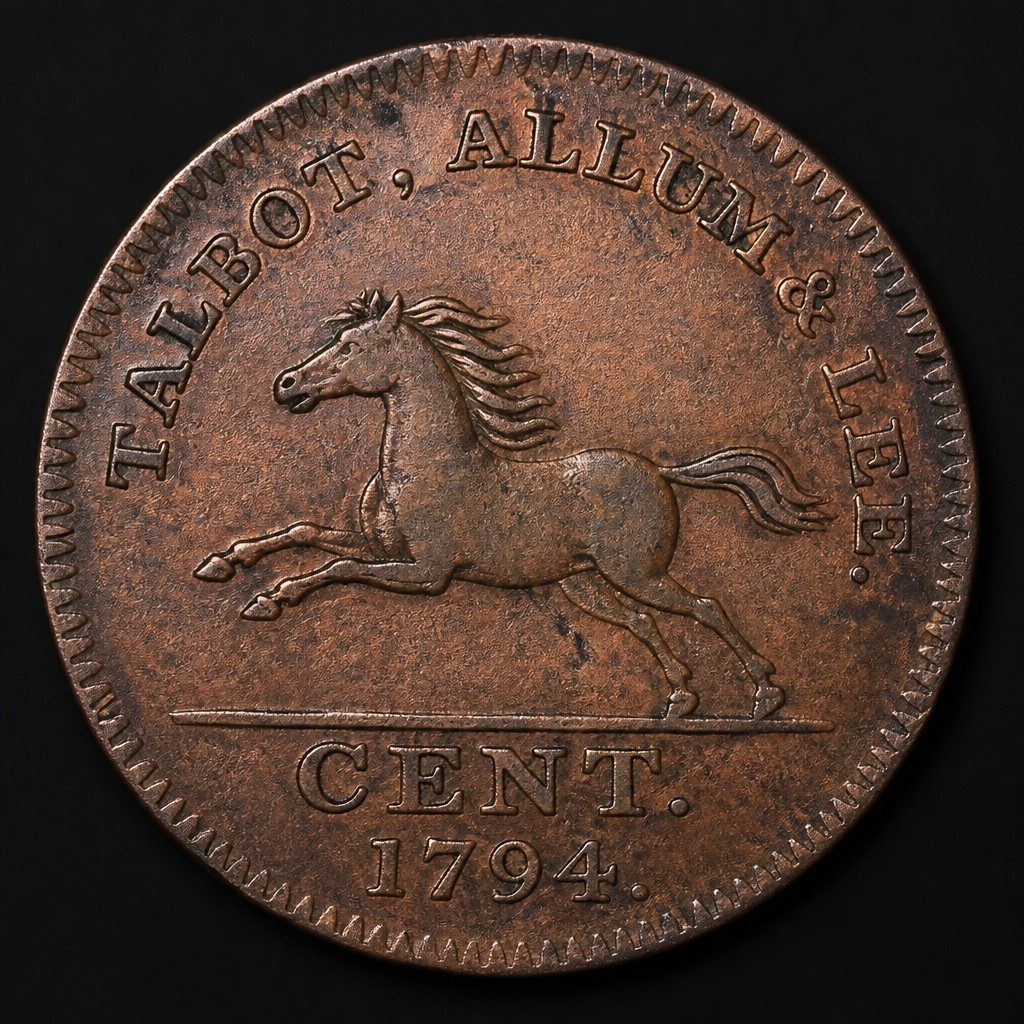
Talbot, Allum & Lee Cent
1794–1795
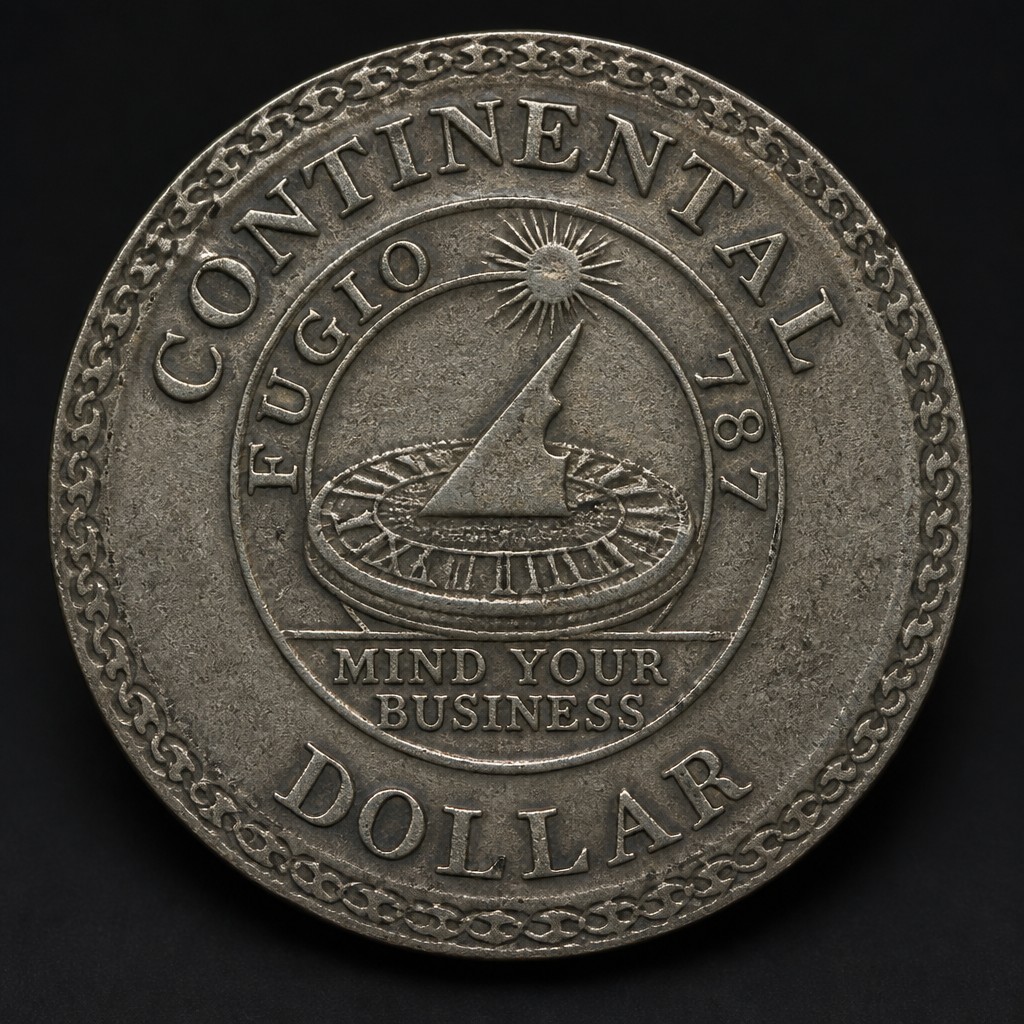
Continental Dollar
1776
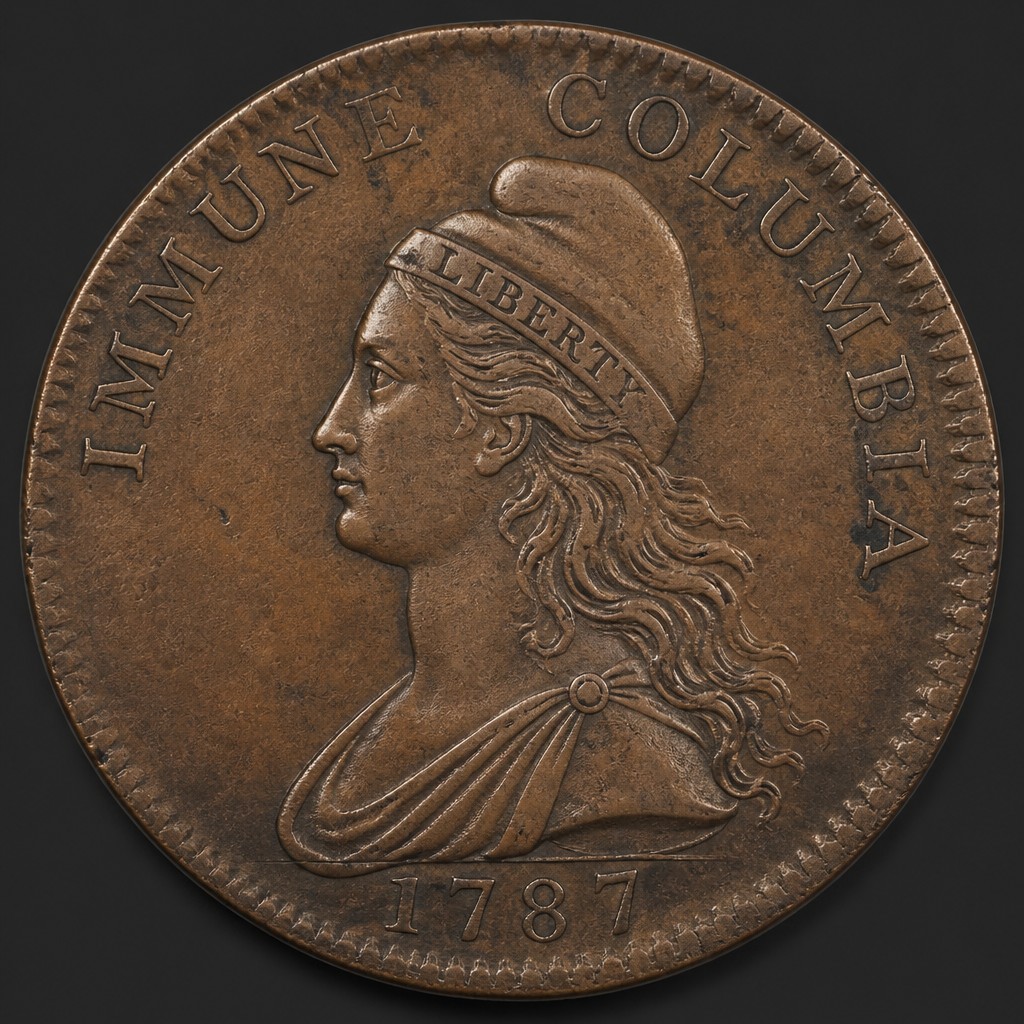
Immune Columbia Copper
circa 1785–1787
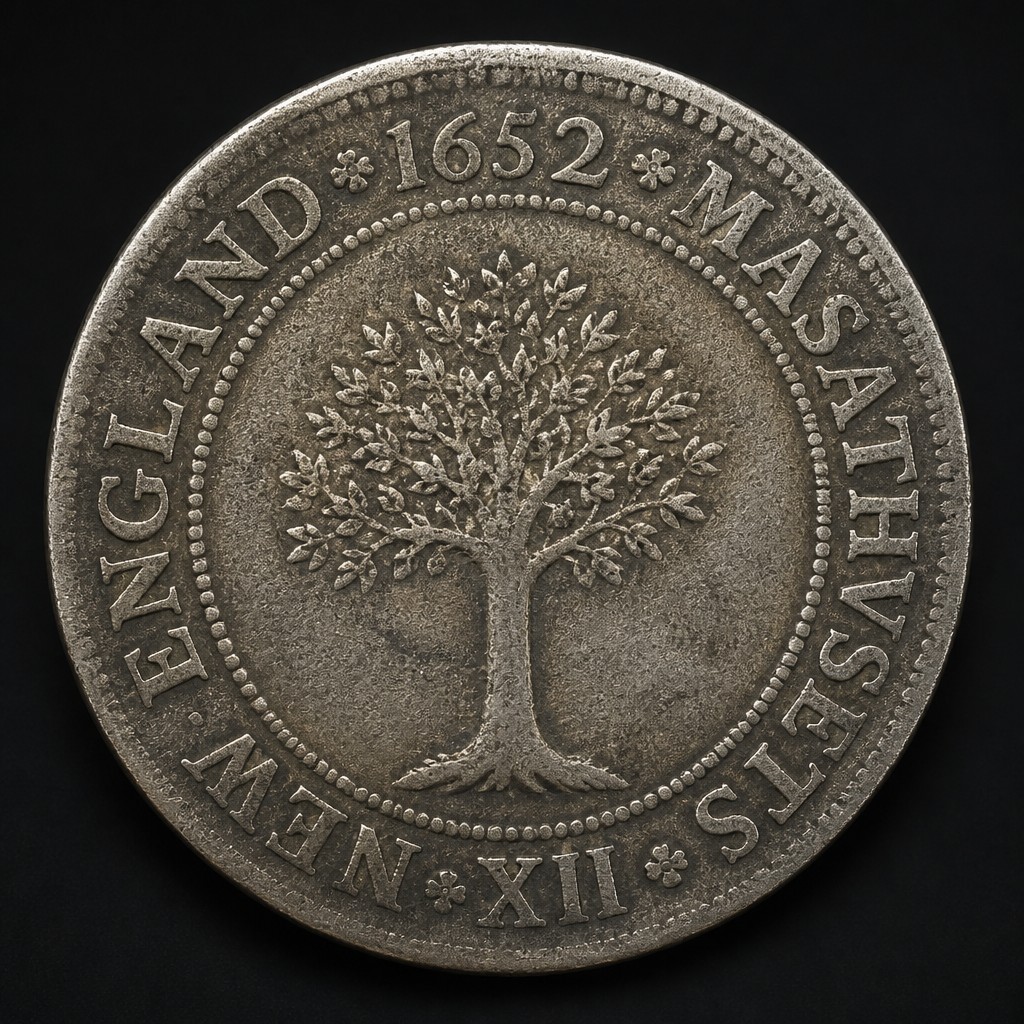
Massachusetts Oak Tree Shilling
Dated 1652, struck circa 1660–1667
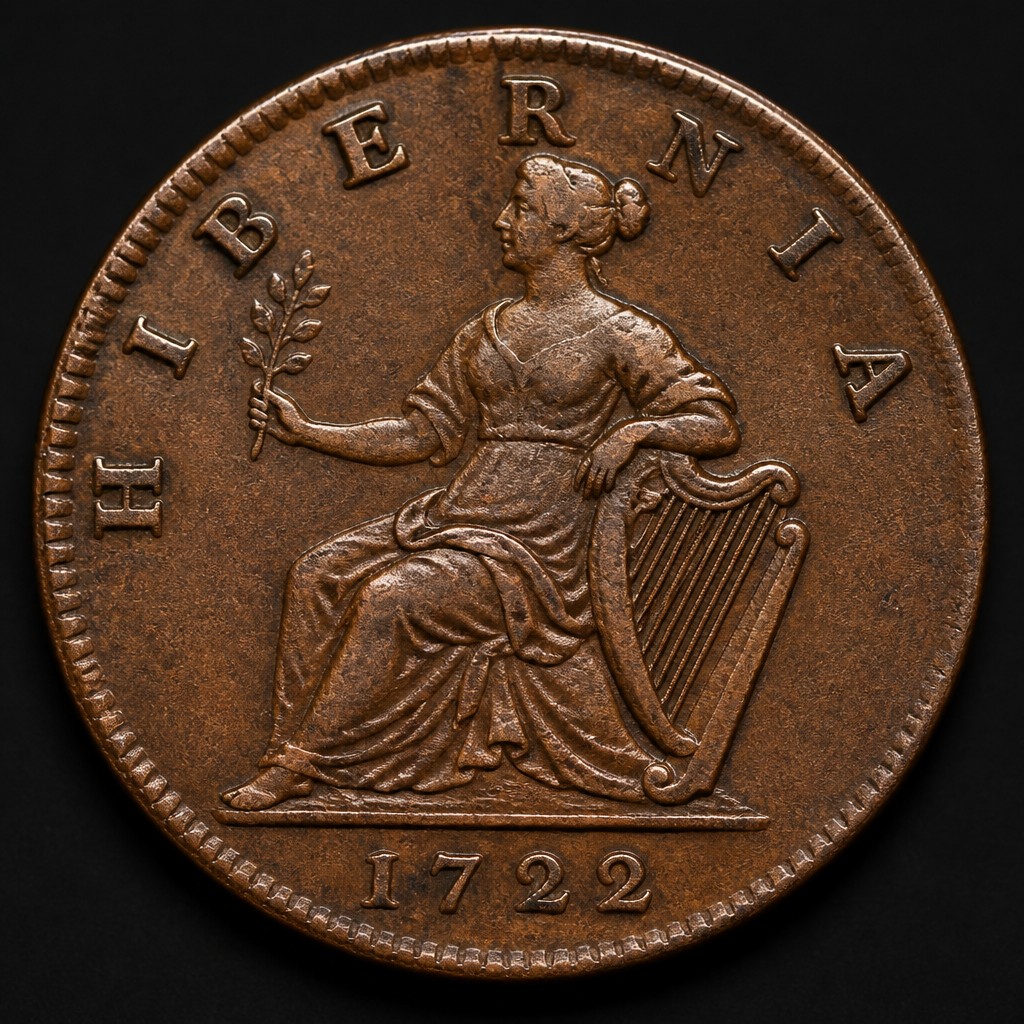
Wood's Hibernia Halfpenny
1722–1724
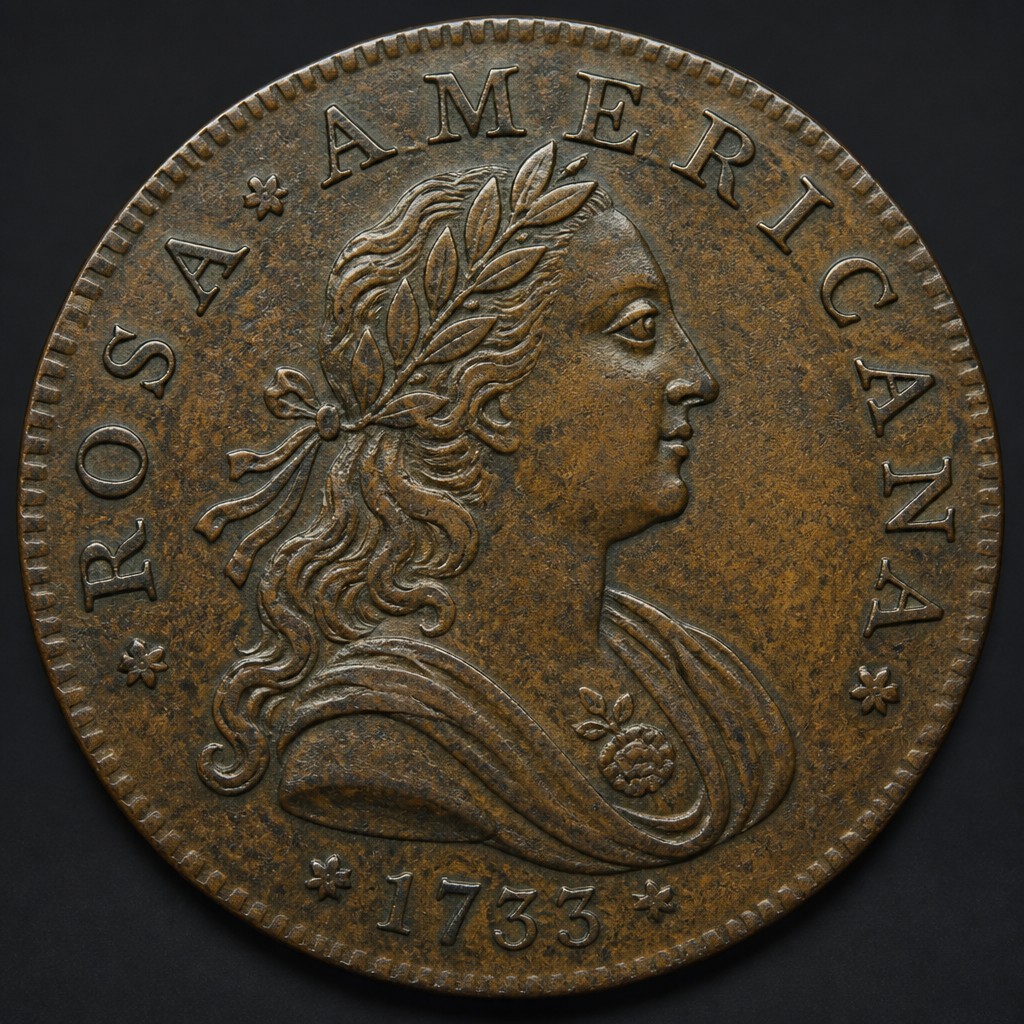
Rosa Americana Coinage
1722–1724 (with pattern issues dated 1733)
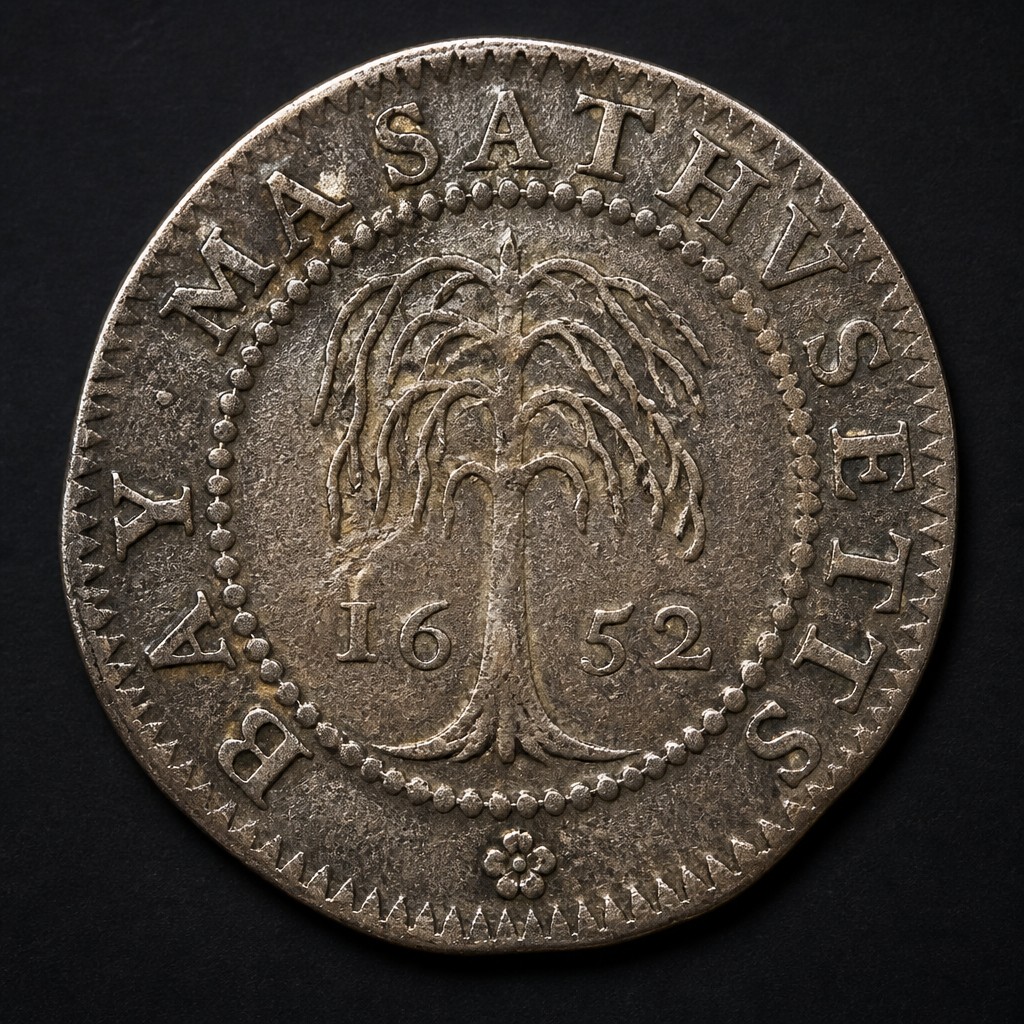
Massachusetts Willow Tree Shilling
Dated 1652, struck circa 1653–1660