
Coin Encyclopedia
Search and identify coins from around the world — with country, denomination, metal, mint, history, and how to tell them apart.
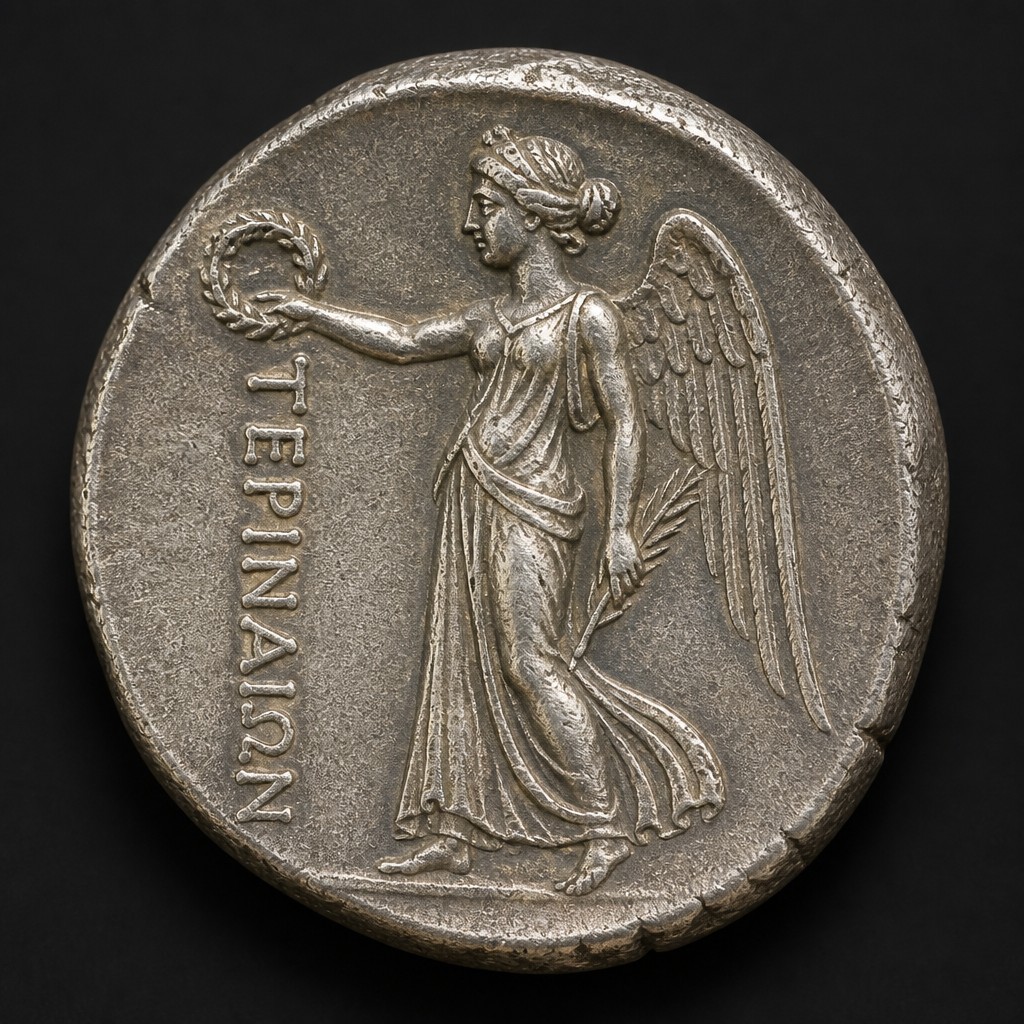
Terina Nike Nomos
A silver nomos from the South Italian city of Terina, celebrated among collectors for its graceful depictions of Nike, the winged goddess of victory, on the reverse.
Ancient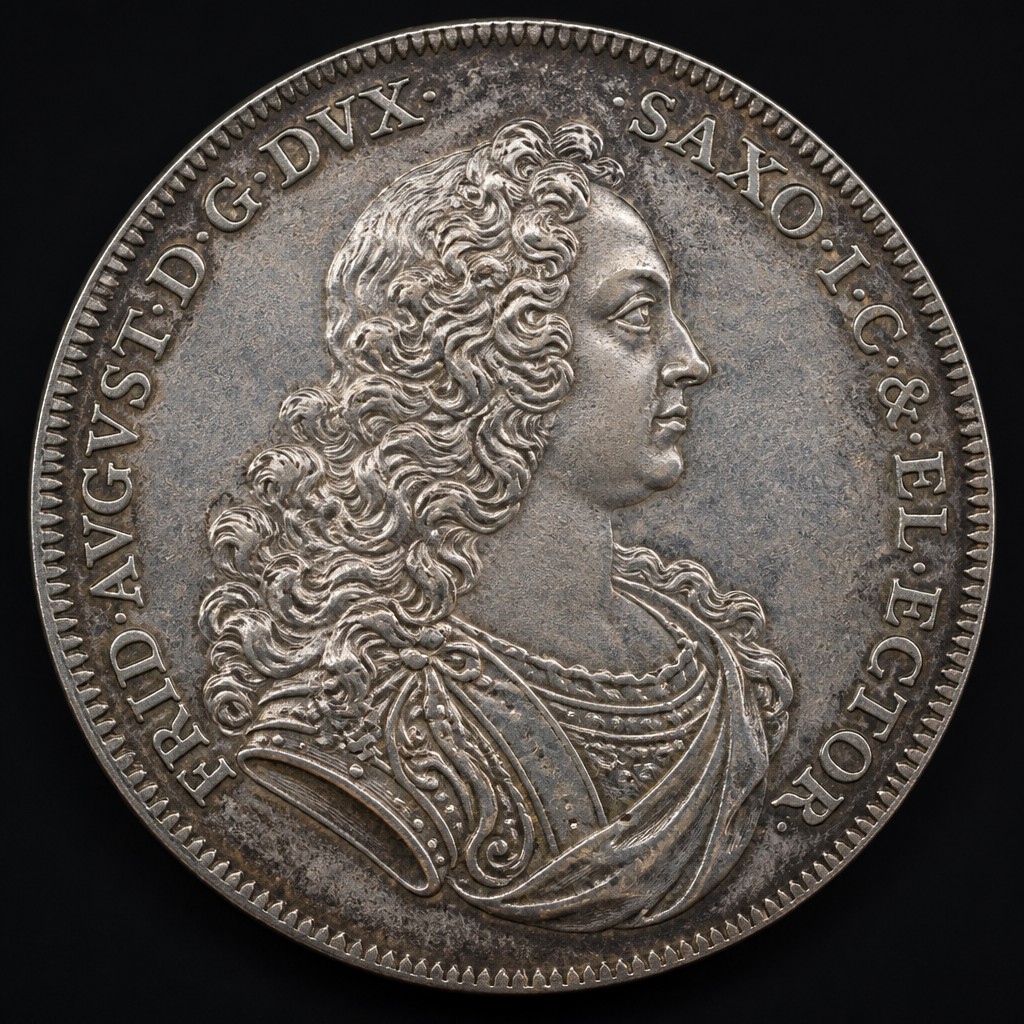
Saxon Speciestaler
Full-weight silver taler issued by the Electors and later Kings of Saxony, distinguished from lesser-value "current" talers used for everyday commerce.
European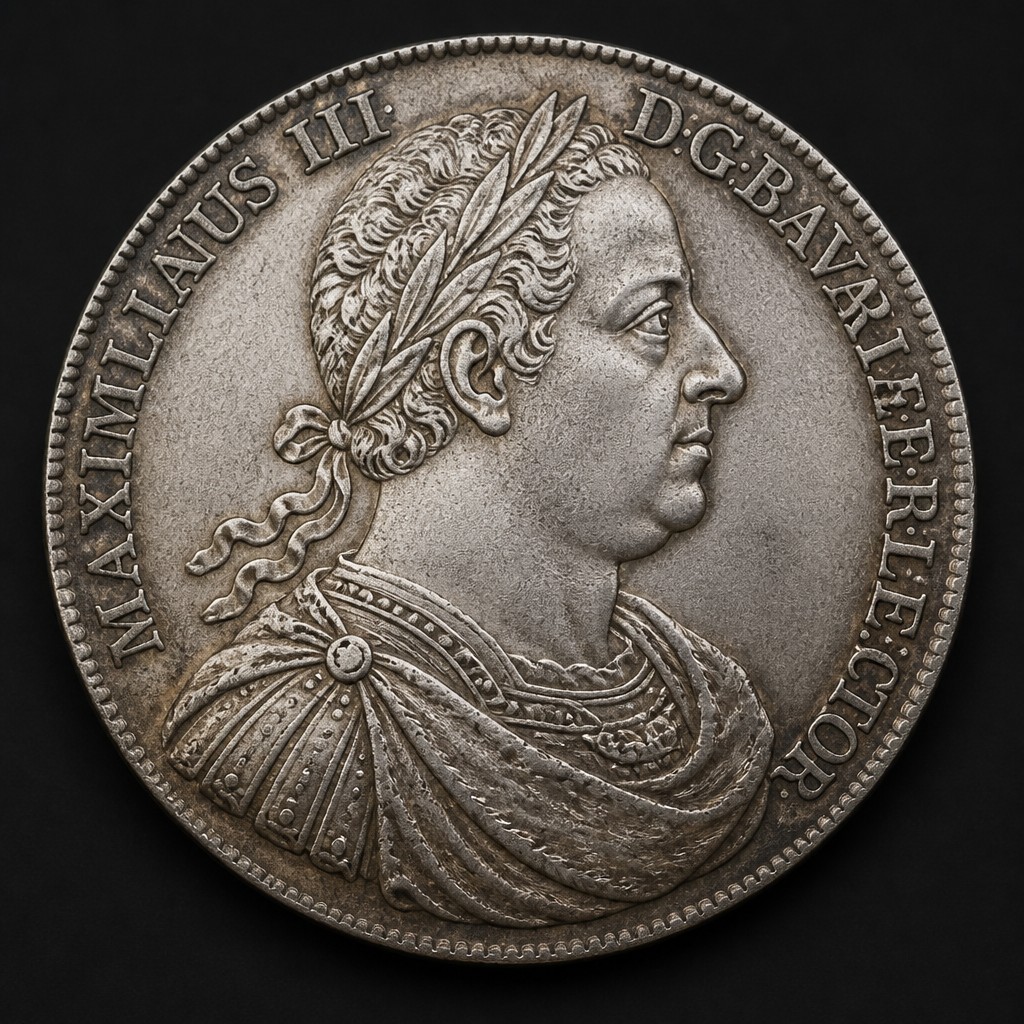
Bavaria Thaler
The historic large silver coin of Bavaria, struck across centuries by its electors and kings, capturing the state's political and artistic history until Germany's currency unification in the 1870s.
European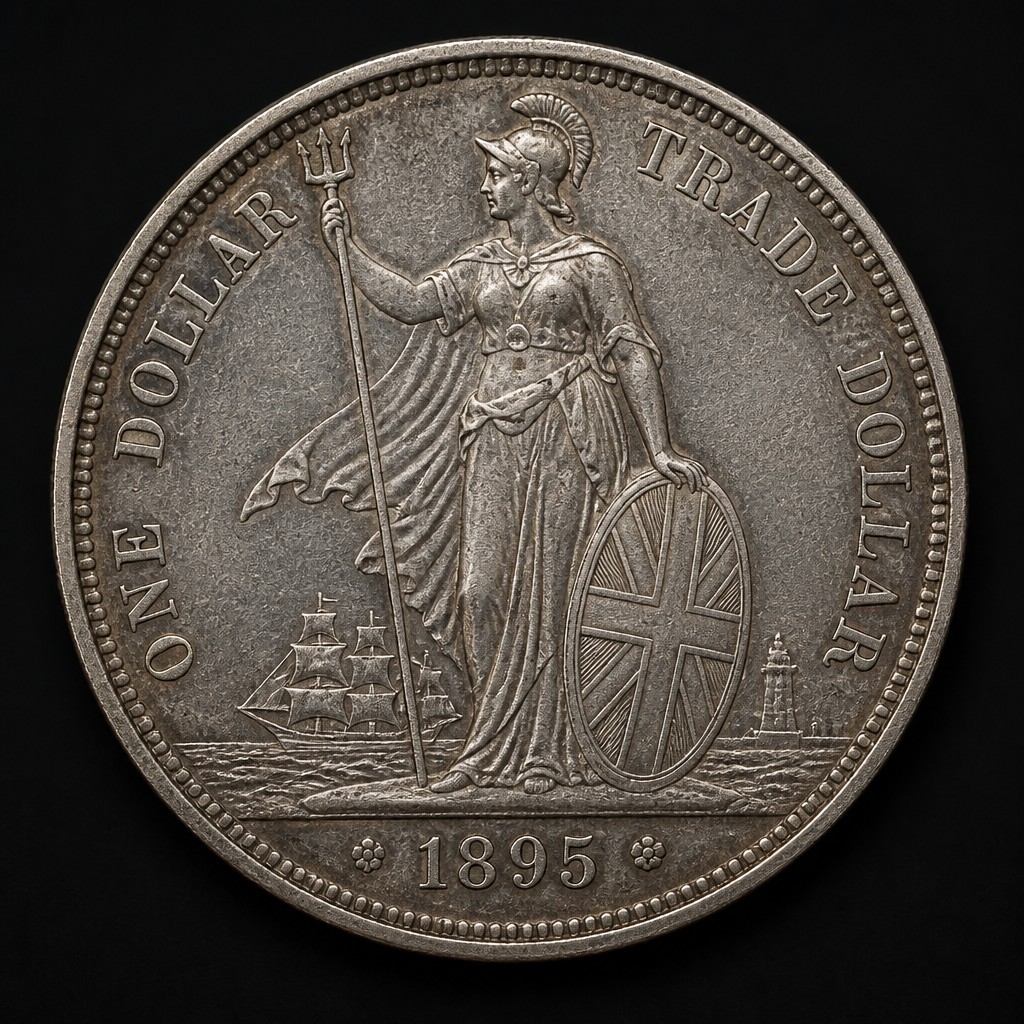
British Trade Dollar
A silver trade dollar struck by Britain to compete with the Mexican and Spanish dollars circulating across Hong Kong, China, and Southeast Asia.
Asian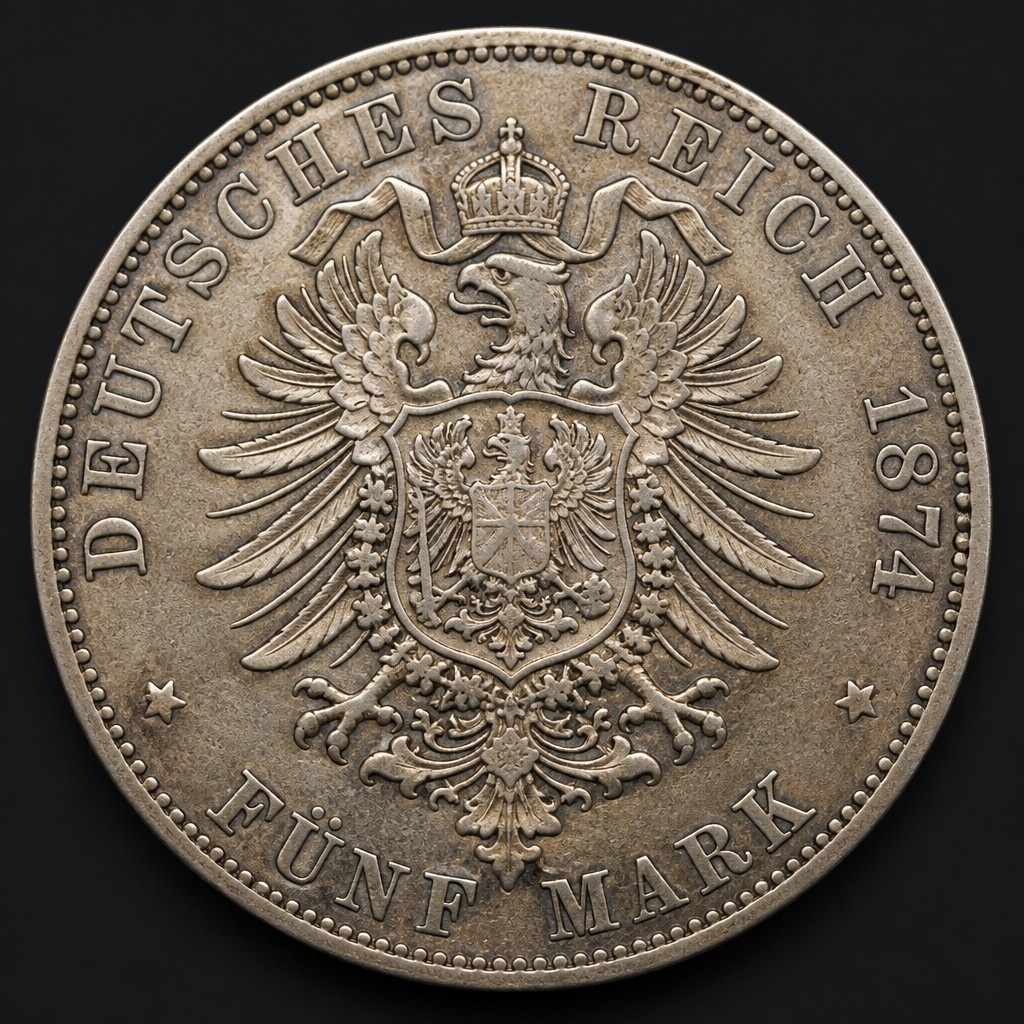
German Empire 5 Mark
A large silver crown of Imperial Germany bearing the portrait or arms of individual constituent states, unified under a common eagle reverse after German unification in 1871.
European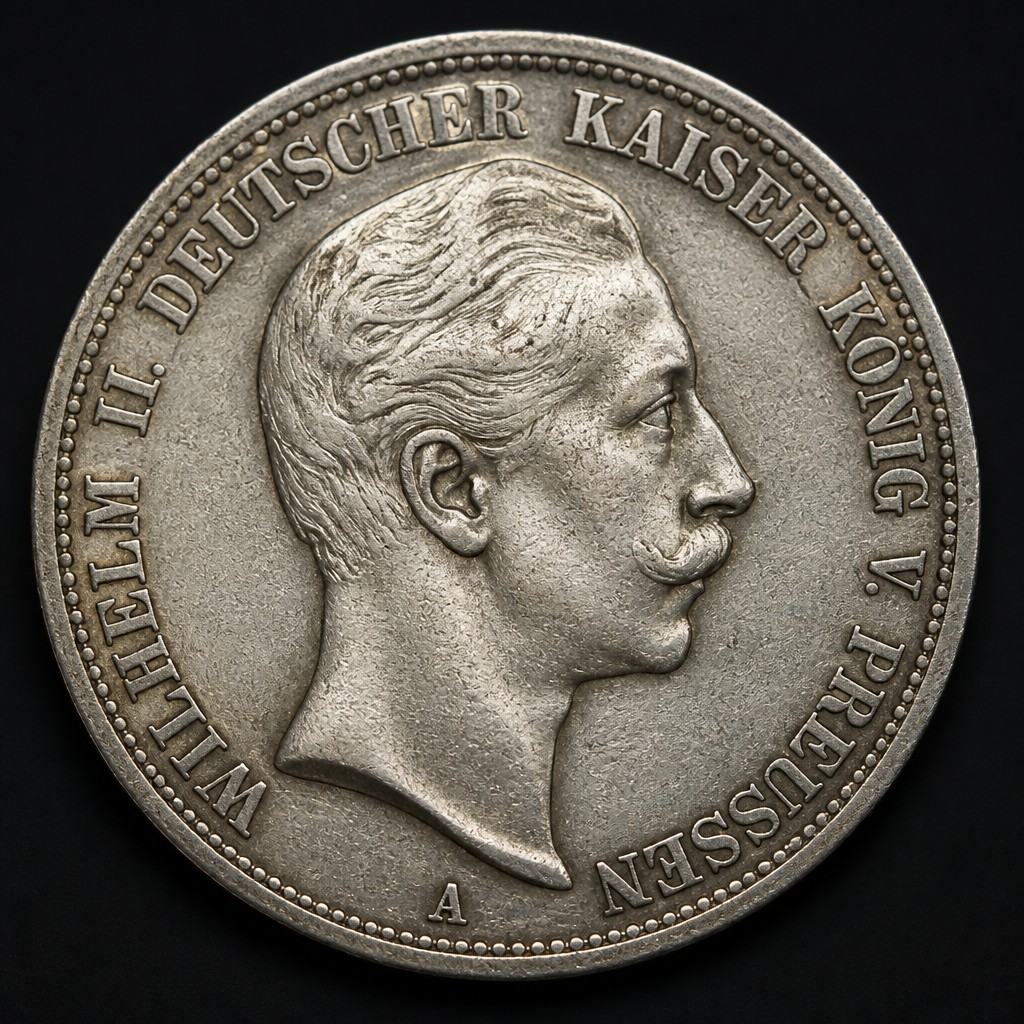
German 5 Mark Silver (Kaiserreich)
The 5 Mark was the largest circulating silver coin of the German Empire, issued by numerous constituent states and free cities, each with its own portrait or design under a common imperial system.
European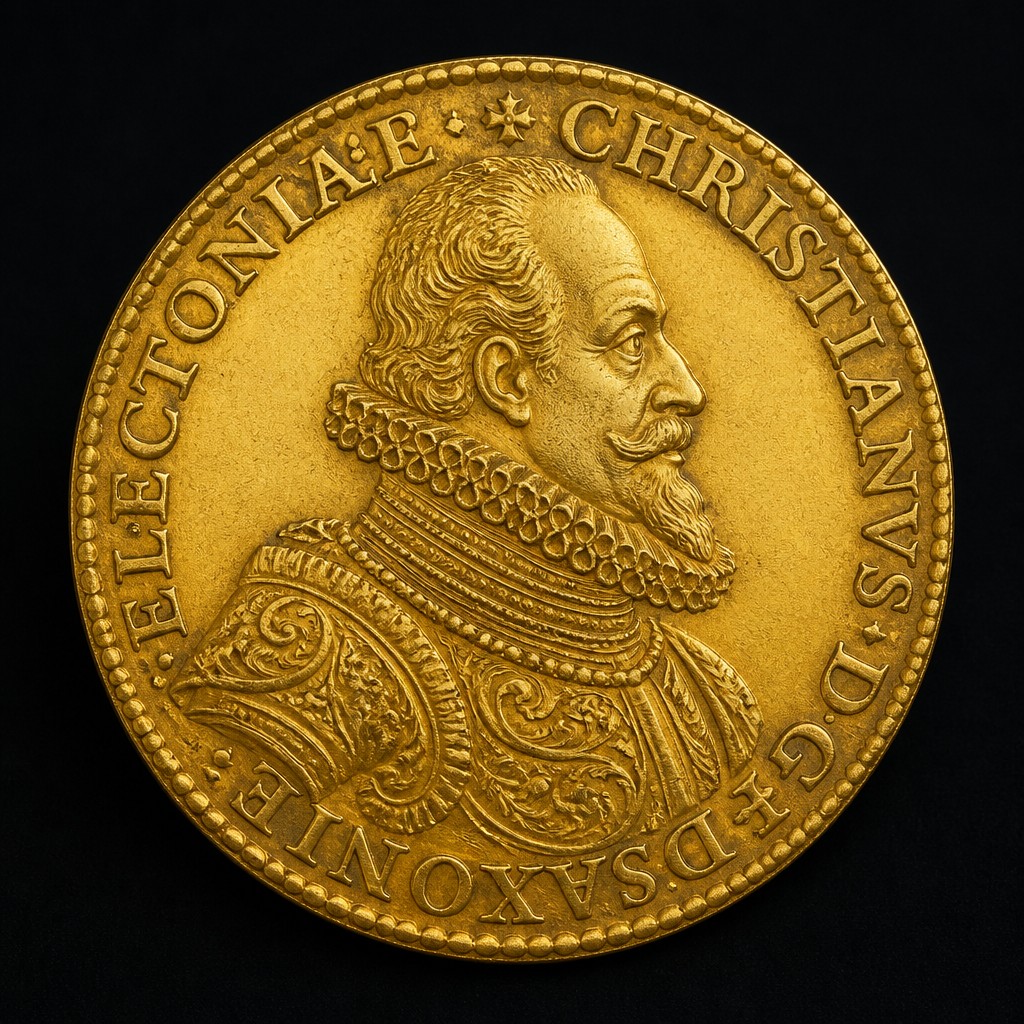
German Saxony Ducat
A high-purity gold trade coin struck for centuries by the rulers of Saxony, one of the most important German states before national unification.
European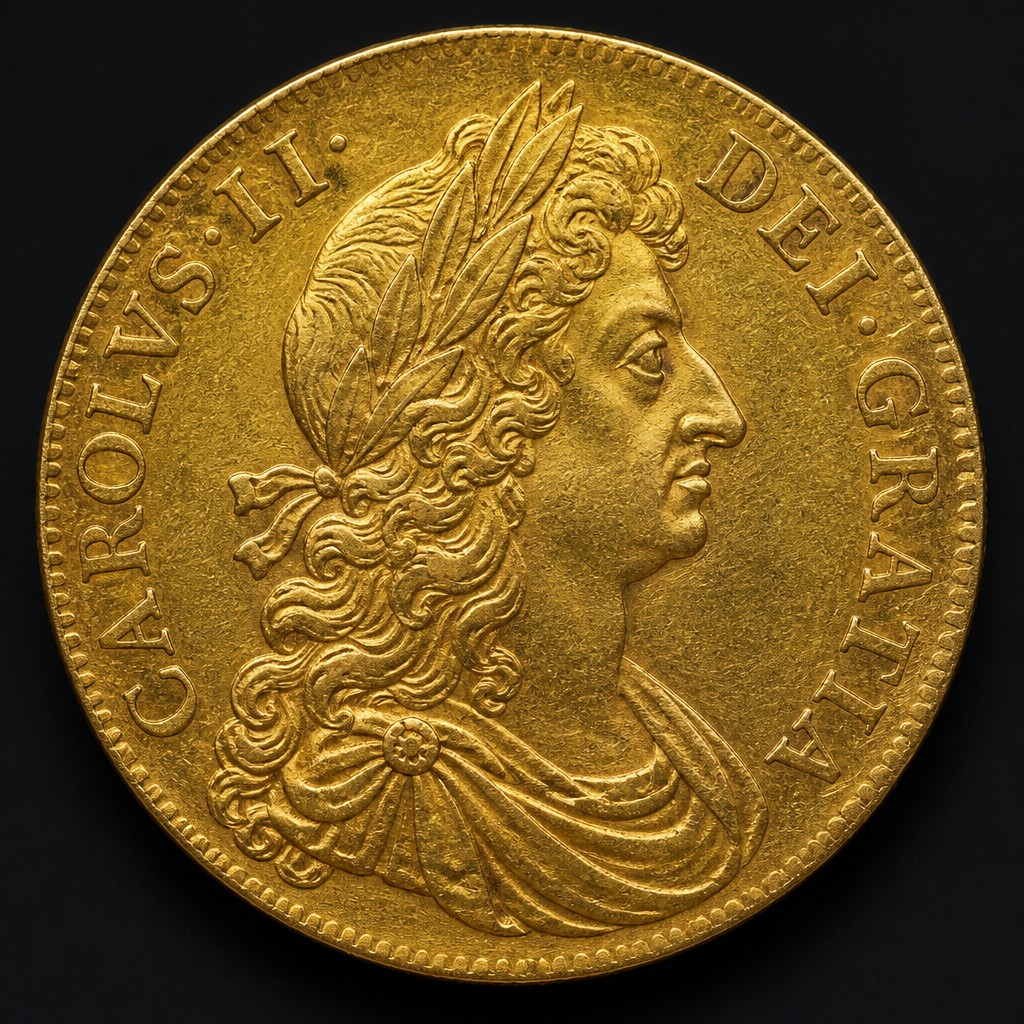
British Gold Guinea
Struck from 1663 to 1814 and named for the West African gold used in its earliest issues, the guinea was Britain's leading gold coin and gave its name to a unit of value still referenced today.
British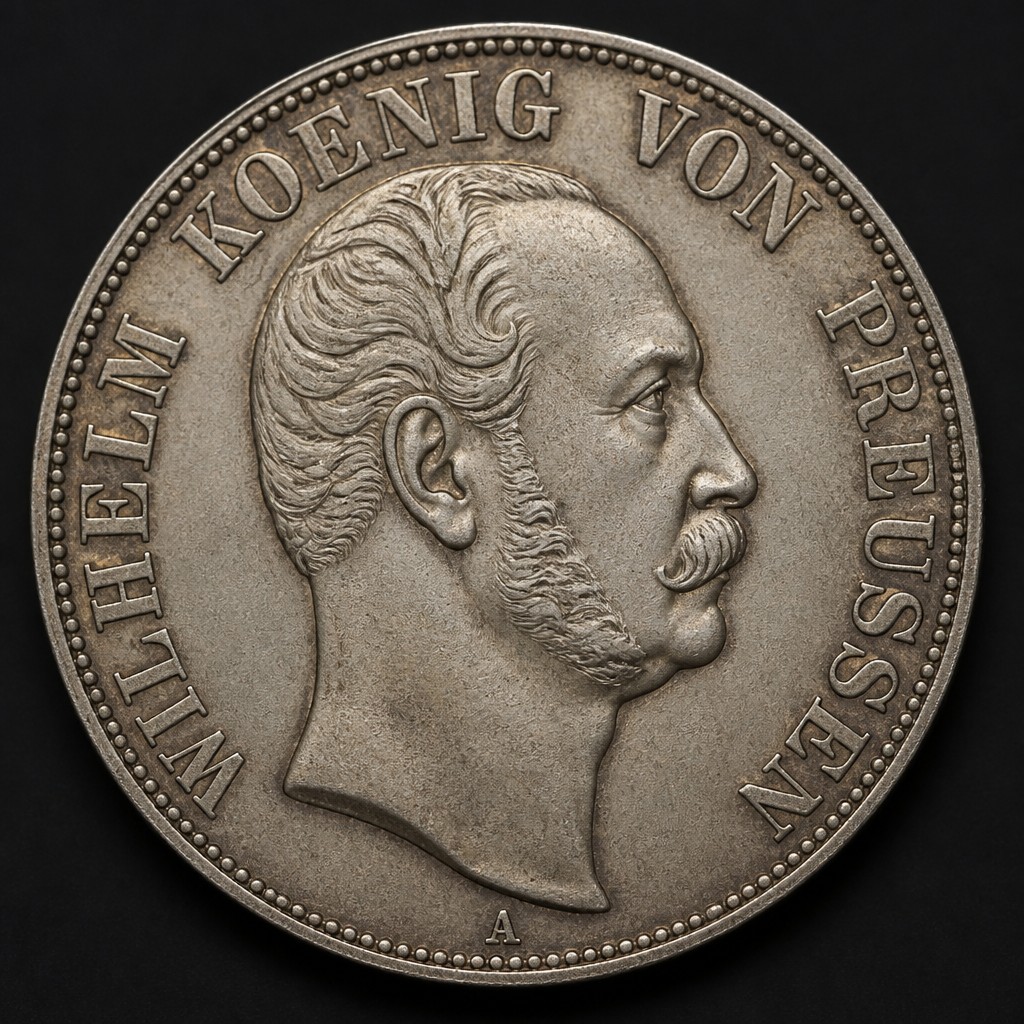
Prussian Vereinsthaler
A standardized silver thaler struck by the Kingdom of Prussia under the 1857 Vienna Monetary Treaty, unifying weight and fineness across many German and Austrian states before German unification.
European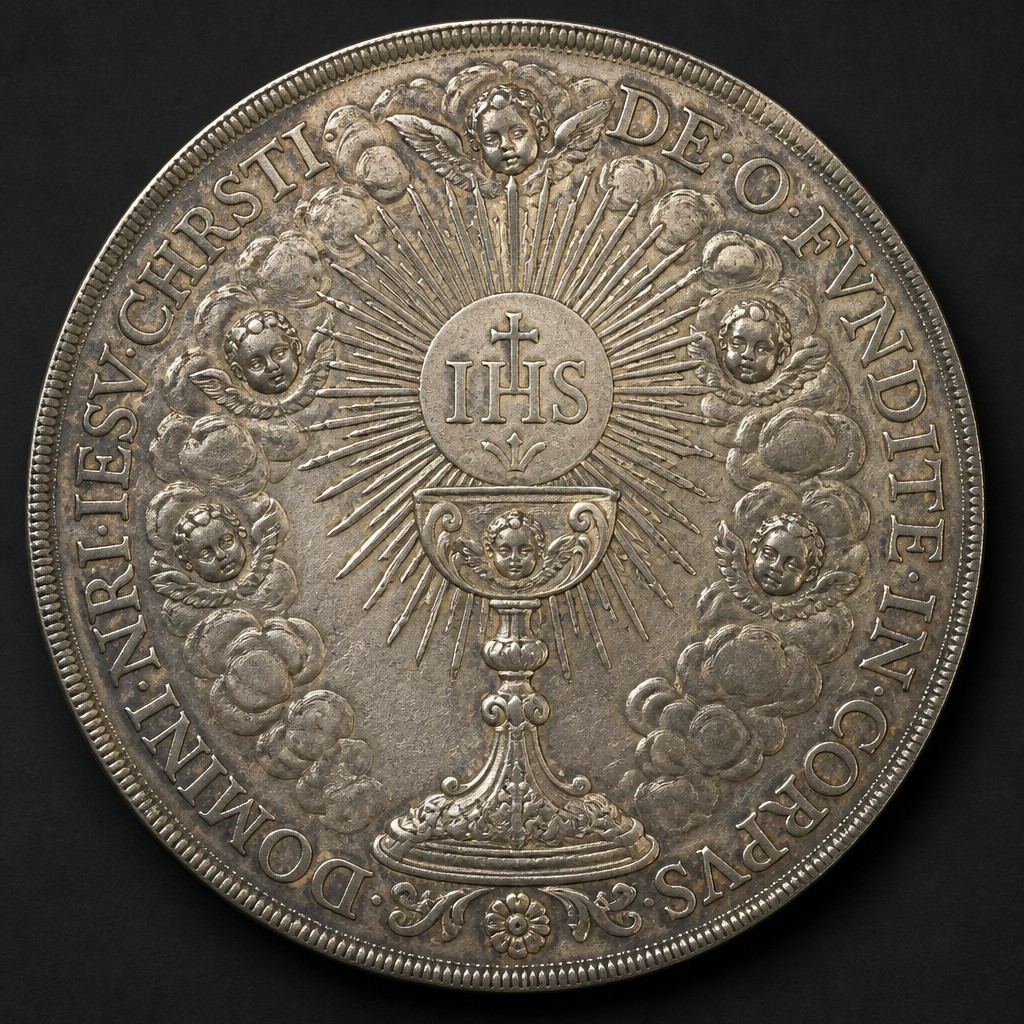
Austrian Corpus Christi Thaler
A devotional silver thaler struck by Austrian ecclesiastical authorities to mark the feast of Corpus Christi, blending religious procession imagery with the standard large-thaler format of the era.
European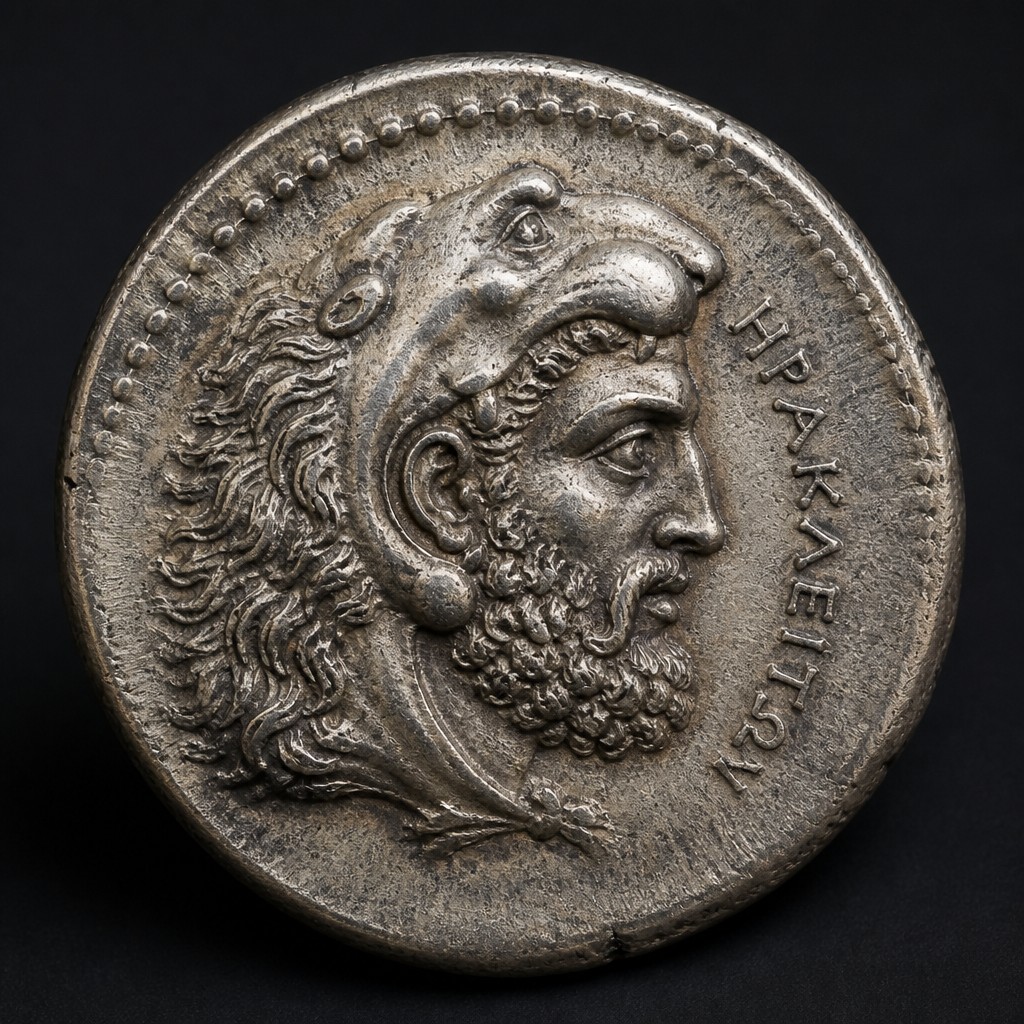
Herakleia Herakles Nomos
A South Italian silver nomos from Herakleia showing Athena on the obverse and the city's namesake hero Herakles wrestling the Nemean lion on the reverse.
Ancient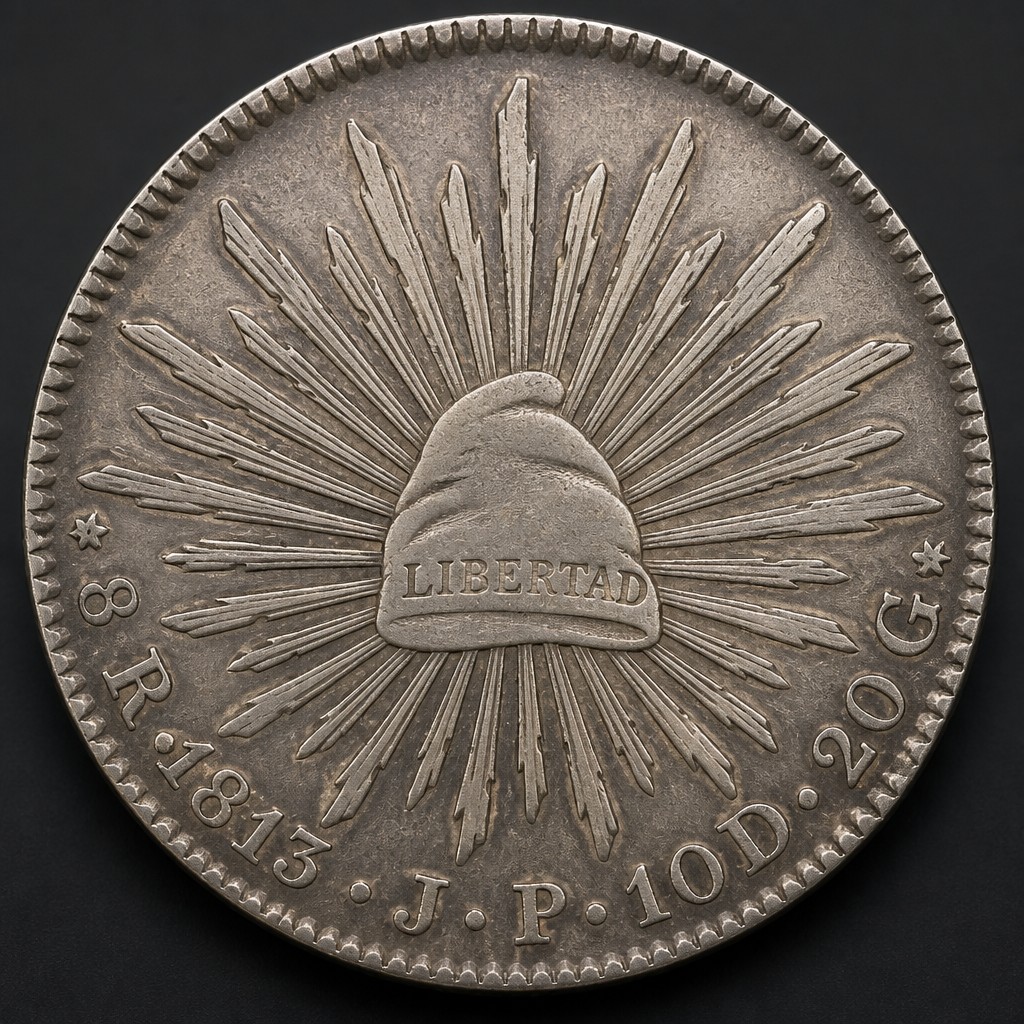
Argentina 8 Reales
Silver 8 reales struck after Argentina's 1810 independence movement, replacing the Spanish king's portrait with the revolutionary Sun of May and clasped hands design.
Latin American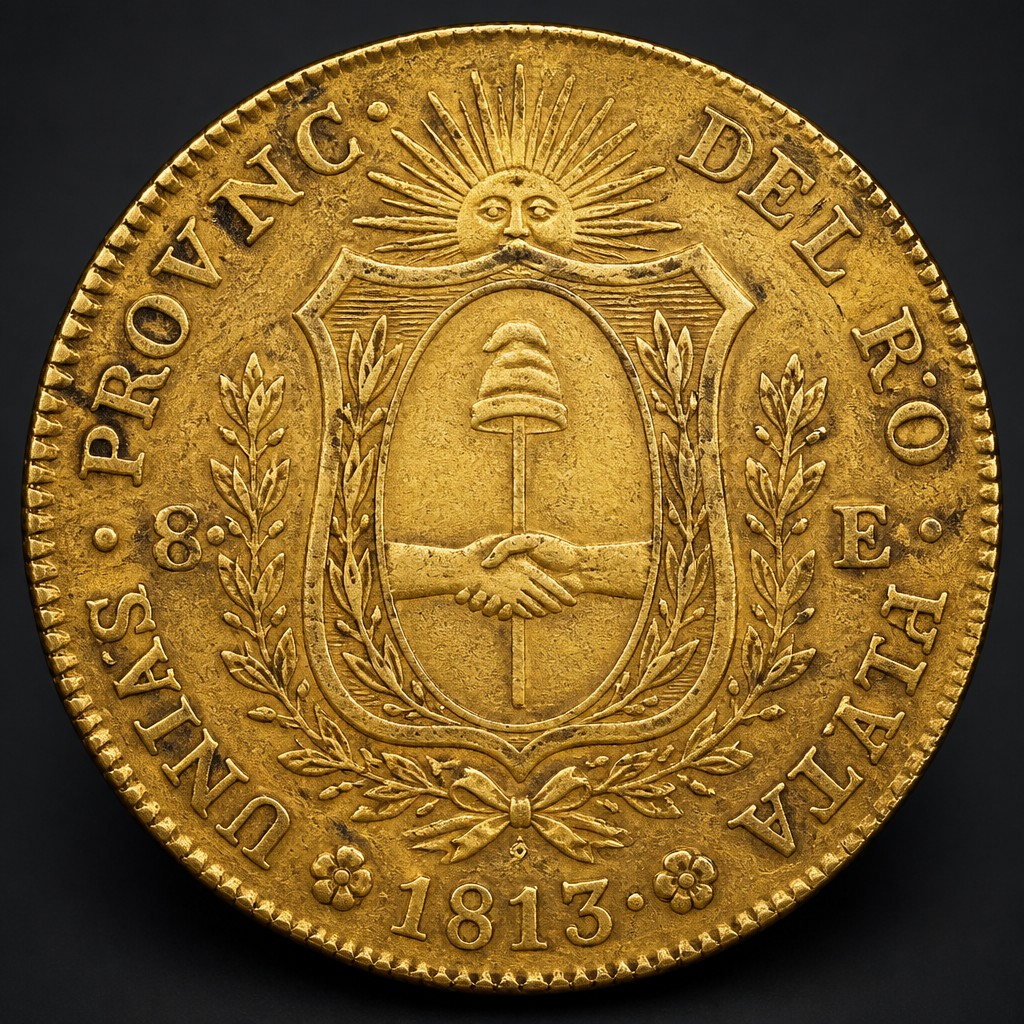
Argentine 8 Escudos Gold (1813)
An extremely rare gold coin from the earliest years of Argentine independence, struck briefly at Potosí under revolutionary authority and bearing the iconic Sun of May.
Latin American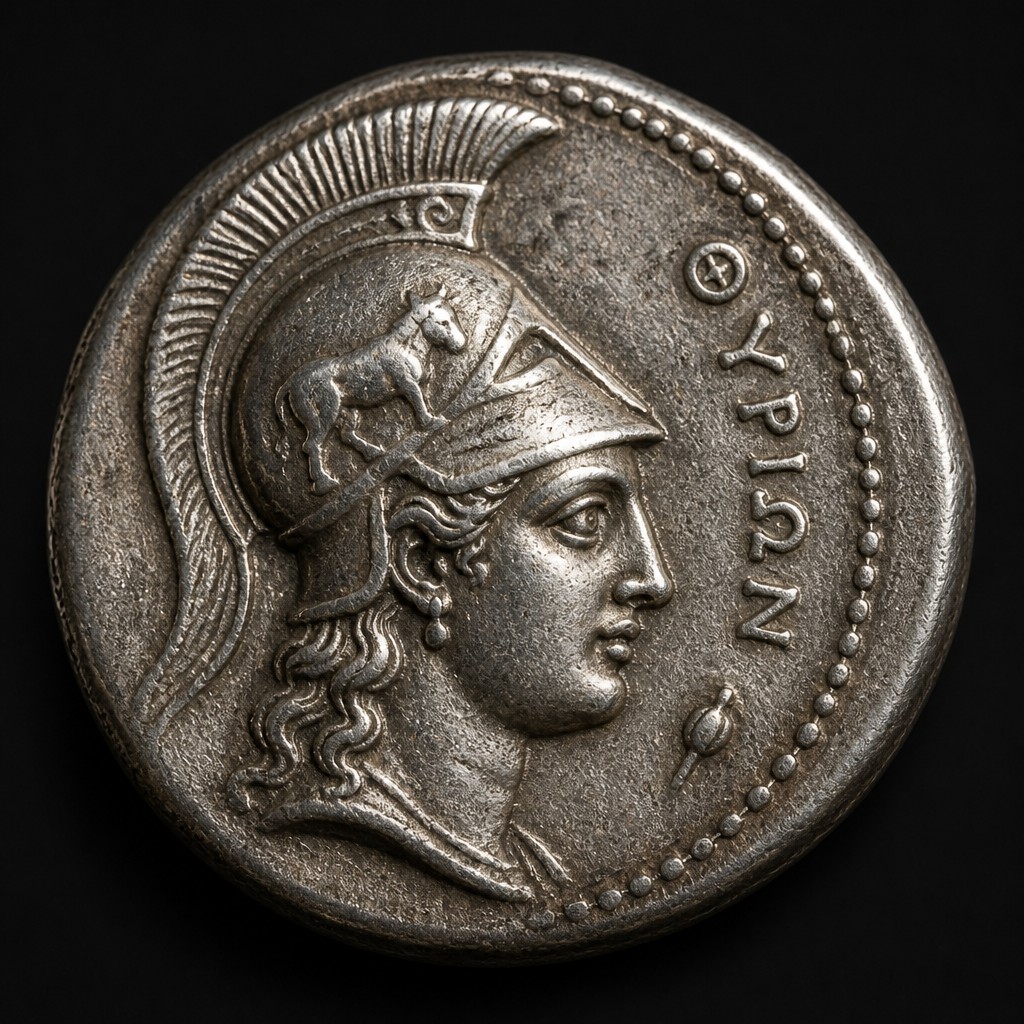
Thurium (Thurii) Athena and Bull Nomos
Silver nomos of the Greek colony of Thurii in southern Italy, showing a helmeted Athena obverse and a butting bull reverse, a classic Magna Graecia type.
Ancient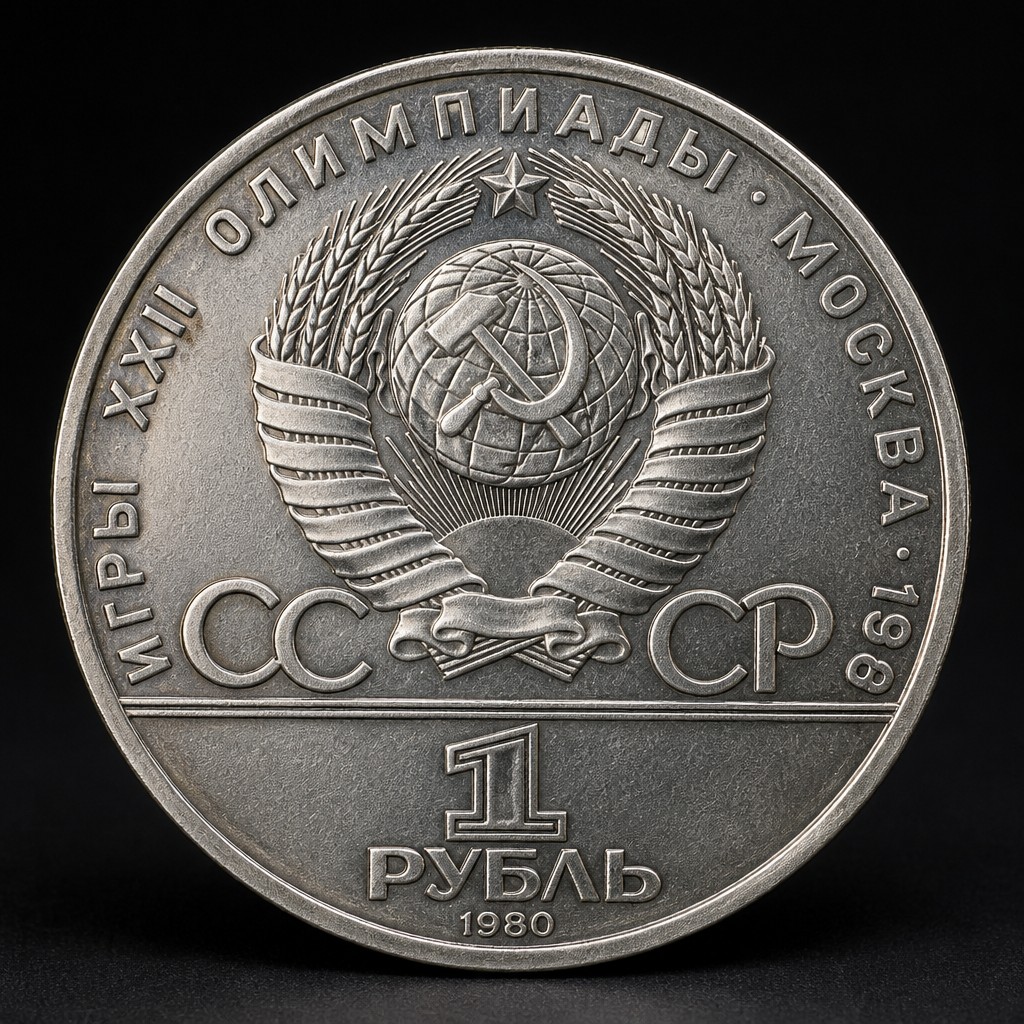
1980 Moscow Olympics Silver Rouble
The Soviet Union struck an extensive multi-denomination coin program from 1977 to 1980 celebrating the Moscow Summer Olympics, including widely collected silver 1 rouble coins.
Commemorative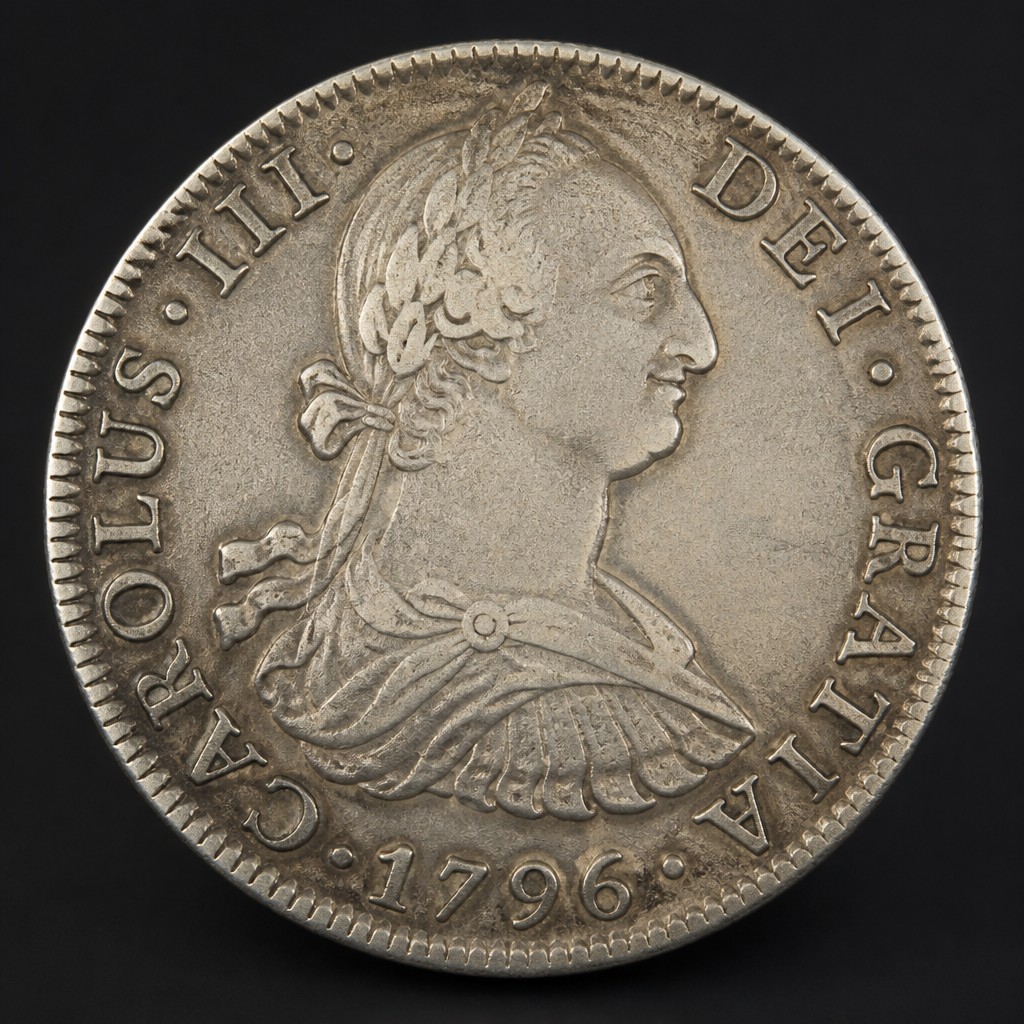
Spanish 8 Reales (Piece of Eight)
The legendary 'piece of eight,' Spain's silver dollar-sized coin that became the world's first truly global currency and the direct ancestor of the U.S. dollar.
World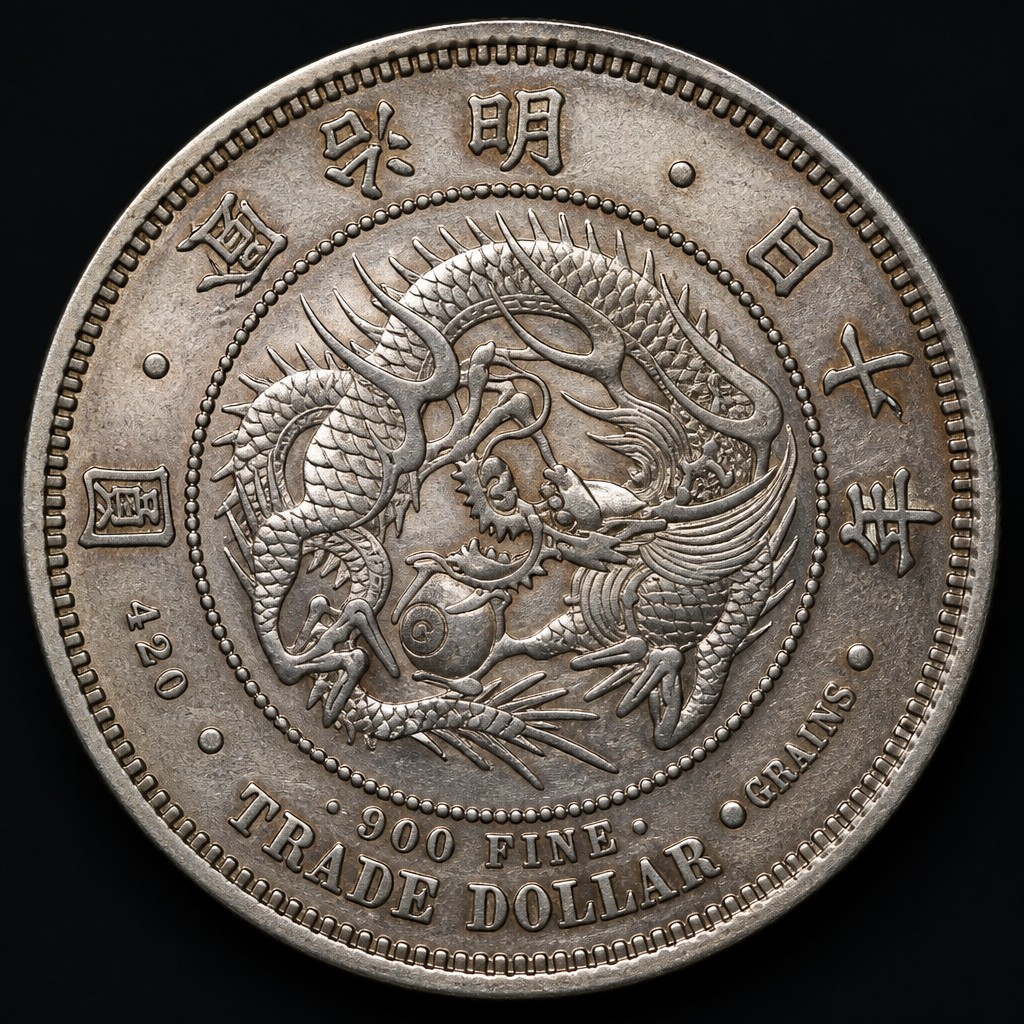
Japanese Trade Dollar
A short-lived Meiji-era silver coin struck to the same weight and fineness as the Mexican and U.S. Trade Dollars so Japan could compete in East Asian commerce.
Asian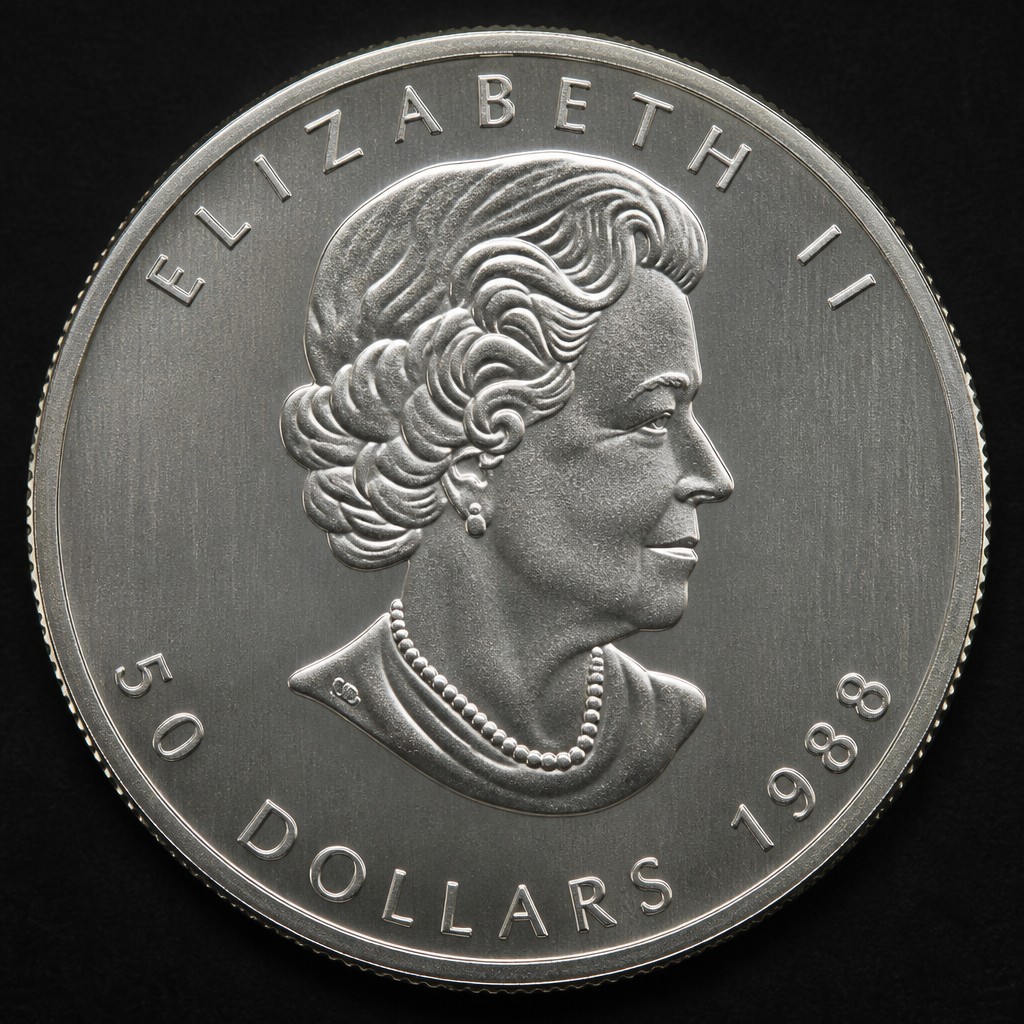
Canadian Platinum Maple Leaf
The Royal Canadian Mint's platinum bullion coin, launched in 1988 with the same maple leaf design used across Canada's precious metal coin lines.
Bullion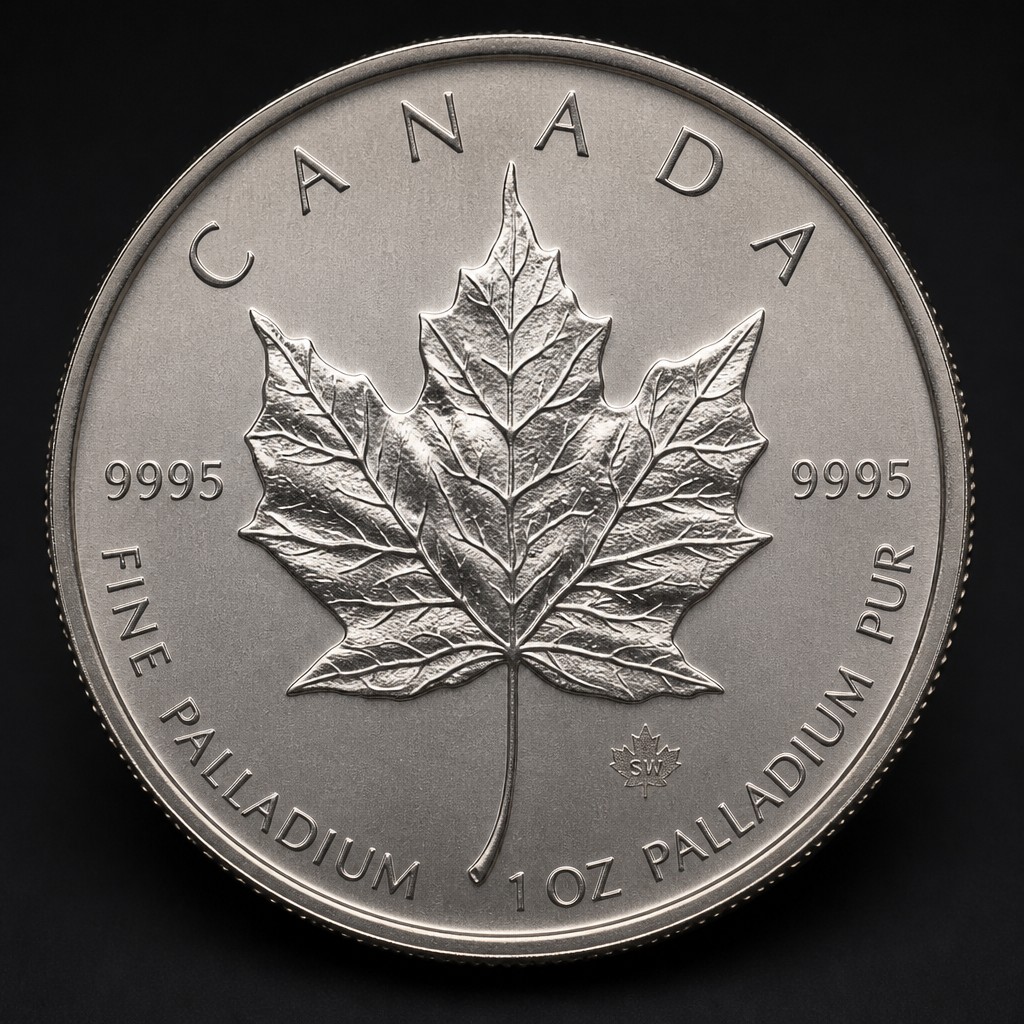
Canadian Palladium Maple Leaf
The Royal Canadian Mint's palladium bullion coin, sharing the Maple Leaf design used across Canada's precious metal series, produced intermittently since 2005.
Bullion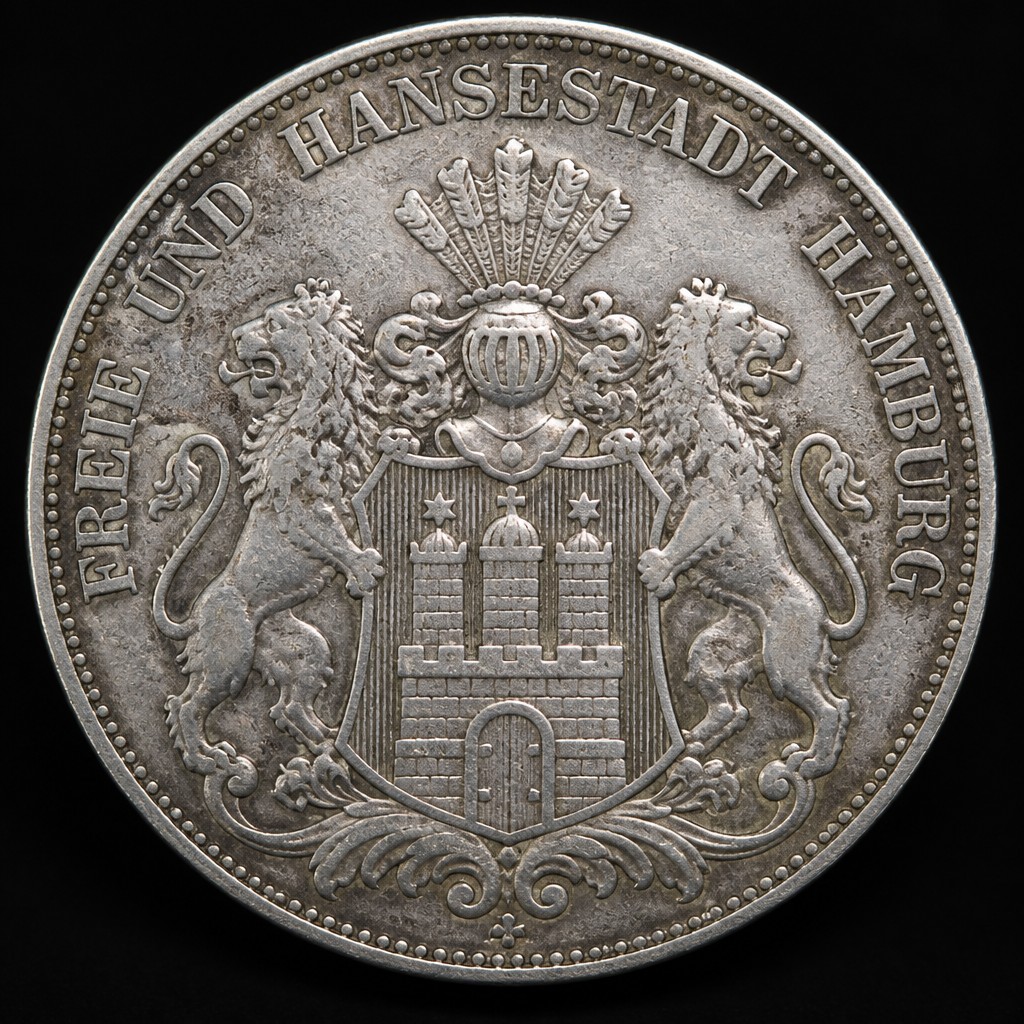
Hamburg Thaler
A silver thaler struck by the free city-state of Hamburg, bearing the city's iconic castle-and-towers coat of arms, reflecting Hamburg's status as a leading Hanseatic trading center.
European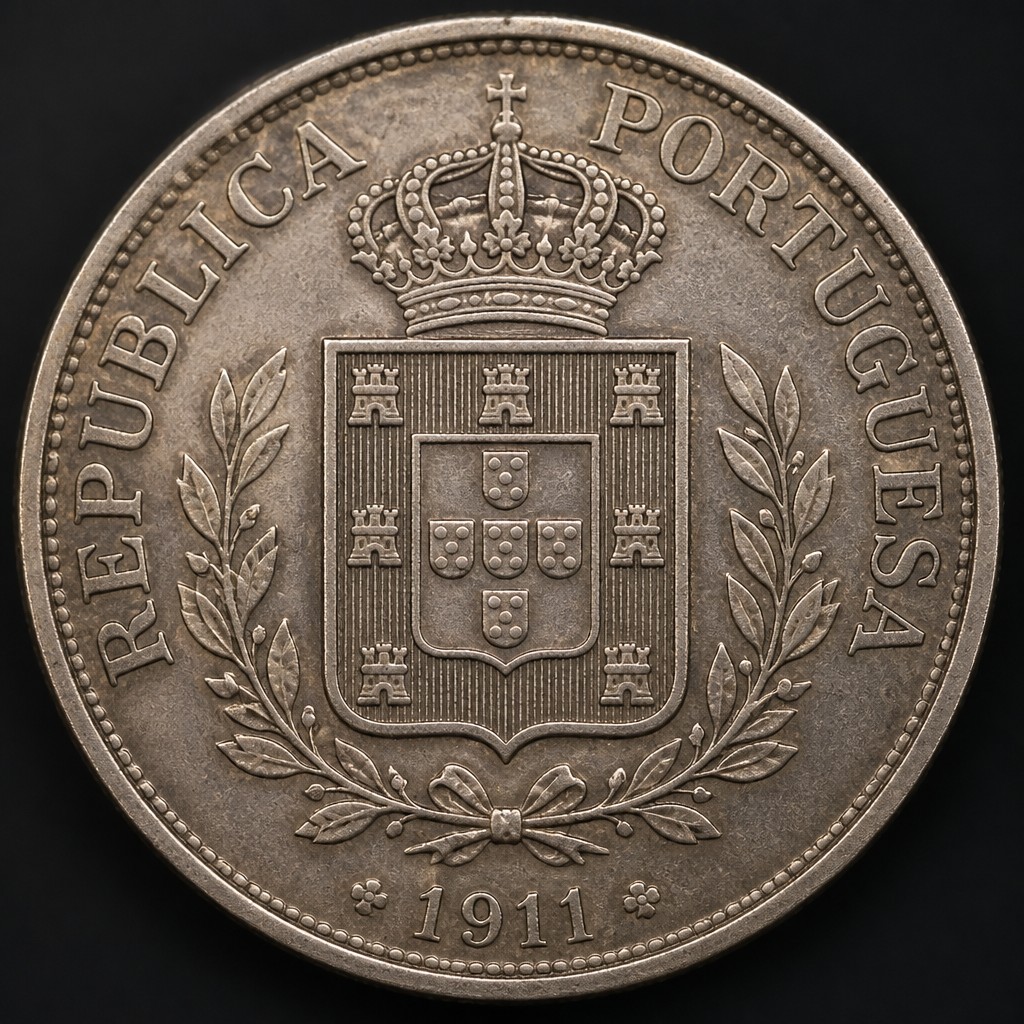
Portuguese Real
Portugal's centuries-old pre-decimal currency unit, used from the medieval era until the 1911 introduction of the escudo, also struck for Brazil and other colonies.
European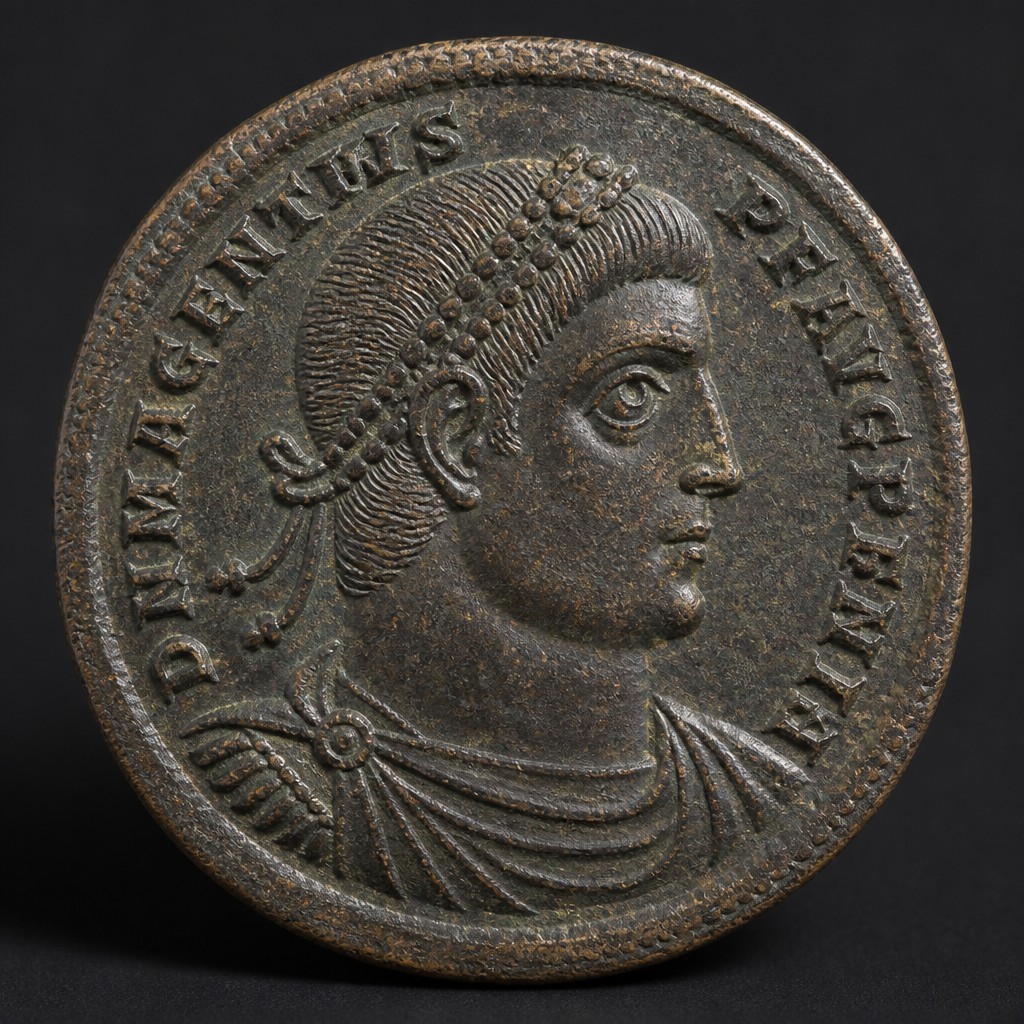
Magnentius Double Centenionalis
A large bronze coin of the usurper Magnentius featuring one of the earliest large Christian Chi-Rho symbols on Roman coinage.
Ancient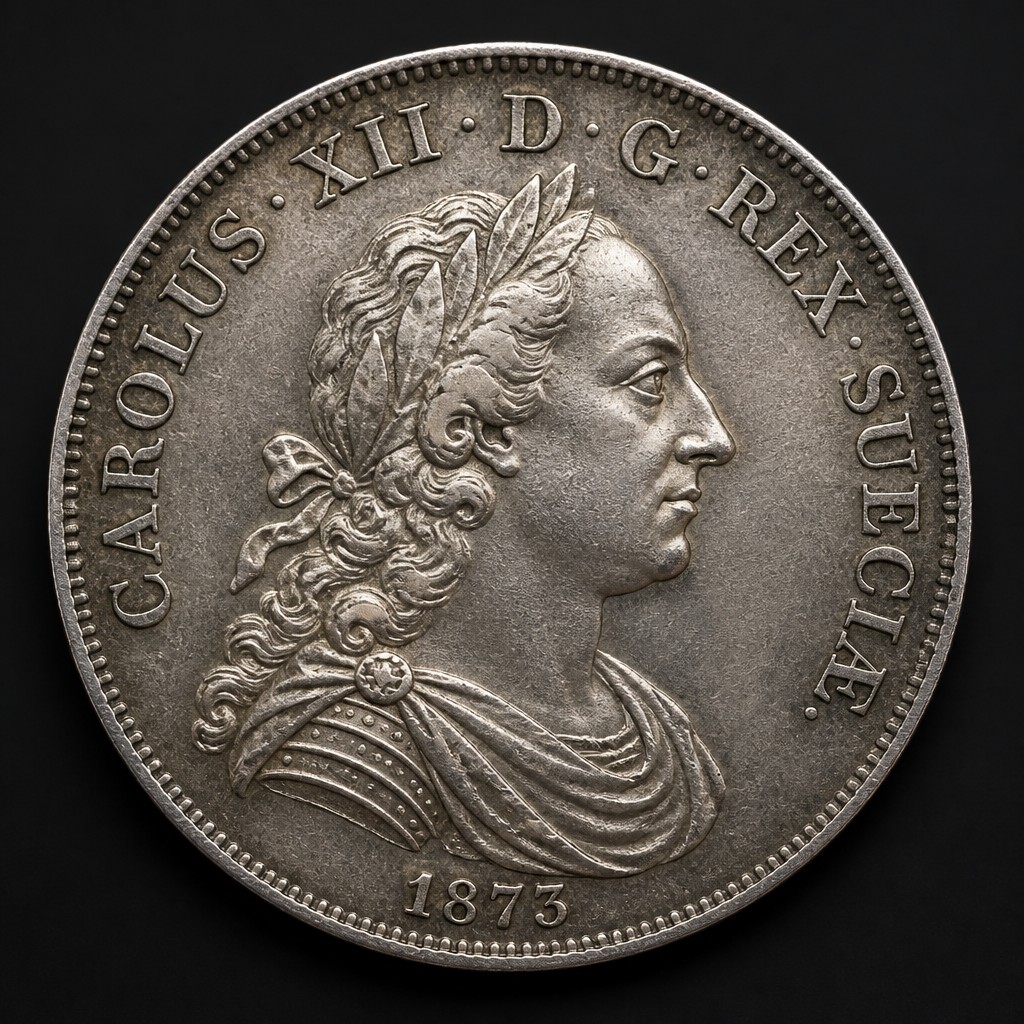
Swedish Riksdaler
Sweden's traditional silver dollar denomination, used for roughly two centuries before being replaced by the krona in the 1870s currency reform.
European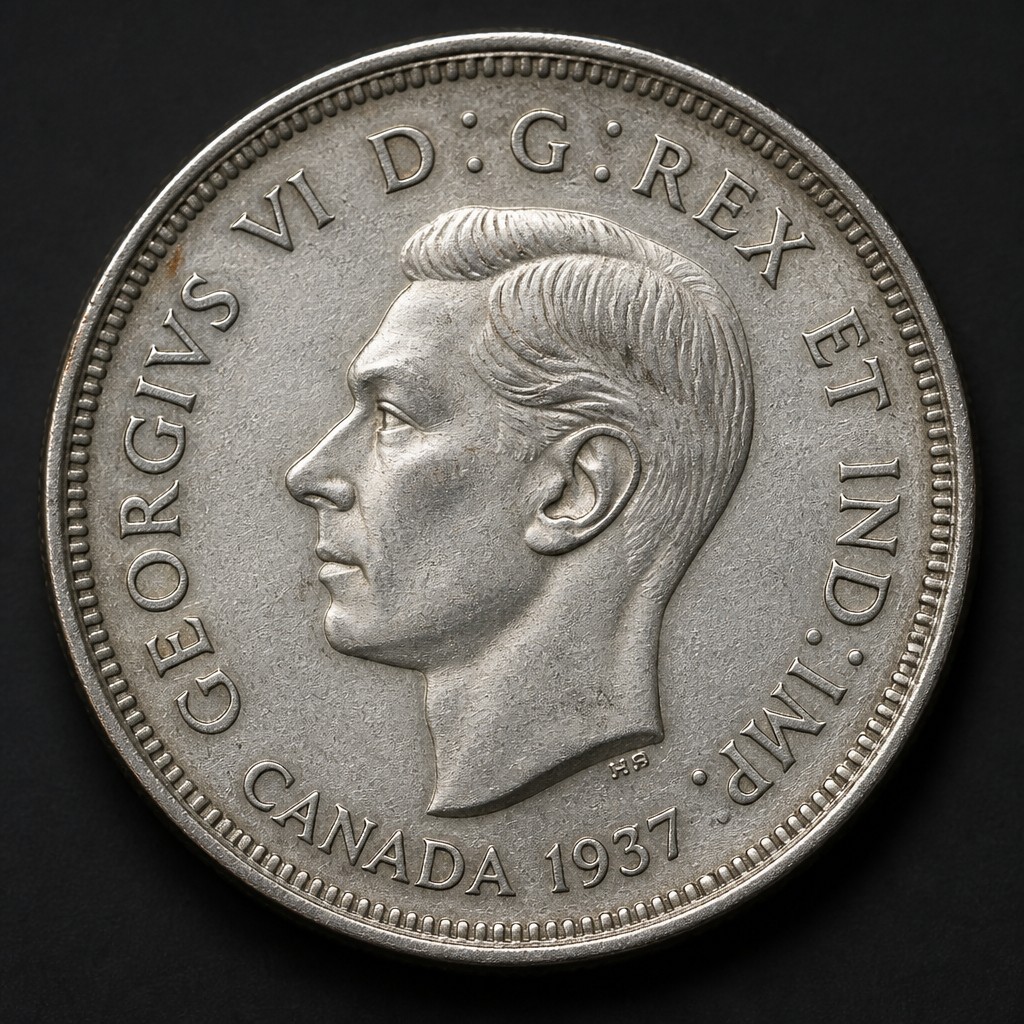
Bluenose Ten Cents (dime)
Canada's iconic ten-cent coin featuring the famous racing and fishing schooner Bluenose, a design introduced in 1937 that remains in use on the modern dime today.
Canadian