
Coin Encyclopedia
Search and identify coins from around the world — with country, denomination, metal, mint, history, and how to tell them apart.
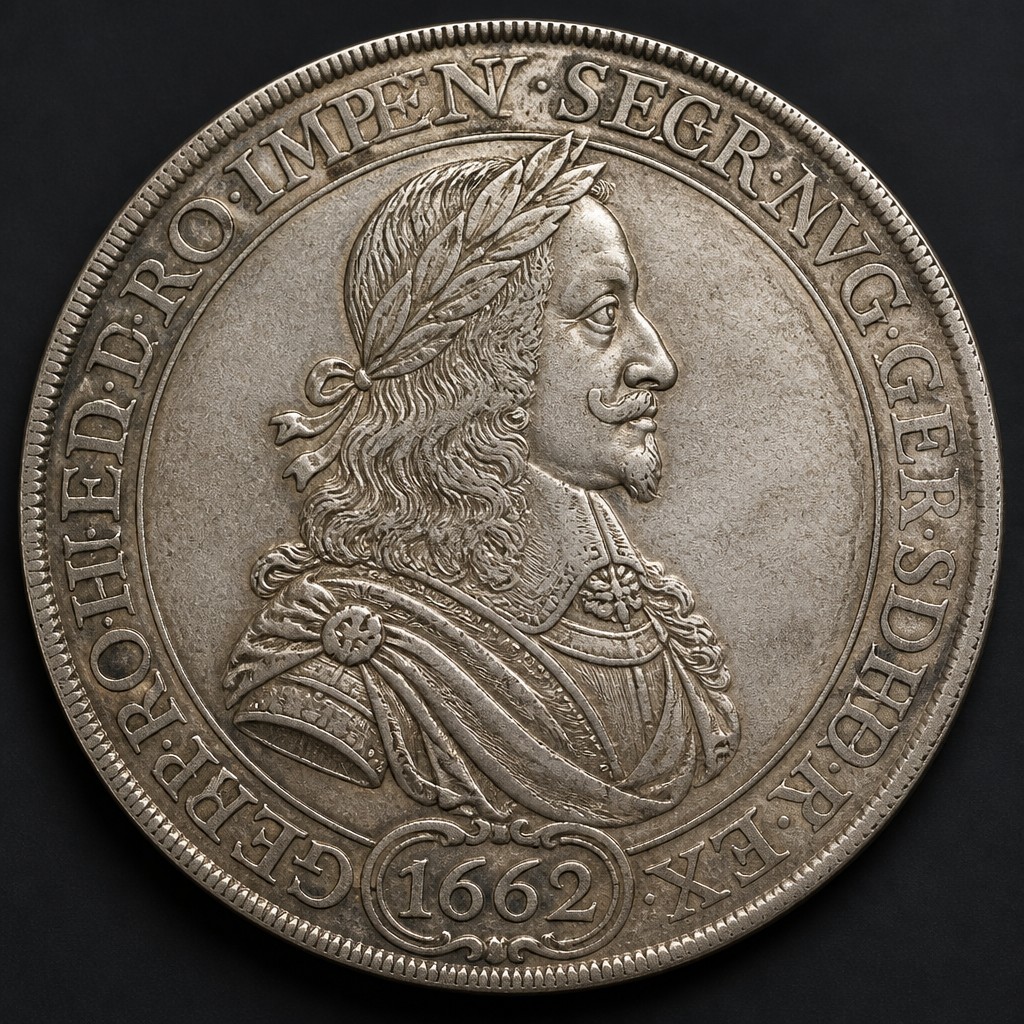
Reichsthaler
The standard large silver coin of the Holy Roman Empire and its constituent German states from the 16th century onward, whose name is the direct linguistic ancestor of the word 'dollar.'
European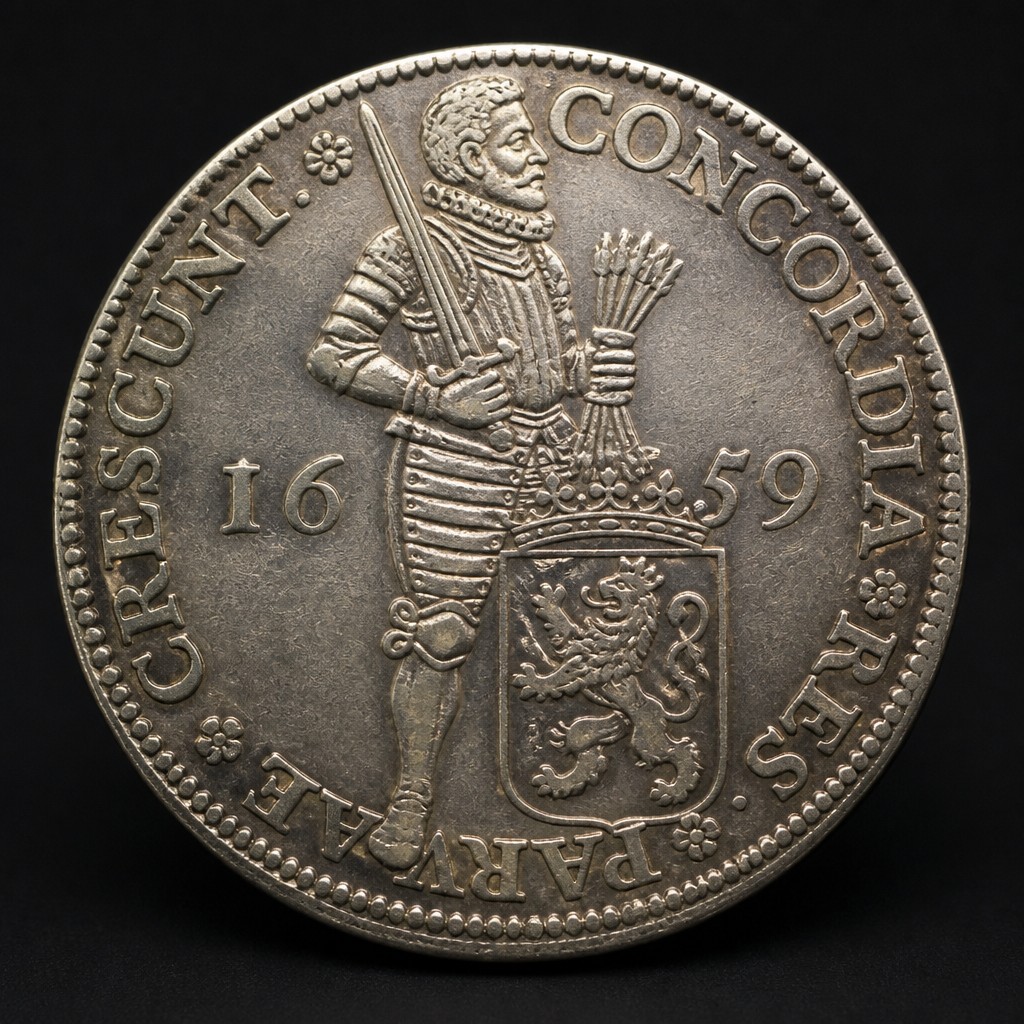
Dutch Silver Ducat
A historic Dutch trade silver coin first struck in 1659, depicting a standing knight, that has been minted continuously for centuries and remains a popular silver bullion and collector piece today.
European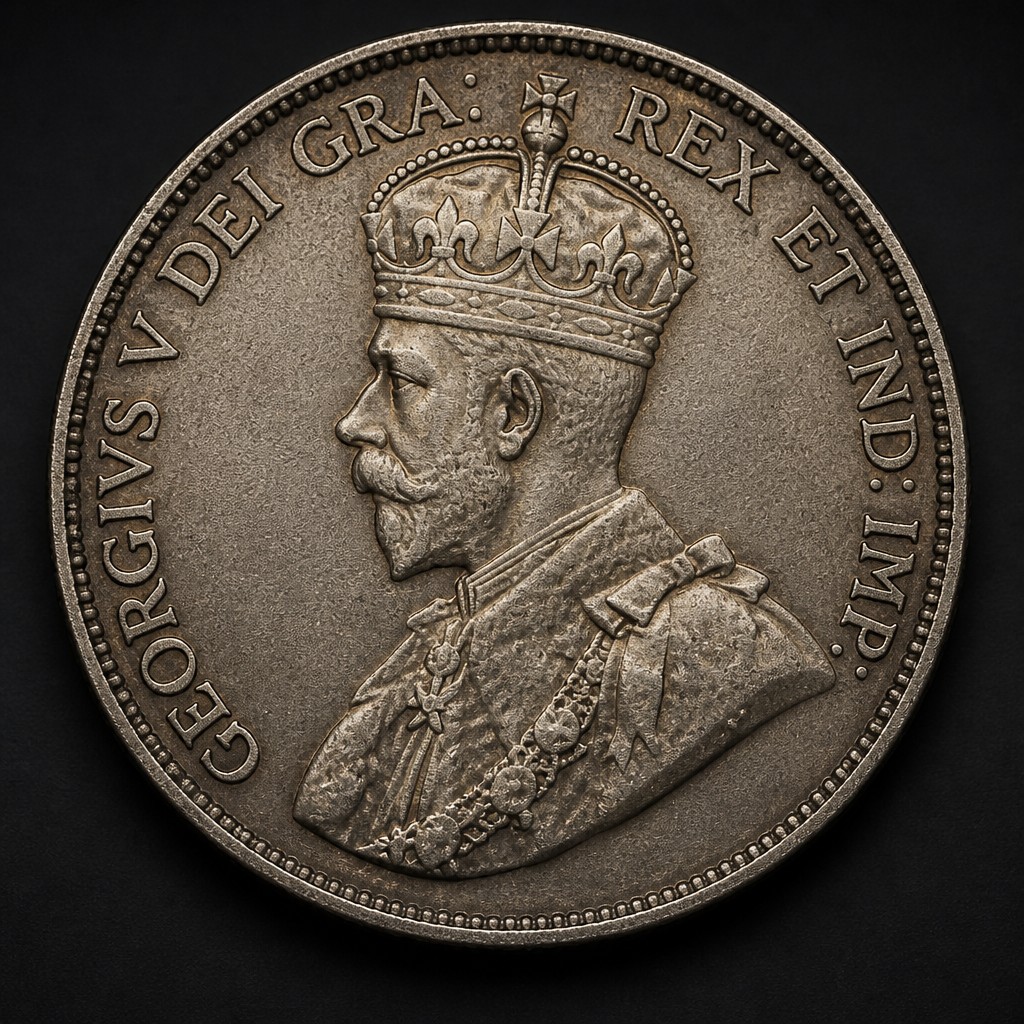
George V Twenty-Five Cents (silver)
Canada's silver twenty-five-cent coin struck under King George V, a series notable for its famous 1921 key date and a rare 1936 emergency dot variety.
Canadian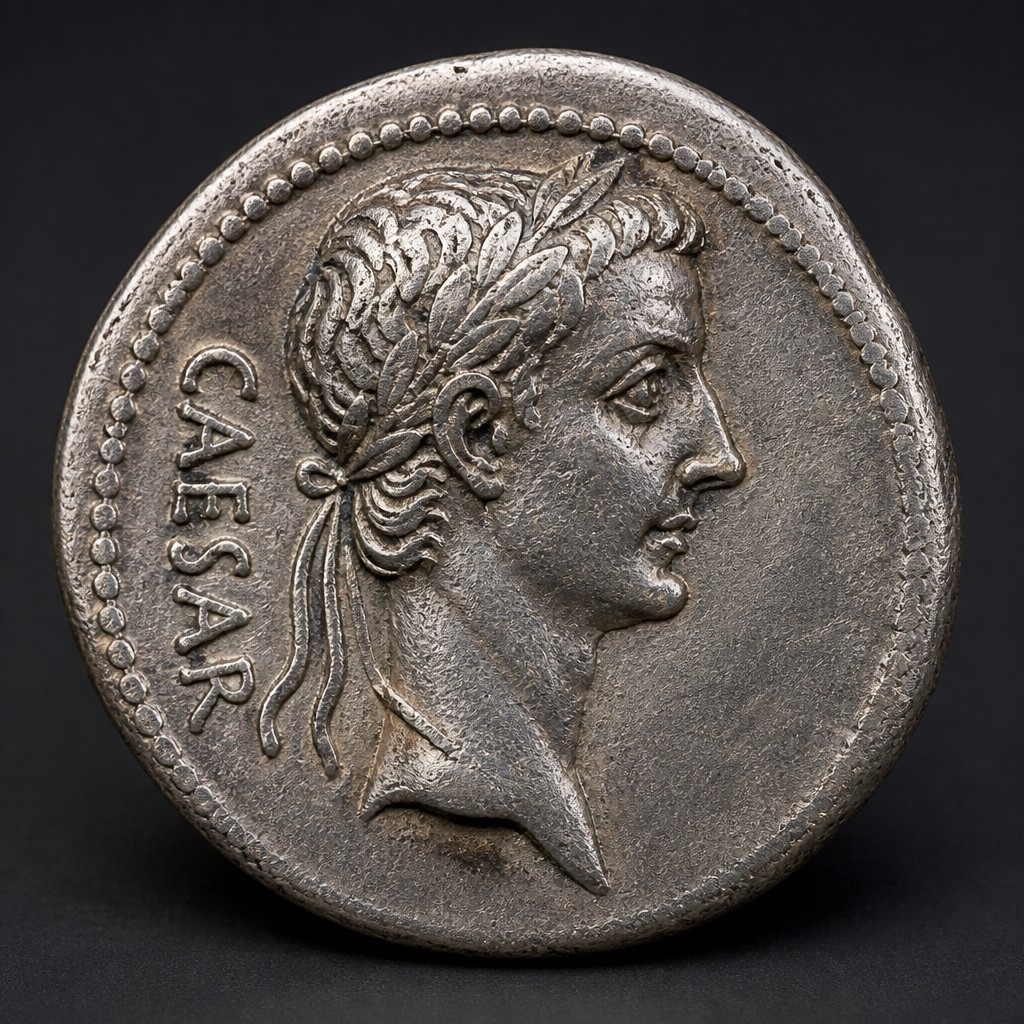
Julius Caesar Elephant Denarius
One of the most widely recognized ancient Roman coins, struck under Julius Caesar's authority and depicting an elephant trampling a serpent, likely a symbolic image tied to Caesar's political struggles.
Ancient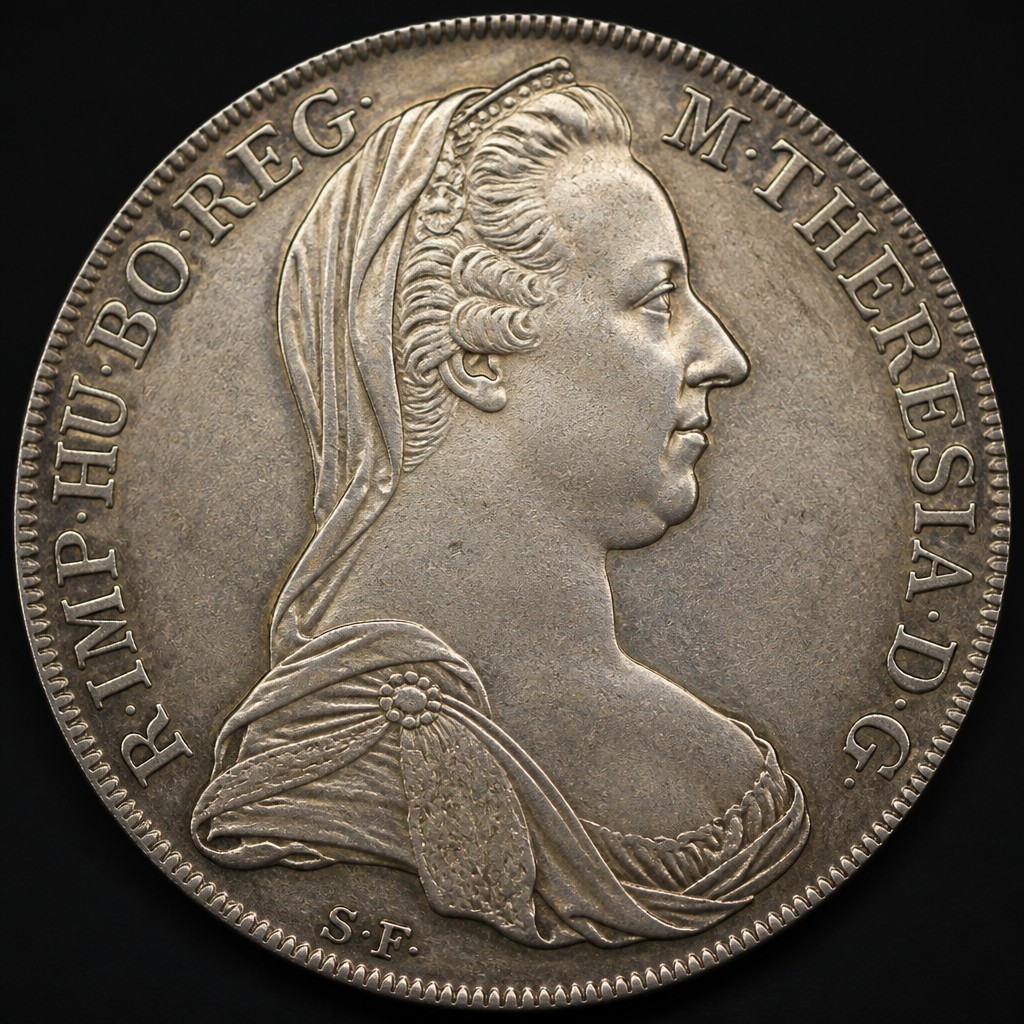
Austrian Levantine Thaler (Maria Theresa Thaler)
A famous silver trade coin bearing the portrait of Empress Maria Theresa, perpetually dated 1780 and restruck for centuries as a trusted trade currency across the Middle East, Arabia, and East Africa.
European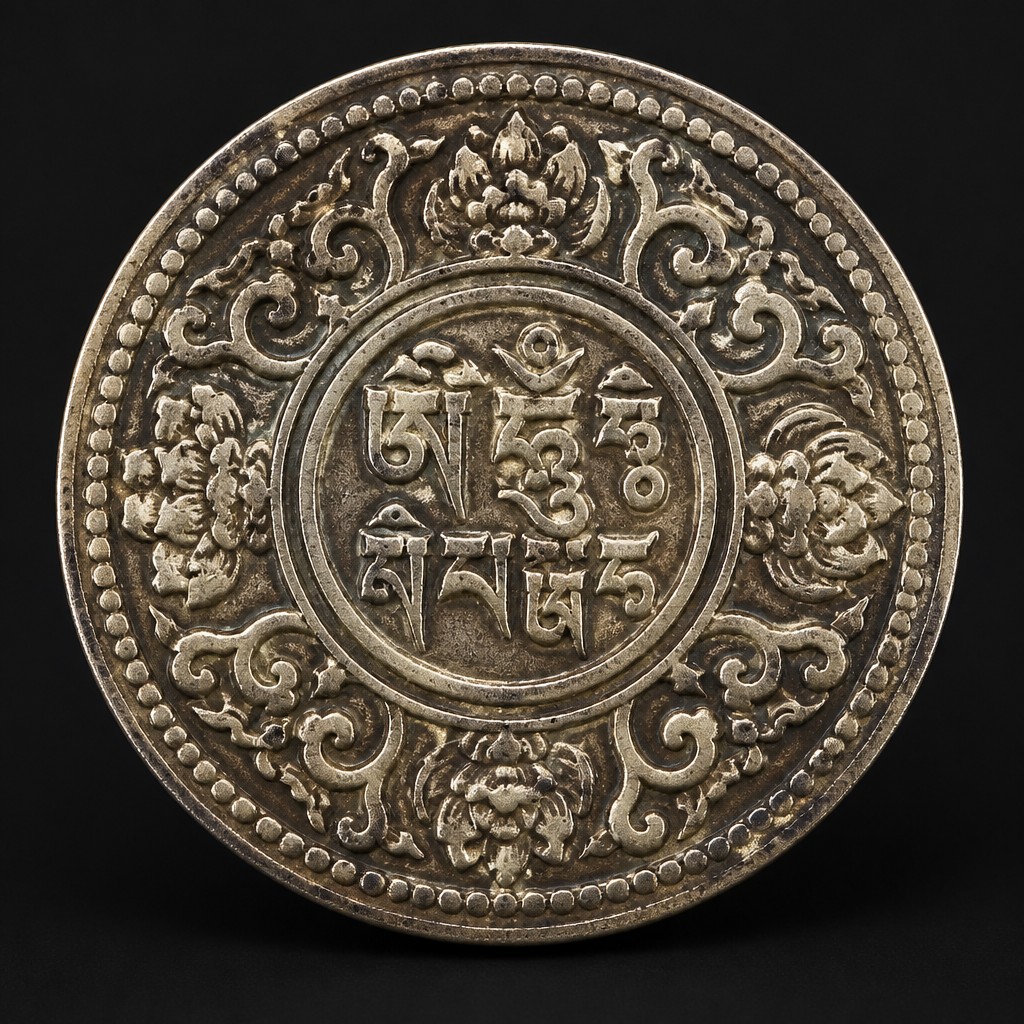
Tibetan Silver Tangka
The traditional silver coin denomination of Tibet, issued in many distinct types over roughly three centuries, from early Nepalese-struck coinage to native Tibetan and Sino-Tibetan issues.
Asian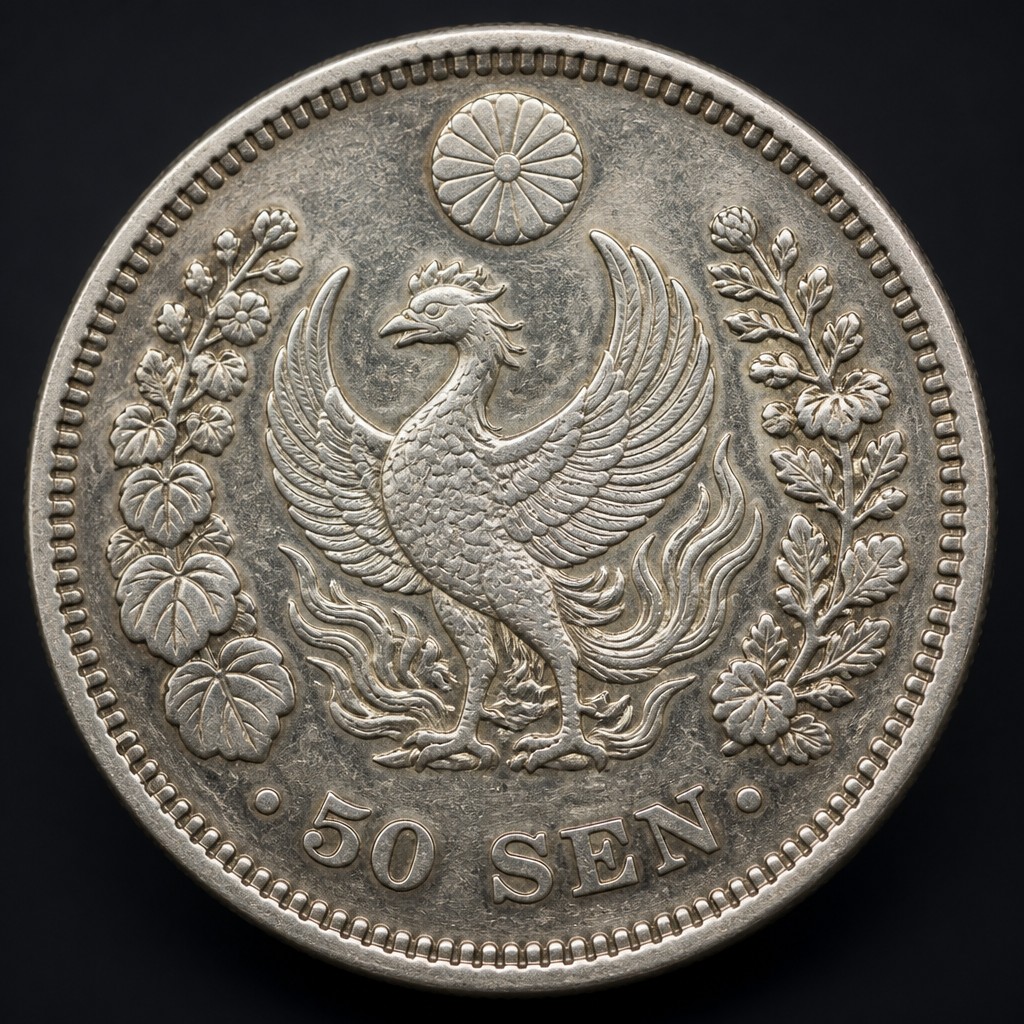
Japanese 50 Sen Silver (Meiji Phoenix)
An early Meiji-era Japanese silver coin featuring a coiled dragon on the obverse and a phoenix on the reverse, part of Japan's first modern decimal coinage system introduced after the Meiji Restoration.
Asian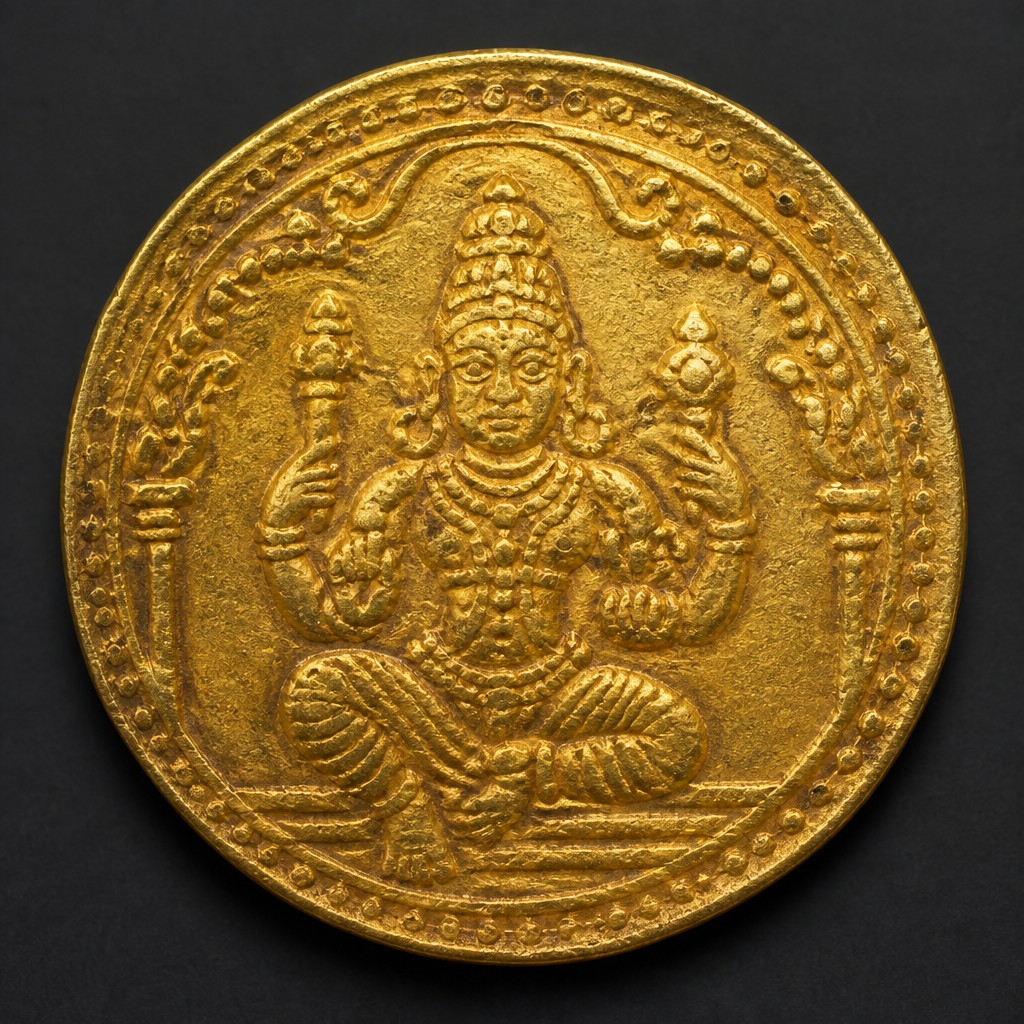
India Gold Pagoda (Madras Presidency)
Small gold coin traditionally used across South India, later adopted and standardized by the East India Company's Madras Presidency before being phased out for rupee-based currency.
Asian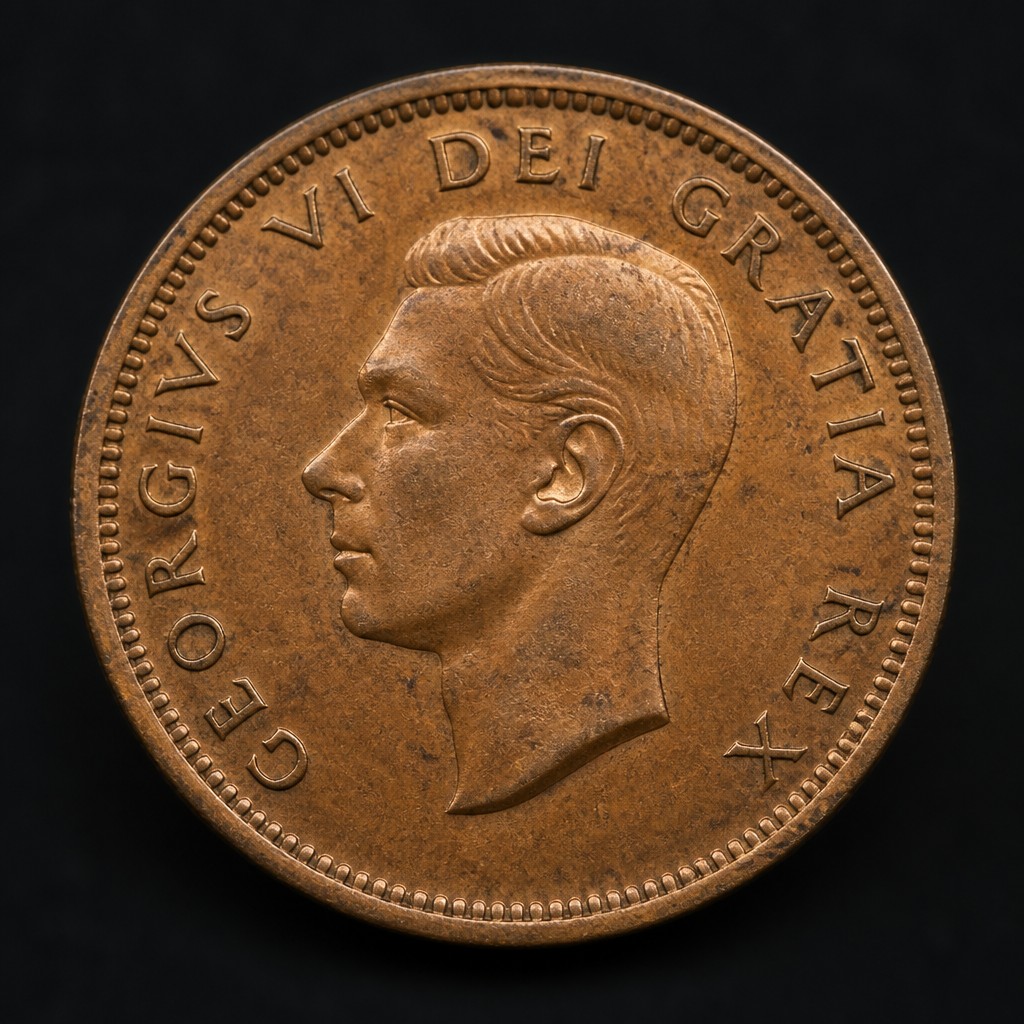
George VI Small Cent (Maple Twig)
Canada's bronze one-cent coin issued under King George VI, featuring two maple leaves on a twig, a design that helped modernize Canadian coinage in the late 1930s.
Canadian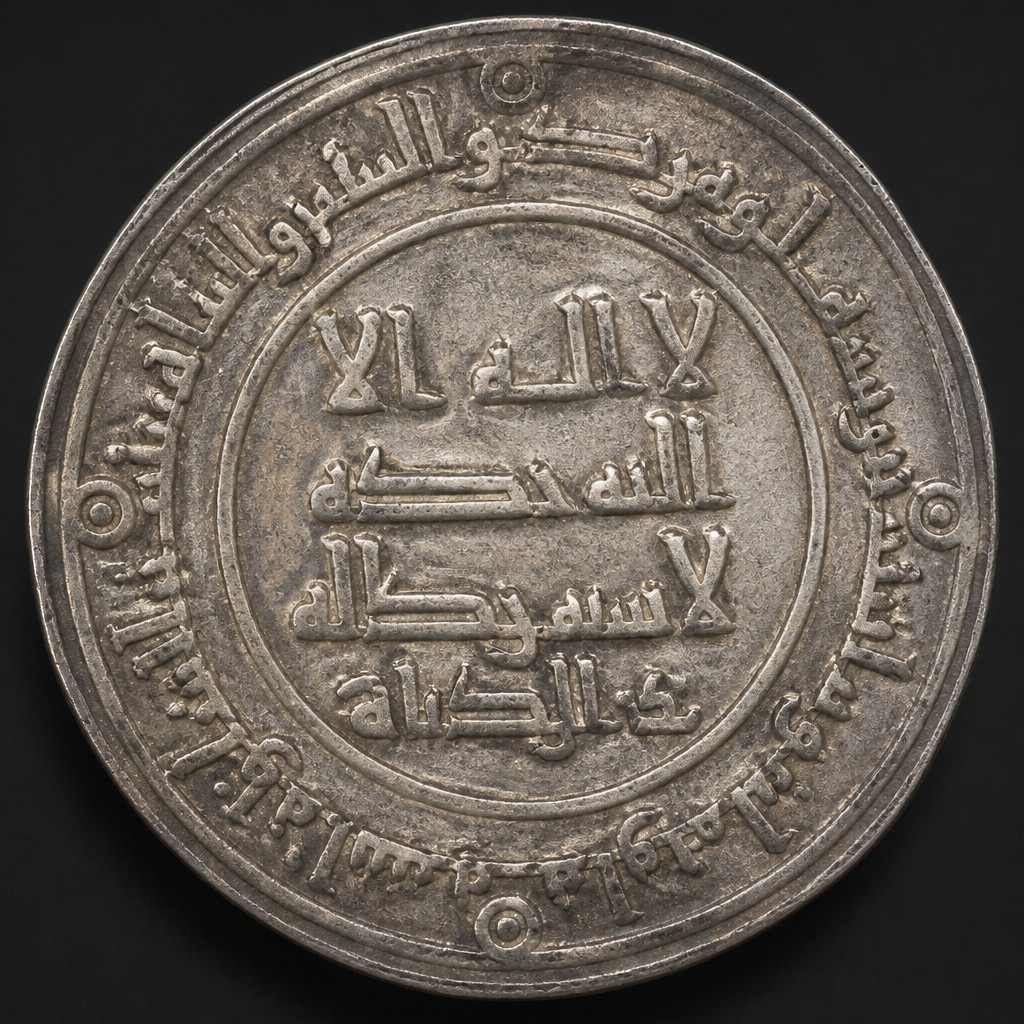
Islamic Silver Dirham (Abbasid)
The standard silver coin of the Abbasid Caliphate, continuing the text-only Kufic script tradition and widely used across a vast medieval trade network stretching from Europe to Central Asia.
Ancient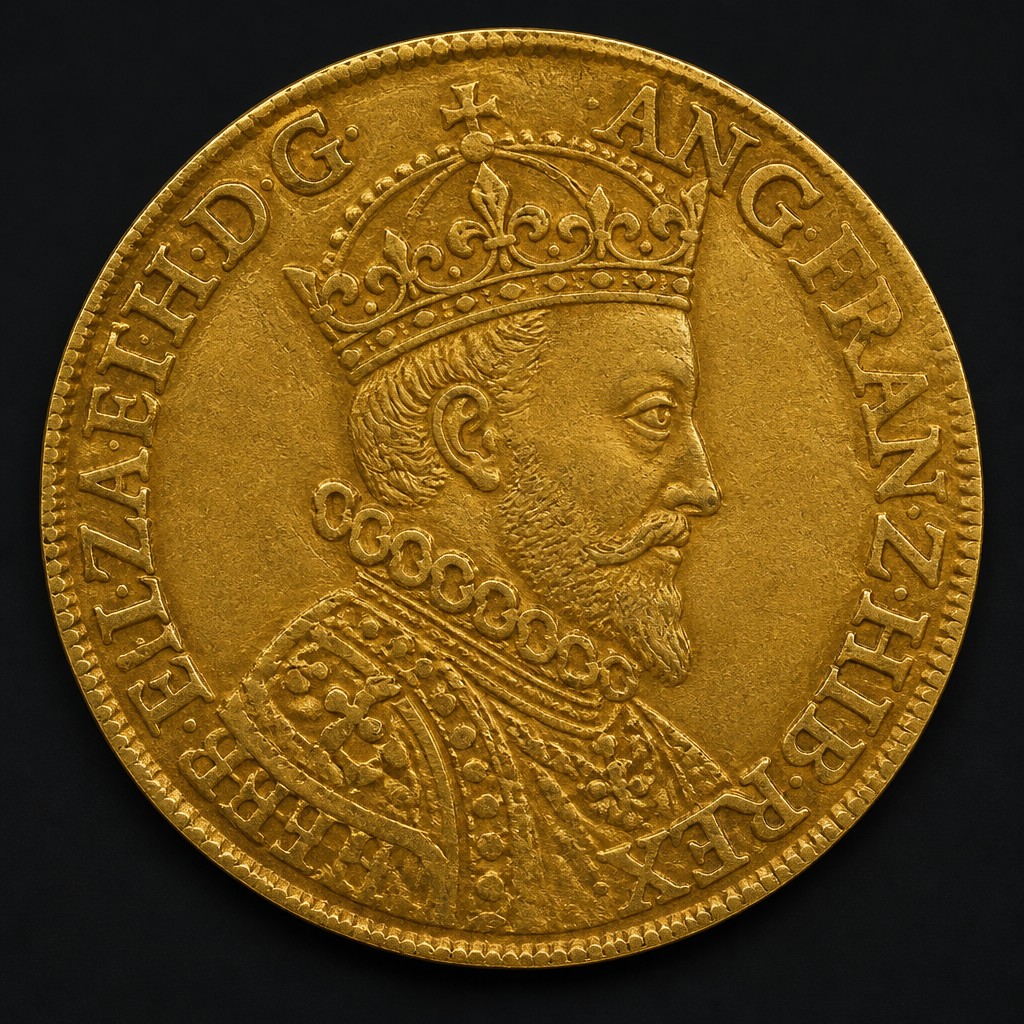
Touchstone Sovereign (Fine Sovereign)
A large, high-value English gold coin struck in especially pure 'fine gold,' valued at thirty shillings and distinguished from the more common crown-gold Sovereign of the same era.
British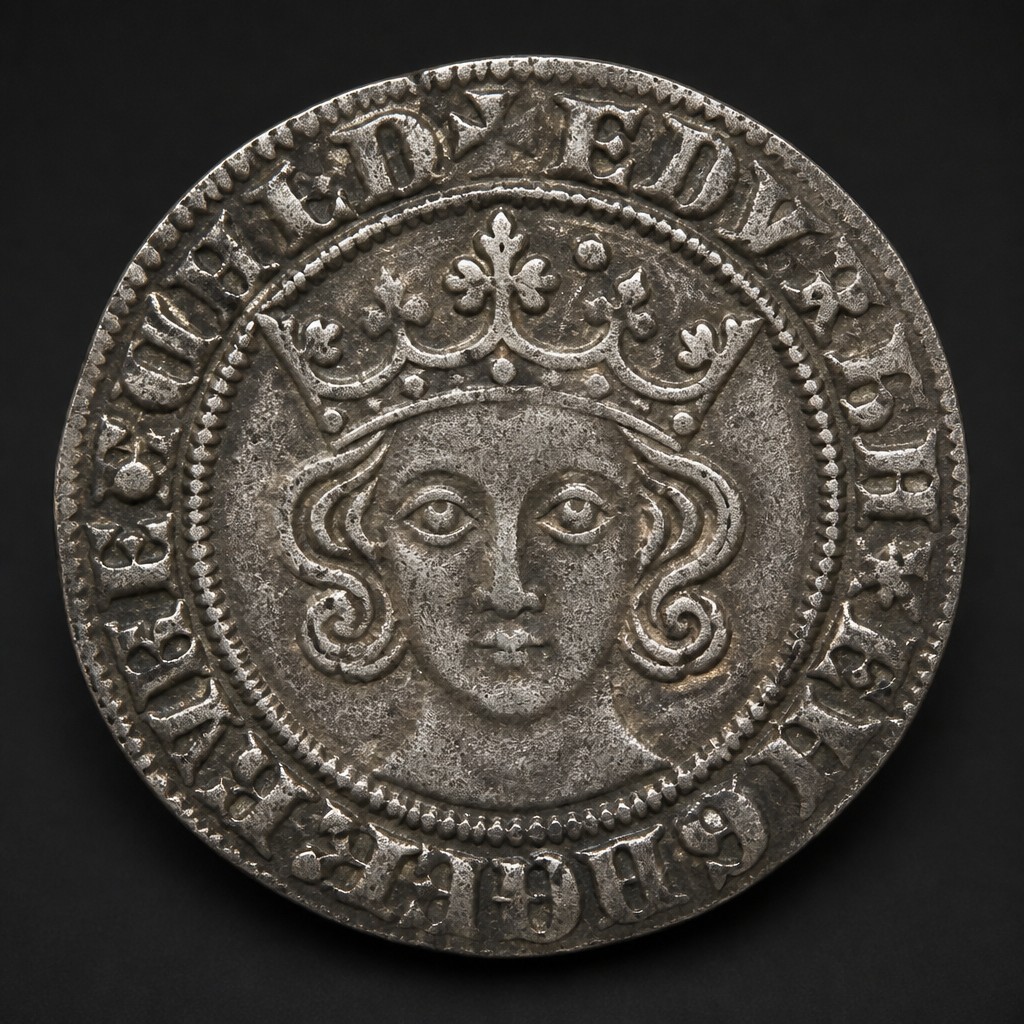
Half Groat
A small hammered silver coin worth half the value of the groat, or two pence, struck across three centuries of English coinage from the reign of Edward III through the Stuart era.
British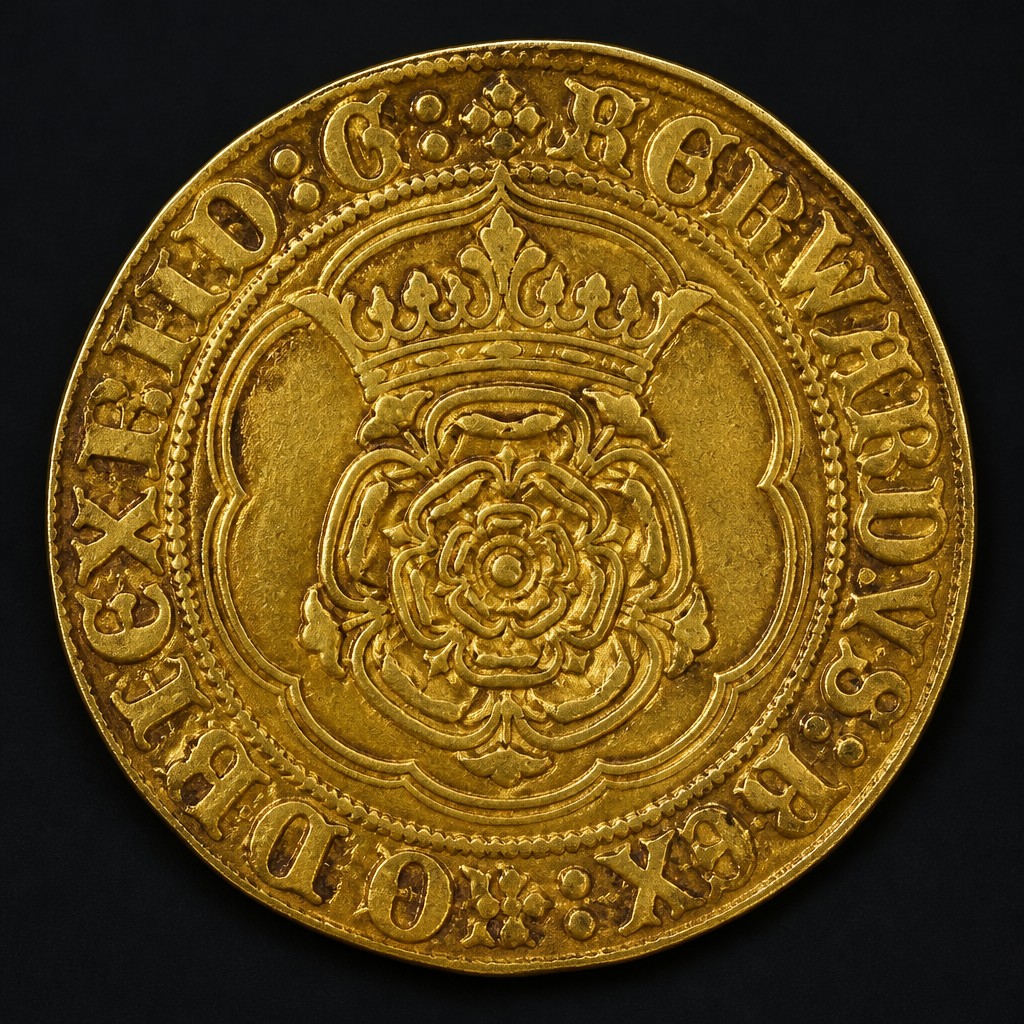
Rose Noble (Ryal)
A large English gold coin first struck under Edward IV in 1465, showing the king standing in a ship, and later revived in the Tudor era as a heavier, higher-value gold piece.
British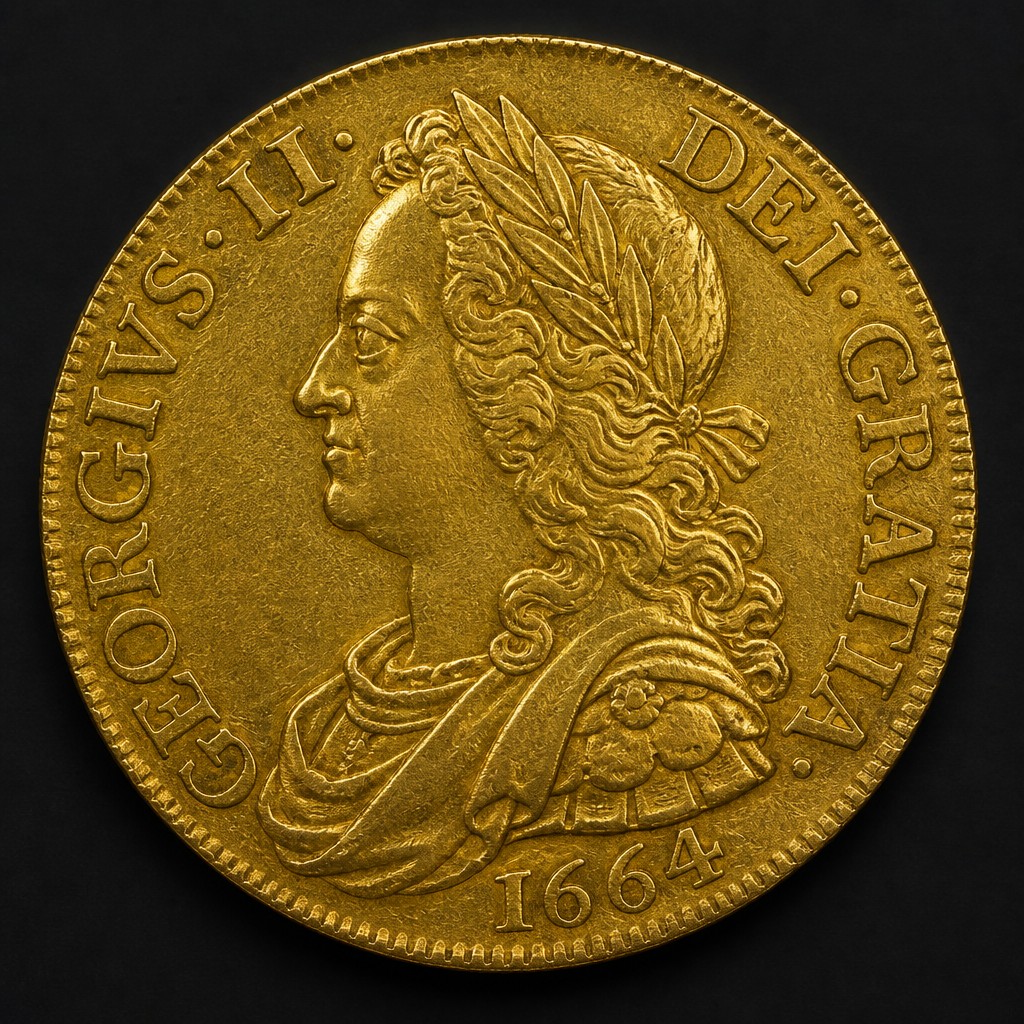
Two Guinea (Double Guinea)
A substantial gold coin worth two guineas, struck intermittently from the reign of Charles II through George II as part of England and Great Britain's early guinea coinage system.
British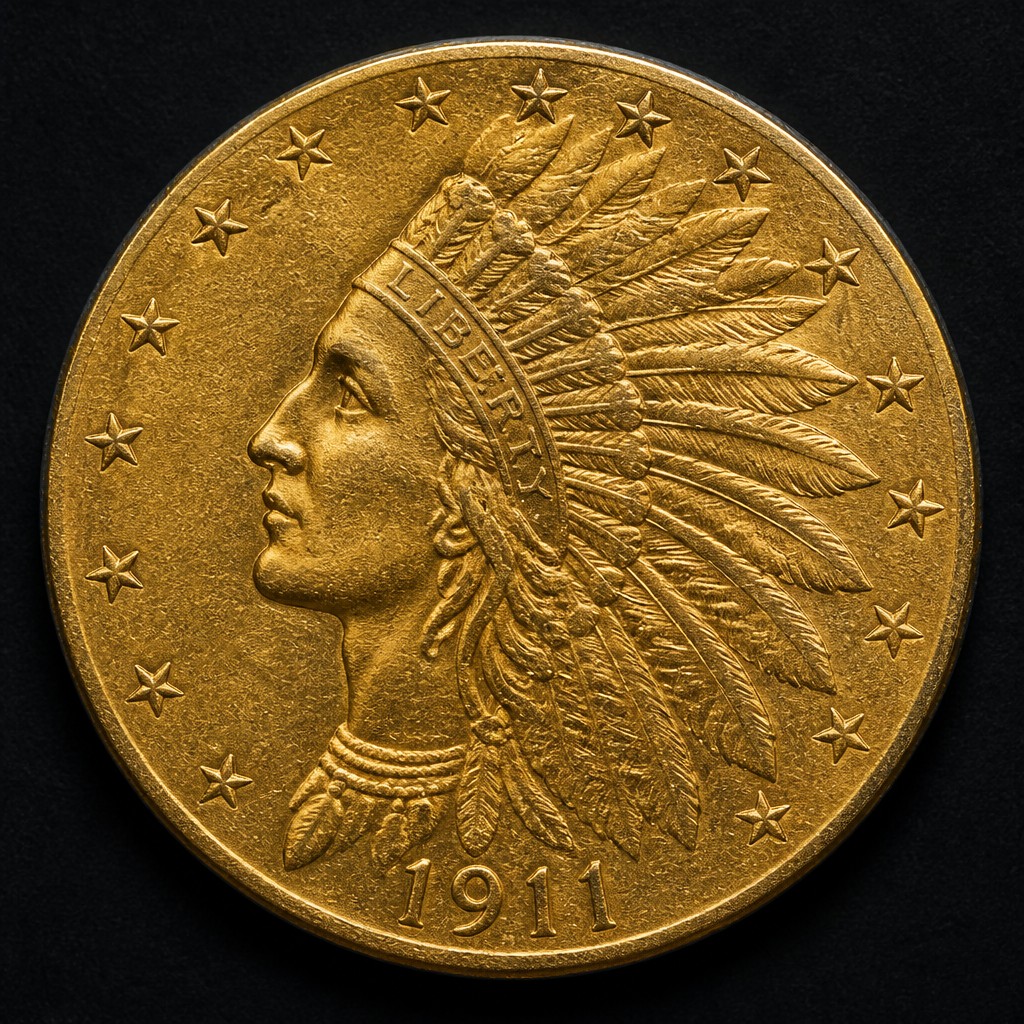
Indian Head Gold Quarter Eagle ($2.50)
A small early 20th-century $2.50 gold coin notable for its incuse design and Native American war bonnet portrait, designed by sculptor Bela Lyon Pratt.
United States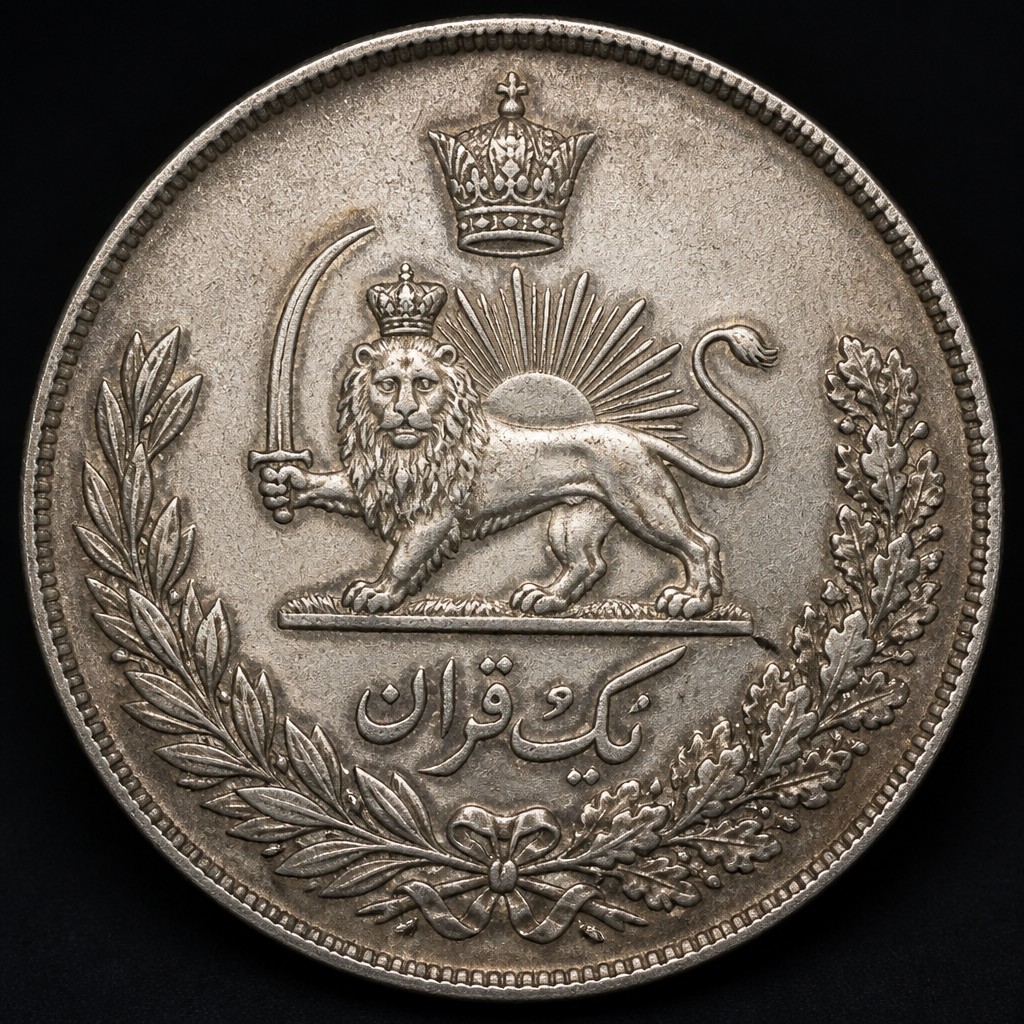
Persian Kran (Qajar silver)
The standard silver coin of Qajar Persia, worth one-tenth of a gold toman, widely struck under Naser al-Din Shah and later rulers and commonly seen with the lion-and-sun emblem.
Asian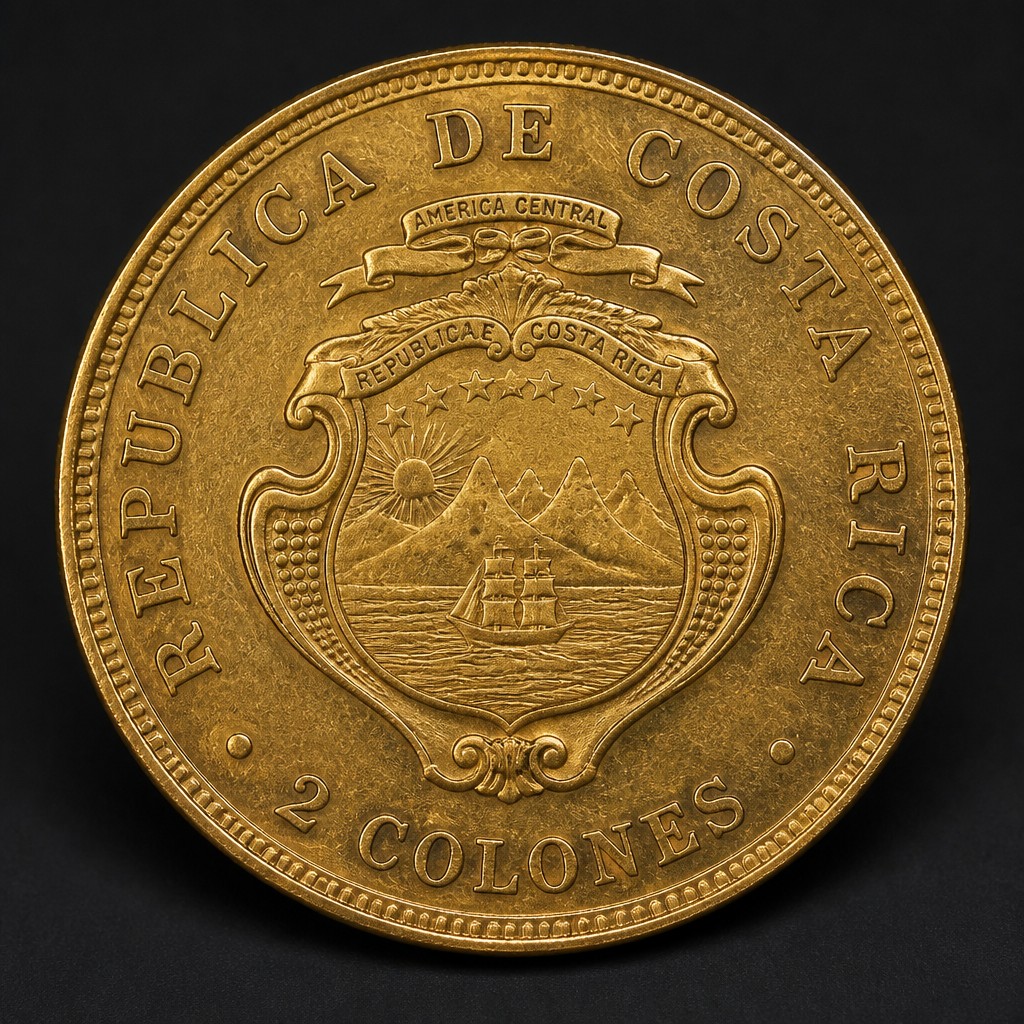
Costa Rica 2 Colones Gold
A small gold denomination from Costa Rica's early colon-era coinage, part of a family of gold coins (2, 5, 10, and 20 colones) struck around the turn of the twentieth century.
Latin American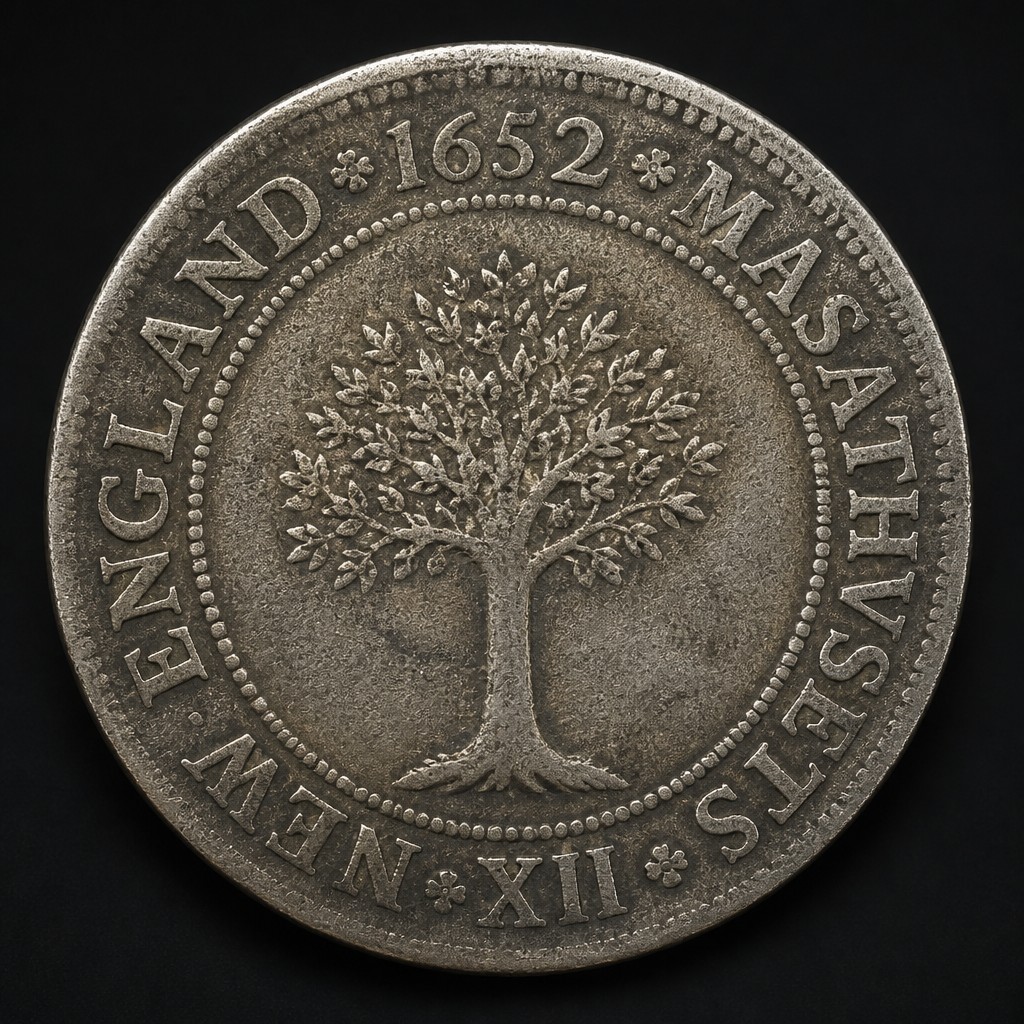
Massachusetts Oak Tree Shilling
The second design in Massachusetts Bay's colonial tree-coin series, showing an oak tree, more available than the earlier Willow Tree type but still a scarce early American colonial rarity.
United States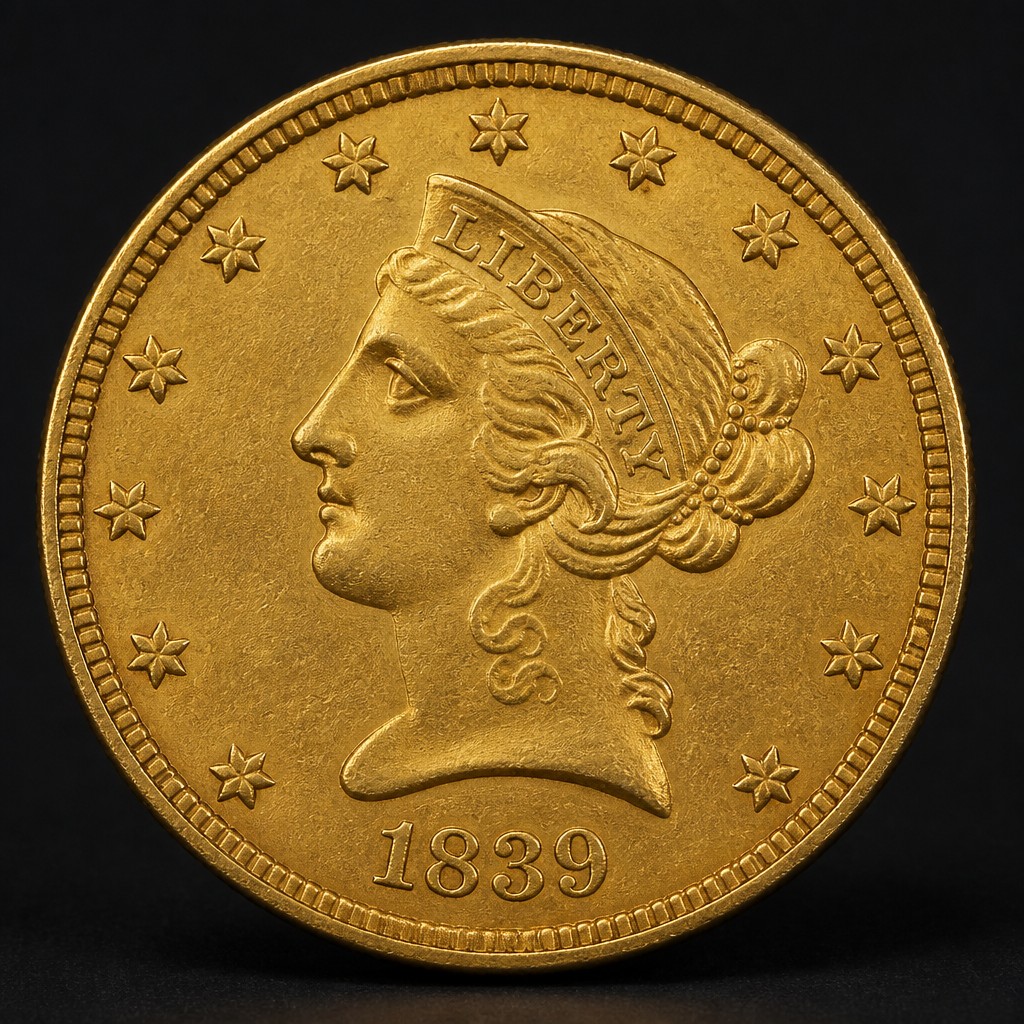
Liberty Head Half Eagle ($5)
A widely produced 19th-century gold five-dollar coin bearing Christian Gobrecht's Coronet Head design, struck across nearly every major American branch mint of the era.
United States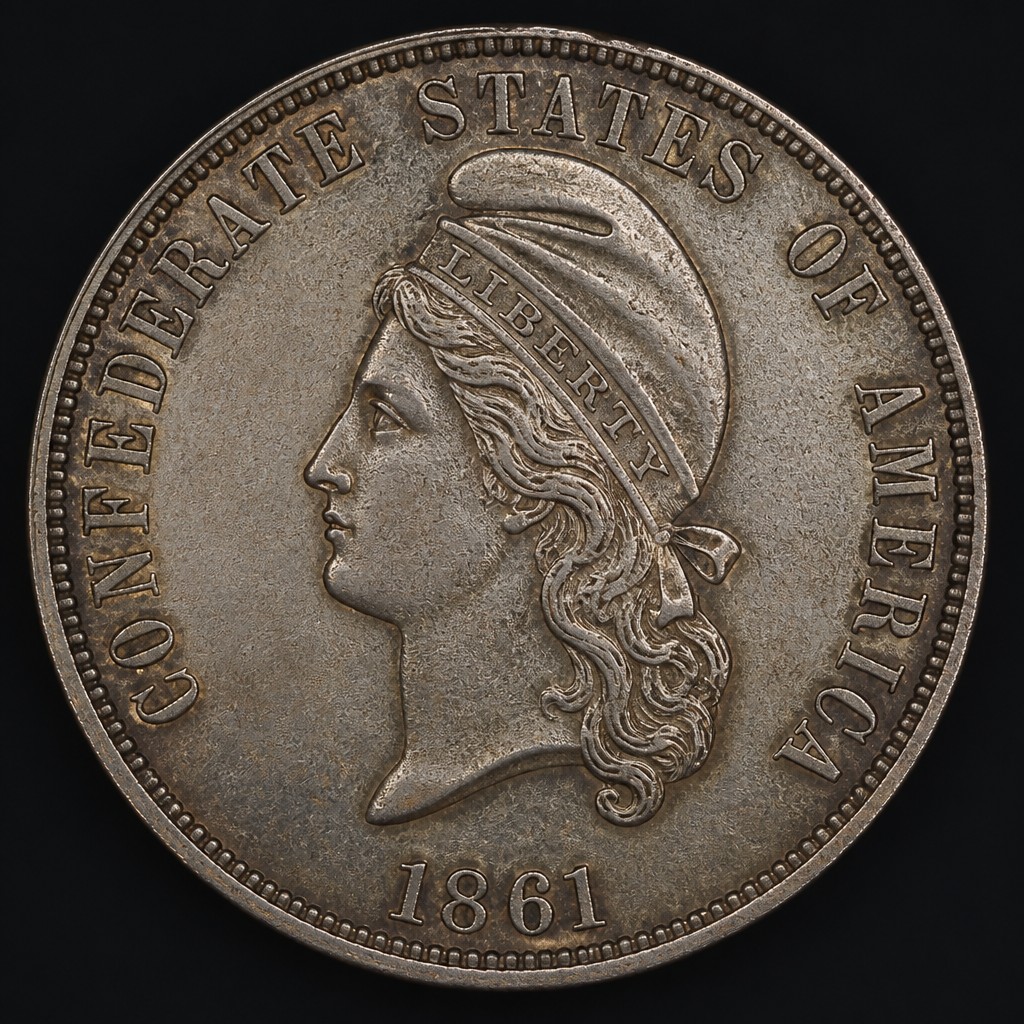
1861 Confederate Half Dollar
An extraordinarily rare Civil War-era coin struck briefly at the Confederate-controlled New Orleans mint, using a genuine CSA reverse die paired with an existing US half dollar obverse.
United States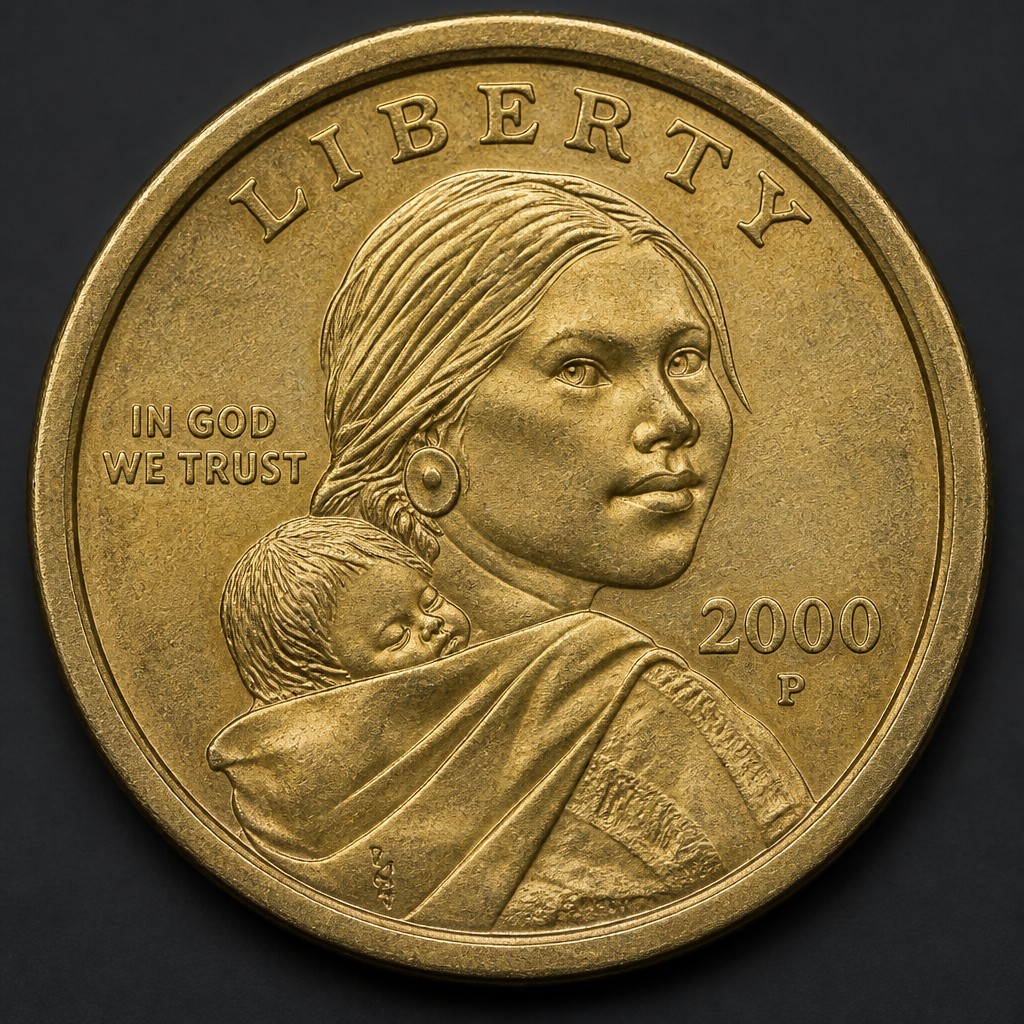
2000-P Sacagawea Cheerios Dollar
A famous modern rarity: early-production 2000-P Sacagawea dollars included in Cheerios cereal boxes as a promotion, some showing enhanced eagle tail feather detail not found on later coins.
Errors & Varieties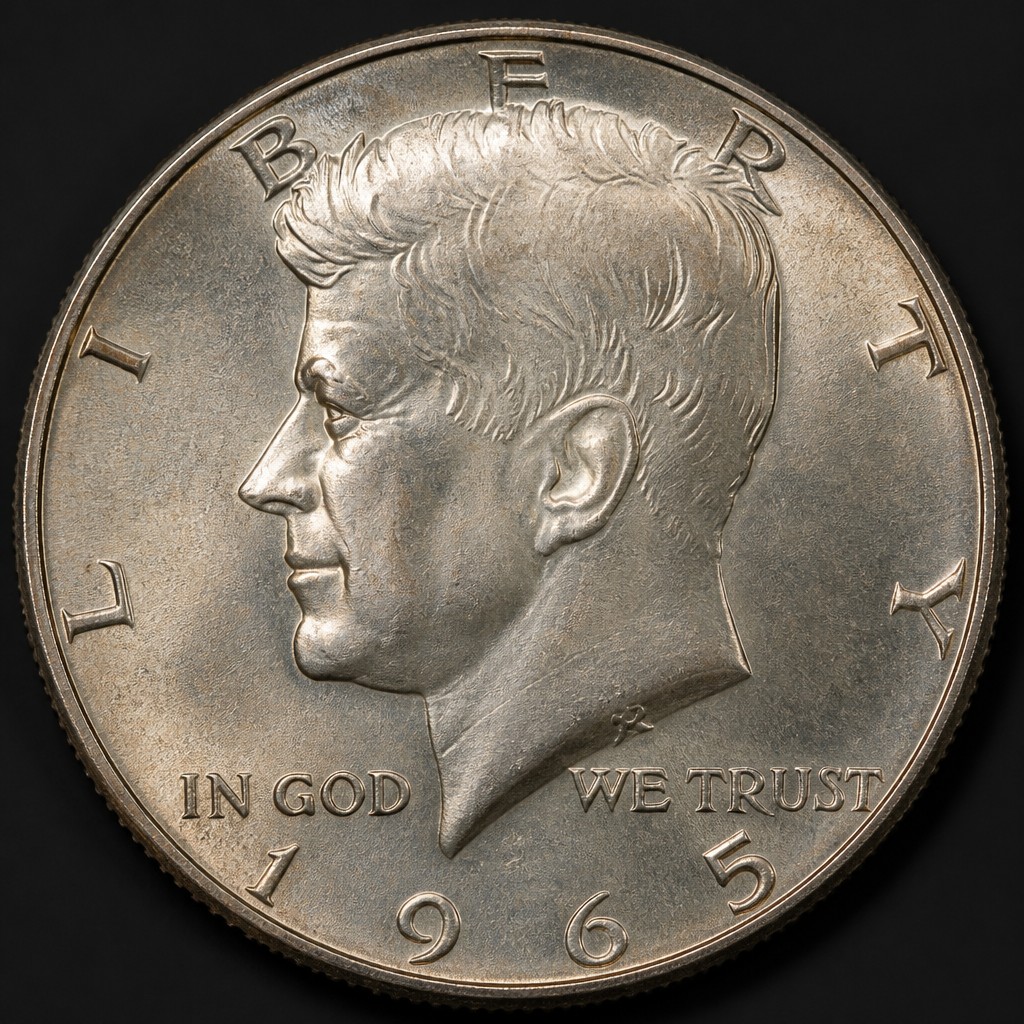
1965-1970 Kennedy Half Dollar (40% Silver)
Kennedy half dollars struck with a reduced 40% silver clad composition after the Coinage Act of 1965, bridging the gap between full silver coinage and today's copper-nickel clad coins.
United States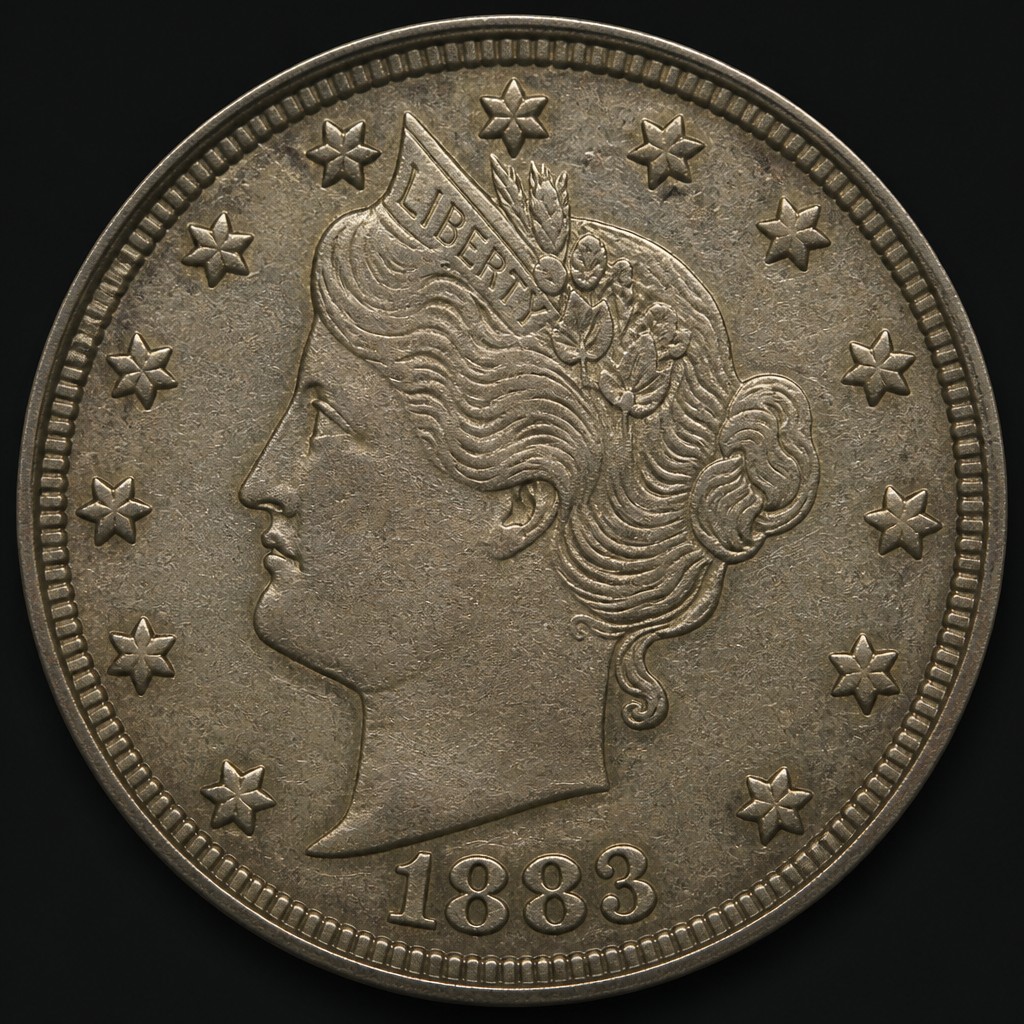
1883 No Cents Liberty Head Nickel
The first-year Liberty Head Nickel design that omitted the word CENTS from the reverse, later infamous as the 'Racketeer Nickel' after being gold-plated and passed off as a five-dollar coin.
United States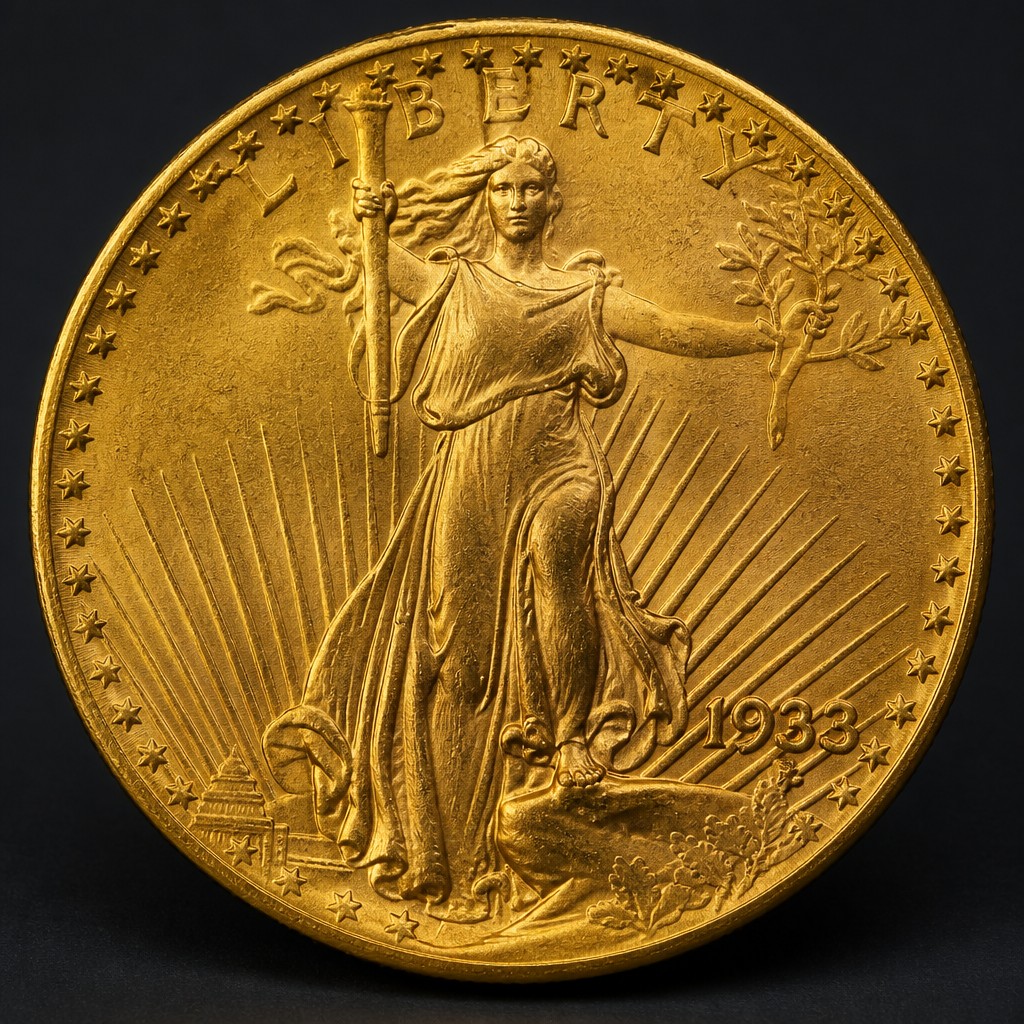
1933 Double Eagle
One of the rarest and most legally contested U.S. coins, struck but never officially released for circulation after the nation left the gold standard; a single example sold for over $18 million.
United States