
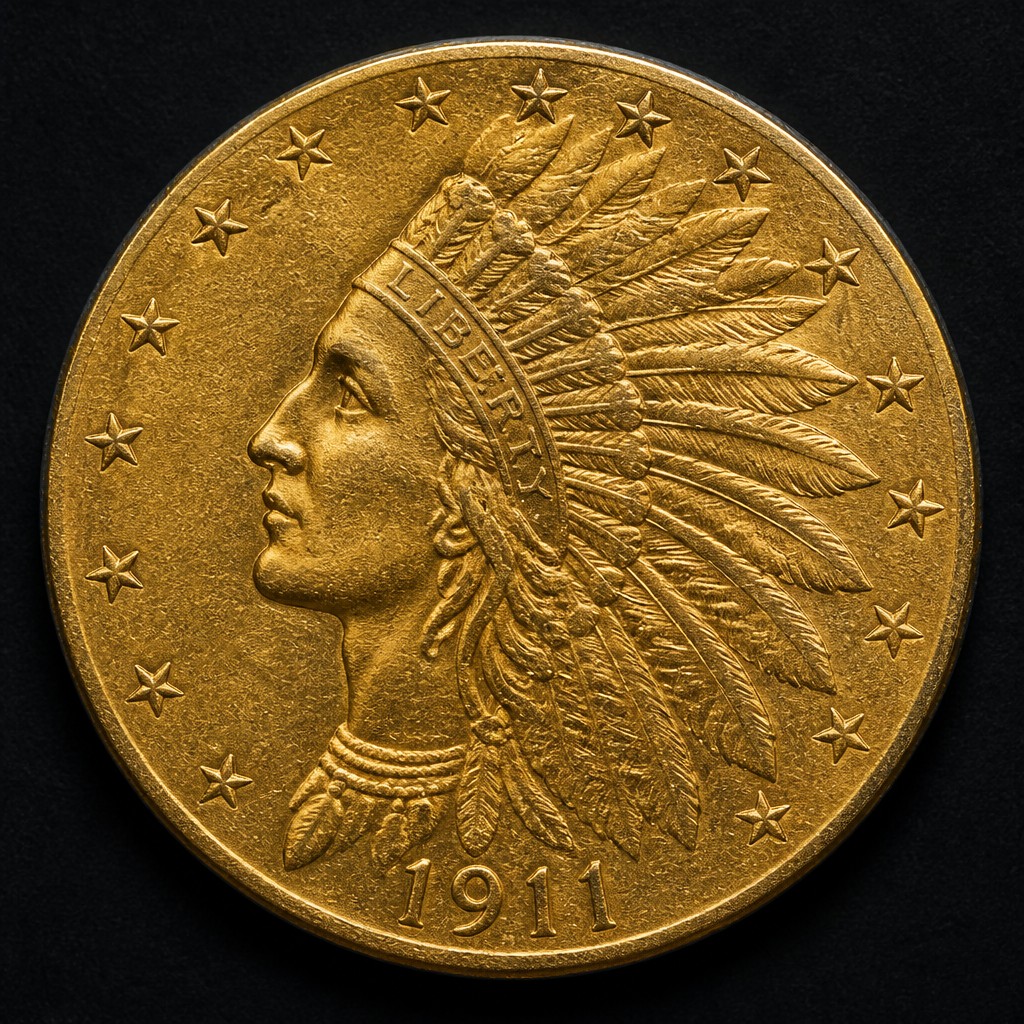
Indian Head Gold Quarter Eagle ($2.50)
A small early 20th-century $2.50 gold coin notable for its incuse design and Native American war bonnet portrait, designed by sculptor Bela Lyon Pratt.
- Country
- United States
- Denomination
- Two Dollars and Fifty Cents (Quarter Eagle)
- Metal
- Gold (.900 fine)
Got a coin like this?
Identify any coin from a photo, free.
Overview
The Indian Head quarter eagle is one of the most distinctive small gold coins ever issued by the United States, sharing with its larger $10 counterpart the unusual and rarely used incuse design technique, where the design sits below rather than above the coin's surface. Designed by sculptor Bela Lyon Pratt, it was part of the broader early 1900s effort to modernize American coin art championed by President Theodore Roosevelt.
Its small size, historic design experiment, and modest gold content have made it a popular and relatively accessible entry point for collectors interested in early 20th-century U.S. gold coinage.
History & Background
Following the success of the Roosevelt-era redesign of larger gold denominations, Mint officials commissioned sculptor Bela Lyon Pratt to design new $2.50 and $5 gold coins, both introduced in 1908. Pratt adopted the incuse relief technique recently used on the Indian Head eagle, becoming the first (and for decades, only) regular U.S. coin denomination pairing to use this recessed-design method on such small coins.
The coin depicts a Native American chief in a feathered war bonnet on the obverse, a departure from the classical female Liberty figures traditionally used on American coinage, reflecting a period interest in using American, rather than European classical, imagery. Some contemporary critics found the incuse design unusual or even worried it would collect dirt and germs in circulation, but the coin remained in production largely unchanged until gold coinage was curtailed in the early 1930s.
Production ended in 1929, a few years before the broader suspension of U.S. gold coin manufacture during the Great Depression under Franklin D. Roosevelt.
How to Identify
The obverse shows a Native American chief's head facing left, wearing a feathered war bonnet, with LIBERTY above, stars around the border, and the date below. The reverse depicts a standing eagle perched on a bundle of arrows with an olive branch, surrounded by UNITED STATES OF AMERICA, E PLURIBUS UNUM, and 2 1/2 DOLLARS.
As with the Indian Head eagle, this coin's design is struck incuse, meaning the devices and lettering are recessed into the coin's surface rather than raised, giving it a smooth, almost sunken feel compared to typical raised-relief coinage; this is the coin's single most distinguishing physical characteristic. The mint mark, when present, is found on the reverse to the left of the arrow bundle near the rim; coins without a mint mark were struck at Philadelphia, and only Philadelphia and Denver produced this denomination.
Value & Collectibility
Common-date Indian Head quarter eagles trade close to their gold bullion value plus a modest premium, making them one of the more affordable ways to collect pre-1930s U.S. gold coinage. A handful of lower-mintage dates and higher uncirculated grades command noticeably more.
Because the recessed design tends to trap dirt and wear differently than raised designs, well-struck, high-grade, and problem-free examples are valued at a premium, and grading services pay particular attention to the condition of the recessed devices when assigning grades.
Frequently asked questions
Who designed the Indian Head quarter eagle?
Sculptor Bela Lyon Pratt designed the coin, introducing it in 1908 alongside a matching $5 half eagle.
Why does this coin feel different from other old gold coins?
It uses an incuse design, meaning the design elements are recessed into the coin's surface rather than raised, an unusual technique used on only a couple of early 20th-century U.S. gold denominations.
How much gold does it contain?
It contains about 0.121 troy ounces of pure gold, consistent with the standard pre-1930s U.S. quarter eagle weight.
Which mints produced this coin?
Only the Philadelphia and Denver mints struck the Indian Head quarter eagle; no mint mark indicates Philadelphia and a D indicates Denver.
Other coins you may enjoy
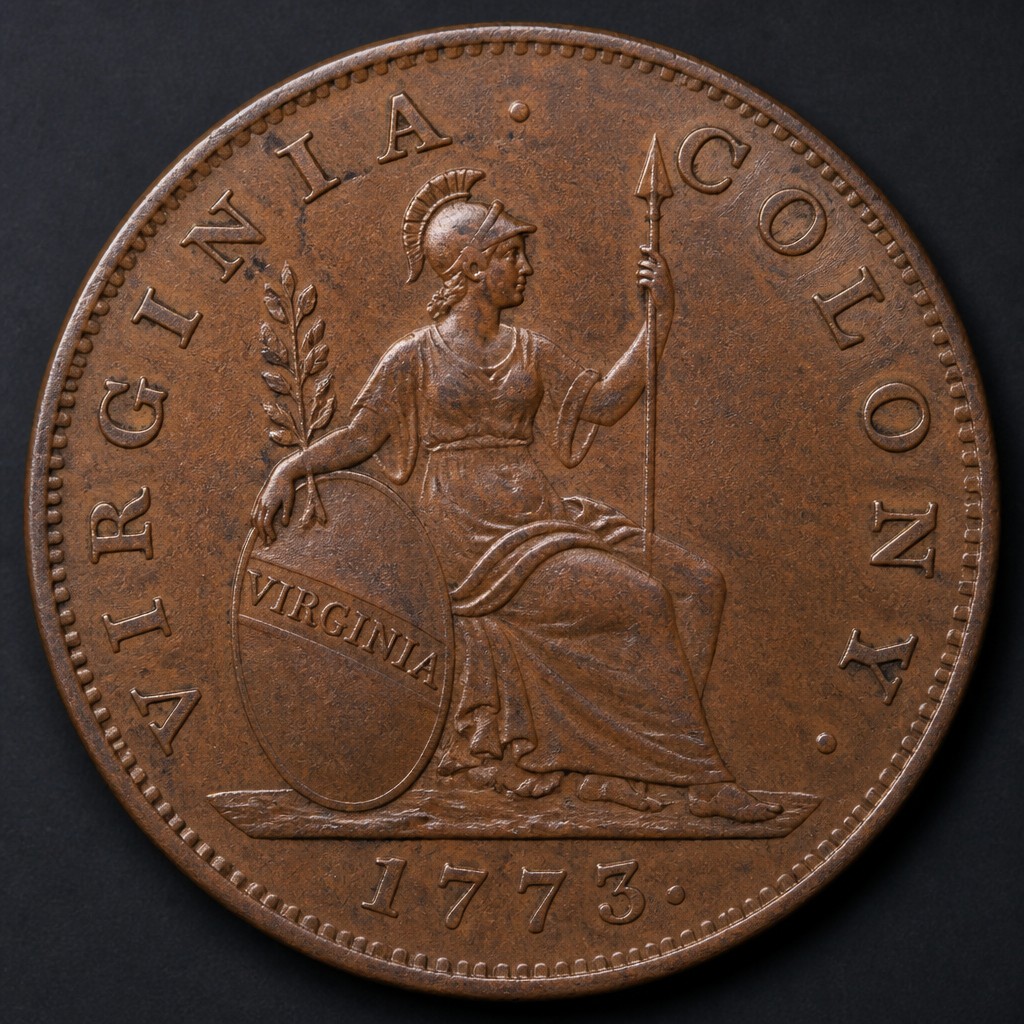
Virginia Halfpenny
1773
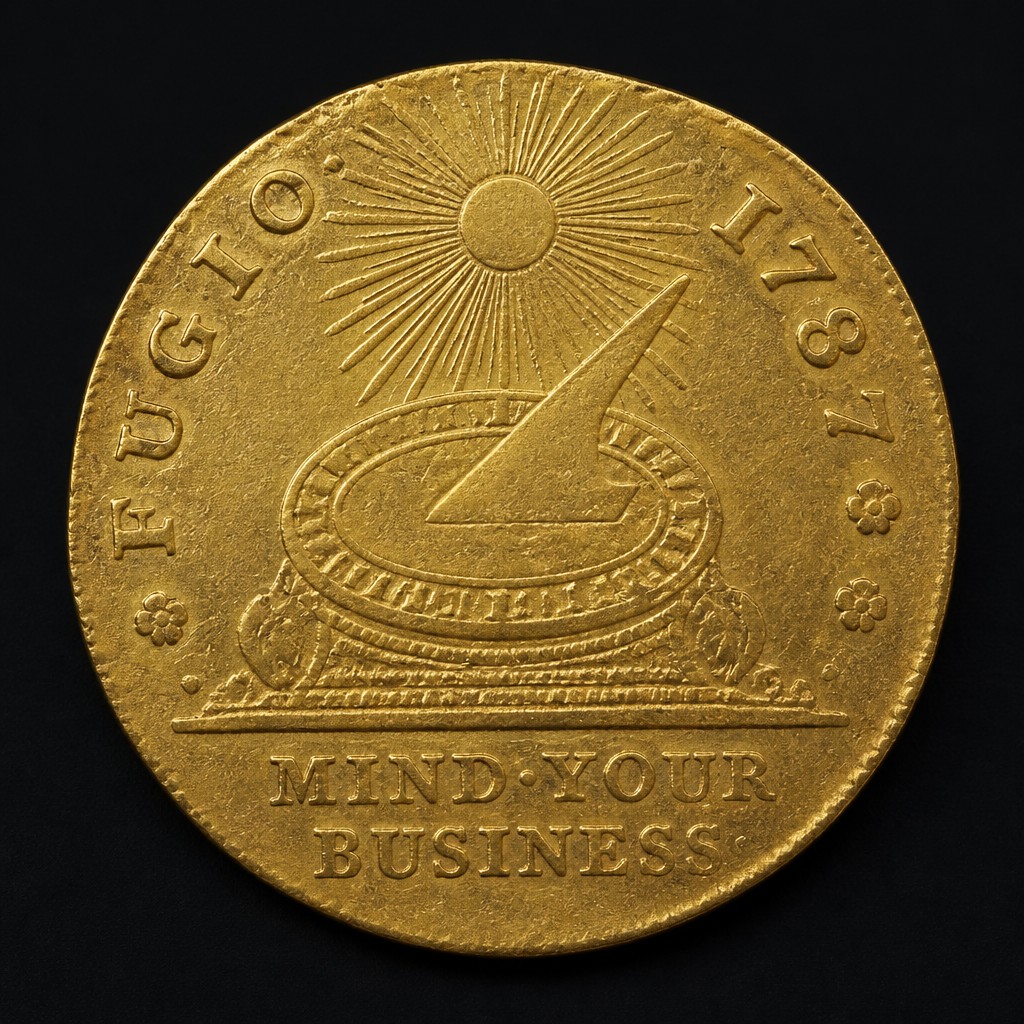
Brasher Doubloon
1787
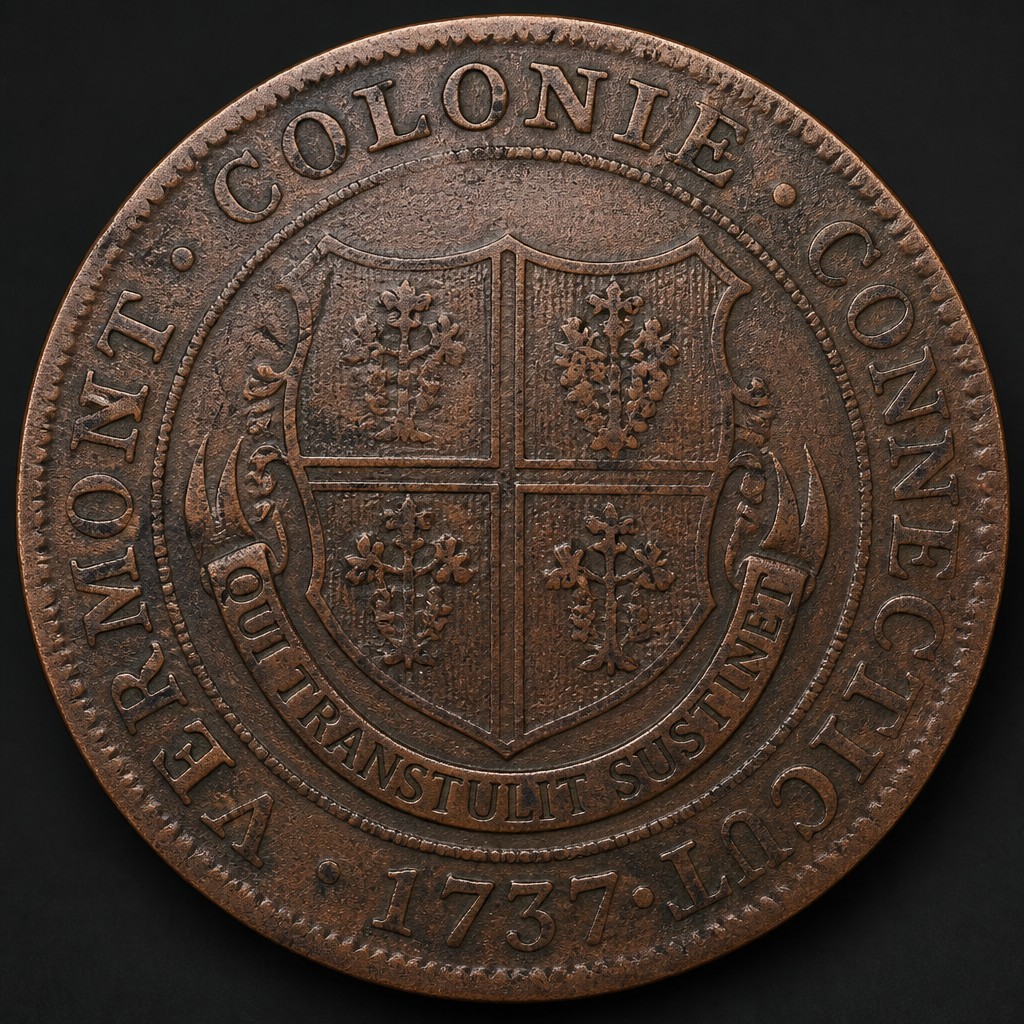
Higley Copper
1737–1739
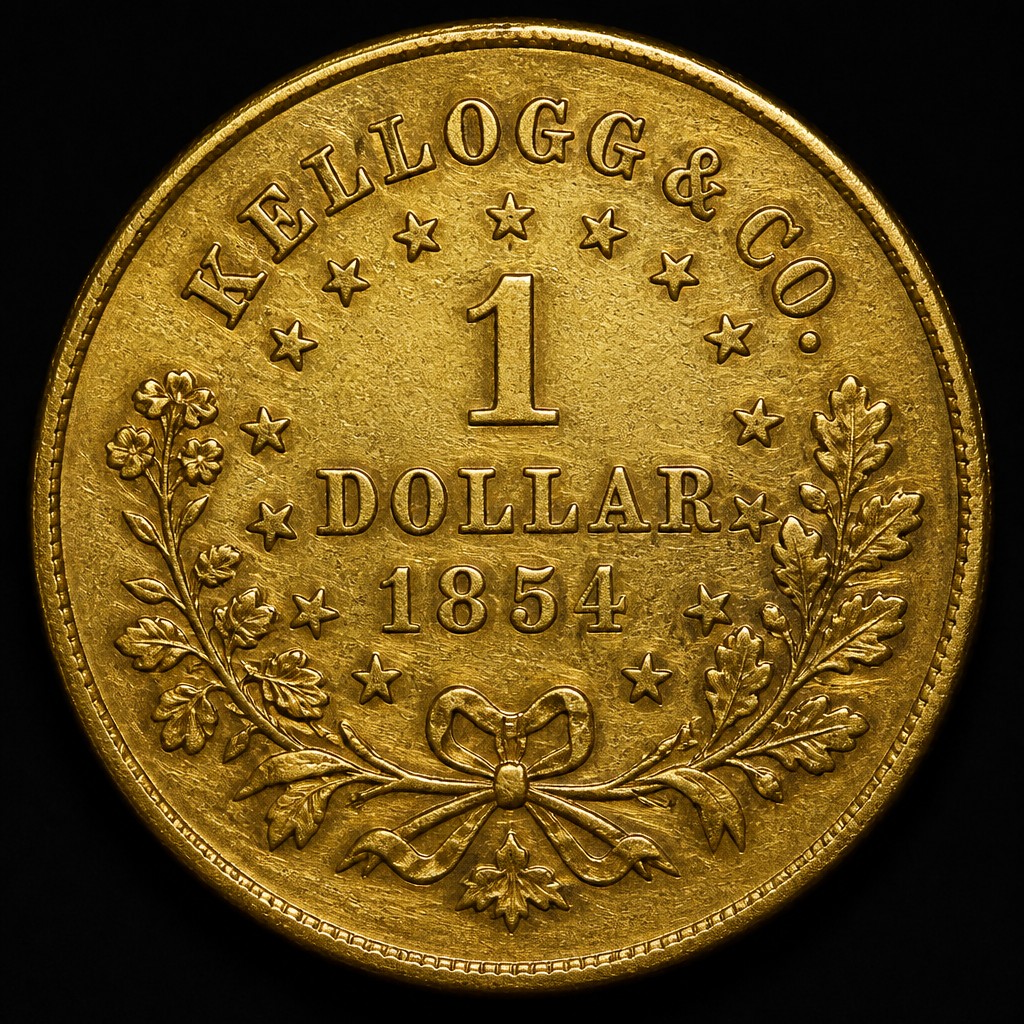
Kellogg & Co. Gold Piece
1854–1855
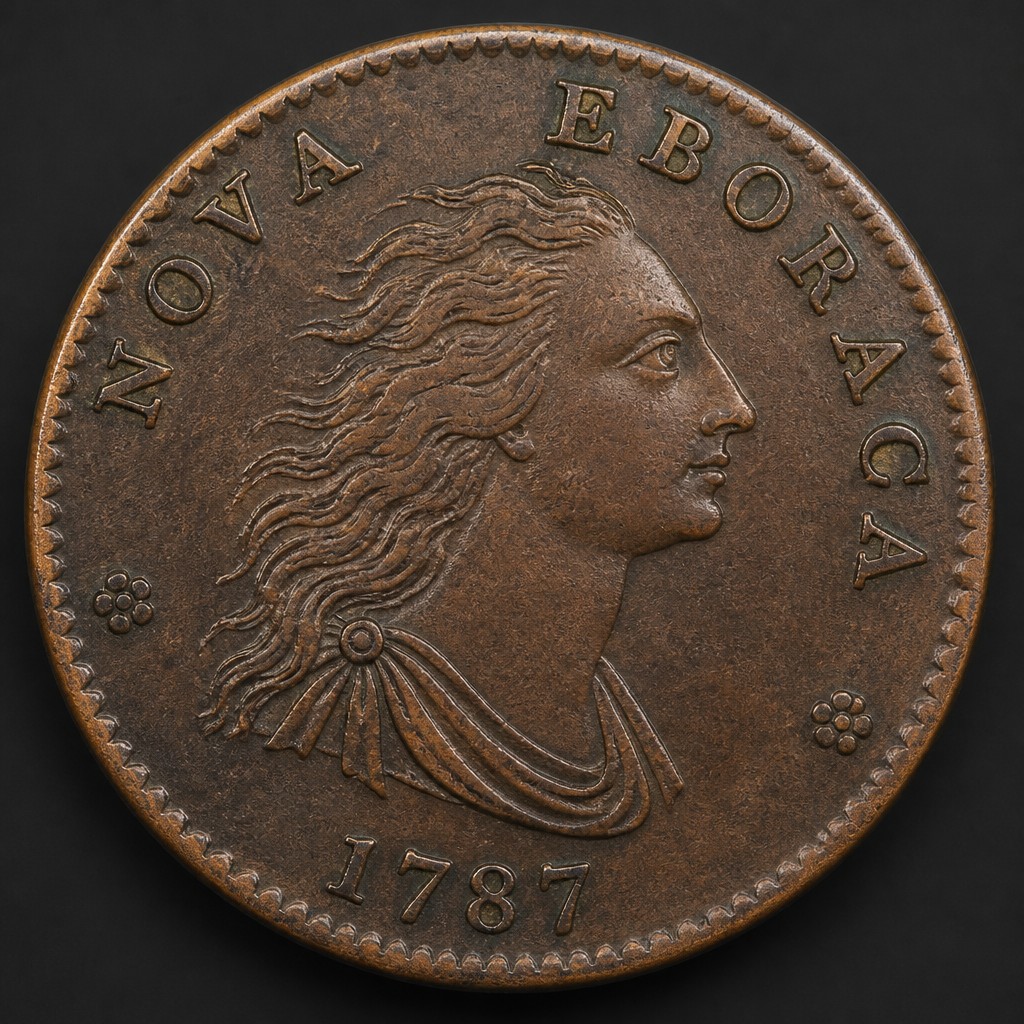
Nova Eborac Copper
1787
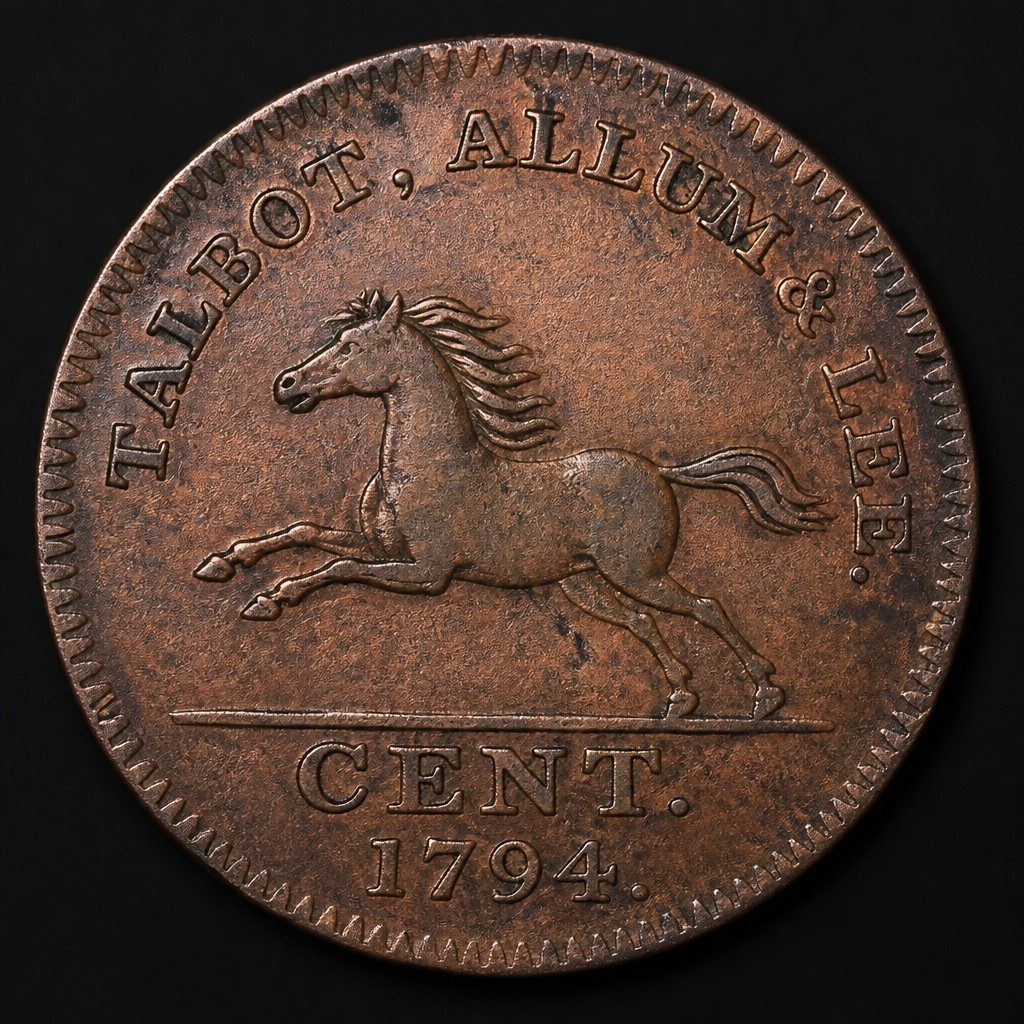
Talbot, Allum & Lee Cent
1794–1795
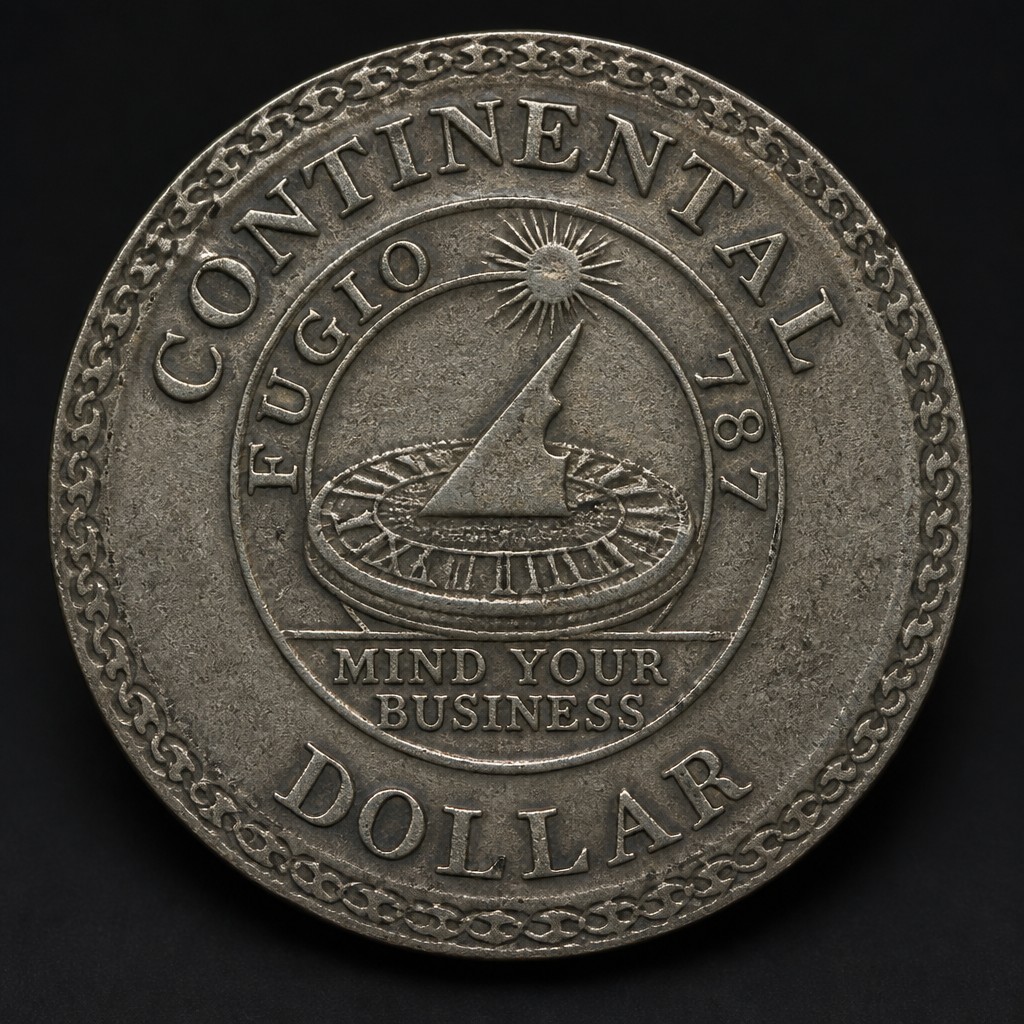
Continental Dollar
1776
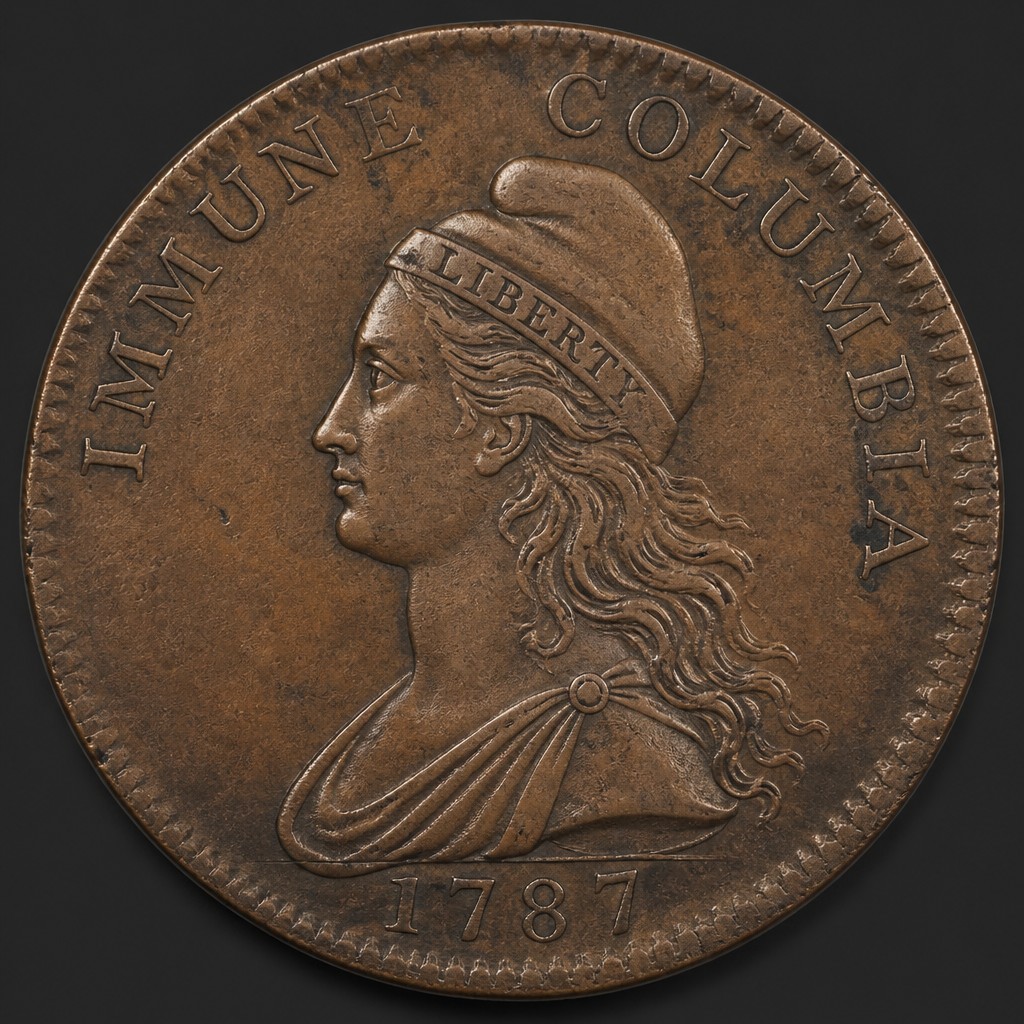
Immune Columbia Copper
circa 1785–1787
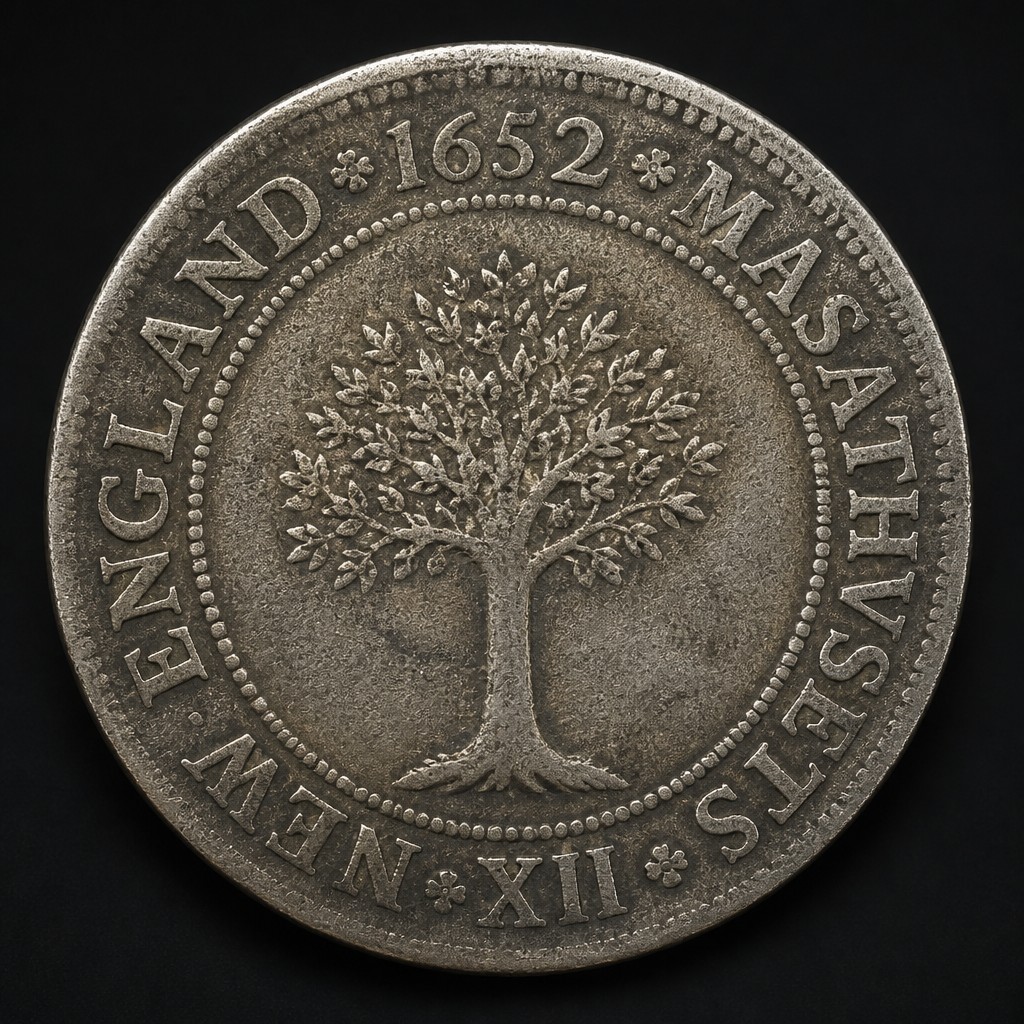
Massachusetts Oak Tree Shilling
Dated 1652, struck circa 1660–1667
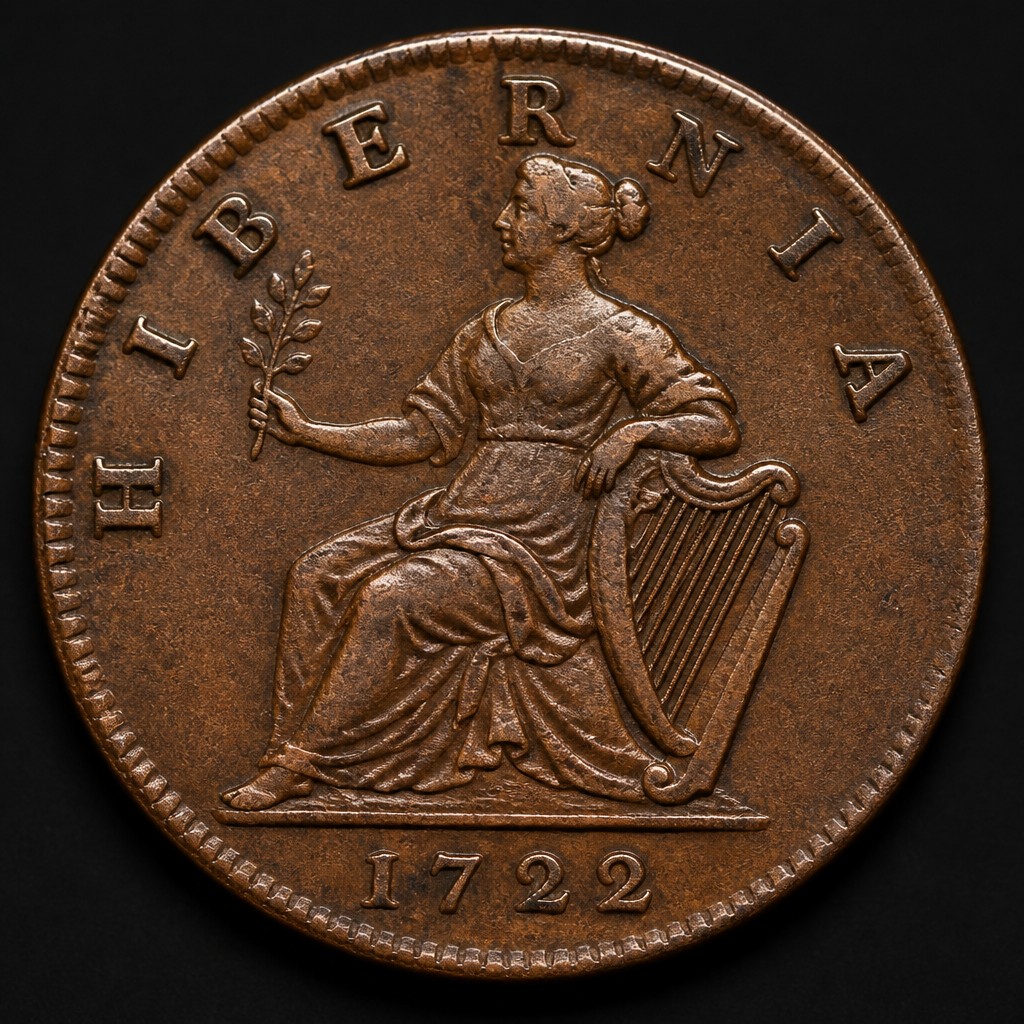
Wood's Hibernia Halfpenny
1722–1724
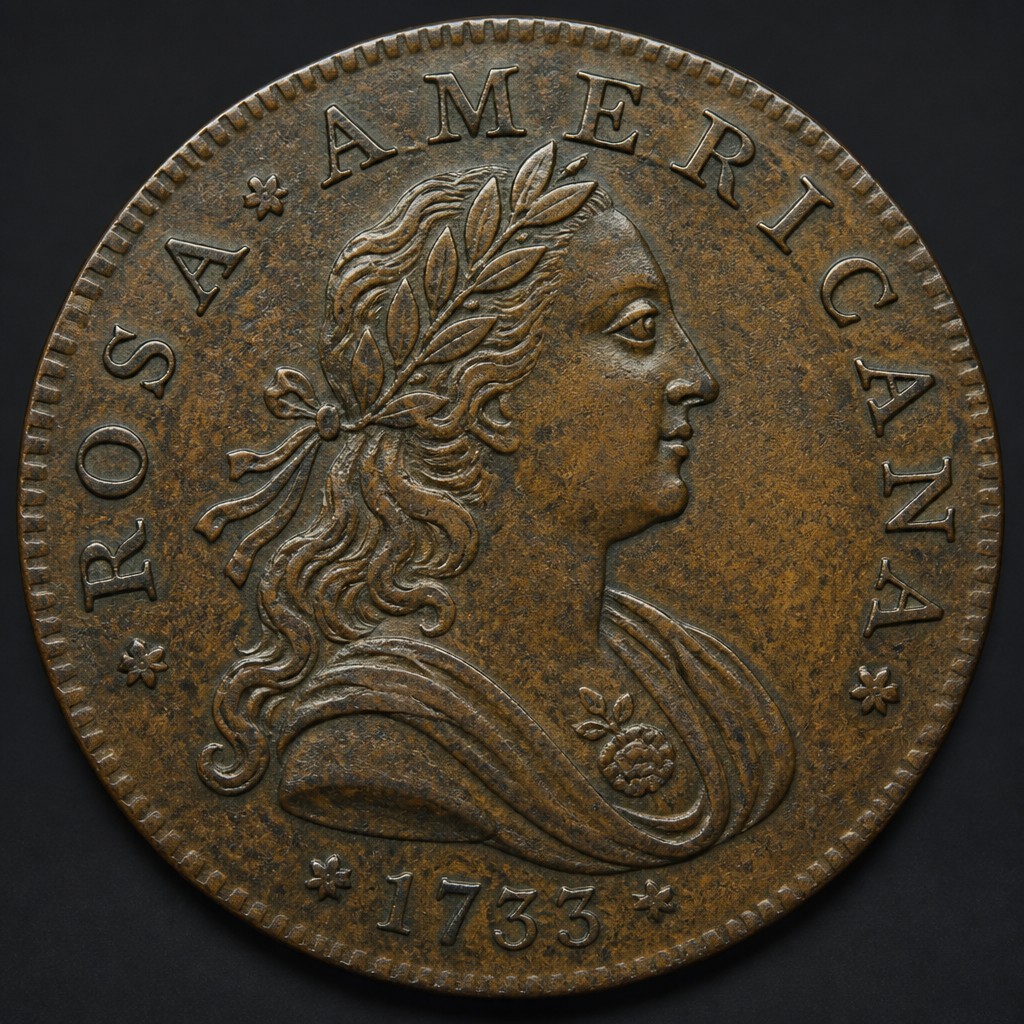
Rosa Americana Coinage
1722–1724 (with pattern issues dated 1733)
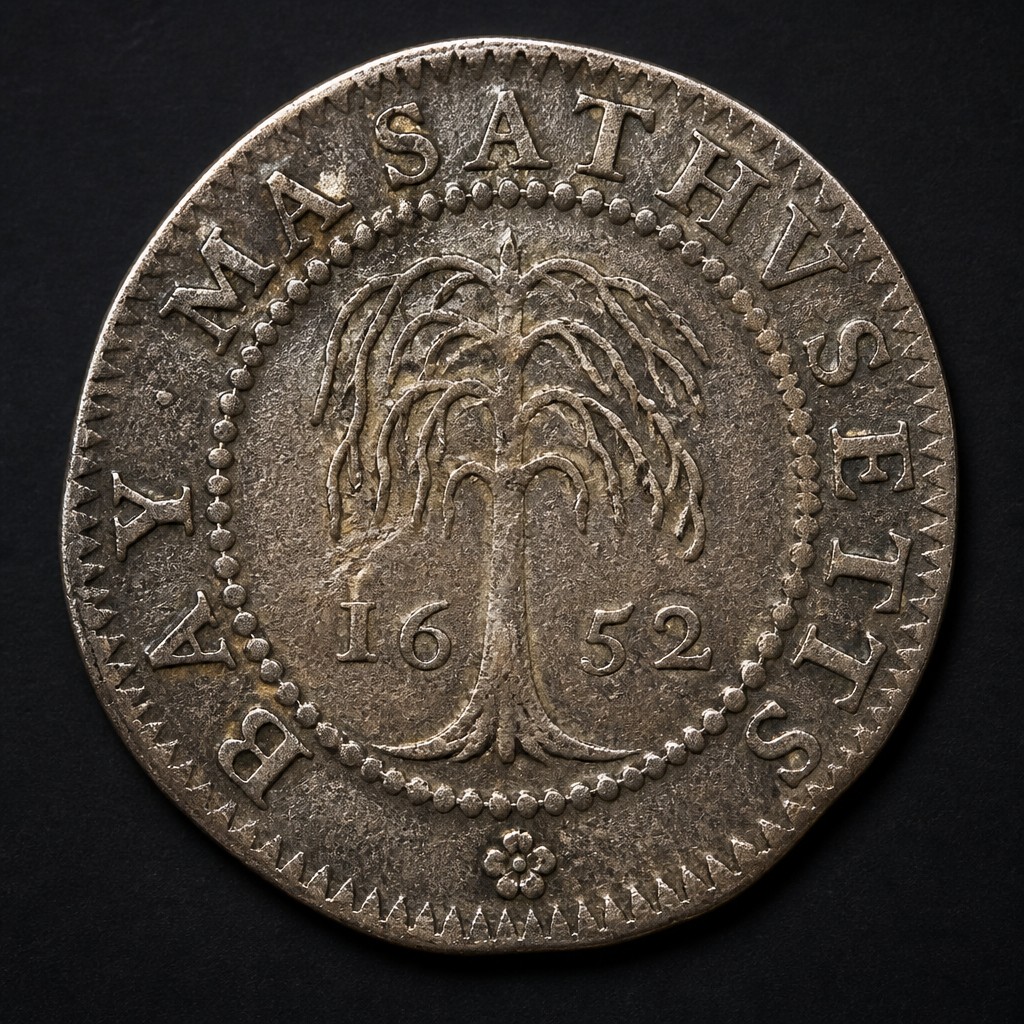
Massachusetts Willow Tree Shilling
Dated 1652, struck circa 1653–1660