
Coin Encyclopedia
Search and identify coins from around the world — with country, denomination, metal, mint, history, and how to tell them apart.
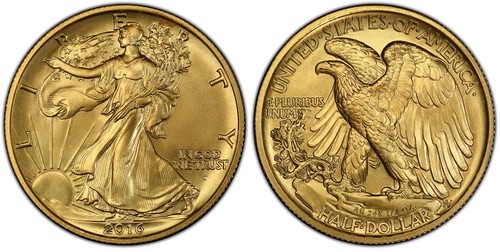
Walking Liberty Half Dollar Centennial Gold
A 2016-W gold collector coin marking the centennial of the 1916 Walking Liberty half dollar, struck in 1/2 oz of 24-karat gold at West Point.
Half Dollar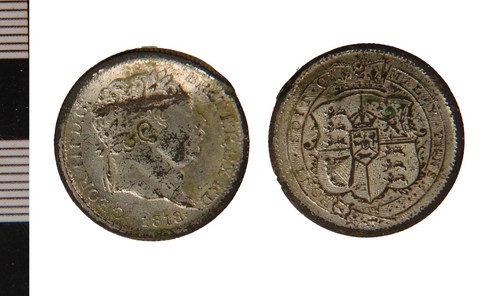
British Bank Token
Copper token of the late George III period bearing the king's left-facing bust and a quartered royal-arms reverse, dated 1819.
British Isles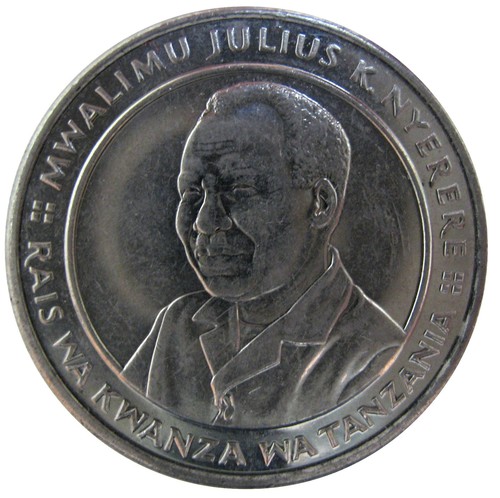
Tanzania 10 Shillings
A base-metal Tanzanian coin bearing President Julius Nyerere on the obverse and the national coat of arms with the value 10 on the reverse.
World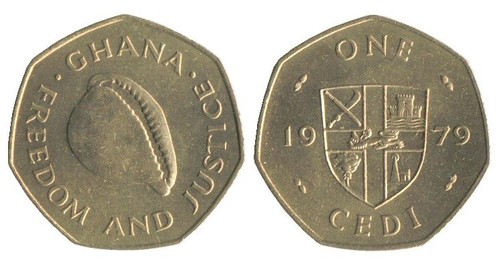
Ghana 1 Cedi
A golden-brass Ghanaian coin dated 1979, showing a cocoa pod with FREEDOM AND JUSTICE on one face and the national coat of arms on the other.
World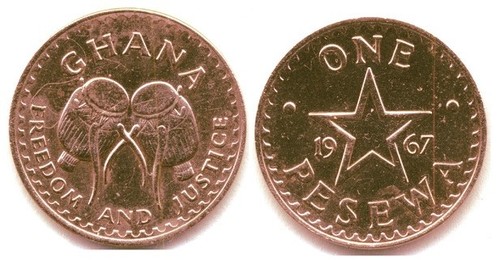
Ghana 1 Pesewa
A small copper-colored 1 pesewa coin of Ghana dated 1967, showing twin eagle heads and 'FREEDOM AND JUSTICE' on one side and a star on the other.
World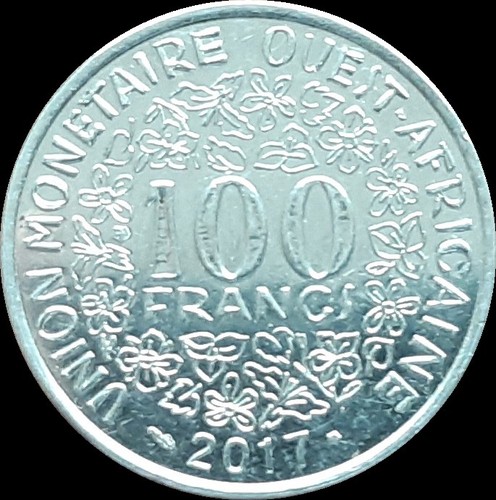
100 CFA Francs
A widely circulated West African coin bearing a crossed-sword emblem and a floral design, denominated 100 francs of the West African CFA franc.
World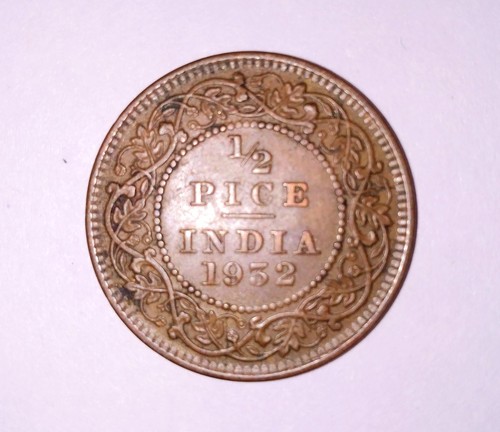
India Half Pice
A small copper half pice from India carrying a crowned obverse with the word INDIA; the pice is a sub-unit of the old pre-decimal Indian coinage system.
Modern India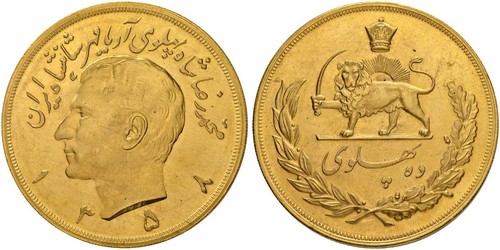
10 Pahlavi Gold Coin
A large gold coin of Imperial Iran valued at ten Pahlavi, showing Mohammad Reza Shah on the obverse and the crowned Lion and Sun on the reverse.
Persia / Iran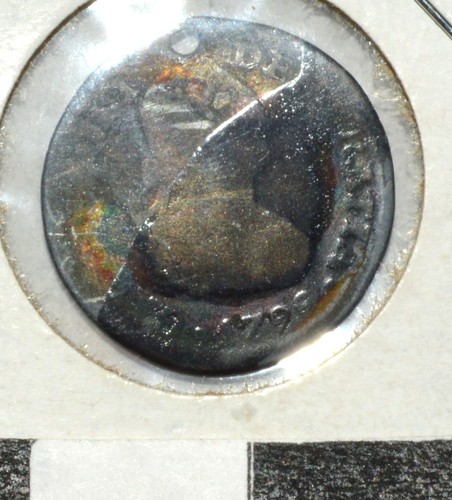
Spanish Colonial Half Real
The smallest milled silver coin of Spain's American empire: a tiny 1/2 real with a royal bust and the crowned arms between pillars.
Colonial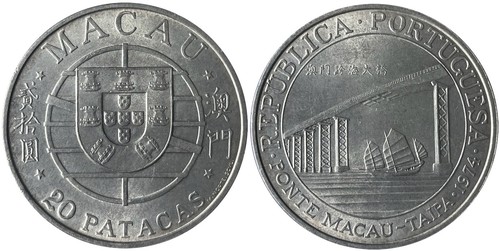
Macao 20 Patacas
A silver 20 patacas of Portuguese-administered Macau: the Portuguese coat of arms on one face and a harbor scene with a Chinese junk on the other.
Circulation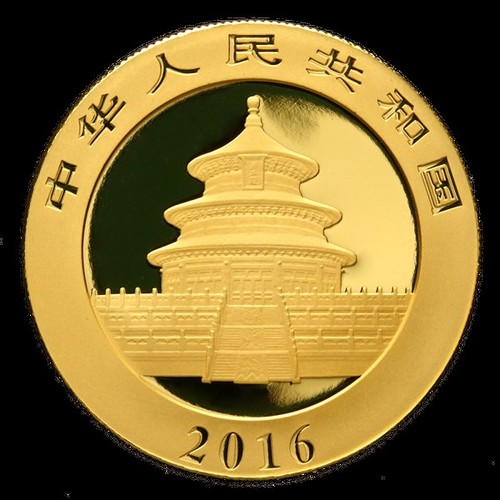
China Panda Gold Coin
A modern Chinese gold bullion coin with the Temple of Heaven on one side and a giant panda on the other; this 2016 issue is a 30-gram gold piece.
Bullion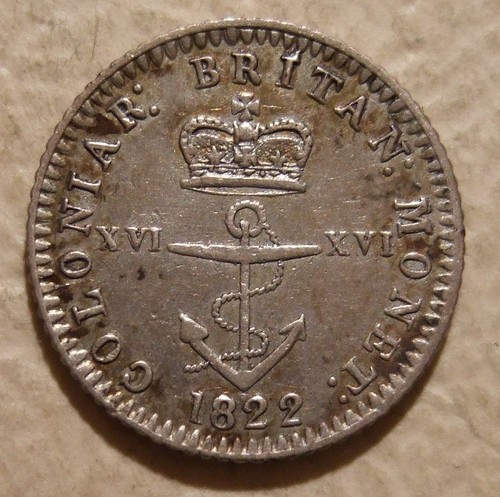
George IV One Sixteenth Spanish Dollar
A small George IV silver coin of the "Anchor Money" series, worth one-sixteenth of a Spanish dollar and marked with an anchor and Roman numeral XVI.
Colonial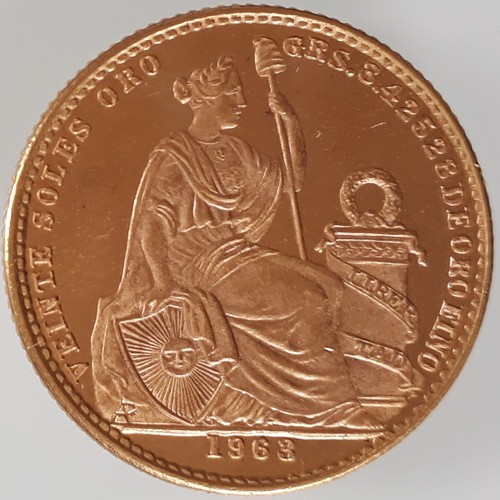
20 Soles de Oro
A Peruvian gold 20 soles de oro showing a seated Liberty with crown, torch and radiant sun, part of Peru's mid-20th-century gold coinage.
Circulation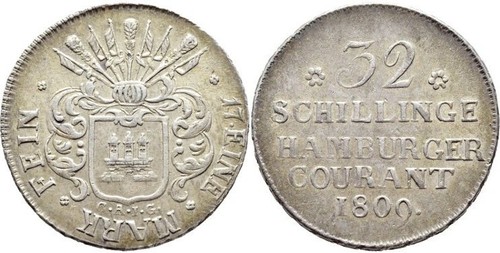
Hamburg 32 Schilling
A 1800 silver 32 Schilling of the Free City of Hamburg, with the city coat of arms and a 'HAMBURGER COURANT' reverse.
German States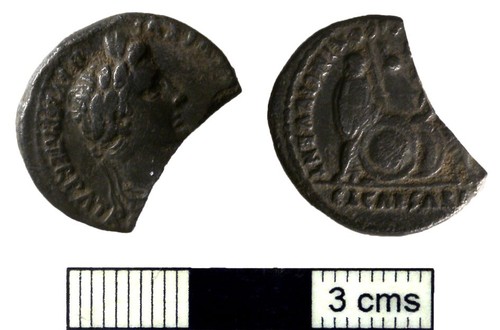
Roman Denarius
A small hammered silver coin of ancient Rome, showing an emperor's portrait and abbreviated Latin titles on one side and a deity or figure on the other.
Ancient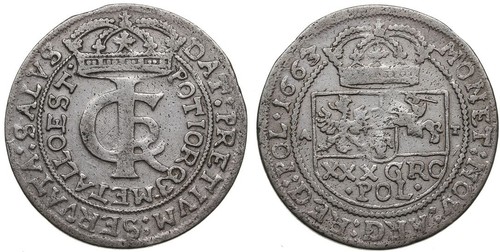
Tymf
A debased Polish silver coin of 1663 tariffed at 30 groszy, famous for a Latin motto declaring the state's safety worth more than the metal.
Early Modern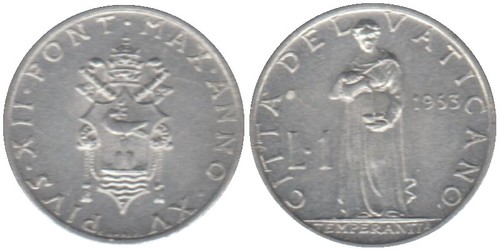
1 Lira
A tiny, lightweight Vatican City lira of the 1950s under Pius XII, with the tiara-and-keys arms on the obverse and a standing figure of Charity on the reverse.
Modern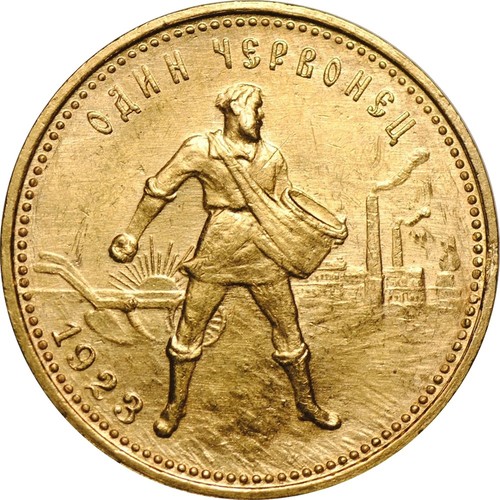
Gold Chervonets
Soviet gold coin of 1923 worth one chervonets (10 rubles), showing a peasant sowing before a rising sun and factories, with the Soviet state emblem.
World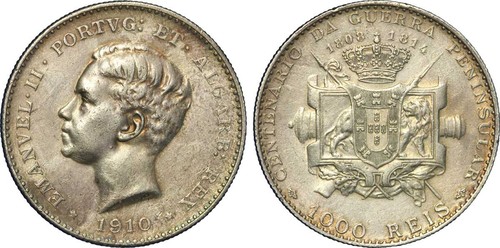
Reis (Peninsular War)
A 1910 Portuguese silver Reis struck under King Manuel II to mark the centenary of the Peninsular War, dated 1808-1814 across the king's bust.
Modern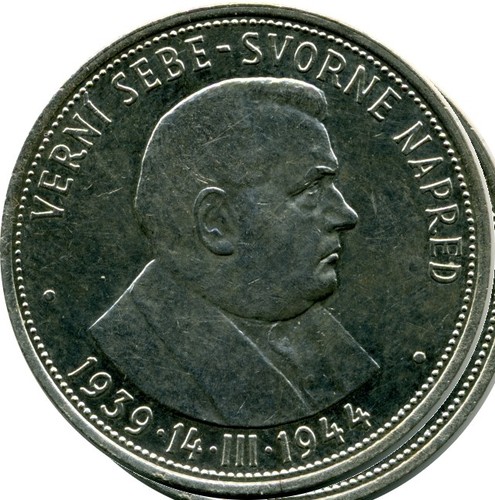
50 Korun
A 1944 silver 50 korun of the wartime Slovak State, showing the profile of Jozef Tiso and a shield with a double cross, struck for the state's fifth anniversary.
Modern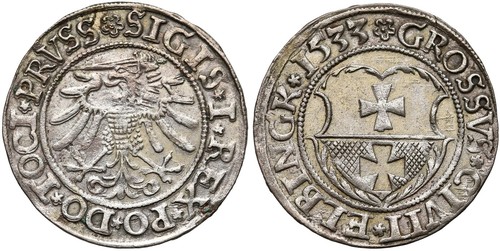
Grosz Miejski
A silver city grosz struck at Elbląg in 1533, pairing the town's crowned coat of arms with an eagle and civic inscriptions under the Polish crown.
Early Modern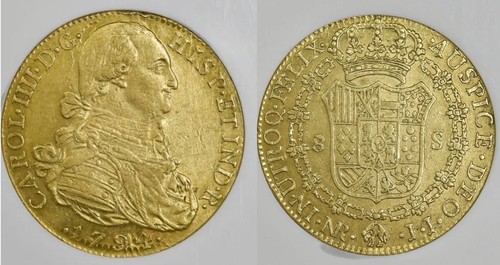
8 Escudos (Carolus)
The largest Spanish gold coin of the age, the 8 Escudos or doubloon, struck under the Habsburg Carolus rulers with the crowned quartered royal arms.
Early Modern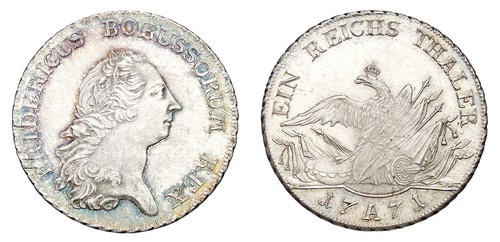
Prussian Taler
A large silver taler of the Kingdom of Prussia showing the crowned profile of Frederick II and a heraldic coat of arms, struck through the mid-to-late 1700s.
German States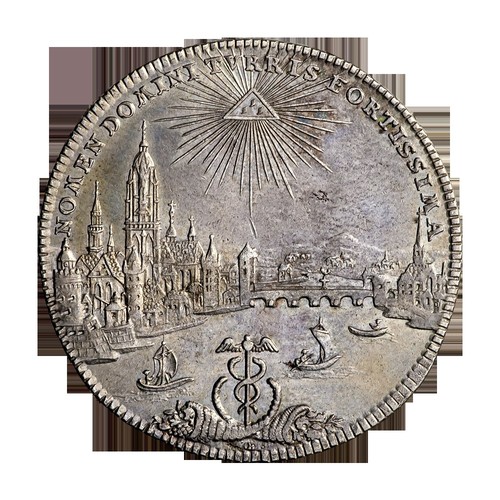
Frankfurt am Main Taler
A 1772 silver Taler of the Free Imperial City of Frankfurt am Main, famed for its detailed city-view reverse with walls, towers and radiant sun.
German States