
Ghana 1 Pesewa
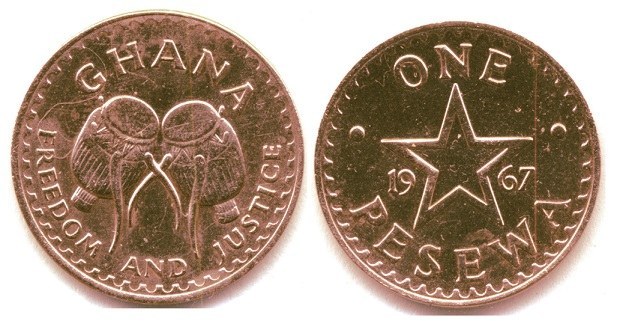
A small copper-colored 1 pesewa coin of Ghana dated 1967, showing twin eagle heads and 'FREEDOM AND JUSTICE' on one side and a star on the other.
- Country
- Ghana
- Denomination
- 1 Pesewa
- Metal
- Copper
Got a coin like this?
Identify any coin from a photo, free.
Overview
The Ghana 1 pesewa is a small, low-denomination circulation coin from West Africa, part of the decimal coinage Ghana adopted in the late 1960s. The example shown is dated 1967 and struck in a reddish, copper-colored metal, giving it the warm tone typical of minor base-metal coinage of the period.
One face carries two eagle heads facing right above the national motto FREEDOM AND JUSTICE, an emblem drawn from Ghana's coat of arms. The opposite face is dominated by a single star with the date 1967 and the denomination, marking the value as one pesewa. The pesewa was the smallest subdivision of Ghana's decimal currency, one hundred of which made up the larger unit.
As a minor coin meant for everyday small change, it is compact and light, and it circulated heavily. It is a recognizable piece of early post-independence Ghanaian coinage rather than a precious-metal or commemorative issue.
History & Background
Ghana became independent in 1957 and reformed its money over the following decade. In 1965 the country introduced its own decimal currency, and a further reform in 1967 produced the coinage series to which this pesewa belongs. Under the decimal system the main currency unit was divided into one hundred pesewas, and the 1 pesewa was the smallest coin of that arrangement.
The 1967-dated coins carry national symbolism rather than a ruler's portrait, reflecting Ghana's identity as a republic. The twin eagles and the motto FREEDOM AND JUSTICE come from the national coat of arms, while the prominent star echoes the black star that is a well-known emblem of Ghana. These devices tie the small coin firmly to the country's post-independence iconography.
Because it was a workaday minor coin produced for general circulation, the 1 pesewa was struck for everyday commerce rather than as a collector item. Surviving pieces are usually well circulated, and the type is remembered as part of the first fully decimal coinage of the young republic.
How to Identify
Start with the two faces described on this coin. One side shows two eagle heads facing right above the words FREEDOM AND JUSTICE, the national motto. The other side is centered on a single star, with the date 1967 and the denomination reading one pesewa. Together these two designs are the surest way to confirm the type.
The coin is small and struck in a reddish, copper-colored metal, so it looks warm and coppery rather than pale or silvery. It is light in the hand, consistent with a minor circulation coin. Check the denomination text carefully: the value marks it as a single pesewa, separating it from the larger pesewa and higher-value coins of the same series that share similar national emblems.
Use the 1967 date and the star reverse to place the coin within Ghana's decimal coinage. Wear often softens the eagle heads and the lettering of the motto first, so on circulated examples look for the overall layout and the star before relying on fine detail.
Value & Collectibility
The Ghana 1 pesewa is a common minor coin, and most circulated examples carry only a small value. Well-worn pieces are typically inexpensive and are often sold in bulk or as affordable world-coin filler rather than as scarce individual items.
Condition is the main driver of any premium. Coins retaining sharp detail on the eagle heads and star, and especially pieces with original mint color and little wear, can appeal more to collectors of Ghanaian or West African coinage and may bring a modest step up over ordinary circulated examples.
Because it was a widely produced base-metal coin, treat any figure as approximate. For a specific valuation, compare your coin's grade against recent listings for the 1967 Ghana pesewa, since a high-grade or well-preserved example is worth more than a heavily circulated one.
Frequently asked questions
What is the 1 pesewa in Ghana's currency?
The pesewa was the smallest unit of Ghana's decimal coinage, with one hundred pesewas making up the larger currency unit. The 1 pesewa shown here is the minor coin of that system, dated 1967.
What do the two eagle heads and 'FREEDOM AND JUSTICE' mean?
They come from Ghana's national symbolism. The twin eagles and the motto FREEDOM AND JUSTICE are drawn from the country's coat of arms, marking the coin as an official issue of the Republic of Ghana.
Is the Ghana 1 pesewa made of precious metal?
No. It is a base-metal minor coin with a reddish, copper-colored appearance. It was made for everyday small change, not as a silver or gold piece.
Why does the coin have a large star?
The prominent star reflects Ghanaian national iconography, echoing the black star long associated with Ghana. On this coin it appears alongside the 1967 date and the denomination.
Is my 1967 Ghana pesewa valuable?
Usually only modestly. Most circulated examples are common and inexpensive, though coins with strong detail or original mint color can bring a small premium from collectors.
Ghana 1 Pesewa guides
In-depth guides for identifying, valuing, and collecting Ghana 1 Pesewa.
Other coins you may enjoy
5 Aurar
1926-1942
20 Kronor
1925 (denomination struck 1873-1925)
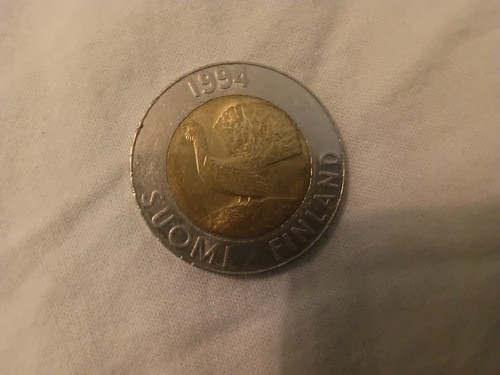
10 Markka
1993–2001
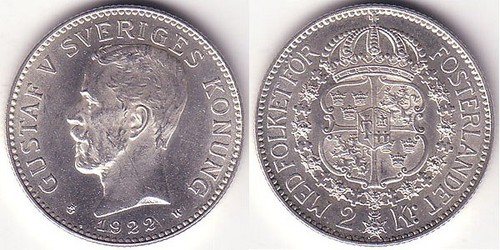
2 Kronor
1910-1940 (this example dated 1922)
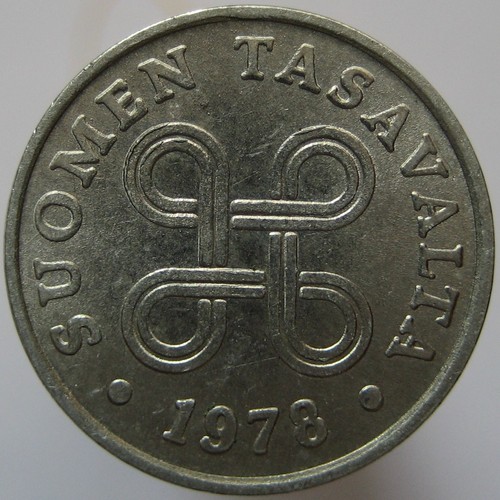
1 Penni
1969–1979
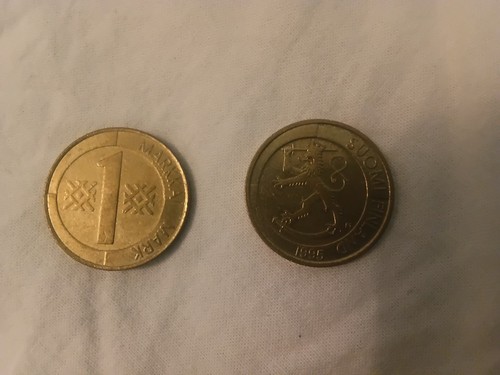
1 Markka
1993–2001
Kenya 5 Shillings
Bimetallic issues (2005–2010)
Kenya 20 Shillings
Modern issue (late 1990s–2000s)
South Africa Farthing
1923-1960
Kenya 10 Shillings
Republic of Kenya, bimetallic issues (mid-1990s to c. 2010)
Gold Sovereign
1817–present
Henri V Five Francs
1831