
Coin Encyclopedia
Search and identify coins from around the world — with country, denomination, metal, mint, history, and how to tell them apart.
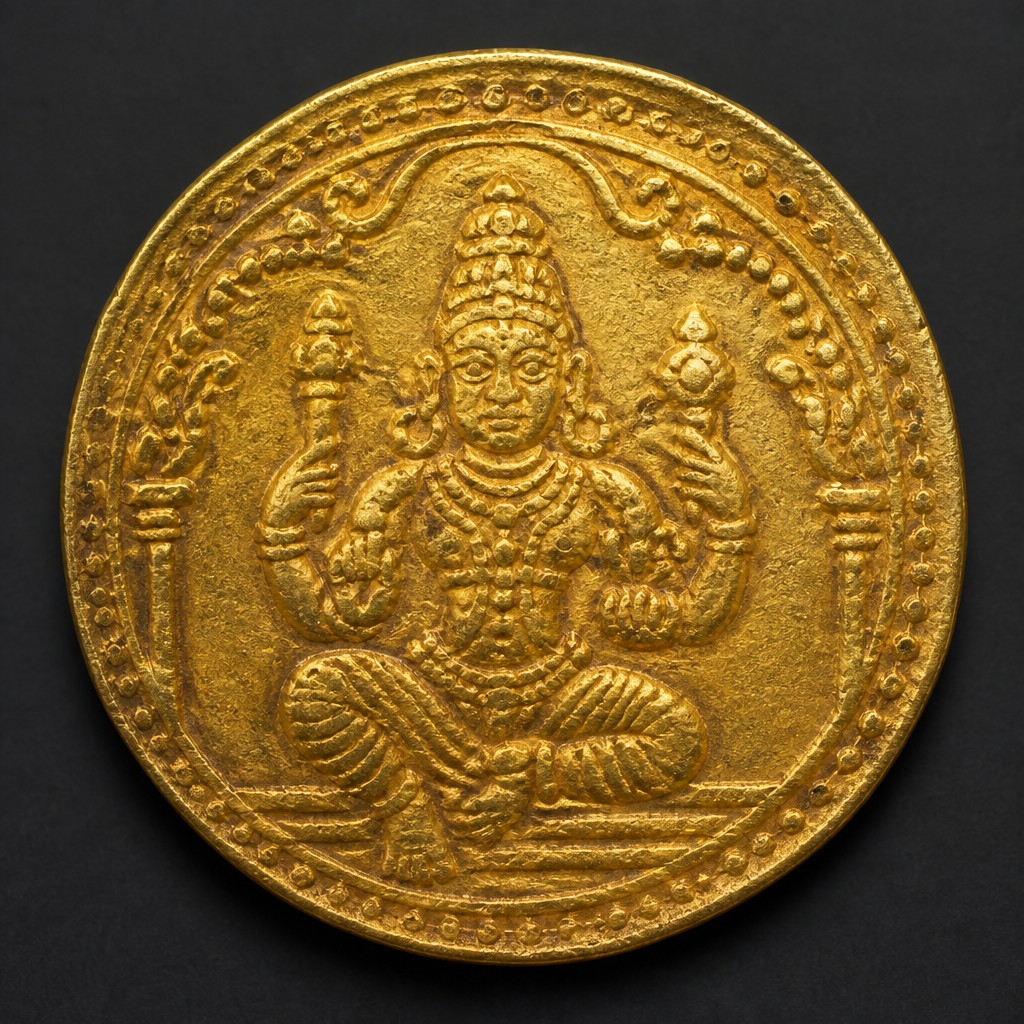
India Gold Pagoda (Madras Presidency)
Small gold coin traditionally used across South India, later adopted and standardized by the East India Company's Madras Presidency before being phased out for rupee-based currency.
Asian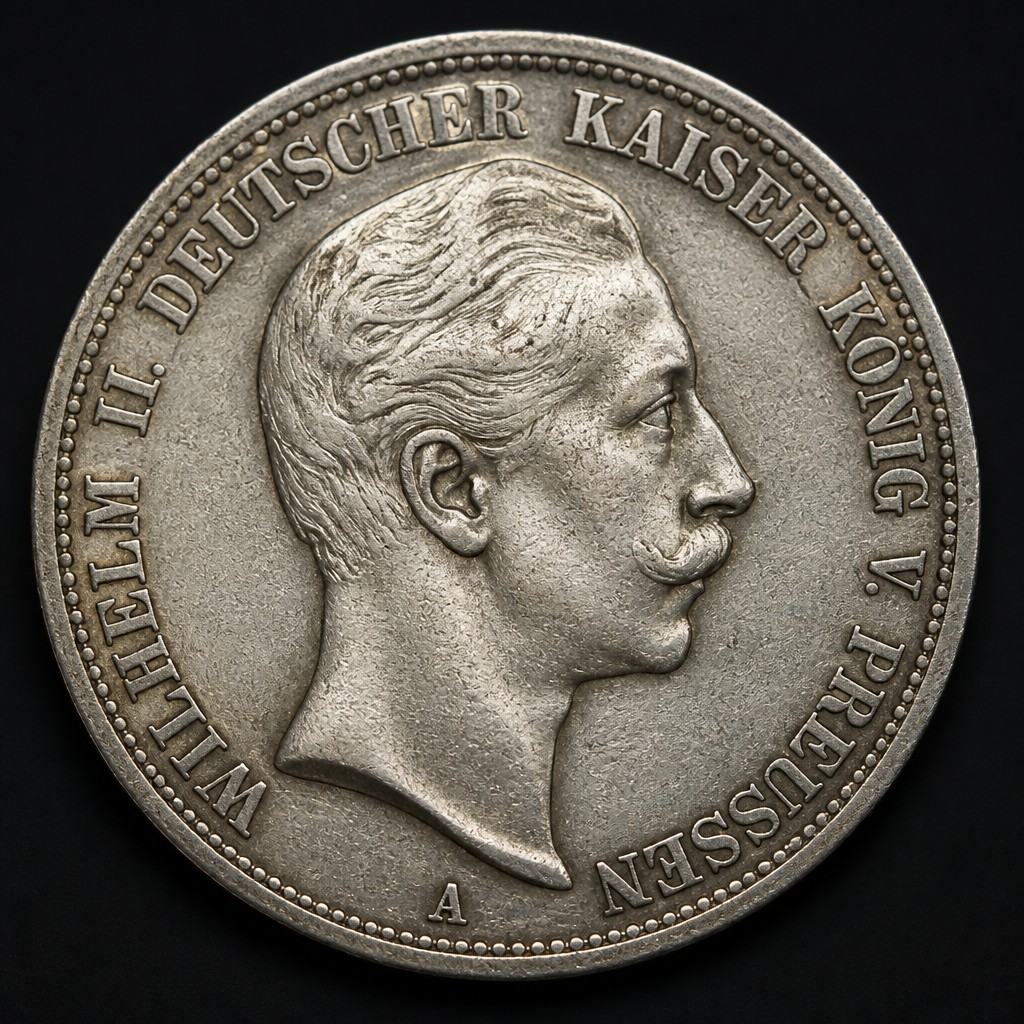
German 5 Mark Silver (Kaiserreich)
The 5 Mark was the largest circulating silver coin of the German Empire, issued by numerous constituent states and free cities, each with its own portrait or design under a common imperial system.
European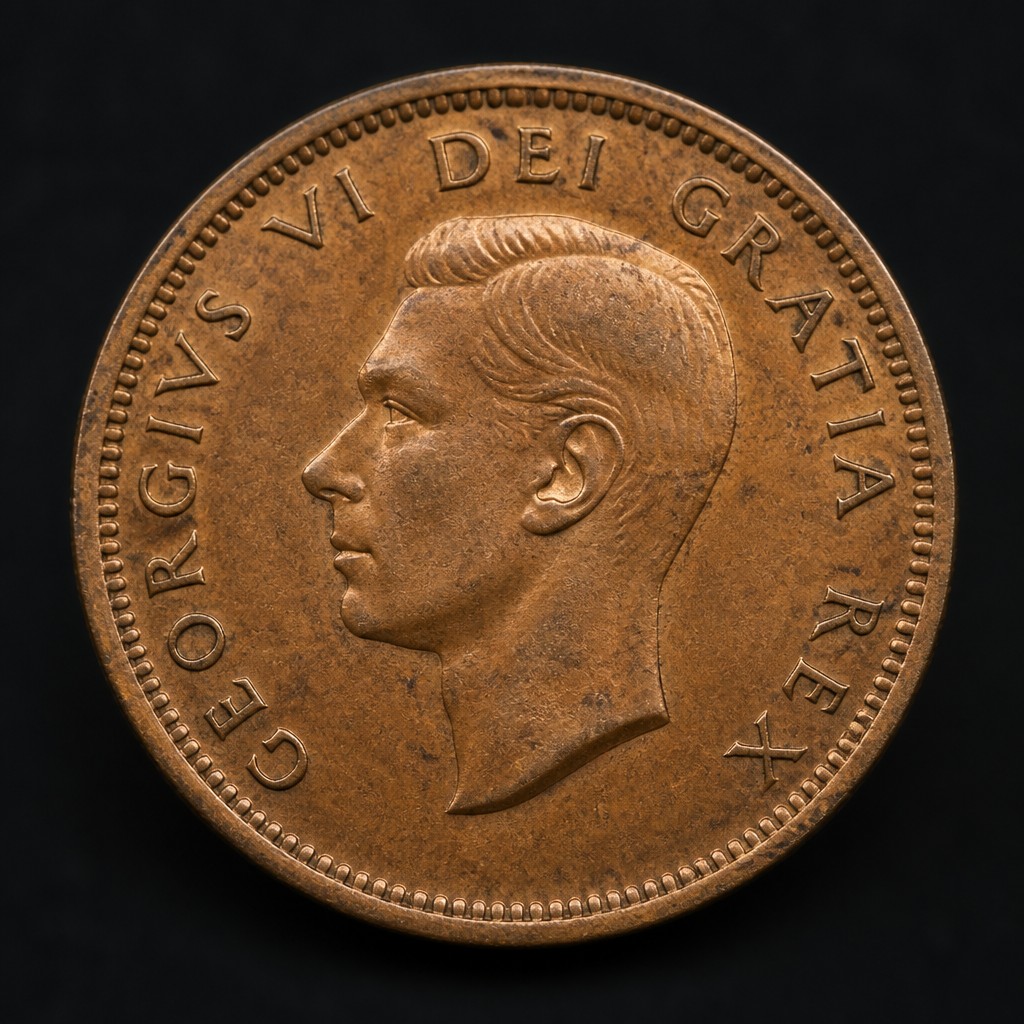
George VI Small Cent (Maple Twig)
Canada's bronze one-cent coin issued under King George VI, featuring two maple leaves on a twig, a design that helped modernize Canadian coinage in the late 1930s.
Canadian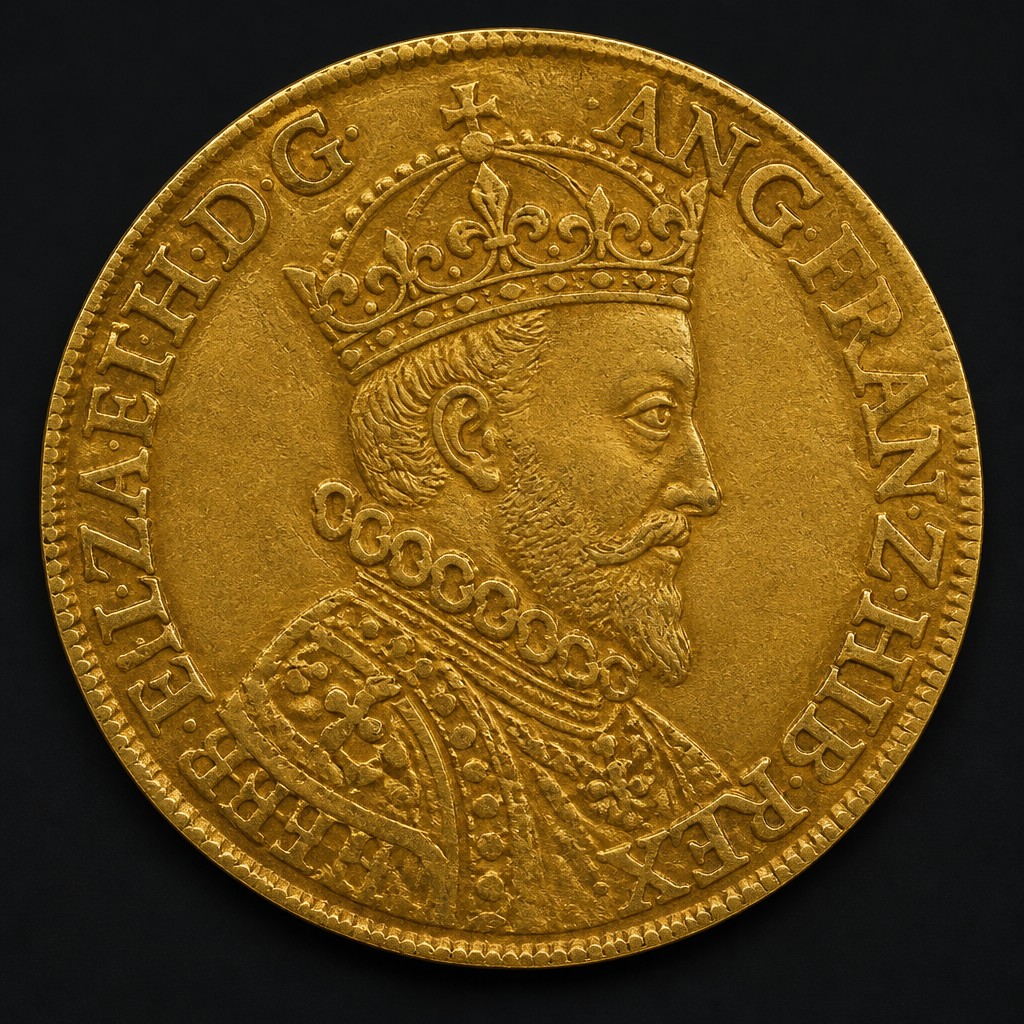
Touchstone Sovereign (Fine Sovereign)
A large, high-value English gold coin struck in especially pure 'fine gold,' valued at thirty shillings and distinguished from the more common crown-gold Sovereign of the same era.
British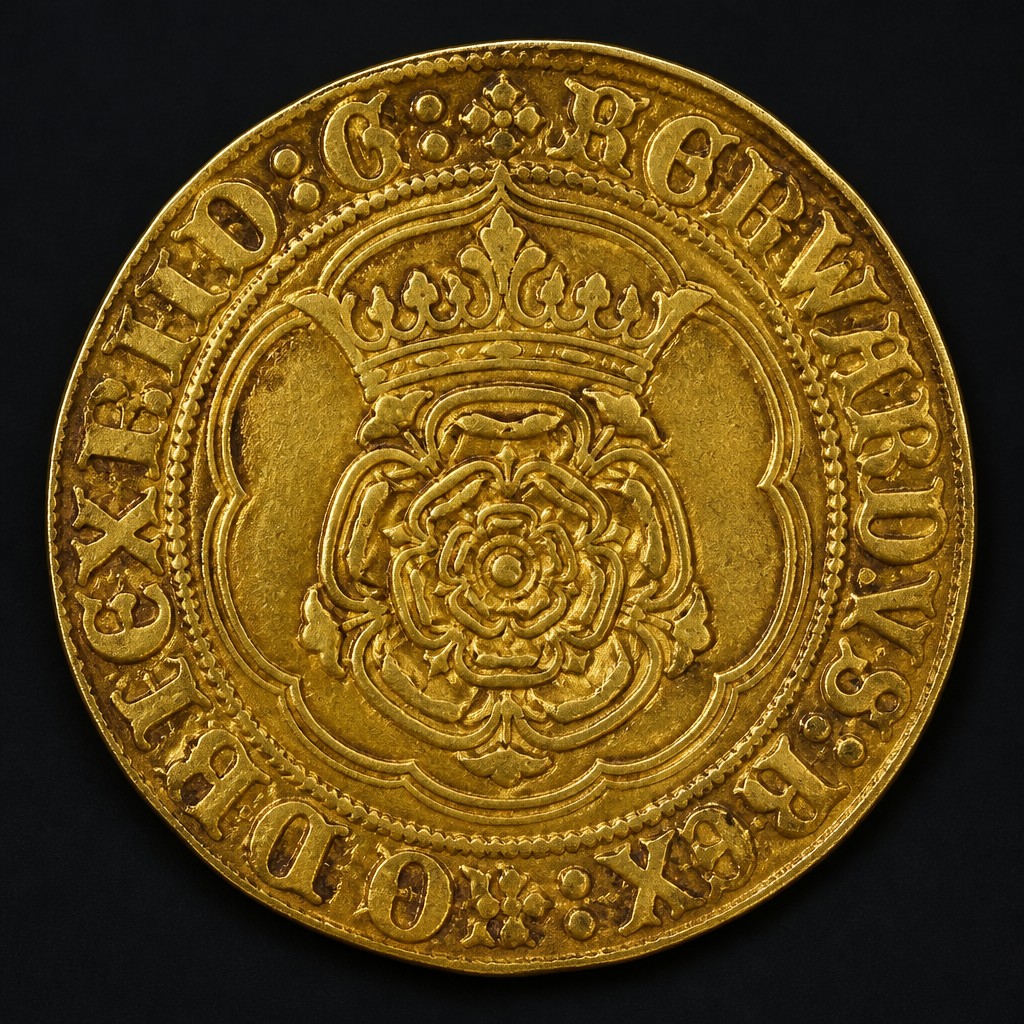
Rose Noble (Ryal)
A large English gold coin first struck under Edward IV in 1465, showing the king standing in a ship, and later revived in the Tudor era as a heavier, higher-value gold piece.
British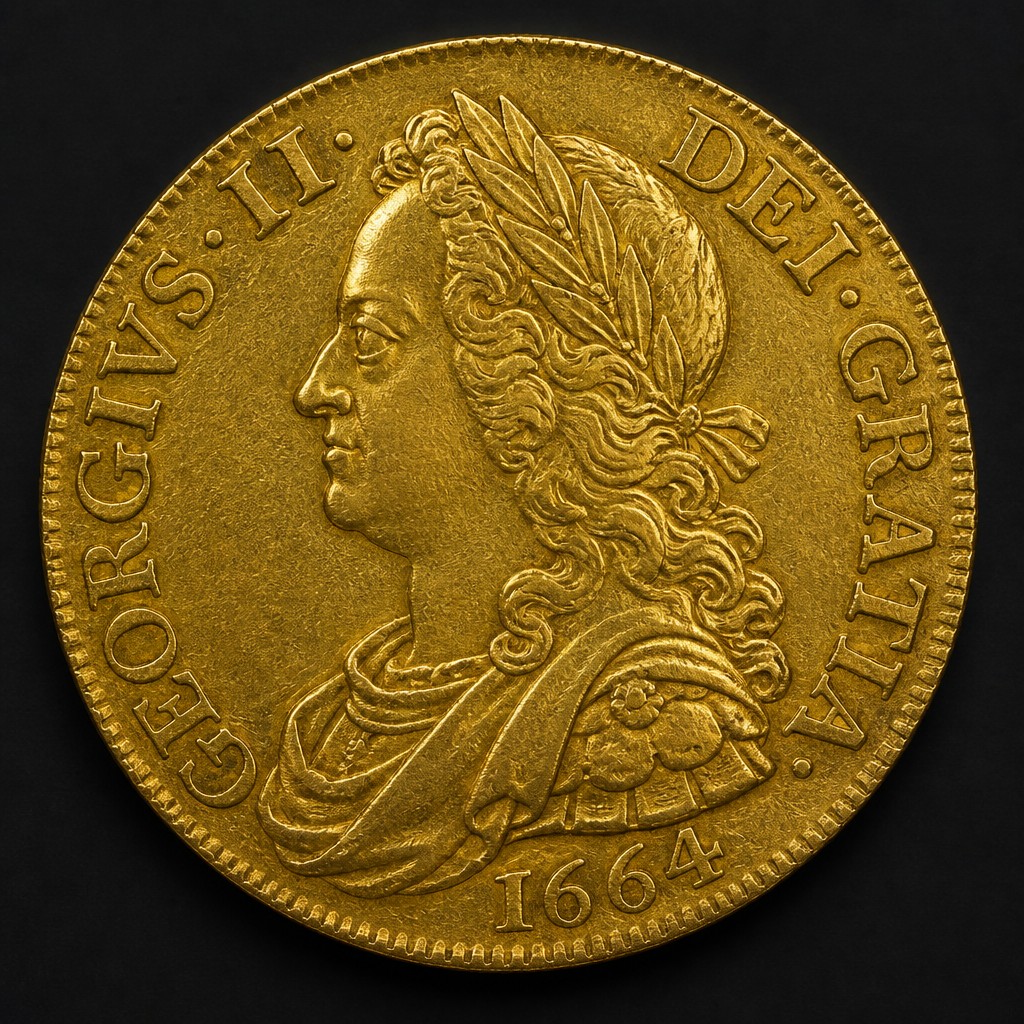
Two Guinea (Double Guinea)
A substantial gold coin worth two guineas, struck intermittently from the reign of Charles II through George II as part of England and Great Britain's early guinea coinage system.
British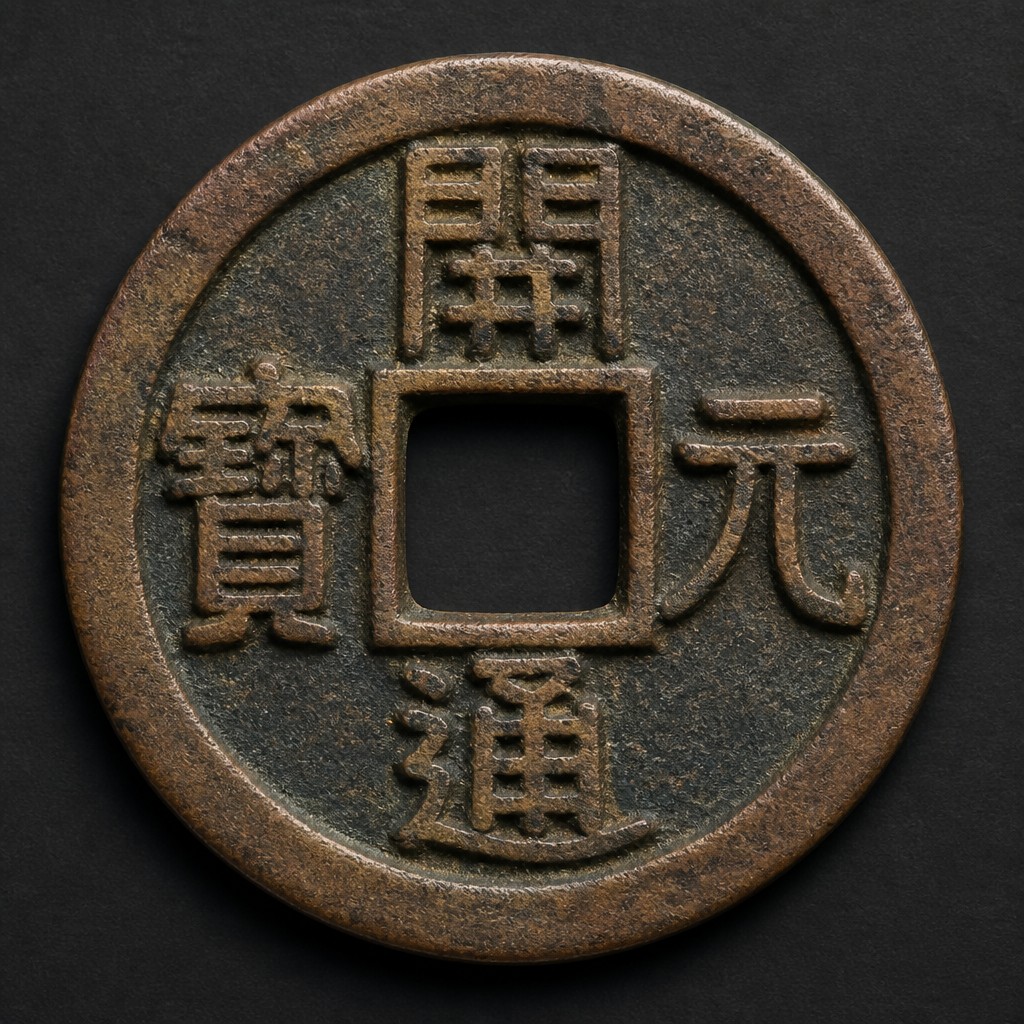
Kai Yuan Tong Bao Cash
A landmark Tang dynasty cash coin whose four-character reign-title inscription became the standard template for Chinese, and much of East Asian, coinage for the next 1,300 years.
Ancient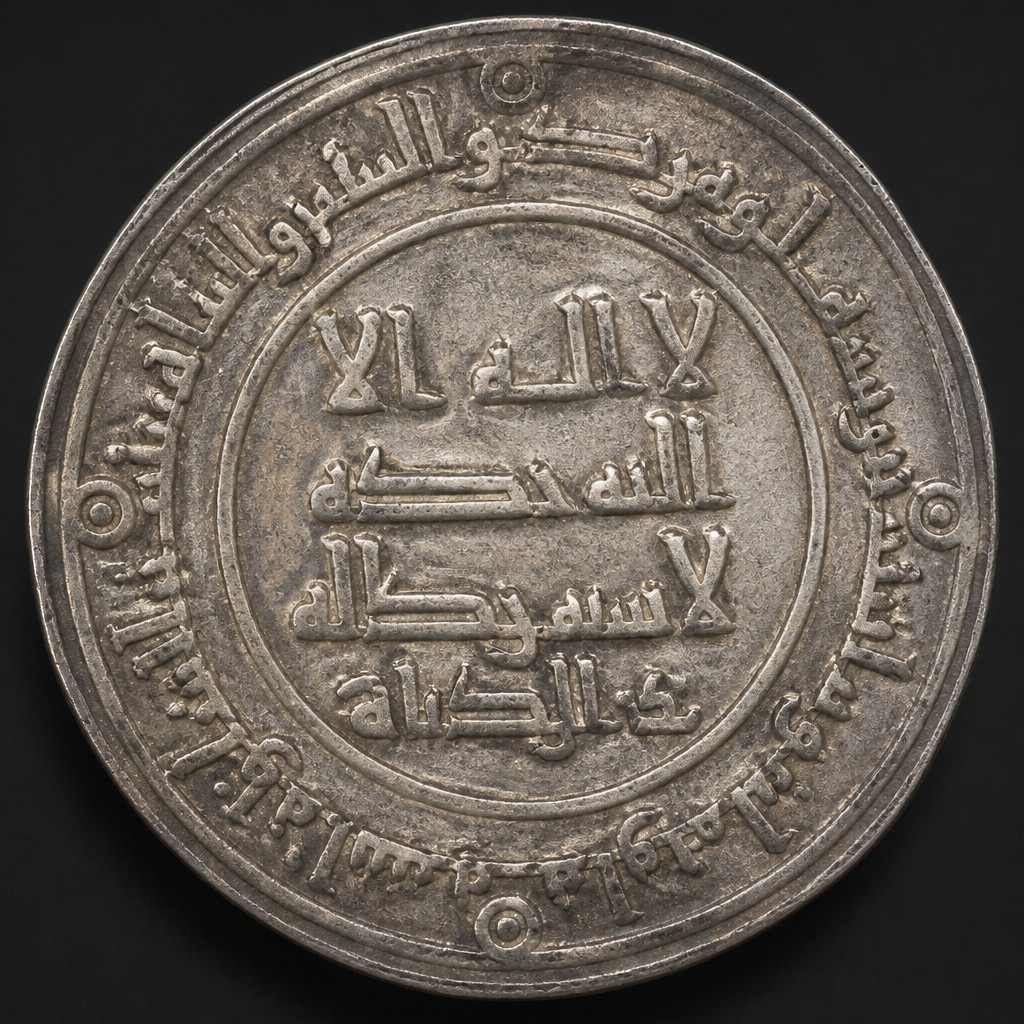
Islamic Silver Dirham (Abbasid)
The standard silver coin of the Abbasid Caliphate, continuing the text-only Kufic script tradition and widely used across a vast medieval trade network stretching from Europe to Central Asia.
Ancient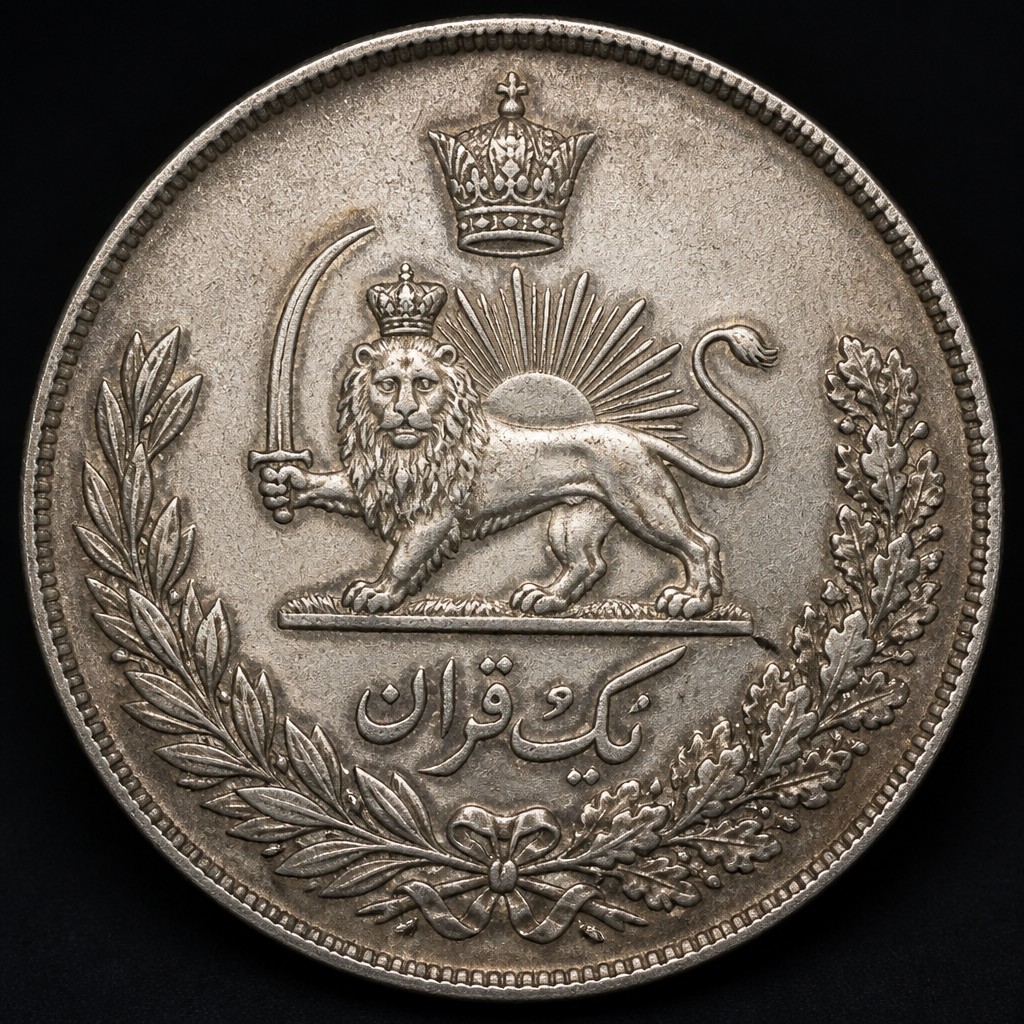
Persian Kran (Qajar silver)
The standard silver coin of Qajar Persia, worth one-tenth of a gold toman, widely struck under Naser al-Din Shah and later rulers and commonly seen with the lion-and-sun emblem.
Asian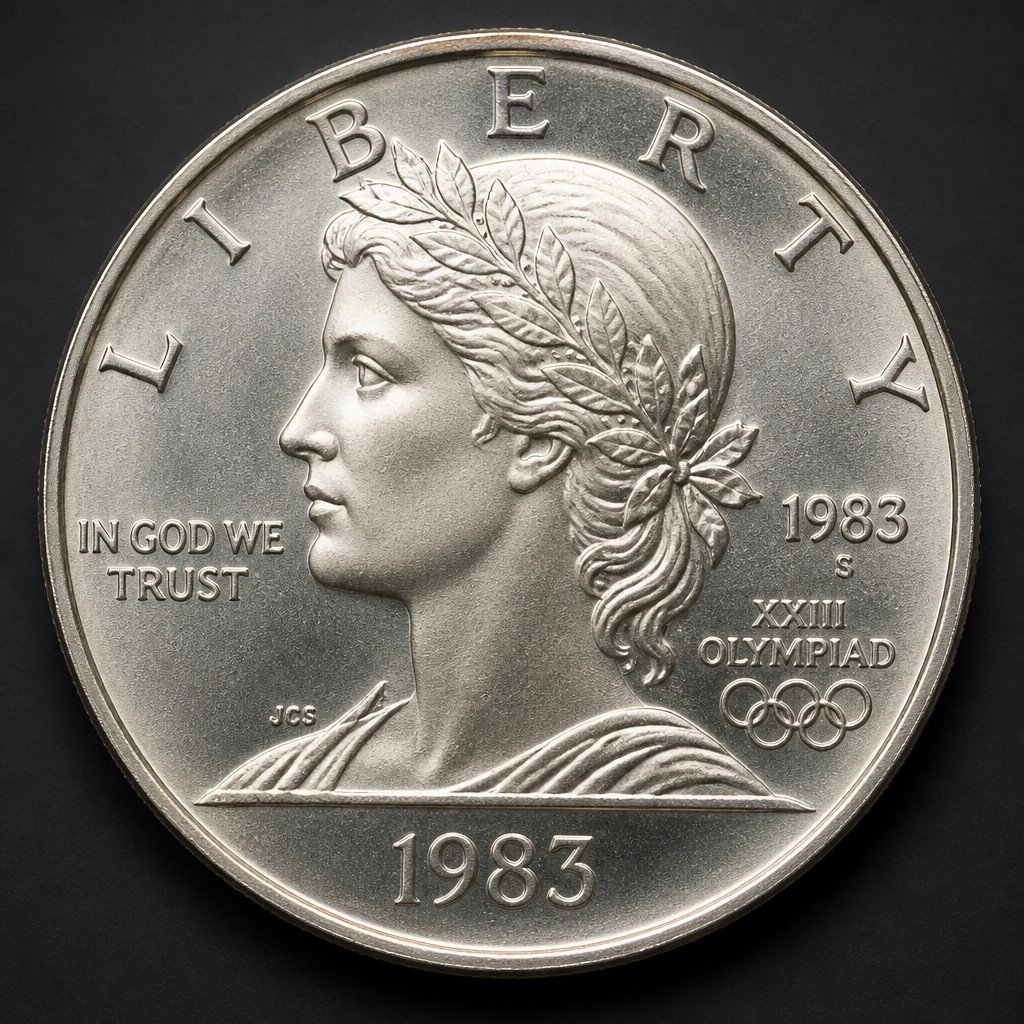
US Olympic Commemorative Dollar (1983)
The first coin in a two-year US commemorative program supporting the 1984 Los Angeles Olympics, the 1983 silver dollar features a discus-thrower design and marked a revival of American commemorative coinage.
Commemorative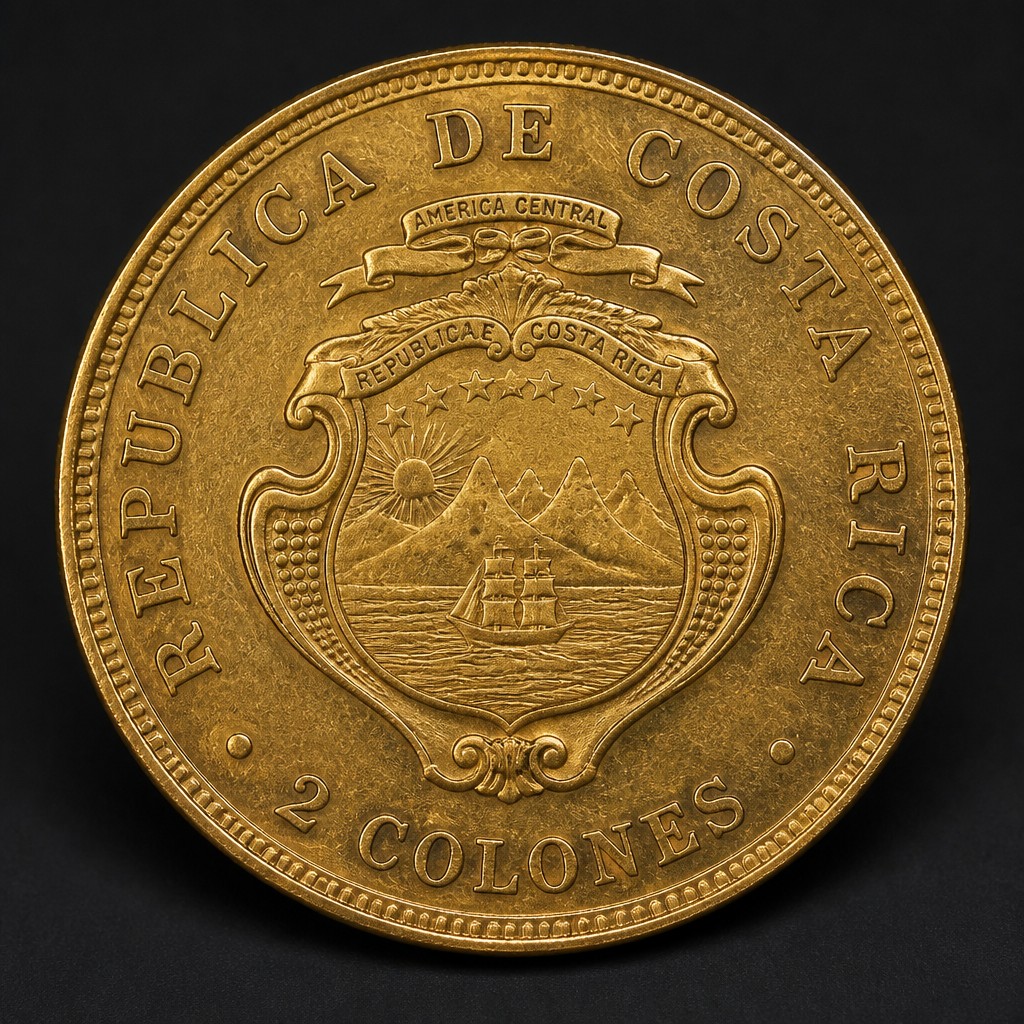
Costa Rica 2 Colones Gold
A small gold denomination from Costa Rica's early colon-era coinage, part of a family of gold coins (2, 5, 10, and 20 colones) struck around the turn of the twentieth century.
Latin American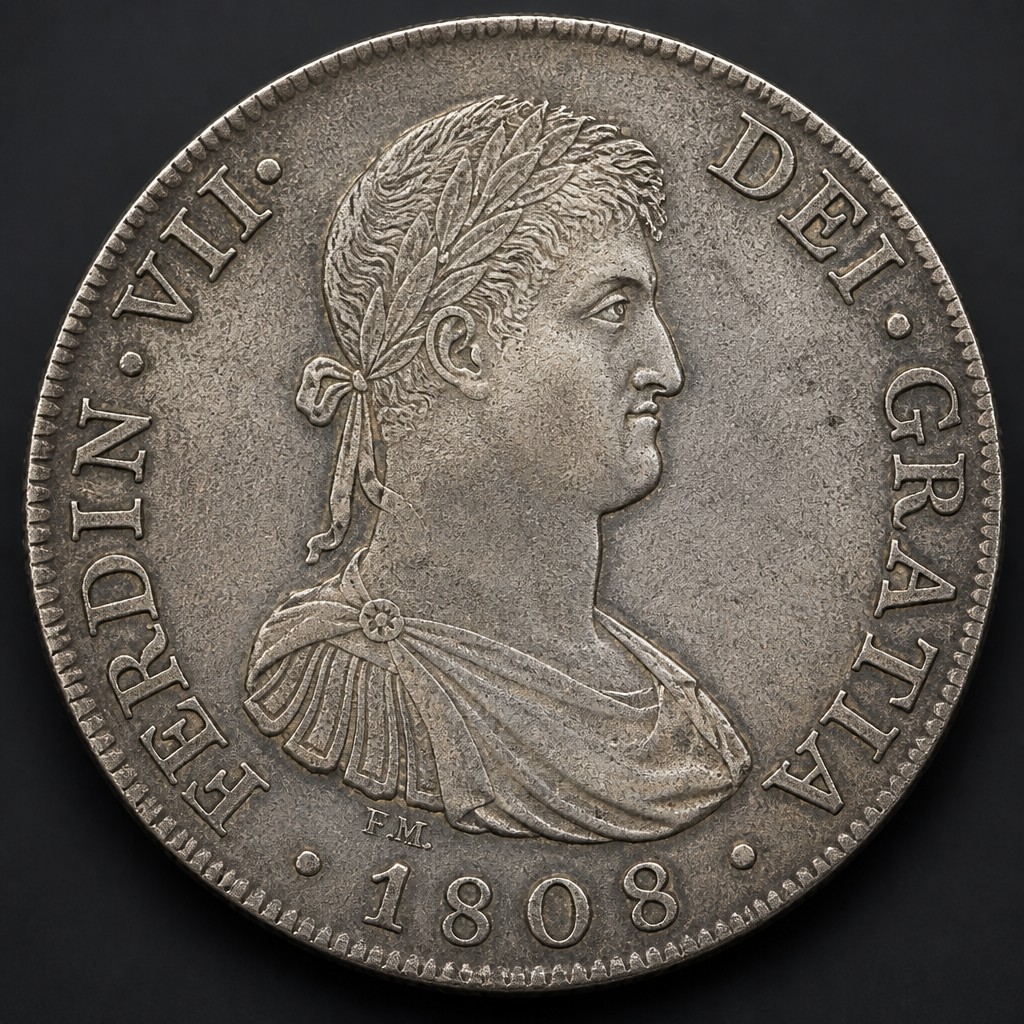
Spanish Colonial 8 Reales Ferdinand VII
A large silver 8 reales coin struck across Spain's American colonies bearing the portrait of King Ferdinand VII, widely circulated internationally and historically linked to the origin of the US dollar sign.
World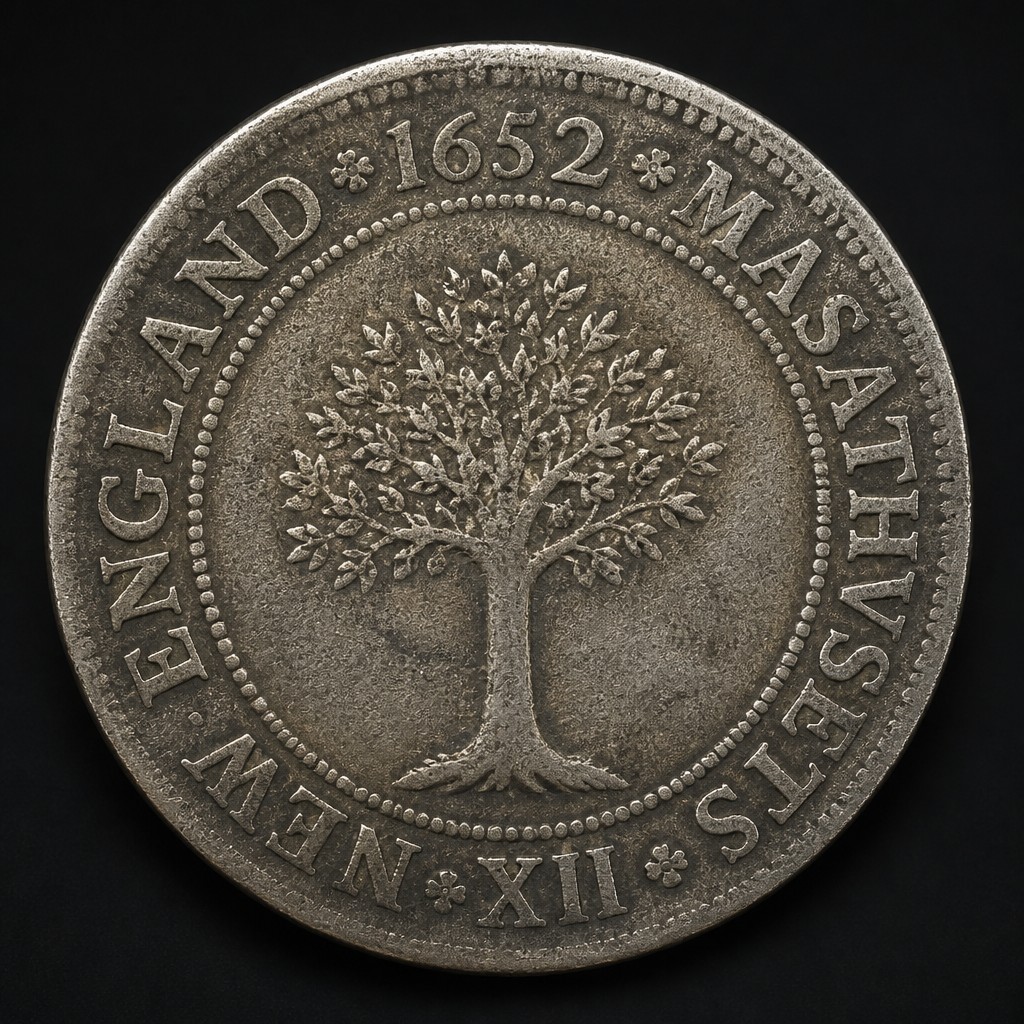
Massachusetts Oak Tree Shilling
The second design in Massachusetts Bay's colonial tree-coin series, showing an oak tree, more available than the earlier Willow Tree type but still a scarce early American colonial rarity.
United States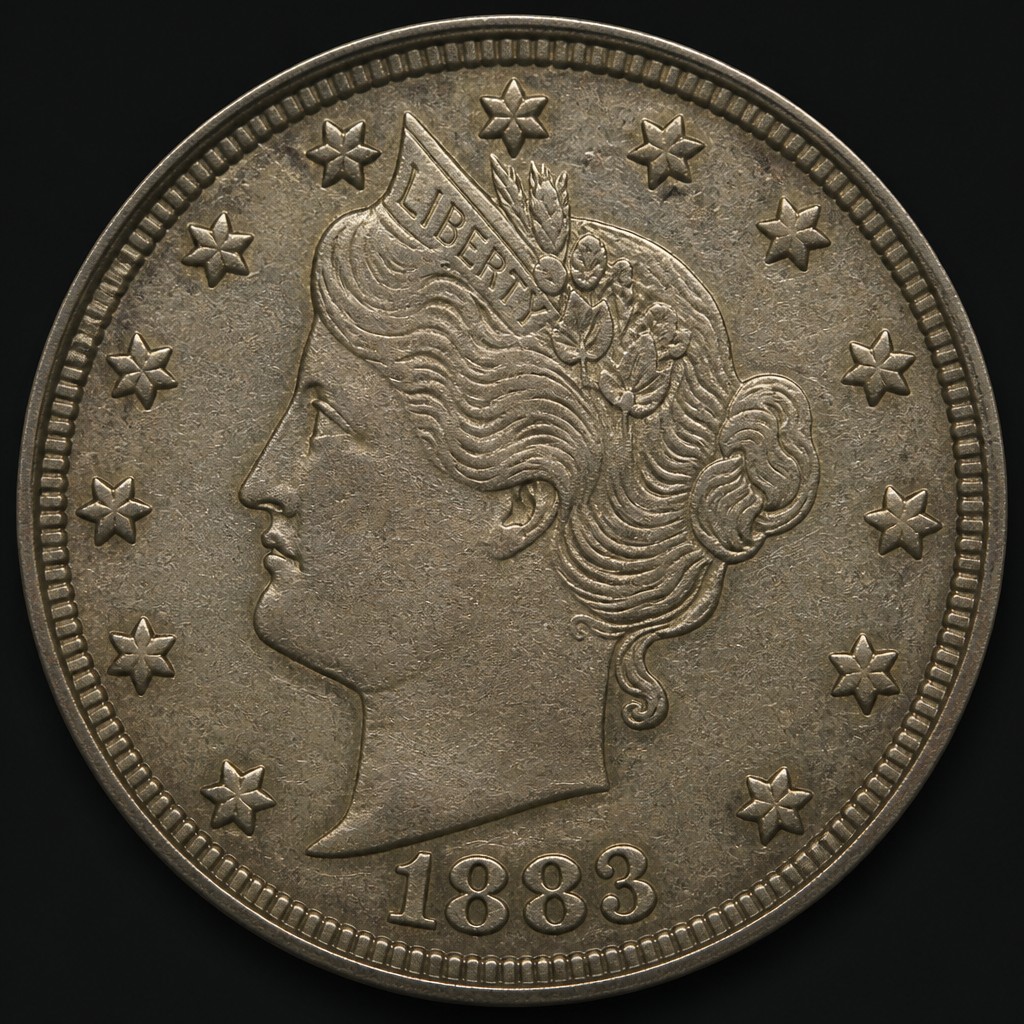
1883 No Cents Liberty Head Nickel
The first-year Liberty Head Nickel design that omitted the word CENTS from the reverse, later infamous as the 'Racketeer Nickel' after being gold-plated and passed off as a five-dollar coin.
United States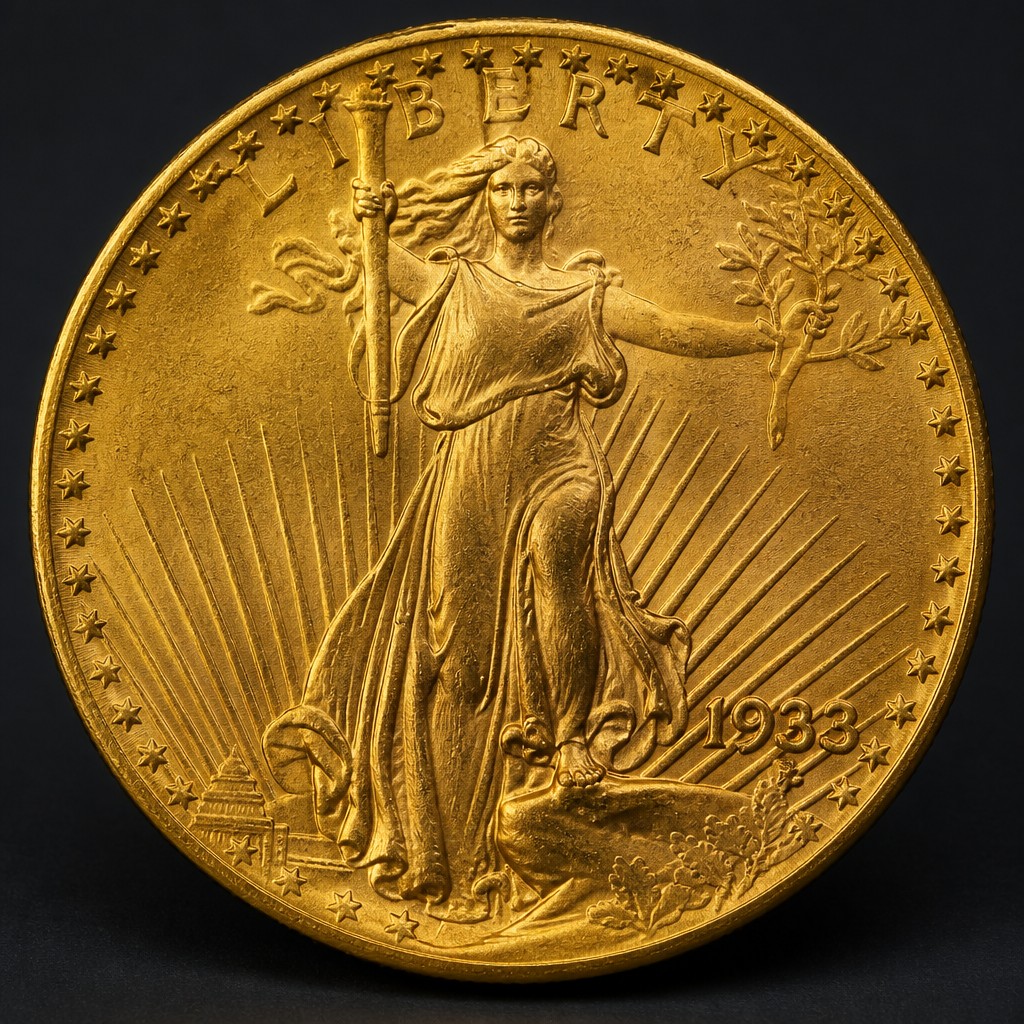
1933 Double Eagle
One of the rarest and most legally contested U.S. coins, struck but never officially released for circulation after the nation left the gold standard; a single example sold for over $18 million.
United States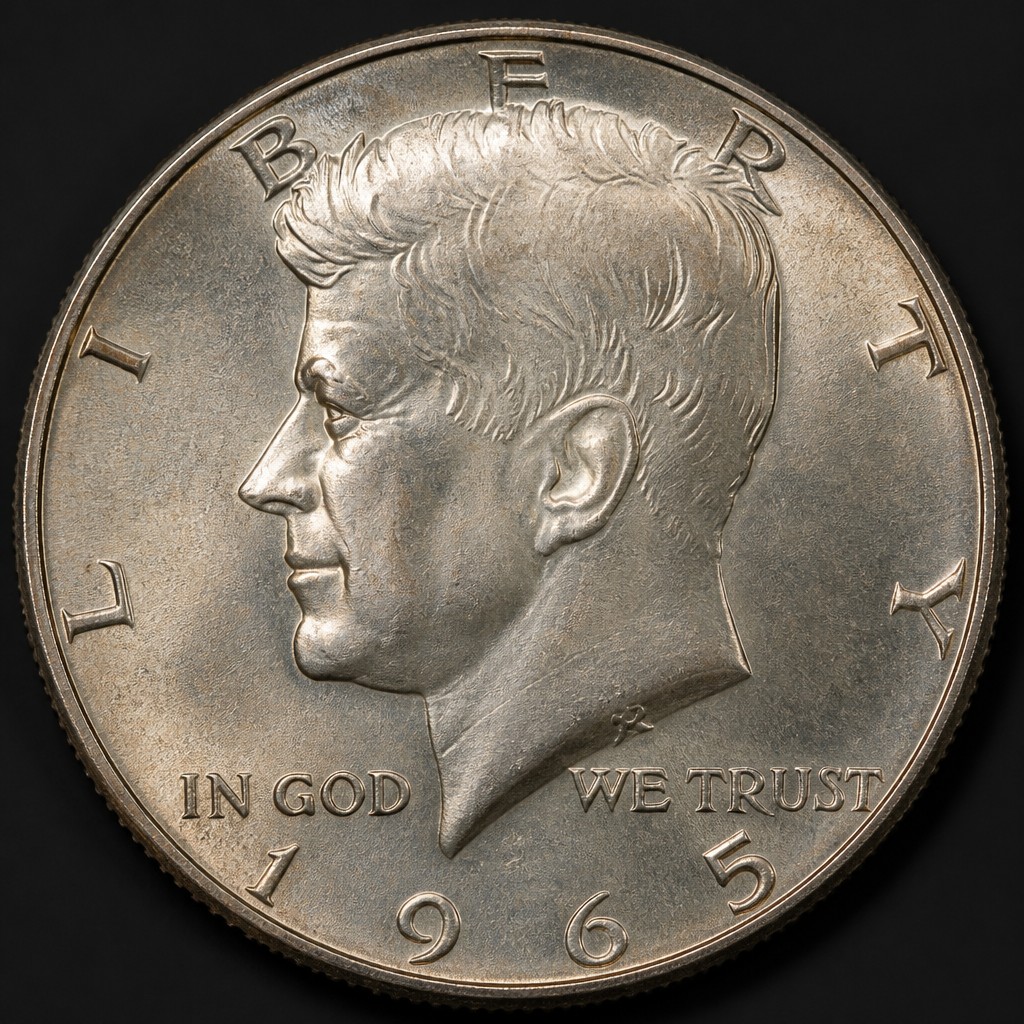
1965-1970 Kennedy Half Dollar (40% Silver)
Kennedy half dollars struck with a reduced 40% silver clad composition after the Coinage Act of 1965, bridging the gap between full silver coinage and today's copper-nickel clad coins.
United States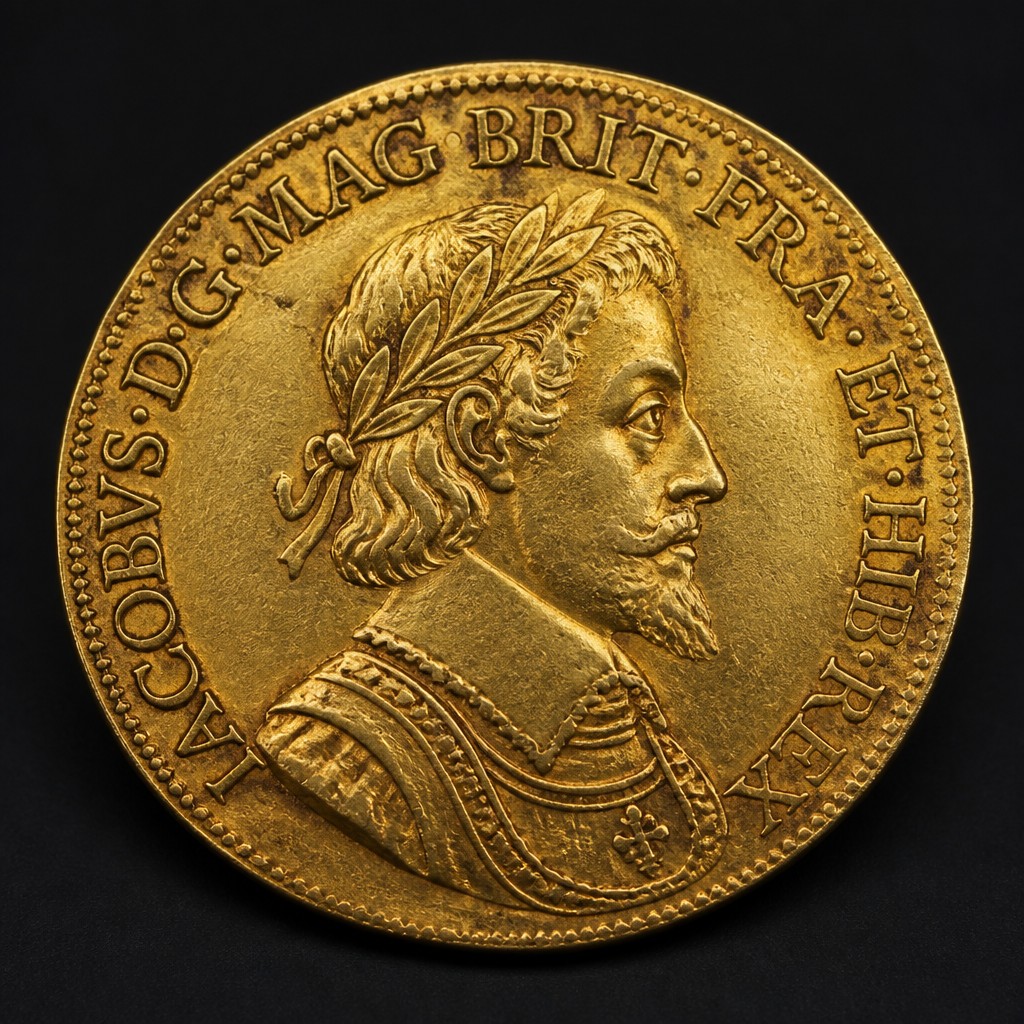
Laurel
A gold twenty-shilling coin issued from 1619, named for its laureate royal portrait styled after Roman emperors, replacing the earlier Unite as James I's principal gold denomination.
British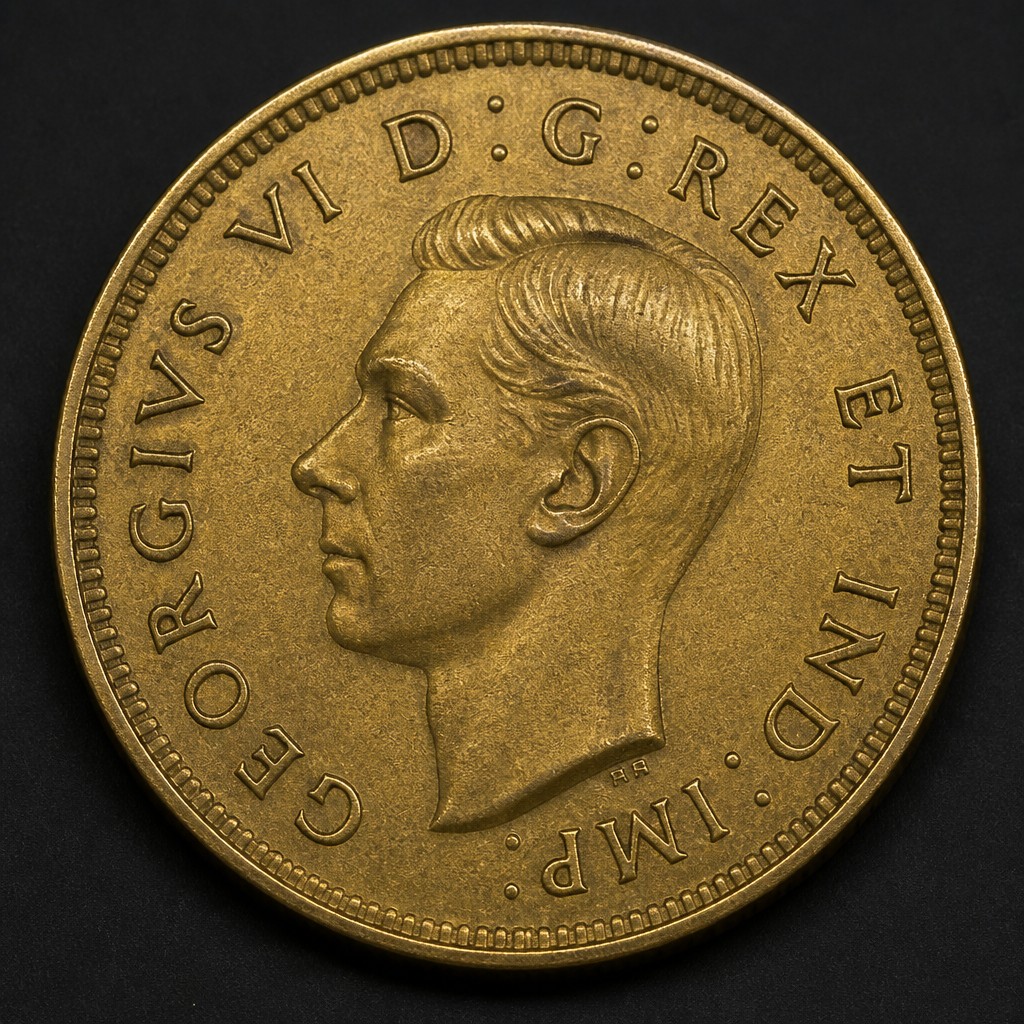
1943 'V' Victory Nickel (tombac)
A wartime Canadian five-cent coin struck in golden tombac with a bold V for Victory and a Morse code message around its edge, issued when nickel metal was diverted to the war effort.
Canadian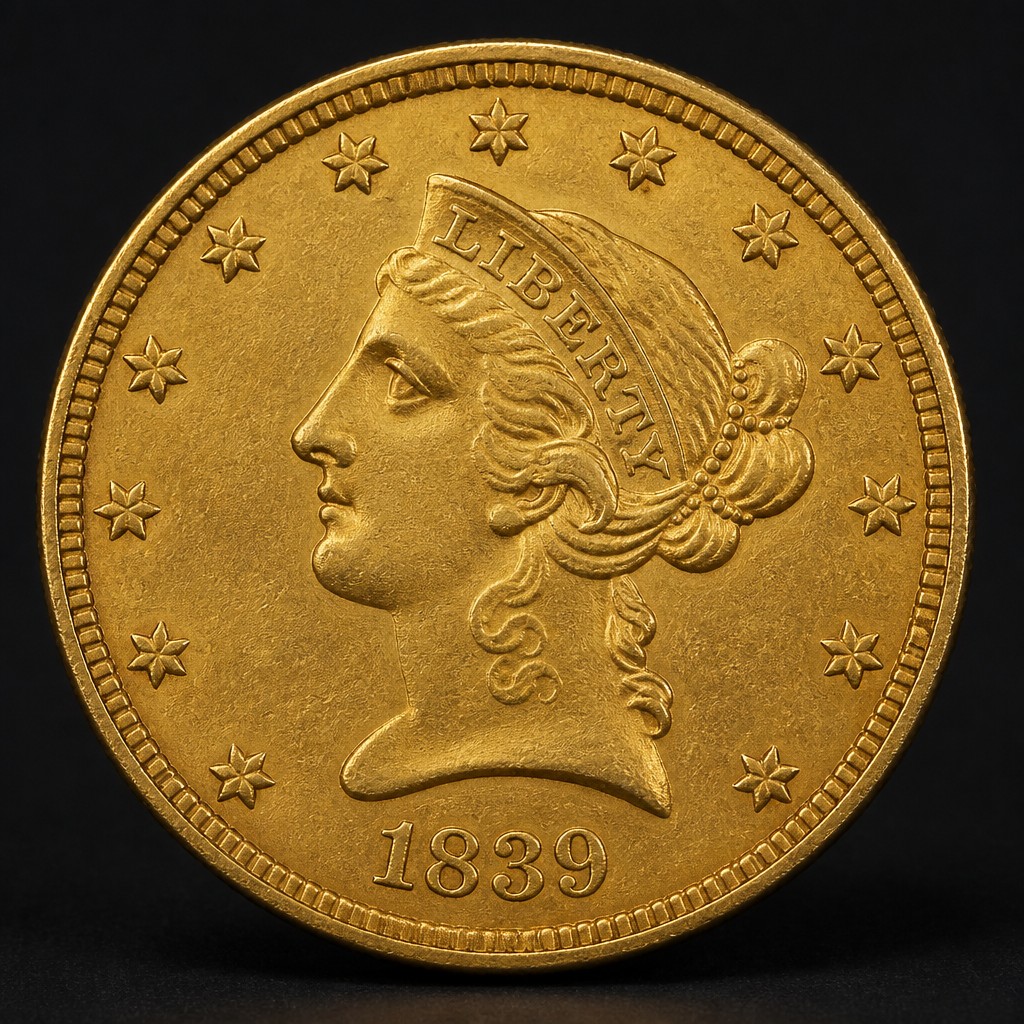
Liberty Head Half Eagle ($5)
A widely produced 19th-century gold five-dollar coin bearing Christian Gobrecht's Coronet Head design, struck across nearly every major American branch mint of the era.
United States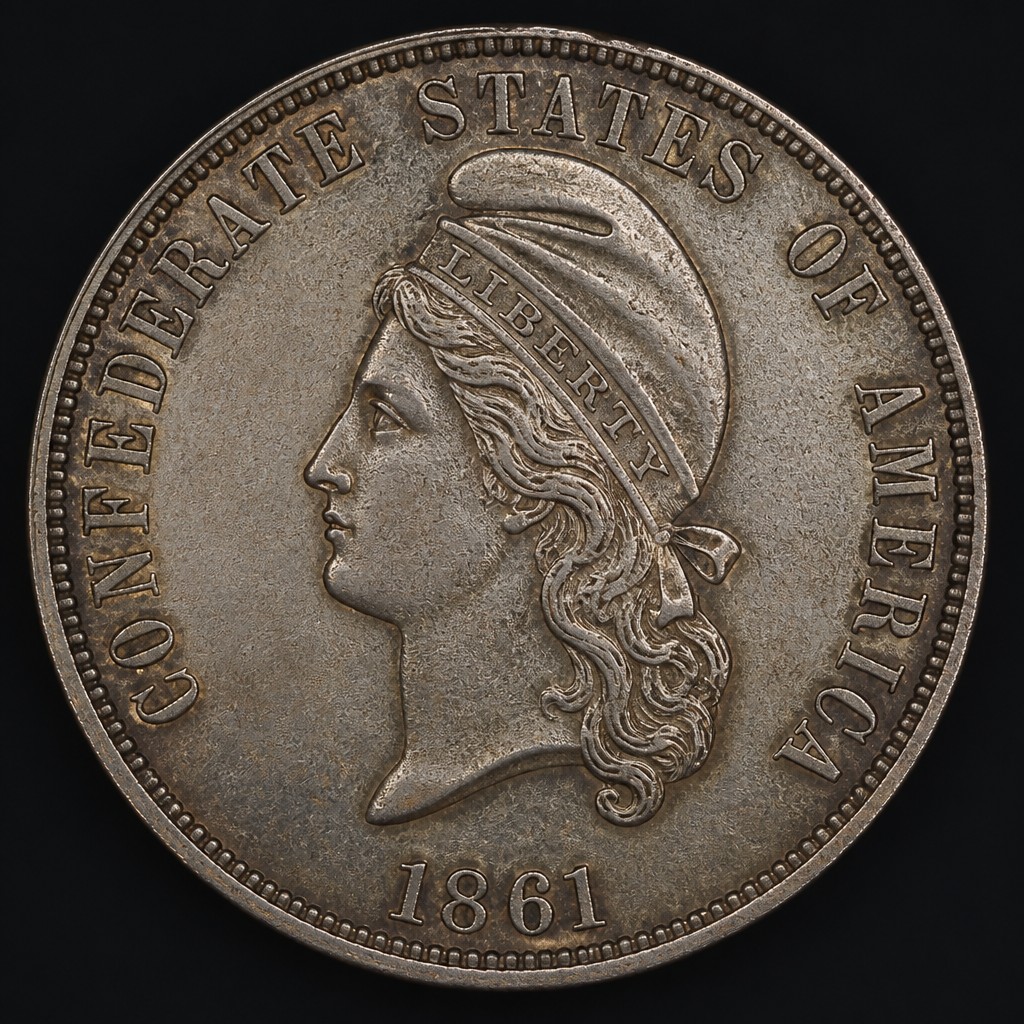
1861 Confederate Half Dollar
An extraordinarily rare Civil War-era coin struck briefly at the Confederate-controlled New Orleans mint, using a genuine CSA reverse die paired with an existing US half dollar obverse.
United States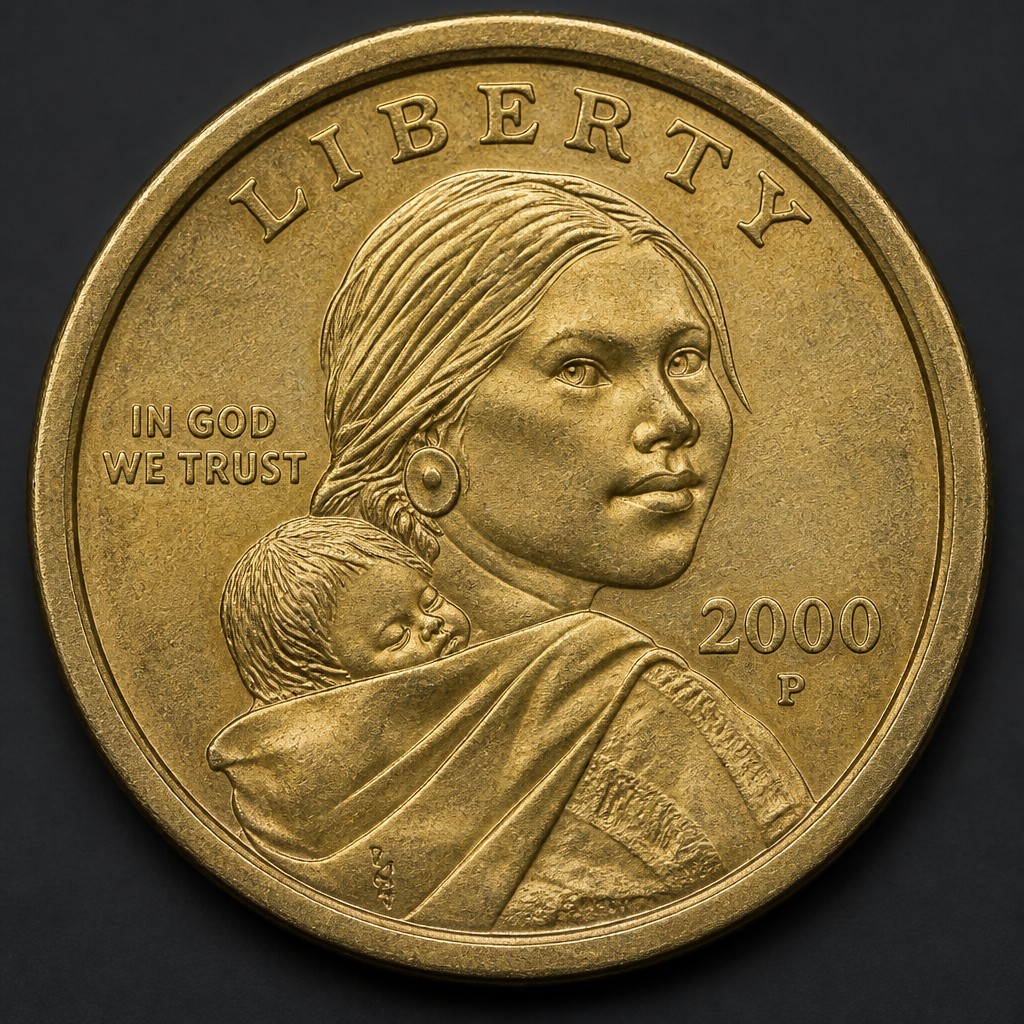
2000-P Sacagawea Cheerios Dollar
A famous modern rarity: early-production 2000-P Sacagawea dollars included in Cheerios cereal boxes as a promotion, some showing enhanced eagle tail feather detail not found on later coins.
Errors & Varieties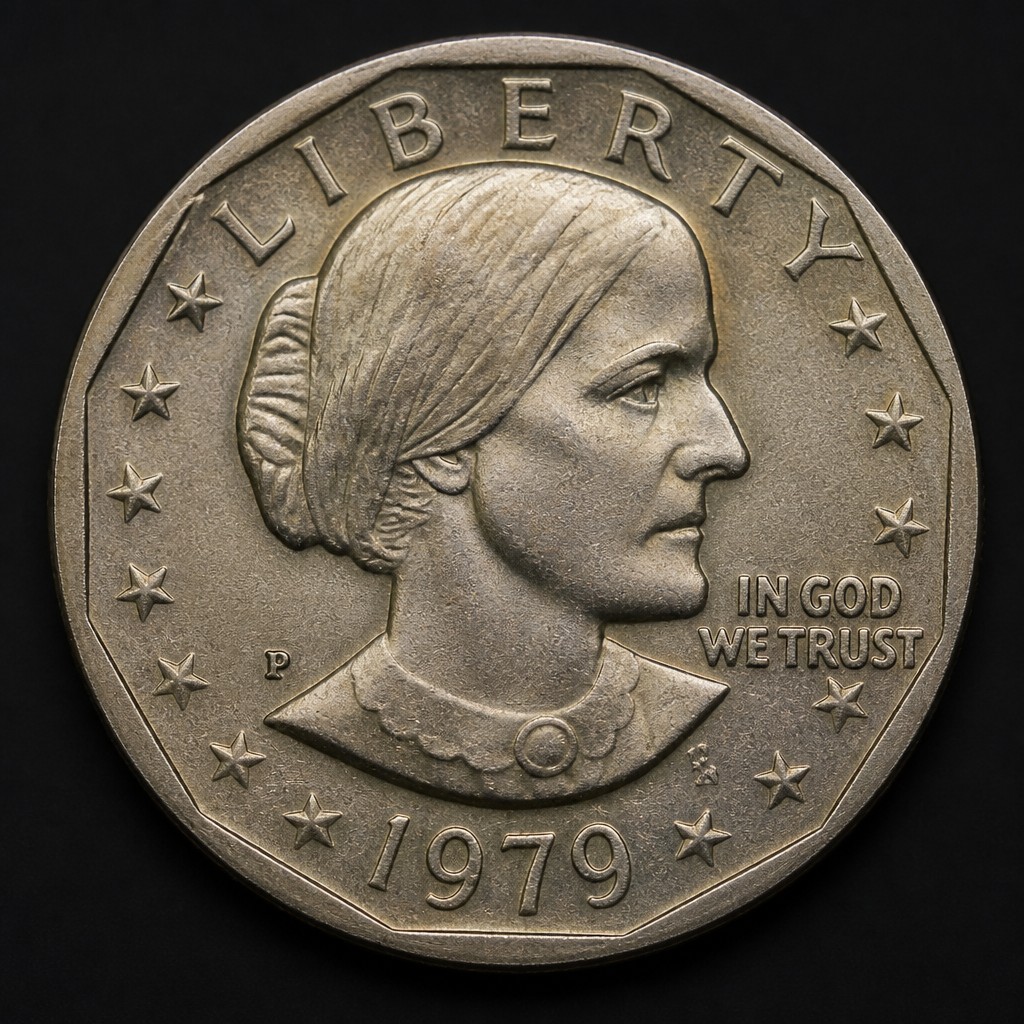
1979 Susan B. Anthony Dollar
The first year of the Susan B. Anthony dollar, the first U.S. circulating coin to depict a real, named woman, notable for the scarce 1979-P wide-rim (Near Date) variety.
United States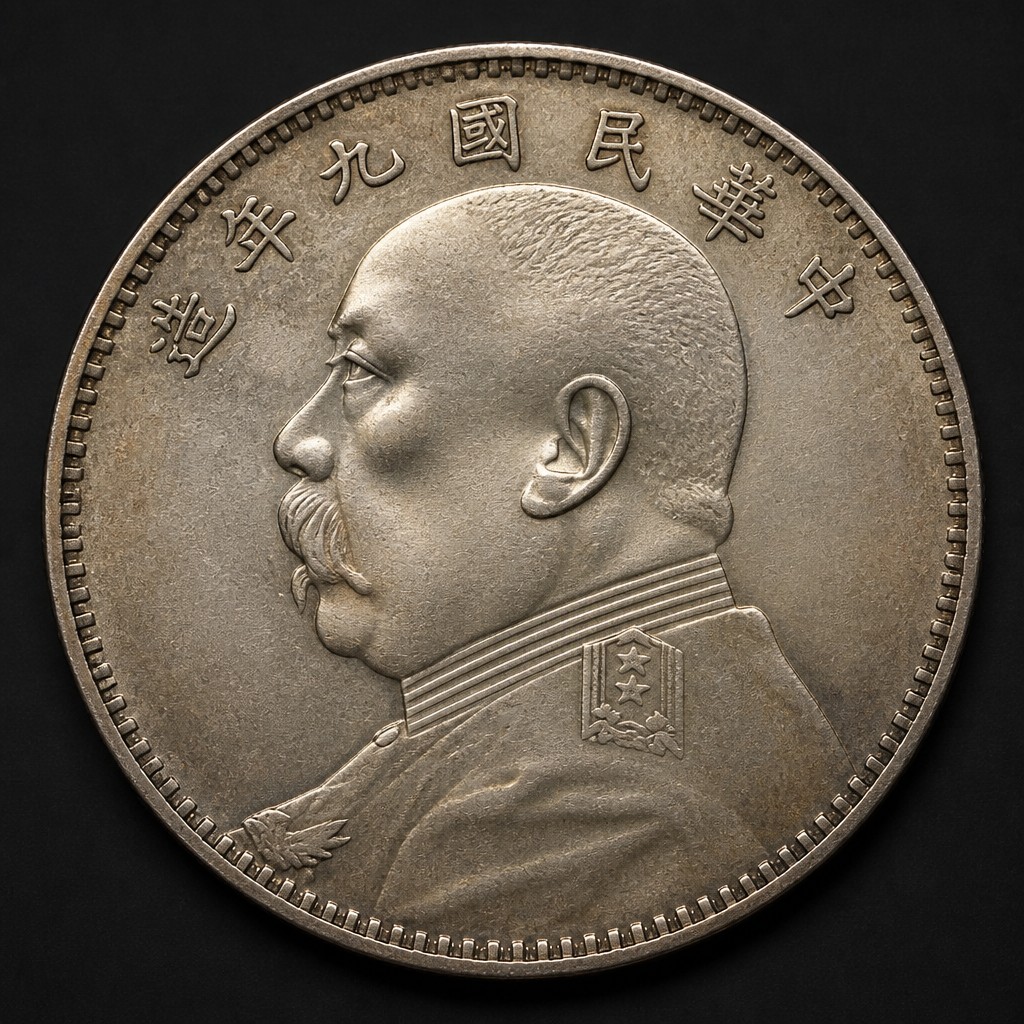
Yuan Shih-kai Dollar ("Fat Man Dollar")
A widely circulated Republic of China silver dollar bearing the portrait of President Yuan Shikai, nicknamed the "Fat Man Dollar" for his rounded features and became China's standard silver coin for years.
Asian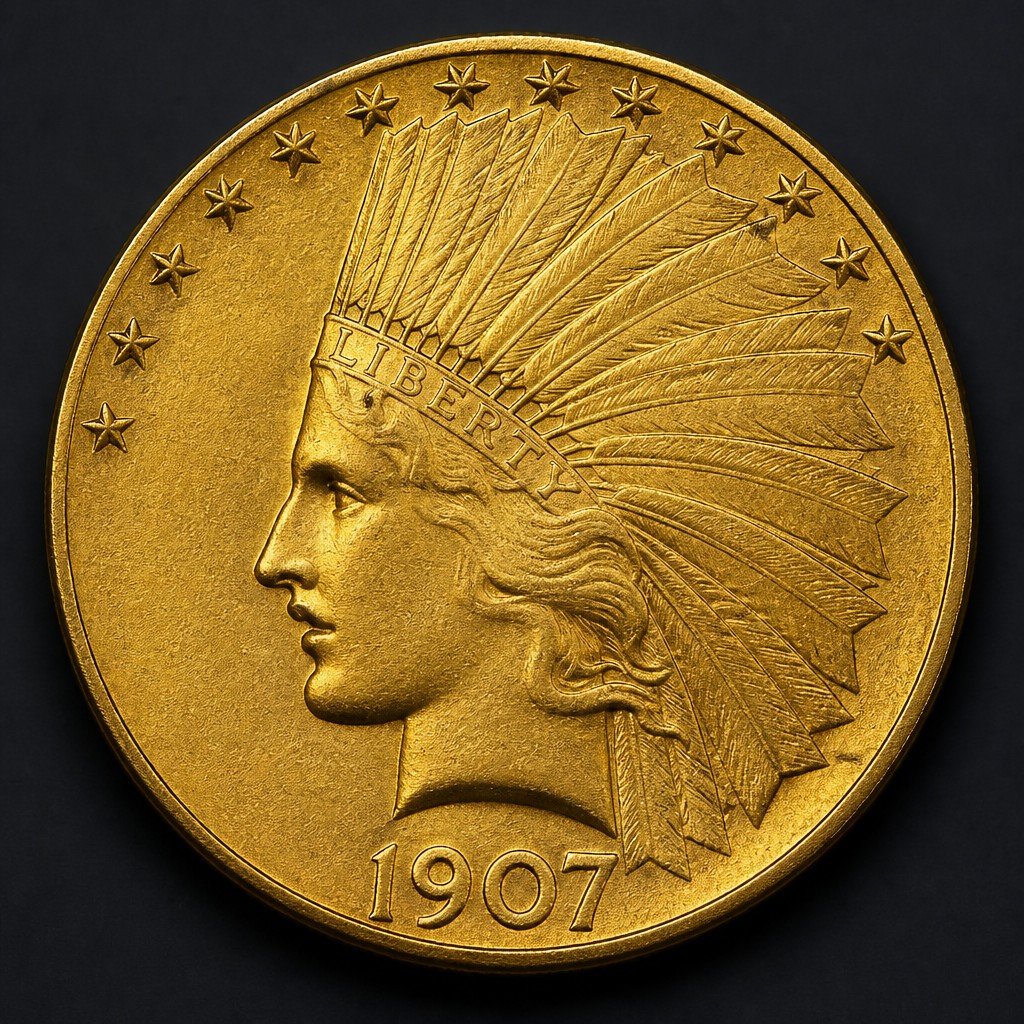
Indian Head Gold Eagle ($10)
A striking early 20th-century $10 gold coin designed under President Theodore Roosevelt's coinage renaissance, featuring an incuse (recessed) design and a Native American-style Liberty portrait.
United States