
Coin Encyclopedia
Search and identify coins from around the world — with country, denomination, metal, mint, history, and how to tell them apart.
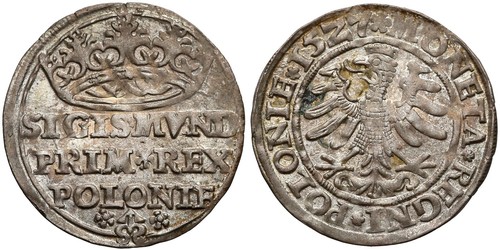
Grosz Koronny
A silver Crown grosz of the Kingdom of Poland, dated 1527, with a royal crown above a shield on one side and the Polish Eagle on the other.
Early Modern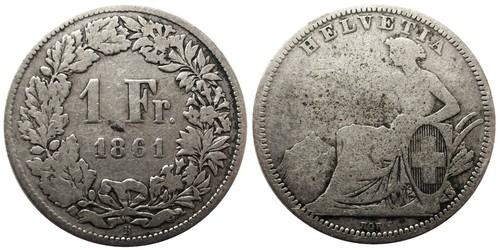
Swiss 1 Franc
A silver Swiss 1 Franc dated 1861, with the figure of Helvetia and the national coat of arms on one side and the value '1 Fr' in wreaths on the other.
Circulation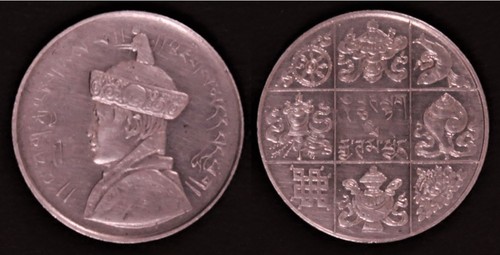
India Half Rupee (Copper)
Copper coin bearing a lion design with the English legend 'HALF RUPEE INDIA' and the date 1947, dated to the year of Indian independence.
Modern India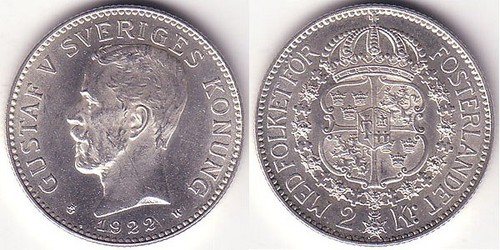
2 Kronor
Silver 2 kronor of Sweden showing King Gustaf V in left profile and the crowned national arms, this piece dated 1922.
World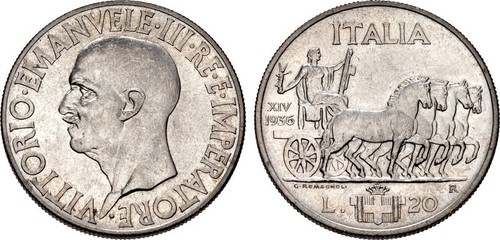
20 Lire
Silver-colored Italian 20 Lire piece of the Fascist era, showing a Mussolini profile and a horse-drawn chariot, dated 1936.
Modern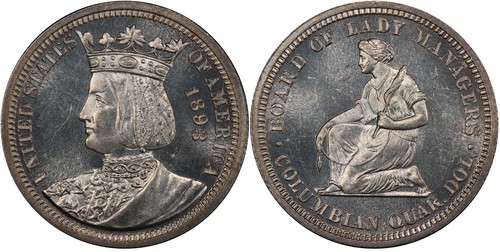
Isabella Quarter
The 1893 Isabella Quarter is the only U.S. commemorative quarter dollar, made for the Columbian Exposition's Board of Lady Managers.
Classic Commemorative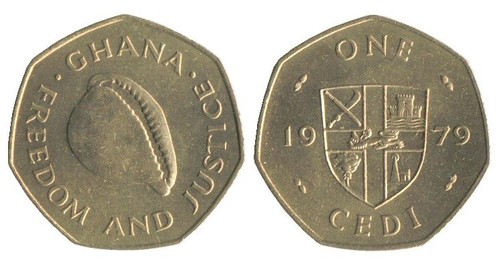
Ghana 1 Cedi
A golden-brass Ghanaian coin dated 1979, showing a cocoa pod with FREEDOM AND JUSTICE on one face and the national coat of arms on the other.
World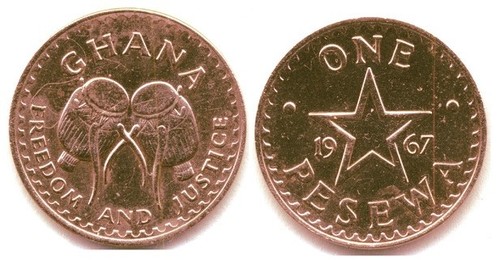
Ghana 1 Pesewa
A small copper-colored 1 pesewa coin of Ghana dated 1967, showing twin eagle heads and 'FREEDOM AND JUSTICE' on one side and a star on the other.
World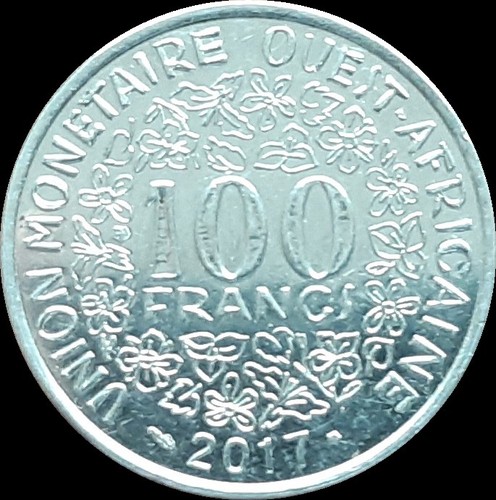
100 CFA Francs
A widely circulated West African coin bearing a crossed-sword emblem and a floral design, denominated 100 francs of the West African CFA franc.
World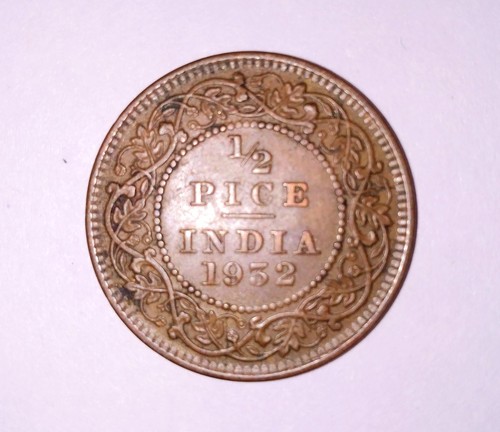
India Half Pice
A small copper half pice from India carrying a crowned obverse with the word INDIA; the pice is a sub-unit of the old pre-decimal Indian coinage system.
Modern India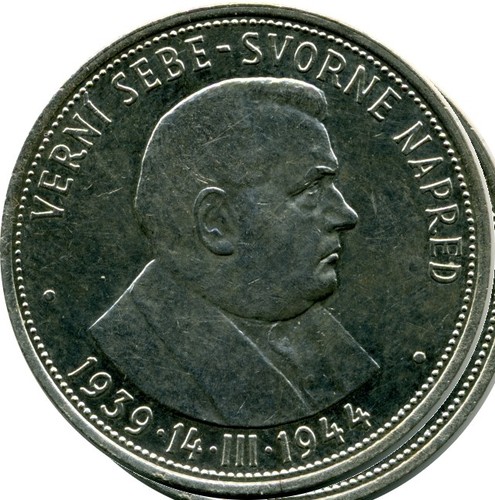
50 Korun
A 1944 silver 50 korun of the wartime Slovak State, showing the profile of Jozef Tiso and a shield with a double cross, struck for the state's fifth anniversary.
Modern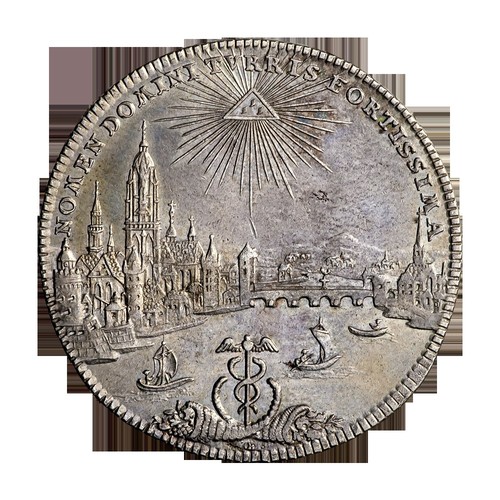
Frankfurt am Main Taler
A 1772 silver Taler of the Free Imperial City of Frankfurt am Main, famed for its detailed city-view reverse with walls, towers and radiant sun.
German States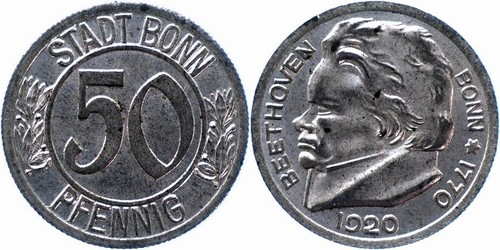
Bonn Notgeld 50 Pfennig
A German emergency-money (Notgeld) 50 Pfennig of the city of Bonn, dated 1920, with the civic arms on the obverse and a Beethoven profile on the reverse.
Token/notgeld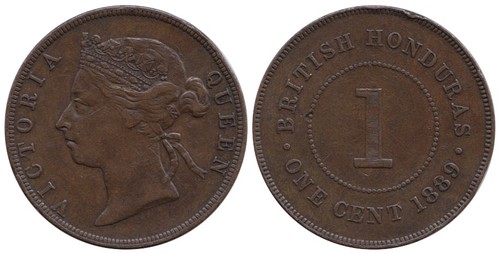
British Honduras One Cent
A colonial copper one cent of British Honduras under Queen Victoria, dated 1889, with the Queen's profile and the value and country name on the reverse.
Colonial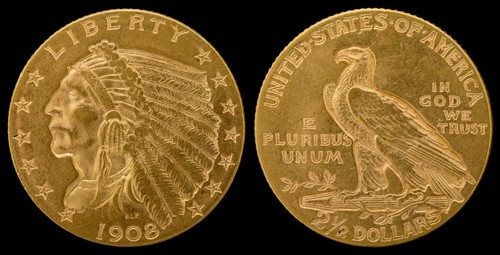
Indian Head Quarter Eagle
U.S. $2.50 gold coin of 1908–1929 with a sunken (incuse) design: an Indian in a feathered war bonnet on the obverse and a standing eagle reverse.
Quarter Eagle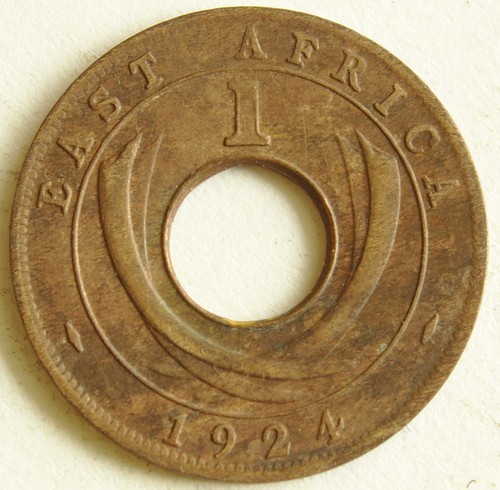
East African 1 Cent
A small holed copper 1 Cent of British East Africa dated 1924, with a crown and decorative rings on one face and the value framing the central hole on the other.
World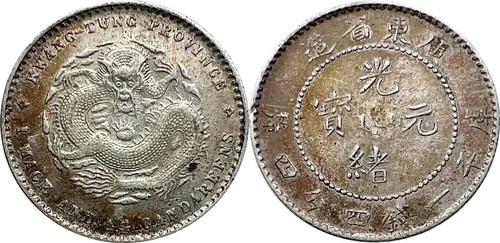
Guangdong 20 Cents
A silver 20-cent coin of Kwangtung (Guangdong) province, struck under the Guangxu Emperor with a coiled dragon on one side and Chinese legends on the other.
Circulation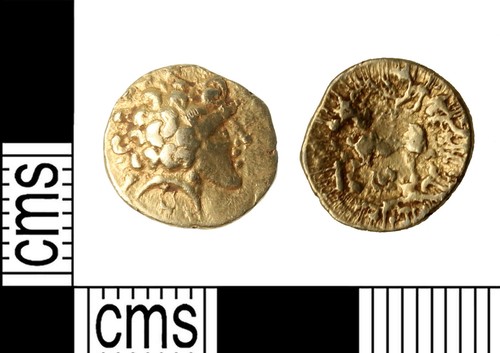
Celtic Gold Quarter Stater
A small Iron Age gold coin struck by the Celtic peoples of ancient Britain, valued at one-quarter of a full stater and marked by abstract, geometric designs.
Ancient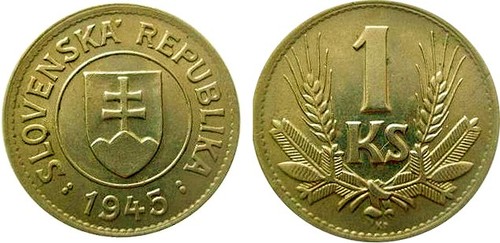
1 Koruna
A lightweight aluminum 1 Koruna of the wartime Slovak state, showing the double-cross national shield on one side and the value 1 Ks flanked by wheat ears.
Modern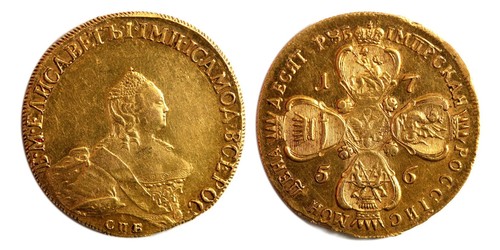
10 Roubles (Elizabeth)
An Imperial Russian gold 10 Roubles of Empress Elizabeth, showing her crowned portrait and the double-headed eagle with orb and scepter, dated 1756.
Early Modern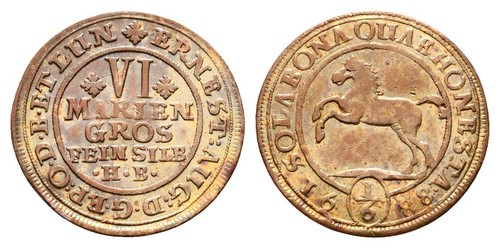
Hanover 1/6 Thaler
A German States silver 1/6 Thaler of Hanover (Brunswick-Luneburg) dated 1688, showing the leaping Saxon Steed and a fractional-denomination reverse.
German States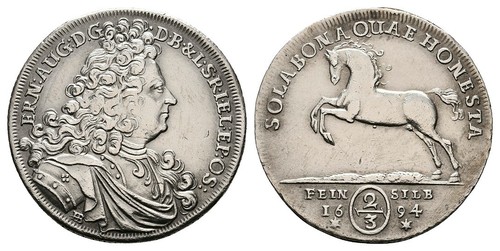
Hanover 2/3 Thaler
A large German States silver 2/3 Thaler of Brunswick-Luneburg (Hanover) dated 1694, with an ornate coat of arms and the leaping Saxon horse reverse.
German States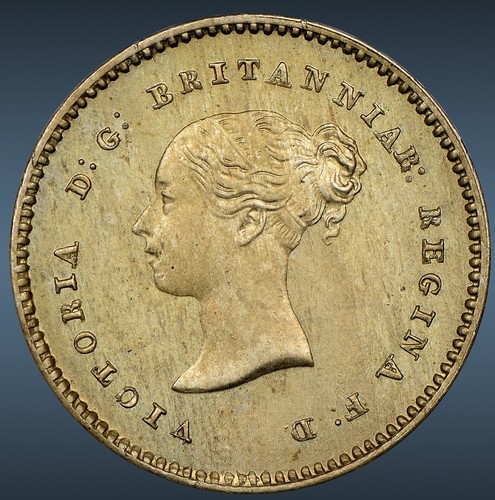
Quarter Farthing
Tiny copper coin of Queen Victoria worth one-sixteenth of a penny, struck for use in Ceylon; the smallest-value British denomination ever made.
British Isles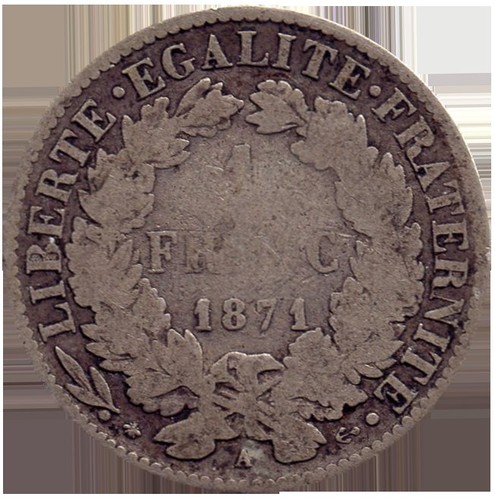
1 Franc Ceres
A small silver French franc showing the head of Cérès, goddess of the harvest, wearing wheat and a star, with the LIBERTE EGALITE FRATERNITE reverse dated 1871.
Circulation