
Coin Encyclopedia
Search and identify coins from around the world — with country, denomination, metal, mint, history, and how to tell them apart.
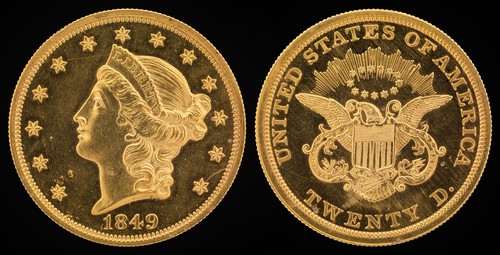
Liberty Head Double Eagle
U.S. $20 gold coin struck 1850–1907, showing a coroneted Liberty head left and a heraldic eagle with shield; the 1869 is a with-motto Type 2.
Double Eagle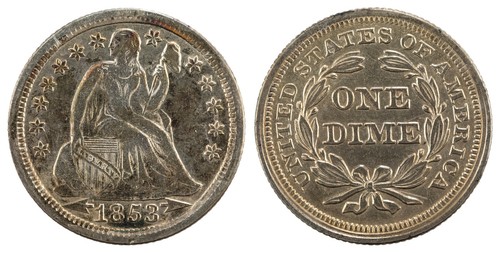
Seated Liberty Dime with Arrows
A silver Seated Liberty dime with small arrows flanking the date, marking the 1853 weight reduction; struck 1853–1855, with the pictured coin dated 1853.
Dime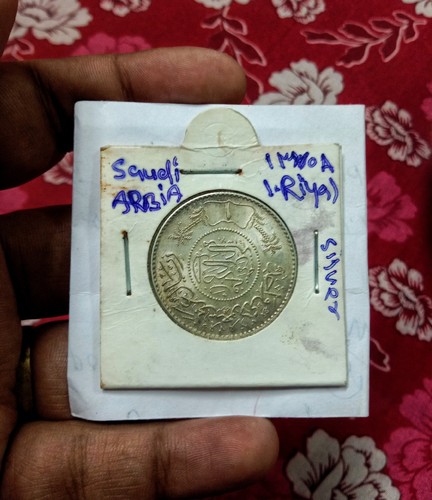
Saudi Arabian Silver Riyal
A large, portrait-free silver coin of King Abdul Aziz ibn Saud, covered in Arabic legends and a state seal — a cornerstone of early Saudi coinage.
World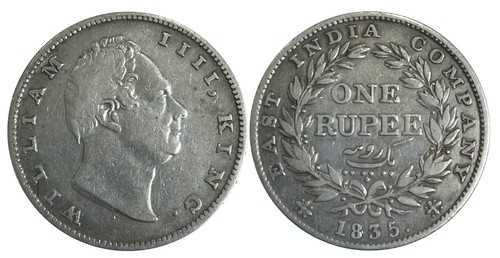
William IV One Rupee
Silver one-rupee coin of British India struck in 1835 under the East India Company, bearing the right-facing bust of King William IV.
British India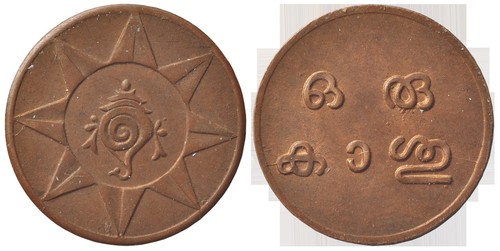
Travancore One Cash
A tiny copper coin of the princely state of Travancore, carrying the state's conch-shell emblem on one side and its cash value in local script on the other.
Princely & Presidency States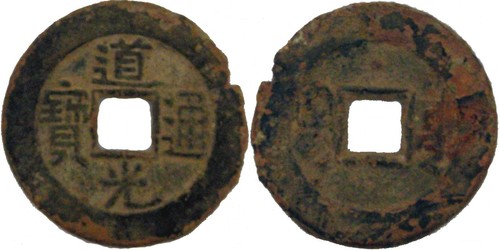
Daoguang Tongbao
A round Chinese bronze cash coin with a square center hole, cast under the Qing emperor Daoguang; this example bears the Bao Quan mint mark.
Cash Coin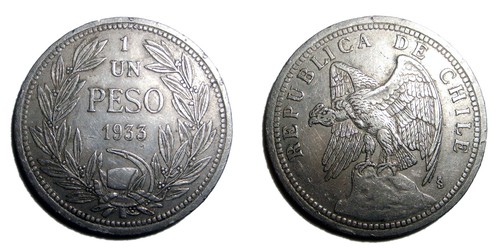
Chilean Peso (1875 Type)
A silver one-peso coin of Chile: the national coat of arms with its lone star and laurel wreaths on one side, and a large bird in flight on the other.
Circulation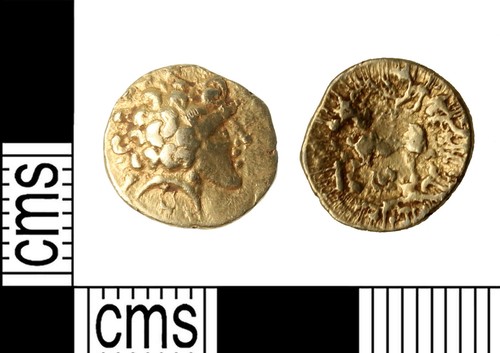
Celtic Gold Quarter Stater
A small Iron Age gold coin struck by the Celtic peoples of ancient Britain, valued at one-quarter of a full stater and marked by abstract, geometric designs.
Ancient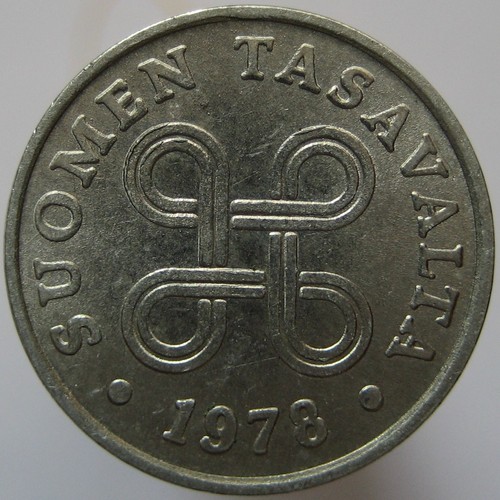
1 Penni
Finland's smallest post-1963 coin: a tiny light base-metal piece with a bold numeral 1 and SUOMI on the front and a geometric line pattern on the back.
World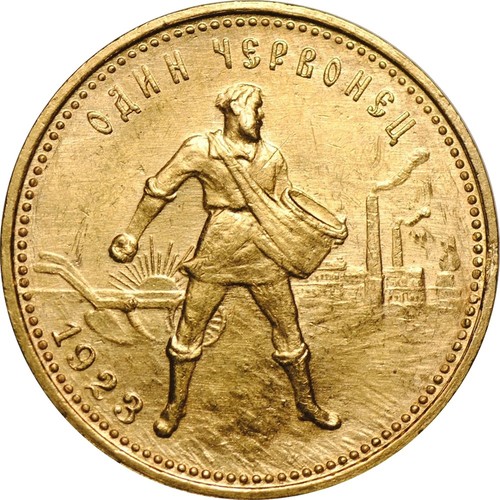
Gold Chervonets
Soviet gold coin of 1923 worth one chervonets (10 rubles), showing a peasant sowing before a rising sun and factories, with the Soviet state emblem.
World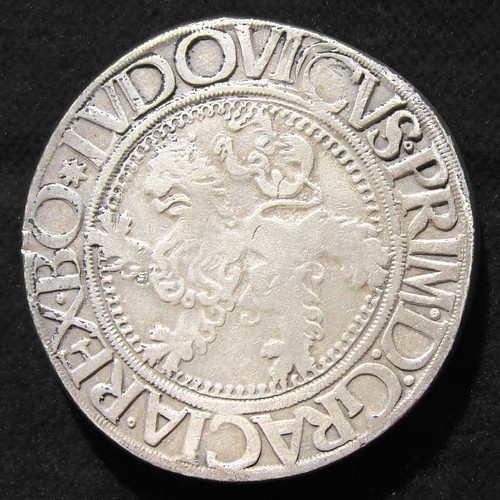
Joachimsthaler (Thaler)
A large early-16th-century Bohemian silver thaler from Joachimsthal, dated 1525; the coin whose name gave rise to the words 'thaler' and 'dollar'.
Early Modern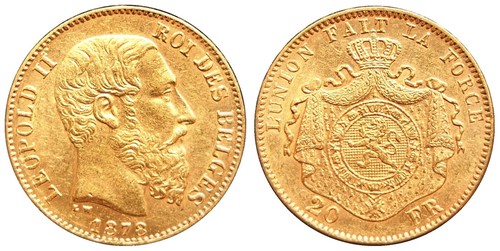
20 Francs (Leopold II)
Belgium's gold 20 francs under King Leopold II, a small Latin Monetary Union coin with the bearded king's profile and the crowned national arms.
Modern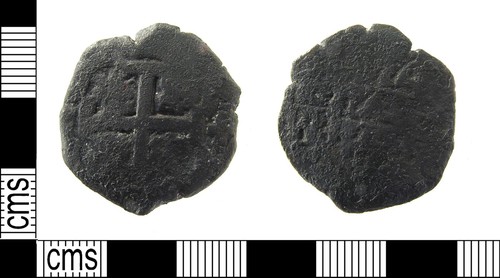
Spanish Colonial 1 Real (Bourbon)
A small silver coin of Spain's American colonies from the early Bourbon era, showing a cross with ornaments on one side and the crowned royal arms on the other.
Colonial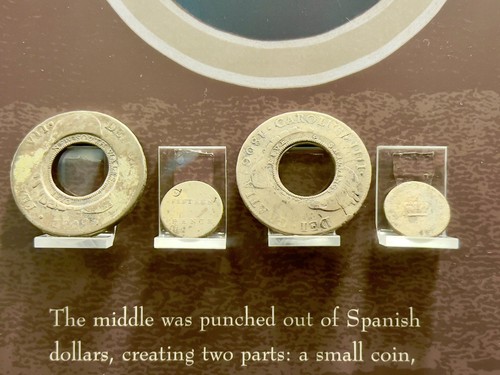
Holey Dollar
Australia's first struck coin: a Spanish silver dollar with its centre punched out, counterstamped NEW SOUTH WALES 1813 and revalued at five shillings.
Australian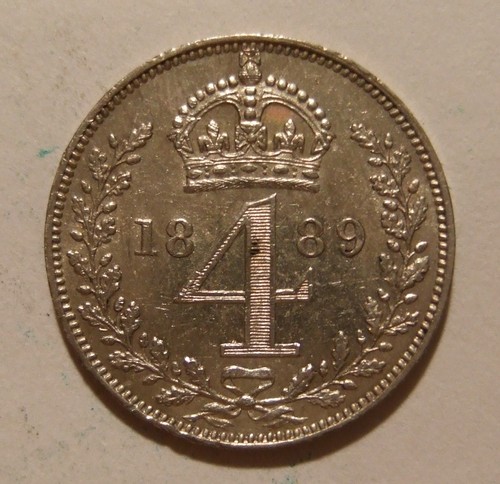
Victoria Maundy Fourpence
A tiny sterling-silver ceremonial coin from a royal Maundy set. This 1889 example shows Victoria's crowned Jubilee Head and a crowned '4' in a wreath.
British Isles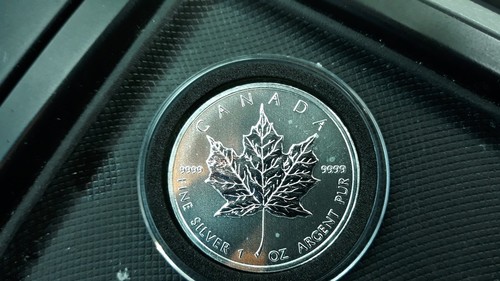
Canadian Silver Maple Leaf
Canada's flagship 1 oz silver bullion coin, struck in .9999 fine silver by the Royal Canadian Mint with a single sugar-maple leaf design.
Bullion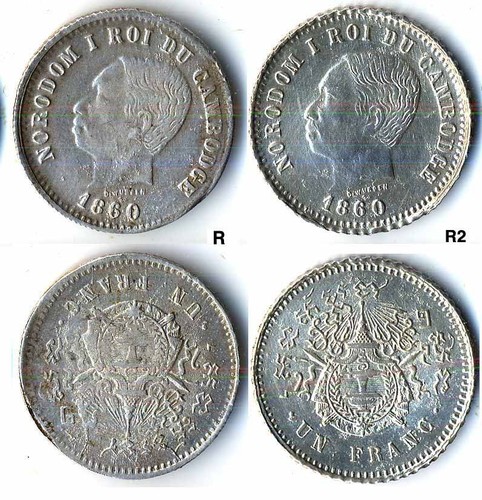
Cambodia One Franc
A mid-20th-century one-franc coin of the Kingdom of Cambodia, its obverse bearing a royal Norodom profile and its reverse a heraldic coat of arms.
Southeast Asia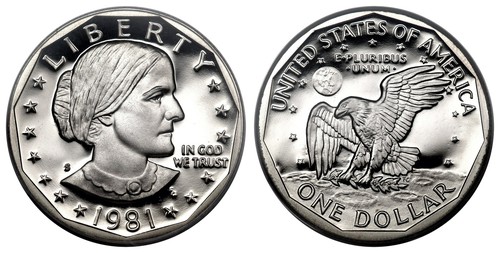
Susan B. Anthony Dollar
U.S. small-size copper-nickel clad dollar coin (1979–1981, 1999) featuring suffragist Susan B. Anthony and an eagle landing on the moon.
Dollar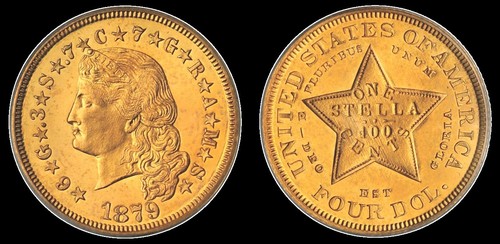
Flowing Hair Stella
An 1879 U.S. $4 gold pattern coin with a flowing-hair Liberty obverse and a large-star "ONE STELLA" reverse; famous rarity, never circulated.
Stella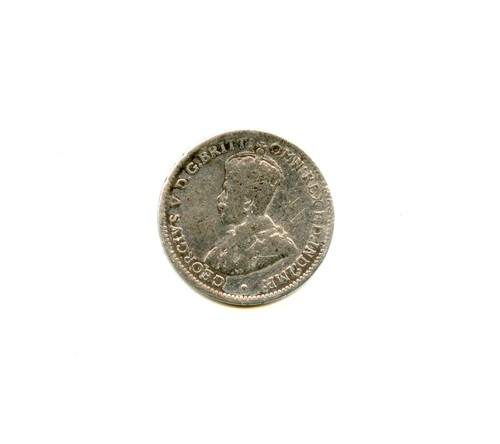
Australian Threepence
Australia's small pre-decimal silver threepence (3d), the country's tiniest coin, struck 1910-1964. The example shown carries a George V portrait.
Australian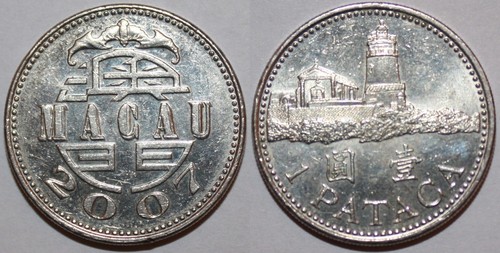
Macao 1 Pataca
A silver-colored 1 Pataca circulation coin of Macao dated 2007, showing Chinese characters and denomination on one face and a lighthouse-and-harbor scene on the other.
Circulation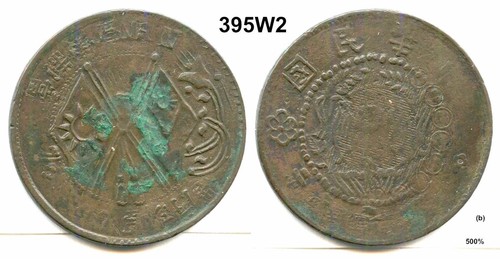
Ho-Nan 100 Cash
A large struck bronze 100-cash coin of Henan Province from Republican China, with ornate Chinese characters on one face and a decorative pattern on the other.
Cash Coin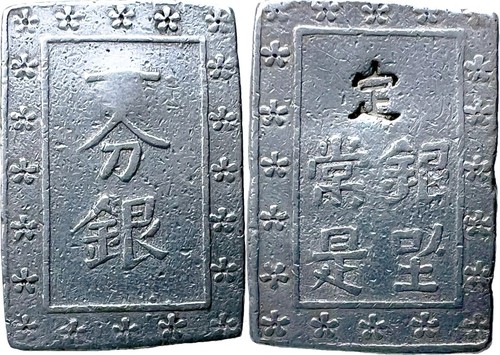
1 Bu Gin
A small rectangular Japanese silver coin, the ichibu gin, worth one bu (a quarter ryo), bearing beaded borders, paulownia crests and Ginza inscriptions.
Historic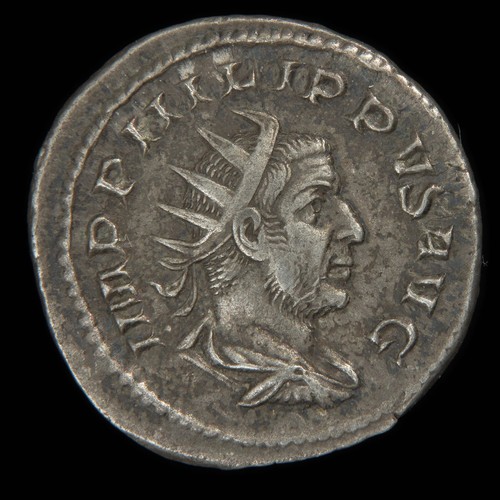
Antoninianus
Roman imperial coin of the crisis era, marked by a radiate (spiked) crown on the emperor's head; struck in debased silver-and-copper billon, c. 250-270 AD.
Ancient Coins