
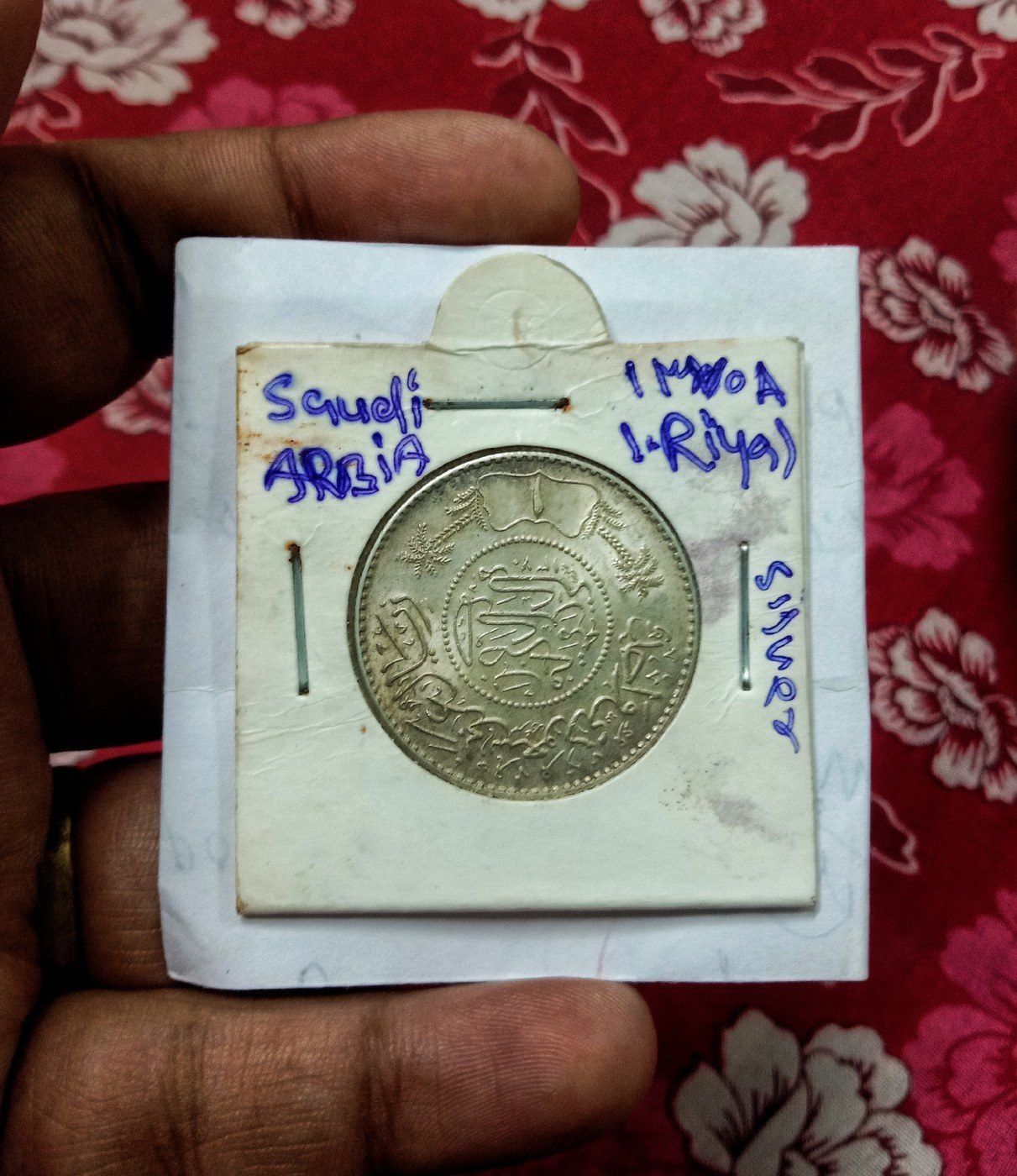
Saudi Arabian Silver Riyal
A large, portrait-free silver coin of King Abdul Aziz ibn Saud, covered in Arabic legends and a state seal — a cornerstone of early Saudi coinage.
- Country
- Saudi Arabia
- Denomination
- Riyal
- Metal
- Silver
Got a coin like this?
Identify any coin from a photo, free.
Overview
The Saudi Arabian Silver Riyal is a large crown-sized coin struck during the founding decades of the modern Saudi state under King Abdul Aziz ibn Saud (Ibn Saud). Following Islamic tradition, it carries no portrait or human image; both faces are given over entirely to Arabic inscriptions and a state seal, making it visually distinct from most Western coins of the same era.
The riyal served as the principal silver unit of account, circulating alongside its fractional half riyal and quarter riyal. Because it was struck in quantity and in real silver, it remains one of the most widely encountered early Saudi coins today, popular with collectors of Islamic and world silver.
History & Background
The coin belongs to the era in which the Arabian Peninsula was consolidated under Ibn Saud. Early silver riyals were issued for the Kingdom of Hejaz and Nejd in the later 1920s, and after the proclamation of the Kingdom of Saudi Arabia in 1932 the series continued under the new state name, with dates expressed in the Islamic Hijri (AH) calendar.
These silver riyals predate Saudi Arabia's oil-driven modern economy and the later shift to cupro-nickel and paper money. Production drew on several mints over the years, and design details, legends, and metal fineness were adjusted across issues, so the series spans a range of closely related but distinguishable types rather than a single fixed design.
How to Identify
Look for a broad silver coin dominated by flowing Arabic script on both sides, with no bust, monarch's head, or Latin lettering. One face typically bears the ruler's name and titles and the state name, while the other carries the denomination, the Hijri date, and a state seal or emblem.
The full riyal is the largest of the silver trio; the half riyal and quarter riyal repeat similar legends at smaller diameters and lighter weights. Dates read in Arabic-Indic numerals and follow the AH calendar, so a coin marked in the 1340s–1370s corresponds to the early-to-mid 20th century.
Value & Collectibility
Most circulated silver riyals of Ibn Saud are common and affordable, trading in the low-to-moderate range typical of well-worn world silver, with much of their floor value tied to silver content. Cleaner, sharply struck examples and scarcer dates or varieties command higher premiums.
Because fineness, weight, and date all affect desirability, value is best judged against a current price guide for the specific year and grade rather than a single figure. As with any silver coin, condition, originality of surfaces, and authenticity strongly influence what a given piece will bring.
Frequently asked questions
Why doesn't the Saudi silver riyal show a king's face?
Islamic tradition generally avoids depicting people on coinage, so the riyal uses Arabic inscriptions, the ruler's name and titles, and a state seal instead of a portrait.
What is the coin made of?
It is a genuine silver coin. Fineness varied across issues, but the full riyal is a large, heavy silver piece whose melt value provides a baseline worth.
How do I read the date?
Dates are in Arabic-Indic numerals and use the Islamic Hijri (AH) calendar. Early-20th-century riyals fall roughly in the AH 1340s–1370s range.
Is the Saudi silver riyal rare?
Common circulated examples are widely available and modestly priced, but certain dates, mints, and high-grade pieces are scarcer and more valuable.
Saudi Arabian Silver Riyal guides
In-depth guides for identifying, valuing, and collecting Saudi Arabian Silver Riyal.
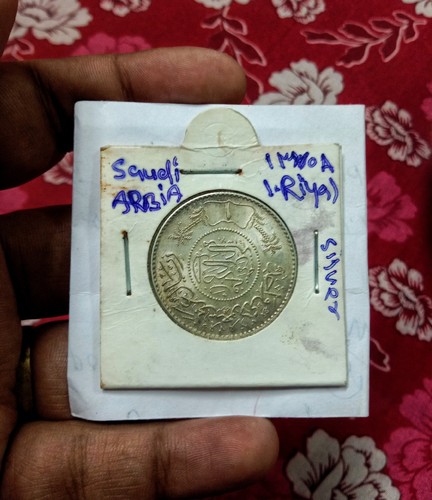
Saudi Arabian Silver Riyal identified by the community
Real coins identified with Coin Identifier.
Other coins you may enjoy
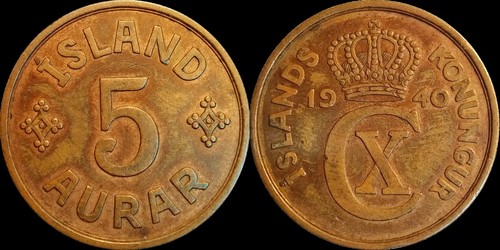
5 Aurar
1926-1942
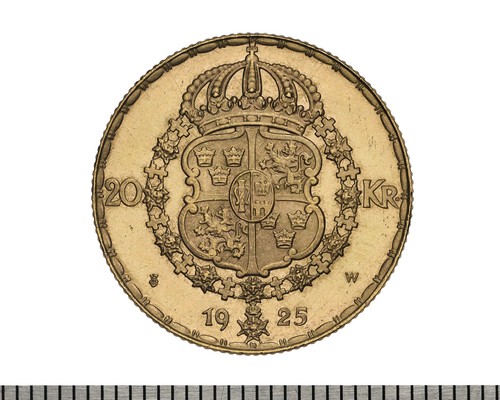
20 Kronor
1925 (denomination struck 1873-1925)
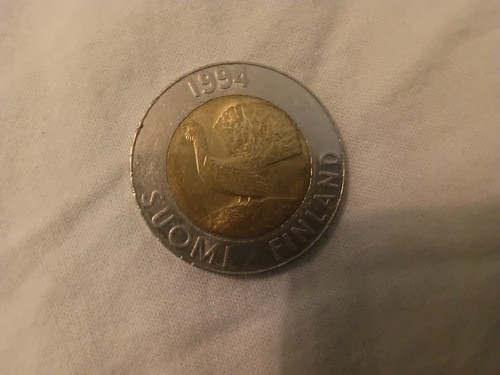
10 Markka
1993–2001
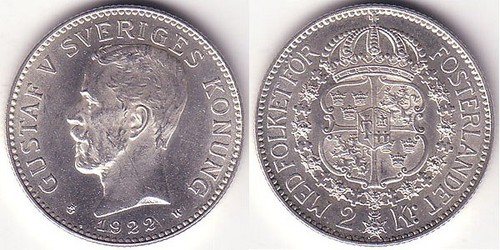
2 Kronor
1910-1940 (this example dated 1922)
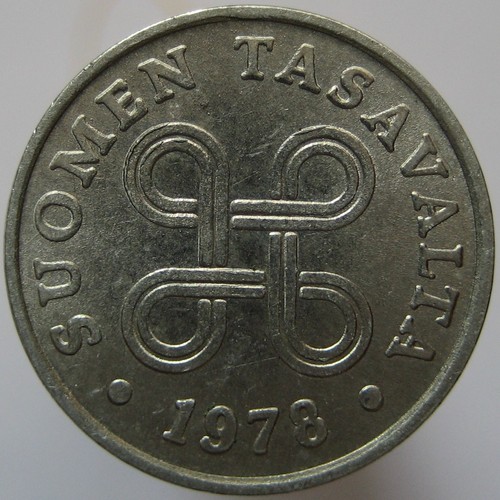
1 Penni
1969–1979
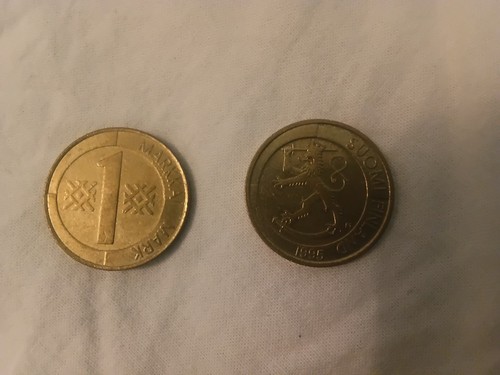
1 Markka
1993–2001
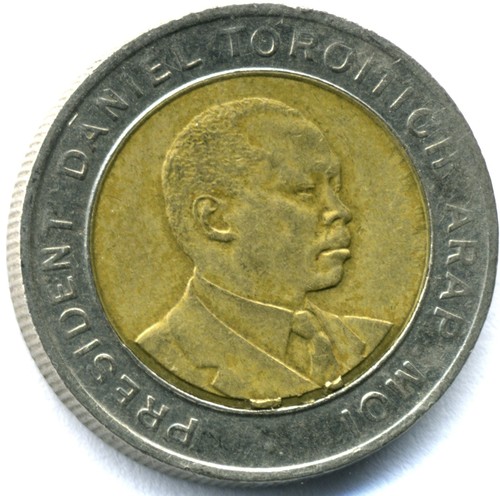
Kenya 5 Shillings
Bimetallic issues (2005–2010)
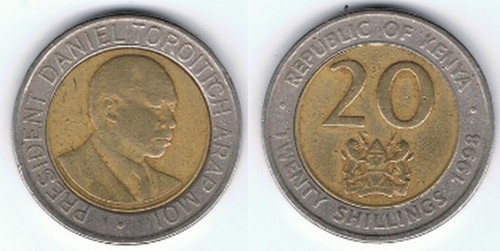
Kenya 20 Shillings
Modern issue (late 1990s–2000s)
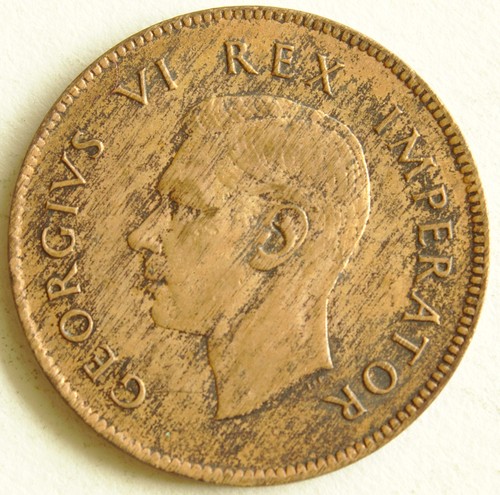
South Africa Farthing
1923-1960
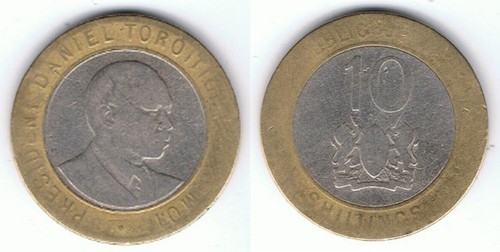
Kenya 10 Shillings
Republic of Kenya, bimetallic issues (mid-1990s to c. 2010)
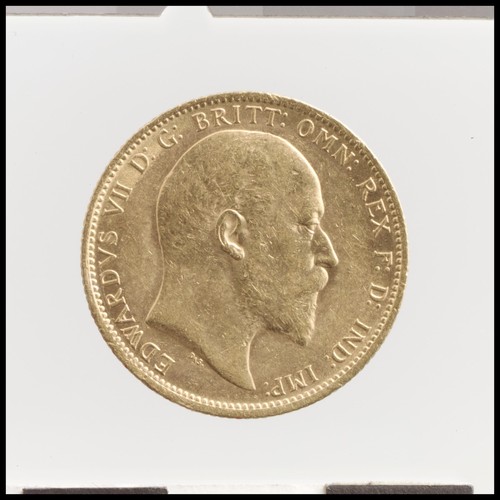
Gold Sovereign
1817–present
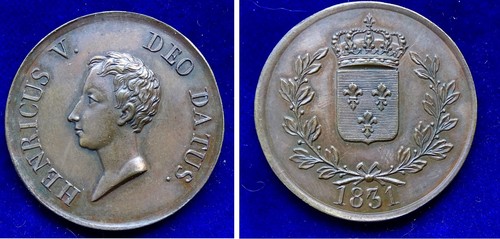
Henri V Five Francs
1831