
Coin Encyclopedia
Search and identify coins from around the world — with country, denomination, metal, mint, history, and how to tell them apart.
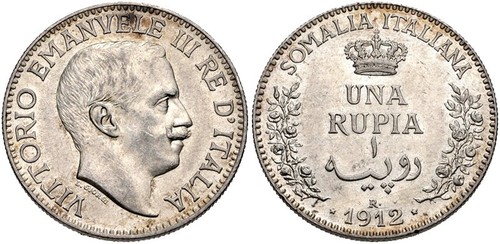
Somalia 1 Rupia
Silver 1 Rupia of Italian Somaliland, showing King Victor Emmanuel III facing right and a crowned heraldic reverse within a wreath.
World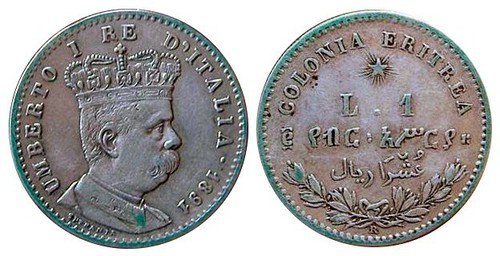
Eritrea 1 Lira
Silver 1 lira struck for Italy's colony of Eritrea, dated 1918, with a crowned heraldic emblem and the legend COLONIA ERITREA L.1.
World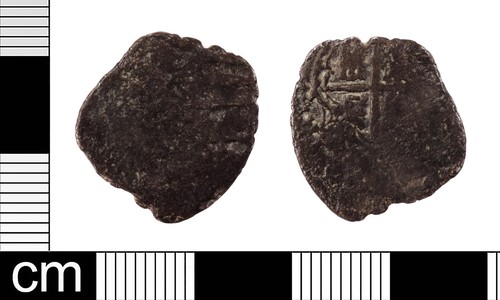
Spanish Colonial Cob 2 Reales
A crude hand-struck silver cob worth a quarter of a piece of eight, showing a cross on one side and the Habsburg Spanish arms on the other.
Cob Coinage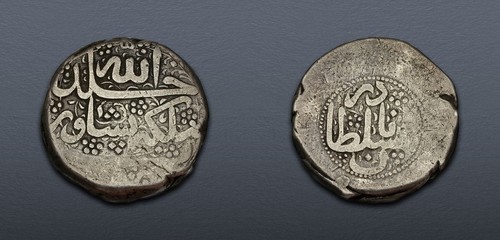
Double Rupi
A large Afsharid silver coin of Nader Shah, the double rupi, dated AH 1151 and covered in flowing Persian calligraphy and ornamental scrollwork.
Historic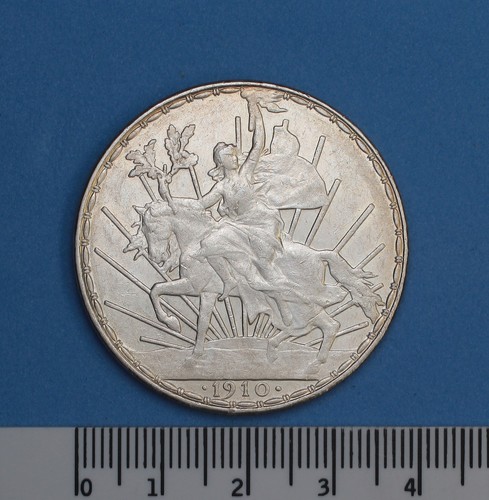
Caballito Peso
A silver Mexican peso nicknamed for the horse on its obverse: an allegorical figure on horseback holding a torch aloft, backed by the eagle-and-serpent arms.
Circulation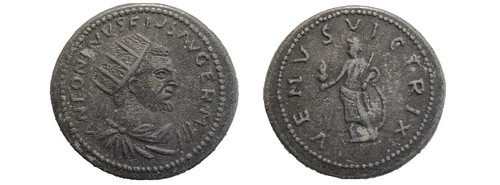
Antoninianus of Caracalla
The antoninianus introduced by Caracalla around AD 215, a radiate-crowned double denarius in debased silver that reshaped Roman coinage.
Ancient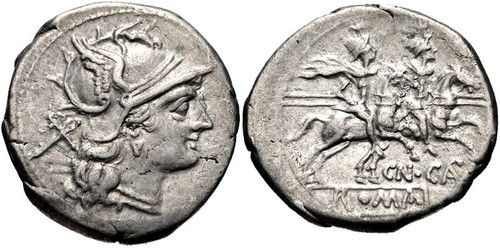
Calpurnia Denarius
Silver Roman Republican denarius of the Calpurnia gens: a right-facing male head on the obverse and a galloping horseman with inscription on the reverse.
Ancient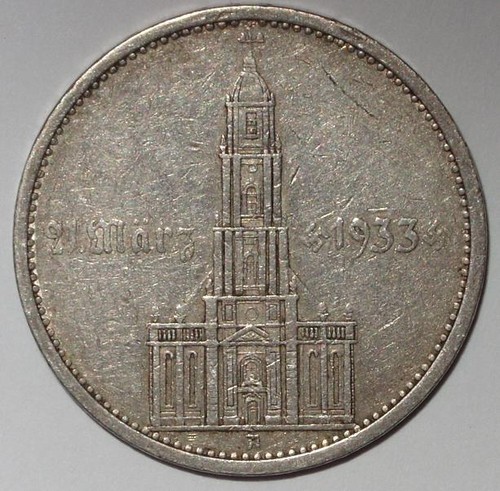
German 2 Reichsmark Garrison Church Commemorative
A 1933 German silver 2 Reichsmark commemorative showing the Potsdam Garrison Church tower, issued to mark the "Day of Potsdam."
Commemorative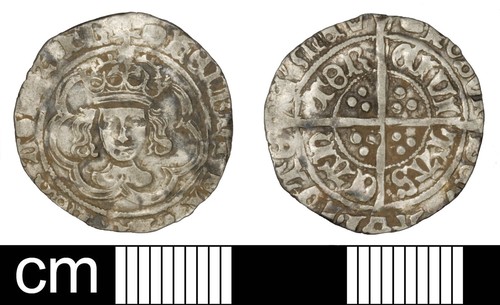
Medieval Halfgroat of Henry VII
Hammered silver twopence of England's first Tudor king, with a crowned royal portrait and a long-cross reverse over a shield.
British Isles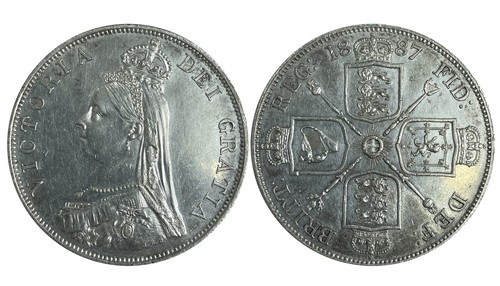
British Double Florin
Large Victorian silver four-shilling piece with the Jubilee Head of Queen Victoria and a cross of four crowned shields on the reverse.
World Coins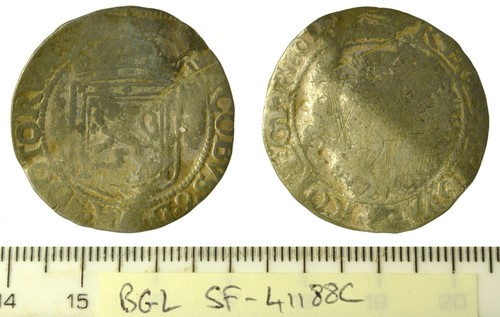
Thistle Merk
A hammered silver Scottish merk of James VI, showing a crowned heraldic shield of Scotland and a crowned thistle with a Latin legend.
Hammered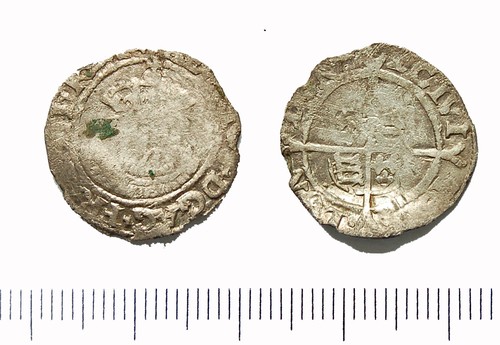
Edward VI Half Groat
Small hammered silver twopence of Edward VI (1547-1553), with a left-facing royal profile and a cross-and-shield reverse.
Hammered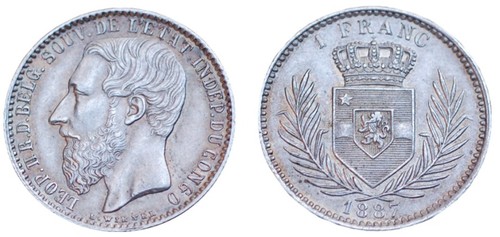
Belgian Congo 1 Franc
An early silver franc struck for the Congo under King Leopold II, pairing a laureate portrait with grain stalks and the value.
World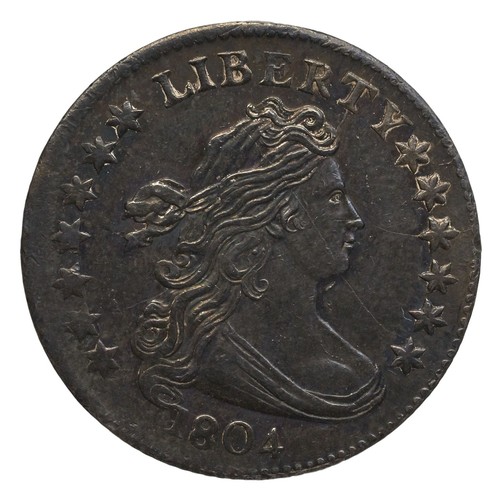
Draped Bust Dime
The first United States dime, struck in silver 1796–1807, with a draped Liberty and border stars on the obverse and an eagle on the reverse.
United States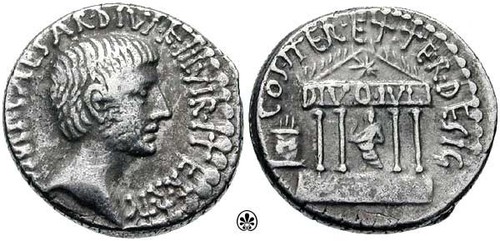
Denarius of Cordius
Roman Republican silver denarius struck by the moneyer Manius Cordius Rufus, with a right-facing head on the obverse and a standing figure and CORDIVS legend on the reverse.
Ancient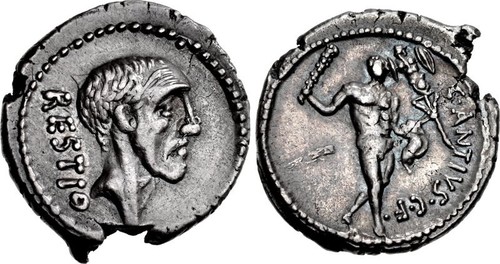
Denarius of C. Antius Restio
Silver Roman Republican denarius struck at Rome in 47 BC by the moneyer C. Antius Restio, pairing an ancestor's portrait with a striding figure and trophy.
Ancient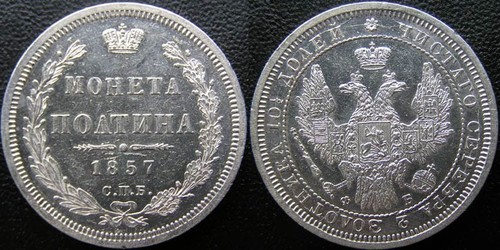
Poltina (½ Rouble)
Silver half-rouble of Imperial Russia dated 1857, marked ПОЛТИНА on one side and bearing the crowned double-headed eagle of the Romanov empire.
Modern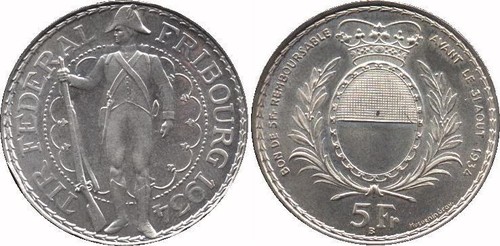
Swiss Shooting Thaler
A silver Swiss 5-franc shooting thaler dated 1934, struck for a federal shooting festival, with a standing female Helvetia figure and a heraldic shield.
Commemorative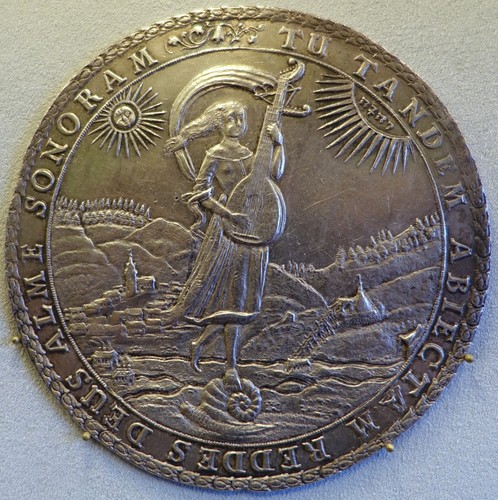
Braunschweig-Lüneburg 3 Thaler
A large silver 3 Thaler of Braunschweig-Lüneburg dated 1685, its obverse showing an allegorical Libertas figure in classical dress against a landscape.
German States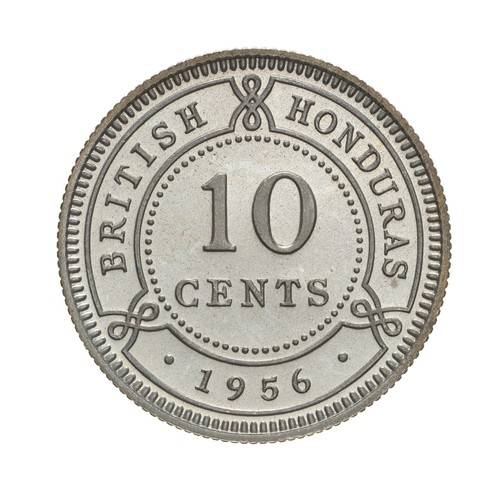
British Honduras 10 Cents
A silver-colored colonial 10 cents of British Honduras, with the Queen's portrait on the obverse and a plain 10 CENTS legend around BRITISH HONDURAS and the date.
Colonial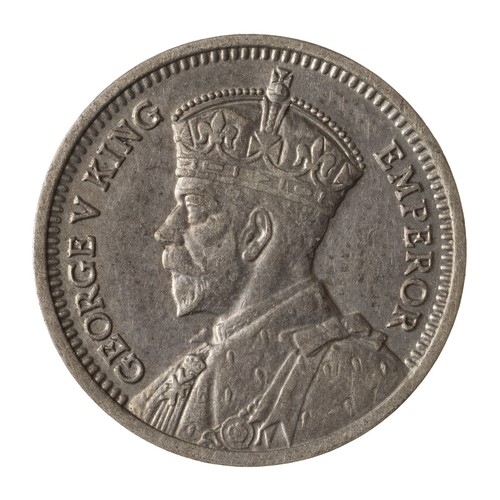
New Zealand Threepence
New Zealand's small silver threepence; this 1933 example carries the crowned bust of King George V with GEORGIVS V and his royal titles.
New Zealand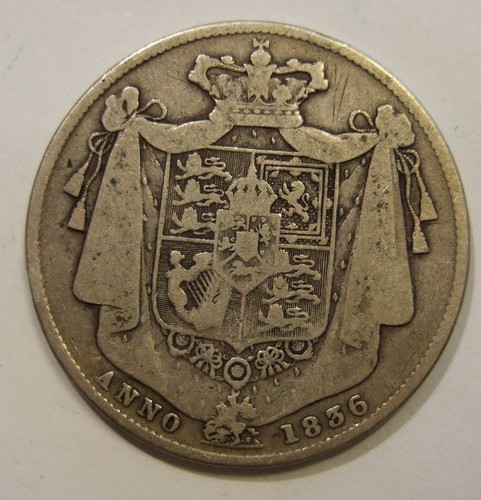
Half Crown of William IV
A milled British silver half crown of King William IV, with the king's bare head facing right and a crowned royal shield of arms on the reverse.
Milled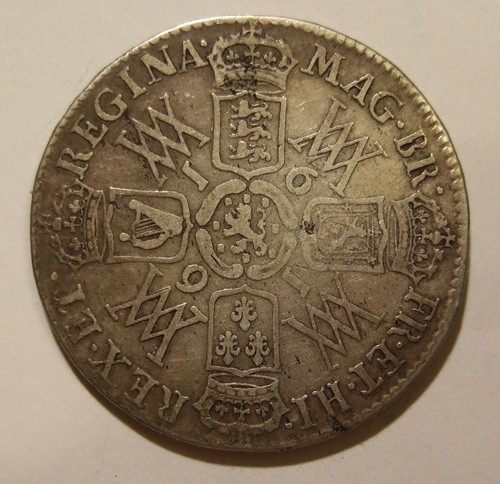
Half Crown of William III and Mary II
A milled silver half crown of the joint reign of William III and Mary II, showing their conjoined busts and a crowned heraldic shield, dated 1691.
Milled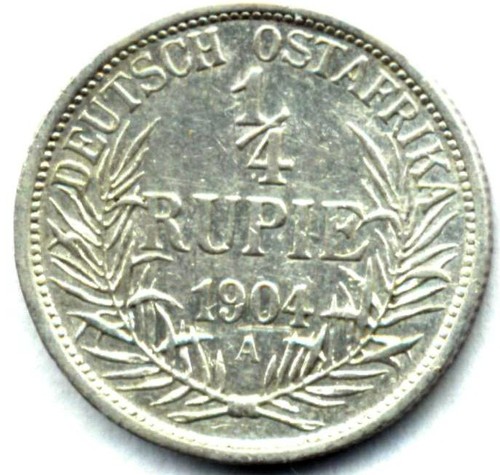
German East Africa 1/4 Rupie
A small colonial silver coin of German East Africa, inscribed DEUTSCH OSTAFRIKA and 1/4 RUPIE within a wreath, paired with the imperial eagle.
World