
Coin Encyclopedia
Search and identify coins from around the world — with country, denomination, metal, mint, history, and how to tell them apart.
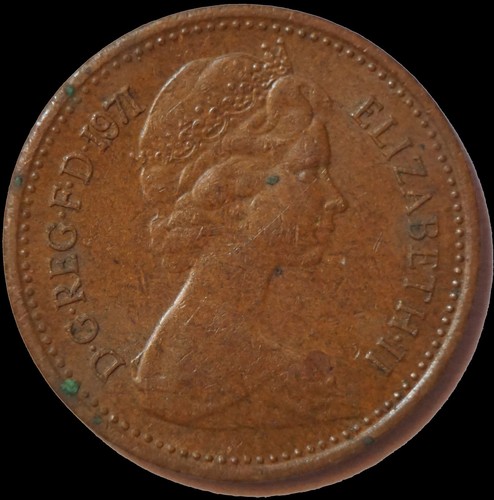
British Decimal Half Penny
The smallest UK decimal coin, a tiny bronze half-penny introduced with decimalisation in 1971, bearing a crown reverse and the Machin portrait of Elizabeth II.
British Isles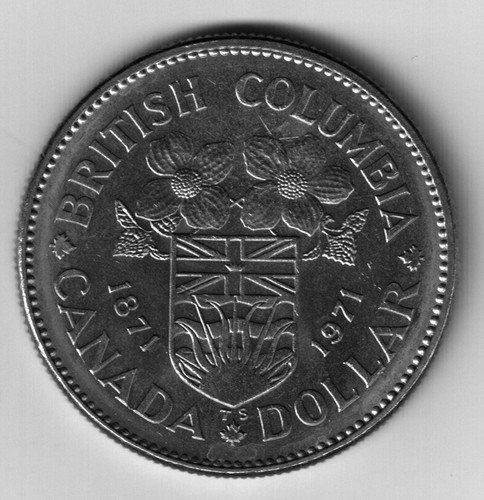
British Columbia Centennial Dollar
A 1958 Canadian silver dollar marking British Columbia's centennial, showing a Pacific Northwest totem pole and the dates 1858–1958.
Canadian & Provincial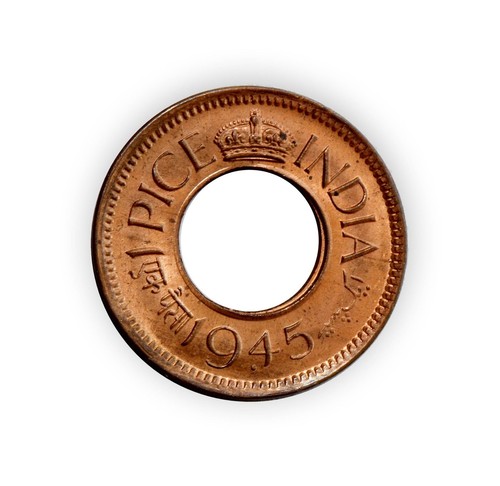
British India One Pice
A small holed copper-bronze One Pice of British India under George VI, dated 1945, its obverse crowned and lettered INDIA and PICE around a central hole.
British India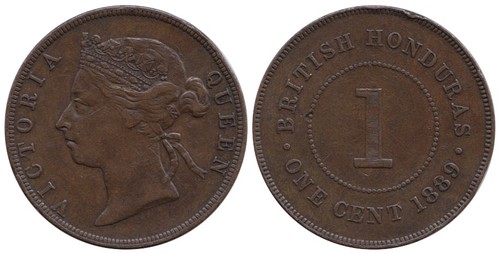
British Honduras One Cent
A colonial copper one cent of British Honduras under Queen Victoria, dated 1889, with the Queen's profile and the value and country name on the reverse.
Colonial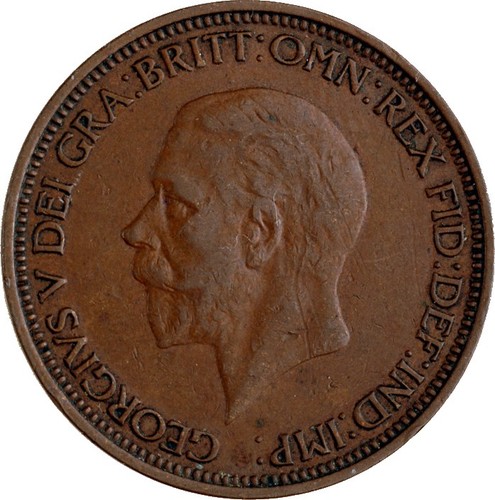
British Pre-Decimal Halfpenny
Bronze British halfpenny worth 1/480 of a pound. The George V type shows the king's profile and a seated Britannia with trident.
British Isles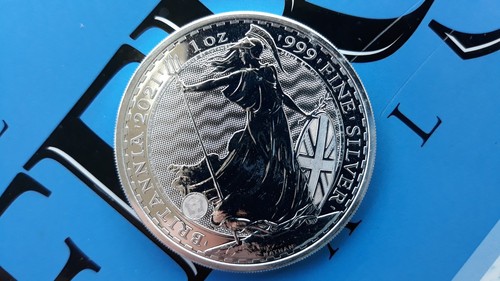
British Britannia Silver Coin
A modern UK bullion coin in fine silver, carrying a face value of 2 Pounds and the classic seated figure of Britannia with shield and trident.
Bullion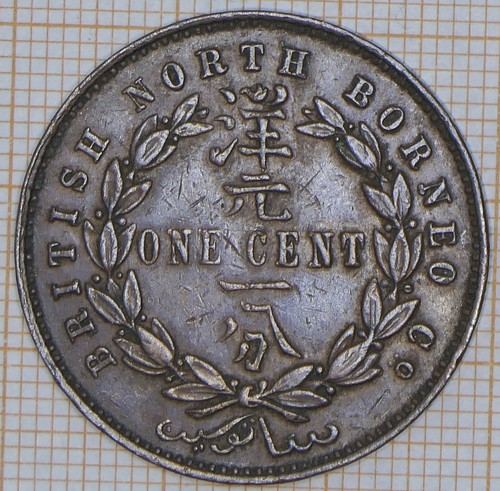
British North Borneo One Cent
A colonial copper cent of the British North Borneo Company: company arms with Dyak supporters and a sailing ship on one side, ONE CENT in a wreath on the other.
Colonial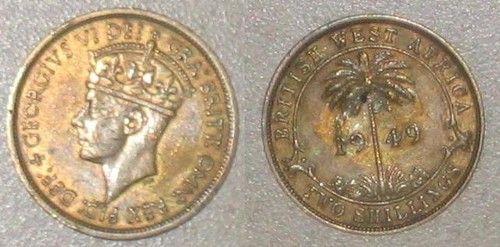
British West Africa 2 Shillings
A colonial copper-nickel two-shilling piece of British West Africa, showing King George VI and a palm-tree reverse.
World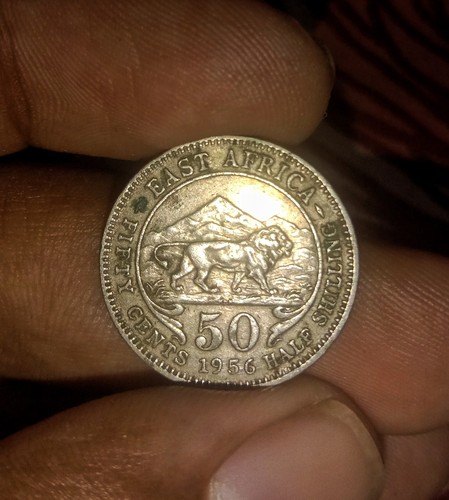
British East Africa Half Shilling
A small low-fineness silver coin of British East Africa bearing King George VI; the half shilling equalled fifty cents in the East African system.
World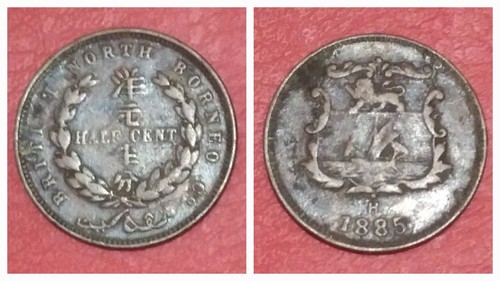
British North Borneo Half Cent
An 1885 copper half cent of British North Borneo: a bust in a laurel wreath on the obverse and the company arms with a heraldic supporter on the reverse.
Colonial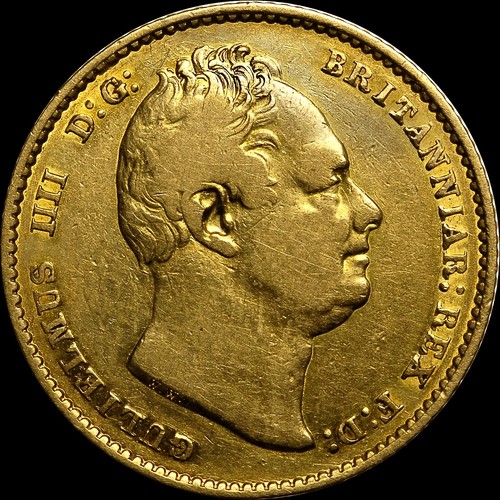
Sovereign of William IV
A 22-carat gold sovereign of William IV, with the king's bare head facing right and a crowned royal shield of arms on the reverse.
Milled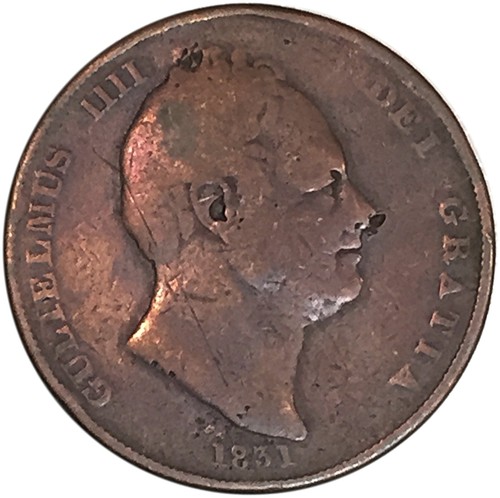
Penny of William IV
A large copper penny of King William IV, struck in the 1830s, with the king's right-facing head and the Latin legend GULIELMUS IIII D:G.
Milled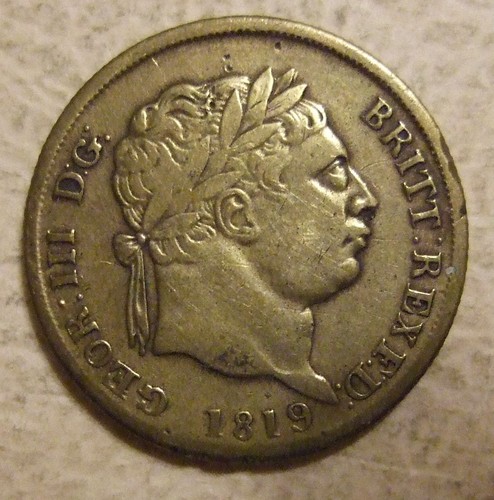
Shilling of George III
A milled silver shilling of George III from the Great Recoinage, with his laureate bust facing right and a crowned quartered royal shield within the Garter.
Milled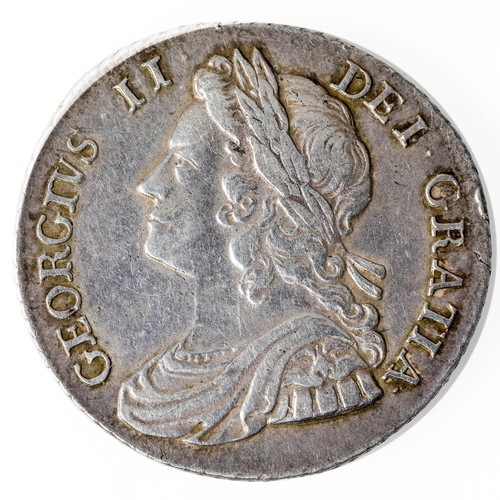
Shilling of George II
A milled silver shilling of George II, with a left-facing bust reading GEORGIVS II DEI GRATIA and a crowned cruciform-shields reverse; this one is a 1736 roses and plumes issue.
Milled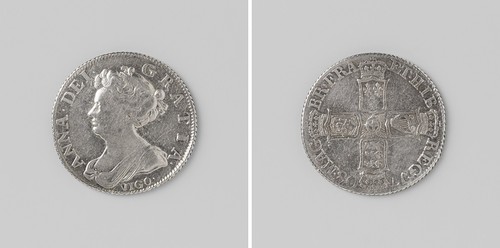
Shilling of Anne
A machine-struck silver shilling of Queen Anne, with her draped bust facing right and a reverse of crowned shields bearing the royal arms in a cross.
Milled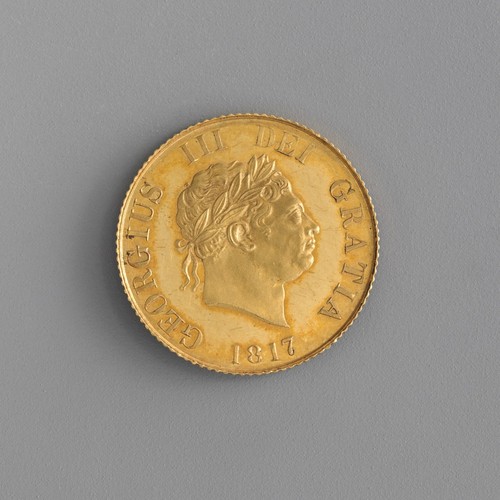
Half Sovereign of George III
British 22-carat gold half sovereign of George III, introduced in 1817 with a laureate bust and a crowned shield of arms; face value ten shillings.
Milled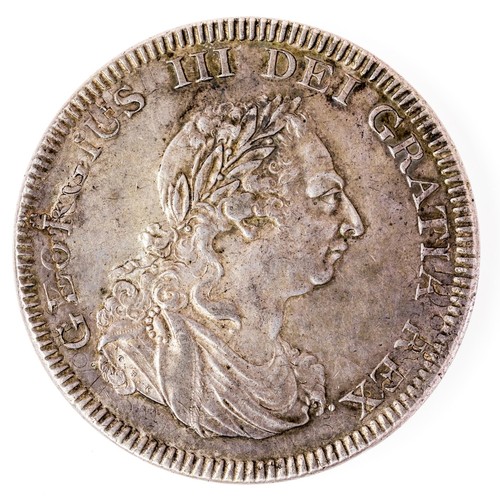
Bank of England Dollar
A George III silver dollar issued by the Bank of England in 1804, struck over Spanish eight-reales coins, with a laureate bust and a crowned shield reverse.
Milled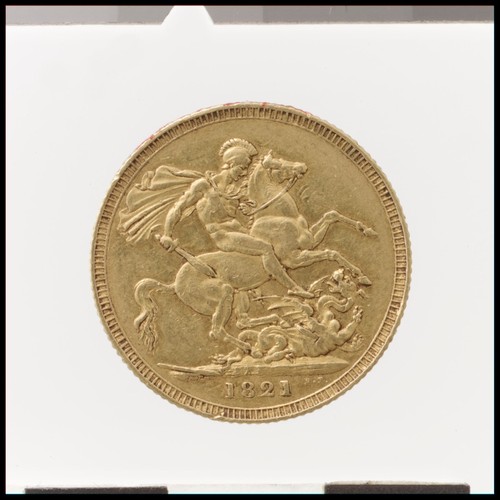
Sovereign of George IV
A milled gold sovereign of Great Britain struck under George IV, with the king's laureate head and Pistrucci's St George slaying the dragon reverse, dated 1821.
Milled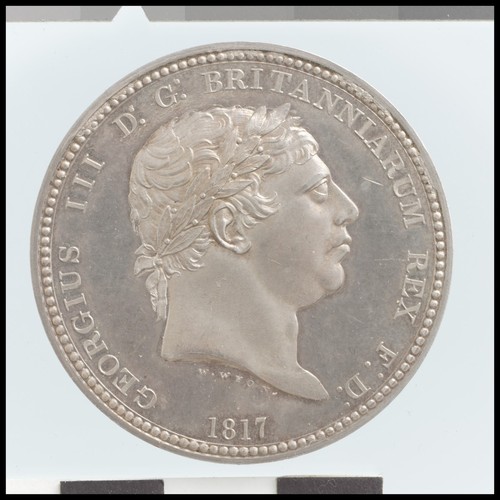
Three Graces Pattern Crown
A celebrated 1817 silver pattern crown of George III, engraved by William Wyon and never issued for circulation — a prized masterpiece of British coinage.
Pattern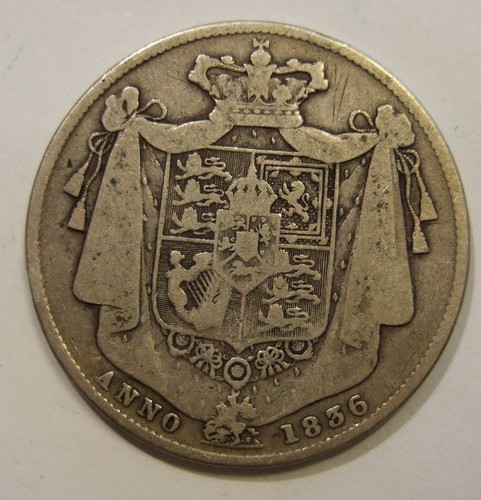
Half Crown of William IV
A milled British silver half crown of King William IV, with the king's bare head facing right and a crowned royal shield of arms on the reverse.
Milled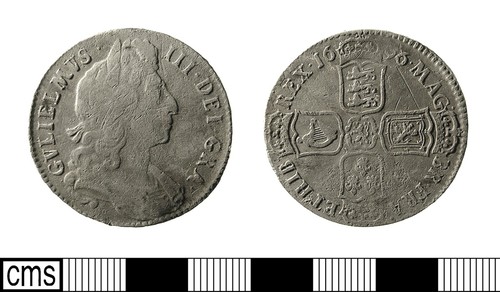
Halfcrown of William III
A silver two-shilling-and-sixpence coin of William III showing his laureate profile facing right and crowned cruciform shields of arms, dated 1696.
Milled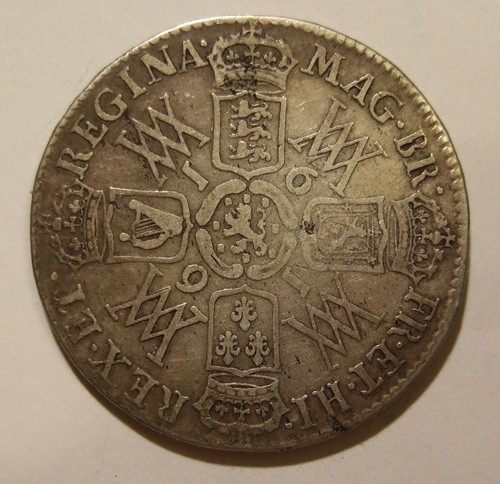
Half Crown of William III and Mary II
A milled silver half crown of the joint reign of William III and Mary II, showing their conjoined busts and a crowned heraldic shield, dated 1691.
Milled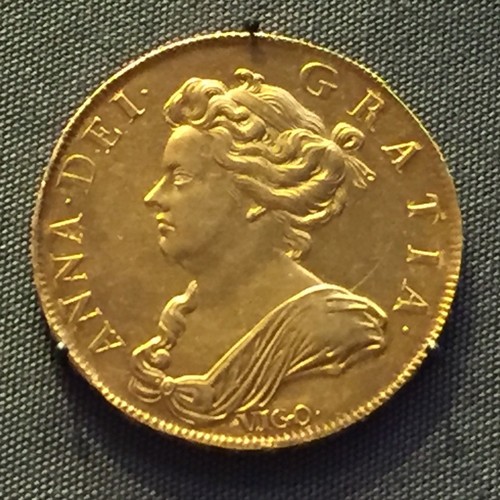
Five Guineas of Anne
Queen Anne's largest gold coin, the celebrated 1703 issue struck with VIGO below the bust from gold captured at the Battle of Vigo Bay.
Milled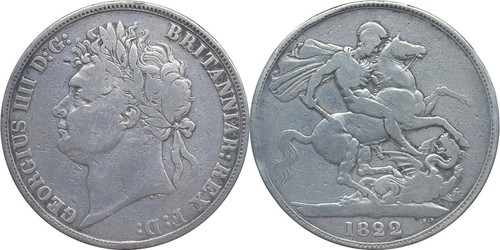
Crown of George IV
A milled silver crown of George IV, with a laureate head facing left and Pistrucci's St George and the dragon on the reverse; the photographed piece is dated 1822.
Milled