
Coin Encyclopedia
Search and identify coins from around the world — with country, denomination, metal, mint, history, and how to tell them apart.
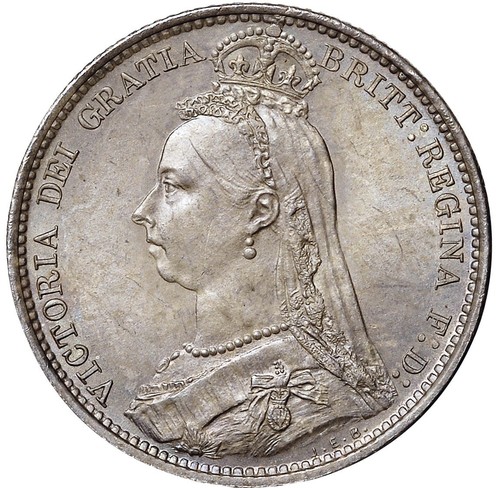
British Sixpence
Small British silver sixpence (6d); this example is an 1888 Queen Victoria 'Jubilee head' with the crowned, veiled bust.
British Isles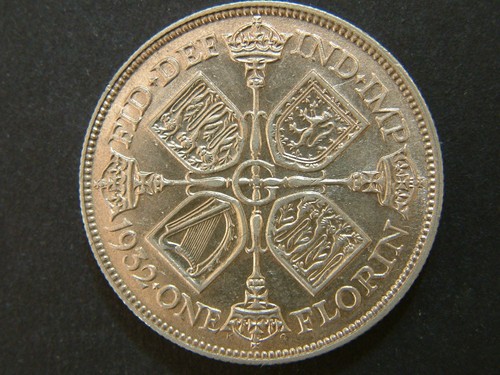
British Florin
A Victorian silver two-shilling florin with a crowned, veiled Victoria and a heraldic crowned-shields reverse; the pictured coin is dated 1890.
World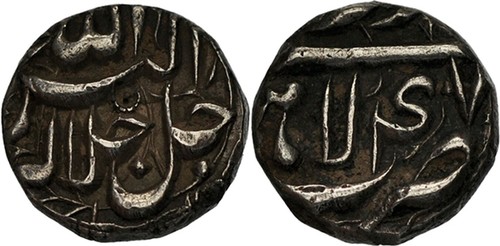
Mughal Quarter-Rupee
A small hammered Mughal silver quarter-rupee inscribed in Persian, struck at the Lahore mint and dated Ilahi 47 (AD 1602-1603).
Historic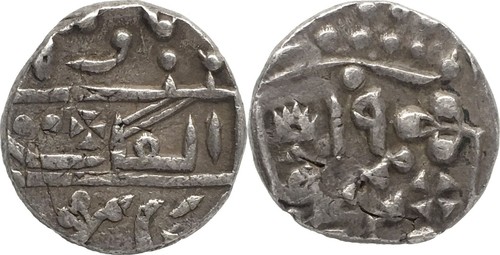
Kotah State Rupee
Silver rupee of the princely state of Kotah in Rajputana, struck with Persian and Devanagari legends and the state's katar-dagger emblem.
Princely & Presidency States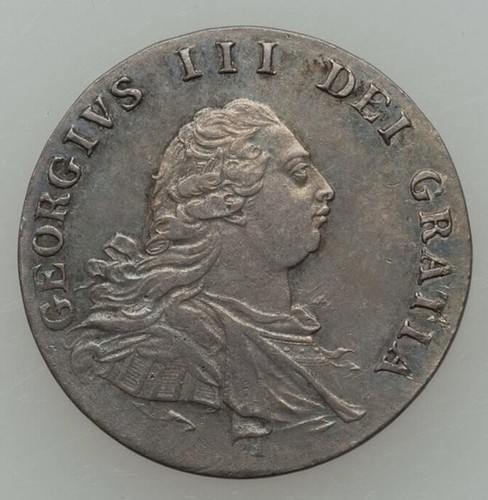
British Groat
A small George III silver fourpence of 1792, the British groat: laureate king's profile obverse, crowned shield and value reverse.
Circulation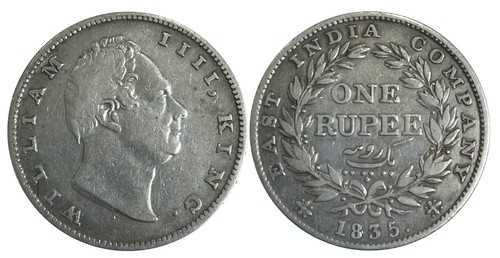
William IV One Rupee
Silver one-rupee coin of British India struck in 1835 under the East India Company, bearing the right-facing bust of King William IV.
British India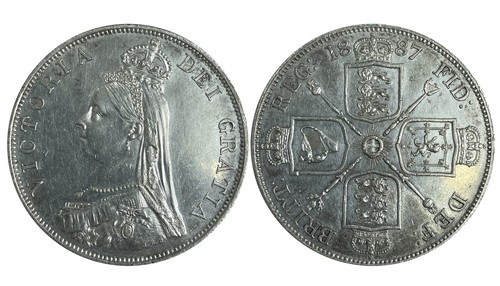
British Double Florin
Large Victorian silver four-shilling piece with the Jubilee Head of Queen Victoria and a cross of four crowned shields on the reverse.
World Coins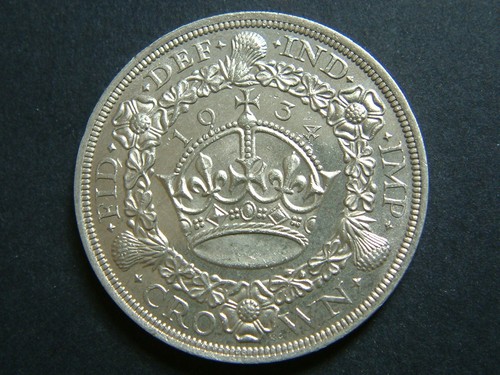
British Crown
A large George V silver crown of the 1927–1936 'wreath' type, showing the king's profile and a royal crown framed by an ornamental wreath.
British Isles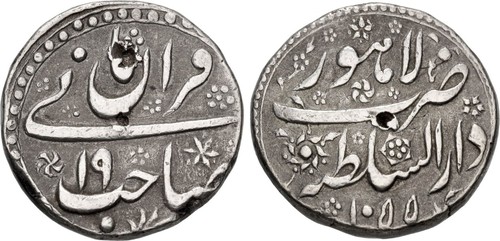
Shah Jahan Half Rupee
Silver half rupee of Mughal emperor Shah Jahan, dated AH 1055, carrying Persian-script inscriptions and ornamental borders instead of any portrait.
Mughal India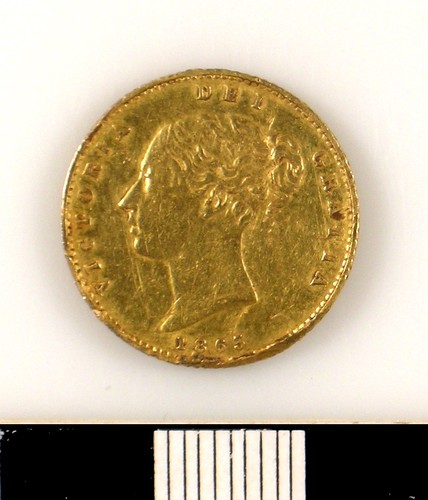
British Half Sovereign
A small 22-carat British gold coin worth ten shillings; the pictured example shows Queen Victoria's left-facing Young Head portrait, dated 1863.
British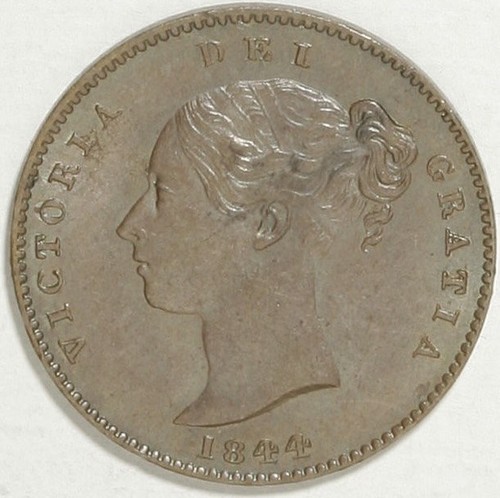
British Third Farthing
A tiny 1844 Victoria copper coin: young left-facing queen's bust obverse, crowned value reverse. One of Britain's smallest denominations, struck for Malta.
Circulation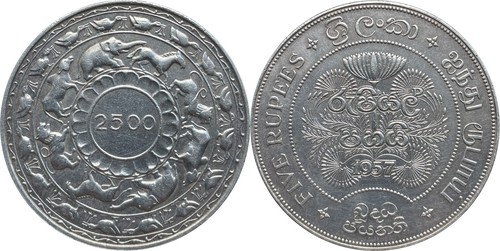
Ceylon 5 Rupees
A 1957 Ceylon silver 5 Rupees marking 2500 years of Buddhism, with a large 2500 on one side and RUPEES CEYLON with the 1957 date on the other.
Commemorative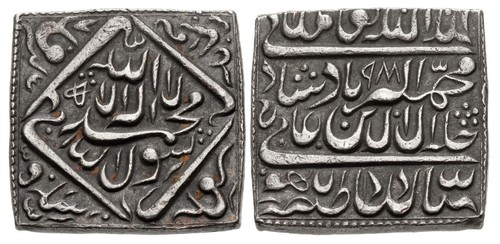
Mughal Square Rupee Token
A square silver-colored token copying a Mughal square rupee, with Persian and Islamic inscriptions and an AH 988 date, produced as a later reproduction.
Token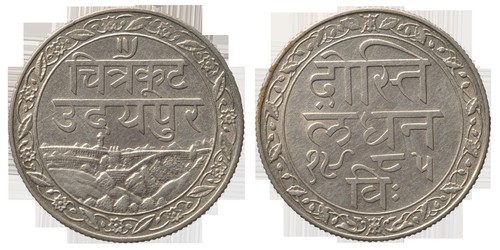
Mewar Chitrakut Half Rupee
A silver half rupee of the princely state of Mewar (Udaipur), dated VS 1985 (c. 1928), with Devanagari legends including the denomination अर्धरुपये.
Princely & Presidency States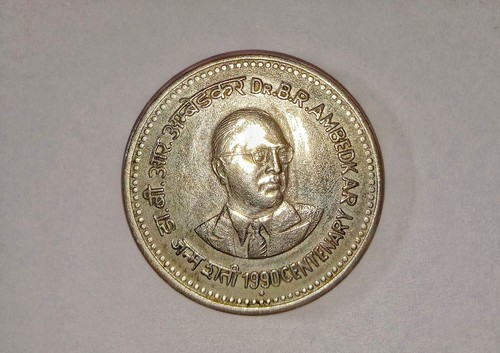
Ambedkar Centenary One Rupee
A 1990 Indian one-rupee commemorative honoring the birth centenary of Dr. B.R. Ambedkar, its obverse bearing his bespectacled portrait and bilingual legend.
Modern India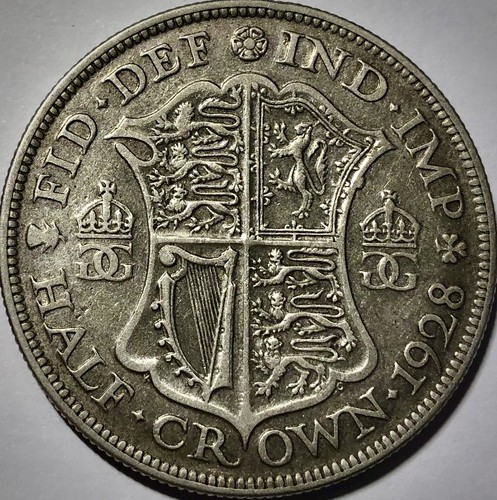
British Half Crown
British silver half crown of King George V, worth two shillings and sixpence, with the king's bare left-facing head and a crowned shield of arms.
British Isles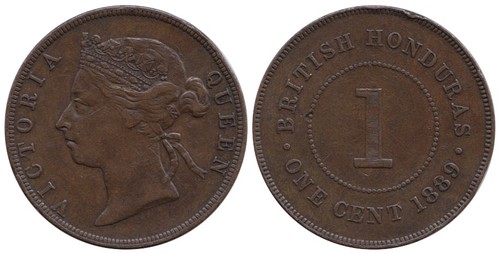
British Honduras One Cent
A colonial copper one cent of British Honduras under Queen Victoria, dated 1889, with the Queen's profile and the value and country name on the reverse.
Colonial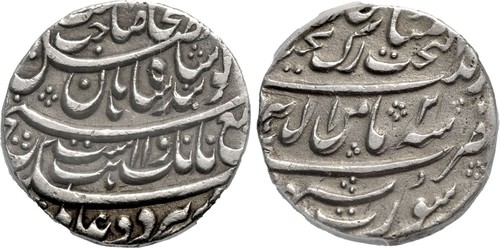
Banda Singh Bahadur Sikh Rupee
A hand-struck silver rupee of the early Sikh Khalsa, issued in the name of the Sikh Gurus during Banda Singh Bahadur's short-lived sovereignty, dated Khalsa Era Year 2.
Asian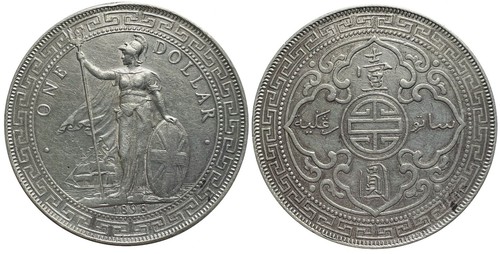
British Trade Dollar
British silver trade dollar for Far East commerce, with seated Britannia holding a trident and shield and a Chinese dragon reverse.
Dollar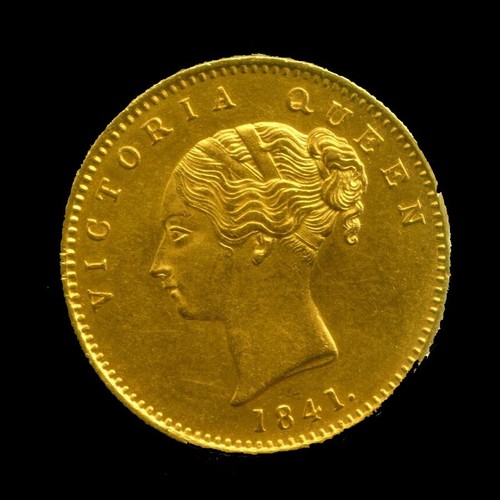
East India Company One Mohur
A machine-struck gold mohur of the East India Company bearing the young Queen Victoria, with a left-facing bust and the legend 'VICTORIA QUEEN', dated 1841.
British India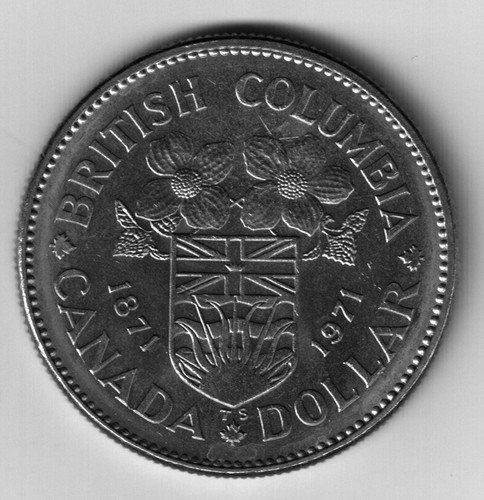
British Columbia Centennial Dollar
A 1958 Canadian silver dollar marking British Columbia's centennial, showing a Pacific Northwest totem pole and the dates 1858–1958.
Canadian & Provincial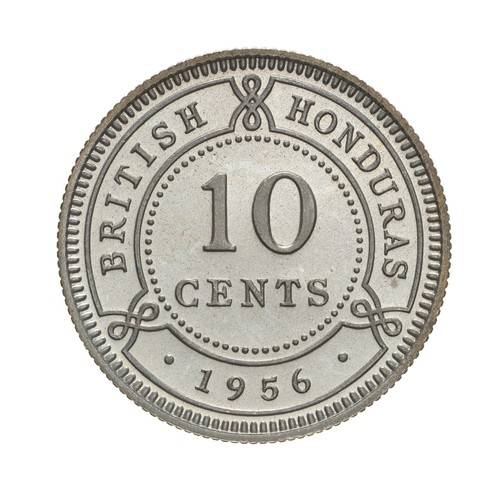
British Honduras 10 Cents
A silver-colored colonial 10 cents of British Honduras, with the Queen's portrait on the obverse and a plain 10 CENTS legend around BRITISH HONDURAS and the date.
Colonial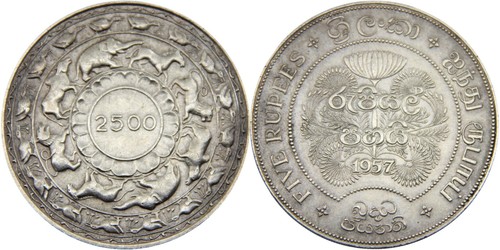
Ceylon 5 Rupees Buddhism Anniversary
Ceylon's 1957 silver five rupees marking 2,500 years of Buddhism, with an ornate 2500 device amid mythological creatures and a scrolled RUPEES reverse.
South Asia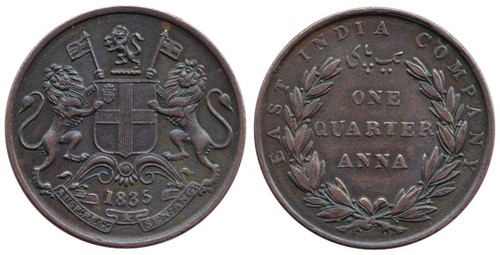
East India Company Quarter Anna
Large copper 1/4 anna of the East India Company dated 1835, with a heraldic lion-and-shield obverse and a laurel-wreath reverse.
British India