
Coin Encyclopedia
Search and identify coins from around the world — with country, denomination, metal, mint, history, and how to tell them apart.
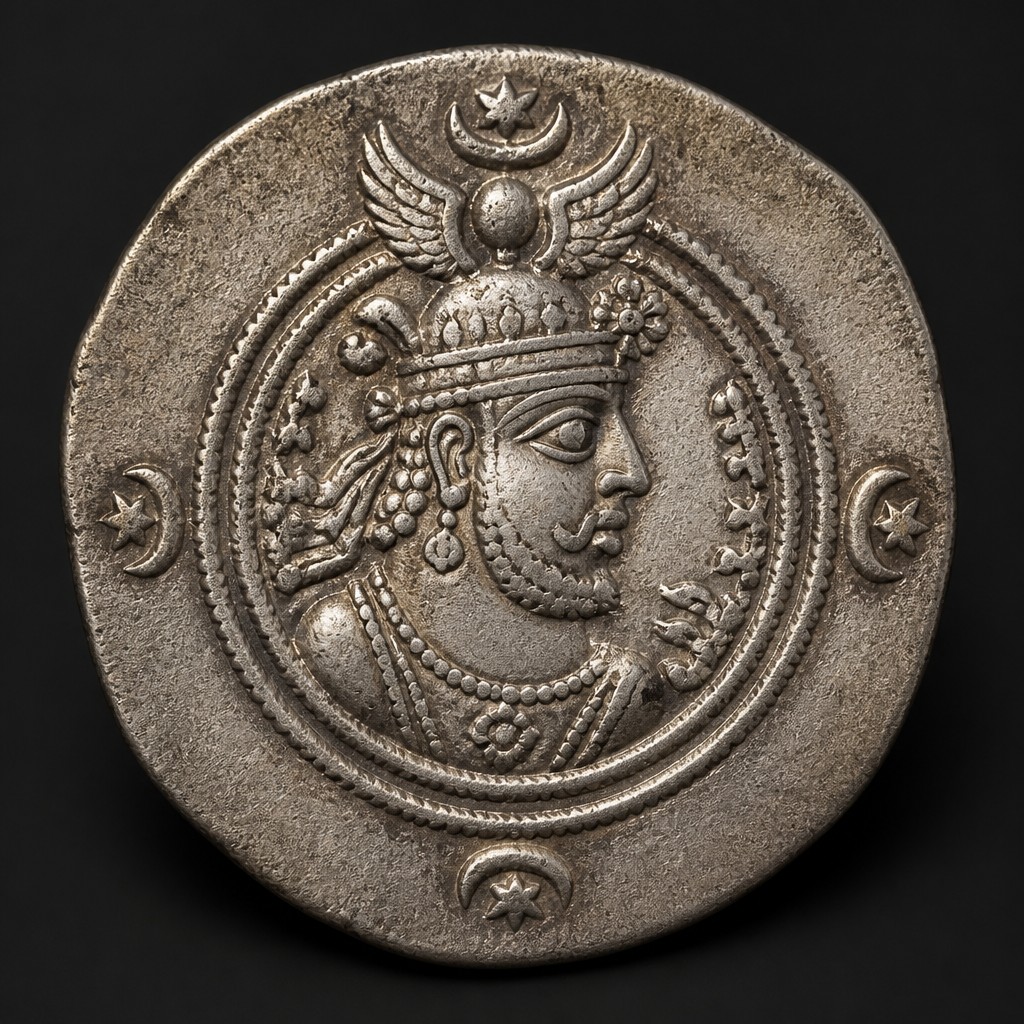
Sassanian Drachm of Khusro II
A silver coin of the long-reigning Sasanian king Khusro II, among the most commonly found ancient Persian coins, showing his ornate crowned bust and a Zoroastrian fire altar.
Ancient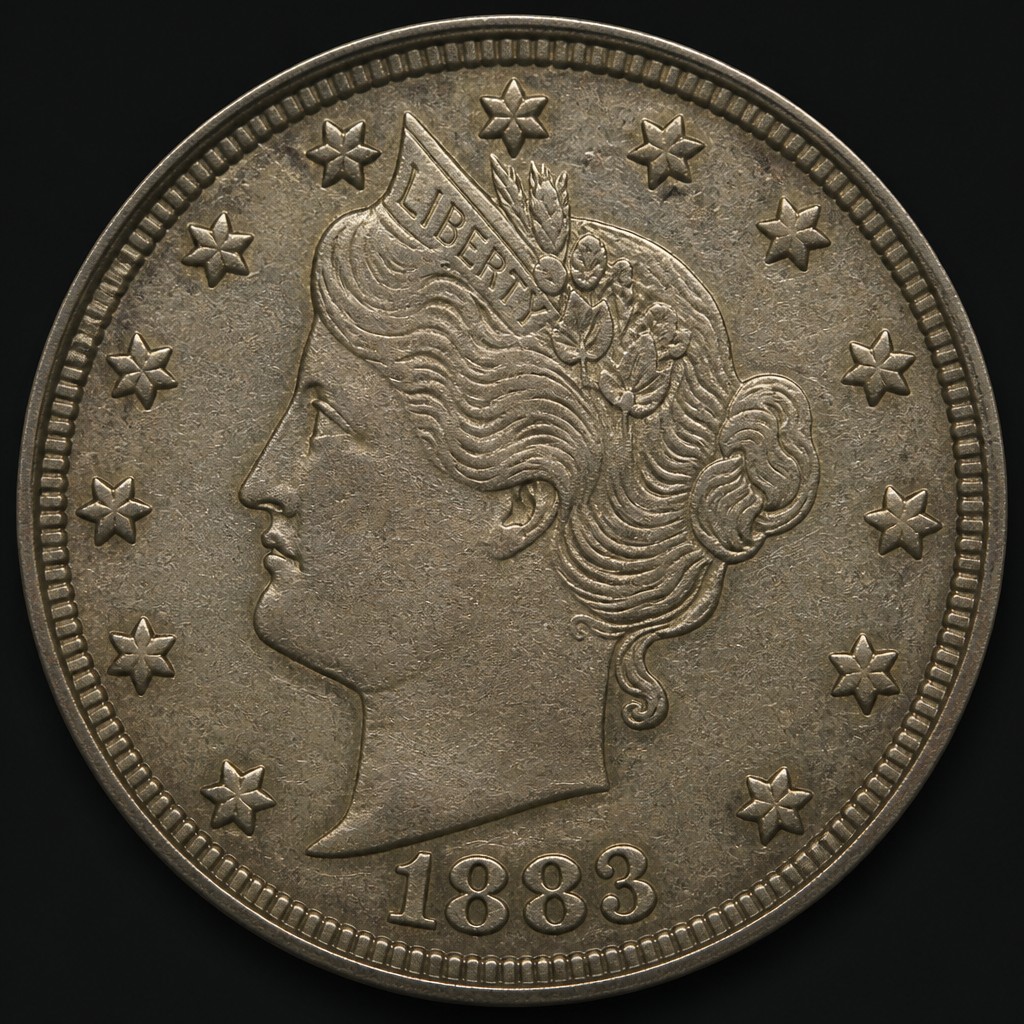
1883 No Cents Liberty Head Nickel
The first-year Liberty Head Nickel design that omitted the word CENTS from the reverse, later infamous as the 'Racketeer Nickel' after being gold-plated and passed off as a five-dollar coin.
United States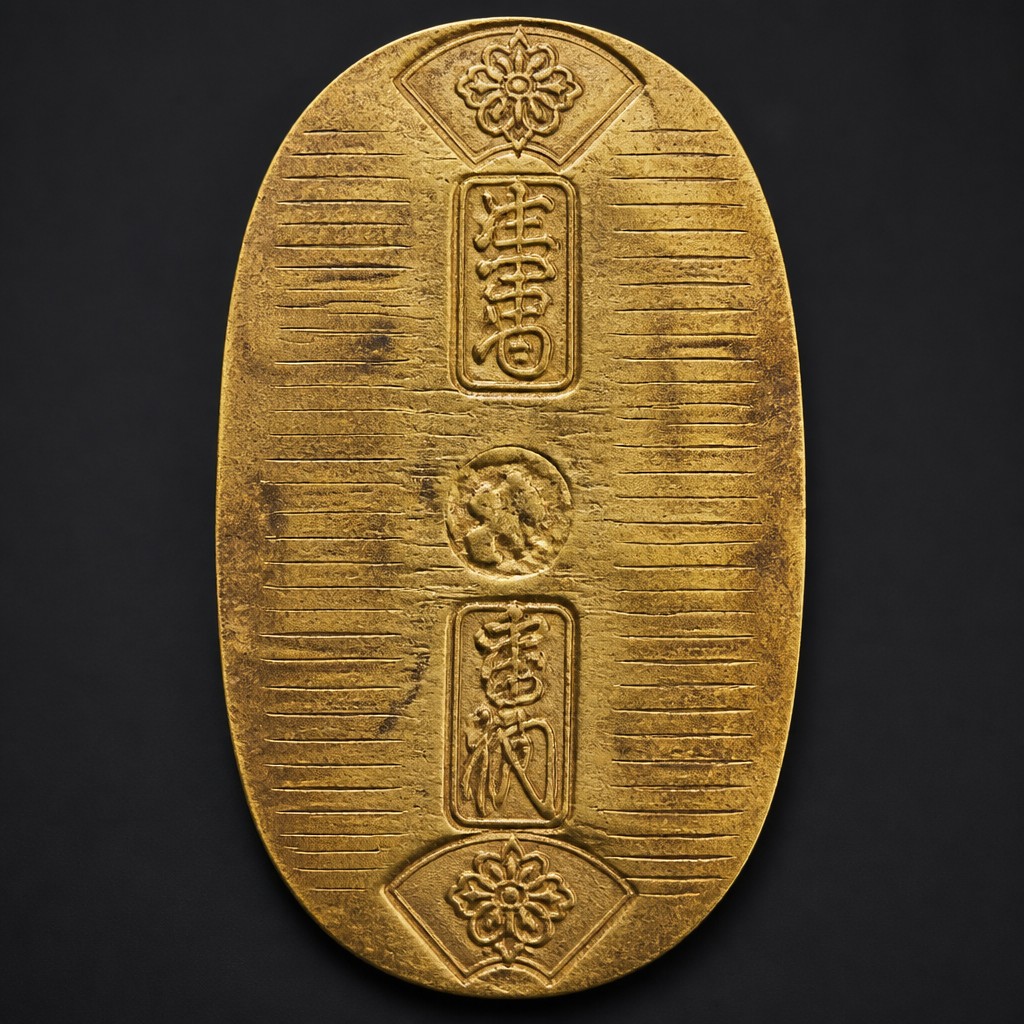
Japanese Koban
A hand-hammered oval gold coin used in feudal Japan under the Tokugawa shogunate, valued at one ryo and stamped with ink calligraphy certifying its weight and fineness.
Asian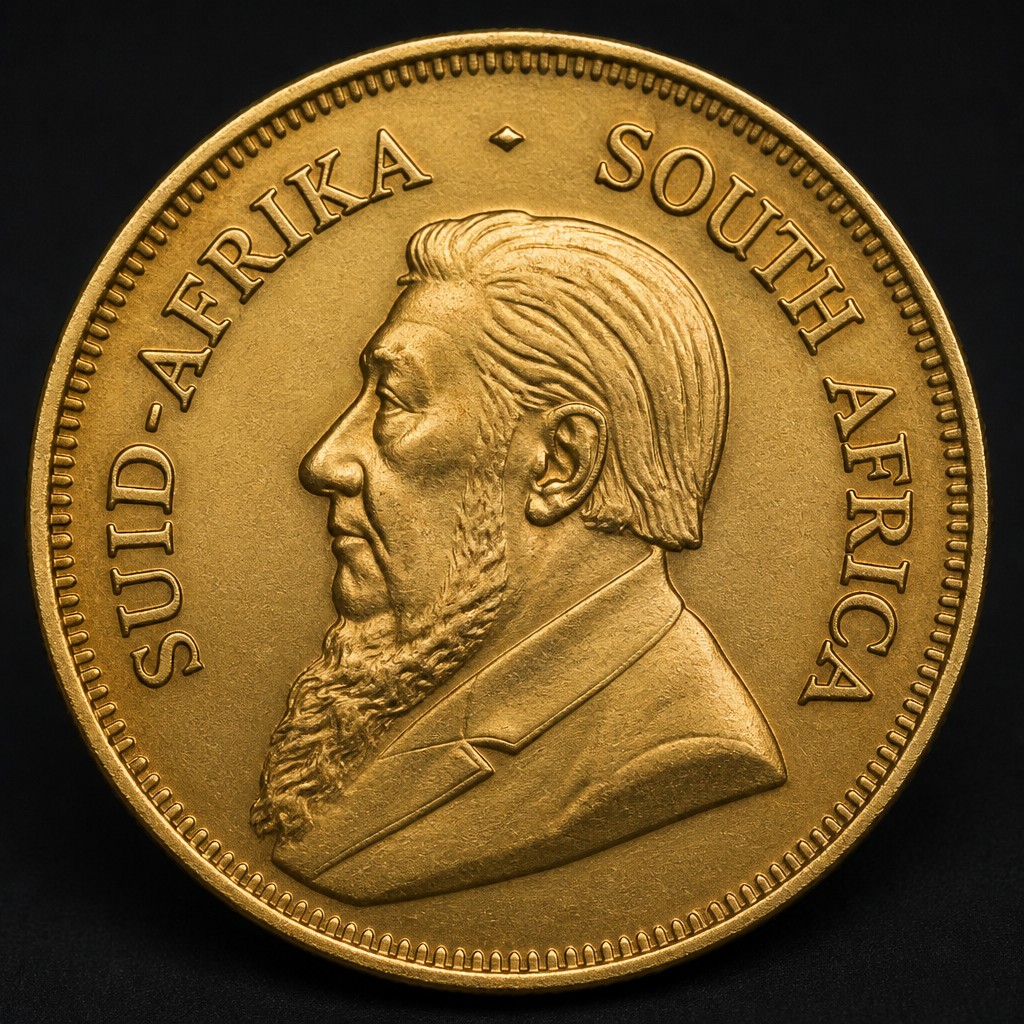
South African Krugerrand
The world's first modern gold bullion coin for private investment, introduced in 1967 featuring President Paul Kruger and a springbok antelope, sparking the global gold-coin bullion market.
Bullion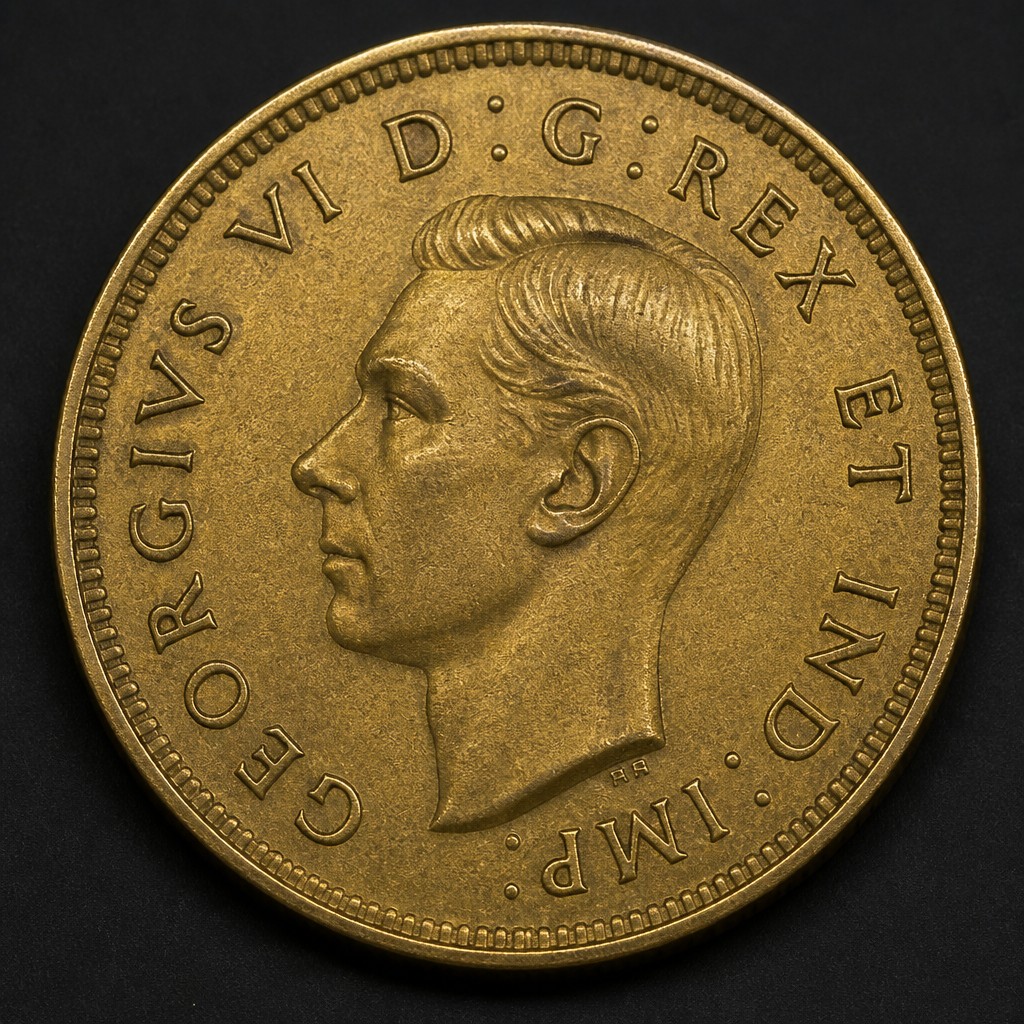
1943 'V' Victory Nickel (tombac)
A wartime Canadian five-cent coin struck in golden tombac with a bold V for Victory and a Morse code message around its edge, issued when nickel metal was diverted to the war effort.
Canadian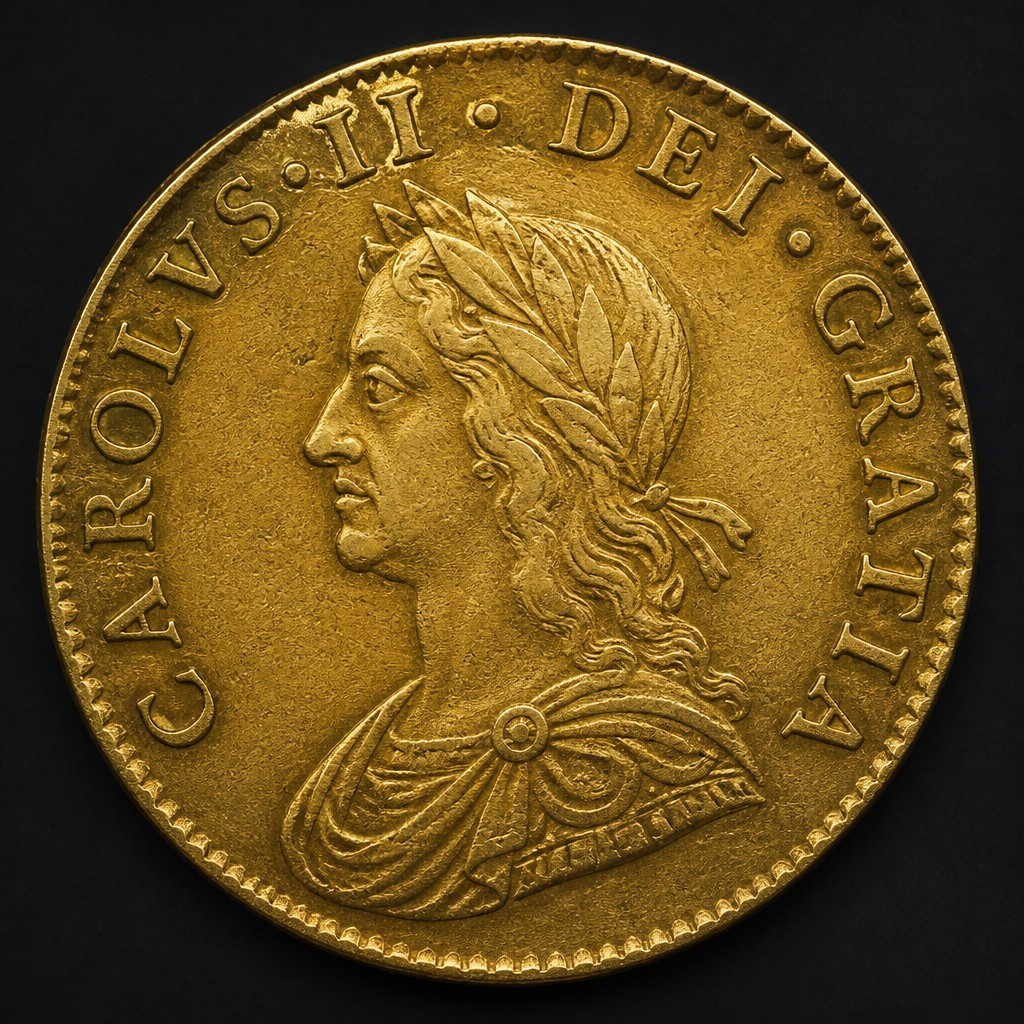
Broad
A gold twenty-shilling coin nicknamed the 'Broad' for its wide, thin flan, struck under the Commonwealth and Oliver Cromwell and continued briefly into the early reign of Charles II.
British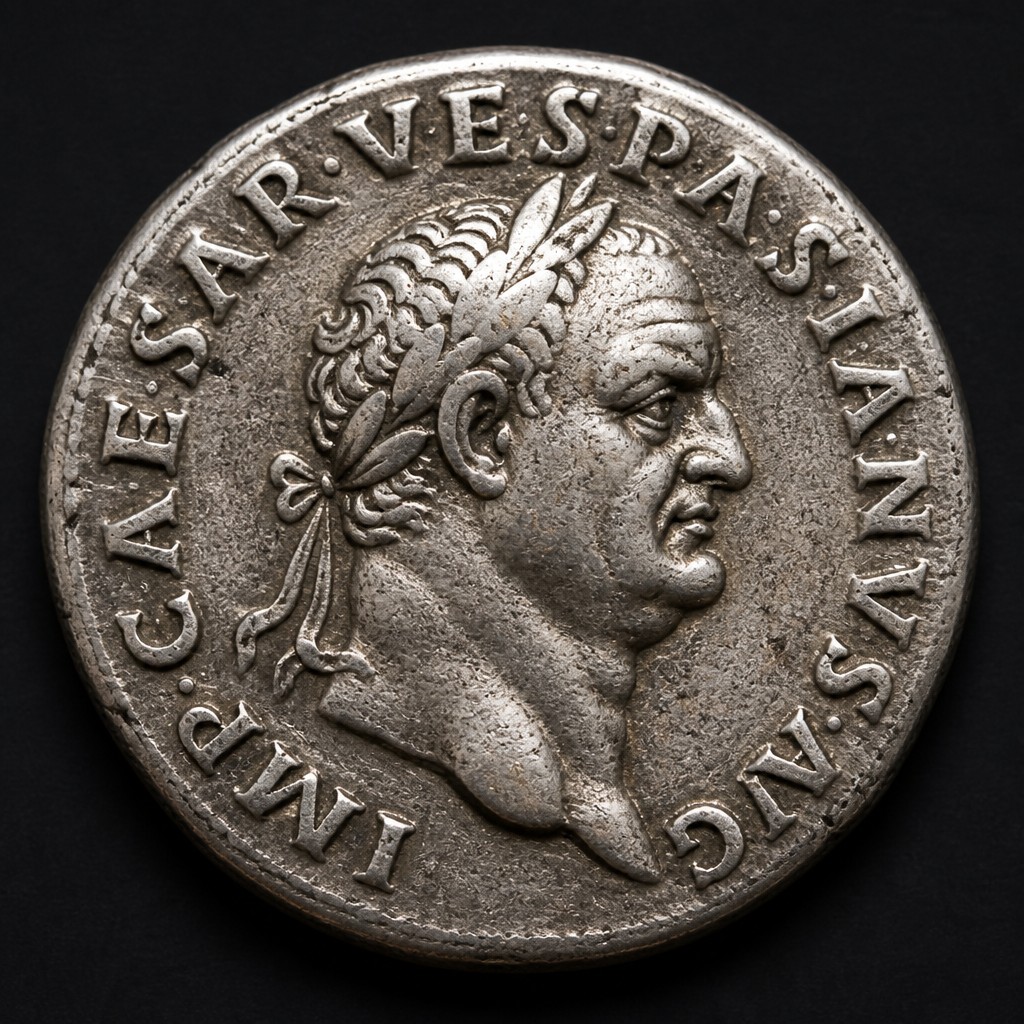
Vespasian Denarius
The silver coin of Emperor Vespasian, founder of the Flavian dynasty, notably including the famous 'Judaea Capta' series commemorating Rome's suppression of the Jewish revolt.
Ancient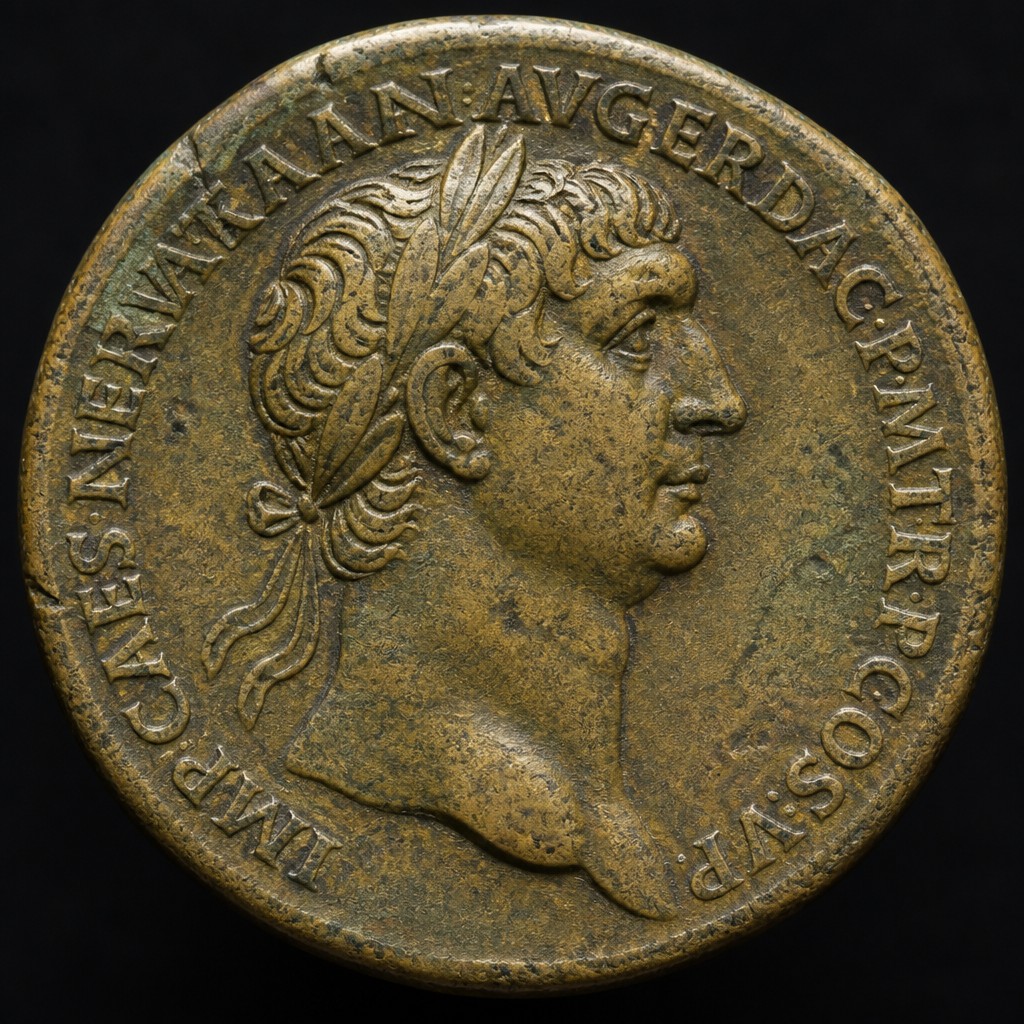
Trajan Sestertius
A large bronze coin of Trajan, whose reign brought the Roman Empire to its greatest territorial extent, with reverses celebrating Dacian conquest, public works, and Trajan's Column.
Ancient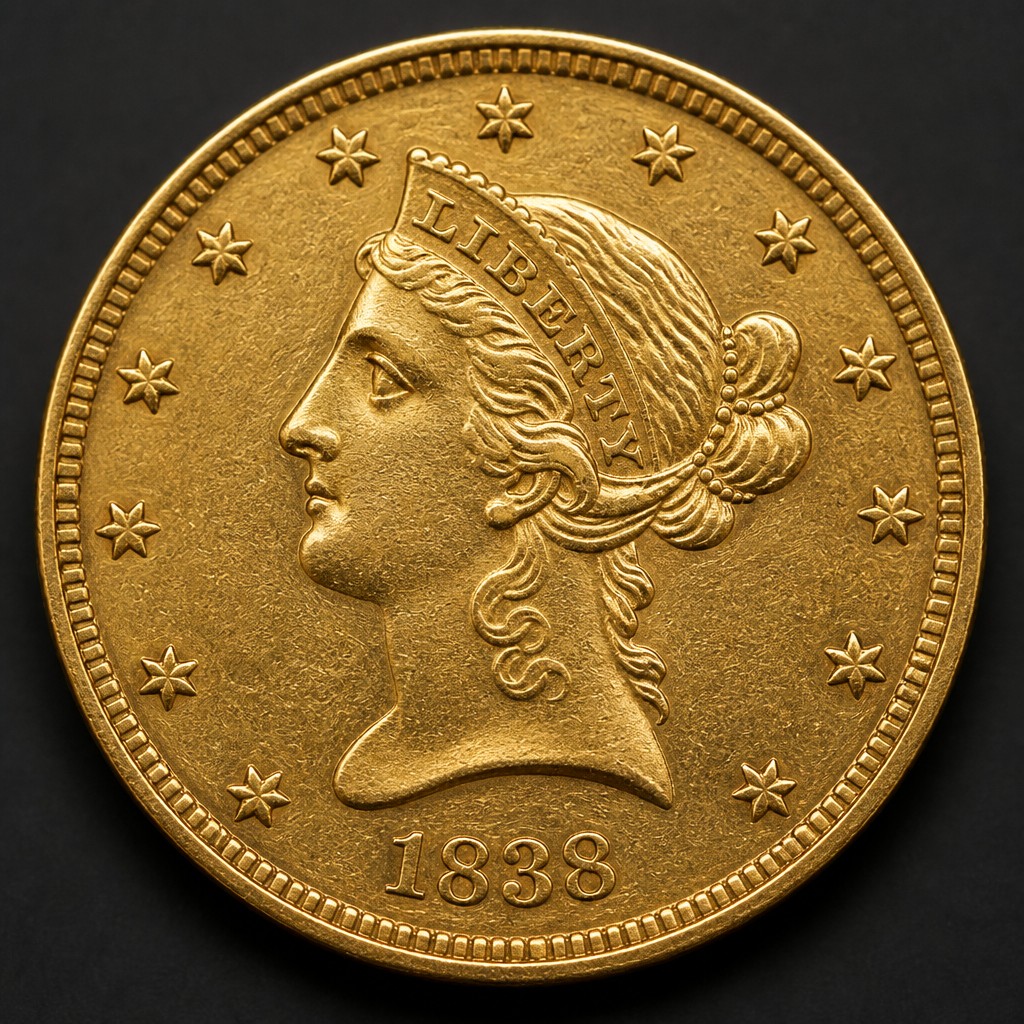
Liberty Head Eagle ($10)
A long-running 19th-century gold coin featuring Christian Gobrecht's Coronet Head design, minted at numerous branch mints across the expanding United States.
United States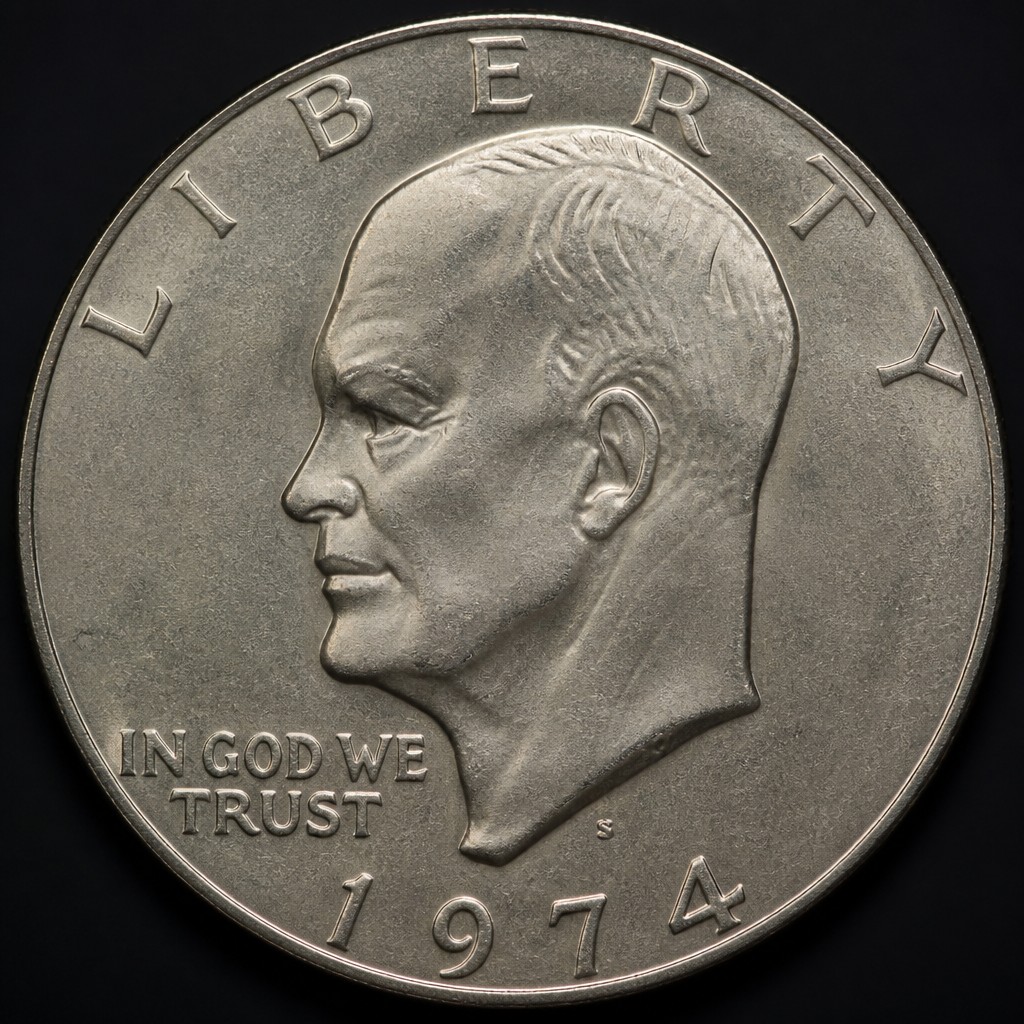
1974 Eisenhower Dollar
A large dollar coin honoring President Dwight D. Eisenhower and the Apollo 11 moon landing, common in circulated grades but collected as part of the popular Ike dollar series.
United States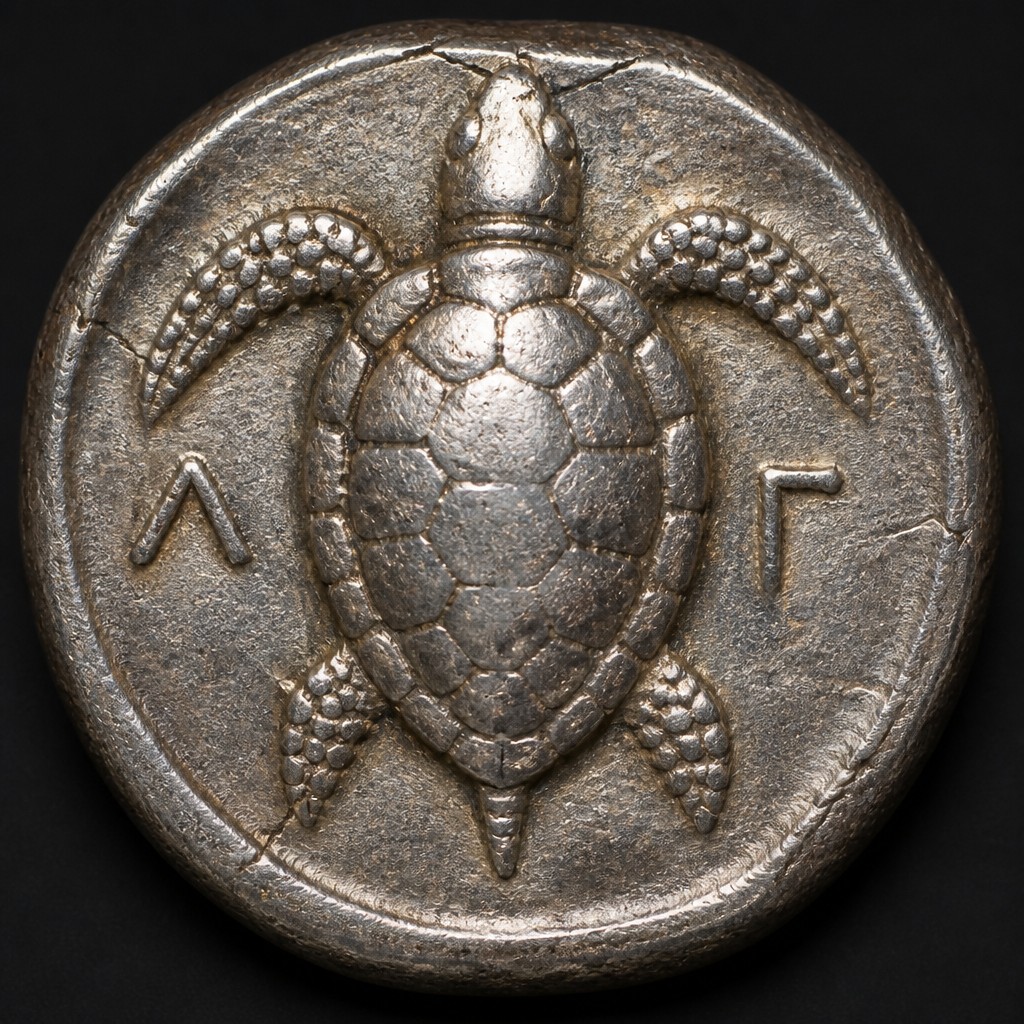
Aegina Sea Turtle Stater
One of the earliest widely circulated Greek silver coins, struck by the island city-state of Aegina, featuring a sea turtle and later a land tortoise, and nicknamed simply 'turtles' by ancient traders.
Ancient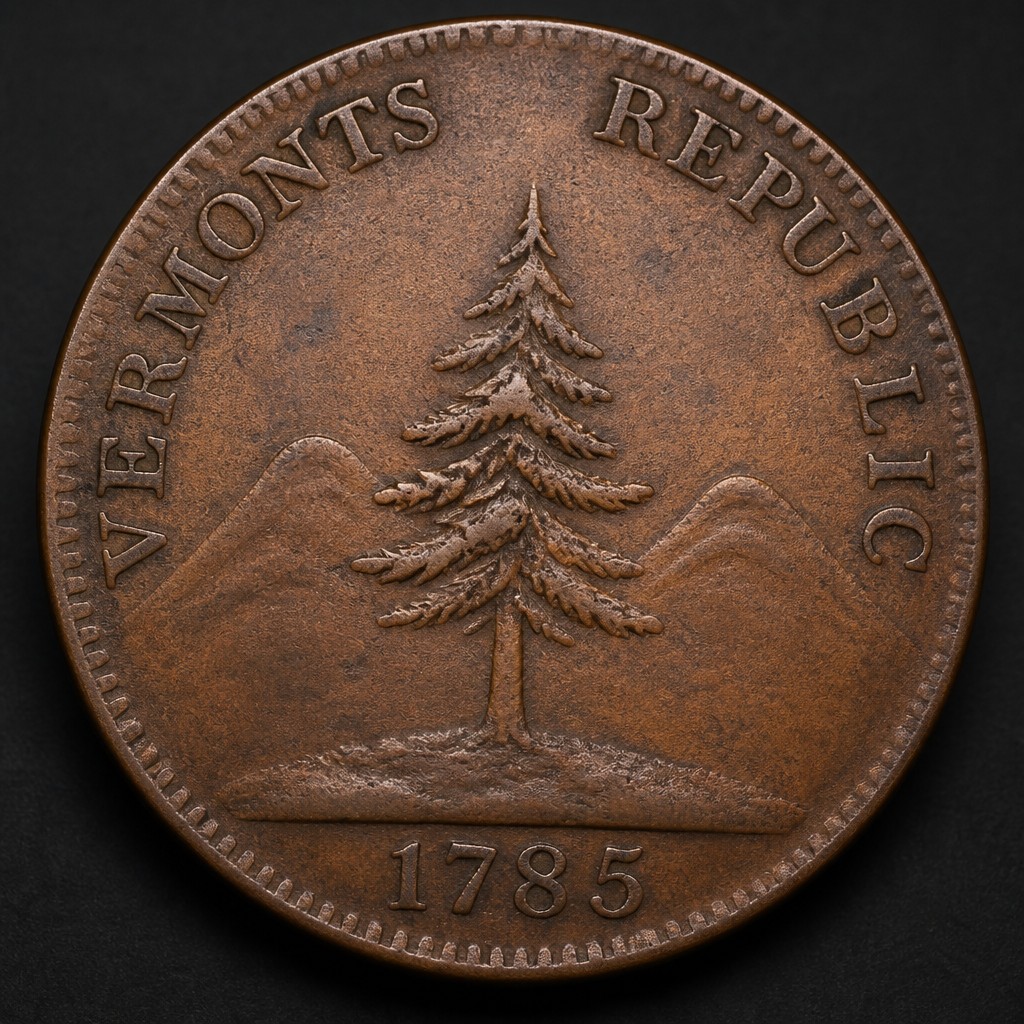
Vermont Copper
Copper coinage struck under authority of the independent Vermont Republic in the 1780s, featuring an early landscape design and later a Britannia-style type.
United States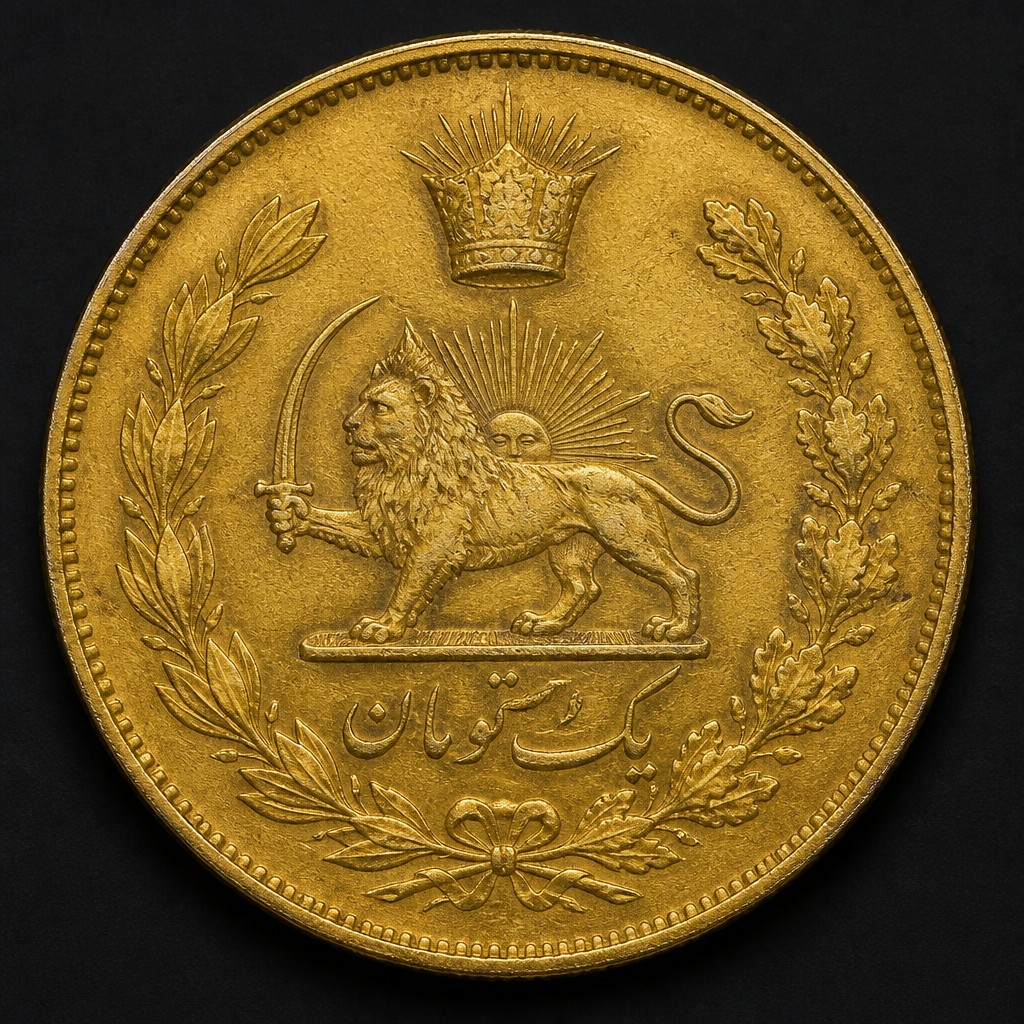
Persian Gold Toman (Qajar)
The principal gold coin of Qajar Persia, valued at ten silver kran, struck under a succession of shahs from the late 18th century until the dynasty's end in 1925.
Asian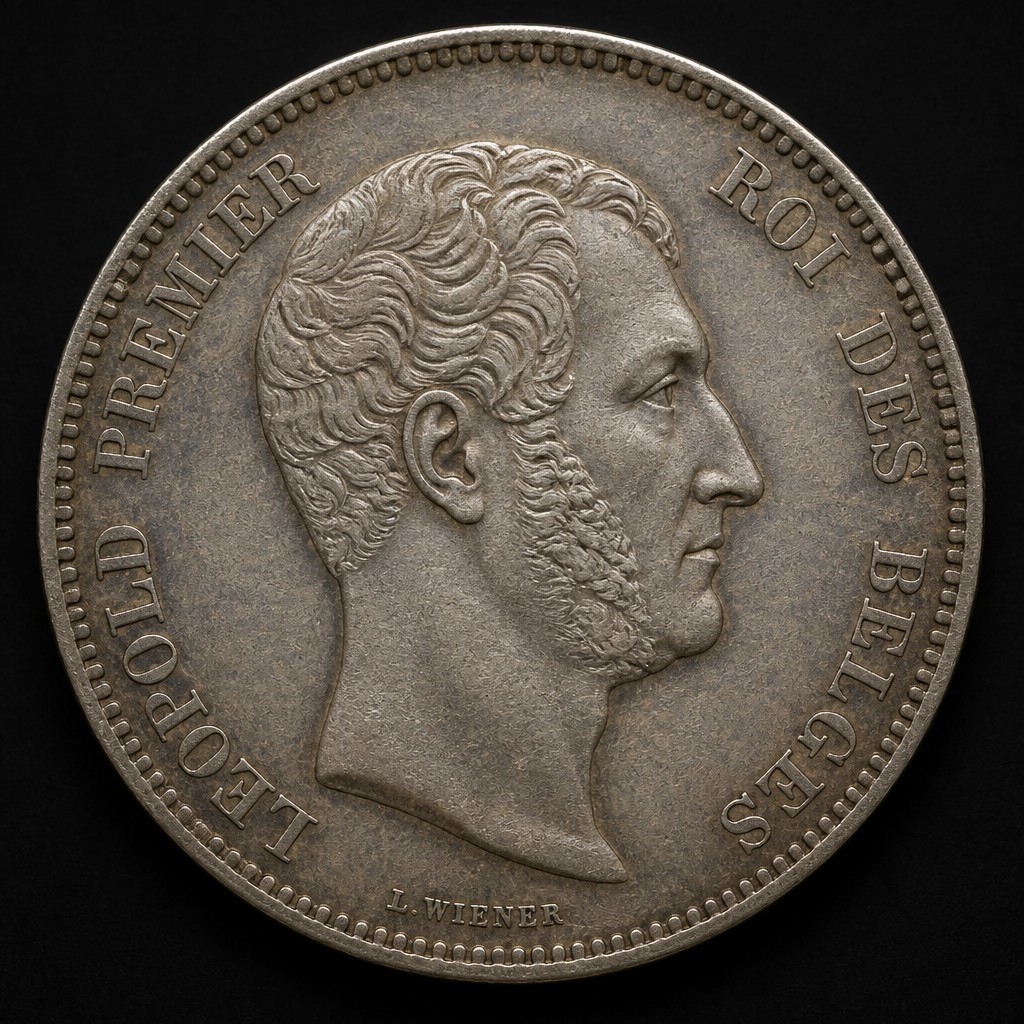
Belgian 5 Francs
A large silver crown of the newly independent Kingdom of Belgium, bearing the portrait of Leopold I or Leopold II and the national coat of arms, a flagship coin of the young nation's currency.
European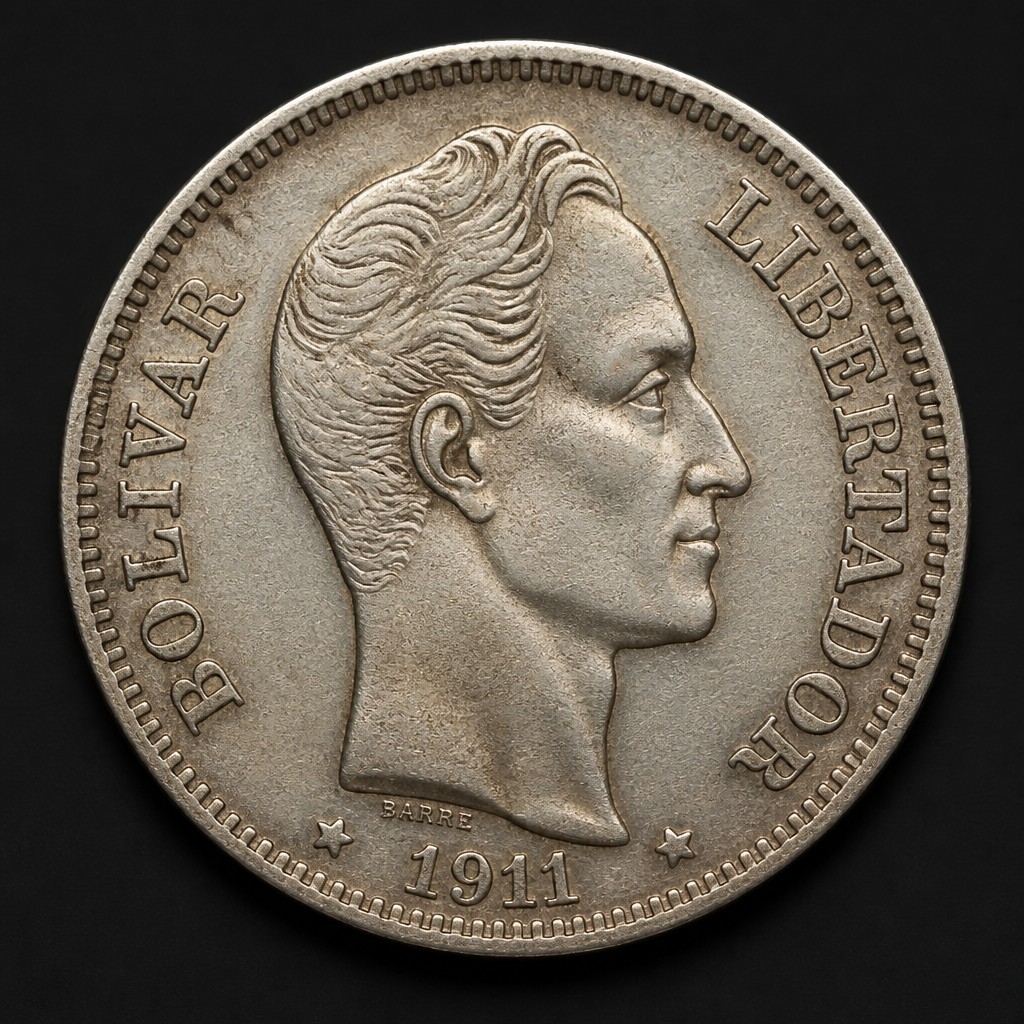
Venezuela 5 Bolivares 'Fuerte' Silver
A high-purity Venezuelan silver crown struck in 1911–1912, nicknamed the 'Fuerte' (strong) issue for restoring .900 fineness after decades of debased coinage.
Latin American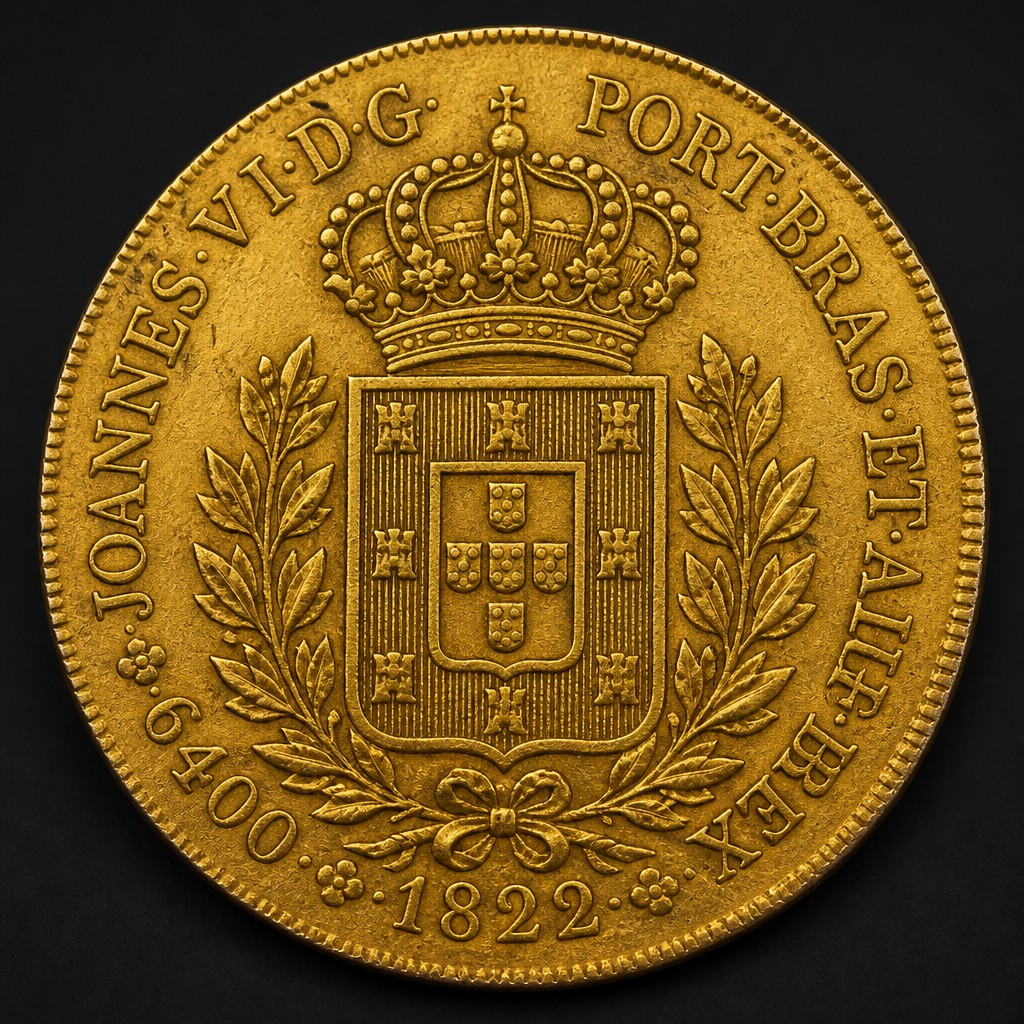
Brazilian 6400 Reis Gold (Peça)
A substantial colonial Brazilian gold coin nicknamed the "peça" (piece), widely known abroad as the "Johannes" or "Joe," and once common in trade across the Atlantic world.
Latin American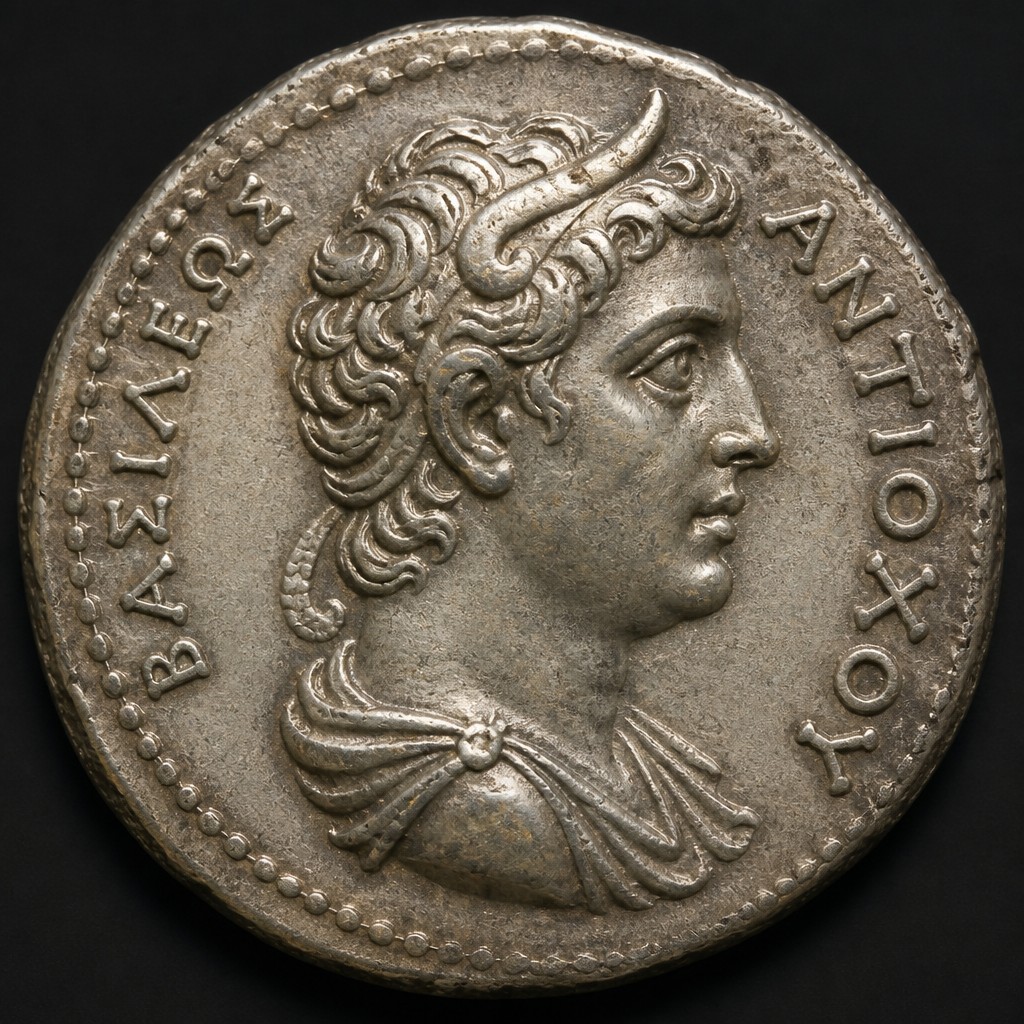
Bactrian Silver Tetradrachm
Large silver coin of the Greco-Bactrian kings of Central Asia, celebrated for producing some of the finest realistic royal portraiture in all of ancient coinage.
Ancient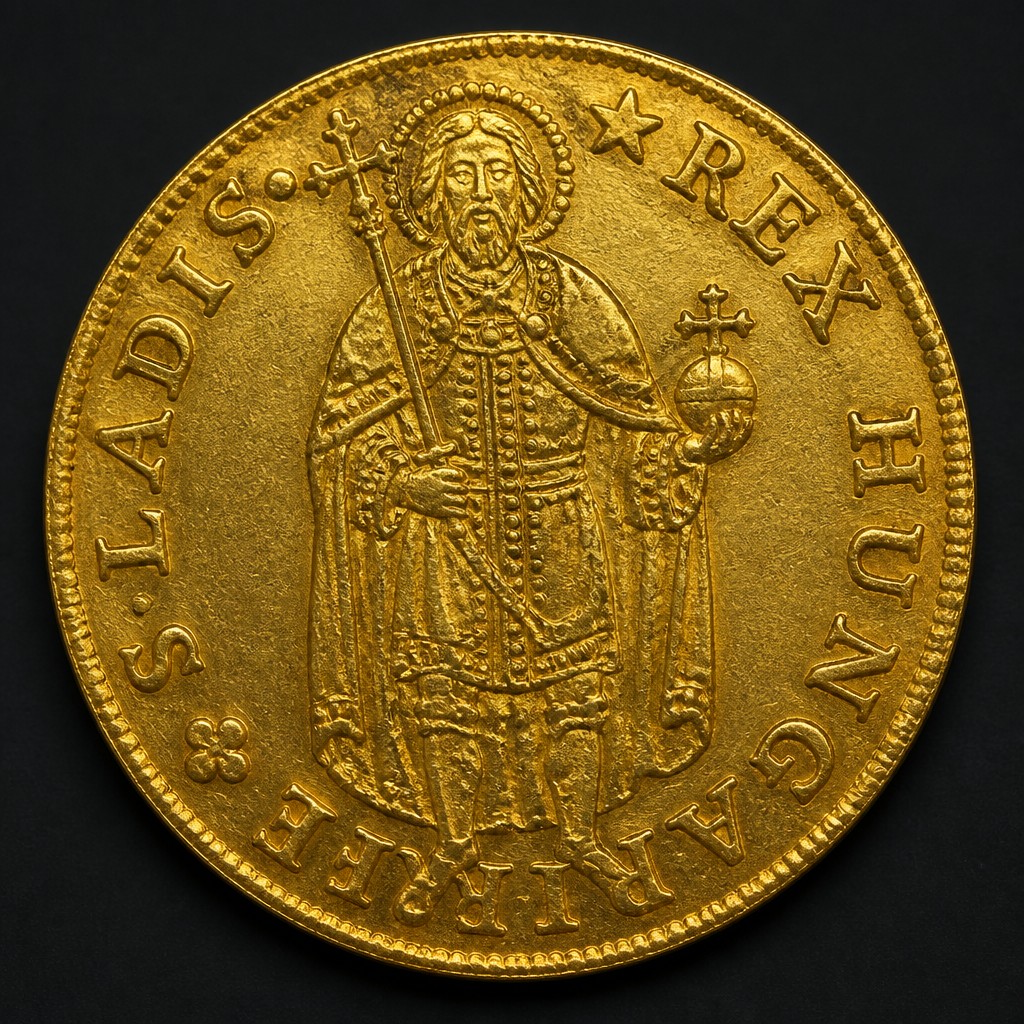
Hungarian Ducat
A remarkably long-lived gold coin of the Kingdom of Hungary, showing St. Ladislaus and the Madonna and Child, prized for centuries as one of Europe's most trusted trade coins.
European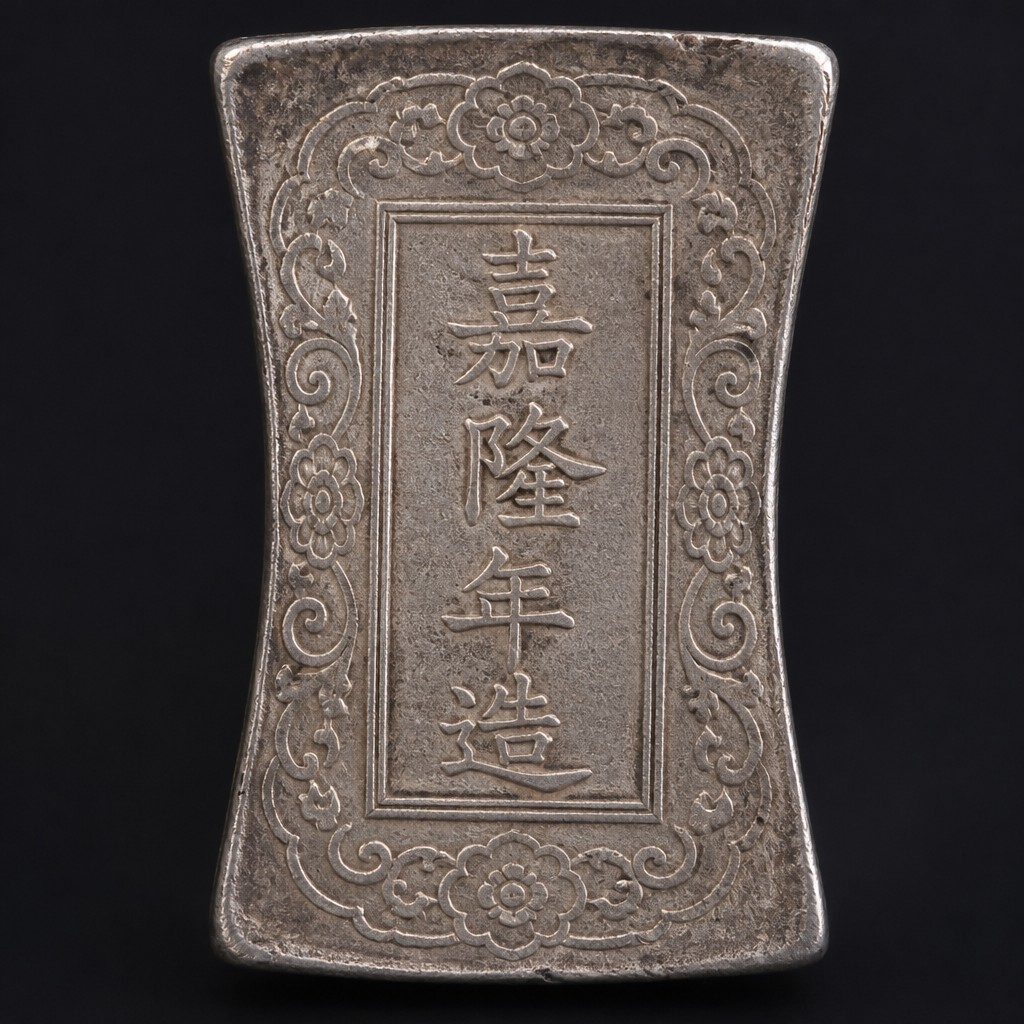
Vietnamese Silver Bar (Lang / Thoi Bac)
Traditional Vietnamese ingot currency from the Nguyen Dynasty, cast or hammered silver bars denominated in lang (tael) rather than struck as round coins.
Asian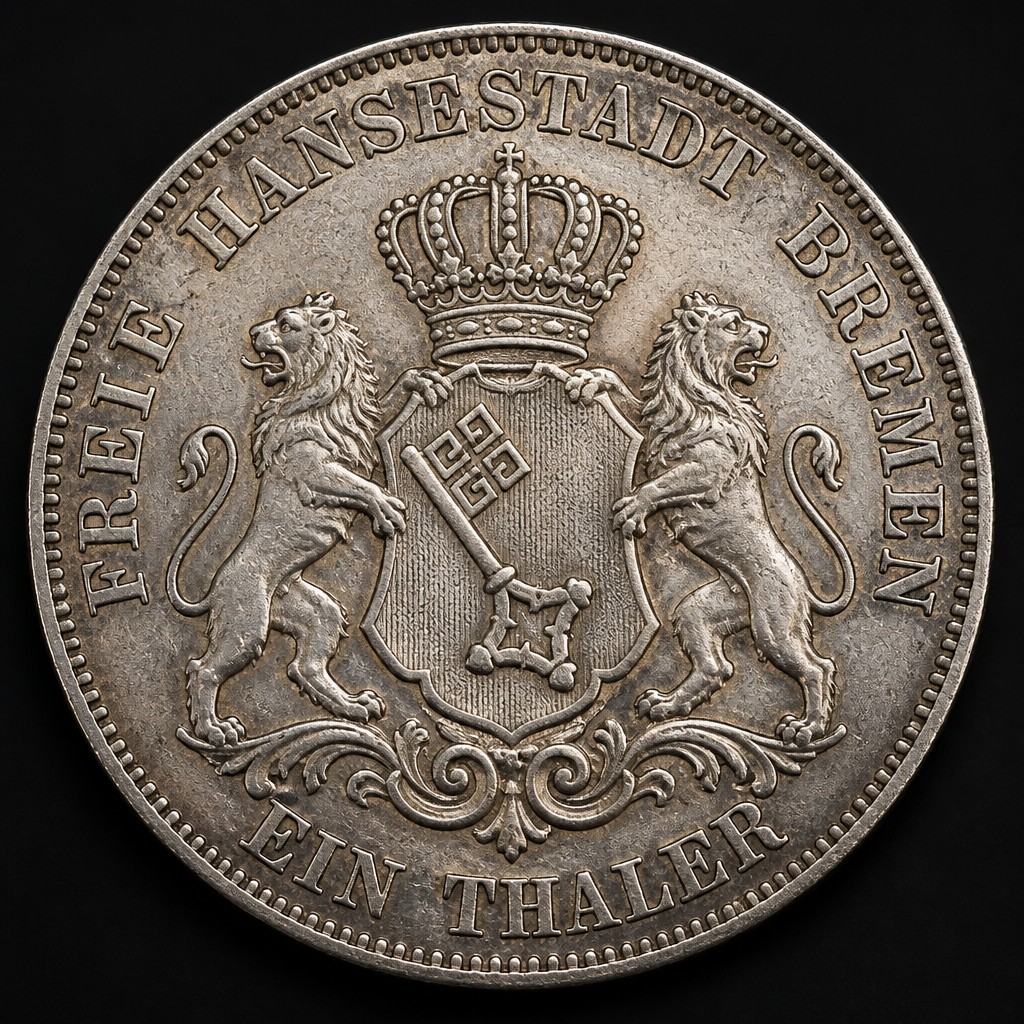
German Bremen Thaler
A silver thaler issued by the Free Hanseatic City of Bremen before German unification, featuring the city's heraldic key, part of the patchwork of pre-1871 German state and city coinages.
European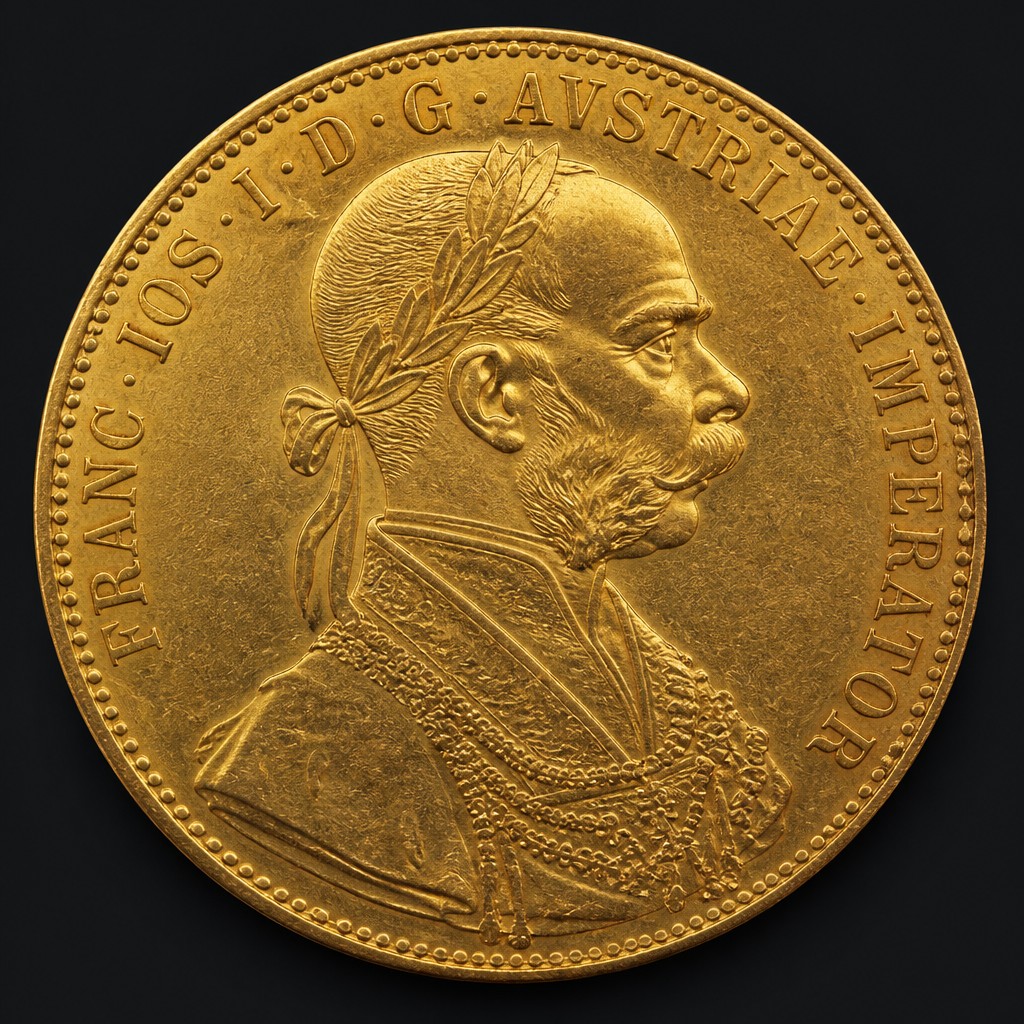
Austrian Gold Ducat
A traditional high-purity Austrian gold trade coin with centuries of history, still struck today by the Austrian Mint as an official restrike permanently dated 1915.
European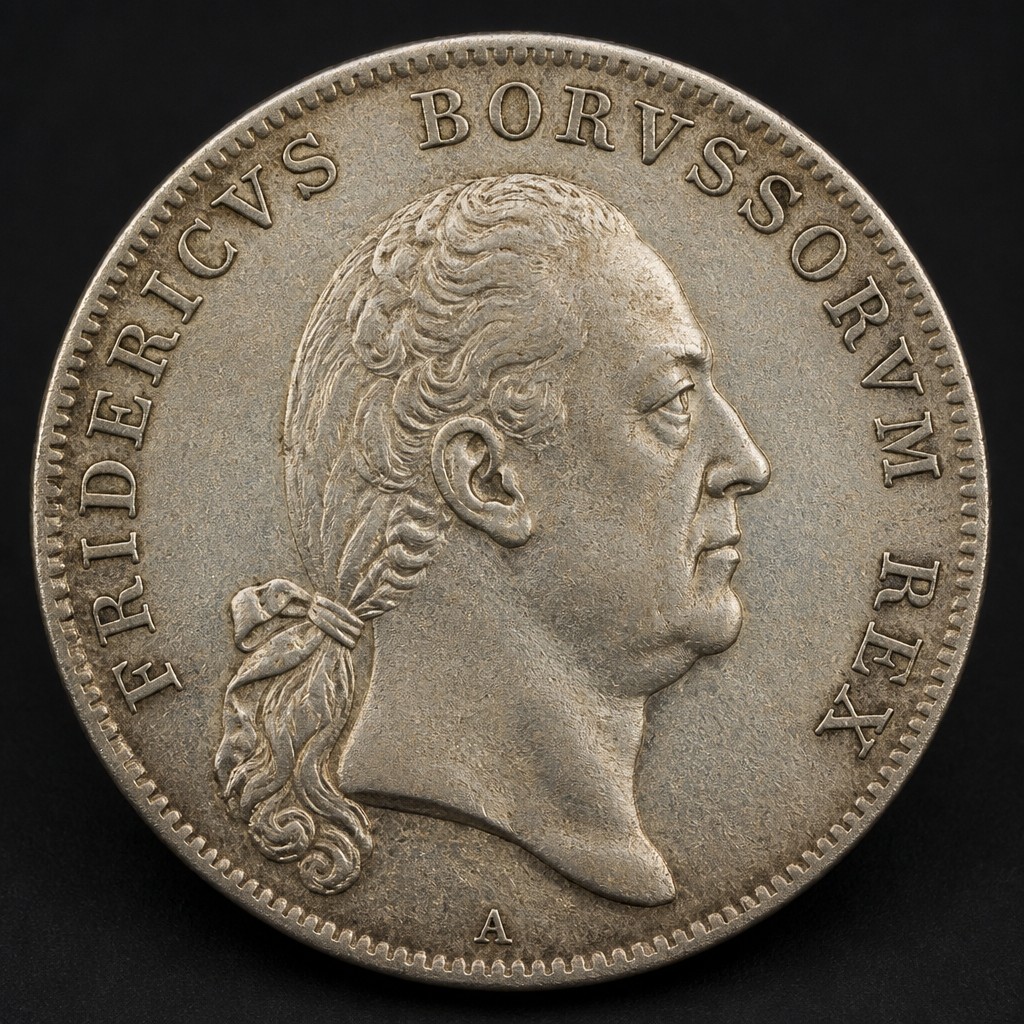
Prussian Thaler
The Prussian Thaler was the leading silver coin of the powerful Kingdom of Prussia, circulating from the mid-18th century until German unification replaced it with the mark in 1871–1873.
European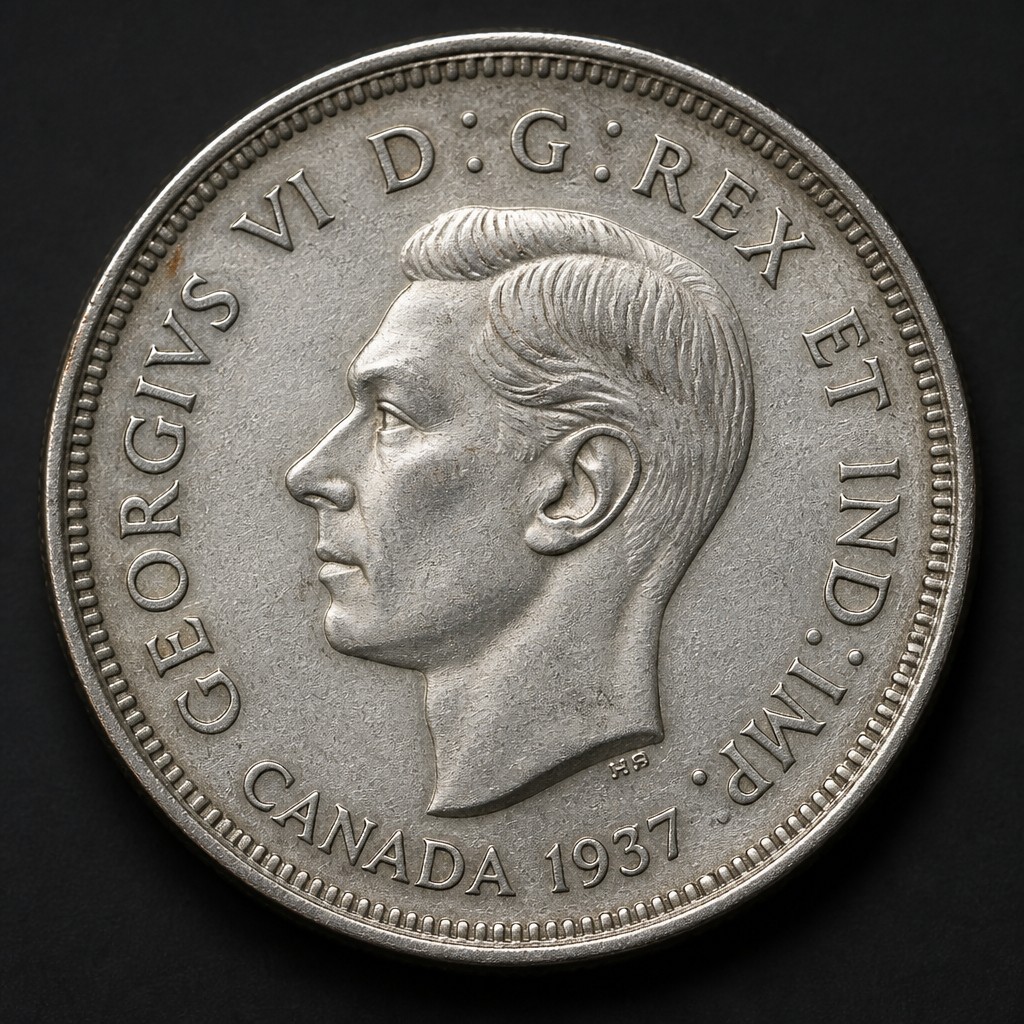
Bluenose Ten Cents (dime)
Canada's iconic ten-cent coin featuring the famous racing and fishing schooner Bluenose, a design introduced in 1937 that remains in use on the modern dime today.
Canadian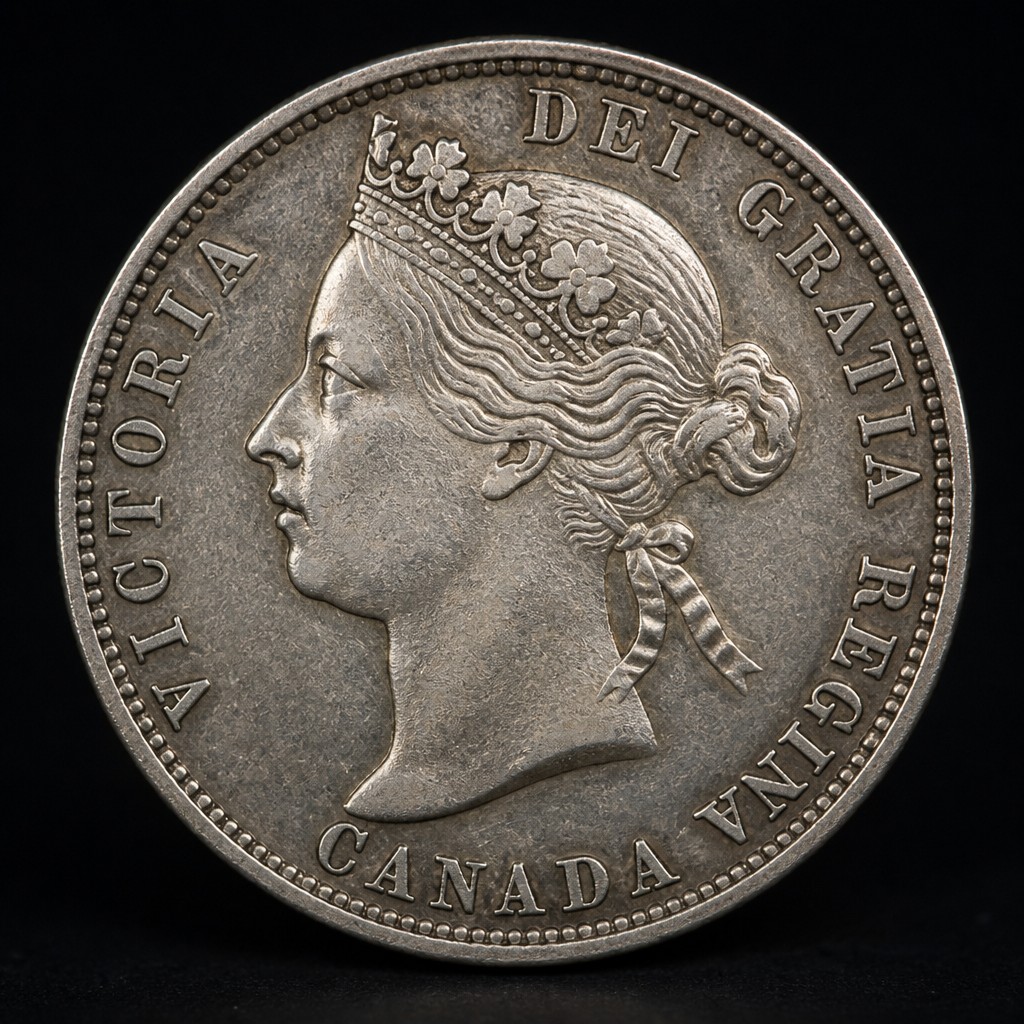
Victorian Silver Five Cents
The small sterling silver five-cent coin struck under Queen Victoria for the Province of Canada and later the Dominion of Canada, issued intermittently from 1858 to 1901.
Canadian