
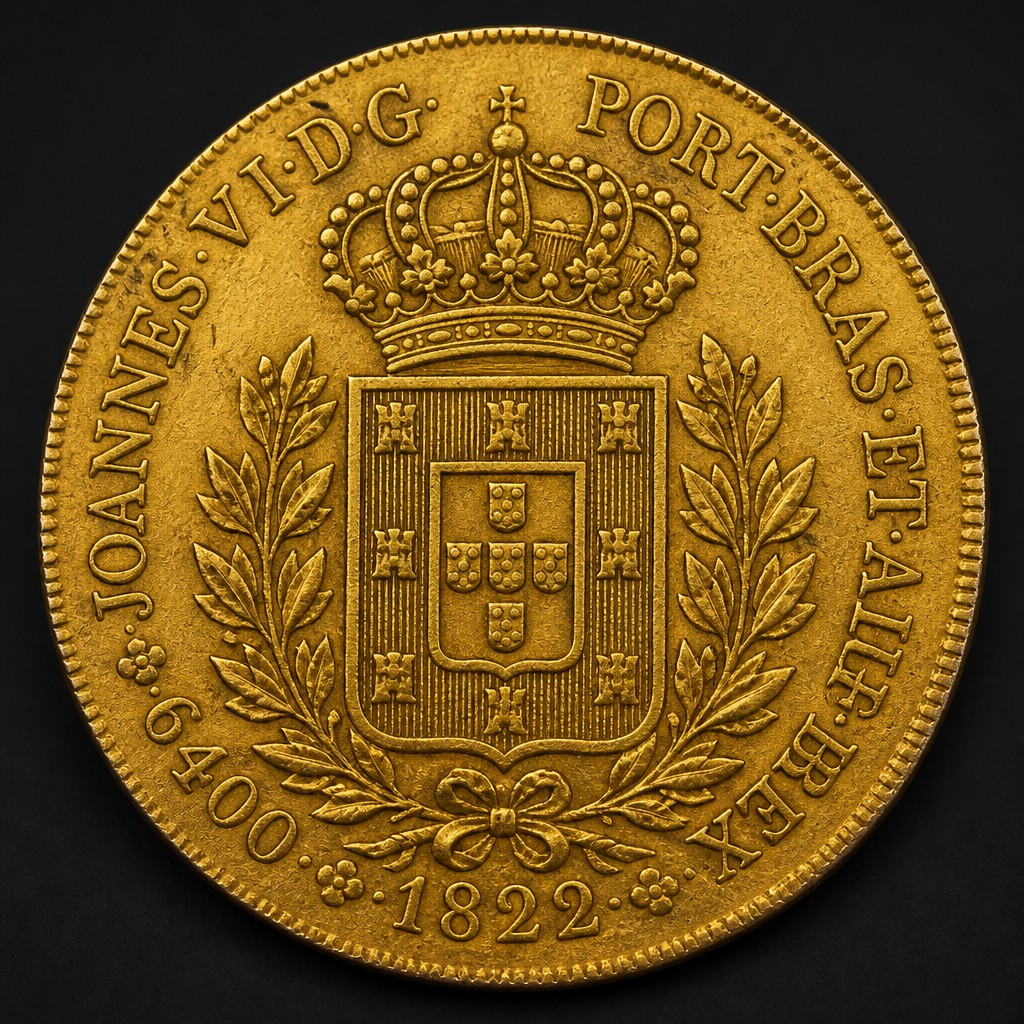
Brazilian 6400 Reis Gold (Peça)
A substantial colonial Brazilian gold coin nicknamed the "peça" (piece), widely known abroad as the "Johannes" or "Joe," and once common in trade across the Atlantic world.
- Country
- Brazil (Portuguese colonial)
- Denomination
- 6400 Réis
- Metal
- Gold, approximately .917 fine
Got a coin like this?
Identify any coin from a photo, free.
Overview
The 6400 réis gold coin, popularly called a peça in Portuguese, was one of the principal high-value gold coins produced in colonial Brazil during the height of Brazilian gold and diamond mining in Minas Gerais. Its substantial gold content made it a favored medium for large transactions and international trade.
Outside Brazil, especially in British North America and the early United States, the coin was commonly known as a "Johannes" (after King João V, whose portrait appeared on many issues) or informally shortened to a "Joe." It circulated widely in colonial and early American commerce due to a chronic shortage of domestic gold coinage.
History & Background
Brazil's gold boom of the 18th century, driven by rich deposits discovered in Minas Gerais, allowed the Portuguese crown to strike large quantities of gold coinage for the colony, including the 6400 réis denomination under successive monarchs such as João V, José I, Maria I, and João VI. Mints operated at Rio de Janeiro, Bahia, and in the mining region itself at Vila Rica (modern Ouro Preto).
Because of its reliable gold content and wide recognition, the peça traveled far beyond Brazil's borders, becoming a familiar trade coin in the Caribbean and along the Atlantic seaboard of colonial North America, where it was accepted as a matter of course well into the early United States period before more standardized national coinage took hold.
How to Identify
The obverse typically bears the bust of the reigning Portuguese monarch with a Latin legend giving the ruler's name and titles, while the reverse displays the crowned Portuguese royal arms, often flanked by decorative elements, with the denomination "6400" and mint identifiers.
The coin is fairly large for a gold piece, roughly 33 mm in diameter and about 14.3 to 14.4 grams, distinguishing it from smaller Brazilian gold fractions such as the 3200 or 1600 réis. Mint marks R, B, or M identify Rio de Janeiro, Bahia, or the Minas Gerais mint respectively, and dates span several decades of 18th and early 19th century production.
Collectors should be alert to later collector-oriented reproductions and jewelry-mounted specimens; genuine circulated pieces often show honest wear on the monarch's portrait and softened legend details consistent with long trade use.
Value & Collectibility
Because of strong gold content and historical importance, well-preserved peças command solid premiums over melt value, with common dates and rulers in circulated grade reaching the low-to-mid four figures and choice or historically significant examples, including certain rulers or mint combinations, valued considerably higher.
Condition, portrait clarity, and mint mark rarity are the main value drivers, and coins with documented colonial American provenance sometimes carry additional collector interest given the coin's storied role in early American commerce.
Frequently asked questions
Why is it called a Johannes or a Joe?
The nickname comes from King João V of Portugal, whose portrait appeared on many 6400 reis coins; English speakers in colonial America shortened it to "Joe."
Why did this Brazilian coin circulate in North America?
Colonial America chronically lacked its own gold coinage, so well-known, reliable foreign gold coins like the peça were widely accepted in trade.
What is the gold content?
Roughly 14.3 to 14.4 grams of approximately .917 fine gold, making it a substantial trade coin for its era.
Which mints produced it?
Rio de Janeiro, Bahia, and the Minas Gerais mint at Vila Rica, identified by the mint marks R, B, and M respectively.
Other coins you may enjoy
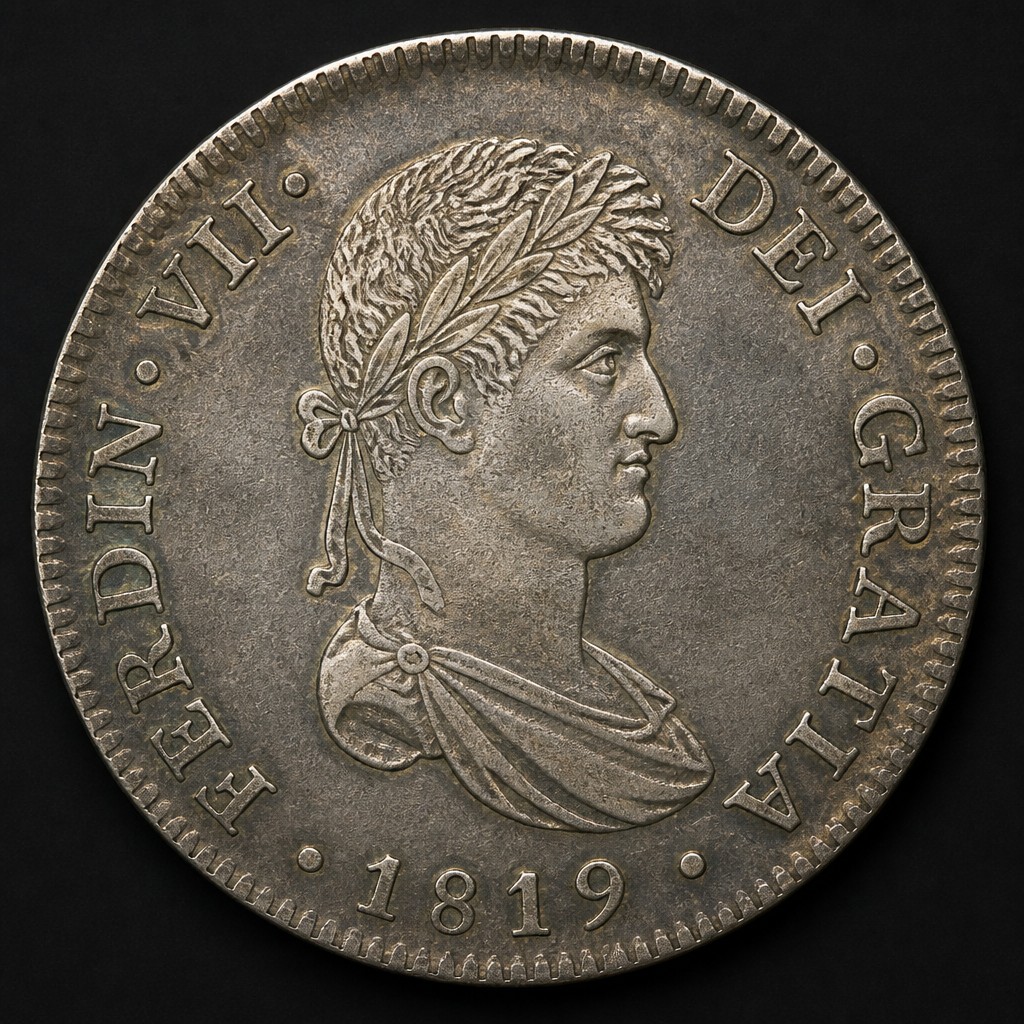
Colombia 8 Reales
Colonial issues through late 18th/early 19th century; republican issues 1820s–1830s
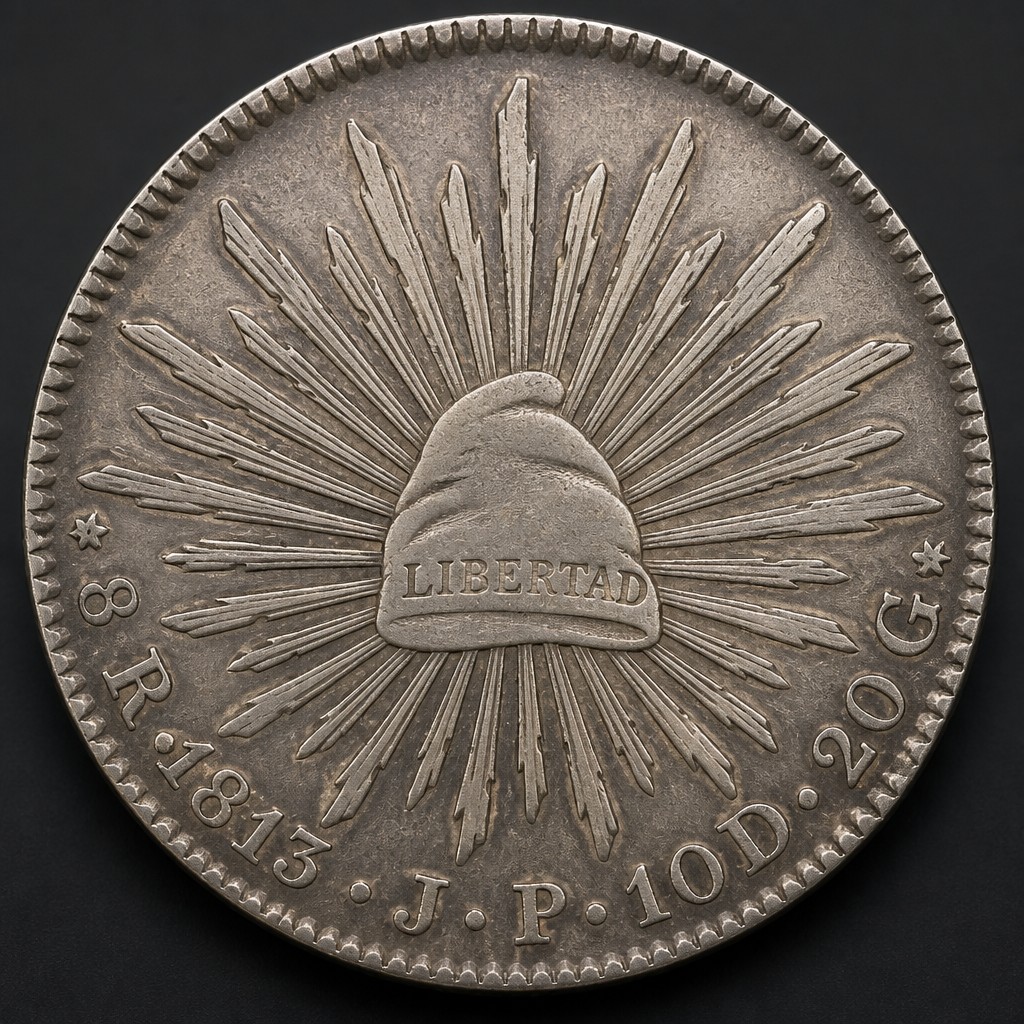
Argentina 8 Reales
c. 1813–1836
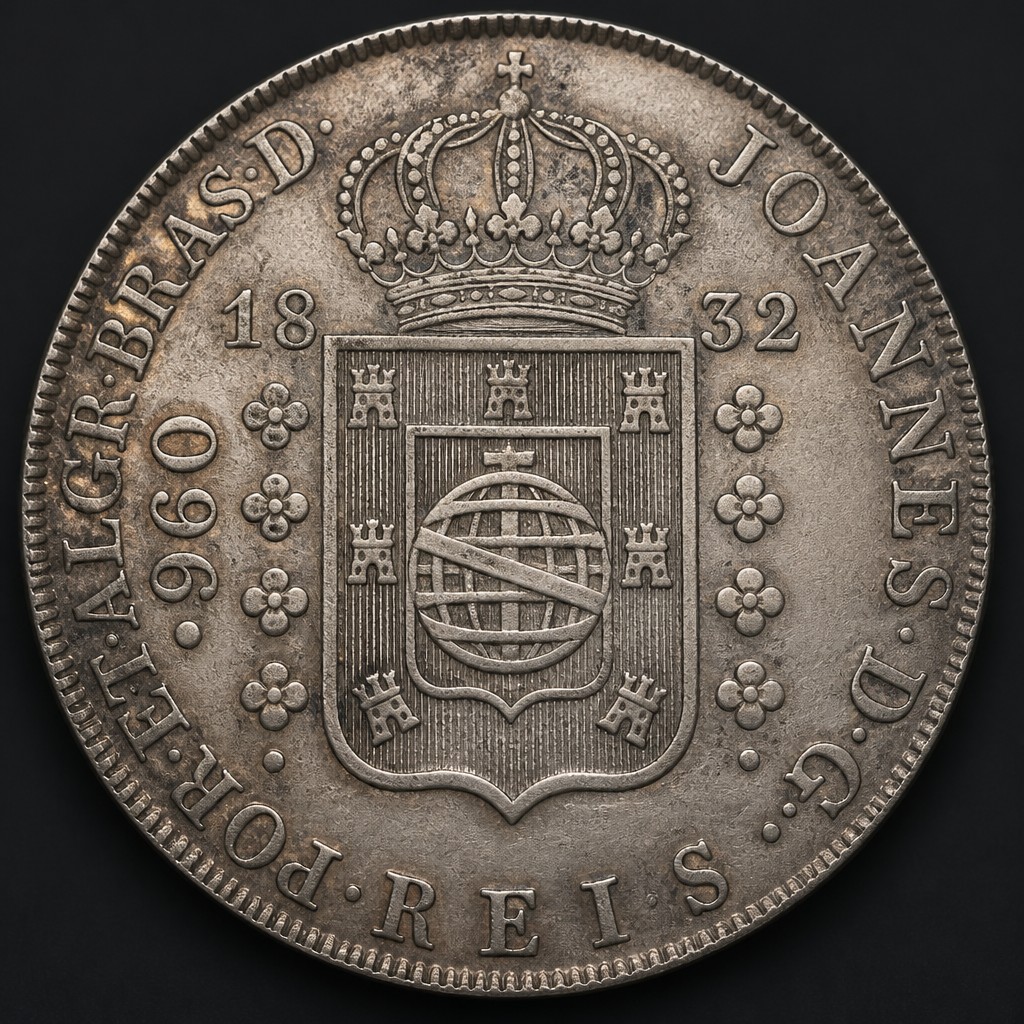
Brazil 960 Reis
1809–1832
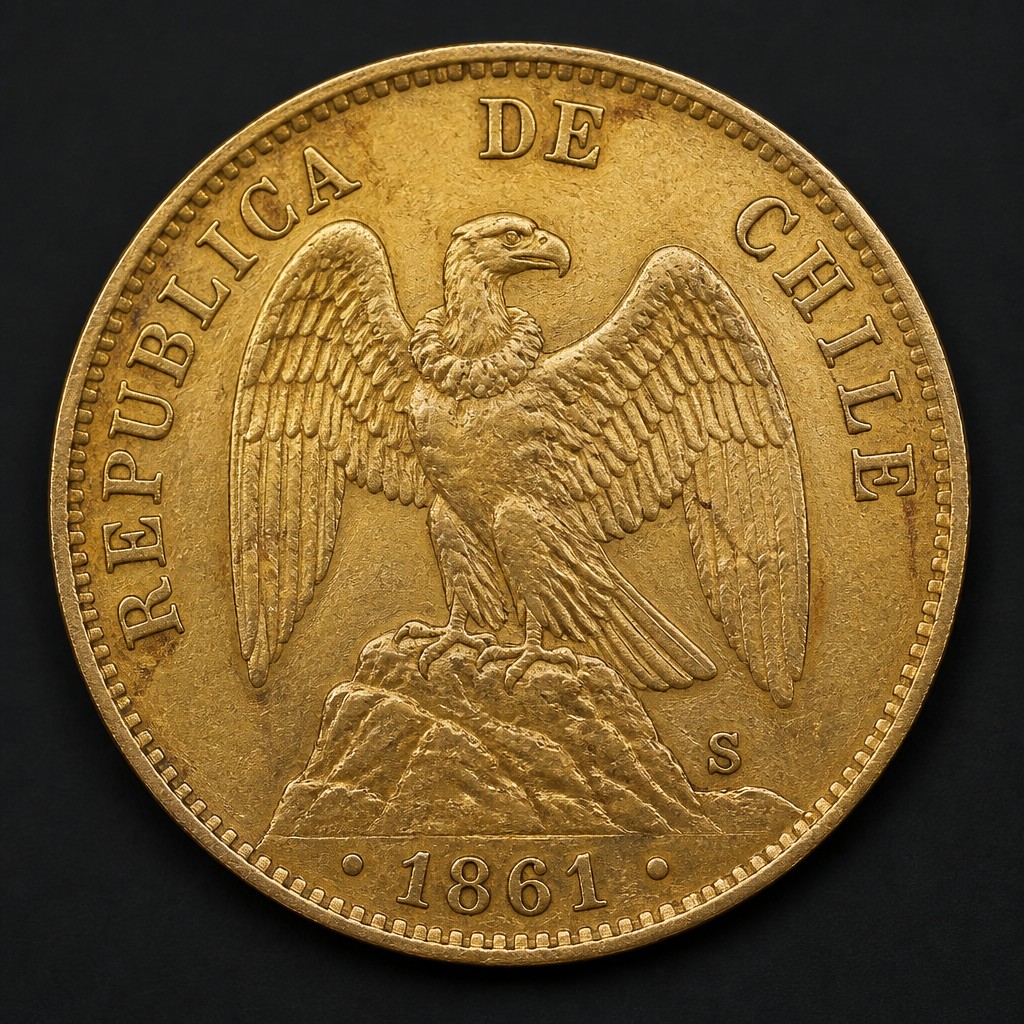
Chile Peso (Condor)
1851–1873 (gold condor series); modern base-metal peso 1990s–present
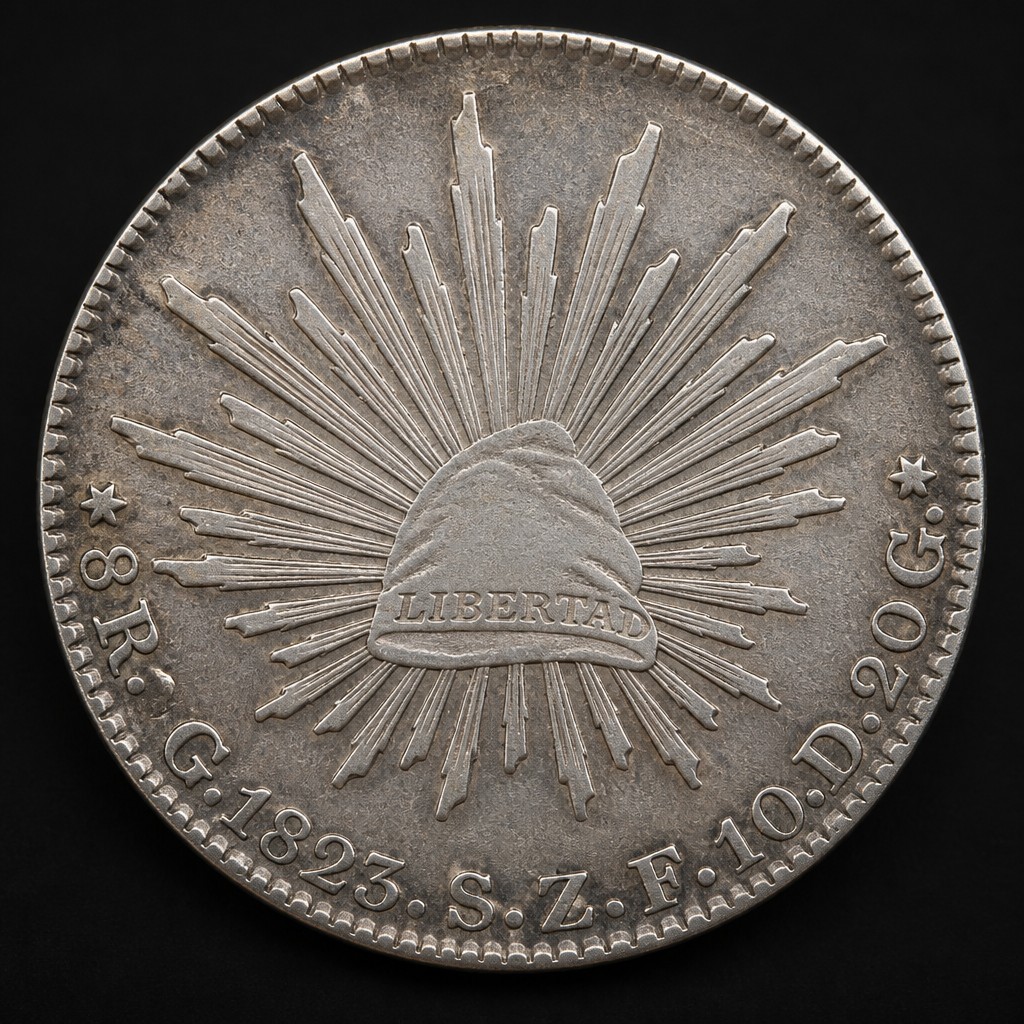
Mexican 8 Reales Cap and Rays
1823-1897
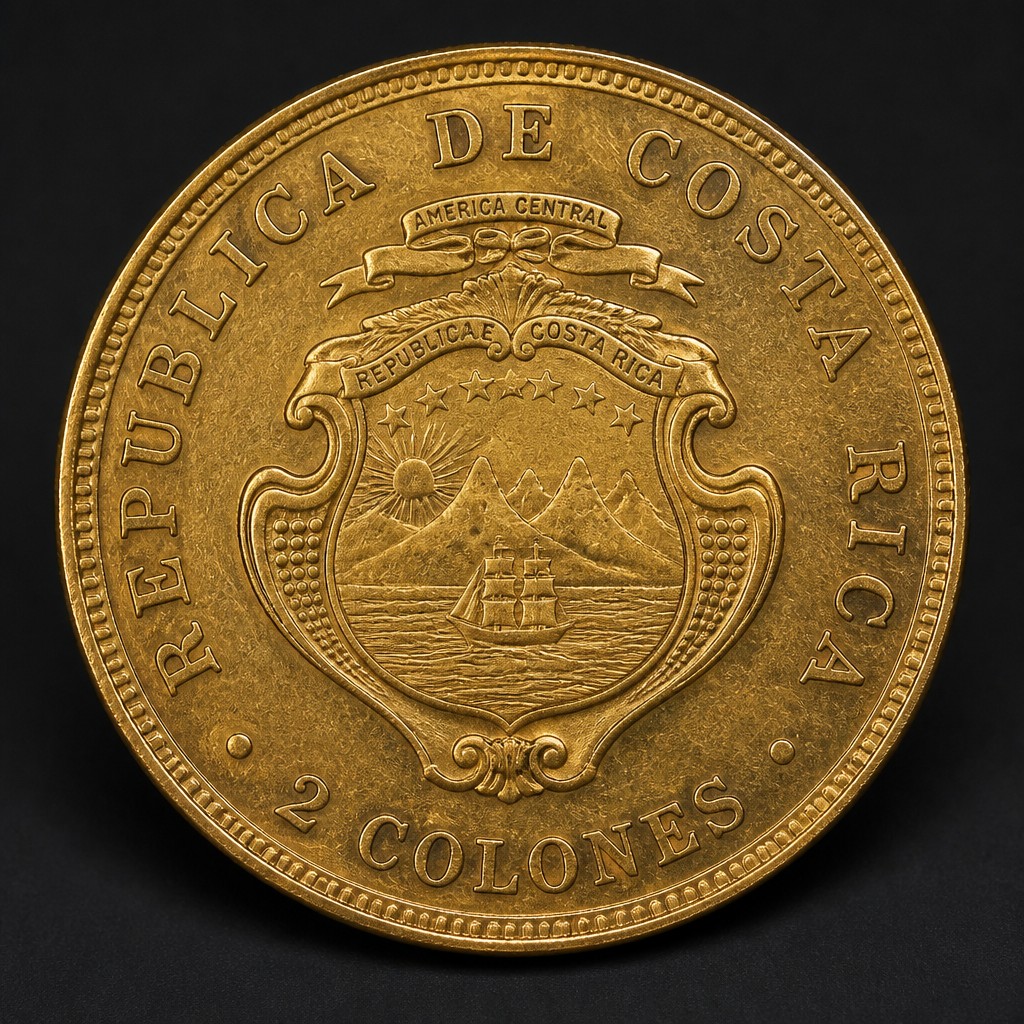
Costa Rica 2 Colones Gold
Late 1890s–early 1900s
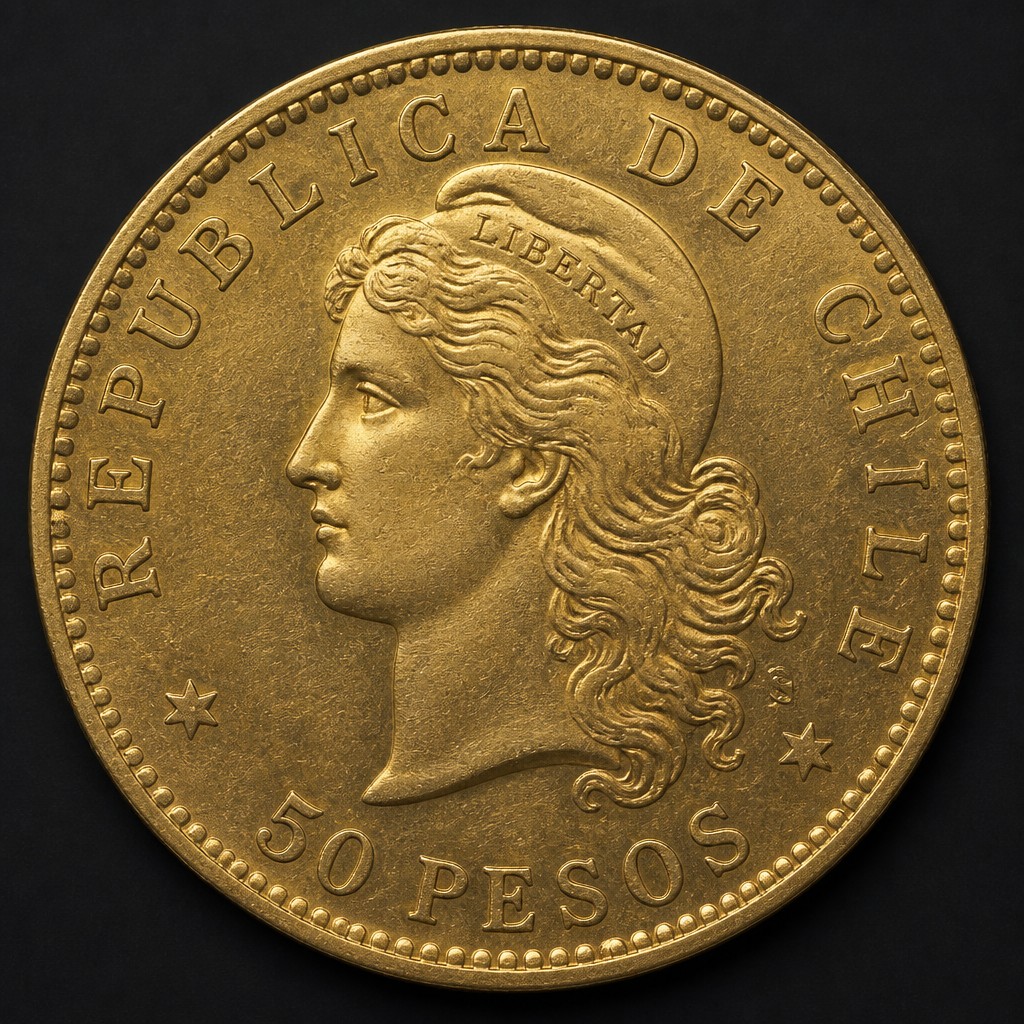
Chilean 50 Pesos Gold
1926–1980 (with interruptions)
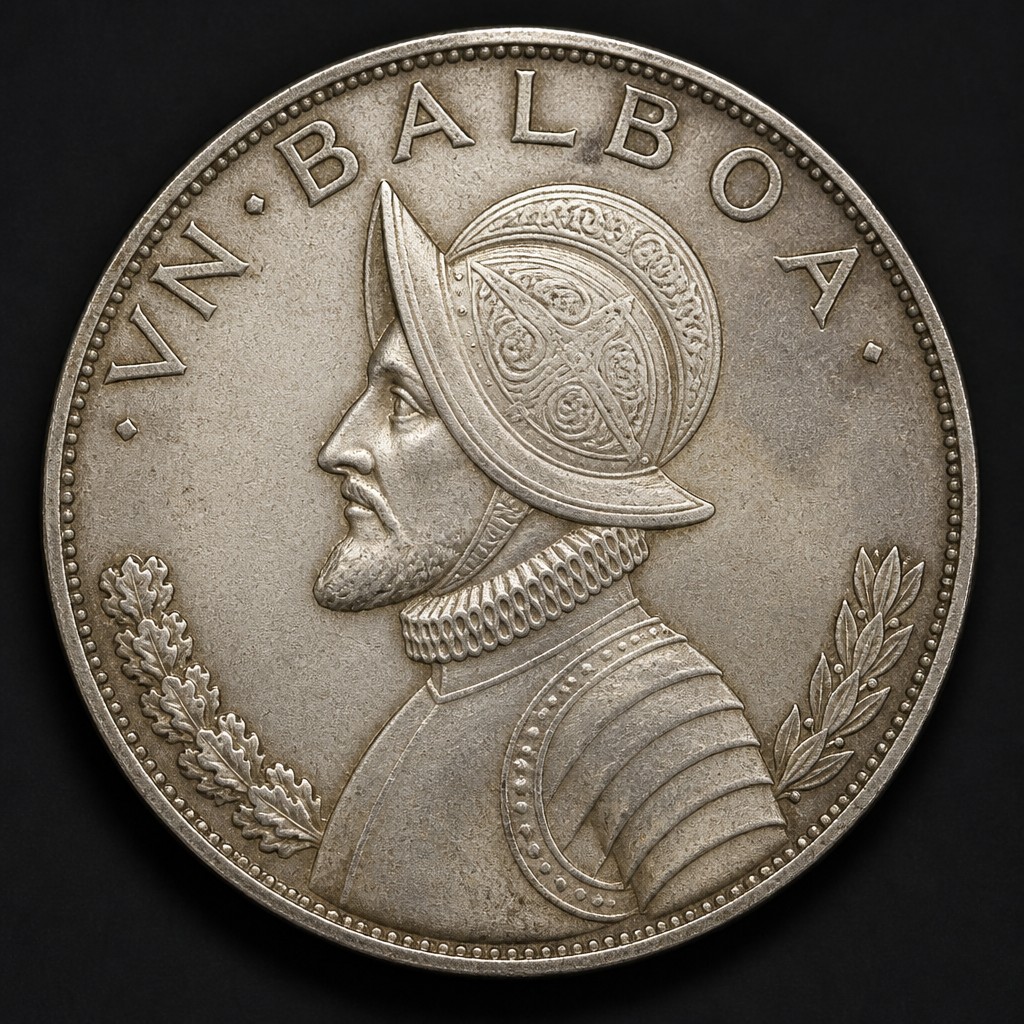
Panama Balboa Silver
1904, 1931, 1934, 1947, 1953, 1966 (various dates)
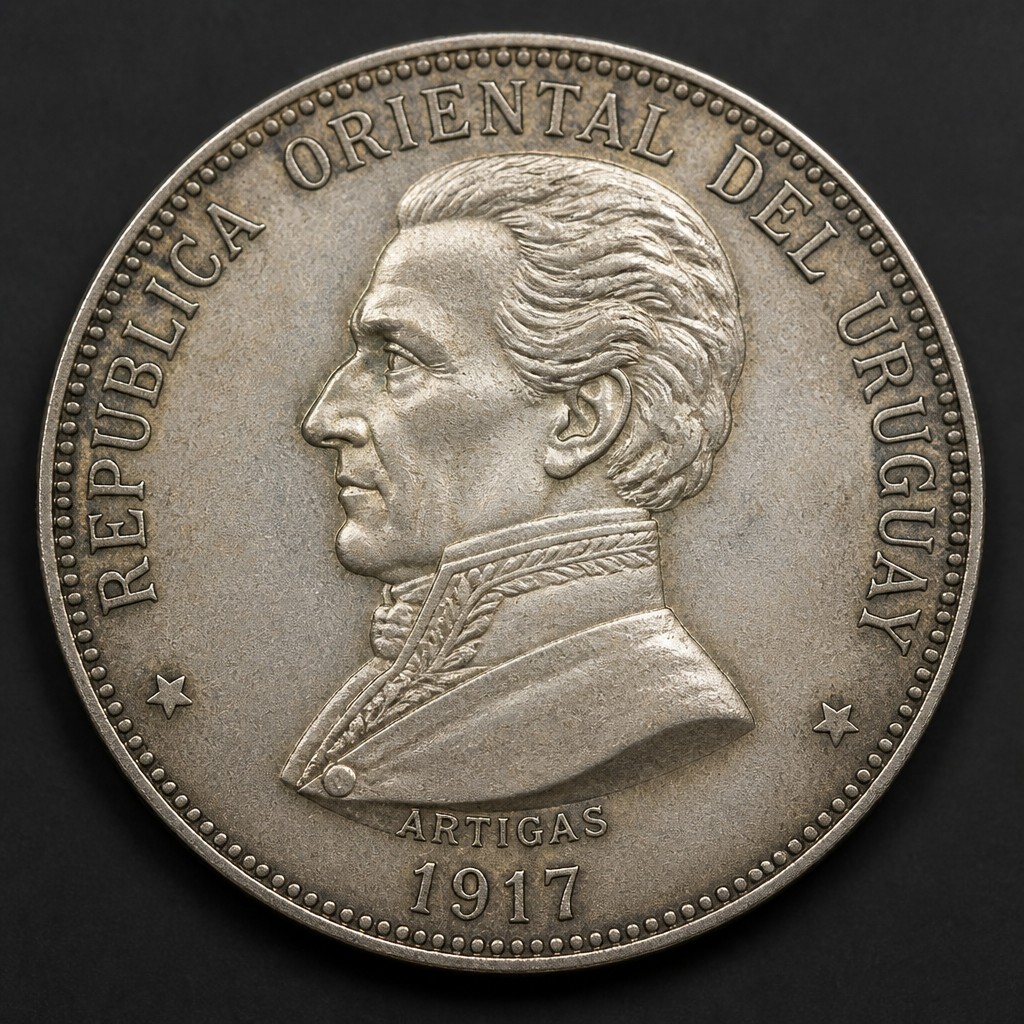
Uruguay Peso Silver 'Artigas'
1917–1920 (with related commemorative issues in later decades)
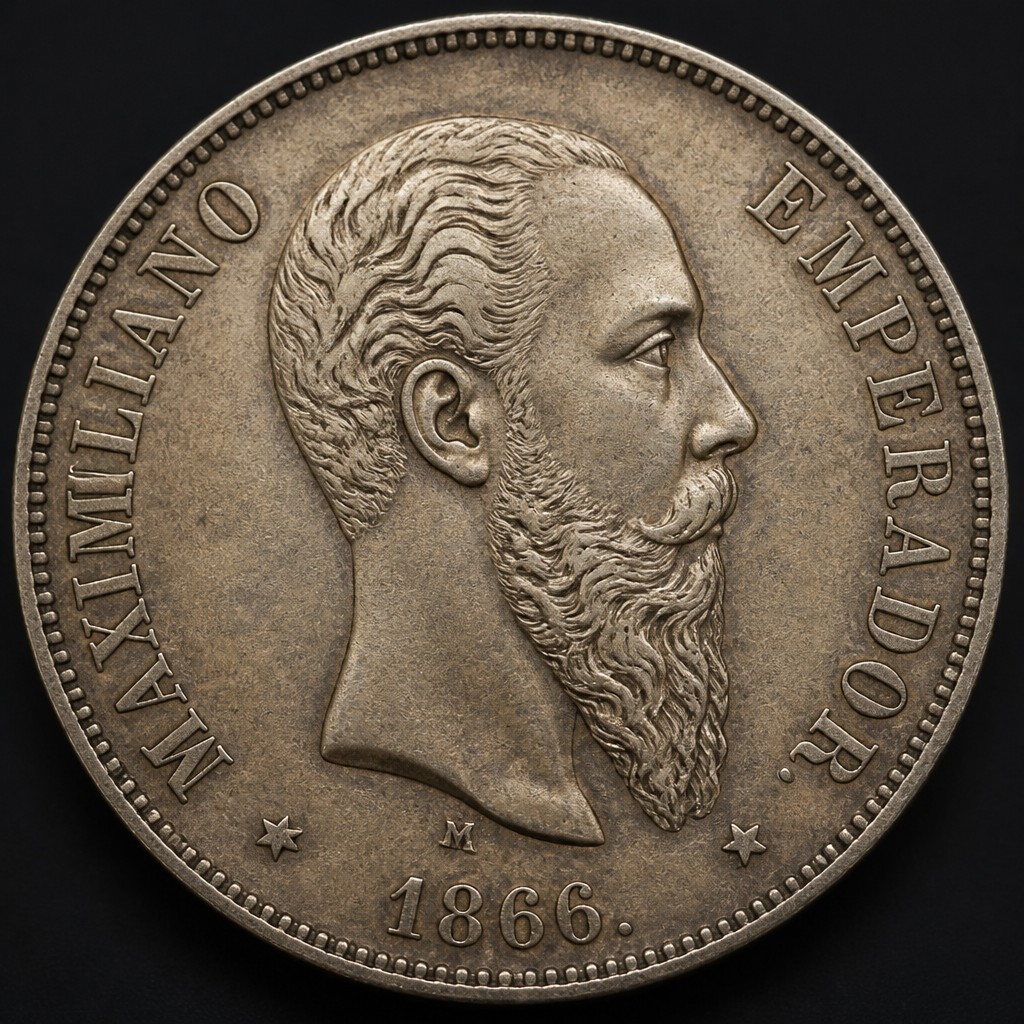
Mexican Emperor Maximilian Peso
1866–1867
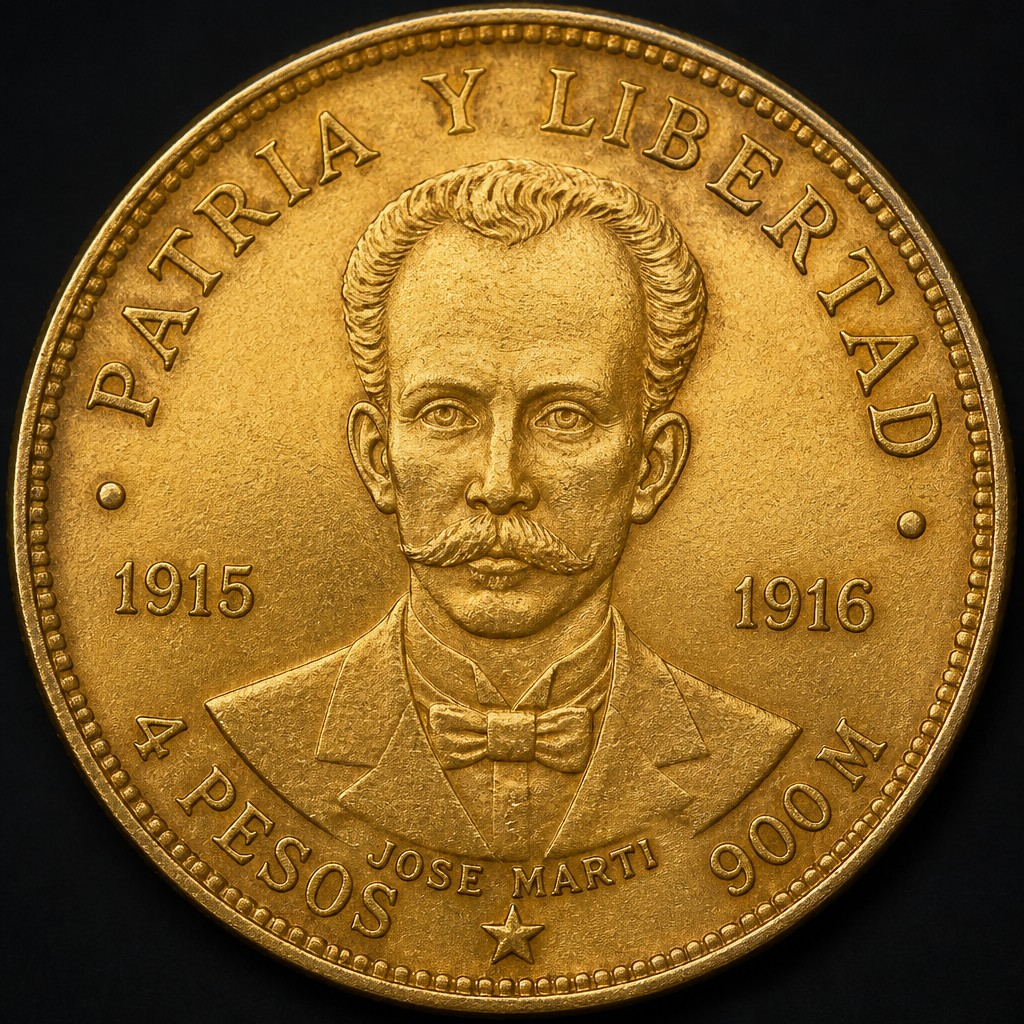
Cuba 4 Pesos Gold Jose Marti
1915–1916
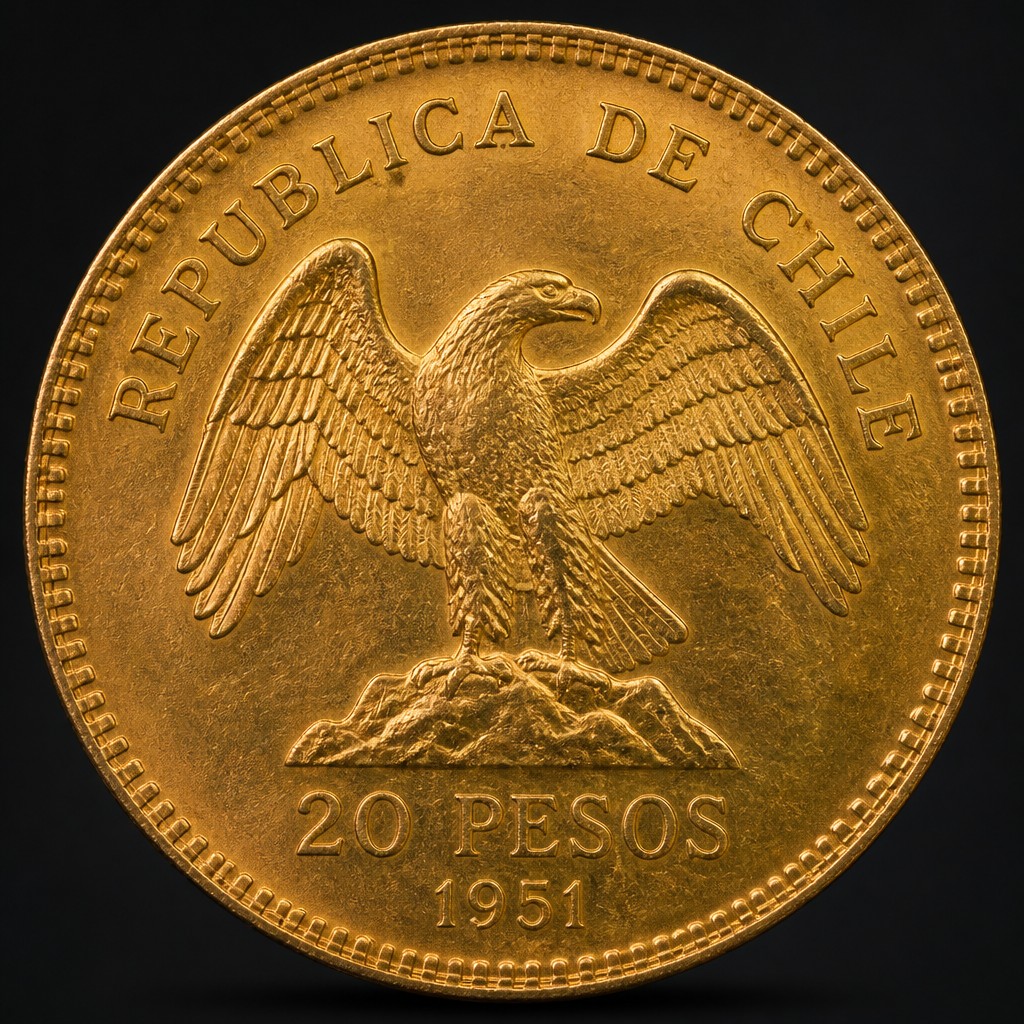
Chilean 20 Pesos Gold
19th century issues and 1926–1980 condor series