
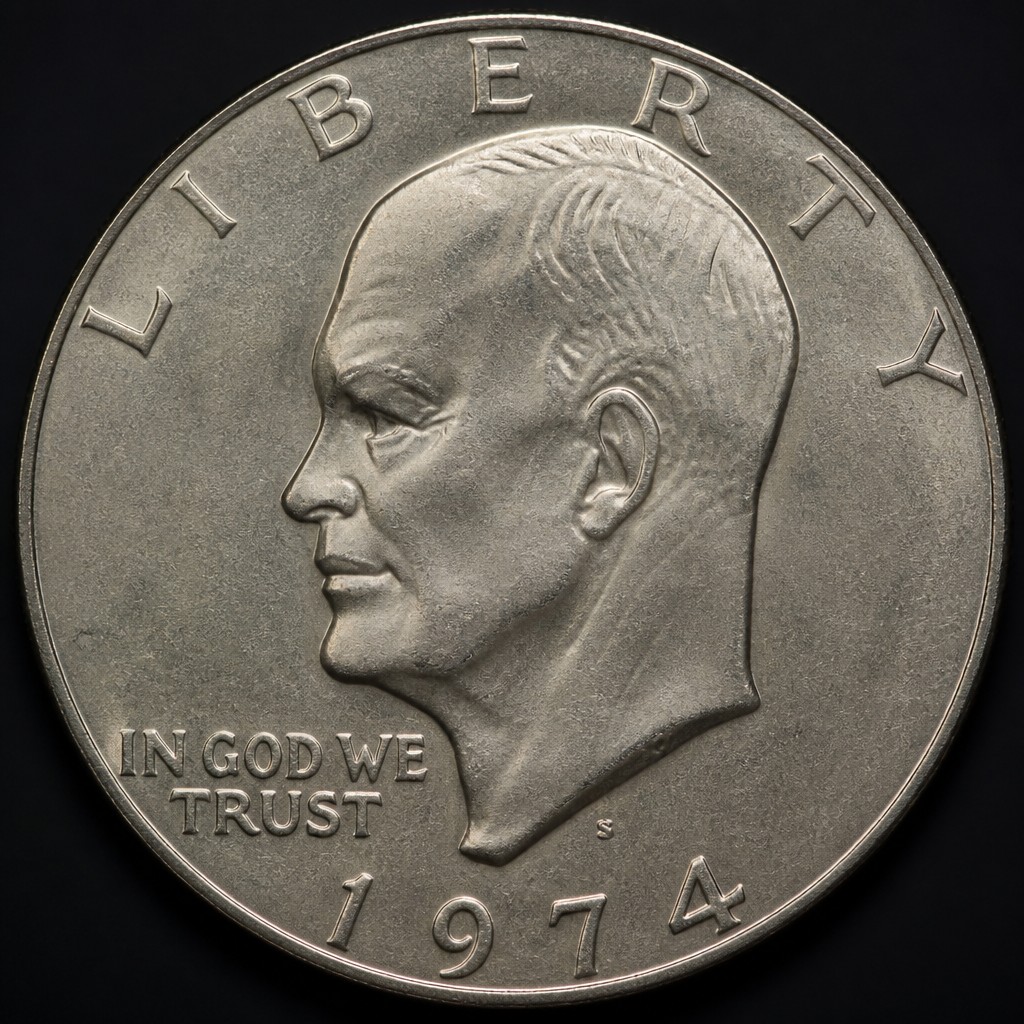
1974 Eisenhower Dollar
A large dollar coin honoring President Dwight D. Eisenhower and the Apollo 11 moon landing, common in circulated grades but collected as part of the popular Ike dollar series.
- Country
- United States
- Denomination
- One Dollar
- Metal
- Copper-Nickel Clad (circulation); 40% Silver (special collector issues)
Got a coin like this?
Identify any coin from a photo, free.
Overview
The Eisenhower dollar, nicknamed the "Ike dollar," was a large, substantial coin issued from 1971 to 1978 to honor the recently deceased president and five-star general. Its reverse doubles as a tribute to the Apollo 11 moon landing, making it one of the few US coins to commemorate a space achievement on a circulating design.
The 1974 date is a routine, non-key year in the series, appealing mainly to type collectors and those assembling a complete date run rather than to rarity hunters.
History & Background
Following Eisenhower's death in 1969, Congress authorized a new dollar coin in his honor, reviving a denomination that had been dormant since the Peace dollar ended in the 1930s. Sculptor-engraver Frank Gasparro designed both sides, basing the reverse eagle-landing-on-the-moon image on the Apollo 11 mission insignia, a fitting nod to Eisenhower-era space program groundwork.
Most Eisenhower dollars, including the 1974 issue, were struck in workhorse copper-nickel clad composition for circulation, while special 40% silver versions were produced for collectors at the San Francisco mint.
How to Identify
Obverse: A left-facing portrait of Eisenhower, with "LIBERTY" arcing above, "IN GOD WE TRUST" below his chin, and the date beneath.
Reverse: An eagle descending toward the moon's surface clutching an olive branch, with a small Earth visible in the background, echoing the Apollo 11 mission patch. "UNITED STATES OF AMERICA" arcs above, "ONE DOLLAR" below, and "E PLURIBUS UNUM" appears near the eagle.
Copper-nickel clad coins show a visible copper stripe on the edge, while the special 40% silver versions (mainly proofs and uncirculated sets from San Francisco) lack that stripe and have a slightly different tone and weight.
Value & Collectibility
Standard 1974 copper-nickel Eisenhower dollars are common and typically trade for modest premiums over face value in circulated condition, with well-preserved uncirculated coins worth somewhat more. The 40% silver 1974-S versions, sold in special collector packaging, carry higher value tied to their silver content and collector demand.
Frequently asked questions
Is the 1974 Eisenhower dollar rare?
No, it is a common date within the series and holds mainly modest collector value in typical grades.
What is the difference between the clad and silver versions?
Standard circulation coins are copper-nickel clad, while special San Francisco-minted proof and uncirculated coins contain 40% silver and were sold directly to collectors.
Why does the reverse show the moon?
It commemorates the Apollo 11 moon landing, with the design based on that mission's official patch.
How can I tell if my Eisenhower dollar is silver?
Silver versions lack the copper stripe visible on the edge of clad coins and have a slightly different weight and tone; checking the edge is the easiest first step.
Other coins you may enjoy
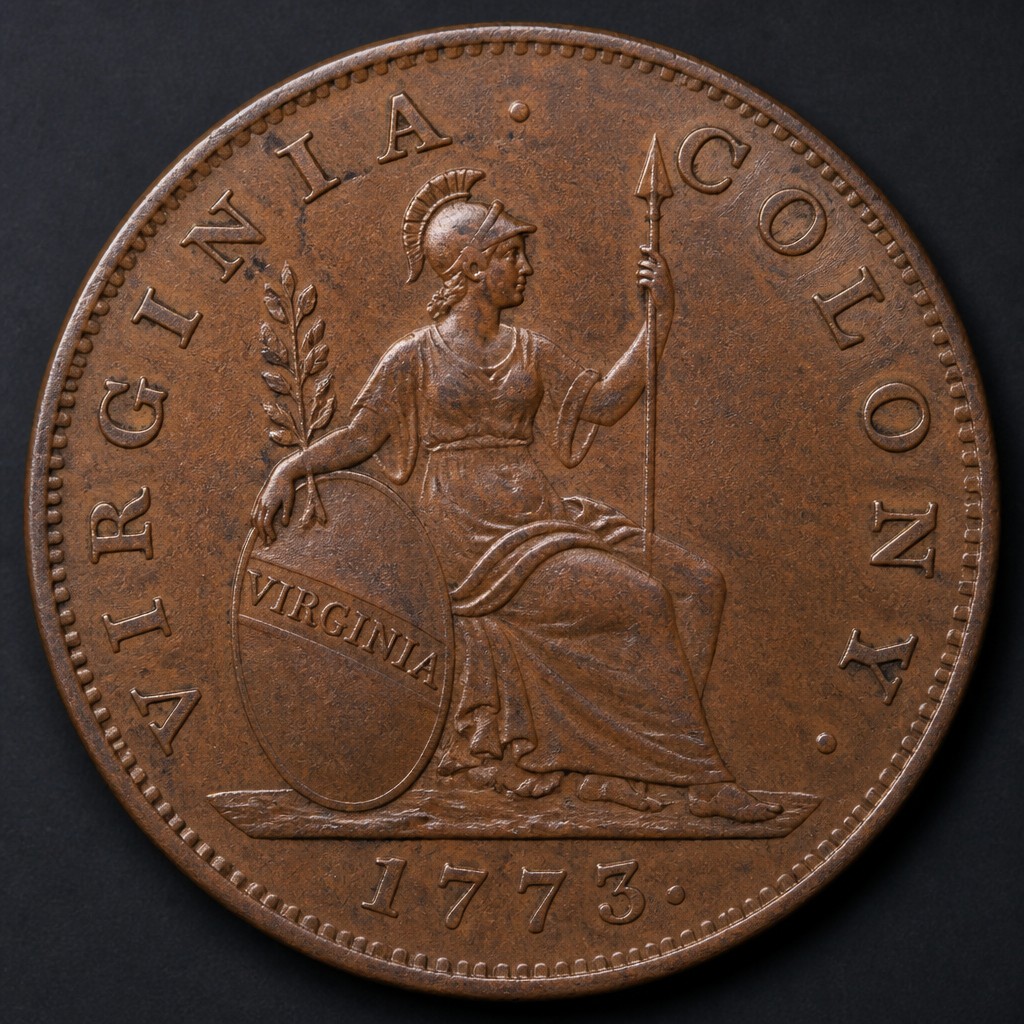
Virginia Halfpenny
1773
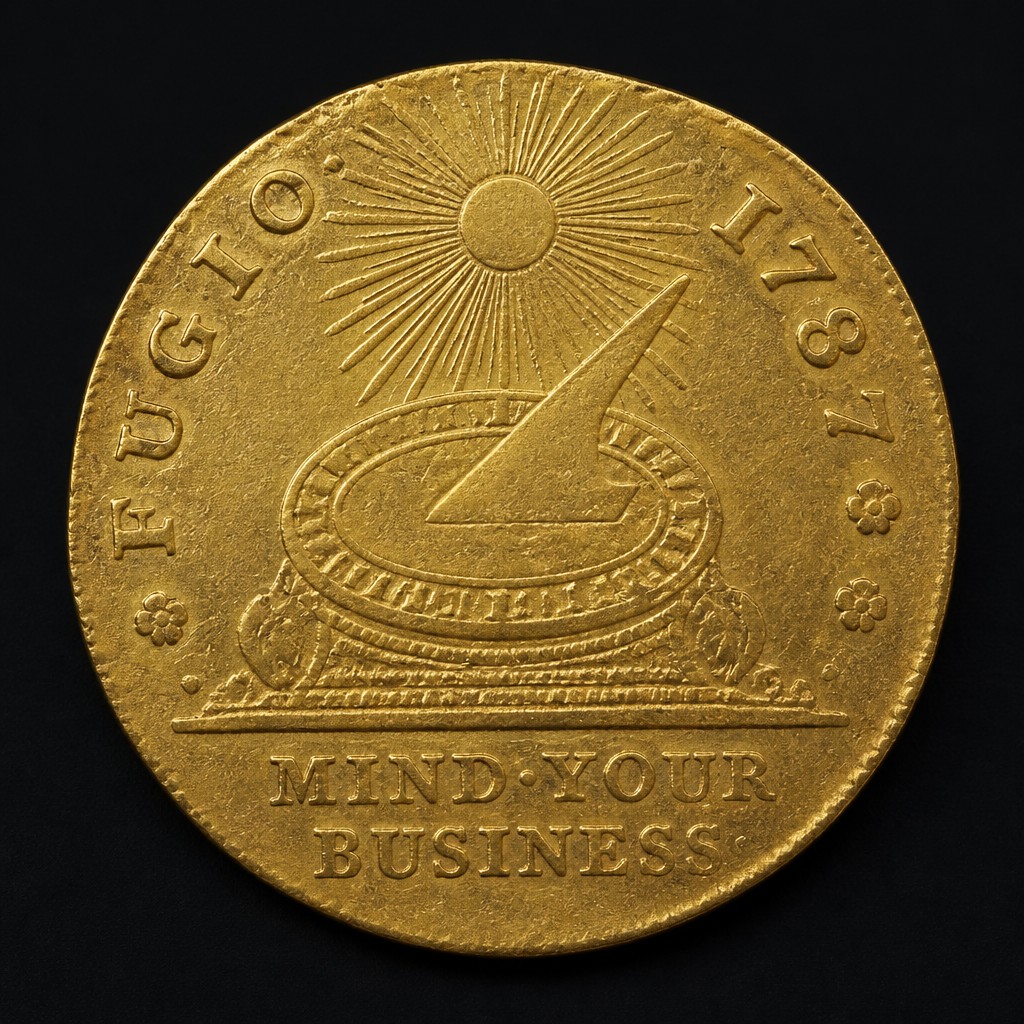
Brasher Doubloon
1787
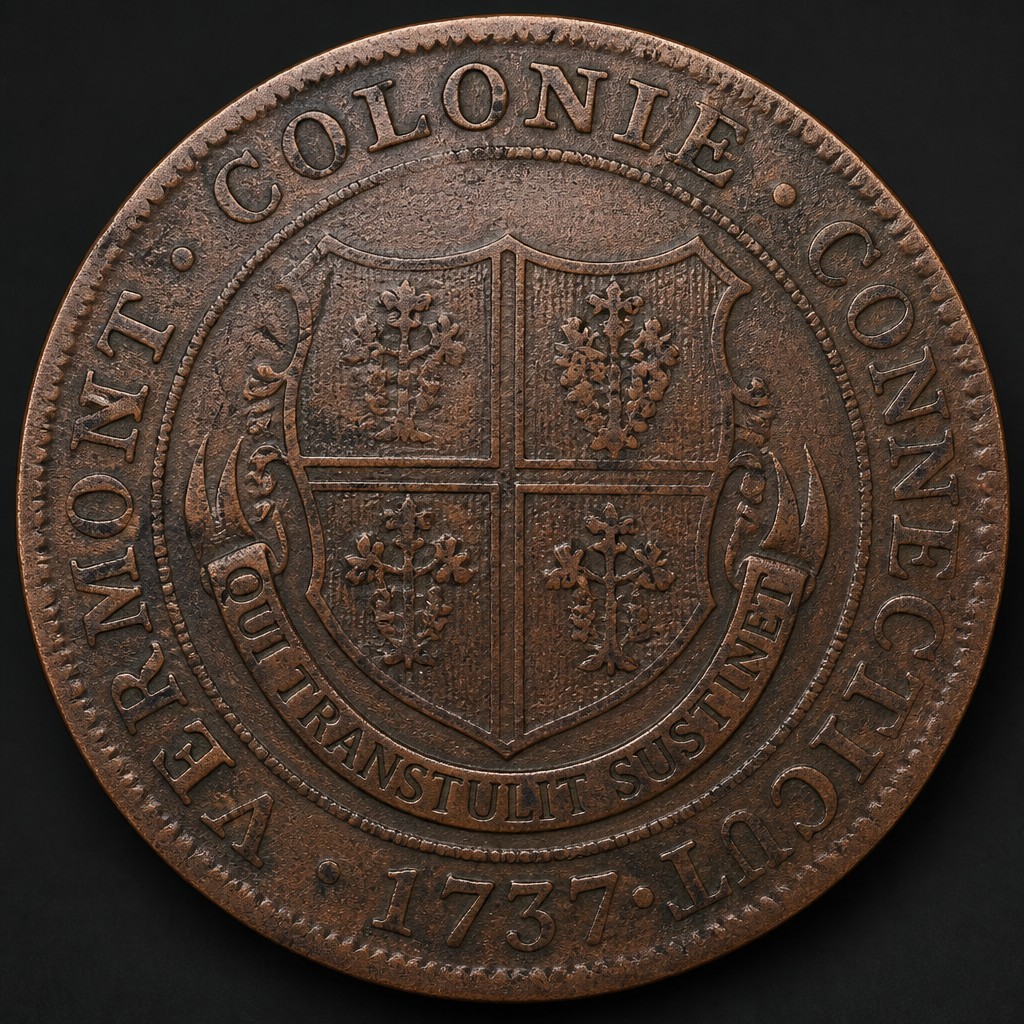
Higley Copper
1737–1739
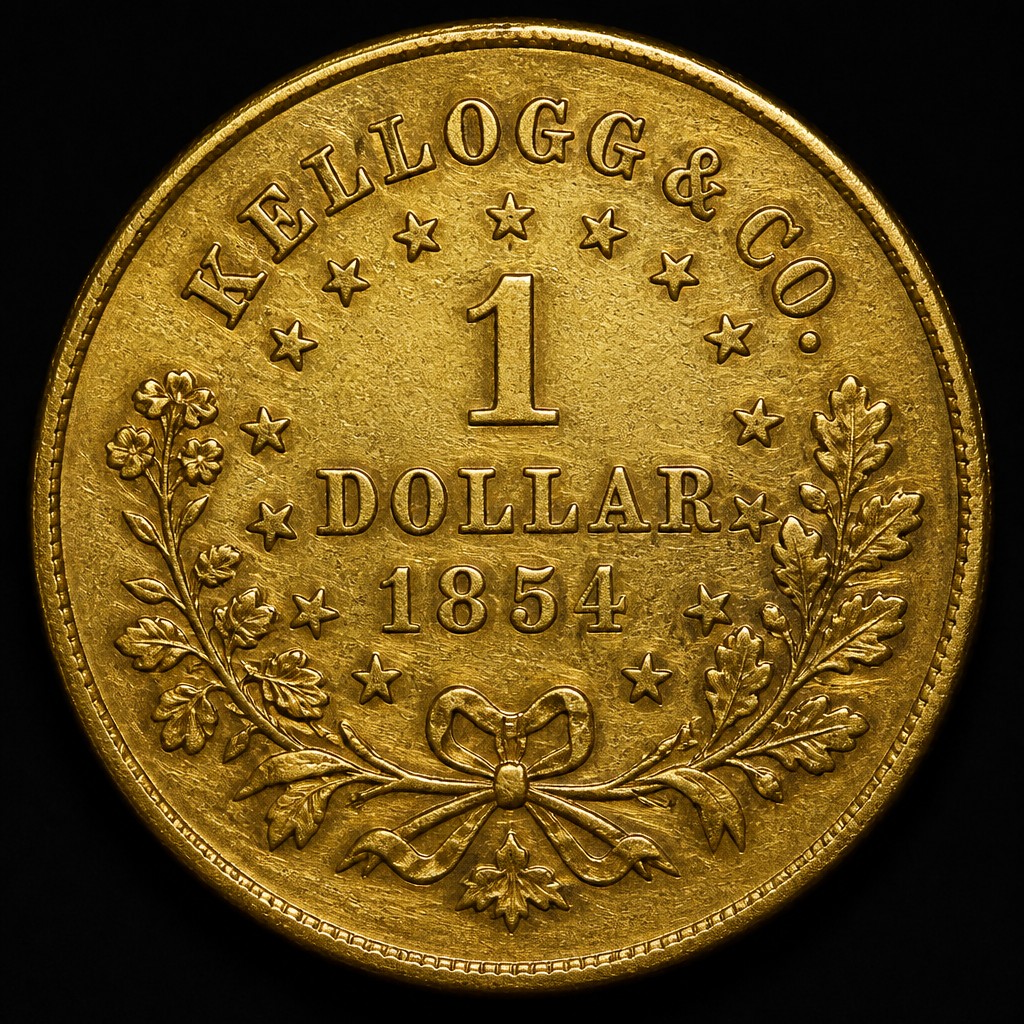
Kellogg & Co. Gold Piece
1854–1855
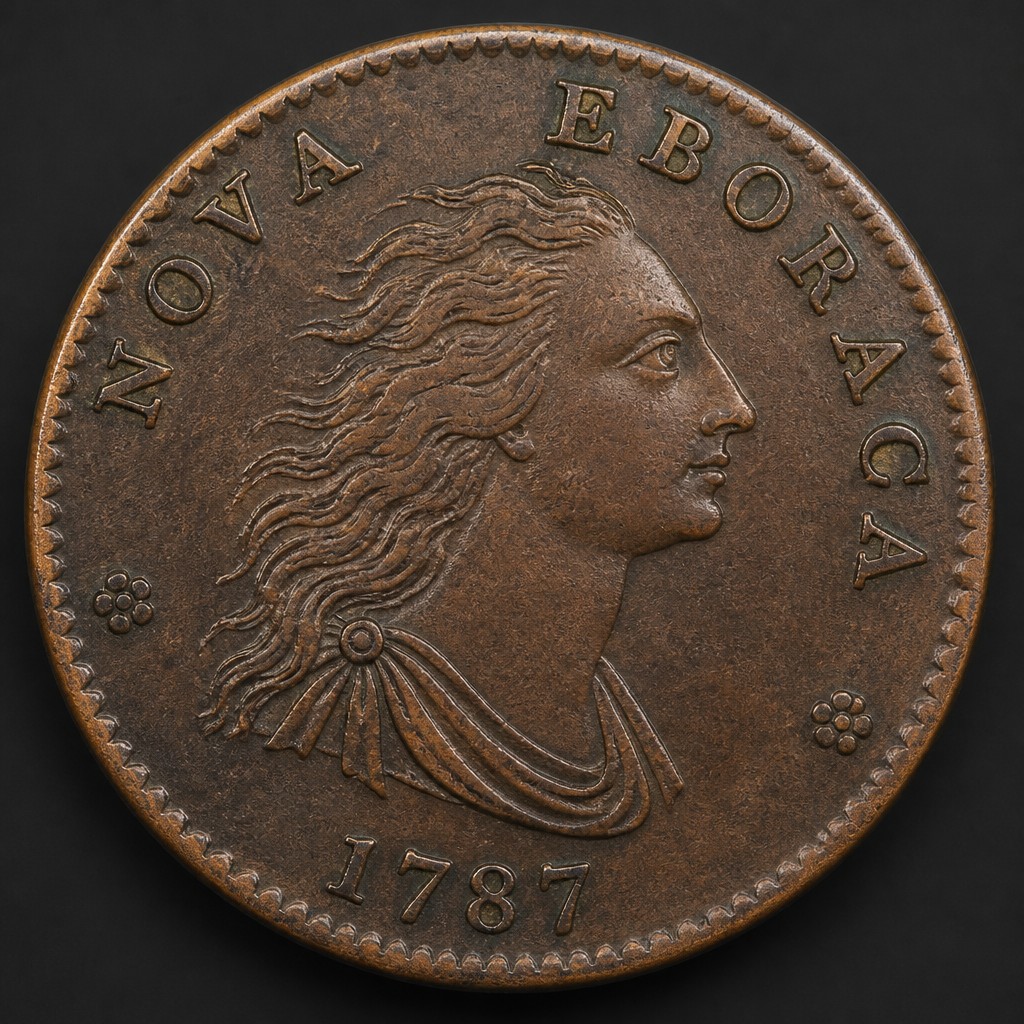
Nova Eborac Copper
1787
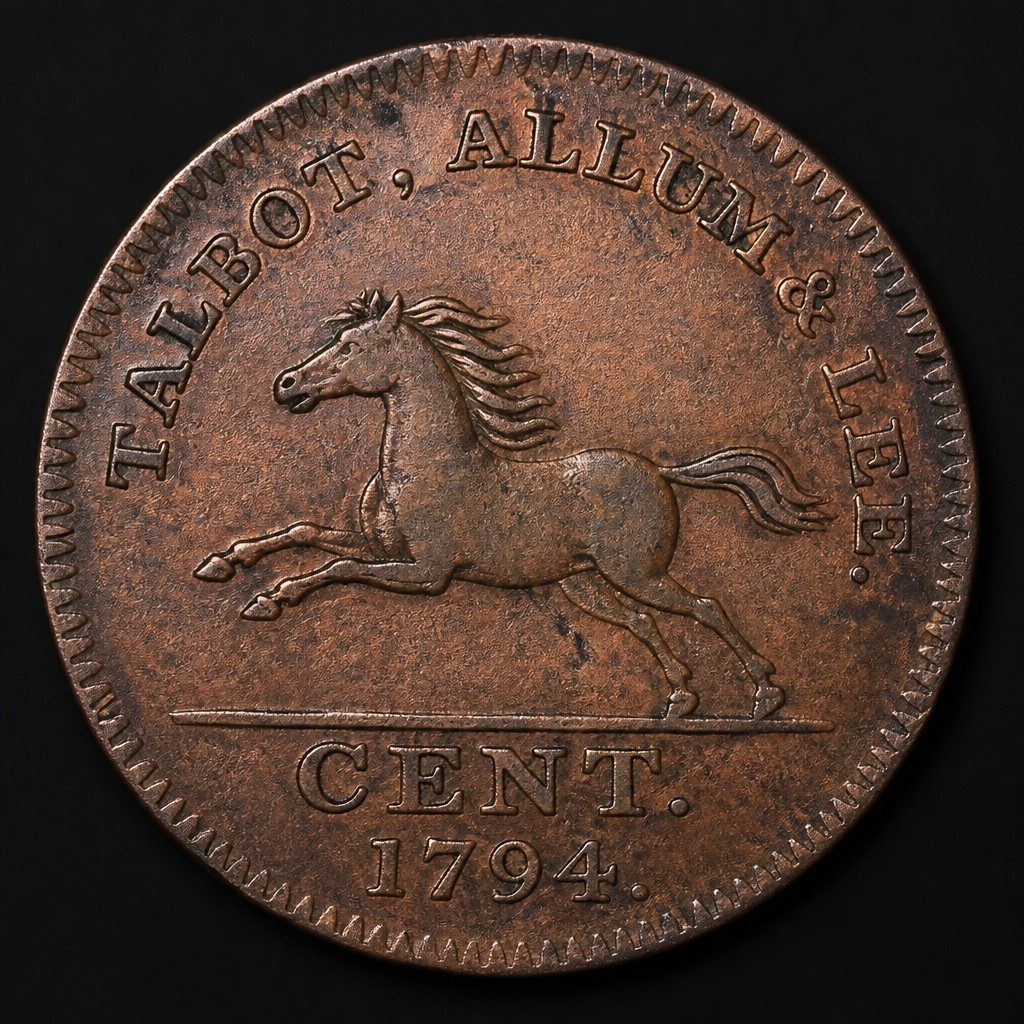
Talbot, Allum & Lee Cent
1794–1795
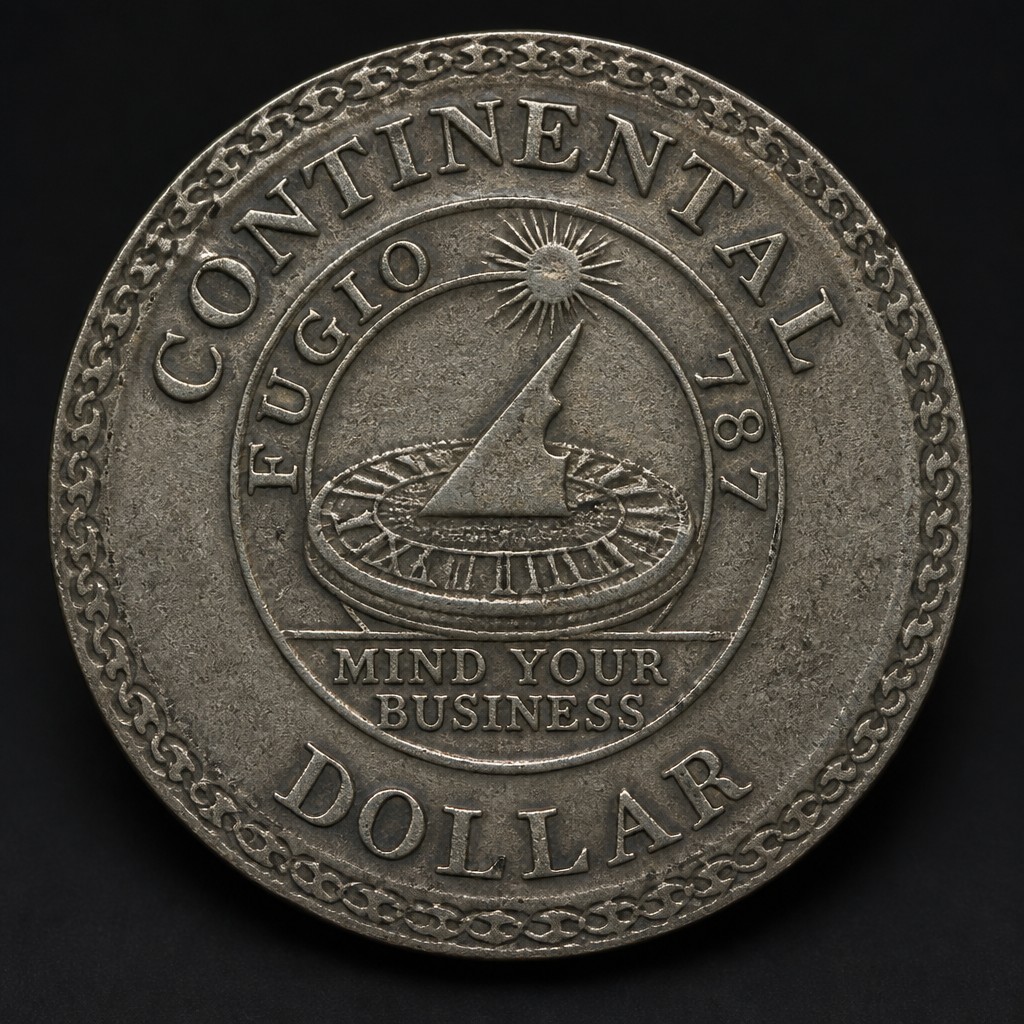
Continental Dollar
1776
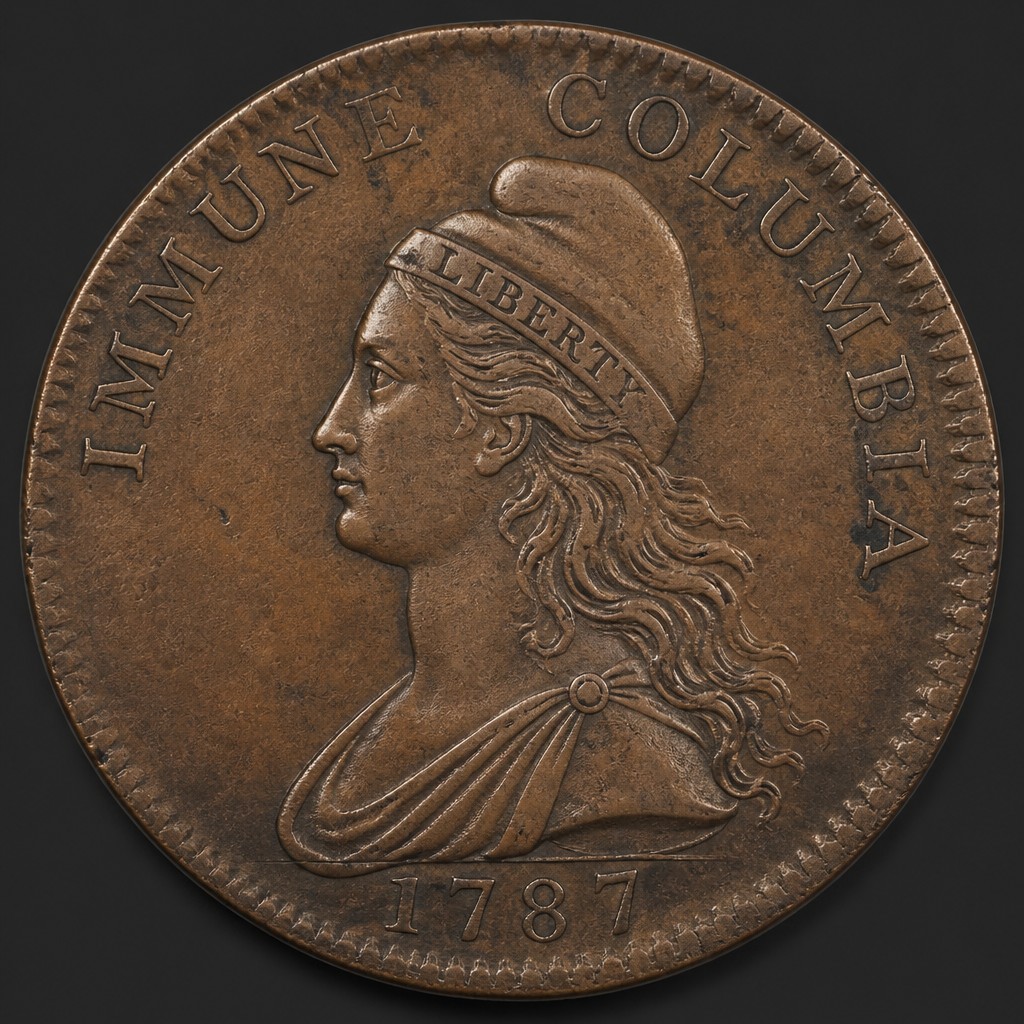
Immune Columbia Copper
circa 1785–1787
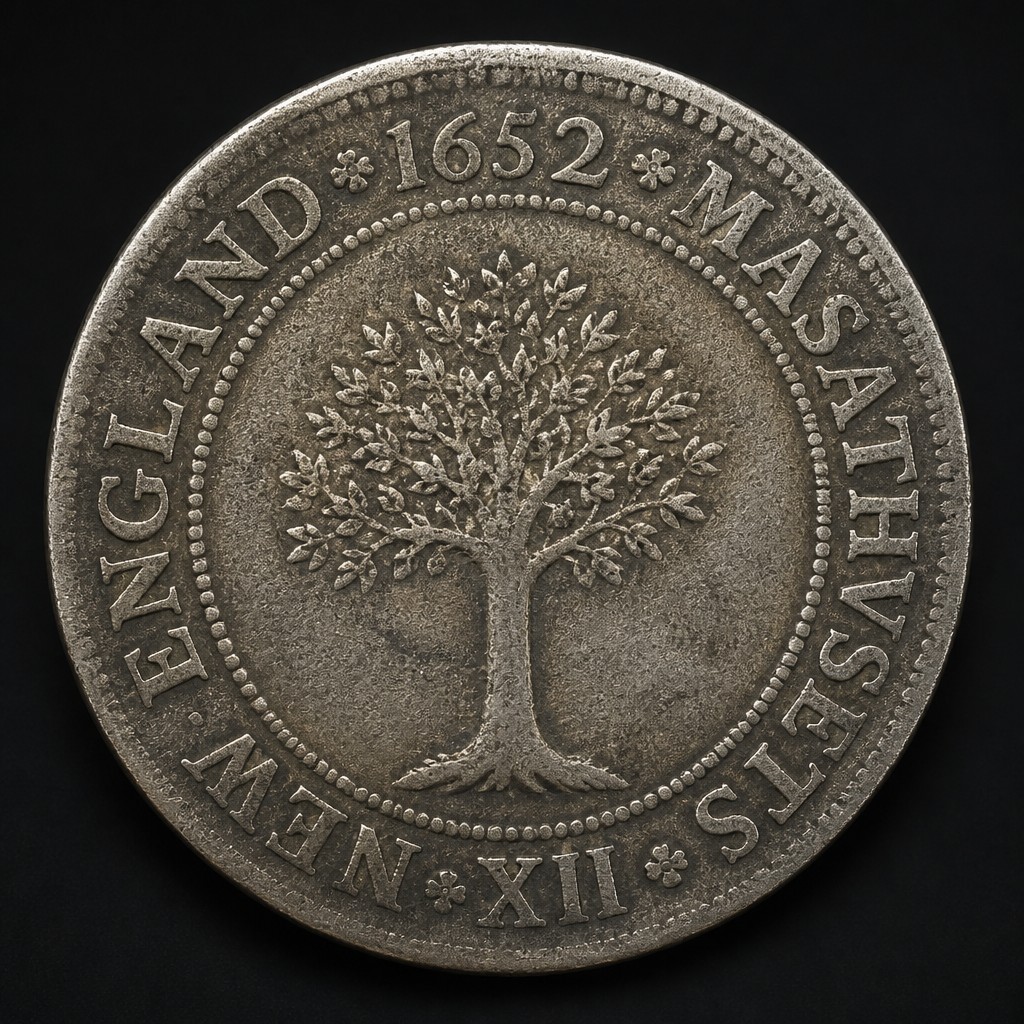
Massachusetts Oak Tree Shilling
Dated 1652, struck circa 1660–1667
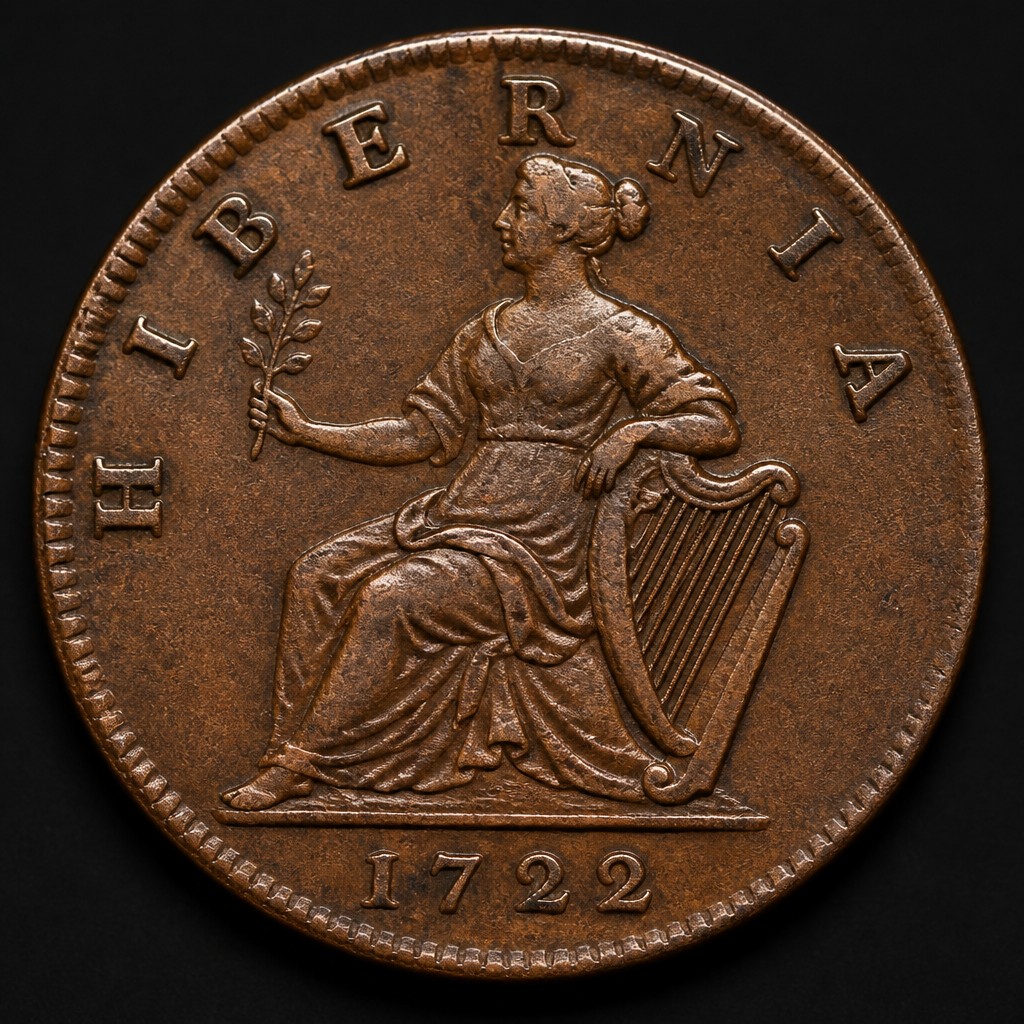
Wood's Hibernia Halfpenny
1722–1724
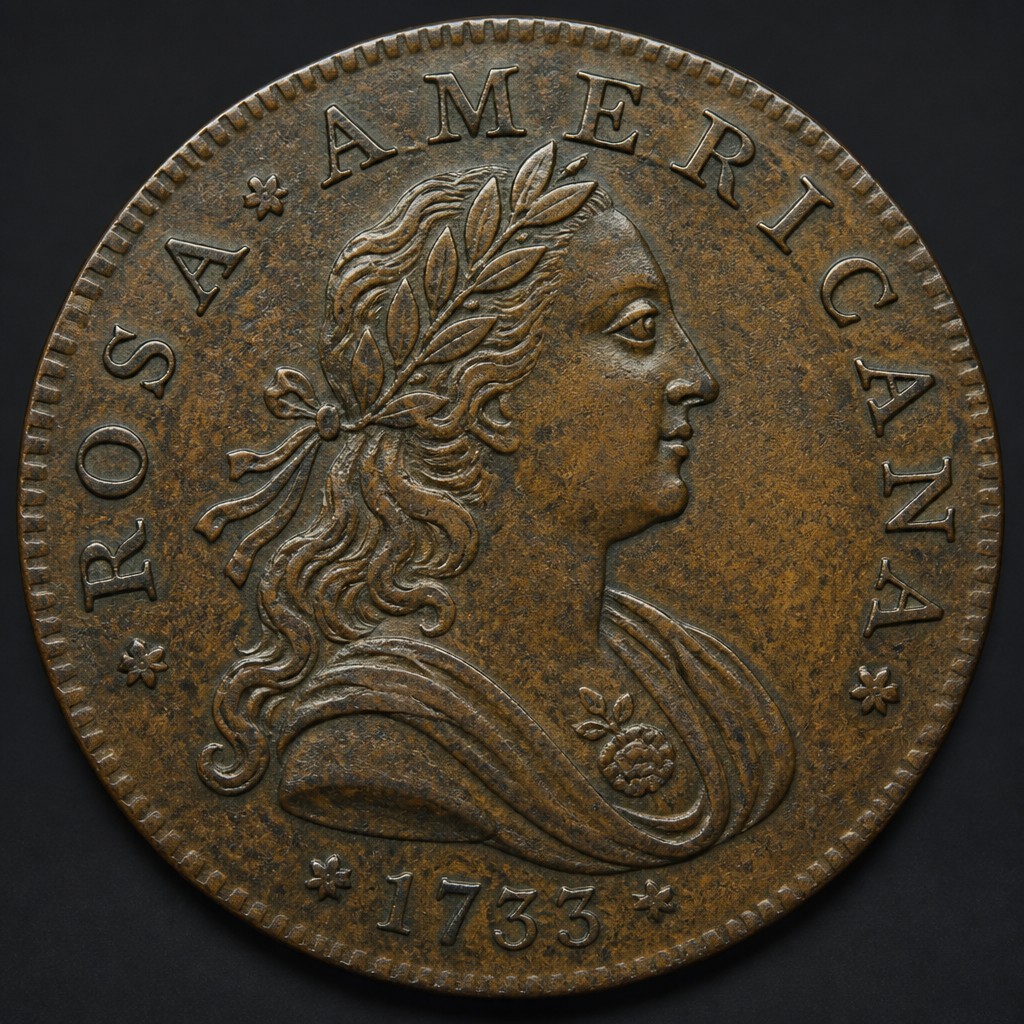
Rosa Americana Coinage
1722–1724 (with pattern issues dated 1733)
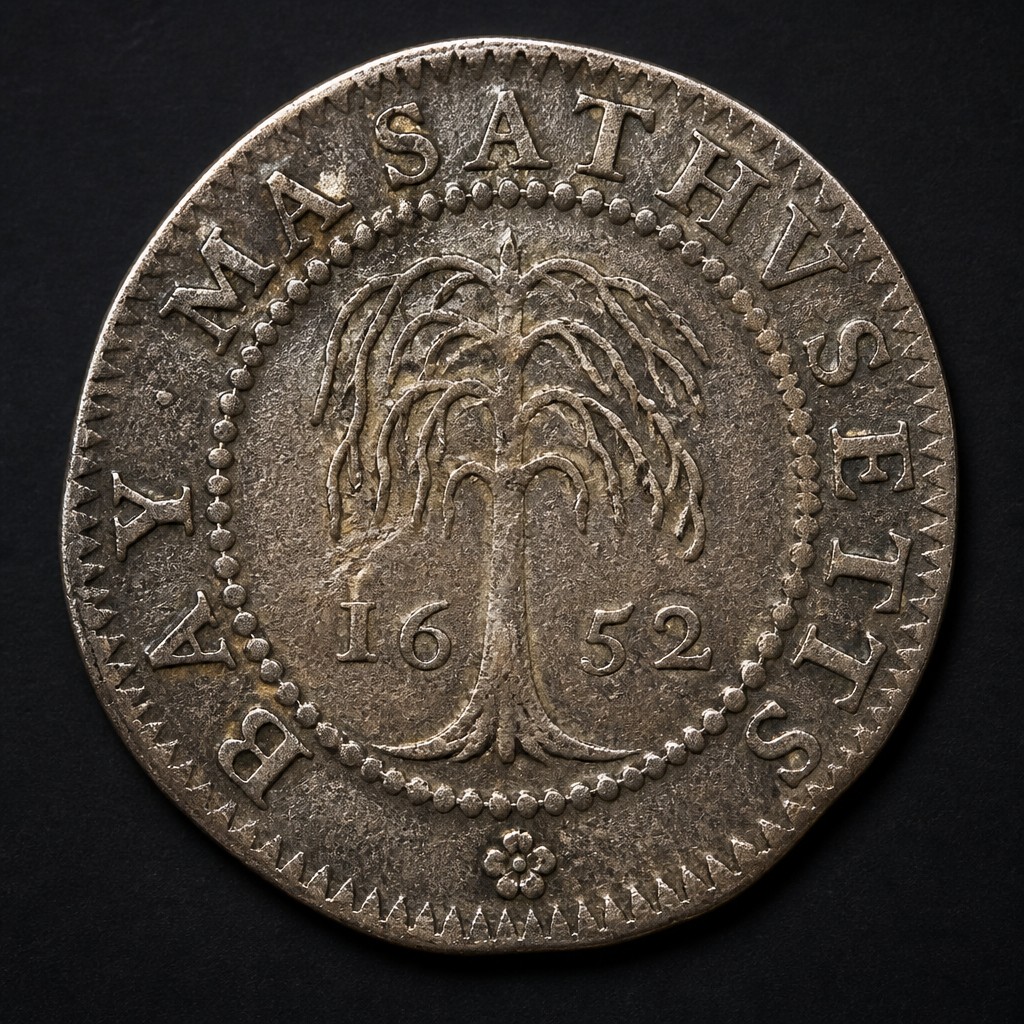
Massachusetts Willow Tree Shilling
Dated 1652, struck circa 1653–1660