
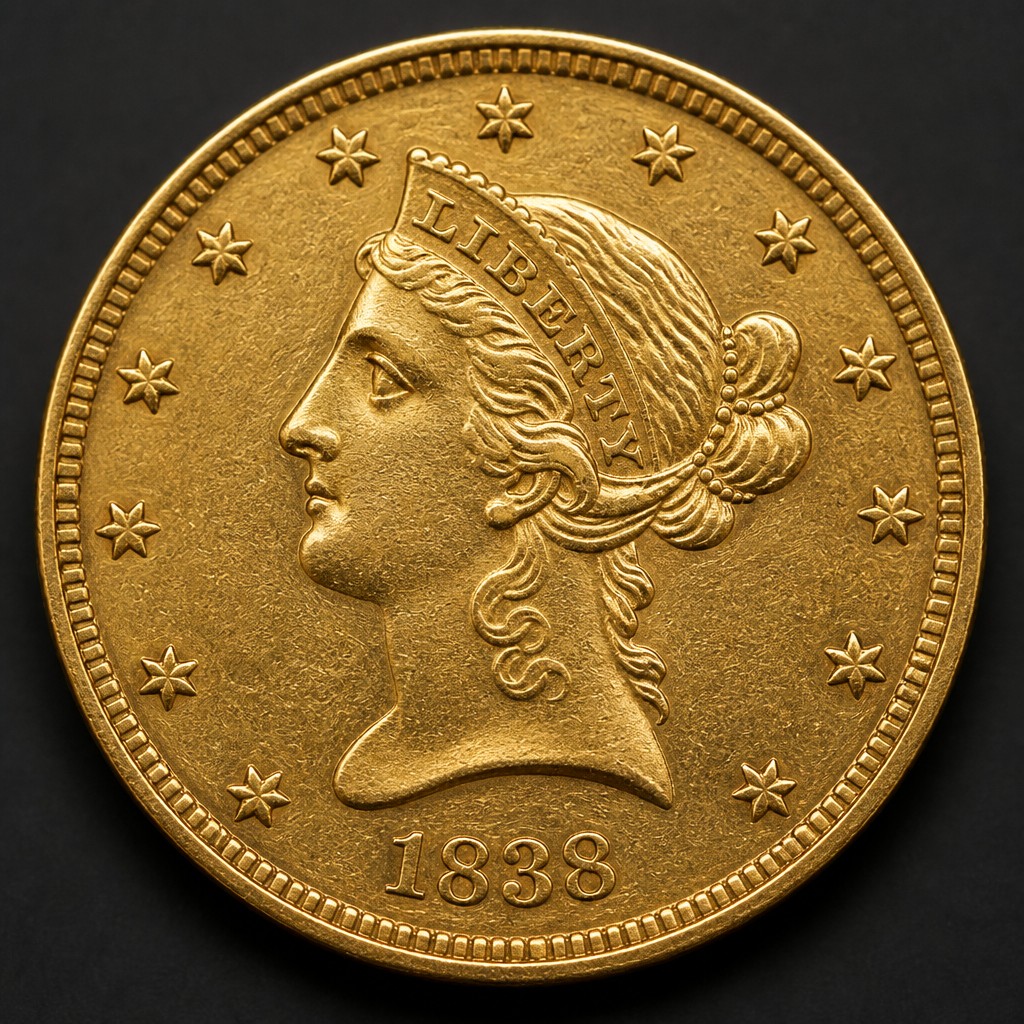
Liberty Head Eagle ($10)
A long-running 19th-century gold coin featuring Christian Gobrecht's Coronet Head design, minted at numerous branch mints across the expanding United States.
- Country
- United States
- Denomination
- Ten Dollars
- Metal
- Gold (.900 fine)
Got a coin like this?
Identify any coin from a photo, free.
Overview
The Liberty Head, or Coronet Head, Eagle was the standard ten-dollar gold coin of the United States for nearly seventy years, spanning the era of westward expansion, the Civil War, and the rise of new branch mints across the country. Its long production run and wide variety of mint locations make it a rich field for date-and-mint collectors.
Because it circulated through so much of American history and was struck at mints ranging from small Southern gold-rush facilities to the bustling San Francisco Mint, the series offers a broad spectrum of rarity and price points, from affordable common dates to extraordinarily rare branch-mint issues.
History & Background
Designed by Christian Gobrecht, the Coronet Head Eagle debuted in 1838, replacing the earlier Capped Bust type that had been discontinued decades earlier due to gold export pressures. Production resumed the ten-dollar denomination after a long hiatus and continued at Philadelphia and various branch mints through 1907, when it was replaced by Saint-Gaudens' Indian Head Eagle.
The series is divided into two major varieties: coins struck without the motto IN GOD WE TRUST (1838–1866) and those struck with the motto added following the Coinage Act of 1864, which mandated the phrase in the wake of the Civil War. Southern branch mints at Charlotte and Dahlonega struck the coin only in the no-motto era before those mints closed permanently at the outbreak of the Civil War.
Later in the series, New Orleans, Carson City, San Francisco, and Denver all contributed to production, tying the coin's history to America's gold rushes, the mining boom of the American West, and post-Civil War monetary policy.
How to Identify
The obverse depicts Liberty's head facing left wearing a coronet inscribed LIBERTY, encircled by thirteen stars with the date below. The reverse shows an eagle with a shield on its breast, holding arrows and an olive branch in its talons, surrounded by UNITED STATES OF AMERICA and the denomination TEN D.
On no-motto coins (1838–1866), the phrase IN GOD WE TRUST does not appear; on later coins, it is placed above the eagle on the reverse. Mintmarks appear on the reverse below the eagle: C for Charlotte, D for Dahlonega, O for New Orleans, CC for Carson City, S for San Francisco, and D again (a different era) for Denver, with no mark indicating Philadelphia.
Collectors should be careful distinguishing early Dahlonega (D) coins from later Denver (D) coins, which is done by cross-referencing the date, since Dahlonega closed in 1861. The coin has a reeded edge typical of gold coinage of the period.
Value & Collectibility
Values vary enormously across this long series. Common-date Philadelphia and San Francisco issues from later years often trade close to gold bullion value in circulated grades, while scarce branch-mint issues, particularly from Charlotte, Dahlonega, and Carson City, can bring substantial premiums even in well-worn condition due to low original mintages and heavy attrition.
Mint State examples of any date are proportionally scarcer than for later 20th-century gold coinage, since large numbers of Liberty Head Eagles circulated heavily or were melted over the decades. Key dates and rare mint combinations are the primary drivers of value beyond simple bullion content.
Frequently asked questions
What is the difference between no-motto and with-motto Liberty Head Eagles?
No-motto coins (1838–1866) omit IN GOD WE TRUST from the reverse, while later coins include the motto above the eagle following a Civil War-era law.
Why are Charlotte and Dahlonega mintmarked coins valuable?
Both mints closed in 1861 due to the Civil War and struck comparatively small quantities of gold coinage, making their issues scarce today.
Who designed the Liberty Head Eagle?
Christian Gobrecht designed the Coronet Head motif used across this and several other mid-19th-century U.S. gold denominations.
What replaced the Liberty Head Eagle?
It was replaced in 1907 by Augustus Saint-Gaudens' Indian Head Eagle design.
Other coins you may enjoy
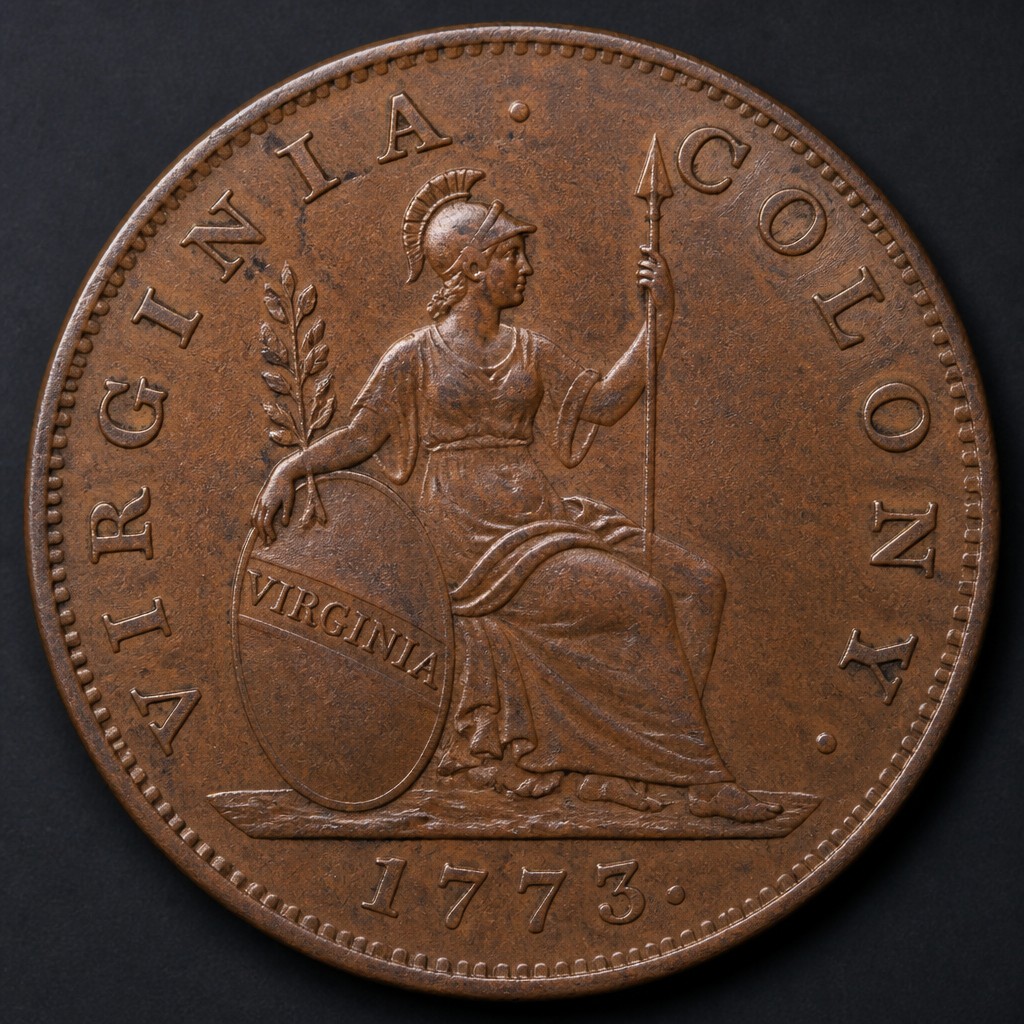
Virginia Halfpenny
1773
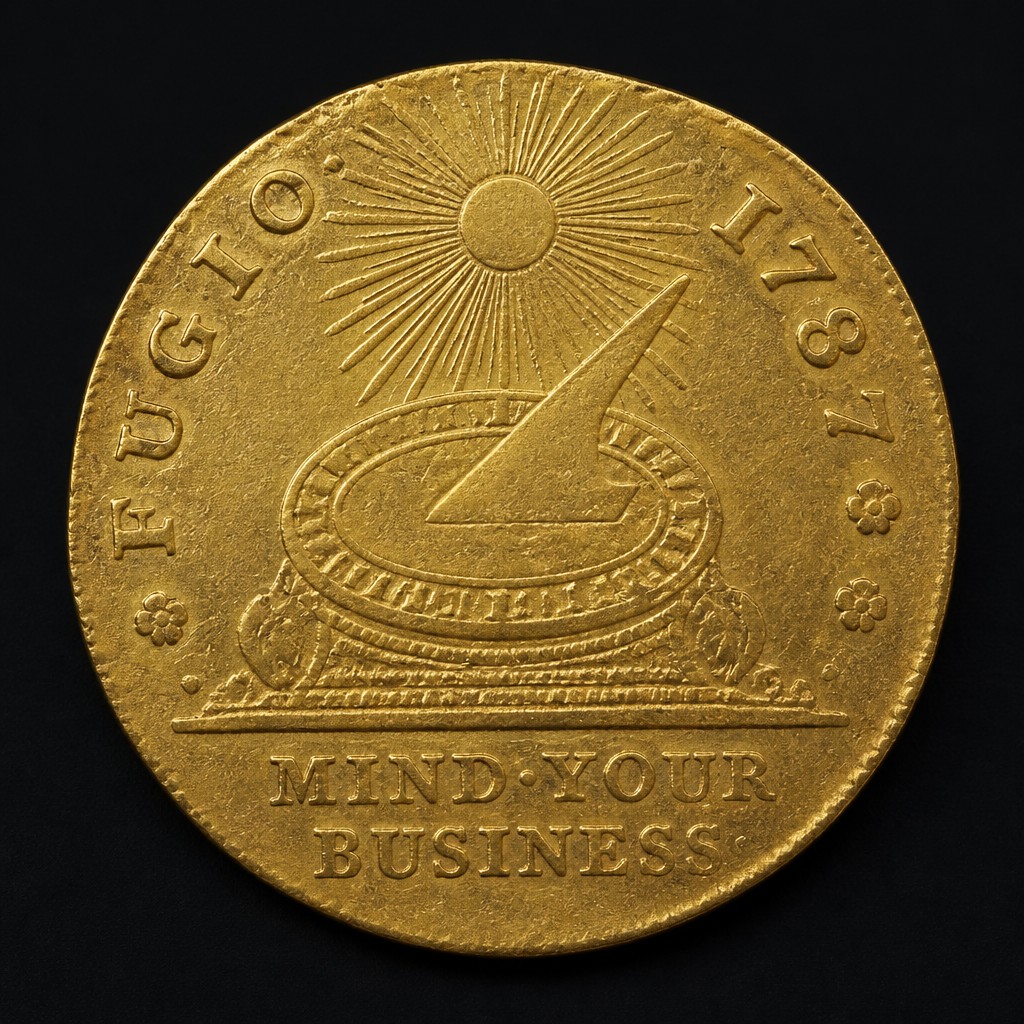
Brasher Doubloon
1787
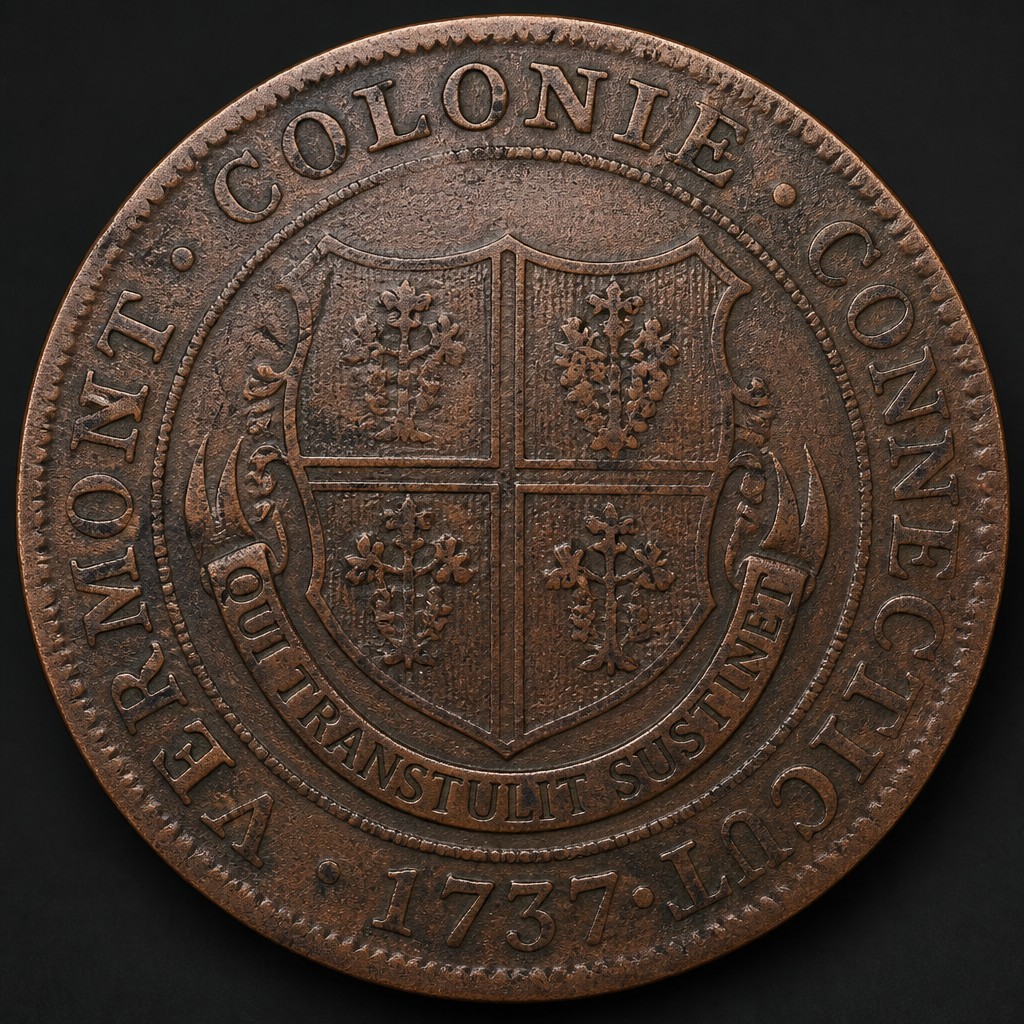
Higley Copper
1737–1739
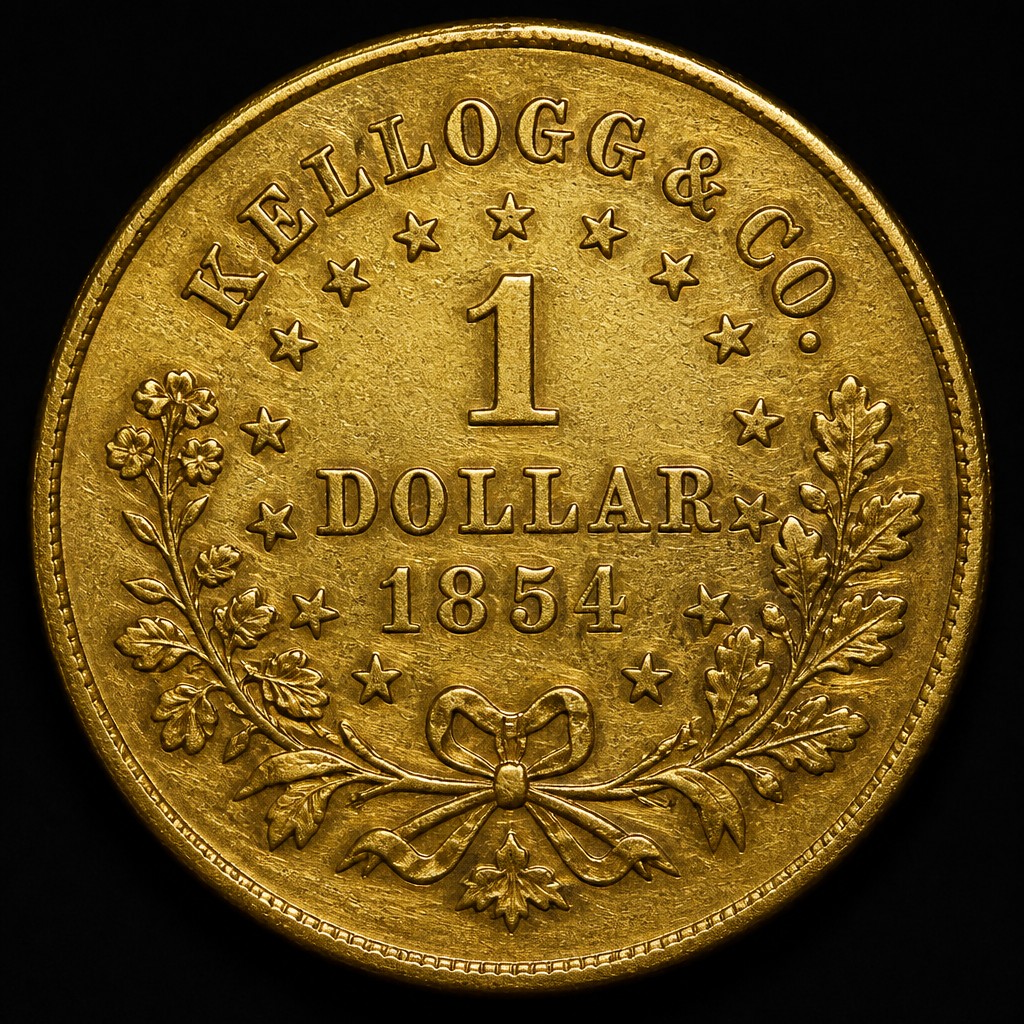
Kellogg & Co. Gold Piece
1854–1855
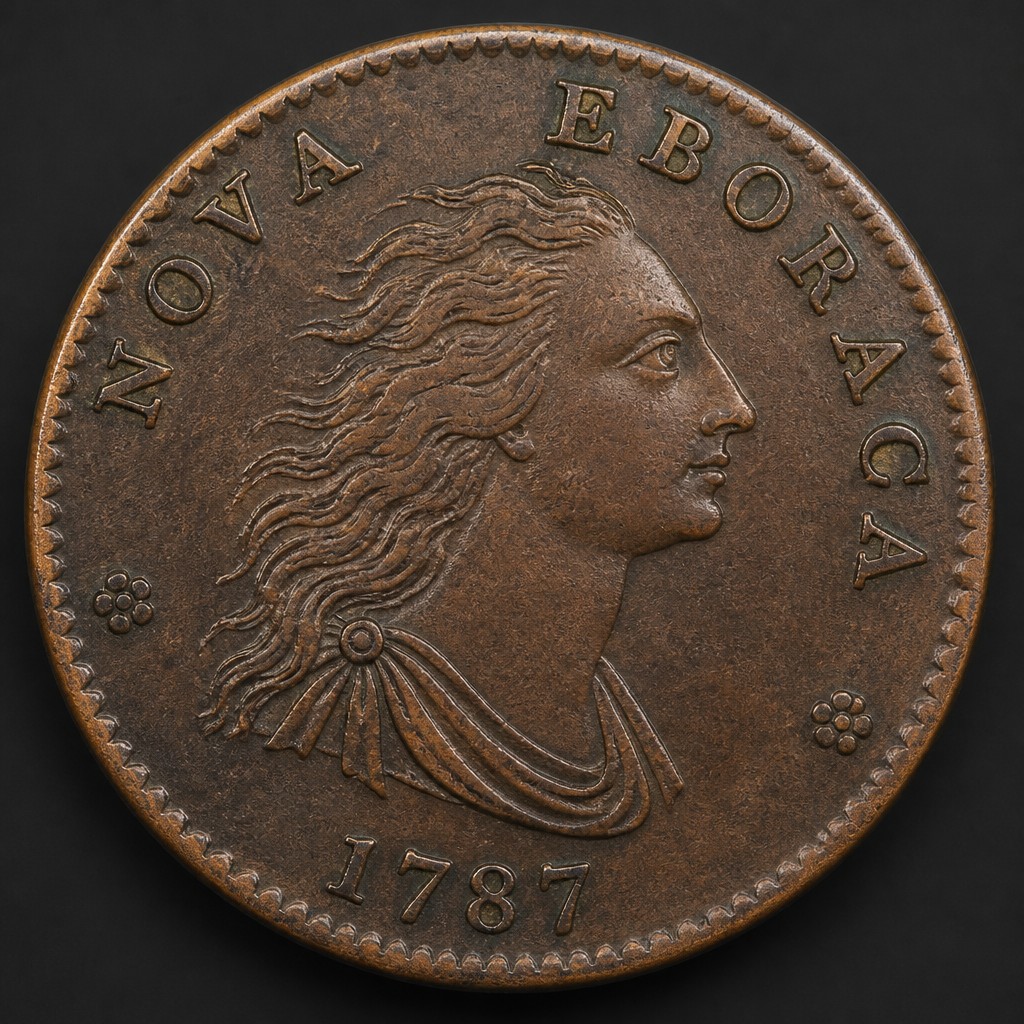
Nova Eborac Copper
1787
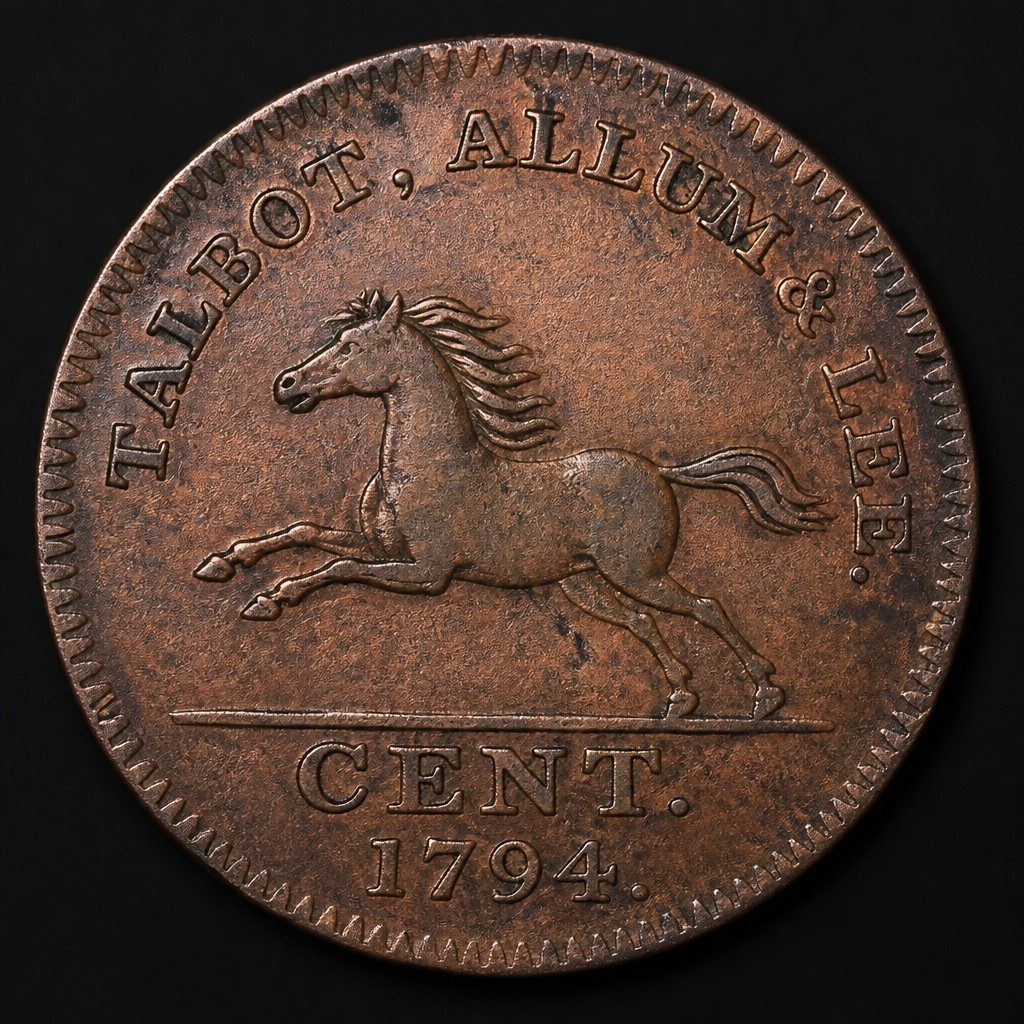
Talbot, Allum & Lee Cent
1794–1795
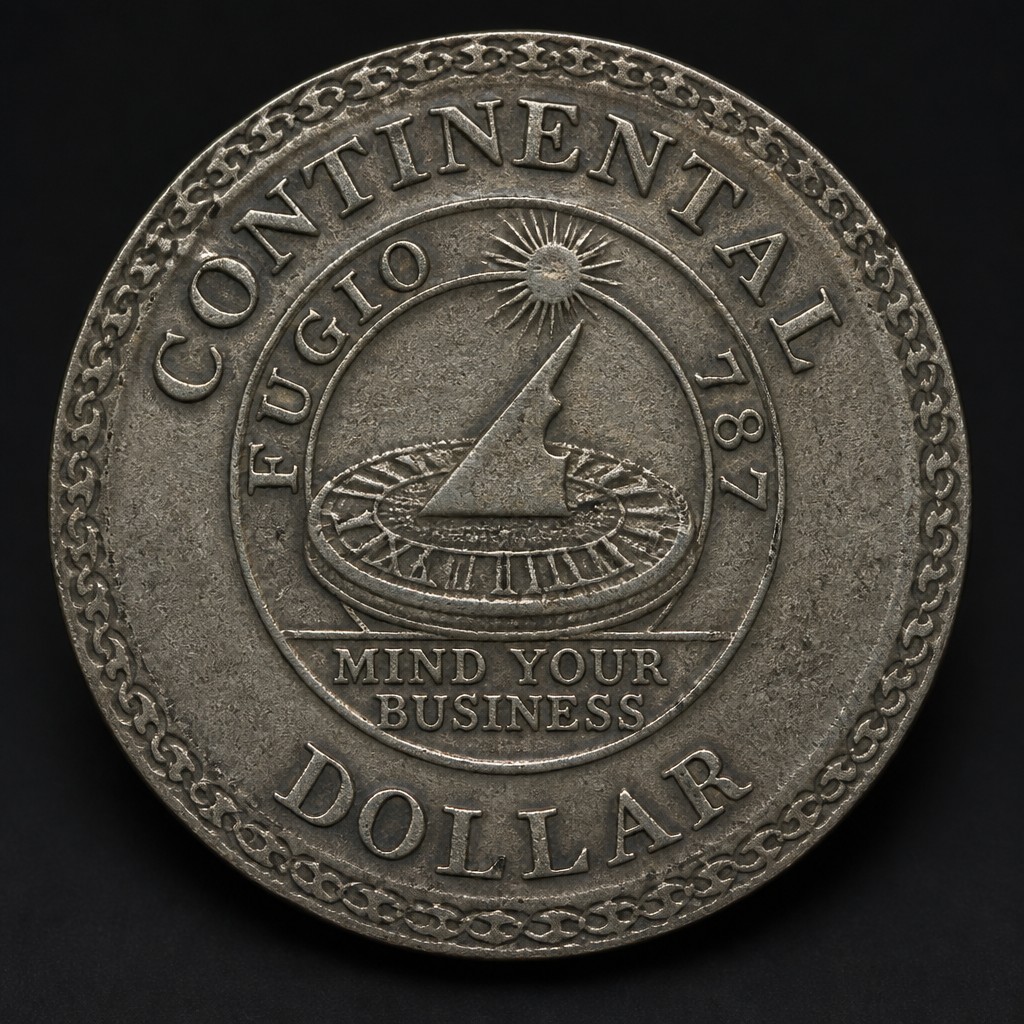
Continental Dollar
1776
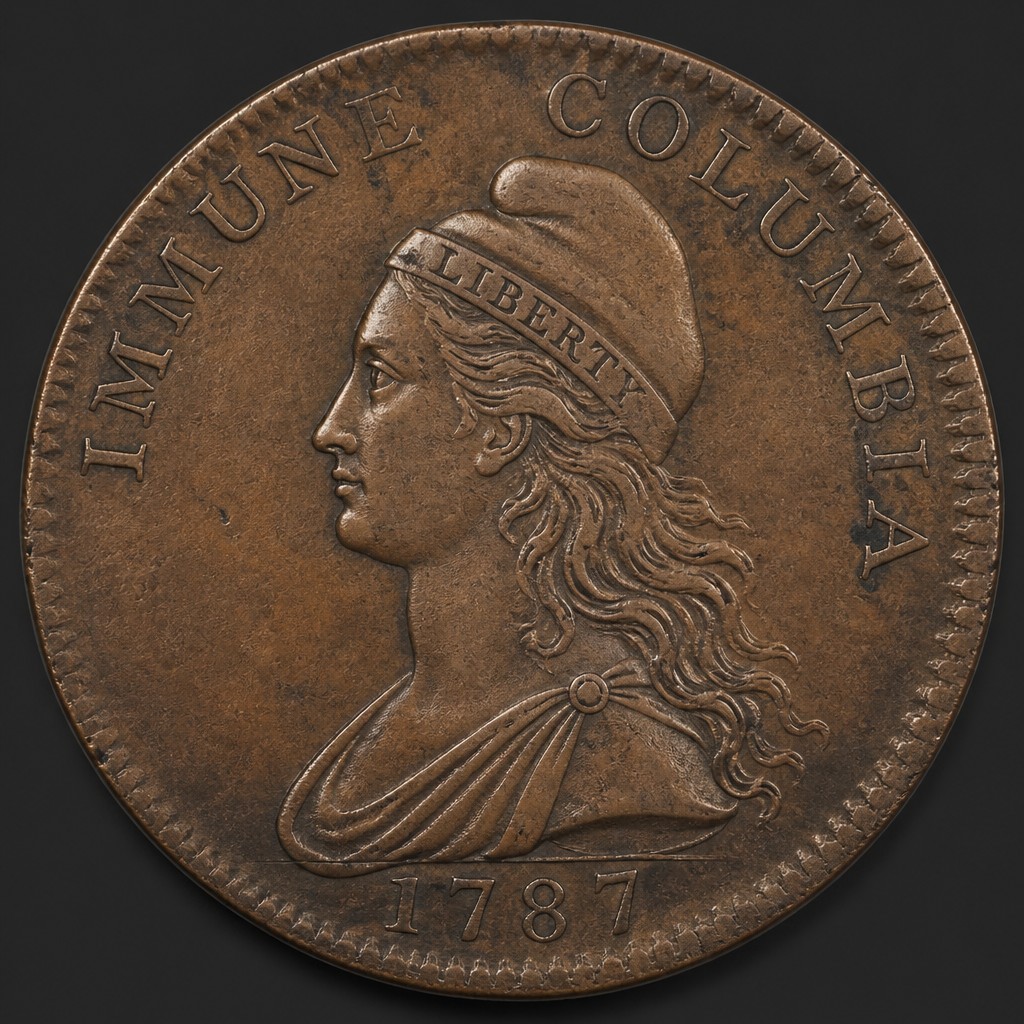
Immune Columbia Copper
circa 1785–1787
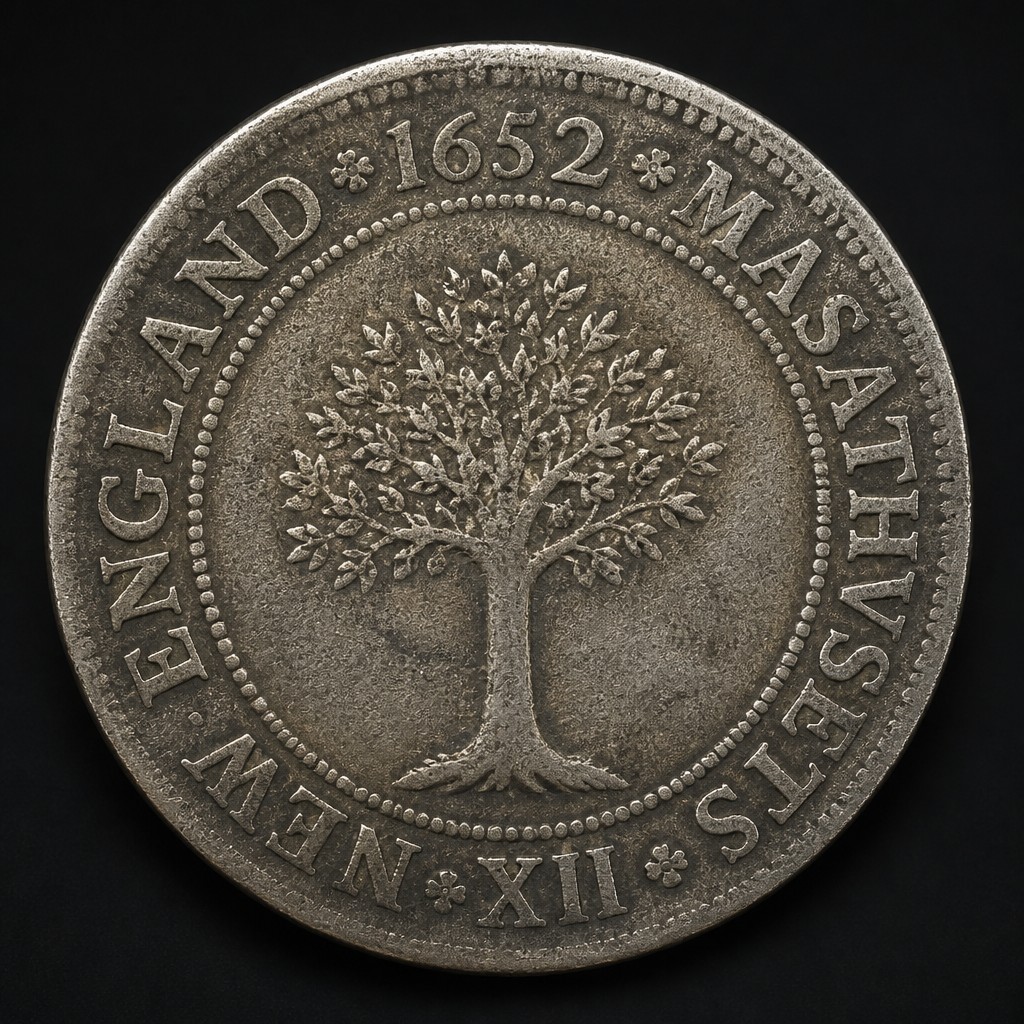
Massachusetts Oak Tree Shilling
Dated 1652, struck circa 1660–1667
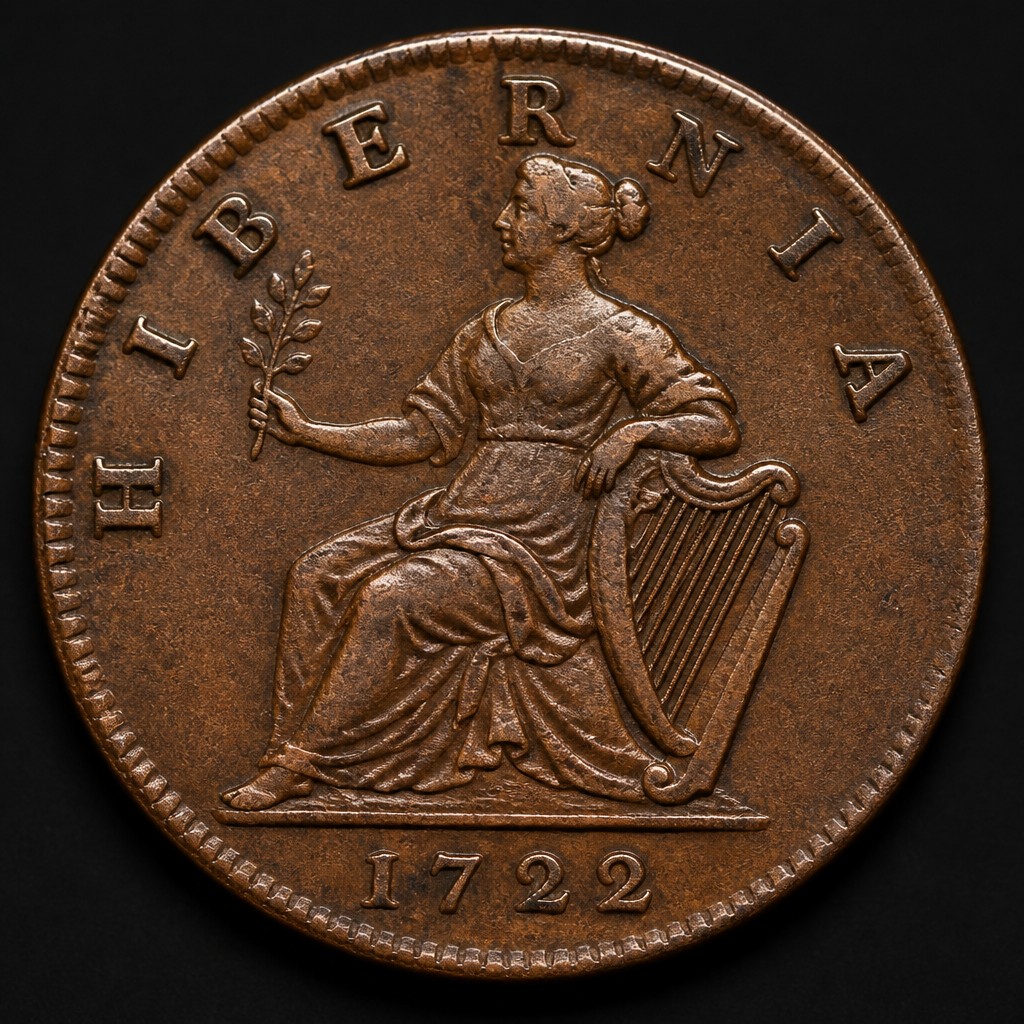
Wood's Hibernia Halfpenny
1722–1724
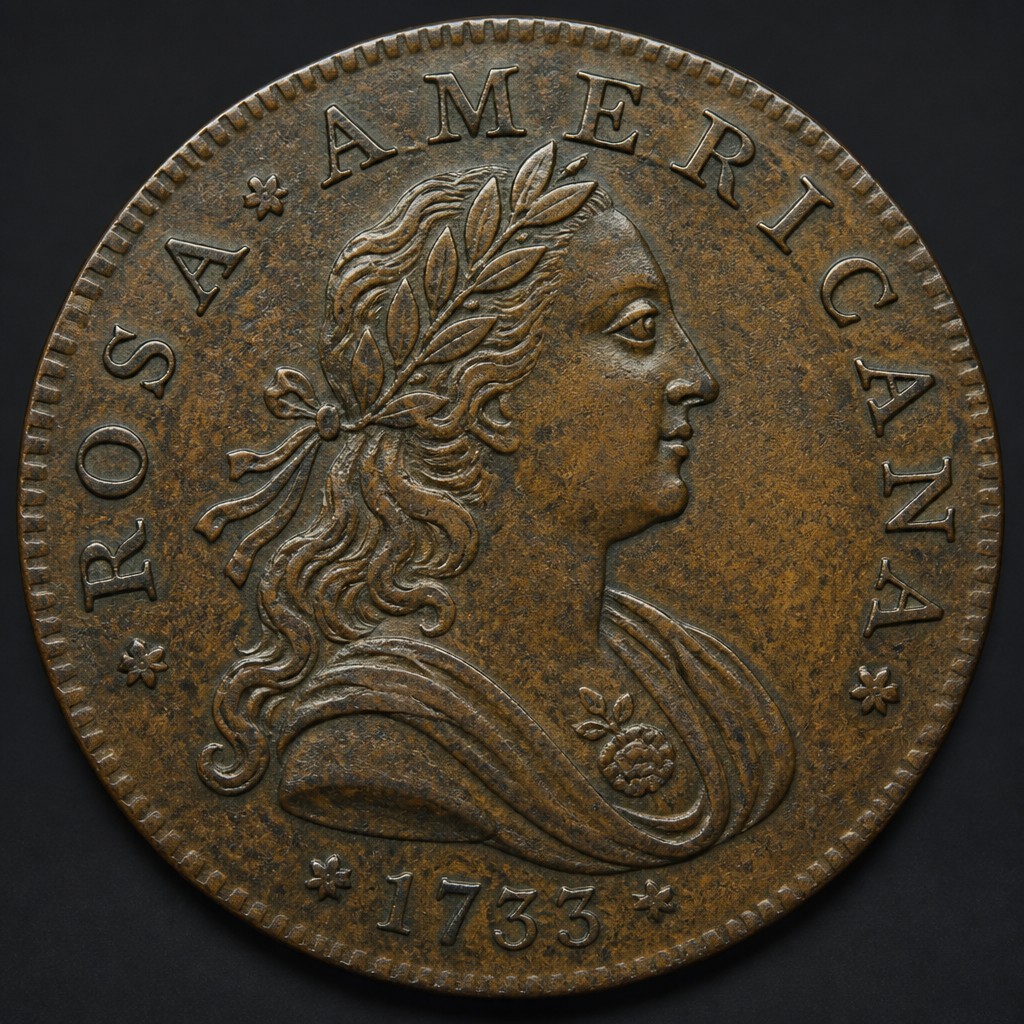
Rosa Americana Coinage
1722–1724 (with pattern issues dated 1733)
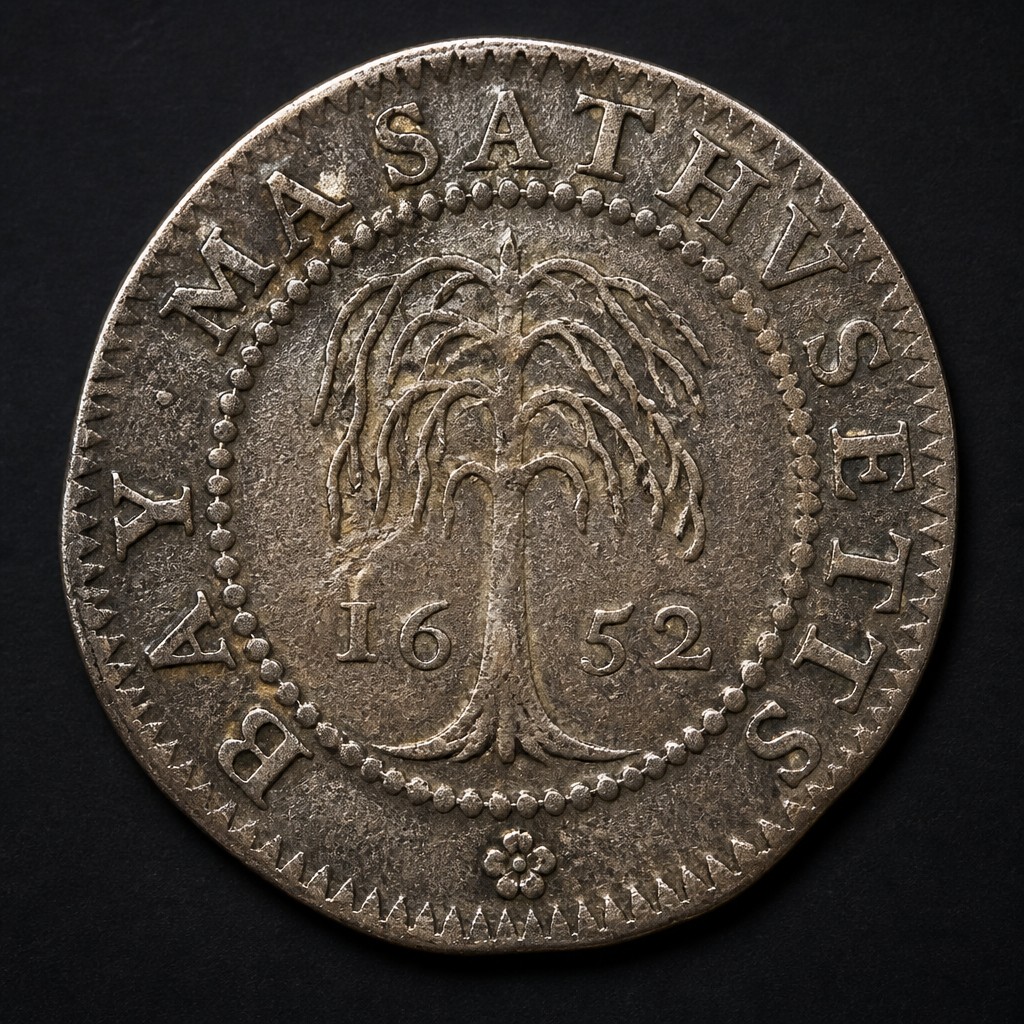
Massachusetts Willow Tree Shilling
Dated 1652, struck circa 1653–1660